27 Burrowing Animals: Amazing Animals That Live Underground
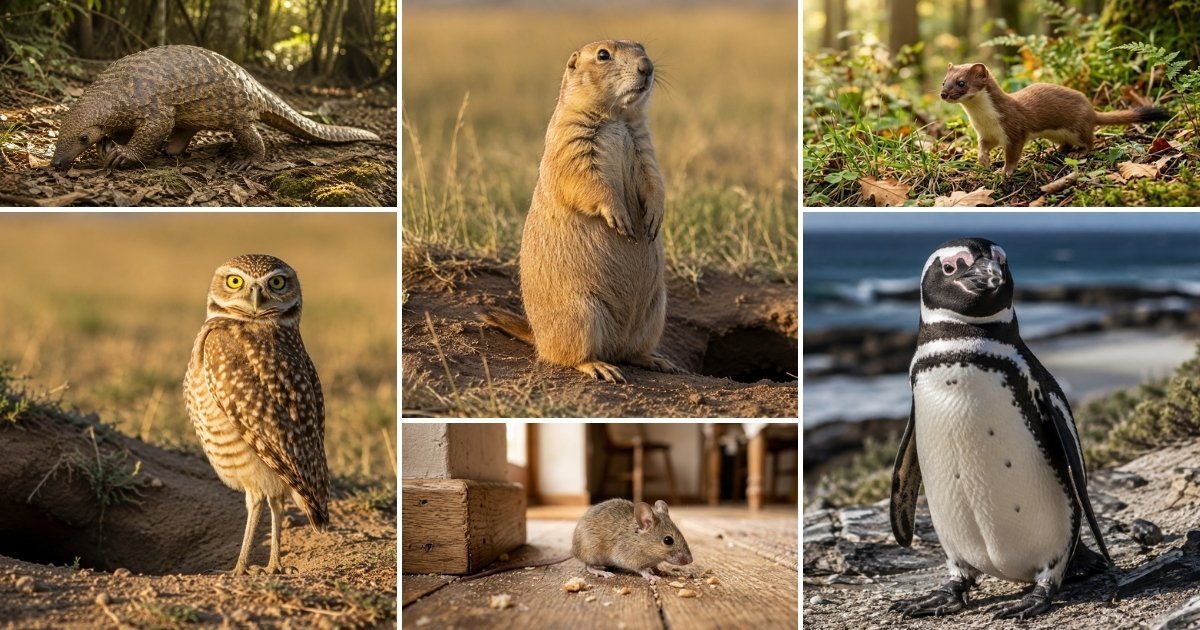
Burrowing animals, also known as animals that dig, create intricate underground networks that serve various purposes, from shelter to breeding grounds. These subterranean habitats offer protection from predators and help regulate temperature, ensuring the survival of numerous species.
While some creatures, like moles, seldom see the light of day, others only retreat underground when necessary. In this blog post, we’ll explore 27 fascinating burrowing animals and reveal the incredible adaptations that enable them to thrive beneath our feet.
What Are Burrowing Animals?
Burrowing animals are fascinating creatures that instinctively create or utilize underground spaces for shelter, safety, and survival. These animals either dig their own intricate systems of tunnels and underground burrows or take advantage of pre-existing holes made by other creatures.
For example, animals like rabbits and badgers invest considerable energy in excavating their own burrows, shaping environments tailored to their needs. Conversely, species such as some rodents and insects might opt to occupy abandoned burrows, making efficient use of resources without the labor of digging.
The purpose of these burrows underground extends far beyond mere shelter. They provide essential protection from predators and harsh weather, serving as a safe haven where temperature fluctuations are minimized.
Burrows can host food reserves, ensuring that inhabitants have access to sustenance even in challenging conditions. From serving as nurseries for young to acting as complex networks that foster social interactions, these underground habitats are vital to the survival and thriving of many species in the animal kingdom.
Why Do Animals Live Underground?
Burrowing underground offers animals a sanctuary against various threats and environmental extremes. By choosing to live below the surface, creatures not only shield themselves from predators but also find refuge from extreme temperatures.
For example, the searing heat of the desert or the biting cold of winter can be nearly unbearable above ground. Animals like rabbits and meerkats utilize these underground havens to regulate their body temperature and stay safe from harsh weather conditions.
Underground habitats provide a secure environment for raising young. Many species, such as moles and groundhogs, create intricate burrows where they nurture their babies, away from the prying eyes of potential threats. These subterranean dwellings often serve as rich sources of food, as various insects and plant roots are more abundant underground.
The advantages of burrowing further extend to ensuring better moisture retention, as underground spaces tend to remain more insulated from the elements, making them ideal locations for survival and growth. Overall, by opting to burrow underground, animals have effectively crafted a multi-faceted strategy for thriving in diverse ecosystems.
List Of Burrowing Animals
When we think of wildlife, towering trees and wide-open fields often come to mind, but a fascinating realm exists just beneath the surface home to a variety of underground animals. This burrowing animals list showcases some of nature’s most ingenious architects. From the industrious mole, with its powerful forelimbs designed for digging, to the intricate tunnel systems of the naked mole rat, these creatures adapt to life below ground in unique ways, evoking both awe and curiosity.
Platypus
| Feature | Details |
|---|---|
| Size | 38–60 cm long |
| Habitat | Freshwater rivers, streams and lakes in eastern Australia and Tasmania |
| Burrow Type | Simple short burrow for resting and longer complex burrow for nesting and breeding |
| Digging Behavior | Digs burrows into riverbanks using its strong claws and bill to loosen and push soil |
| Purpose | Burrows used for shelter, protection from predators and raising young |
| Diet | Insects, larvae, worms, yabbies, shrimp and freshwater crayfish |
The platypus, a unique semi-aquatic mammal, primarily inhabits the rivers and streams of eastern Australia and Tasmania. This creature is intriguing not just for its appearance, with a duck-bill and webbed feet, but also for its burrowing habits.
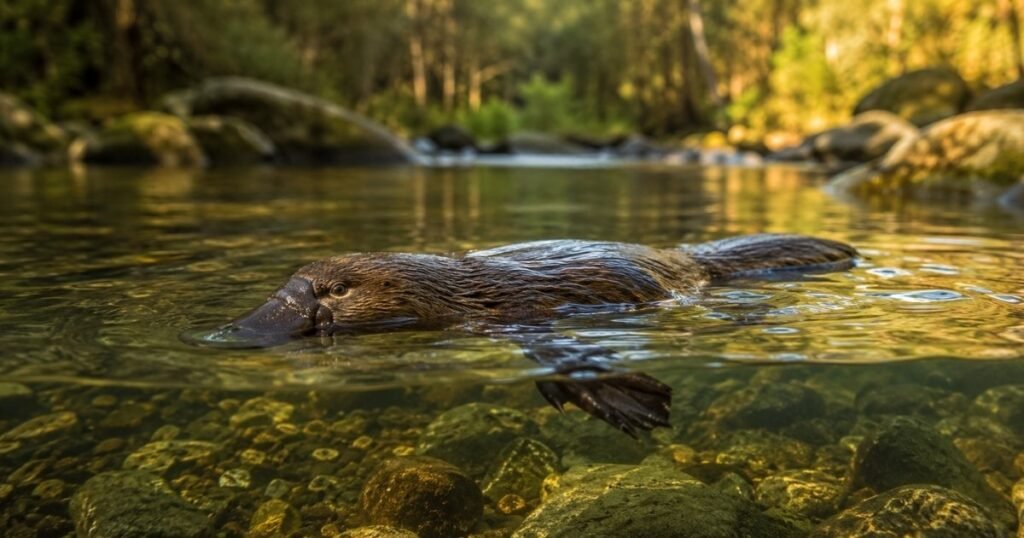
Platypuses dig extensive burrows in riverbanks, using their powerful forelimbs to create tunnels up to 30 meters long. These burrows often have a complex structure, featuring multiple chambers for nesting and resting, which helps maintain a stable temperature.
When it comes to nesting and breeding, the female platypus lays eggs in these burrows, where she will incubate them in a cozy chamber lined with grass and feathers. The underground environment is vital for their reproductive success as it provides protection from predators and harsh weather.
By utilizing these underground retreats, platypuses can ensure a safe environment for their young while capitalizing on the abundance of food sources found in their aquatic habitats.
House Mouse
| Feature | Details |
|---|---|
| Size | Small, body 7-10 cm long, tail nearly as long as body. Weight 12-30 g. |
| Habitat | Homes, fields, warehouses, shops, urban and rural areas — lives close to humans (commensal species). |
| Burrow Type | Shallow, branching underground tunnels with multiple exits; also nests in wall gaps, furniture, and insulation. |
| Digging Behavior | Digs fast using front paws and teeth; creates separate chambers for sleeping, food storage, and breeding. |
| Purpose | Shelter from predators and weather, safe space for breeding and food storage. |
| Diet | Omnivore — grains, seeds, fruits, vegetables, household food scraps, occasionally insects; eats small amounts frequently. |
House mice are some of the most adaptable creatures, often finding shelter in the nooks and crannies of human dwellings. These small rodents typically prefer to hide in existing holes or crevices rather than digging extensive burrows, allowing them to utilize urban architectures like walls and basements for protection.
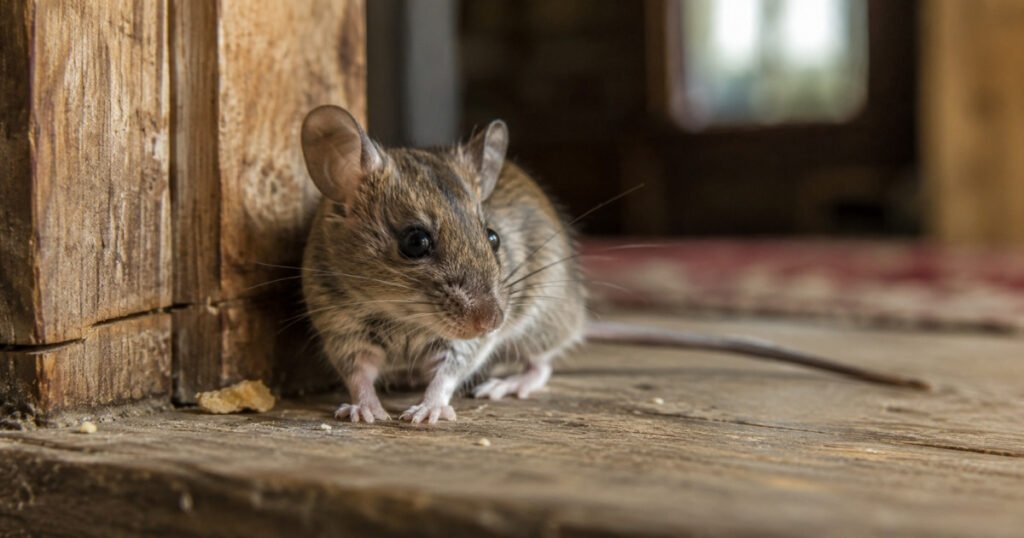
Their nesting behavior is quite fascinating; they build nests from soft materials such as paper, fabric, and vegetation within their hiding spots, creating cozy homes. Living underground provides house mice with a sanctuary from predators and harsh environmental conditions.
This subterranean lifestyle not only guards them from the dangers above but also offers easy access to food sources like pantry items or crumbs. The ability to thrive in such diverse environments underscores the resilience of house mice, who can coexist alongside humans while remaining largely concealed and safe from harm.
Pangolin
| Feature | Details |
|---|---|
| Size | 30-100 cm body length, tail similar length; weight 1.5-33 kg (species-dependent). |
| Habitat | Tropical forests, grasslands, and savannas across Asia and Africa. |
| Burrow Type | Deep underground burrows, sometimes several meters long, with a sleeping chamber. |
| Digging Behavior | Strong front claws used to dig burrows and tear open termite/ant mounds. |
| Purpose | Shelter, protection from predators/heat, and finding food (insects underground). |
| Diet | Insectivore — mainly ants and termites, caught using its long sticky tongue. |
Pangolins are remarkable for their specialized burrowing behavior that greatly varies among different species. Known for their protective keratin scales, these nocturnal creatures dig impressive burrows, often reaching depths of over a meter and spanning several meters in diameter.
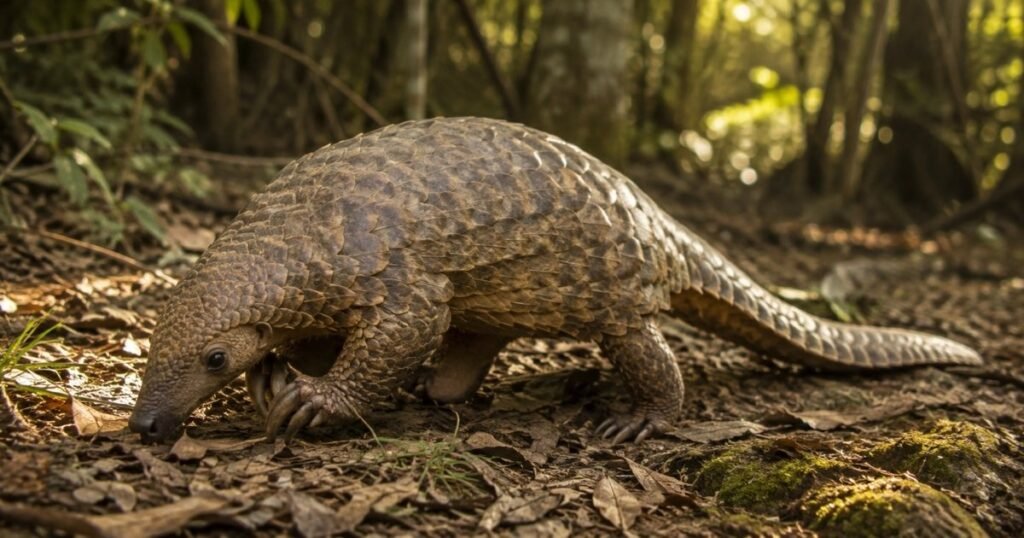
These underground hideaways serve as both sleeping quarters during the day and refuge when threatened, illustrating the pangolin’s evolutionary adaptations to evade predators. Pangolins utilize their burrows for protection against harsh weather conditions and to maintain a stable microclimate.
Found in various habitats across Africa and Asia, from dense forests to savannas, these fascinating mammals demonstrate significant ecological versatility. By choosing to burrow in the earth, pangolins create important ecosystems underneath the surface, highlighting their unique role in maintaining the balance of their habitats.
Funnel-Web Spider
| Feature | Details |
|---|---|
| Size | Body 1-5 cm long (females larger than males). |
| Habitat | Moist forests, gardens, and burrows in eastern Australia (native region). |
| Burrow Type | Silk-lined burrows in soil, under rocks, logs, or in tree crevices, with funnel-shaped silk web at entrance. |
| Digging Behavior | Digs burrow using fangs and legs; lines walls with silk for stability and to detect prey vibrations. |
| Purpose | Shelter, trap for catching prey, and safe place for mating/egg-laying. |
| Diet | Carnivore — insects, small lizards, and other invertebrates caught via web vibrations. |
The Funnel-Web Spider is a master architect of the underground realm, crafting burrows lined with silk that serve as traps for unsuspecting prey. These burrows, often resembling a funnel shape, feature an exquisite web anchored at the entrance, meticulously woven to catch anything that dares approach.
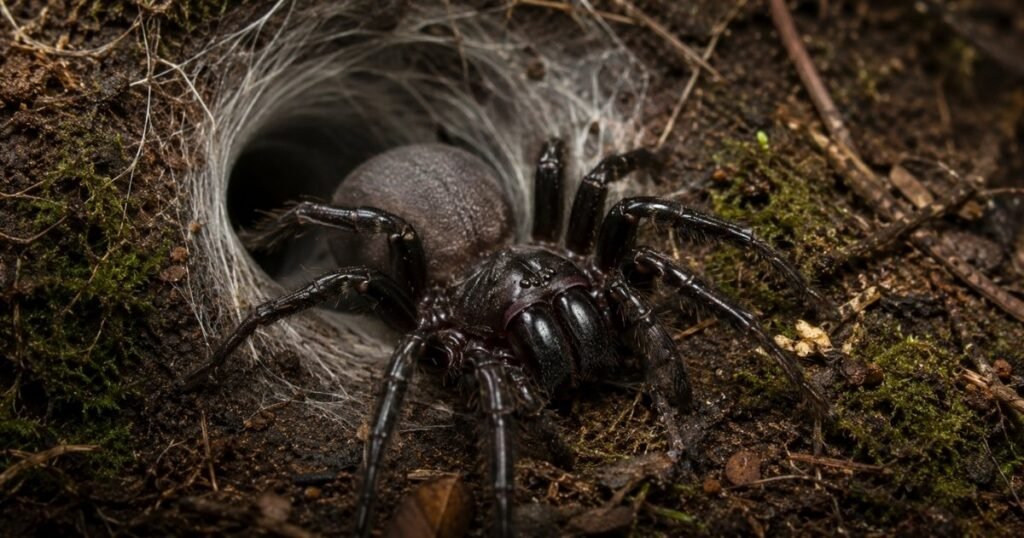
The spider’s ability to create these structures showcases not just its physical prowess but also its instinctual cunning, a testament to evolution’s artistry. Constructing a burrow involves careful excavation, where the spider digs into the ground and reinforces its home with silk strands for stability. The burrow entrance is typically camouflaged, blending seamlessly with the environment, making it a perfect ambush point.
From this dark sanctuary, the funnel-web spider pounces on its prey, turning the burrow into a hunting ground while remaining hidden from the eyes of predators. Found in various habitats, these spiders thrive in damp, shaded areas, which provide both moisture and food sources, exemplifying nature’s intricate balance.
Weasel
| Feature | Details |
|---|---|
| Size | Body 15-30 cm long, tail 3-13 cm; weight 25-250 g (species-dependent). |
| Habitat | Forests, grasslands, farmlands, and near water across Europe, Asia, Africa, and North America. |
| Burrow Type | Uses burrows dug by other animals (rabbits, rodents) or natural crevices; sometimes digs own shallow den. |
| Digging Behavior | Digs to expand existing burrows or create escape routes; not primarily a heavy digger. |
| Purpose | Shelter, resting place, and den for raising young. |
| Diet | Carnivore — small mammals (mice, rabbits), birds, eggs, and insects. |
Weasels are fascinating creatures that showcase a unique adaptability when it comes to burrowing. They often do not dig their own elaborate tunnels; instead, they capitalize on existing underground burrows, whether made by other animals or their own simple digs.
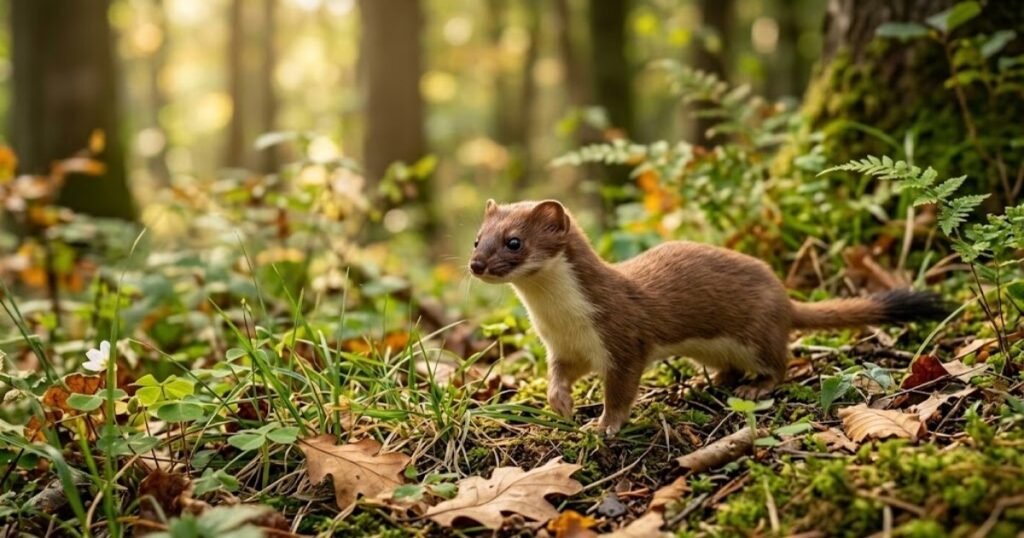
This opportunistic behavior is a brilliant survival strategy, allowing them to focus their energy on hunting and evading predators while utilizing available shelters effectively. In their search for food and shelter, weasels inhabit a variety of environments, from woodlands to grasslands, exhibiting a remarkable versatility.
Their keen hunting skills enable them to take advantage of the burrows they occupy, allowing them to launch stealthy attacks on small mammals or birds that venture too close. Utilizing existing burrows not only provides immediate access to shelter but also reduces their energy expenditure, demonstrating nature’s wisdom in optimizing survival strategies.
Meerkat
| Feature | Details |
|---|---|
| Size | Body 25-35 cm long, tail 17-25 cm; weight 0.6-1 kg. |
| Habitat | Dry, open grasslands and deserts of southern Africa (Kalahari Desert). |
| Burrow Type | Extensive underground tunnel systems with multiple entrances and chambers, shared by whole group. |
| Digging Behavior | Fast diggers using strong front claws; dig cooperatively as a social group. |
| Purpose | Shelter from predators and extreme heat, safe space for breeding and raising pups. |
| Diet | Omnivore — mainly insects, also small reptiles, eggs, and plants. |
The meerkat’s underground world is a complex labyrinth, with burrow systems that feature multiple tunnels and chambers, showcasing their social structure and cooperative behavior. These intricately designed homes serve not only as sleeping quarters but also as nurseries for raising their young, providing a safe refuge from potential predators.
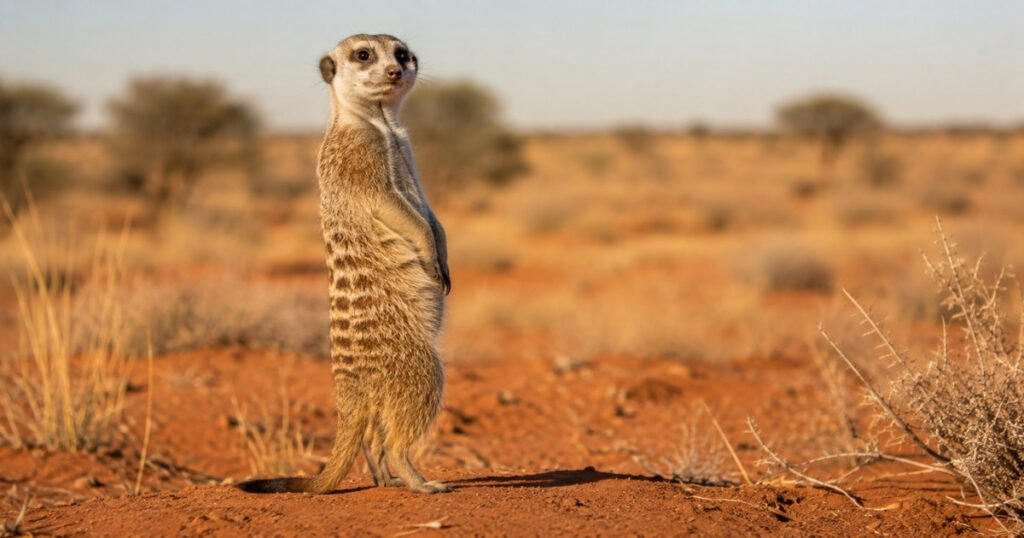
Each meerkat plays a crucial role in maintaining the burrow, illustrating a sense of community and teamwork that is rare among many animal species. Strategically placed entrances allow these clever creatures to make quick escapes while also regulating temperature within their burrows, offering protection from the fierce desert heat.
The meerkat’s burrowing skills reflect their adaptability to harsh environments, turning potential threats into secure environments. Their communal lifestyle, combined with their robust underground systems, not only enhances survival rates but also fosters strong social bonds within the group.
Rat
| Feature | Details |
|---|---|
| Size | Body 15-25 cm long, tail similar length; weight 200-500 g (species-dependent). |
| Habitat | Cities, homes, sewers, farms, and fields worldwide — lives close to humans. |
| Burrow Type | Complex underground tunnel systems with multiple entrances, chambers for nesting and food storage. |
| Digging Behavior | Digs quickly using front paws and teeth; burrows can extend deep with connected tunnels. |
| Purpose | Shelter from predators and weather, safe space for breeding and hoarding food. |
| Diet | Omnivore — grains, fruits, meat, garbage, and almost anything edible. |
Rats are notorious for their digging prowess, and their ability to create extensive underground tunnels is both impressive and alarming. These burrows serve as intricate networks where rats can navigate their environments, offering safety from predators and a place to establish nests.
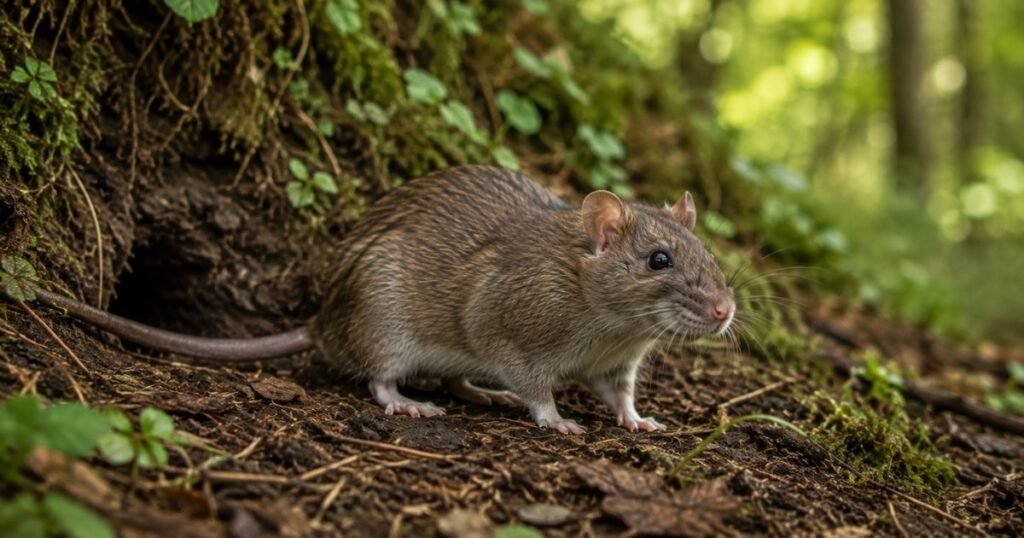
The tunnels are carefully crafted, often interconnecting to form a labyrinth that provides access to various food sources and shelter. Nesting in these underground homes allows rats to create a safe space for raising their young, while they also use these burrows to store food.
Their adaptability allows them to thrive in urban areas as much as in rural fields, demonstrating their resourcefulness. Whether burrowing beneath the foundations of buildings or hiding away in parks, rats have mastered the artistry of underground living, underscoring their resilience and survival instincts in diverse environments.
Ants
| Feature | Details |
|---|---|
| Size | 2-25 mm long (species-dependent). |
| Habitat | Almost everywhere — forests, grasslands, deserts, homes, worldwide except Antarctica. |
| Burrow Type | Underground colonies with multiple chambers and tunnels; some build mounds above ground. |
| Digging Behavior | Dig cooperatively using mandibles to carry soil; entire colony works together to build/expand nest. |
| Purpose | Shelter for colony, chambers for eggs/larvae, food storage, and protection from predators/weather. |
| Diet | Omnivore — depends on species: sugars, seeds, insects, fungi, other small creatures. |
Ants are remarkable architects of the underground, meticulously constructing colonies that can possess vast networks of tunnels and chambers. Each colony operates like a bustling city, with a queen at the helm, supported by a dedicated workforce that tirelessly excavates soil to expand their subterranean domain.
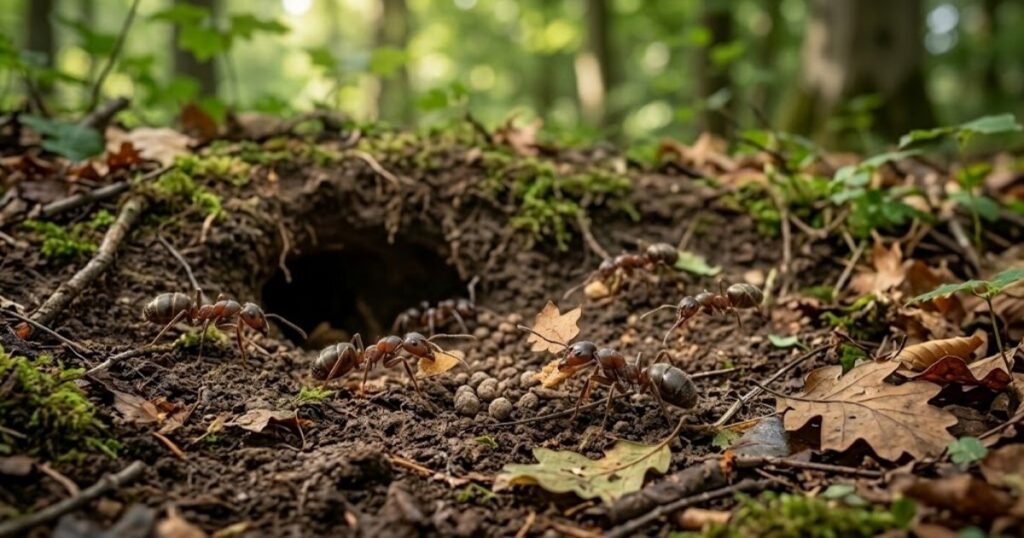
As these critters dig, they enhance soil fertility, allowing nutrients to cycle through the ecosystem, showcasing their role as essential underground engineers. Their expertise in soil excavation not only provides them with shelter but also creates habitats for other organisms, illustrating their impact beyond their immediate colonies.
What makes ant colonies particularly captivating is their organization and social structure. Within their dark, labyrinthine dwellings, ants nurture their brood, a vital aspect of their community. The interconnected systems of tunnels not only serve as pathways for food and resources but also reflect a highly evolved cooperative strategy, elevating ants to the rank of one of the most fascinating underground inhabitants.
Prairie Dog
| Feature | Details |
|---|---|
| Size | Body 30-40 cm long, tail 3-10 cm; weight 0.5-1.5 kg. |
| Habitat | Grasslands and prairies of North America. |
| Burrow Type | Extensive underground tunnel systems (“towns”) with multiple entrances, chambers, and tunnels connecting to other burrows. |
| Digging Behavior | Strong diggers using front claws; build complex, multi-level burrow systems as a social colony. |
| Purpose | Shelter from predators and weather, nurseries for pups, food storage, and social living space. |
| Diet | Herbivore — mainly grasses, roots, seeds, and some insects. |
Prairie dogs are true masters of the underground lifestyle, constructing extensive burrow systems that serve as bustling urban centers for their communities. These intricate networks feature numerous tunnel entrances, allowing for quick escape routes from potential predators.
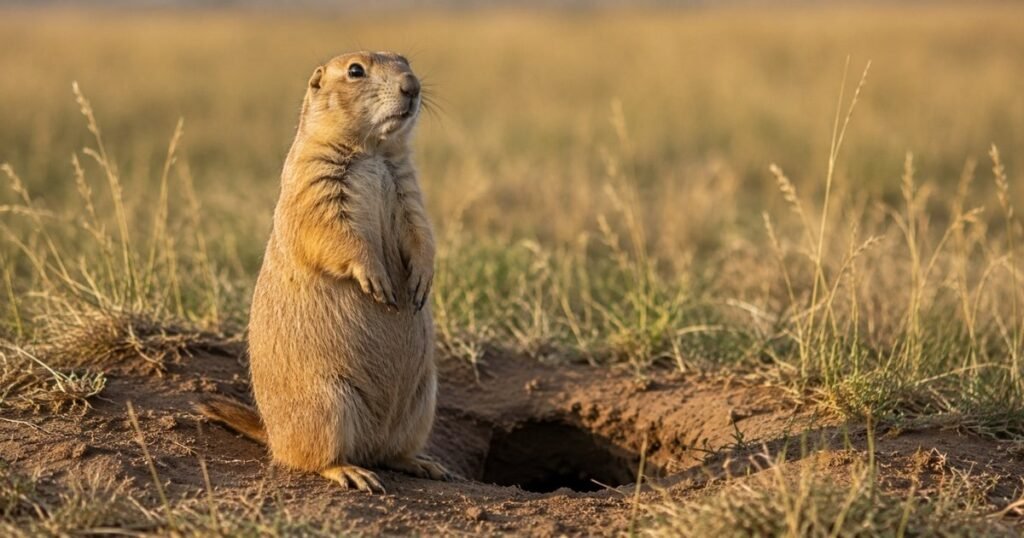
The complex burrows are not just for shelter; they also provide a safe haven for sleeping, raising pups, and socializing, with prairie dog “towns” bustling with activity. The communal aspect of their burrows enhances their survival, as living in proximity offers protection from harsh weather and predators alike.
Each prairie dog town can host hundreds of members, showcasing a vibrant social structure complete with a sophisticated communication system. The interdependence of these social rodents exemplifies how burrowing behavior provides not only physical protection but also fosters community dynamics crucial for their survival.
This unique way of life allows prairie dogs to thrive in the often unforgiving landscapes of North America, where their burrows create ecosystems for various other species, amplifying their role in the larger environmental narrative.
Burrowing Owl
| Feature | Details |
|---|---|
| Size | Body 19-25 cm long; weight 140-240 g. |
| Habitat | Open grasslands, deserts, and farmlands in North and South America. |
| Burrow Type | Underground burrows, often repurposed from prairie dogs, ground squirrels, or other animals. |
| Digging Behavior | Can dig own burrow using beak and talons, but usually prefers using/modifying existing burrows. |
| Purpose | Shelter from predators and weather, nesting site for eggs and chicks. |
| Diet | Carnivore — insects, small mammals, reptiles, and occasionally birds. |
The burrowing owl is named for its distinctive behavior of utilizing or adapting underground burrows for nesting, making it one of the few owl species that embraces a subterranean lifestyle. Interestingly, while these owls may not excavate their own burrows, they often take advantage of abandoned tunnels created by prairie dogs or other burrowing animals.
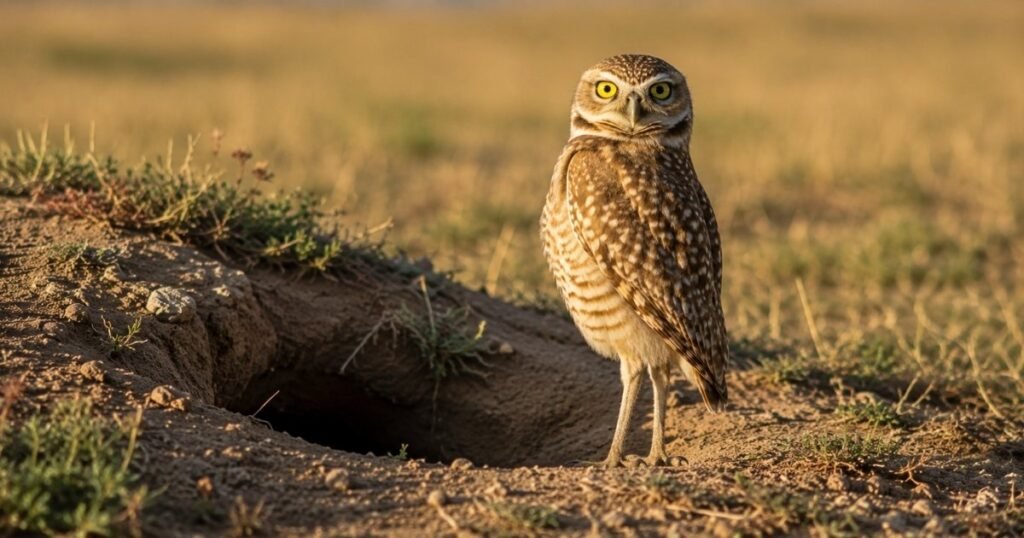
This symbiotic relationship highlights an intriguing aspect of nature, where one species’ work paves the way for another’s survival, creating a unique ecological interdependence. Nesting in these underground spaces provides burrowing owls with crucial protection from predators and extreme weather conditions.
The cover offered by these shelters is essential for raising their young, allowing them to thrive in the open grasslands. As champions of adaptability, burrowing owls are a fascinating example of how avian species can incorporate terrestrial ecosystems into their life cycles, further enriching the biodiversity of their habitats.
Magellanic Penguin
| Feature | Details |
|---|---|
| Size | Body 35-40 cm tall; weight 2.7-6.5 kg. |
| Habitat | Coastal areas and islands of South America (Argentina, Chile, Falkland Islands). |
| Burrow Type | Underground burrows dug in sandy or grassy coastal soil, or nests under bushes/rocks. |
| Digging Behavior | Digs using beak and flippers to create nesting burrows. |
| Purpose | Shelter from predators and sun, safe nesting site for eggs and chicks. |
| Diet | Carnivore — fish, squid, and krill. |
The Magellanic penguin exhibits interesting burrowing and nesting behavior that sets it apart from other penguin species. These charming birds construct nests in burrows, which they dig into sandy soil or use existing crevices, effectively creating microhabitats that shield their eggs and chicks from the harsh coastal environment.
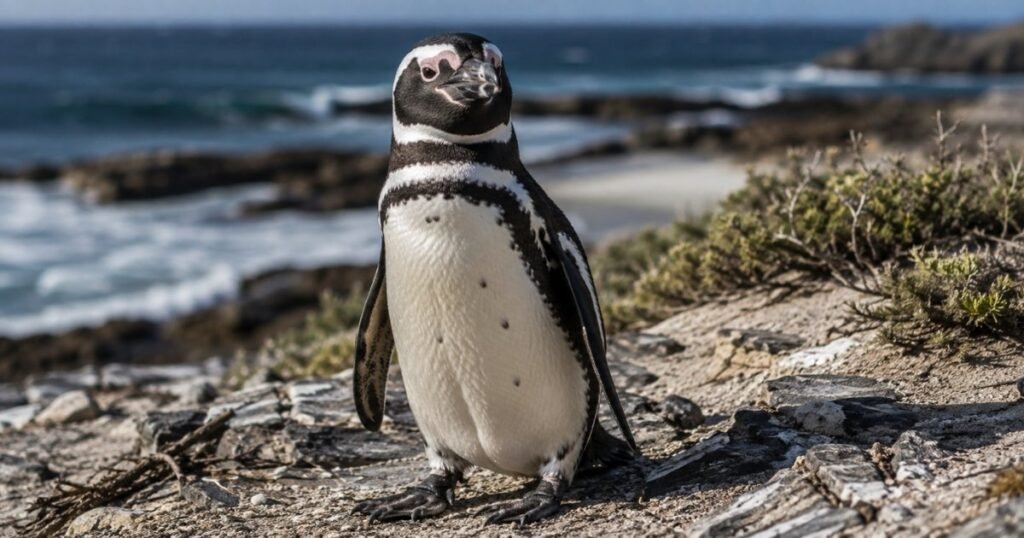
This unique nesting strategy reflects their adaptation to coastal habitats, offering them protection from heat and predators alike. Nest construction involves carefully selecting materials such as grass and feathers, showcasing their instinctive behavior that enhances the survival rate of their young.
By burrowing, Magellanic penguins also contribute to the coastal ecosystem, as their activities can affect soil composition and local flora. Their choice of nesting site and method exemplifies the delicate balance they maintain with their environment, reinforcing the importance of burrowing behavior in ensuring the continuation of their family lineage in challenging surroundings.
Wombat
| Feature | Details |
|---|---|
| Size | Body 70-120 cm long; weight 20-35 kg. |
| Habitat | Forests, grasslands, and mountains of Australia. |
| Burrow Type | Extensive underground tunnel systems with multiple chambers and entrances, can be several meters long. |
| Digging Behavior | Powerful diggers using strong claws and sturdy build; one of the most efficient burrowers among mammals. |
| Purpose | Shelter from predators and extreme temperatures, resting and sleeping space. |
| Diet | Herbivore — grasses, roots, bark, and shrubs. |
Wombats are renowned for their impressive underground burrows, which can extend over 100 feet in length. These marsupials possess a formidable digging ability, thanks to their robust limbs and strong claws, allowing them to create complex burrow systems that serve as both living spaces and shelters from predators.
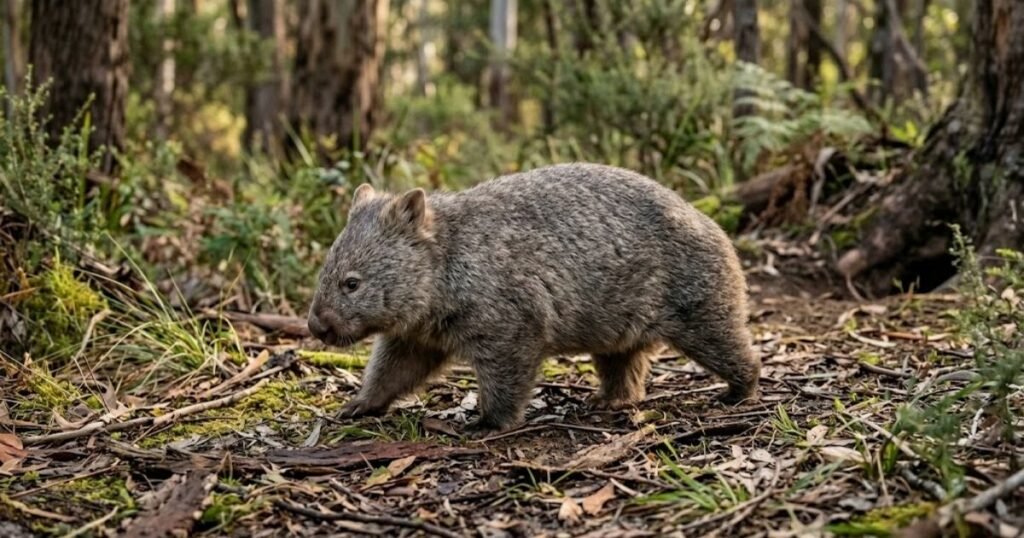
The burrow structure is often intricate, featuring multiple entrances and chambers that provide wombats with safety and comfort. These underground havens also help regulate temperature; the earth acts as insulation, keeping wombats cool in the sweltering Australian summers and warm during the colder months.
Wombats are predominantly nocturnal, retreating to their burrows during the day while they sleep. This behavior not only protects them from the harsh Australian sun but also makes their burrows a vital aspect of their life cycle, providing a safe environment for breeding and raising their young. Interestingly, the burrows are sometimes shared with other species, showcasing the wombat’s role in the ecological community.
Burrowing Urchin
| Feature | Details |
|---|---|
| Size | Body (test) 5-10 cm in diameter (species-dependent). |
| Habitat | Rocky shores and shallow coastal waters worldwide. |
| Burrow Type | Shallow depressions or holes bored into rock or coral along the shoreline. |
| Digging Behavior | Uses spines and teeth (Aristotle’s lantern) to grind and scrape rock, slowly carving out a burrow. |
| Purpose | Shelter from waves and predators, protection from strong currents. |
| Diet | Herbivore/omnivore — algae, and small organic particles scraped from rocks. |
Burrowing urchins, with their unique adaptations, are exceptional marine inhabitants known for their ability to dig into sandy substrates. They utilize specialized structures to navigate and burrow, creating hidden habitats that shield them from predators and strong currents.
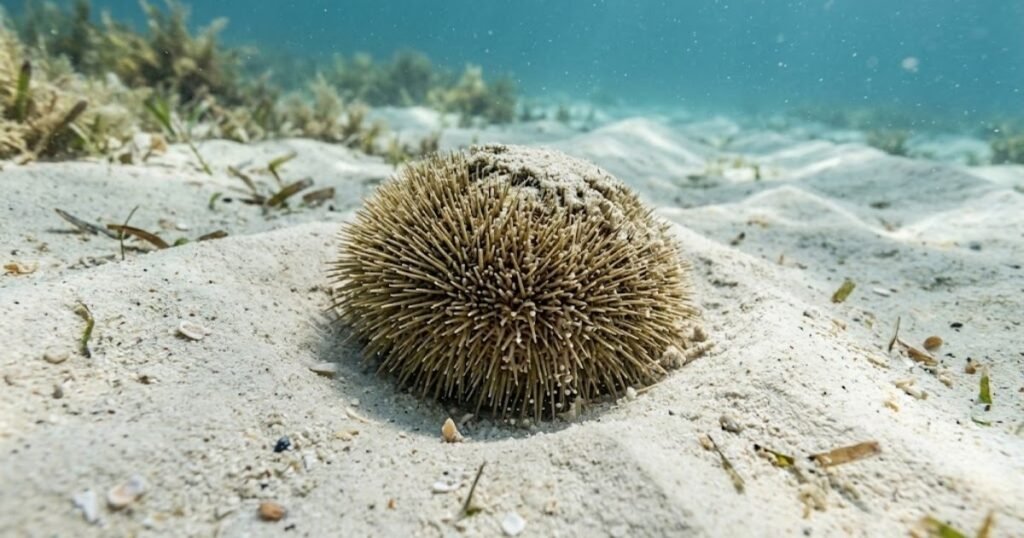
By feeding on organic matter found beneath the sediments, these creatures play an essential role in nutrient cycling within marine ecosystems. Their movement through the sediment is fascinating; with their spiny bodies and specialized appendages, they can easily tunnel and position themselves in the ever-shifting sand.
This not only allows them to secure food sources but also contributes to sediment turnover, promoting a healthy marine environment. The burrowing urchin’s lifestyle illustrates the intricate relationships between marine organisms and their habitats, highlighting the beauty of life beneath the waves.
Pocket Gopher
| Feature | Details |
|---|---|
| Size | Body 15-30 cm long, tail 5-10 cm; weight 100-500 g. |
| Habitat | Grasslands, fields, and forests of North and Central America. |
| Burrow Type | Extensive underground tunnel systems with multiple chambers for nesting, food storage, and waste. |
| Digging Behavior | Digs using strong front claws and teeth; pushes excess soil out creating visible mounds. |
| Purpose | Shelter from predators and weather, safe space for breeding and food storage. |
| Diet | Herbivore — roots, tubers, grasses, and plant bulbs. |
The pocket gopher stands out as one of the most remarkable examples of underground life, primarily due to its exceptional digging ability. With powerful forelimbs designed for tunneling, these rodents create vast underground networks that can stretch for miles.
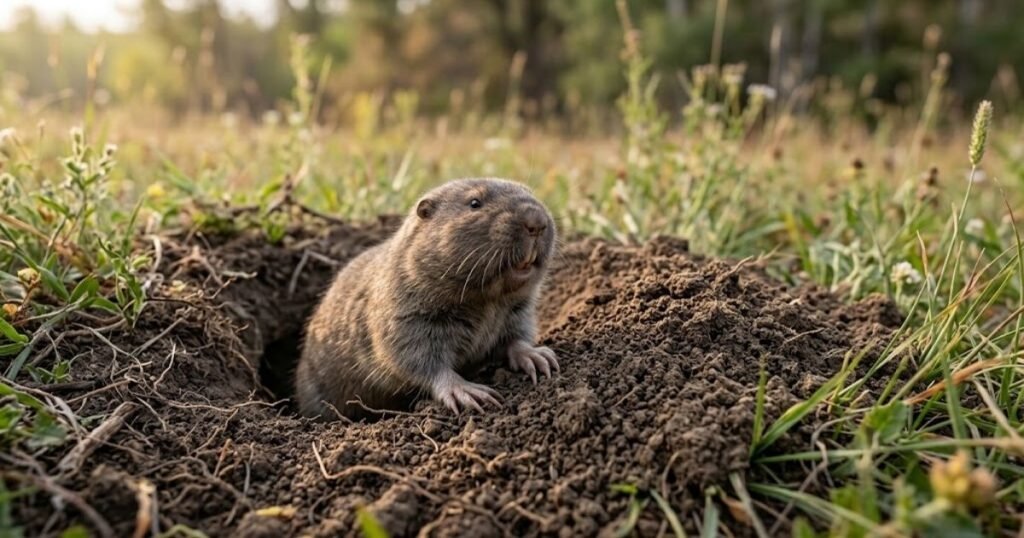
Their complex tunnel systems not only provide protection from predators but also serve as conduits for food and resources within their territory, showcasing their skillful engineering. These tunnels often include dedicated food storage chambers, where gophers stash roots and tubers, ensuring a steady food supply.
Spending the majority of their lives underground, pocket gophers have adapted perfectly to their subterranean lifestyle, which is essential for their survival in areas where food availability fluctuates. Their burrowing behavior significantly impacts soil structure and aeration, contributing to the overall health of their ecosystems.
Aardvark
| Feature | Details |
|---|---|
| Size | Body 100-130 cm long, tail 50-60 cm; weight 40-65 kg. |
| Habitat | Grasslands, savannas, and woodlands of sub-Saharan Africa. |
| Burrow Type | Deep, extensive underground burrows with multiple chambers and entrances, up to several meters long. |
| Digging Behavior | Powerful diggers using strong claws; can dig very fast, even burrowing to escape predators quickly. |
| Purpose | Shelter from predators and heat, resting place, and access to insect nests for feeding. |
| Diet | Insectivore — mainly ants and termites, dug out using strong claws and long sticky tongue. |
Aardvarks possess extraordinary digging prowess that sets them apart from other nocturnal animals. Their long, powerful claws allow them to excavate extensive self-dug burrows, which serve multiple purposes in their lives. These underground shelters not only provide a refuge from predators but also serve as sleeping places, giving aardvarks a secure environment to rest during the day.
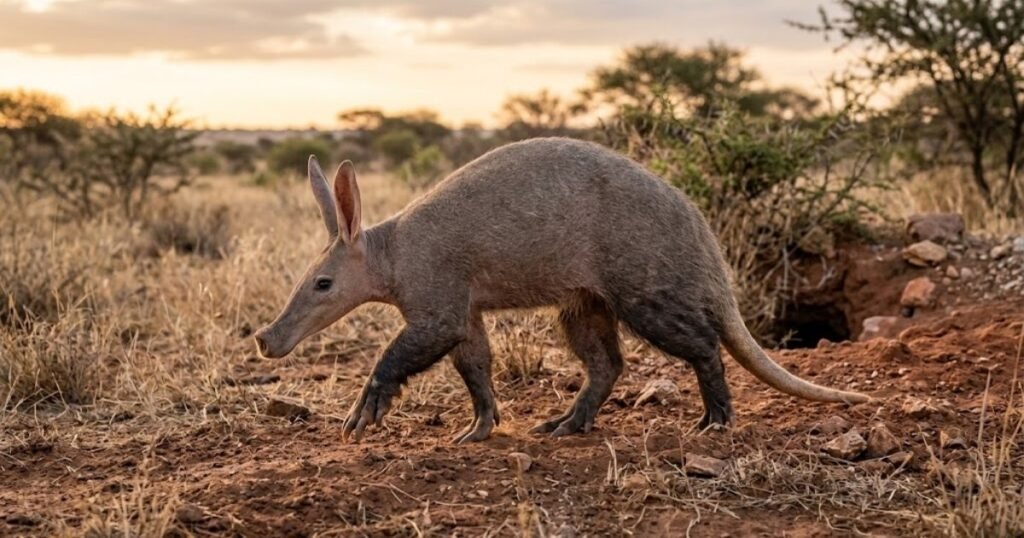
Breeding occurs within these burrows, which can later become communal spaces for other animals seeking refuge. The versatility of aardvark burrows enriches the ecosystem, illustrating how one creature’s needs can create opportunities for a diverse array of species. By sharing these subterranean spaces, aardvarks inadvertently foster a vibrant underground habitat that underscores the interconnectedness of life in the wild.
Kingfishers
| Feature | Details |
|---|---|
| Size | Body 10-45 cm long depending on species; weight 10-500 g. |
| Habitat | Near rivers, lakes, streams, and coastal areas worldwide. |
| Burrow Type | Horizontal tunnels dug into riverbanks or sandy cliffs, ending in a nesting chamber. |
| Digging Behavior | Uses strong beak to dig, flying repeatedly into the bank to carve out the tunnel. |
| Purpose | Safe nesting site for eggs and chicks, protection from predators. |
| Diet | Carnivore — fish, insects, crustaceans, and small aquatic creatures. |
Kingfishers exhibit a fascinating adaptation to nesting by burrowing into riverbanks or soft soil. Their nests, dug up to a meter deep, consist of intricate tunnels that lead to a spacious nesting chamber at the end. This strategic choice not only protects their eggs from predation but also maintains a stable environment, crucial for the development of chicks.
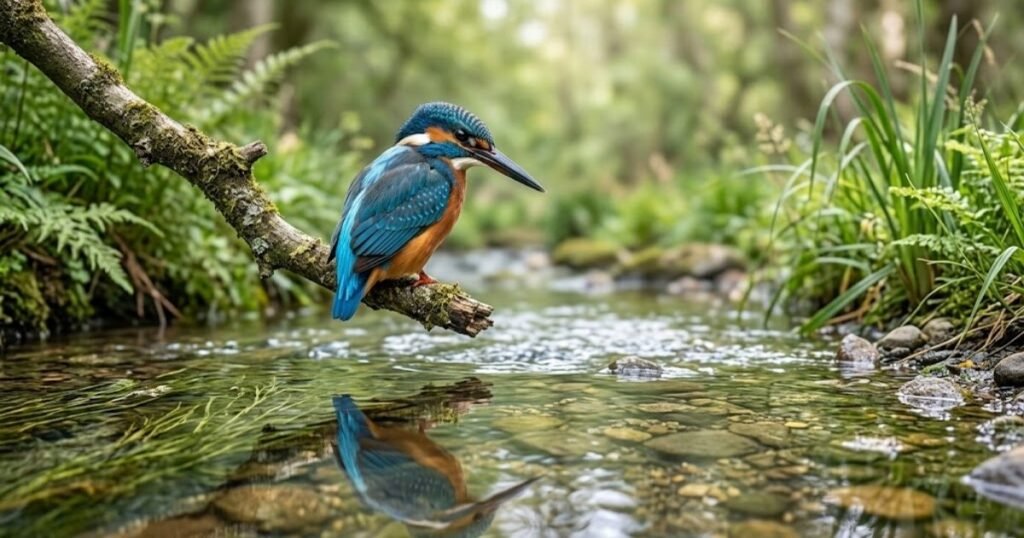
The underground nests shelter young kingfishers from harsh weather conditions and fluctuations in temperature, giving them a safe haven to grow and thrive. This behavior highlights the innovative ways in which birds can adapt their nesting habits to ensure the survival of their species in varied ecosystems. The clever construction of these nests underscores the importance of habitat stability in avian reproductive success.
Desert Tortoise
| Feature | Details |
|---|---|
| Size | Shell length 20-36 cm; weight 4-6.4 kg. |
| Habitat | Deserts of southwestern USA and northwestern Mexico. |
| Burrow Type | Deep underground burrows, up to several meters long, used for long periods. |
| Digging Behavior | Digs using strong front limbs and claws; slow but persistent digger. |
| Purpose | Shelter from extreme heat/cold, protection from predators, and place to conserve moisture. |
| Diet | Herbivore — grasses, wildflowers, and cacti. |
The desert tortoise is a true marvel of adaptation, digging deep burrows that provide refuge from the scorching desert heat. These burrows can extend several feet underground, creating a cooler microclimate that helps conserve moisture and sustain the tortoise during long dry spells.
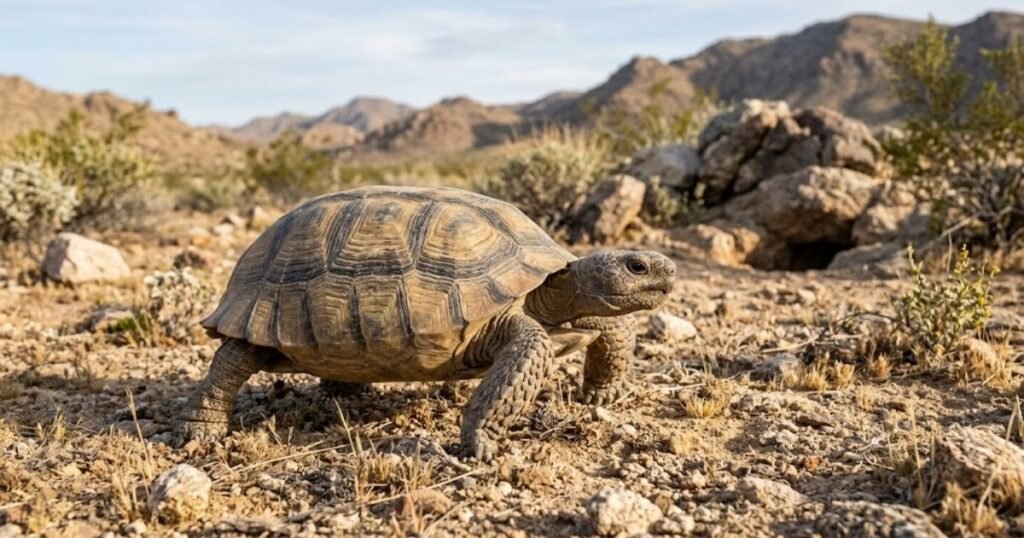
Not just a retreat from extreme temperatures, these subterranean homes are vital during hibernation and restivation, allowing the tortoise to survive periods of drought in a dormant state. These burrows often become communal shelters for various other desert dwellers, such as foxes and rabbits, showcasing a unique aspect of ecological interdependence.
This intricate relationship emphasizes how one species’ adaptations can create microhabitats that support a diverse range of life in harsh environments.
Atlantic Puffin
| Feature | Details |
|---|---|
| Size | Body 28-30 cm long; weight 300-600 g. |
| Habitat | Coastal cliffs and islands of the North Atlantic (Iceland, Norway, UK, Canada). |
| Burrow Type | Underground burrows dug into grassy clifftops, or nests in rock crevices. |
| Digging Behavior | Digs using beak and clawed feet, often reusing/renovating old burrows. |
| Purpose | Safe nesting site for eggs and chicks, protection from predators and weather. |
| Diet | Carnivore — mainly small fish like herring and sand eels, also crustaceans. |
Atlantic puffins display remarkable ingenuity in their nesting habits, opting for underground burrows dug into soft earth on coastal cliffs. These burrows serve as vital nesting sites where puffins construct complex tunnels leading to their cozy nests. The colonies they form can be quite large, often comprising thousands of pairs, making them a significant sight in marine environments.
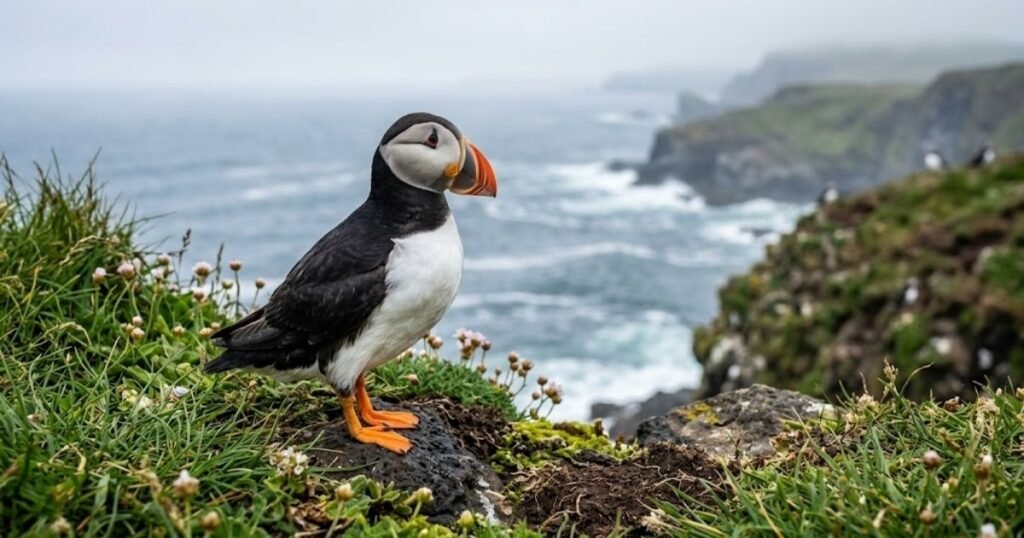
By nesting underground, puffins protect their eggs and chicks from predators and harsh weather conditions, ensuring higher survival rates for their young. This unique nesting behavior highlights not only the puffin’s dedication as a parent but also the importance of secure habitats for maintaining healthy seabird populations in the face of environmental changes.
European Rabbit
| Feature | Details |
|---|---|
| Size | Body 34-50 cm long; weight 1.2-2 kg. |
| Habitat | Grasslands, farmlands, and woodlands across Europe (native), now worldwide. |
| Burrow Type | Extensive underground tunnel systems called “warrens” with multiple entrances and chambers. |
| Digging Behavior | Digs using strong front paws; lives and breeds in large social groups within warrens. |
| Purpose | Shelter from predators and weather, safe space for breeding and raising young. |
| Diet | Herbivore — grasses, herbs, roots, and crops. |
Renowned for their elaborate underground warrens, European rabbits showcase an extraordinary network of complex tunnels that serve multiple purposes. These intricate systems consist of nesting chambers and escape routes, strategically designed for safety and social interaction.
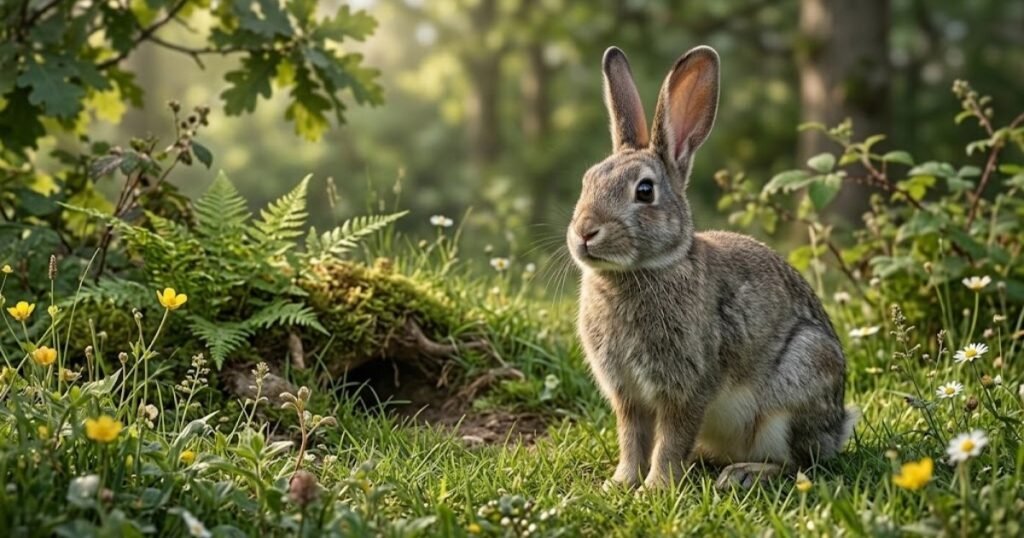
The social behavior of rabbits is vividly demonstrated as they live in groups, enhancing their chances of survival through cooperative vigilance against predators. In a warren, rabbits maintain a social hierarchy and strengthen familial bonds, fostering a sense of community.
The extensive tunnel networks also allow for efficient foraging and movement, illustrating the rabbit’s remarkable adaptability to its environment while navigating the challenges of survival in the wild.
Armadillo
| Feature | Details |
|---|---|
| Size | Body 12-100 cm long depending on species; weight 100 g-45 kg. |
| Habitat | Grasslands, forests, and semi-arid areas of the Americas. |
| Burrow Type | Underground burrows with multiple entrances, sometimes several meters long. |
| Digging Behavior | Strong, fast diggers using sharp claws; can dig burrow to escape danger quickly. |
| Purpose | Shelter from predators and temperature extremes, resting and breeding space. |
| Diet | Insectivore/omnivore — mainly insects, grubs, and worms, occasionally plants. |
Armadillos are fascinating creatures renowned for their remarkable digging abilities. These small mammals skillfully carve out intricate underground shelters that serve as safe havens from predators. With a unique habit of creating multiple burrows, armadillos can often choose the safest escape route when encountered by threats.
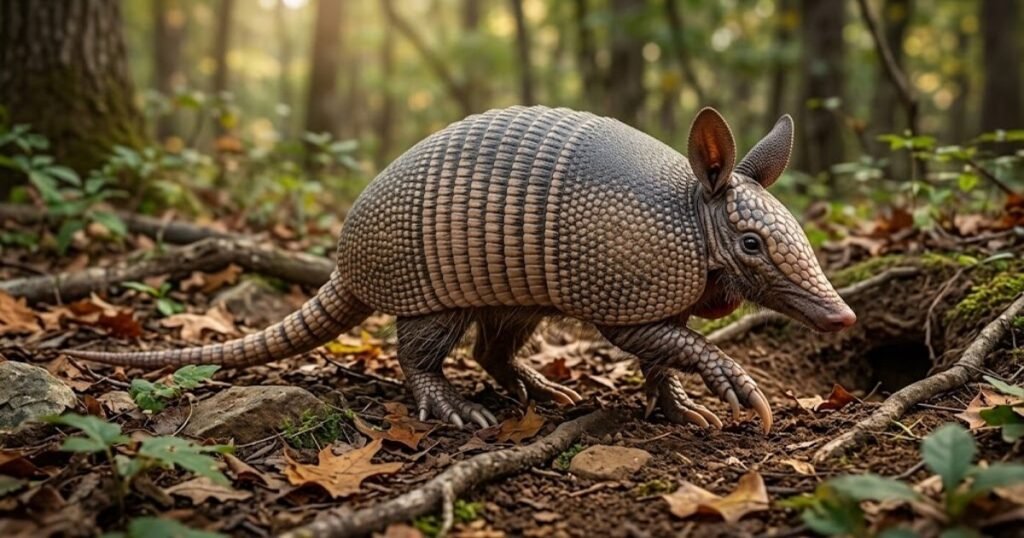
Their burrows also offer protection from the elements, allowing them to maintain a stable microclimate in sometimes harsh environments. This clever adaptation highlights not just their need for survival, but also their interesting contributions to soil aeration and ecosystem health through their excavation activities.
Meadow Vole
| Feature | Details |
|---|---|
| Size | Body 10-13 cm long, tail 3-5 cm; weight 20-70 g. |
| Habitat | Grasslands, meadows, and marshy fields across North America. |
| Burrow Type | Shallow underground tunnels with surface runways connecting nests and feeding areas. |
| Digging Behavior | Digs quickly using front paws; creates network of tunnels and grass-lined surface paths. |
| Purpose | Shelter from predators and weather, safe space for breeding and food storage. |
| Diet | Herbivore — grasses, seeds, roots, and bark. |
The meadow vole is an unsung hero of the grasslands, known for its extensive system of shallow underground tunnels. These tunnels serve as vital nesting sites and feeding routes, strategically connecting various foraging areas to enhance efficiency.
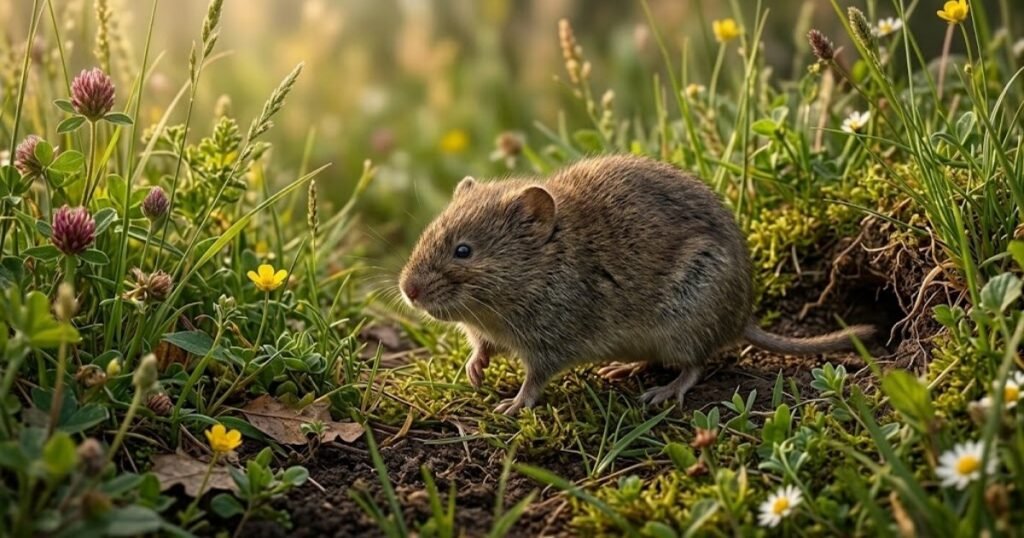
The voles create surface runways between their burrows, which differ significantly from the deeper tunnels, providing a clear path while avoiding many predatory threats.
Observing their behavior reveals how these small mammals maintain a delicate balance between thriving in the wild and evading predators, showcasing their adaptability to both environment and lifestyle.
Ghost Shrimp
| Feature | Details |
|---|---|
| Size | Body 5-11 cm long. |
| Habitat | Sandy and muddy intertidal zones of coastal waters worldwide. |
| Burrow Type | Deep, complex U-shaped or branching burrows in sand/mud, up to 1 meter deep. |
| Digging Behavior | Digs continuously using specialized legs, pushing sediment out to maintain tunnel shape. |
| Purpose | Shelter from predators, protection from waves, and stable environment for feeding. |
| Diet | Detritivore/filter feeder — organic particles and plankton filtered from sediment/water. |
Ghost shrimp are intriguing marine creatures that exemplify unique burrowing behavior in sandy or muddy substrates. These small crustaceans dig remarkably deep sediment tunnels, which not only act as shelters but also help aerate the ocean floor.
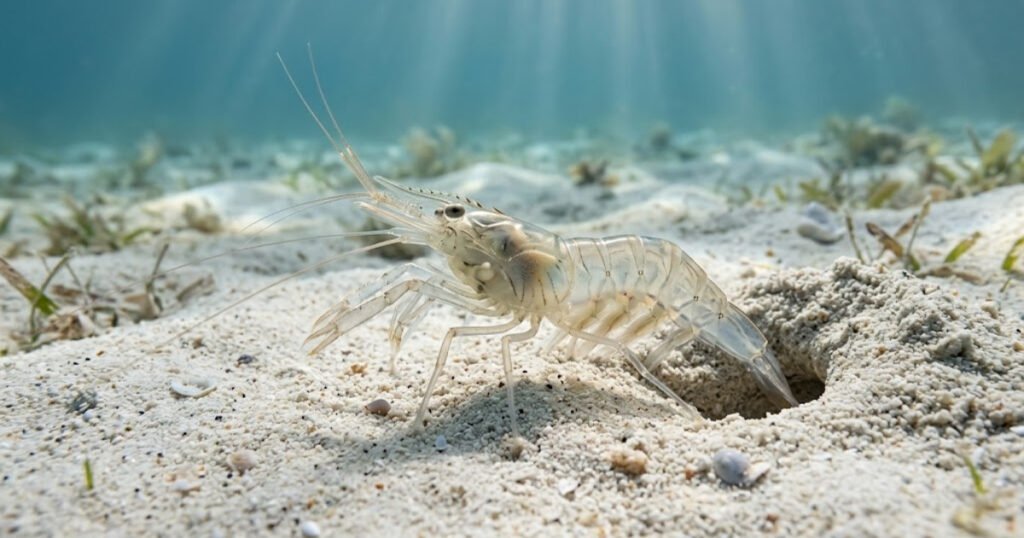
Their method of excavation involves using specialized appendages to sift through sand and mud, effectively creating a safe habitat while also securing food sources. As ghost shrimp feed on organic material in the sediment, they play a crucial role in marine ecosystems, demonstrating the intricate relationship between burrowing behaviors and environmental stability.
Red Fox
| Feature | Details |
|---|---|
| Size | Body 45-90 cm long, tail 30-55 cm; weight 3-14 kg. |
| Habitat | Forests, grasslands, farmlands, and urban areas across Europe, Asia, North America, and Australia. |
| Burrow Type | Underground den called an “earth,” with multiple chambers and entrances. |
| Digging Behavior | Digs own den or expands abandoned burrows from other animals using strong front paws. |
| Purpose | Shelter from predators and weather, safe space for breeding and raising kits. |
| Diet | Omnivore — small mammals, birds, insects, fruits, and occasionally garbage. |
Red foxes employ an impressive strategy when it comes to their denning habits, often digging their own dens or opting for abandoned burrows left by other animals. These cozy spaces provide an ideal environment for raising their kits, with den entrances leading to multiple chambers that keep the young safe and comfortable.
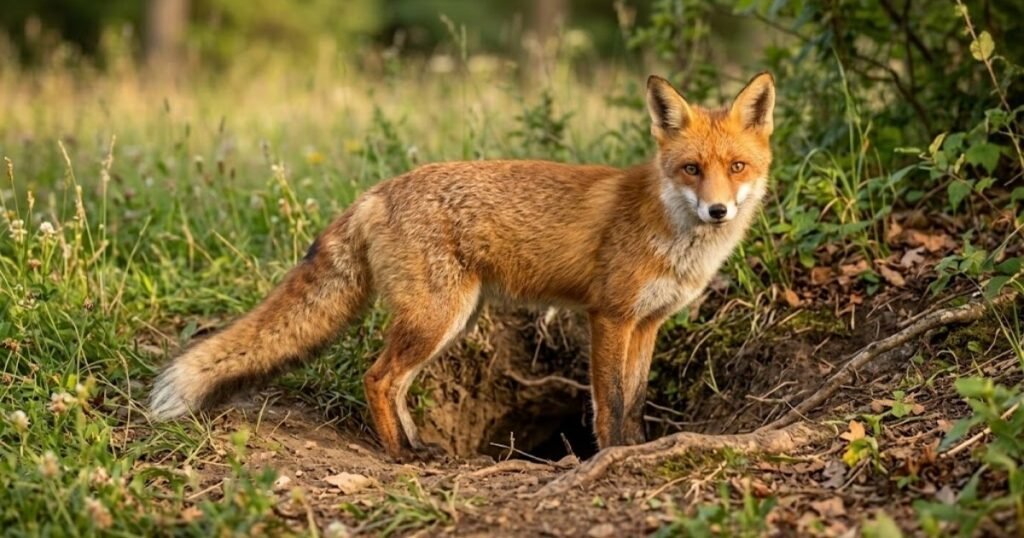
The choice between excavation and appropriating existing burrows reflects their resourcefulness, enabling them to adapt based on availability. By creating well-constructed dens, red foxes not only ensure the survival of their offspring but also contribute to the thriving community of wildlife in their territory.
Polar Bear
| Feature | Details |
|---|---|
| Size | Body 2-2.5 m long; weight 350-700 kg (males larger than females). |
| Habitat | Arctic sea ice, coastal areas, and tundra of the Arctic region. |
| Burrow Type | Snow dens dug by pregnant females for denning, not permanent burrows. |
| Digging Behavior | Digs snow den using strong claws before giving birth; not a regular digger otherwise. |
| Purpose | Shelter from extreme cold, safe space for giving birth and raising cubs. |
| Diet | Carnivore — mainly seals, also fish and occasionally scavenged carcasses. |
In the polar regions, maternal instinct drives pregnant female polar bears to construct snow dens that serve as safe havens for their vulnerable cubs. These unique structures provide robust insulation and protection against extreme weather conditions, allowing the mother to nurture her young during the harsh winter months.
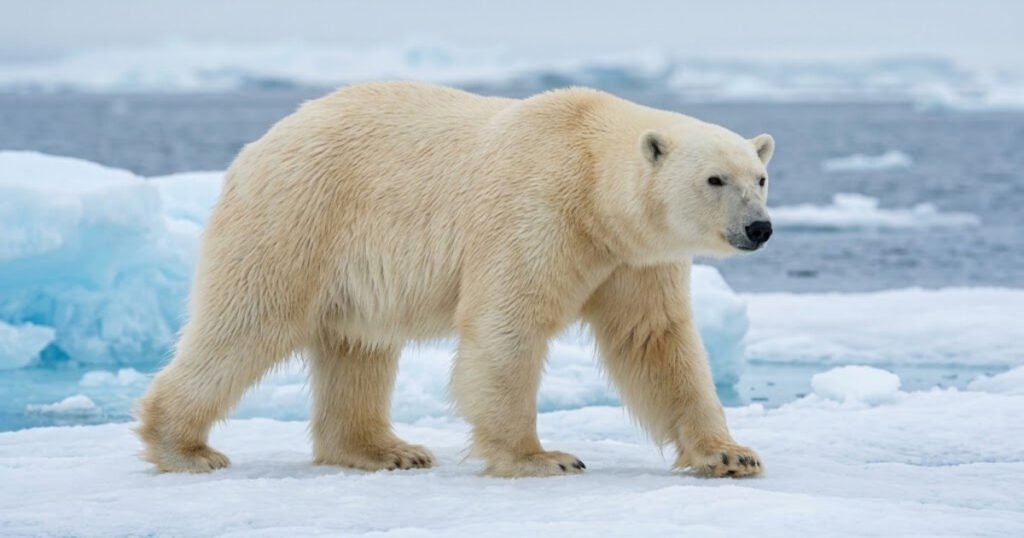
Unlike traditional soil burrows, snow dens offer a remarkable camouflage and warmth, highlighting the polar bear’s adaptation to its frigid environment. The distinction between a true soil burrow and a snow den showcases the diverse strategies employed by animals in varying climates, revealing the ingenious ways life endures in the harshest of conditions.
Badger
| Feature | Details |
|---|---|
| Size | Body 60-90 cm long, tail 12-20 cm; weight 9-17 kg. |
| Habitat | Forests, grasslands, and farmlands across Europe, Asia, and North America. |
| Burrow Type | Extensive underground tunnel systems called “setts” with multiple chambers and entrances. |
| Digging Behavior | Powerful diggers using strong claws and muscular build; can dig setts many meters long. |
| Purpose | Shelter from predators and weather, safe space for breeding and raising young. |
| Diet | Omnivore — earthworms, insects, small mammals, roots, and fruits. |
Badgers are remarkable burrowing animals known for their powerful digging abilities. Equipped with sturdy claws and a massive frame, they create elaborate underground setts that serve as both homes and fortifications. These setts often feature multiple chambers and entrances, providing a complex living space for sleeping, raising young, and storing food.
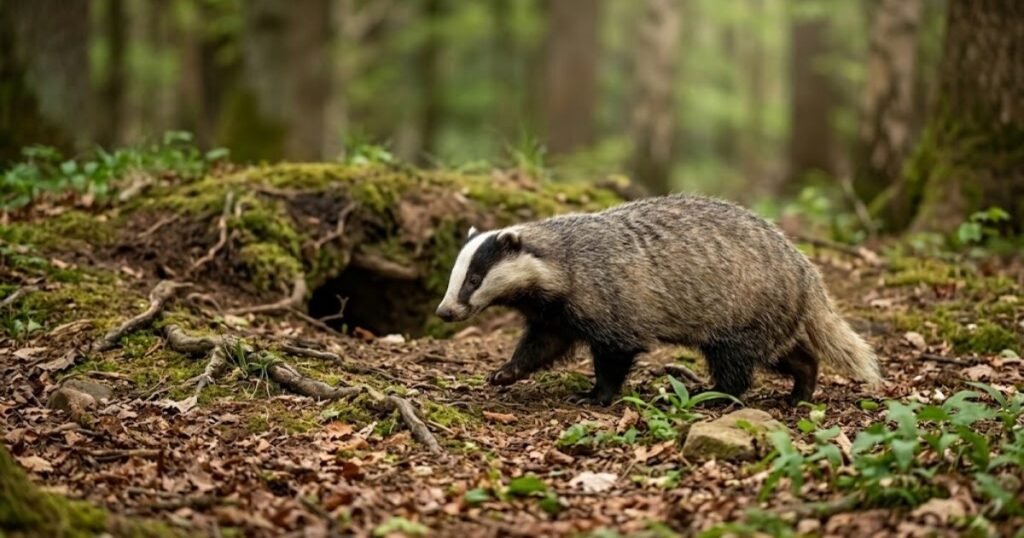
Badgers will return to their setts each night after foraging, demonstrating their loyalty to a well-constructed underground sanctuary. The design of their burrows not only maximizes space but also offers refuge from predators, showcasing their expertise in underground architecture.
The social dynamics within badger communities are fascinating, as they often exhibit cooperative behaviors when it comes to defending their territory. Each sett is usually maintained by a clan, allowing members to support one another during challenging times. This communal living arrangement reduces individual stress while enhancing the survival rate of their young, illustrating how burrowing behavior aligns with their social structure.
Naked Mole Rat
| Feature | Details |
|---|---|
| Size | Body 8-10 cm long; weight 30-35 g. |
| Habitat | Underground in arid grasslands and deserts of East Africa. |
| Burrow Type | Extensive underground tunnel systems with multiple chambers, can extend several kilometers. |
| Digging Behavior | Digs using large front teeth (not claws); works cooperatively as a eusocial colony. |
| Purpose | Shelter from predators and extreme temperatures, colony living, and food storage. |
| Diet | Herbivore — mainly roots, tubers, and underground plant parts. |
Naked mole rats lead an almost entirely underground lifestyle, constructing expansive tunnel systems that illustrate their ability to adapt to subterranean habitats. These intricate networks can span over a mile and are divided into various chambers dedicated to food storage and nesting.
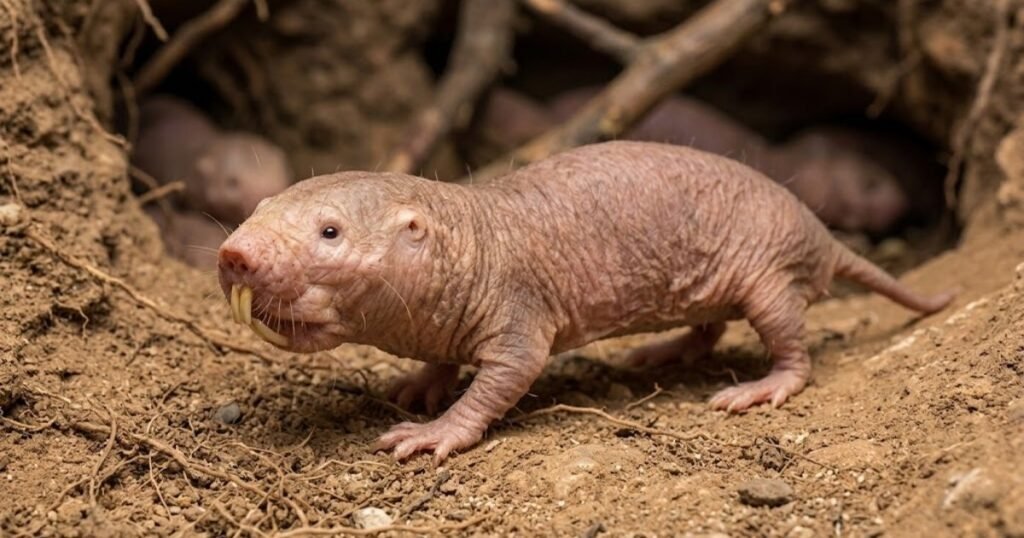
Their reliance on a structured social hierarchy emphasizes how collaboration is key to their survival; a queen and a few breeding males dominate reproduction, while the rest of the colony focuses on foraging and maintenance.
What sets naked mole rats apart is their unique approach to living. They thrive in darkness, showcasing a variety of adaptations, such as low metabolic rates and specialized social behaviors that allow them to conserve energy and resources.
The complex architecture of their tunnels reflects not only their functional needs but also their fascinating social interactions, making them one of nature’s most intriguing burrowing species.
Ground Squirrel
| Feature | Details |
|---|---|
| Size | Body 15-30 cm long, tail 5-15 cm; weight 150-500 g. |
| Habitat | Grasslands, meadows, and open woodlands across North America, Europe, and Asia. |
| Burrow Type | Underground tunnel systems with multiple entrances and chambers for nesting and food storage. |
| Digging Behavior | Digs using strong front claws; often lives in colonies with connected burrow systems. |
| Purpose | Shelter from predators and weather, hibernation den, and safe space for breeding. |
| Diet | Omnivore — mainly seeds, grasses, nuts, and occasionally insects. |
Ground squirrels are adept at building extensive underground burrows that serve multiple purposes, including hibernation and food storage. Their burrows are often interconnected, creating a safe haven not just for immediate family but also for other members of their colony.
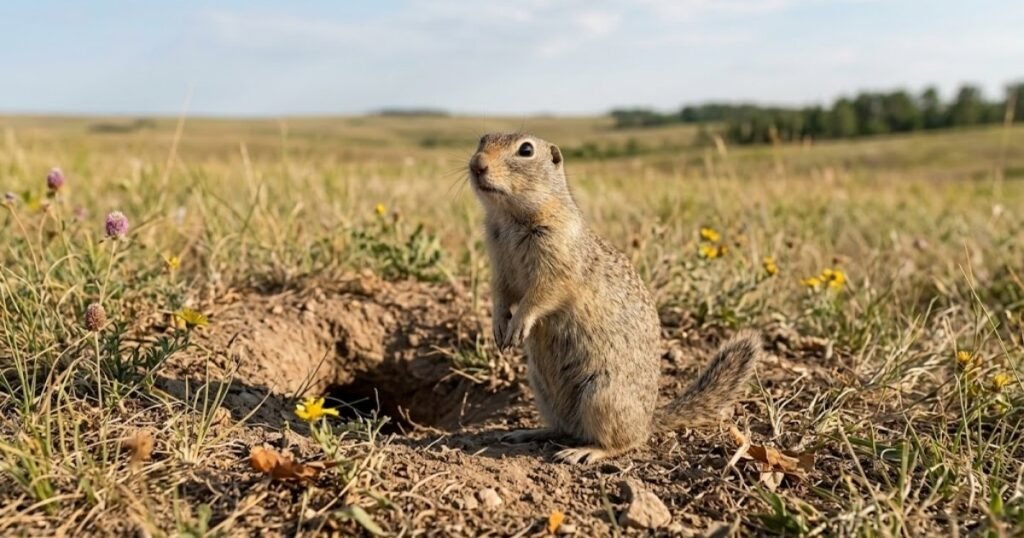
These subterranean dwellings provide excellent protection from predators while allowing them to regulate their body temperature during colder months. With winter approaching, ground squirrels engage in a unique form of hibernation that involves significant preparation.
They meticulously stockpile food within their underground chambers, forming a personal pantry that will sustain them through the harsh season. This behavior not only demonstrates their intelligence but also emphasizes the importance of their burrowing habits in ensuring survival.
Small Burrowing Animals VS Large Burrowing Animals
Small burrowing animals, such as earthworms and pocket gophers, play a crucial role in soil aeration and nutrient cycling. Their burrows improve water infiltration and stimulate root growth, creating a rich habitat for diverse flora. Despite their size, these tiny creatures possess remarkable adaptations, including specialized tooth structures that allow them to efficiently navigate through soil, enhancing their ability to thrive within their underground realms.
Large burrowing animals, like badgers and wombats, significantly shape their environments through more expansive tunnels that can alter landscapes. Their burrowing activities can create microhabitats for smaller species and promote biodiversity. These larger creatures often require more extensive territories, leading to complex social structures and interactions, which adds a layer of ecological dynamics that smaller burrowers might not exhibit.
| Feature | Small Burrowing Animals | Large Burrowing Animals |
|---|---|---|
| Size | Small (e.g., inches) | Large (e.g., feet) |
| Burrow Size | Narrow, often single tunnels | Extensive, complex networks |
| Ecosystem Role | Soil aeration, nutrient cycling | Landscape modification, microhabitat creation |
| Adaptations | Specialized teeth, slender bodies | Strong limbs, robust frames |
| Territorial Needs | Smaller, often solitary | Larger, may be social |
| Biodiversity Impact | Supports plant growth | Creates diverse habitats |
| Examples | Earthworms, pocket gophers | Badgers, wombats |
Burrowing Animals In Florida
Florida’s unique ecosystem is home to a variety of burrowing animals, each playing a vital role in maintaining the balance of their habitats. Gopher tortoises are perhaps the most iconic, as their burrows provide refuge for over 350 other species, from frogs to snakes. These sandy tunnels not only help regulate moisture and temperature but also aerate the soil, enhancing the surrounding plant life.
Another fascinating creature, the Florida mouse, digs out complex burrows that serve both as nests and protection from predators. Such adaptations highlight the intricate relationships between these animals and their environment, showing how even the simplest burrow can become a bustling microhabitat.
Another notable inhabitant is the armadillo, with its knack for digging and foraging. Its burrows serve as both a hunting ground and a home, often leading to an entire ecosystem thriving around them. As these burrowers excavate, they stir up nutrients, aiding in the flourishing of grasses and wildflowers.
Burrowing Animals In Texas
Texas, with its diverse landscapes ranging from sprawling grasslands to arid deserts, hosts an array of burrowing animals that contribute to the region’s ecological fabric. The eastern cottontail rabbit digs extensive burrows that serve as safe havens from predators, while their foraging habits help propagate plant species.
Similarly, the nine-banded armadillo is known for its characteristic digging; its burrows provide shelter not just for itself but also for countless insects and small mammals. Surprisingly, the swift fox, though less common, has made Texas its home, utilizing burrows for both nesting and hunting, showcasing the importance of these underground habitats in sustaining local food chains.
The intricate burrowing systems of these Texas creatures are crucial for soil health, preventing erosion and improving water absorption in the dry climate. By tunneling through the ground, these animals aerate the earth, allowing roots to access water and nutrients more effectively.
Burrowing Animals In Yard
If you’ve noticed unexpected holes in your yard, you’ve likely encountered some fascinating burrowing animals. Common visitors include pocket gophers and moles, whose underground activities can both aerate your soil and control pest populations.
Rather than seeing them as nuisances, consider them as nature’s landscapers! Their burrowing habits introduce oxygen into the soil and allow water to more easily reach plant roots, promoting a healthier garden.
While burrowing may cause some disturbance, recognizing the benefits is essential. These animals can drastically improve soil quality, making it more fertile and productive. Plus, they attract a variety of wildlife, creating a vibrant ecosystem right outside your door.
Embracing these creatures can lead to a deeper appreciation for the natural world and its complex interactions, turning your yard into a sanctuary for both wildlife and flourishing plant life.
Animals That Dig Their Own Burrows
In the hidden world beneath our feet, a remarkable cast of animals that dig create intricate burrow systems that serve as sanctuaries, nurseries, and hunting grounds. These subterranean architects not only shape their habitats but also contribute significantly to soil health and aeration.
| Animal | What It Digs | Main Purpose |
| Wombat | Deep burrows | Shelter & sleeping |
| Pocket Gopher | Tunnel systems | Food & shelter |
| Prairie Dog | Complex burrows | Colony & protection |
| Badger | Large setts | Shelter & breeding |
| Armadillo | Burrows | Rest & protection |
| Aardvark | Large burrows | Shelter |
| Rabbit | Warrens | Shelter & breeding |
Types Of Underground Burrows
Simple Burrows: Simple burrows are often crafted by small mammals like rabbits and rodents, designed primarily for quick access to food sources and safety from predators. These shallow, straightforward tunnels usually feature one entrance and exit, making them easy to locate, but also easy for predators to discover.
Complex Tunnel Systems: Contrasting starkly with simple burrows, complex tunnel systems are intricate networks created by species such as moles or prairie dogs. These elaborate structures can stretch for miles and include multiple chambers for nesting, food storage, and even waste disposal. The design is not merely a feat of engineering; it reflects the behaviors and social interactions of the species that create them.
Dens: Dens are specialized underground burrows often inhabited by larger mammals like foxes and bears. These spacious retreats provide maternal safety during birthing and serve as a refuge during harsh weather. The interiors are generally lined with soft materials like leaves and fur, providing warmth and comfort.
Warrens: Warrens are community-oriented burrow complexes that house social animals, particularly rabbits. These interconnected tunnels can be extensive, accommodating multiple families while allowing for complex social dynamics. Living in such close quarters fosters relationships, promoting social structures that are crucial for the species’ survival.
Nesting Burrows: Nesting burrows serve as crucial sites for reproduction and child-rearing in various species, including ground-nesting birds and some reptiles. These burrows are often strategically located in safe areas, providing seclusion from predators while ensuring temperature regulation for developing young. The care and construction of nesting burrows show the species’ instinctive behaviors and deep-rooted connection to their environment.
Temporary Shelters: Temporary shelters are makeshift underground burrows that animals use for short-term refuge during foraging or harsh weather. Often constructed quickly, these shelters reflect the adaptability of species like hedgehogs and small rodents. While transient, these burrows serve a critical purpose, offering protection from threats and environmental challenges.
Marine Sediment Burrows: In marine environments, the concept of underground burrows extends beyond land, manifesting as marine sediment burrows created by various organisms like worms and crustaceans. These underwater structures play a crucial role in maintaining the health of marine ecosystems by enhancing water filtration and providing habitats for smaller fish and invertebrates.
Conclusion
The 27 burrowing animals we’ve explored showcase the remarkable diversity and ingenuity of life below ground. These species not only stir our curiosity but also remind us of the intricate connections within ecosystems that often go unnoticed.
Through their tireless efforts, they contribute to soil health and biodiversity, which are essential for a thriving planet. By understanding and respecting their habitats, we can help ensure that these remarkable creatures continue to flourish.
FAQs
Which Animals Live In Holes In The Ground?
Many animals, such as rabbits, groundhogs, and gophers, create burrows in the ground for shelter and protection. Creatures like snakes and various insects also inhabit these underground spaces, utilizing them for nesting or hiding from predators.
What Animals Live Underground?
Many animals live underground, including rodents like moles and gerbils, as well as burrowing amphibians such as pocket gophers.
Which Animals Are Called Burrowing Animals?
Burrowing animals are species that dig tunnels or holes in the ground for shelter, food storage, or nesting. Common examples include rabbits, moles, and groundhogs, which play crucial roles in their ecosystems by aerating soil and providing habitats for other creatures.
What Is A Small Burrowing Animal Called?
A small burrowing animal is often referred to as a “fossorial” animal, which includes creatures like moles, voles, and certain types of rodents.
What Is The Definition Of A Burrowing Animal?
A burrowing animal is one that creates tunnels or burrows in the ground for shelter, nesting, and foraging. These animals, such as rabbits, badgers, and moles, use their burrows to escape predators and harsh weather.
How To Get Rid Of Burrowing Animals?
To effectively get rid of burrowing animals, consider using humane traps to relocate them or installing fencing to block their entry points. Keep your yard clean and discourage nesting by removing food sources and covering potential burrowing sites.