19 Biggest Animals In The World: Meet Earth’s Largest Giants
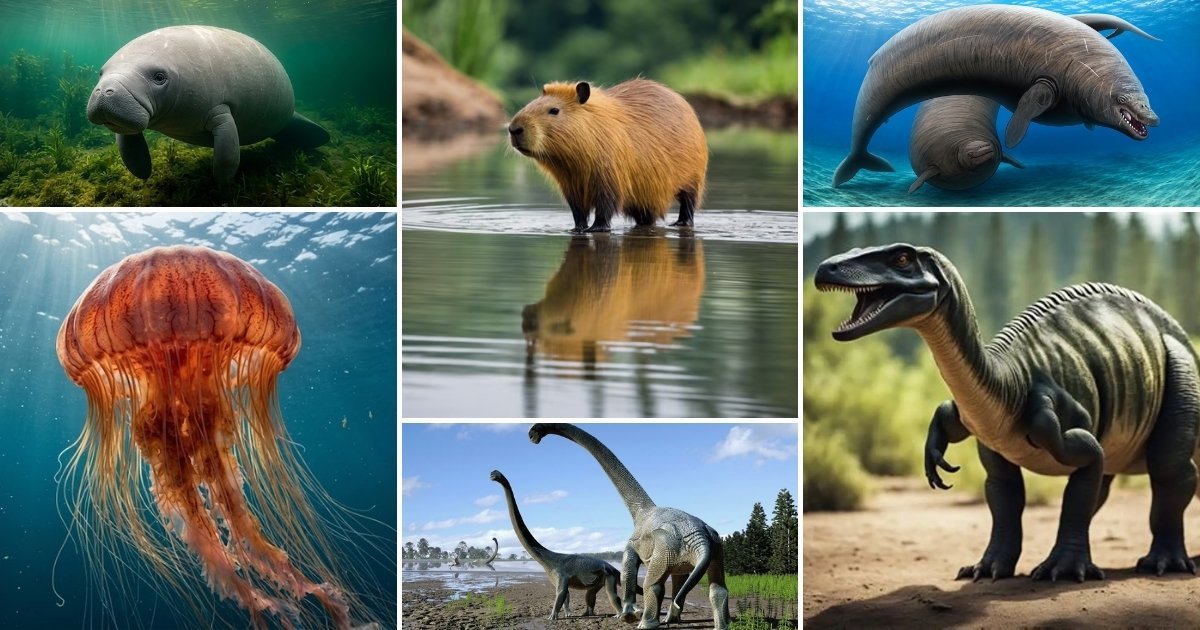
Imagine if you could stand next to an animal that weighed more than a small car. In our journey through the 19 biggest animals in the world, we’ll uncover the sheer size and amazing traits of creatures like the blue whale, the undisputed titan of the seas.
We’ll break down their sizes by length, weight, height, and body size, giving you a clear perspective on what makes these animals so remarkable, whether they inhabit our oceans, lands, or freshwater bodies. By the end of this article, you’ll have a newfound appreciation for these giants of the animal kingdom.
Biggest Mammals In The World
The animal kingdom boasts a stunning array of giants, each remarkable not just for their sheer size, but for the unique roles they play in their respective ecosystems. From the colossal depths of the ocean to the sprawling savannas, these magnificent mammals display nature’s grandeur in extraordinary ways.
Blue Whale
| Feature | Details |
|---|---|
| Scientific Name | Balaenoptera musculus |
| Diet | Krill and occasionally fish and tiny crustaceans |
| Average Lifespan in the Wild | 80–90 years |
| Weight | Up to 199,000 kg |
The blue whale is not only the biggest animal in the world, but it also holds the title for the biggest animal to ever live on Earth. Measuring up to 100 feet in length and weighing around 200 tons, these majestic creatures are found in oceans globally, preferring deep, cold waters rich in krill.
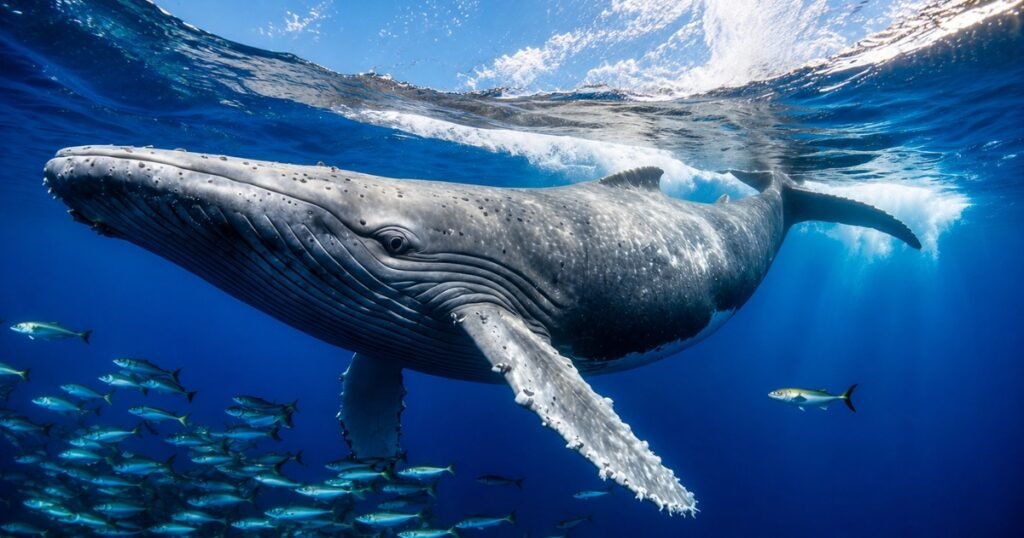
Their size is a wonder of evolutionary marvel, as their enormous bodies have adapted to filter-feed on tiny shrimp-like organisms, showcasing nature’s ability to create extreme biodiversity. Throughout history, the blue whale represents the epitome of marine life grandeur, dwarfing even the largest dinosaurs.
With a heart that can weigh as much as a small car, this colossal marine mammal is a symbol of the ocean’s mysteries, reminding us of the delicate balance within our ecosystems. Among the biggest animals ever known, their graceful movements and haunting calls echo through the seas, capturing the imagination of those who seek to understand life beneath the waves.
African Elephant
| Feature | Details |
|---|---|
| Scientific Name | Loxodonta |
| Diet | Grasses, herbs and creepers, also leaves and bark in the dry season |
| Average Lifespan in the Wild | 60–70 years |
| Weight | Up to 6,000 kg |
The African elephant reigns as the largest land animal, with males weighing up to 12 tons and standing as high as 13 feet at the shoulder. These gentle giants roam the savannas and forests of sub-Saharan Africa, thriving in diverse habitats that support their impressive size and social structures.
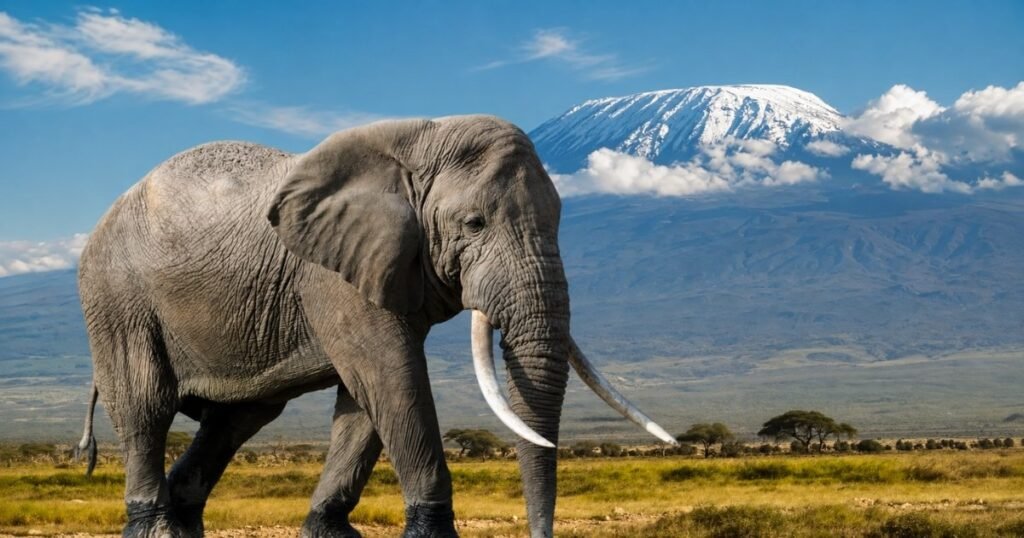
Their large ears help regulate body temperature, while their trunks serve multiple functions, from foraging for food to communicating with their herd. As the largest animal on land, the African elephant plays a crucial role in its ecosystem, creating water holes used by other species and dispersing seeds that contribute to forest health.
Their powerful presence is a reminder of the fragility of their existence, as habitat loss and poaching threaten their survival. This remarkable creature embodies the strength and grace of the wild, drawing admiration and respect from those lucky enough to encounter them in their natural habitat.
Giraffe
| Feature | Details |
|---|---|
| Scientific Name | Giraffa camelopardalis |
| Diet | Leaves, buds, herbs, climbers and vines, flowers and fruit when in season |
| Average Lifespan in the Wild | 25 years |
| Weight | Up to 1,190 kg |
The giraffe towers above the landscape, making it the tallest living land animal. With heights reaching up to 18 feet and a weight of around 2,600 pounds, their long necks and legs provide them with a unique advantage in accessing leaves high in acacia trees.
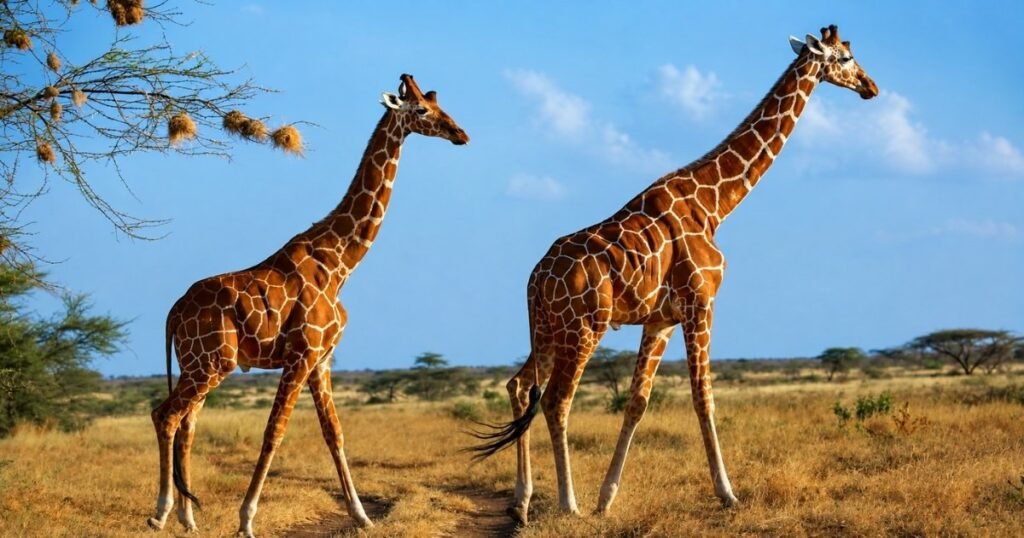
This remarkable adaptation allows them to thrive in African savannas by minimizing competition for food with other herbivores. Aside from their impressive stature, giraffes possess fascinating features like their distinctive coat patterns, which serve as camouflage in the dappled light of their habitat.
Their social structures are equally captivating; they often form loose herds, interacting in ways that reflect their strong social bonds. The towering presence of giraffes represents the beauty of evolution, illustrating how form and function can intertwine spectacularly in nature.
Capybara
| Feature | Details |
|---|---|
| Scientific Name | Hydrochoerus hydrochaeris |
| Diet | Grasses, aquatic plants, fruit and tree bark |
| Average Lifespan in the Wild | 8–10 years |
| Weight | Up to 66 kg |
The capybara, often underestimated in size, is the largest living rodent, weighing up to 150 pounds and measuring nearly 4 feet in length. Native to South America’s rainforests and wetlands, these semi-aquatic mammals are expert swimmers, with webbed feet that aid in navigating their environment.
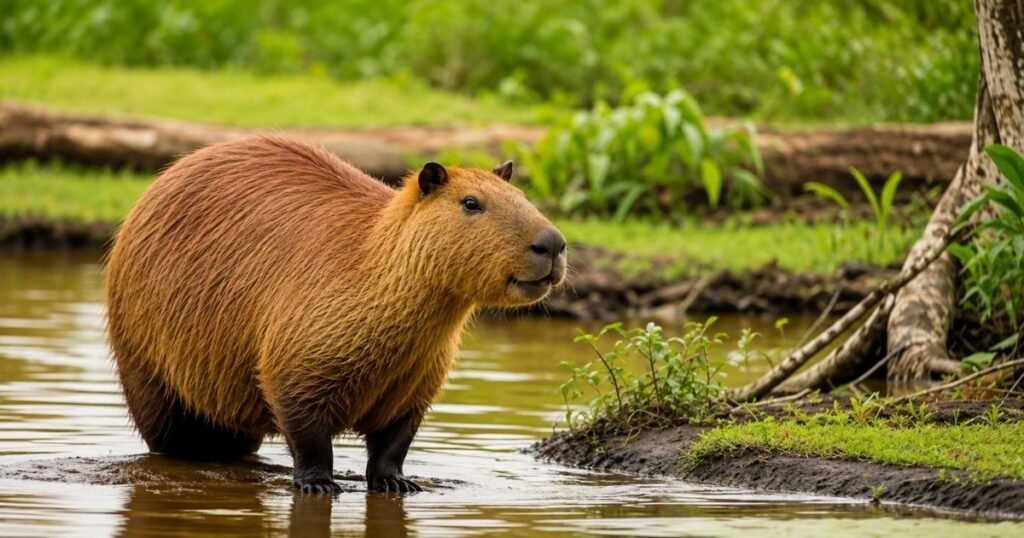
They thrive in the Amazon rainforest, which provides a rich tapestry of habitats and resources essential for their survival. Capybaras are social animals that often live in groups, fostering strong community bonds. Their gentle demeanor and striking appearance make them seem almost like oversized pets, enchanting wildlife enthusiasts and casual onlookers alike.
As extraordinary representatives of the Amazon, they highlight the importance of preserving such unique ecosystems and serve as a reminder of the complex interdependencies that exist among the biggest animals in the Amazon rainforest.
Biggest Marine Animals In The World
The depths of our oceans are home to some of the largest creatures on the planet, captivating our imagination with their sheer size and mysterious lifestyles. These marine giants reveal the incredible diversity of life beneath the waves, showcasing adaptations that allow them to thrive in extreme environments.
Whale Shark
| Feature | Details |
|---|---|
| Scientific Name | Rhincodon typus |
| Diet | Plankton, small fish and shrimp |
| Average Lifespan in the Wild | 80–130 years |
| Weight | Up to 19,000 kg |
The whale shark, known for its immense size, is the largest fish in the ocean, reaching lengths of up to 40 feet and weighing as much as 20 tons. Found predominantly in warm waters, such as the Coral Triangle and the Gulf of Mexico, these gentle giants are filter feeders, primarily consuming plankton and small fish.
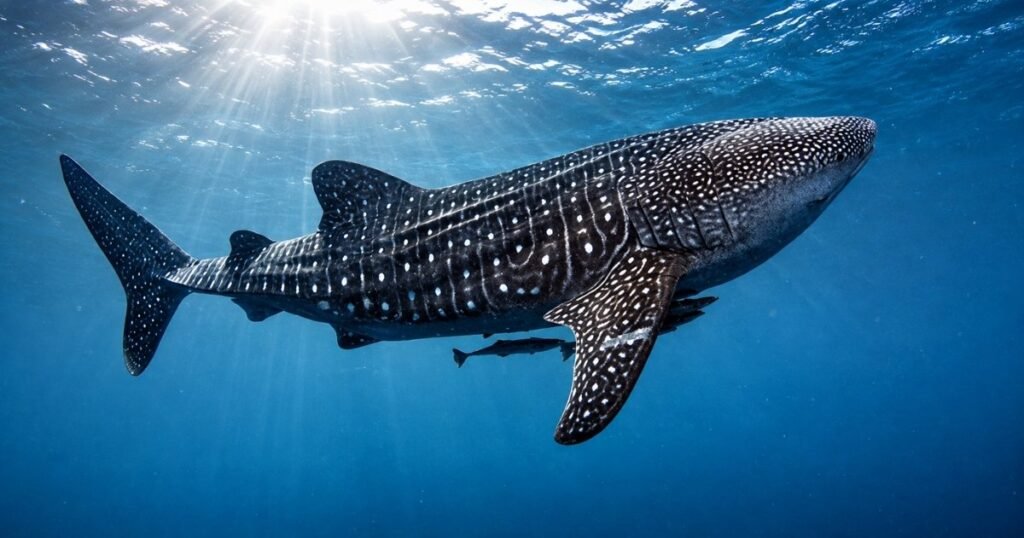
Distinctive for their unique pattern of spots, whale sharks are not only a marvel of the sea; they also play an essential role in their ecosystem, helping to maintain the balance of marine life. What sets whale sharks apart is their extraordinary size compared to other fish species.
Unlike bony fish, which dominate the waters, whale sharks belong to a group of cartilaginous fish, a category that also includes rays and skates. Their massive yet placid nature offers a fascinating glimpse into the ocean’s diverse inhabitants, reinforcing the idea that the biggest animals in the ocean can also be some of the most benign.
Fin Whale
| Feature | Details |
|---|---|
| Scientific Name | Balaenoptera physalus |
| Diet | Krill, small schooling fish and squid |
| Average Lifespan in the Wild | 80–90 years |
| Weight | Up to 74,000 kg |
Reaching lengths of up to 85 feet and weighing as much as 80 tons, the fin whale is the second-largest animal on the planet, just behind the blue whale. These sleek cetaceans can be found in every ocean, migrating yearly between feeding and breeding grounds.
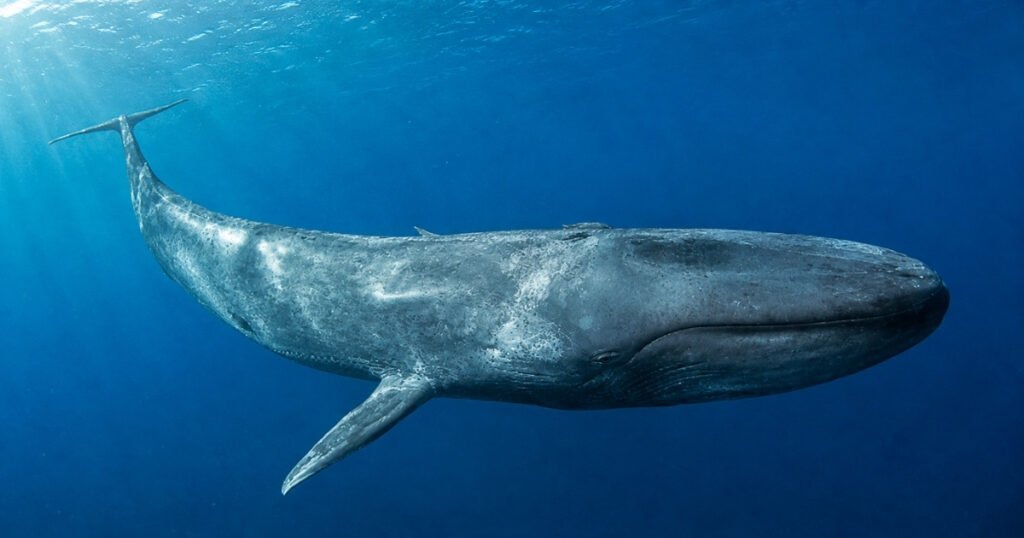
Their striking speed and agility, combined with their long, slender bodies, allow them to slice through the water efficiently, making them a sight to behold. In comparison to the blue whale, fin whales may not carry the same weight, but their size alone solidifies their status among the largest animals ever to roam the Earth.
They are often overshadowed by the blue whale’s record-breaking dimensions, yet the fin whale’s remarkable elegance and adaptive hunting techniques make it a unique marvel of the ocean. They contribute to the intricate web of marine life, echoing the grandeur of larger species while establishing their significance within the ecosystem.
Giant Squid
| Feature | Details |
|---|---|
| Scientific Name | Architeuthis dux |
| Diet | Fish, shrimp and other squid |
| Average Lifespan in the Wild | 5 years |
| Weight | Up to 275 kg |
The elusive giant squid, known to grow upwards of 40 feet, resides in the depths of the ocean, making it difficult to observe in its natural habitat. Inhabitants of the deep sea, these fascinating creatures thrive in the dark, cold waters, often hunted by their arch-nemesis, the sperm whale.
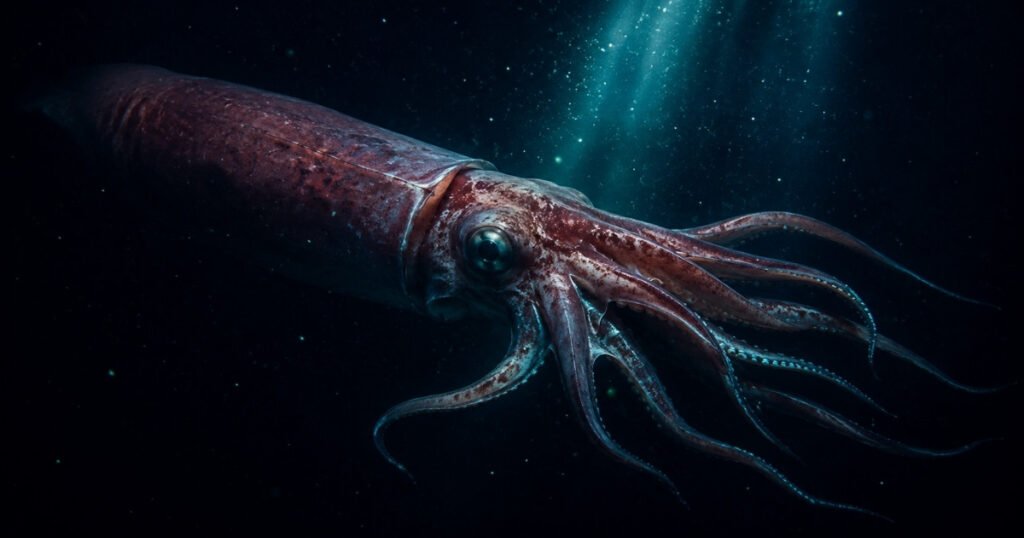
Their lifestyle is largely mysterious, filled with myths and tales, from their enormous eyes, which can be as large as basketballs, to their long, flexible tentacles equipped with sharp suckers. What makes the giant squid one of the largest invertebrates is not just its physical size but also its unique anatomy. Lacking a backbone, its body structure is a marvel of evolution, engineered for survival in the deep sea.
As studies continue to illuminate their secret lives, it becomes increasingly clear that these mesmerizing creatures contribute to the understanding of biodiversity in our oceans, proving that size does not always correlate with visibility.
Lion’s Mane Jellyfish
| Feature | Details |
|---|---|
| Scientific Name | Cyanea capillata |
| Diet | Fish, zooplankton, tiny shrimp and other jellyfish |
| Average Lifespan in the Wild | 12 months |
| Weight | Up to 200 kg |
The lion’s mane jellyfish boasts an impressive bell that can measure over 6 feet in diameter, complemented by long, flowing tentacles that can stretch more than 100 feet. Found mainly in the cooler waters of the Arctic and Atlantic Oceans, their vibrant, frilly appearance makes them a striking, albeit dangerous, presence in marine environments.
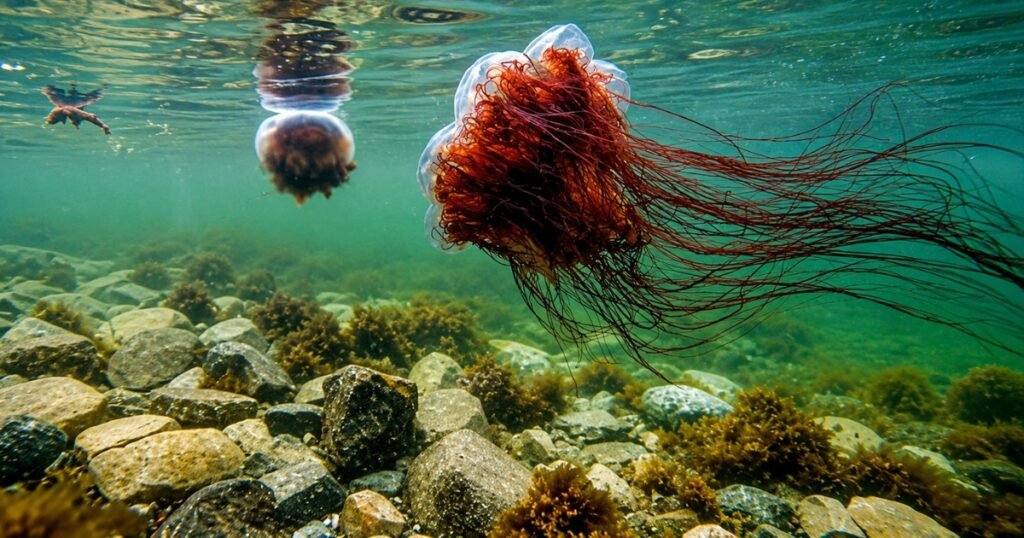
With the ability to sting unsuspecting prey, they are essential players in the ocean’s food web, controlling populations of smaller animals. What elevates the lion’s mane jellyfish to a place among the biggest jellyfish is not only its sheer size but also its complex life cycle.
Despite their ethereal beauty, they exemplify the powerful adaptability of marine life. By understanding their role in ocean ecosystems, we come to appreciate the intricacies of life beneath the surface, shedding light on the magnificent diversity that defines the world’s oceans.
Biggest Birds In The World
The world is home to some truly extraordinary birds that tower over all others in size, weight, and wingspan. From the flightless giants that roam open grasslands to the massive seabirds that soar across entire oceans, the biggest birds in the world are a breathtaking reminder of just how remarkable nature can be. Whether you are measuring by height, weight, or wingspan, these record-breaking birds are guaranteed to leave you in awe.
Ostrich
| Feature | Details |
|---|---|
| Scientific Name | Struthio camelus |
| Diet | Plants, insects and small lizards |
| Average Lifespan in the Wild | 30–40 years |
| Weight | Up to 145 kg |
The ostrich holds the title of the biggest bird in the world, towering at heights that can reach up to 9 feet and weighing between 220 to 350 pounds. This massive flightless bird is native to the African savannas and is fascinating for more than just its sheer size; it also boasts striking features like long legs and a robust neck.
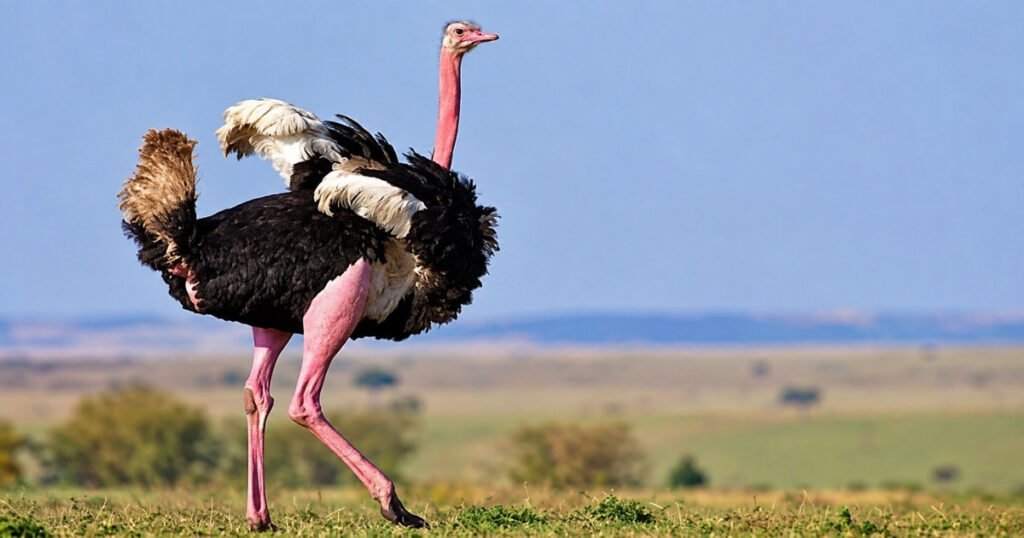
The ostrich’s size sets it apart from other avian species, providing it with both a unique charm and distinct advantages in its natural habitat. In addition to its impressive stature, the ostrich is also remarkably fast, capable of running at speeds up to 45 miles per hour. This agility helps it escape predators, making it a formidable creature despite its size.
A female ostrich can lay eggs weighing as much as 3 pounds, with a single clutch often containing up to 20 eggs, rendering their eggs the largest of any living bird species. The striking contrast of their eggs against the arid landscape creates a mesmerizing sight in the wild.
Other Giant Birds
| Feature | Details |
|---|---|
| Scientific Name | Dromaius novaehollandiae |
| Diet | Plants, fruits, seeds and insects |
| Average Lifespan in the Wild | 10–20 years |
| Weight | Up to 60 kg |
While the ostrich reigns supreme, the emu and the southern cassowary also make their mark as significant giants in the bird world. The emu, native to Australia, stands about 6 feet tall and weighs up to 130 pounds, making it the second-largest bird.
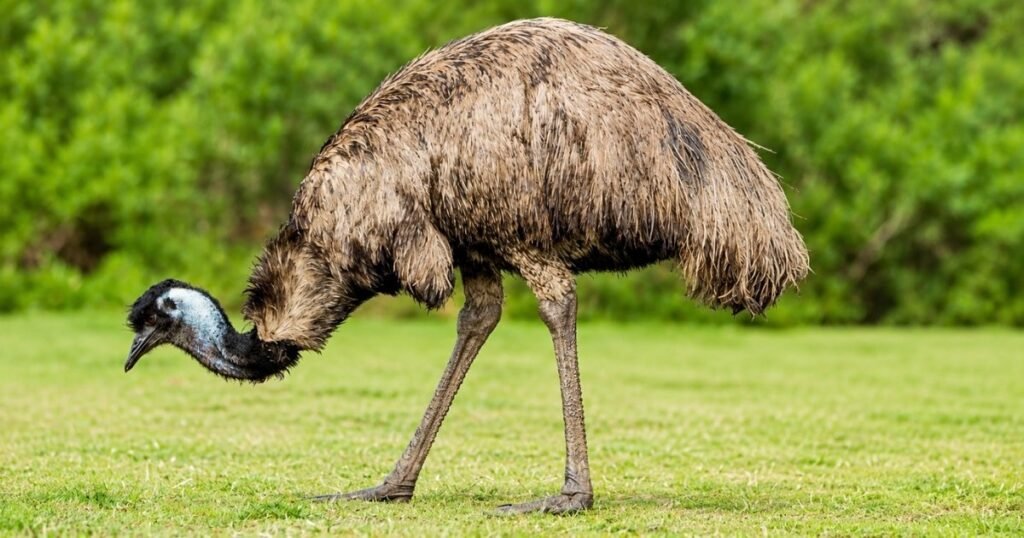
With its soft, shaggy feathers and inquisitive nature, the emu is a sight to behold as it roams the Australian outback, albeit at a slower pace compared to its African counterpart. The southern cassowary, known for its striking blue and black plumage, stands around 5 to 6 feet tall and weighs up to 130 pounds as well.
This bird boasts a unique helmet-like casque atop its head, which helps it navigate through dense rainforest environments. When you juxtapose these birds with the ostrich, the differences in habitat, behavior, and adaptations make for an intriguing exploration into avian evolution.
Biggest Reptiles In The World
The world’s biggest reptiles are ancient, powerful creatures that have ruled their ecosystems for millions of years. From massive saltwater crocodiles to giant pythons and enormous monitor lizards, these record-breaking reptiles are some of the most fascinating and formidable animals on the planet.
Saltwater Crocodile
| Feature | Details |
|---|---|
| Scientific Name | Crocodylus porosus |
| Diet | Fish, sharks, crustaceans and various reptiles, birds and mammals |
| Average Lifespan in the Wild | Up to 70 years |
| Weight | Up to 1,000 kg |
The saltwater crocodile, known scientifically as “Crocodylus porosus“, holds the title of the biggest reptile in the world. These formidable creatures can reach lengths of up to 23 feet and can weigh over 2,200 pounds. Their sheer size not only makes them the largest living reptile but a top predator in their ecosystems, dominating both freshwater and saltwater environments alike.
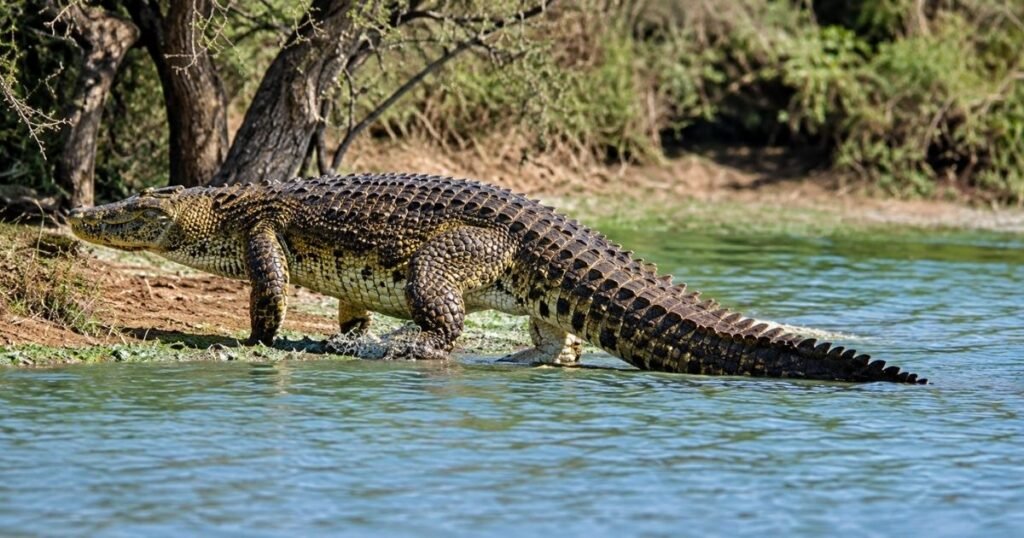
These reptiles thrive in various habitats, from brackish estuaries to rivers and coastal marshes, showcasing their adaptability. Saltwater crocodiles are opportunistic feeders, preying on fish, birds, and even large mammals that venture too close to the water’s edge. Their powerful jaws and ambush tactics make them exceptional hunters, ensuring their place at the apex of their food chain.
Green Anaconda
| Feature | Details |
|---|---|
| Scientific Name | Eunectes murinus |
| Diet | Fish, birds, mammals and reptiles |
| Average Lifespan in the Wild | 10–12 years |
| Weight | Up to 250 kg |
The green anaconda is often revered as the biggest snake in the world, with lengths that can exceed 29 feet, although its weight can be even more dramatic. This serpentine giant can weigh up to 550 pounds, showcasing a robust and muscular build that seems to defy gravity. The contrast between its astounding length and hefty weight makes it a fascinating subject of study and myth.
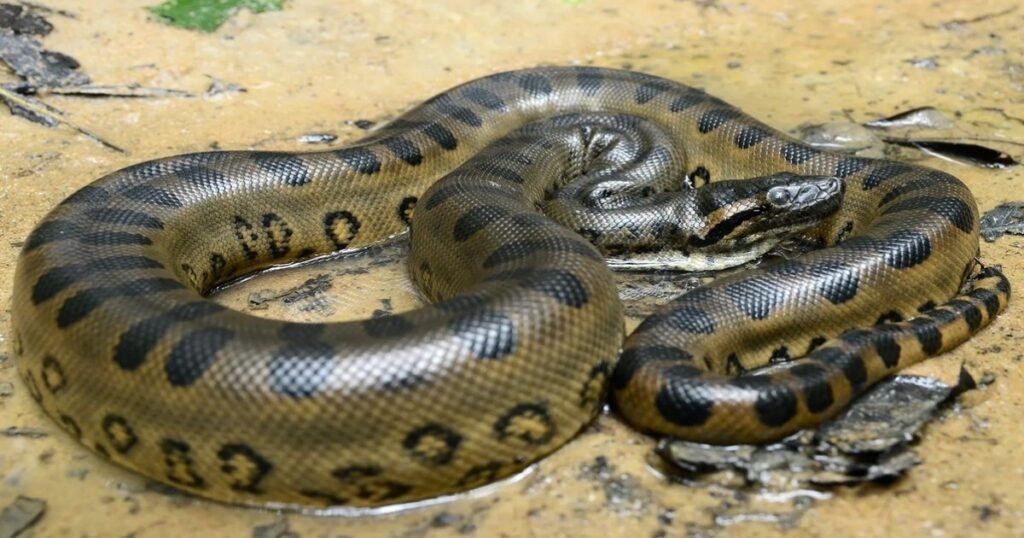
Native to the lush Amazon rainforests, these snakes swim gracefully through murky waters, often lurking patiently for prey. Unlike some of their terrestrial counterparts, their size allows them to overpower large animals, including deer and caimans. The green anaconda’s remarkable ability to blend into its environment exemplifies nature’s mastery of camouflage, helping it become one of the most enigmatic predators of the Amazon.
Biggest Animals Ever To Exist
The biggest animals ever to exist make today’s largest creatures look incredibly small by comparison. From towering titanosaur dinosaurs to massive prehistoric ocean giants, the top 10 largest animal ever existed on Earth will take your breath away. These record-breaking creatures are the ultimate proof of just how extraordinary life on our planet has been throughout history.
Argentinosaurus
| Feature | Details |
|---|---|
| Scientific Name | Argentinosaurus huinculensis |
| Diet | Plants, ferns and conifers |
| Average Lifespan in the Wild | 40–70 years (estimated) |
| Weight | Up to 80,000 kg (estimated) |
When we delve into the realm of the biggest animals ever to inhabit our planet, the Argentinosaurus stands out. This titanic sauropod is estimated at a staggering length of up to 100 feet and might have weighed around 100 tons. Its sheer size challenges our understanding of what is possible in the animal kingdom, making it one of the biggest animals to ever exist.
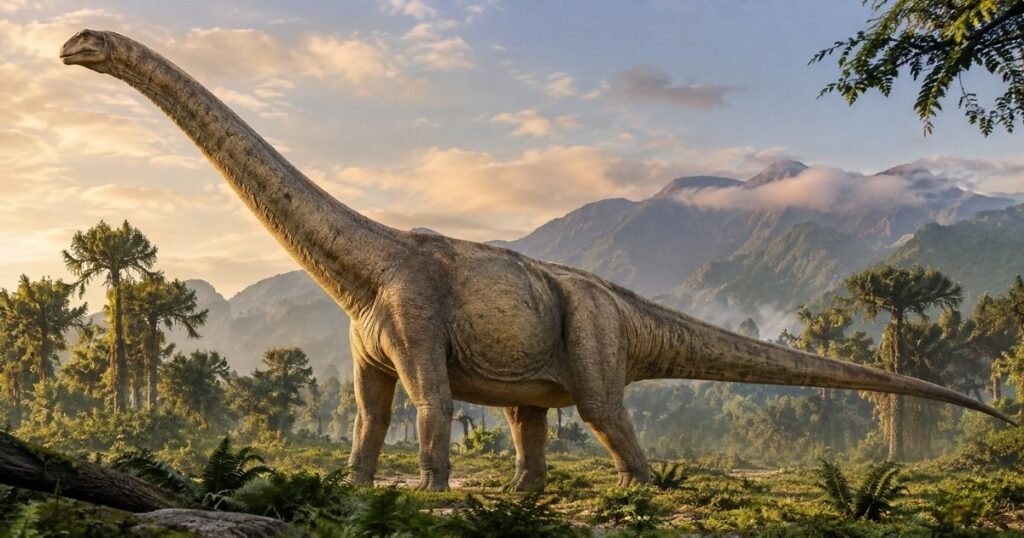
Recent studies into its skeletal structure have unveiled remarkable adaptations, shedding light on how Argentinosaurus managed both balance and locomotion despite its enormity. The robust legs supported immense weight, but it is the unique distribution of body mass that has captured the interest of paleontologists.
Patagotitan Mayorum
| Feature | Details |
|---|---|
| Scientific Name | Patagotitan mayorum |
| Diet | Plants, ferns and conifers |
| Average Lifespan in the Wild | 40–70 years (estimated) |
| Weight | Up to 69,000 kg (estimated) |
Another remarkable contender in the lineup is the Patagotitan mayorum, which could reach lengths of approximately 122 feet and weigh an estimated 70 tons. Some consider it the heaviest dinosaur known, showcasing the incredible diversity and adaptability of sauropods in different environments.
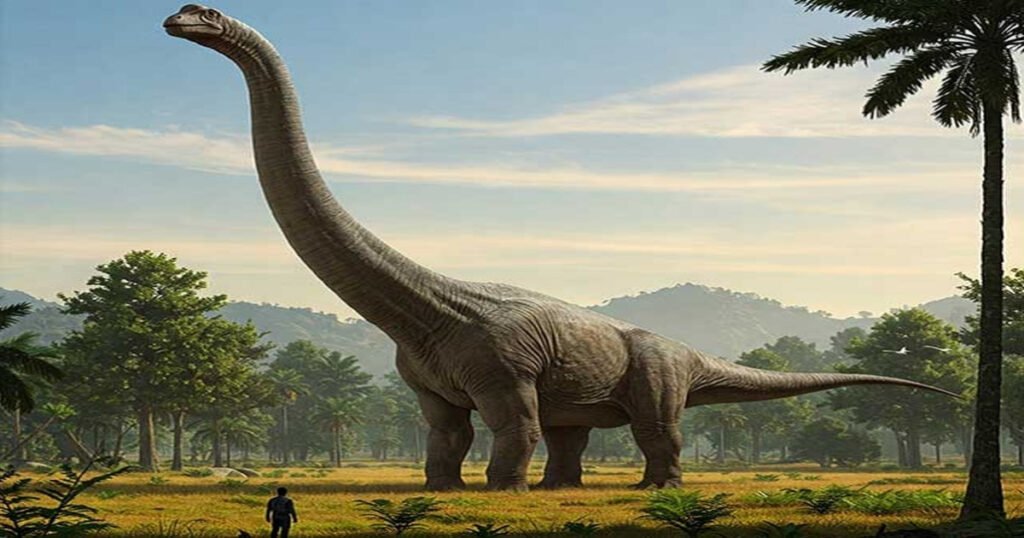
Its immense size allowed it to reach foliage that other herbivores couldn’t, which likely gave it a competitive advantage in its habitat, allowing it to traverse the diverse landscapes of ancient Patagonia without the threat of being outcompeted for food.
Perucetus Colossus
| Feature | Details |
|---|---|
| Scientific Name | Perucetus colossus |
| Diet | Likely seafloor organisms and invertebrates |
| Average Lifespan in the Wild | Unknown (estimated several decades) |
| Weight | Up to 340,000 kg (estimated) |
The Perucetus colossus, an ancient whale, further complicates the notion of size when it comes to aquatic mammals. While estimates suggest it could have been as heavy as 340 tons, its size is a subject of debate due to the fragmentary nature of the fossil record. This ongoing discussion highlights the complexities and mysteries of palaeontology.
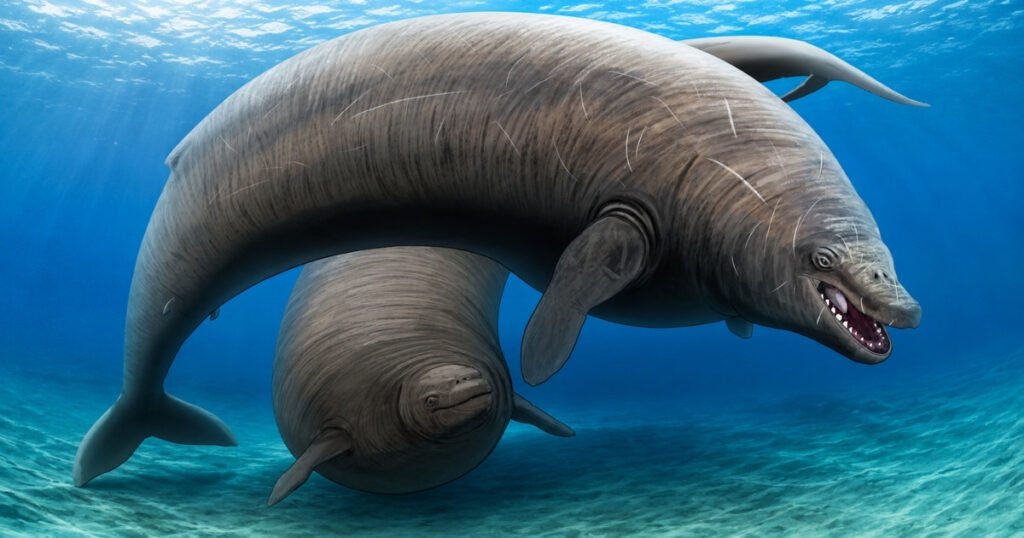
The sheer size of Perucetus colossus serves as a window into ancient ecosystems, revealing how different climatic and environmental conditions allowed such a massive creature to thrive. Its discovery in Peru adds a rich layer to the narrative of marine giants, emphasizing the diversity of prehistoric life.
Dreadnoughtus
| Feature | Details |
|---|---|
| Scientific Name | Dreadnoughtus schrani |
| Diet | Plants, ferns and conifers |
| Average Lifespan in the Wild | 40–70 years (estimated) |
| Weight | Up to 65,000 kg (estimated) |
The Dreadnoughtus also deserves mention, reputed as one of the largest animals in the world, with estimates suggesting it could reach 85 feet in length. Fossil evidence indicates a robust and muscular structure, providing insights into its lifestyle and feeding habits.
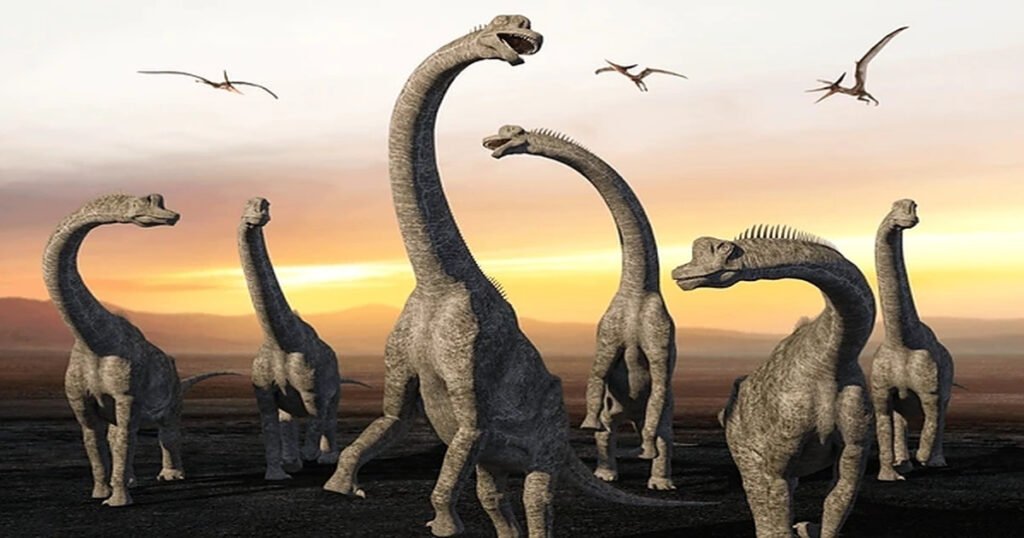
The Puertasaurus adds to the intrigue, with estimates placing it at an extraordinary length of around 100 feet, likely inhabiting similar environments as its contemporaries.
Puertasaurus
| Feature | Details |
|---|---|
| Scientific Name | Puertasaurus reuili |
| Diet | Plants, ferns and conifers |
| Average Lifespan in the Wild | 40–70 years (estimated) |
| Weight | Up to 80,000 kg (estimated) |
Puertasaurus, a colossal sauropod from the Late Cretaceous period, reigns as one of the largest land animals ever discovered. Its imposing length, estimated to exceed 100 feet, challenges our understanding of dinosaur physiology and ecology.
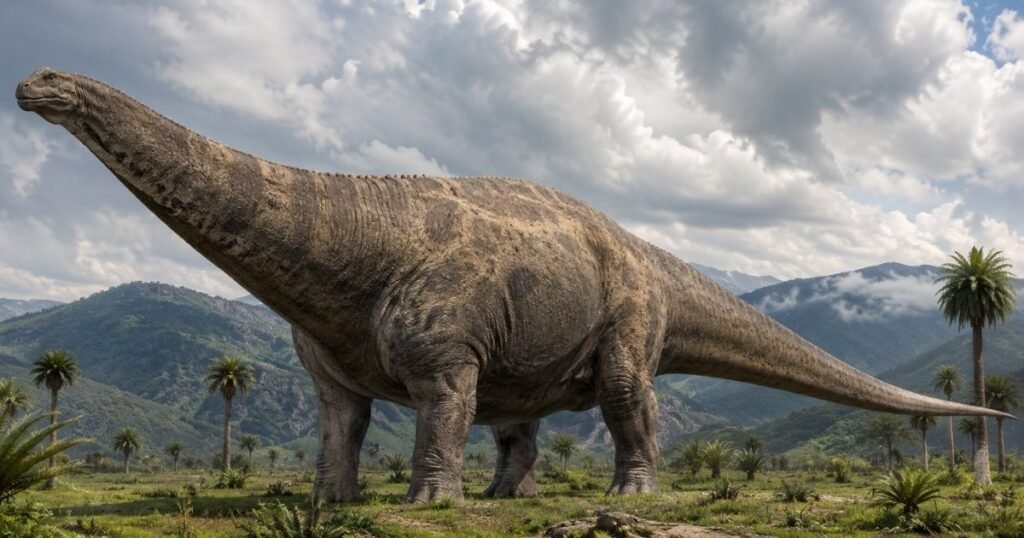
Imagine a creature whose mere footfalls could vibrate the ground beneath it, while its long neck reached trees higher than a modern multi-story building. Its sheer size suggests that Puertasaurus not only dominated its ecosystem but also played a crucial role in shaping the flora of its time.
Apatosaurus
| Feature | Details |
|---|---|
| Scientific Name | Apatosaurus ajax (dinosaur) |
| Diet | Plants, ferns and conifers |
| Average Lifespan in the Wild | 30–50 years (estimated) |
| Weight | Up to 25,000 kg (estimated) |
Apatosaurus, once a king of the Jurassic scene, remains one of the most iconic giants of the dinosaur world. Initially misnamed Brontosaurus, its long neck and tail captured imaginations and became symbols of prehistoric life. Measuring over 75 feet in length, this herbivorous titan thrived in the lush landscapes of North America, where it could easily maneuver to reach foliage at impressive heights.
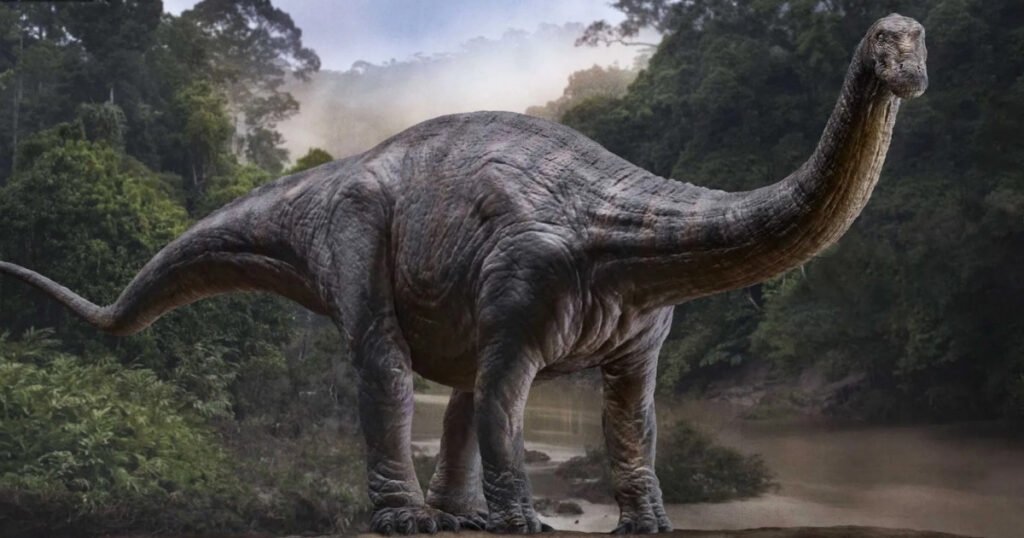
Its distinguishable long neck not only allowed Apatosaurus to access food but also helped it communicate and engage socially with fellow giants, hinting at a complex social behavior that has yet to be fully understood.
Shastasaurus Sikanniensis
| Feature | Details |
|---|---|
| Scientific Name | Shastasaurus sikanniensis (marine reptile) |
| Diet | Fish and soft-bodied prey like squid |
| Average Lifespan in the Wild | Unknown (estimated several decades) |
| Weight | Up to 75,000 kg (estimated) |
Shastasaurus sikanniensis stands as a testament to the astounding diversity of marine life during the late Triassic period. As one of the largest known ichthyosaurs, this impressive predator could reach lengths of nearly 70 feet, outstripping many contemporaneous creatures in both size and agility.
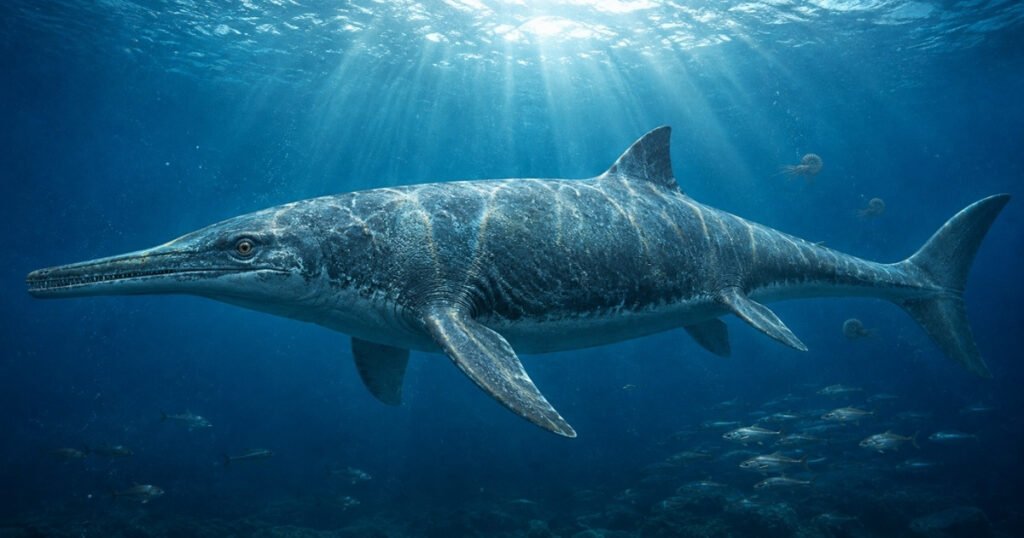
Its long, streamlined body, coupled with a powerful tail, would have enabled it to navigate the ancient oceans with remarkable speed and grace. Shastasaurus’s impressive dentition suggests it was equipped to hunt a varied diet ranging from fish to other marine reptiles, showcasing the fierce competition and rich biodiversity of its aquatic habitat.
Ichthyotitan Severnensis
| Feature | Details |
|---|---|
| Scientific Name | Ichthyotitan severnensis (prehistoric marine reptile) |
| Diet | Fish, squid and other marine prey |
| Average Lifespan in the Wild | Unknown (estimated several decades) |
| Weight | Up to 290,000 kg (estimated) |
The Ichthyotitan severnensis, a fascinating member of the ichthyosaur family, pushes the boundaries of our knowledge about prehistoric marine life. Measuring a staggering 30 feet, this creature roamed the ancient seas during the Early Jurassic period, embodying both grace and ferocity.
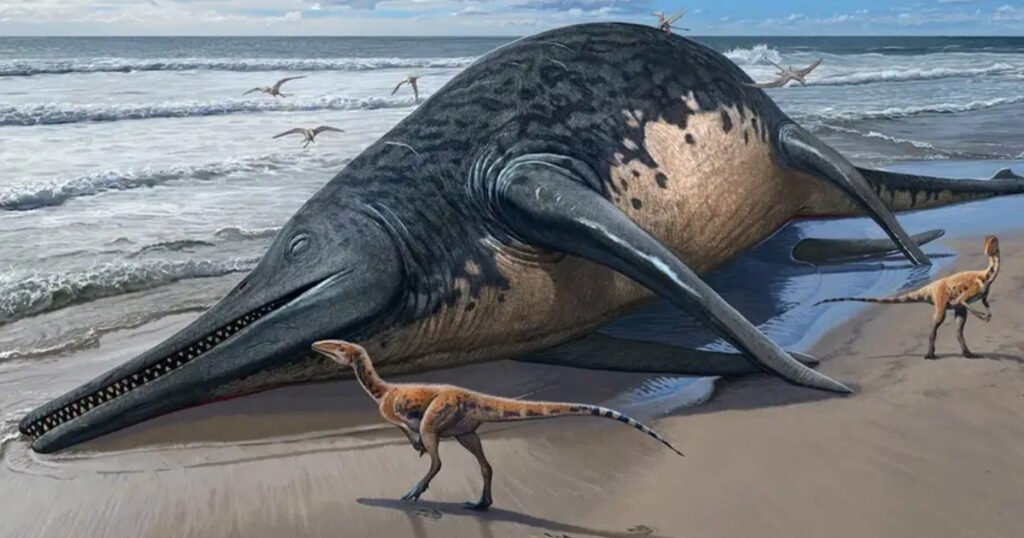
What sets Ichthyotitan apart is its unique morphological features, which hint at a diet consisting of more than just fish potentially including larger marine creatures, adapting to ecological niches that were otherwise untapped.
Titanosaur
| Feature | Details |
|---|---|
| Diet | Plants, ferns and conifers |
| Average Lifespan in the Wild | 40–70 years (estimated) |
| Weight | Up to 76,000 kg (estimated) |
Titanosaur was a truly gigantic titanosaur sauropod that lived in what is now Argentina during the Late Cretaceous period around 86 million years ago. With an estimated body mass of up to 76 tons and enormous limb bones that rival any other dinosaur ever found, this colossal creature is considered one of the largest land animals ever to have walked the Earth.
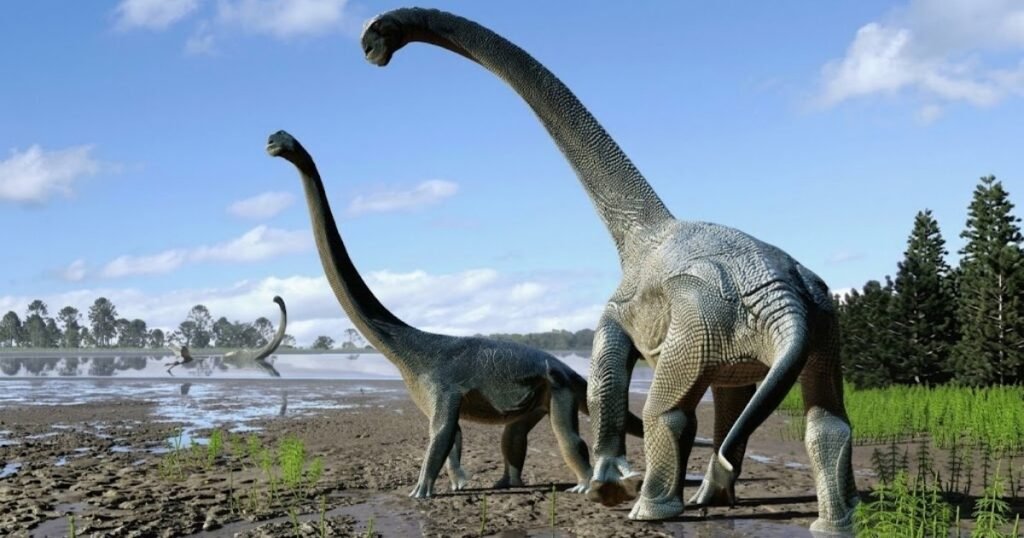
This immense body size offered not only protection from predators but also a unique dietary strategy, allowing these colossal herbivores to consume vegetation high above the ground, accessing foliage unavailable to smaller herbivores.
Supersaurus
| Feature | Details |
|---|---|
| Diet | Plants, ferns and conifers |
| Average Lifespan in the Wild | 40–70 years (estimated) |
| Weight | Up to 40,000 kg (estimated) |
Supersaurus was a massive diplodocid sauropod that lived in North America during the Late Jurassic period around 150 million years ago, with some estimates suggesting it could reach lengths of up to 137 feet. This extraordinary long-necked giant is considered one of the longest dinosaurs ever discovered and deserves a strong place on any list of the biggest animals ever to exist.
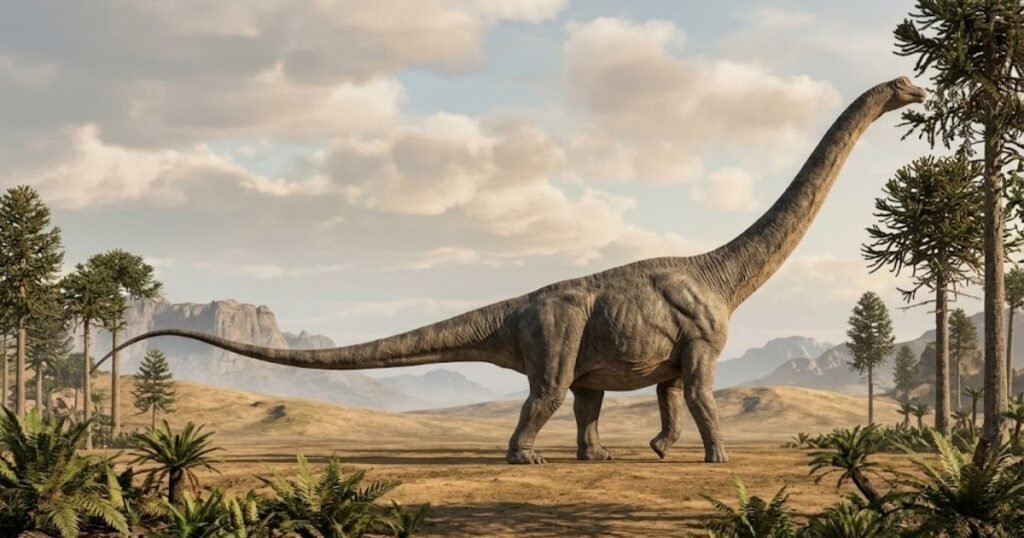
Unlike many of its contemporaries, the Supersaurus likely utilized a combination of browsing tactics, favoring both high and low foliage, which would have enabled it to thrive in diverse environments.
Biggest Animals In The Amazon Rainforest
The Amazon Rainforest is one of the most biodiverse places on Earth, home to an astonishing range of creatures that grow to extraordinary sizes in its dense jungles, winding rivers, and flooded wetlands. From the world’s largest rodent to massive anacondas that can swallow prey whole, the biggest animals in the Amazon Rainforest are as impressive as the ecosystem they call home.
Biggest Mammal: Capybara
Among the colossal inhabitants of this lush environment, the capybara stands out as the largest rodent on Earth. Weighing up to 150 pounds, these gentle giants can be found lounging by the riversides in groups, often enjoying the company of various bird species.
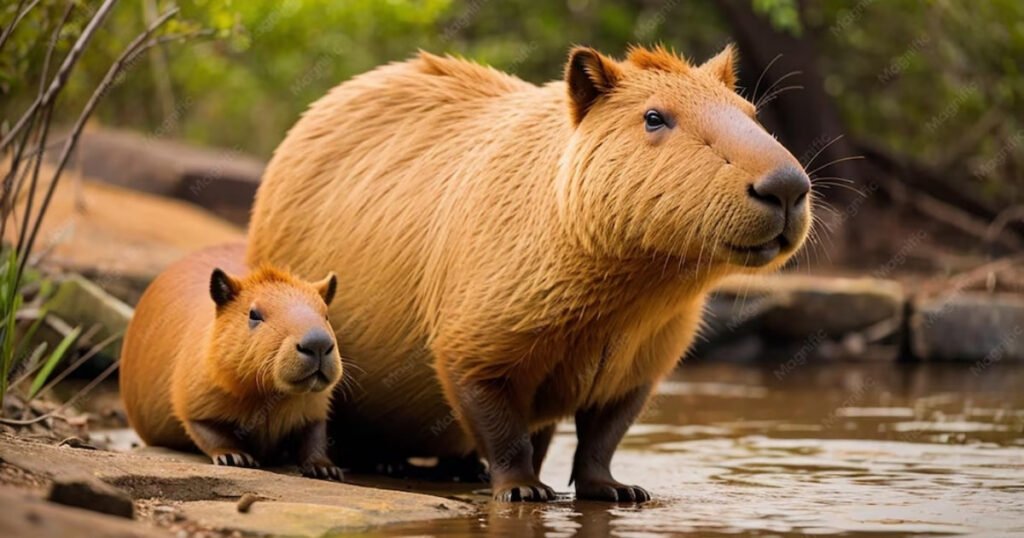
Their social nature facilitates a complex hierarchy, which showcases fascinating behaviors that contribute to their survival. Despite their size, capybaras are surprisingly agile swimmers, adapting beautifully to the aquatic realm of the Amazon.
Biggest Reptile: Green Anaconda
Emerging from the murky depths, the green anaconda reigns as the largest snake in the world, with some individuals stretching over 29 feet long. Often depicted in popular culture, these formidable reptiles are not just mythical; they play a crucial role in the Amazon’s food chain, preying on everything from fish to deer.
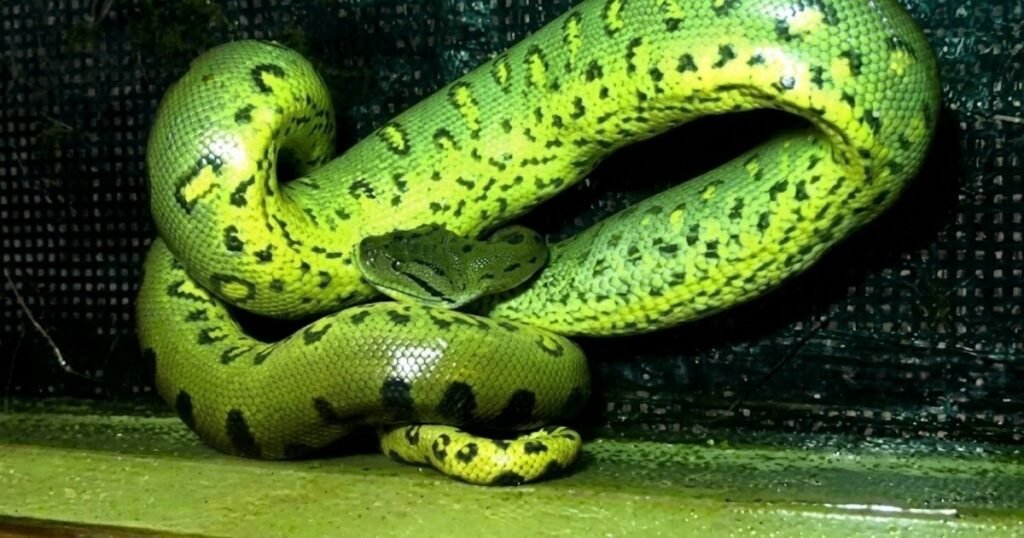
Their effortless prowess in the water astounds observers, as they glide silently through their lush habitat. With incredible strength, a green anaconda can ambush its prey in one fluid motion, underscoring its status as a true apex predator.
Biggest Caiman: Black Caiman
| Feature | Details |
|---|---|
| Scientific Name | Melanosuchus niger |
| Diet | Fish, birds, mammals and reptiles |
| Average Lifespan in the Wild | 20–30 years |
| Weight | Up to 400 kg |
The black caiman, another formidable resident, commands respect as the largest of its kind, measuring up to 16 feet. With its striking dark scales and powerful jaws, this reptile is a master of camouflage, lying in wait along the riverbanks.
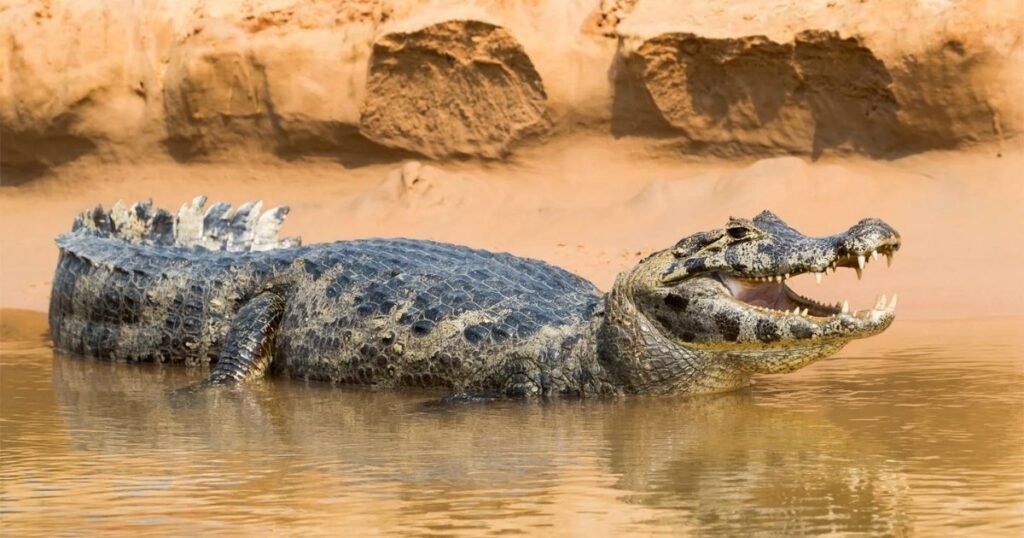
The black caiman plays a pivotal role in regulating the populations of other species, making it an essential component of the Amazon’s intricate ecosystem. Its fascinating behavior and hunting techniques offer insights into the delicate balance of predator and prey in this biodiverse habitat.
Biggest Aquatic Mammal: Amazonian Manatee
| Feature | Details |
|---|---|
| Scientific Name | Trichechus inunguis |
| Diet | Aquatic plants and grasses |
| Average Lifespan in the Wild | 12–30 years |
| Weight | Up to 480 kg |
Diving into the waters of the Amazon, the Amazonian manatee, also known as the sea cow, holds the title of the largest aquatic mammal in the region. These gentle herbivores can grow up to 10 feet long, peacefully grazing on aquatic plants and playing a crucial role in maintaining the health of their ecosystem.
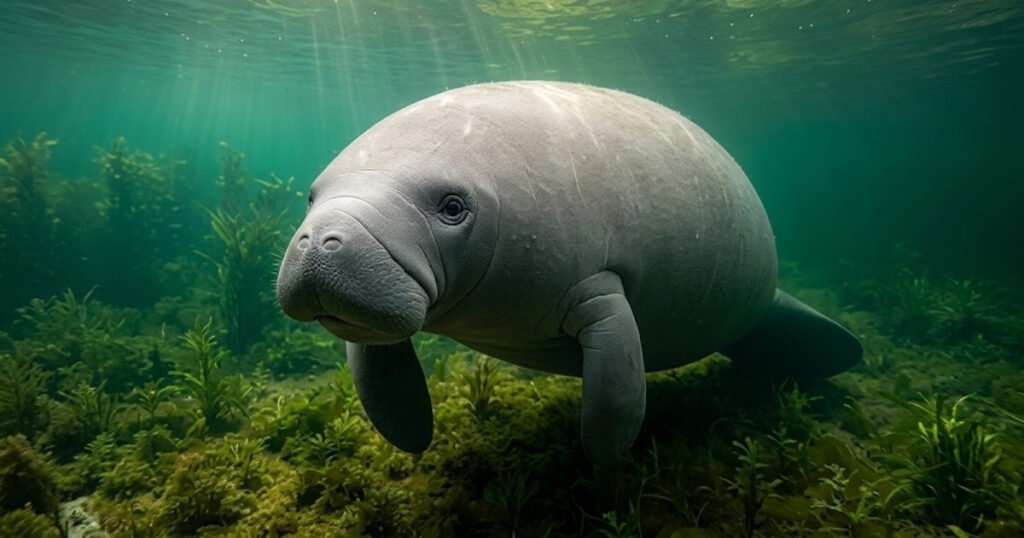
Their serene presence, however, is often threatened by habitat loss and human activities, highlighting the urgent need for conservation. Observing these magnificent creatures gliding through the waters evokes a deep appreciation for the unique wildlife and the delicate balance of life within the Amazon Rainforest.
Conclusion
The biggest animals in the world serve as a testament to the incredible diversity and adaptability of life on our planet. From the magnificent blue whale gliding through ocean waters to the towering African elephant roaming savannahs, these giants represent some of the most awe-inspiring creatures on Earth.
Their sheer size not only captivates our imagination but also underscores the importance of conservation efforts to protect their habitats and ensure their survival. As we continue to explore and learn about these majestic beings, we are reminded of our responsibility to safeguard their future.
FAQs
Which Is The Largest Animal On Land?
The largest animal on land is the African elephant, reaching heights of up to 13 feet and weights of around 6 tons. Their massive size, long trunks, and social structures make them iconic members of the animal kingdom.
What Is The Biggest Animal To Ever Live?
The blue whale holds the title for the largest animal to ever live, reaching lengths of up to 100 feet and weighing as much as 200 tons. Its massive size surpasses that of any known dinosaur, making it a true marvel of the natural world.
What Is The Biggest Animal Of All Time?
The blue whale holds the title for the largest animal of all time, reaching lengths of up to 100 feet and weights of over 200 tons. Its immense size surpasses even the largest dinosaurs, making it a true marvel of the natural world.
What Is The biggest Animal In The World?
The biggest animal in the world is the blue whale, reaching lengths of up to 100 feet and weighing as much as 200 tons.
What Is The Largest Mammal In The World?
The largest mammal in the world is the blue whale. Despite its immense size, it primarily feeds on tiny shrimp-like animals called krill.
What Are The Top 10 Biggest Animals In The World?
Blue Whale
African Elephant
Giraffe
Saltwater Crocodile
Japanese Spider Crab
Greenland Shark
Kodiak Bear
Brown Bear
African Ostrich
Anacondas