Smartest Insect In The World: 10 Most Intelligent Insects
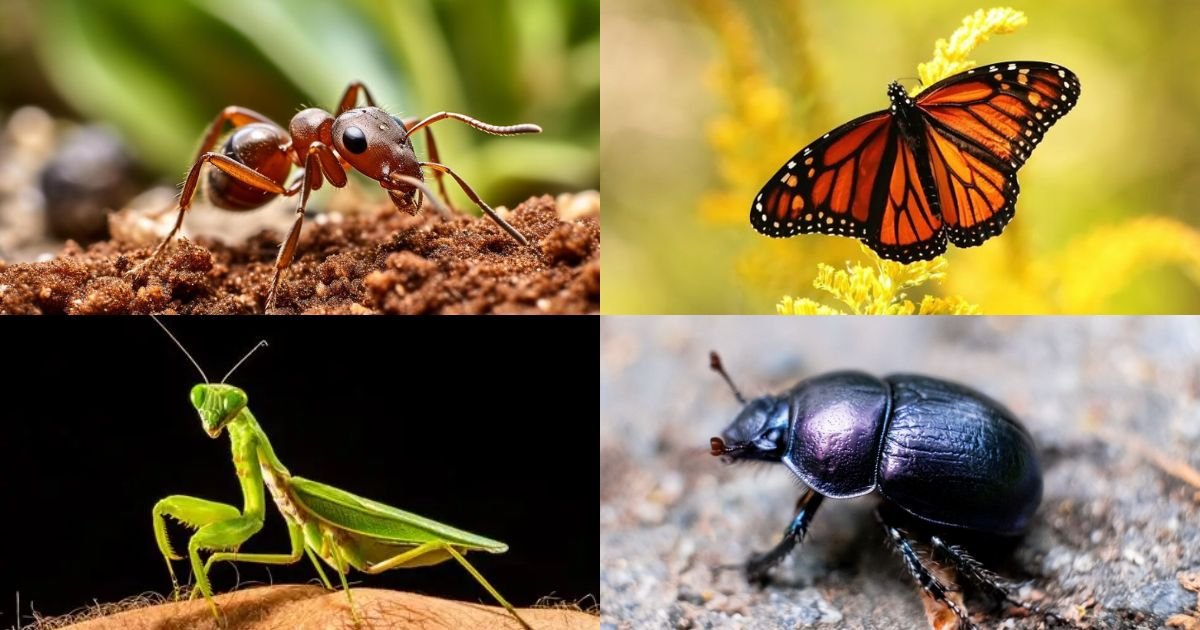
The concept of the “smartest insect” challenges our traditional understanding by highlighting that intelligence isn’t solely determined by brain size. Let’s explore the remarkable capabilities of insects like the honeybee, known for its incredible learning abilities, and the leafcutter ant, famed for its sophisticated problem-solving skills.
Prepare to dive into a fascinating world where communication, memory, and navigation skills redefine what it means to be intelligent.
What Is The Smartest Insect?
Insect intelligence primarily refers to their ability to learn, remember, communicate, and solve problems traits often underestimated in these tiny creatures. One prime example is the honeybee, renowned for its complex social structures and remarkable navigation skills.
Honeybees can recognize human faces and even communicate intricate information about food sources through their famous “waggle dance,” showcasing a sophisticated level of collective intelligence and memory.
Studies on ants reveal that their problem-solving skills rival those of vertebrates, often working collaboratively to overcome obstacles or find food. They demonstrate a form of social learning, where younger ants learn from older, more experienced members of the colony.
This collective problem-solving approach highlights not just individual intelligence but a communal synergy that enhances survival, turning even the smallest of insects into formidable thinkers in their ecosystems.
10 Smartest Insects In The World
Insects may seem simple, but many demonstrate remarkable intelligence that challenges our perceptions. Here are some examples of intelligent insect in the world which are discussed below:
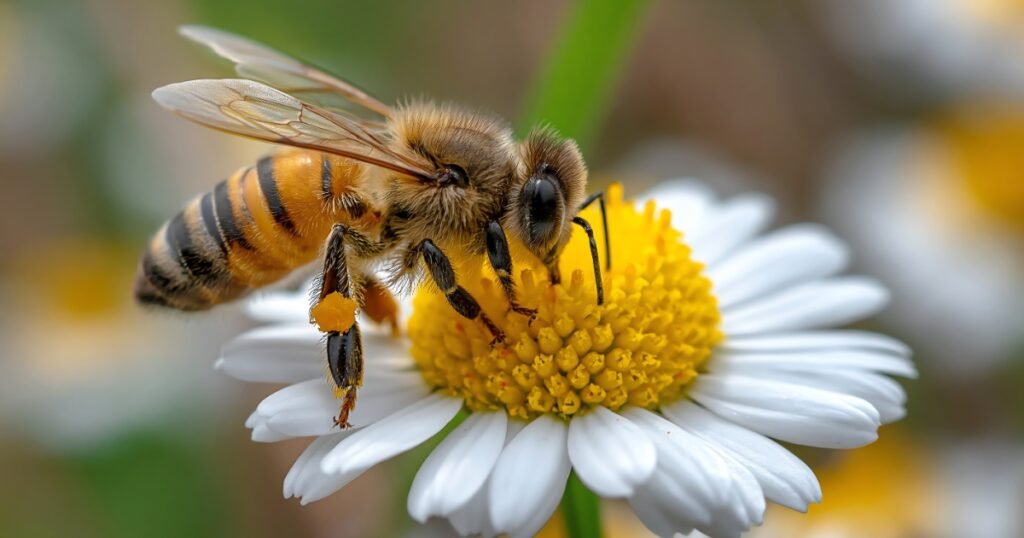
Honeybee
| Field | Detail |
|---|---|
| Scientific Name | Apis mellifera |
| Class | Insecta |
| Diet | Herbivore (nectar aur pollen) |
Honeybees exemplify remarkable intelligence through their intricate communication and navigation skills. With a sophisticated “waggle dance,” they convey the location of food sources, demonstrating not just instinct but also a form of symbolic language.
Their impressive memory allows them to remember floral patterns and scents, facilitating efficient foraging over vast distances. This complex interplay of memory and learning underscores their adaptability and strategic prowess in dynamic environments.
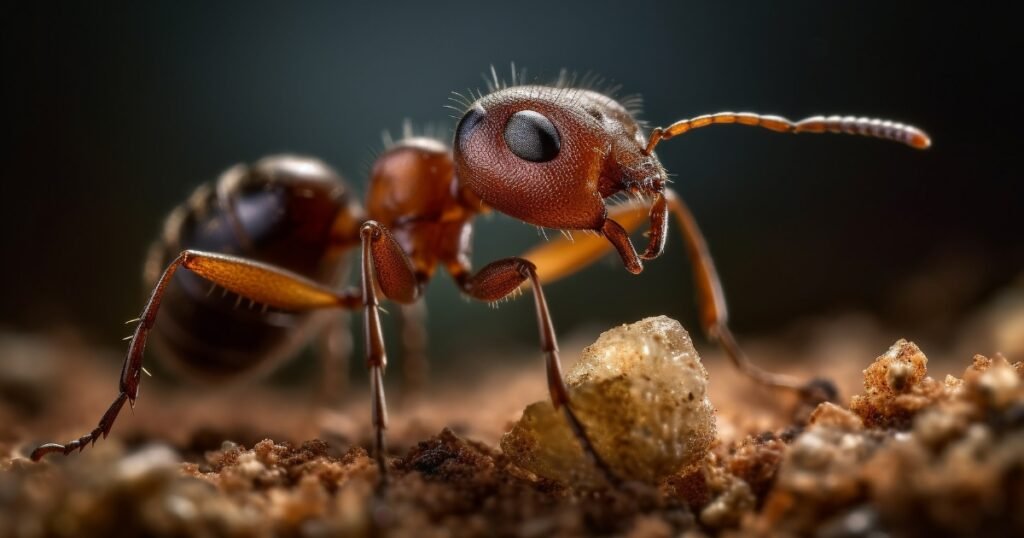
Ant
| Field | Detail |
|---|---|
| Scientific Name | Family Formicidae |
| Class | Insecta |
| Diet | Omnivore (sugar, seeds, fungi, chhote insects) |
Ants, renowned for their elaborate colonies, showcase a different facet of intelligence through social cooperation and collective problem-solving. By leveraging individual roles from workers to foragers they execute intricate tasks that would be insurmountable alone.
This form of teamwork allows them to overcome significant challenges, demonstrating an advanced understanding of interdependence within their communities. Their ability to communicate through pheromones only enhances this synergy, creating an efficient network that can quickly adapt to changing circumstances.
Cockroach
| Field | Detail |
|---|---|
| Scientific Name | Order Blattodea |
| Class | Insecta |
| Diet | Omnivore/Scavenger (sarr gala khana) |
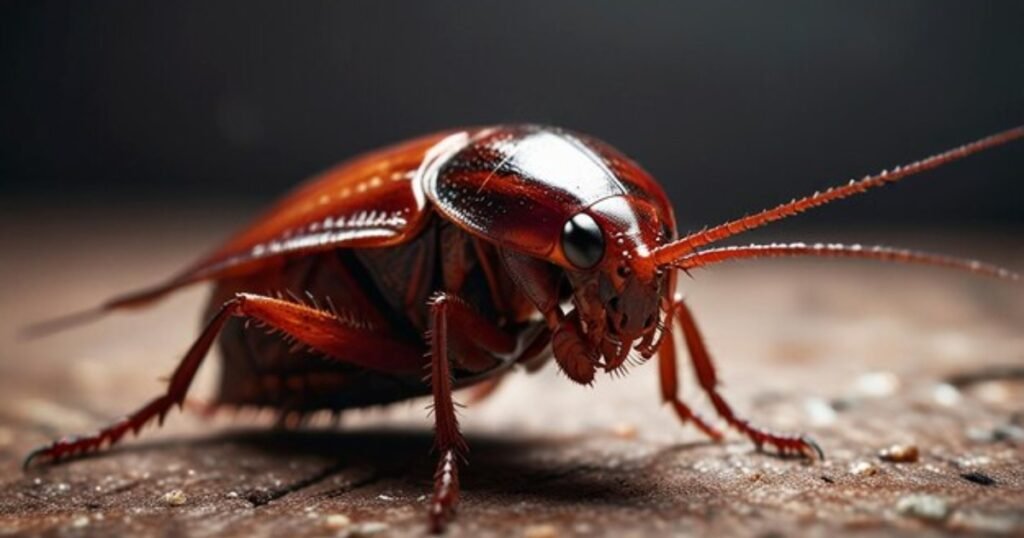
The cockroach, often dismissed as a mere pest, embodies remarkable survival strategies that position it as one of the intelligent insects in the natural world. With an astonishing ability to tolerate extreme conditions radiation, drought, and even lack of food for months these resilient creatures have evolved skills that ensure their survival across millennia.
Their complex set of behaviors includes advanced communication techniques, such as the release of pheromones to signal danger or attract mates, showcasing a level of social intelligence often overlooked.
Interestingly, the cockroach isn’t the only overlooked creature with hidden depths the Geoduck, an unusual marine species, is another example of nature being far more fascinating than its reputation suggests.
Termite
| Field | Detail |
|---|---|
| Scientific Name | Order Blattodea (Infraorder Isoptera) |
| Class | Insecta |
| Diet | Herbivore/Detritivore (lakri, cellulose) |
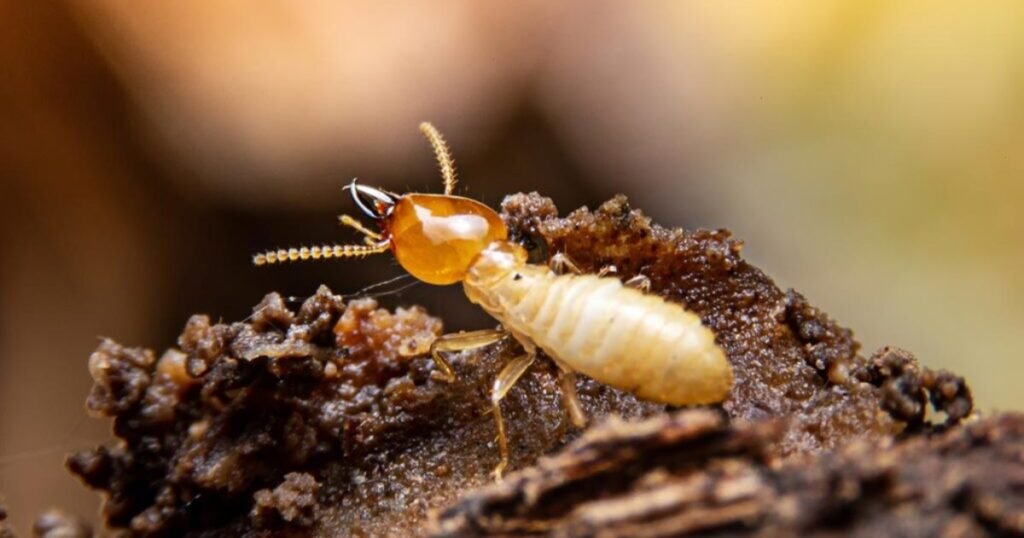
Termites display sophisticated social organization, with their communication and cooperative behaviors pivotal in building impressive structures that reflect their engineering skills.
The intricate nests they create stand as a testament to their ability to work in harmony, highlighting a unique blend of individual and collective intelligence that ensures their thriving existence.
Paper Wasp
| Field | Detail |
|---|---|
| Scientific Name | Polistes spp. |
| Class | Insecta |
| Diet | Omnivore (nectar, chhote insects/caterpillars) |
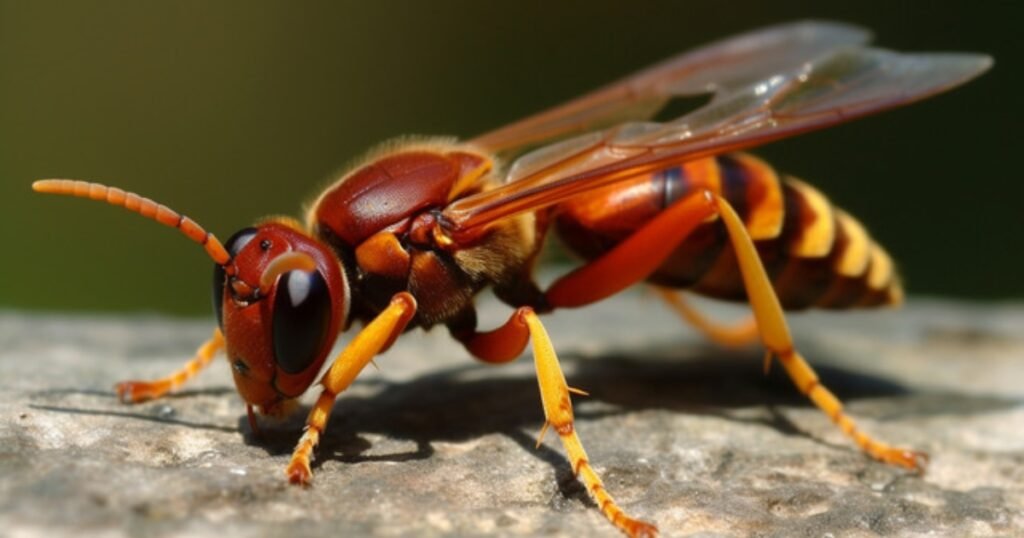
Among the most fascinating of insects, the paper wasp demonstrates remarkable social intelligence. These wasps are not just architects of intricate nests; they actively recognize each individual within their colony, forming complex social structures and alliances.
Their ability to learn from experiences and adapt their behavior distinguishes them in the insect world some have even shown a heightened capacity for memory, essential for thriving in their dynamic environments.
Dragonfly
| Field | Detail |
|---|---|
| Scientific Name | Anisoptera (Order Odonata) |
| Class | Insecta |
| Diet | Carnivore (mosquitoes, flies, chhote insects) |
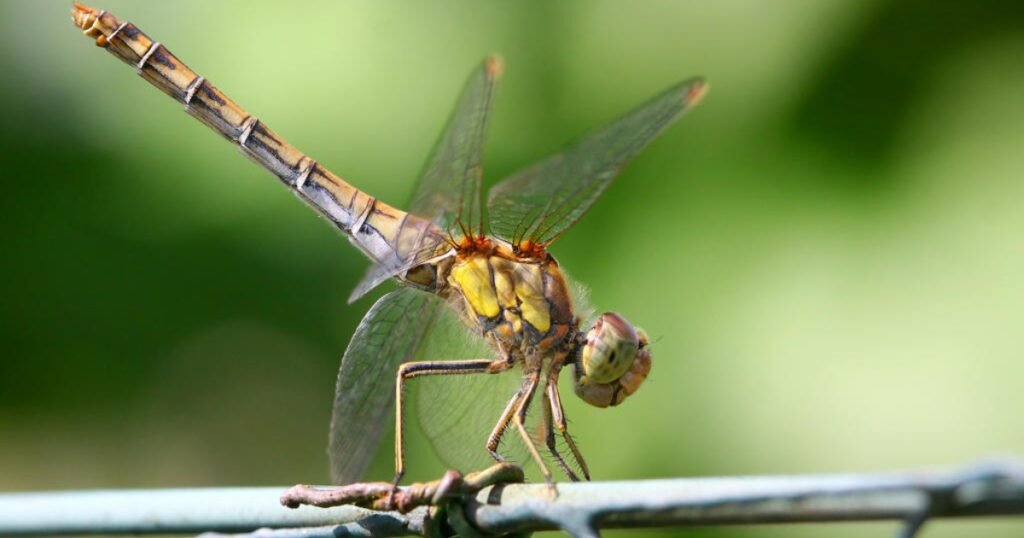
With their mesmerizing agility, dragonflies are nothing short of aerial acrobats, employing sophisticated hunting strategies that highlight their advanced visual perception.
Their compound eyes allow for nearly 360-degree vision, enabling them to make split-second decisions during high-speed chases. This quick thinking translates into effective predation, as they identify and track prey with astonishing accuracy.
Monarch Butterfly
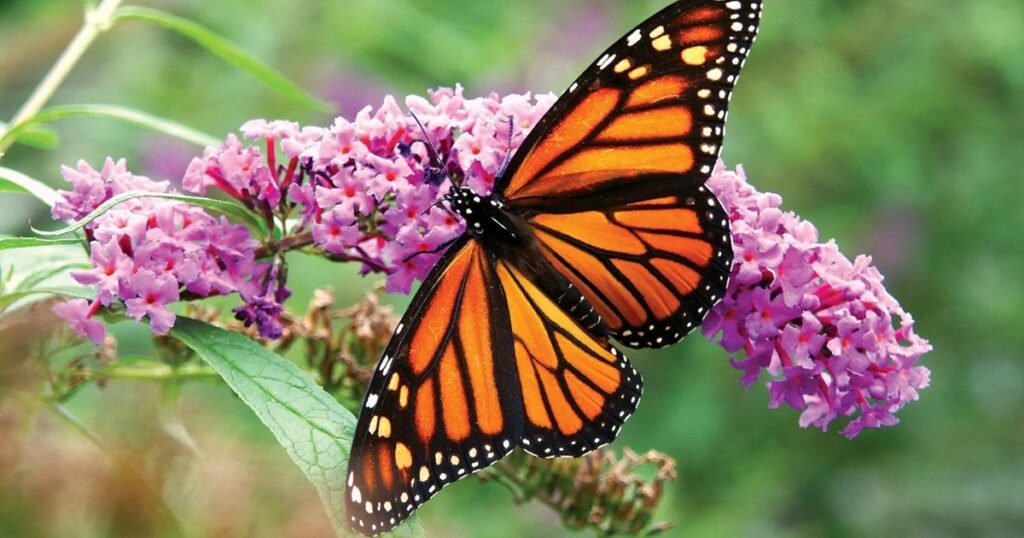
| Field | Detail |
|---|---|
| Scientific Name | Danaus plexippus |
| Class | Insecta |
| Diet | Herbivore (larva: milkweed; adult: nectar) |
The Monarch Butterfly stands out for its remarkable long-distance migration, a journey that can span thousands of miles. These delicate insects harness environmental cues, such as the position of the sun and the Earth’s magnetic field, to navigate with astonishing precision.
Their innate ability to orient themselves over vast distances showcases a sophisticated understanding of spatial awareness that even stumps seasoned scientists.
Dung Beetle
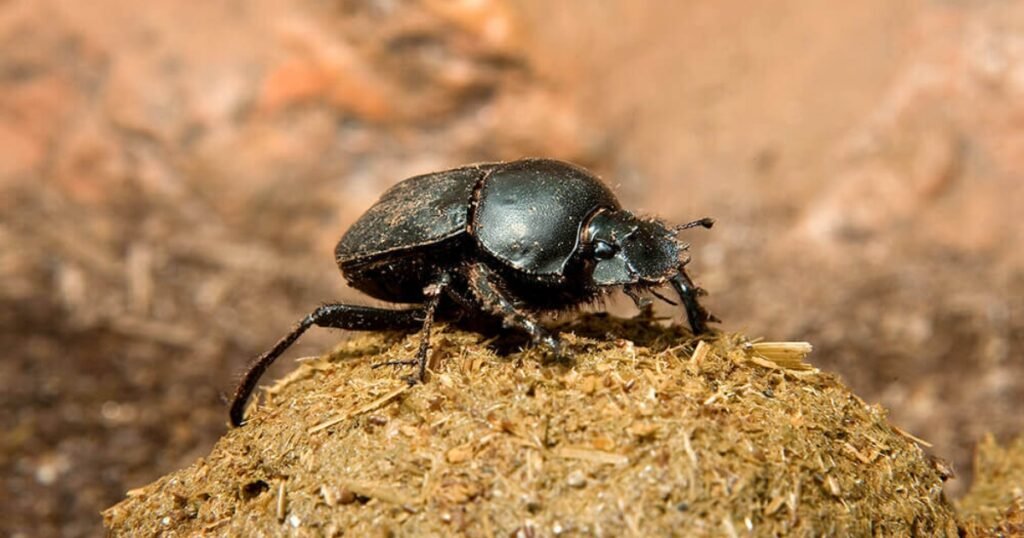
| Field | Detail |
|---|---|
| Scientific Name | Family Scarabaeidae |
| Class | Insecta |
| Diet | Coprophage (janwaron ka gobar) |
In a different realm, the Dung Beetle excels in celestial navigation, using stars to guide their nocturnal excursions. This small yet formidable creature exhibits remarkable problem-solving skills, efficiently maneuvering through complex terrains while rolling dung much larger than itself.
Their impressive orientation abilities emphasize a unique perspective on intelligence, suggesting that problem-solving isn’t limited to cognitive creatures but can be found across diverse species.
Tarantula Hawk Wasp
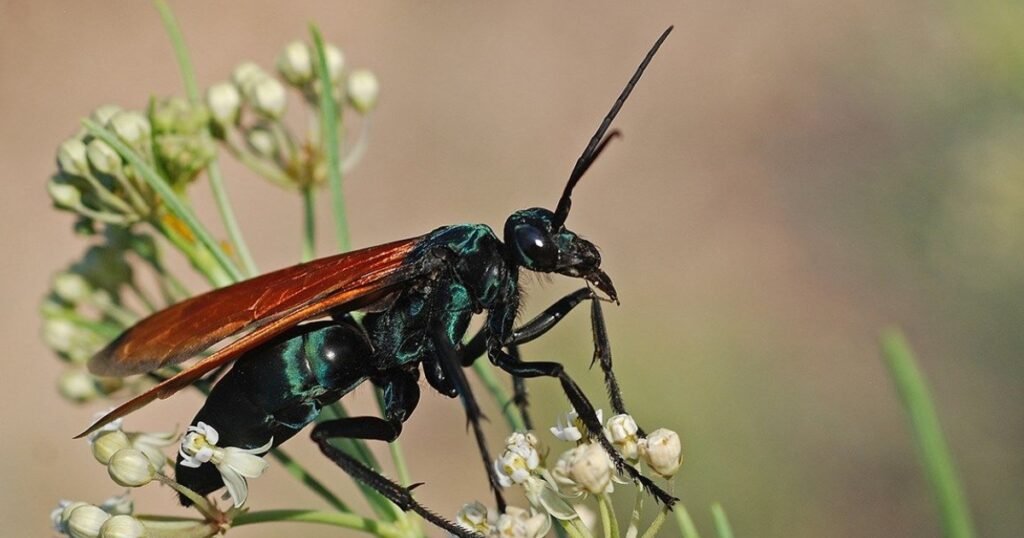
| Field | Detail |
|---|---|
| Scientific Name | Pepsis spp. |
| Class | Insecta |
| Diet | Carnivore (larva: spiders/tarantulas; adult: nectar) |
The Tarantula Hawk Wasp, often considered one of the smart and intelligent insects worldwide, exhibits remarkable hunting behaviors that showcase its extraordinary adaptation. With a powerful sting that can incapacitate even the largest tarantulas, this wasp demonstrates a unique blend of strategy and efficiency.
Its hunting ritual begins with meticulous scouting using its fine-tuned sensory perception to locate its prey. Once identified, the wasp employs a sophisticated method of immobilizing the tarantula before dragging it back to its burrow, ensuring not only sustenance for its offspring but also a fresh supply of nutrients in the form of live prey.
Praying Mantis
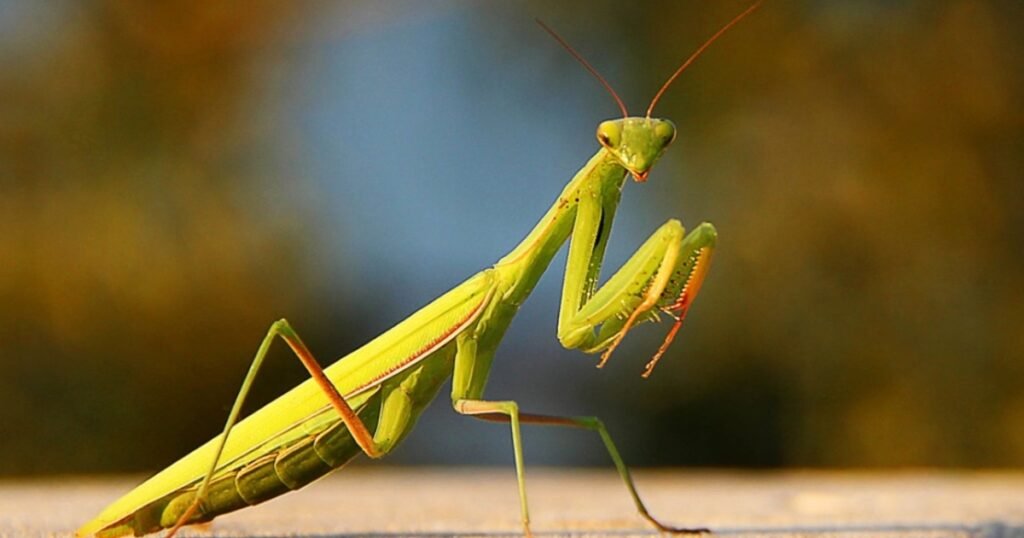
| Field | Detail |
|---|---|
| Scientific Name | Order Mantodea |
| Class | Insecta |
| Diet | Carnivore (insects, kabhi chhote vertebrates) |
The Praying Mantis is renowned for its visual intelligence, which rivals that of some vertebrates. With compound eyes that provide a nearly panoramic view, mantises engage in precise decision-making as they stalk their prey.
Their ambush tactics utilizing stealth and patience demonstrate a complex understanding of movement and timing. This predatory insect can even track its target with an uncanny level of accuracy, allowing for lightning-fast strikes that leave little chance for escape.
All these examples illustrate that intelligence in the insect world is not just about brain size but rather about adaptability, collaboration, and survival strategies that inspire awe in their simplicity and effectiveness.
Smartest Insect Species: How Do They Compare?
| Insect | Intelligence Strength | Notable Ability |
| Honeybee | High | Learning & communication |
| Ant | High | Collective problem-solving |
| Cockroach | High adaptability | Learning & survival |
| Termite | Social intelligence | Colony organization |
| Paper Wasp | Social intelligence | Recognition & learning |
| Dragonfly | Advanced hunting | Visual processing |
| Monarch Butterfly | Navigation | Migration |
| Dung Beetle | Navigation | Celestial orientation |
| Tarantula Hawk Wasp | Complex behavior | Hunting |
| Praying Mantis | Visual processing | Precision hunting |
Conclusion
The title of the “Smartest Insect” is a designation that sparks curiosity and debate among entomologists and insect enthusiasts alike. From the problem-solving abilities of ants to the sophisticated communication skills of bees, these tiny creatures showcase remarkable intelligence that often goes unnoticed.
Each of the ten insects highlighted in this article brings unique attributes to the table, illustrating that intelligence is not solely a human trait. Understanding these intelligent behaviors can deepen our appreciation for the complexity of nature and the roles these insects play in our ecosystems.
FAQs
What Is The Smartest Insect In The World?
The title of the “smartest insect” often goes to the honeybee due to its remarkable ability to communicate and navigate. They use complex dance patterns to convey information about food sources, showcasing impressive cognitive skills.
Are Ants The Smartest Insect?
Ants are often considered among the most intelligent insects due to their complex social structures and behaviors. They exhibit remarkable problem-solving skills, communicate effectively through pheromones, and can coordinate large groups to achieve tasks such as foraging, building nests, and defending their colonies.
What Does God Say About Bugs?
As for what God says about bugs, many religious texts highlight the role of insects in creation and ecosystems, suggesting a divine purpose for all creatures. This perspective encourages respect for even the smallest beings, which play crucial roles in the environment.
Are Spiders The Smartest Insect?
Spiders are not technically insects; they belong to the arachnid family. While they display complex behaviors, such as intricate web-building, their intelligence is quite different from that of true insects.
What Is The Smartest Insect Joke?
Why did the ant bring a suitcase to the party? Because it heard the drinks were on the house!
What Is The Smartest Bug?
The common honeybee is often considered one of the smartest bugs due to its ability to communicate through dances and its impressive navigation skills.