20 Rare Animals in the World: Pictures, Habitat, Diet & Amazing Facts
In an age where biodiversity is in peril, understanding rare animals is more critical than ever. This blog post will take you on a journey through the 20 rarest animals in the world, spotlighting the unique traits and habitats that make them so special.
By exploring these incredible creatures, you’ll gain insight into the conservation challenges they face and what we can do to preserve our planet’s extraordinary biodiversity.
What Makes An Animal Rare?
When exploring the world of very rare animals, it’s crucial to understand that rarity can stem from various factors, including small population sizes and limited geographic ranges. For instance, species confined to a specific habitat, like the tiny Madagascar lemma, may struggle to thrive due to human encroachment.
These animals, often difficult to observe in their natural environments, might showcase unique adaptations that further highlight their rarity, painting a stark picture of their precarious existence. It’s essential to differentiate between critically endangered status and simply being uncommon.
While both signify vulnerability, a critically endangered species faces an imminent threat of extinction, whereas others may simply have small populations yet remain stable. This distinction underscores the complex layers of conservation; some of the most rare animals in the world may not be on the brink of disappearance but require attention and care to ensure they do not follow that perilous path.
Top 20 Rare Animals In The World
In the vast tapestry of life, some species remain shrouded in mystery, captivating our imagination with their uniqueness. Among these, the rarest animal in the world reflects both the fragility of biodiversity and the beauty of evolution. From remote rainforests to desolate deserts, these creatures face existential challenges yet continue to intrigue us.
Black-and-Chestnut Eagle
| Attribute | Details |
|---|---|
| Scientific Name | Buteogallus nitidus |
| Habitat | Tropical rainforests |
| Diet | Mammals, birds |
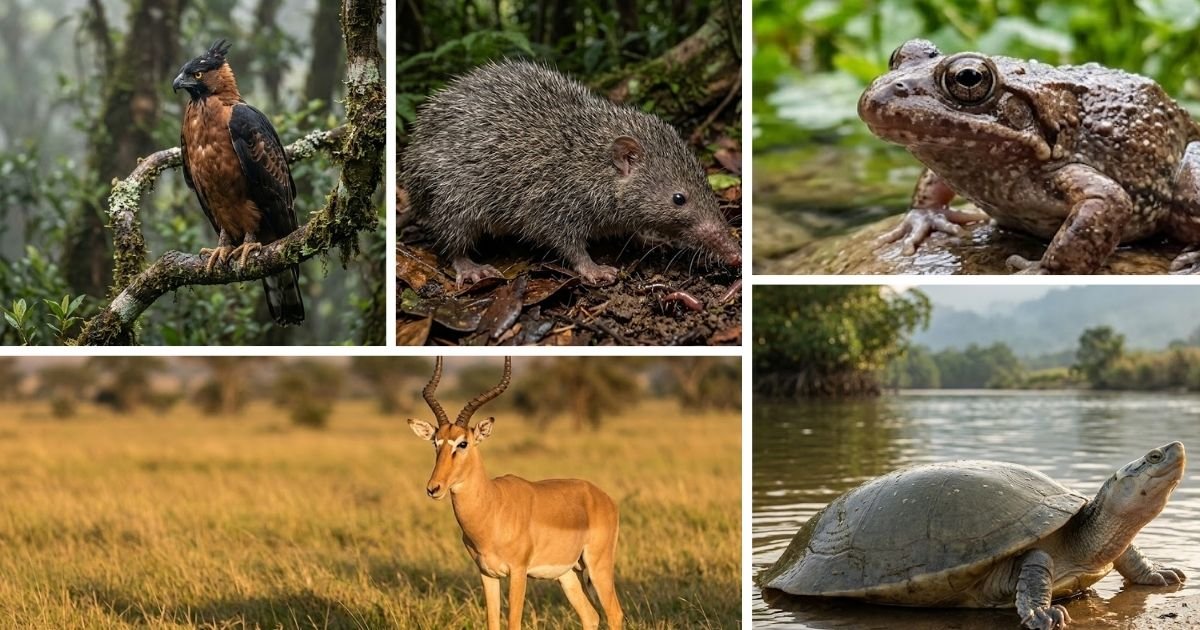
The Black-and-Chestnut Eagle resides primarily in the tropical rainforests of Central and South America, with its stronghold in the Amazon Basin. Unfortunately, its population is estimated to be below 1,000 individuals, placing it on the vulnerable list.
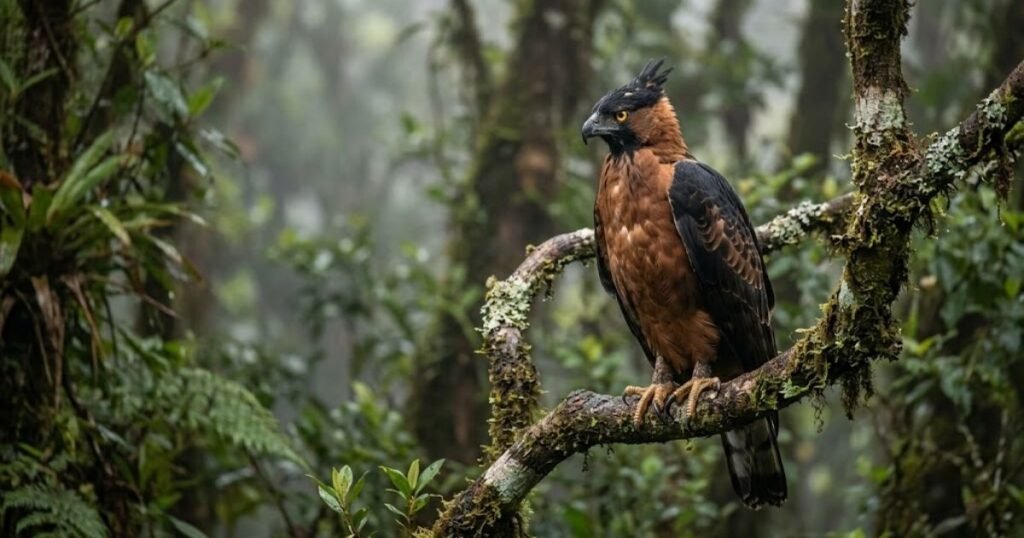
This striking bird features a distinctive black head and a chestnut breast, making it easily recognizable against its dense forest backdrop. Measuring around 60 cm in length, its diet primarily consists of medium-sized mammals and birds. The rarity of this eagle stems from habitat destruction and fragmentation, which threaten its breeding grounds.
Deforestation and agricultural expansion are significant threats, alongside illegal poaching. Conservation efforts include habitat preservation and the establishment of protected areas, supporting an ecosystem in which it can thrive. The Black-and-Chestnut Eagle is known for its unique hunting strategy often hunting from a perch high in the canopy rather than soaring like other eagles.
El Rincon Stream Frog
| Attribute | Details |
|---|---|
| Scientific Name | Lithobates nannotis |
| Habitat | El Rincon, Costa Rica |
| Diet | Insects and small invertebrates |
Confined to a remarkably small habitat in the El Rincon biogeographical area of Costa Rica, the El Rincon Stream Frog is a testament to the fragility of biodiversity. Its population is critically endangered due to its restricted range, with habitat destruction leaving it perched on the edge of extinction.
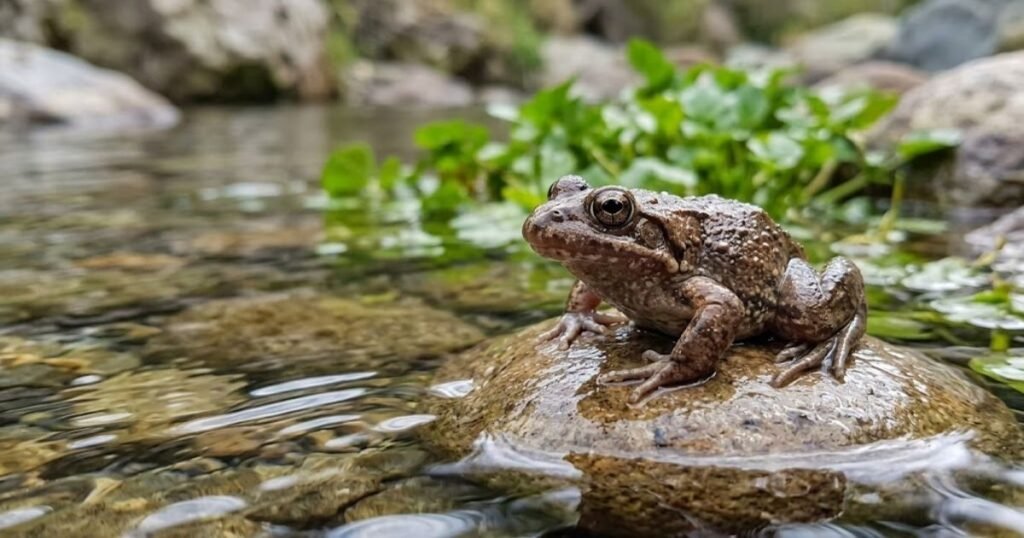
This diminutive amphibian is characterized by vibrant green hues and unique markings, allowing it to blend seamlessly into the mossy banks of its stream habitat. Breeding occurs in calm freshwater streams, where it lays eggs that develop into tadpoles an essential life stage for its survival.
The main threats to this species include habitat loss due to agriculture and urbanization, along with pollution from runoff. Conservation efforts are focused on habitat protection and restoration, yet the urgency remains palpable. An interesting fact about this species is its remarkable vocalizations, which are vital for attracting mates during the breeding season.
Northern River Terrapin
| Attribute | Details |
|---|---|
| Scientific Name | Batagur baska |
| Habitat | Rivers and coastal areas |
| Diet | Aquatic plants and fruits |
The Northern River Terrapin, found in the brackish waters and rivers of Southeast Asia, has experienced a staggering population decline, now numbering in the low thousands. This water-dwelling reptile displays a robust, domed shell, often with striking patterns, making it highly sought after for collection.
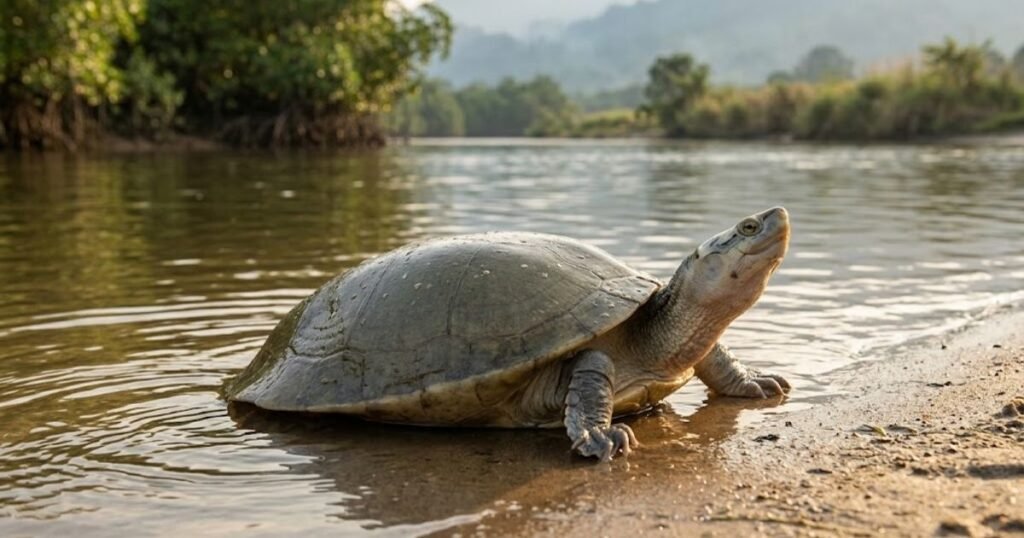
With a length of up to 75 cm, it requires specific habitats to thrive, particularly muddy riverbanks for nesting. Primarily herbivorous, its diet includes aquatic plants, fruits, and algae. The decline of this species is alarming, driven by overharvesting, habitat loss, and pollution.
Conservation programs are actively in progress, focusing on legal protection and habitat restoration. Remarkably, the Northern River Terrapin is known for its strong homing instinct, returning to the same nesting sites year after year, which underscores the importance of protecting these critical areas.
Dinagat Moonrat
| Attribute | Details |
|---|---|
| Scientific Name | Balabac Miss |
| Habitat | Tropical lowland forests |
| Diet | Insects, small vertebrates, fruits |
The Dinagat Moonrat (Balabac Miss) is endemic to the Dinagat Islands in the Philippines, thriving mainly in tropical lowland forests. With an estimated population of fewer than 1,000 individuals, it is classified as critically endangered. This small mammal boasts a strikingly elongated snout and dense, dark fur, giving it a unique look that stands out in its lush habitat.
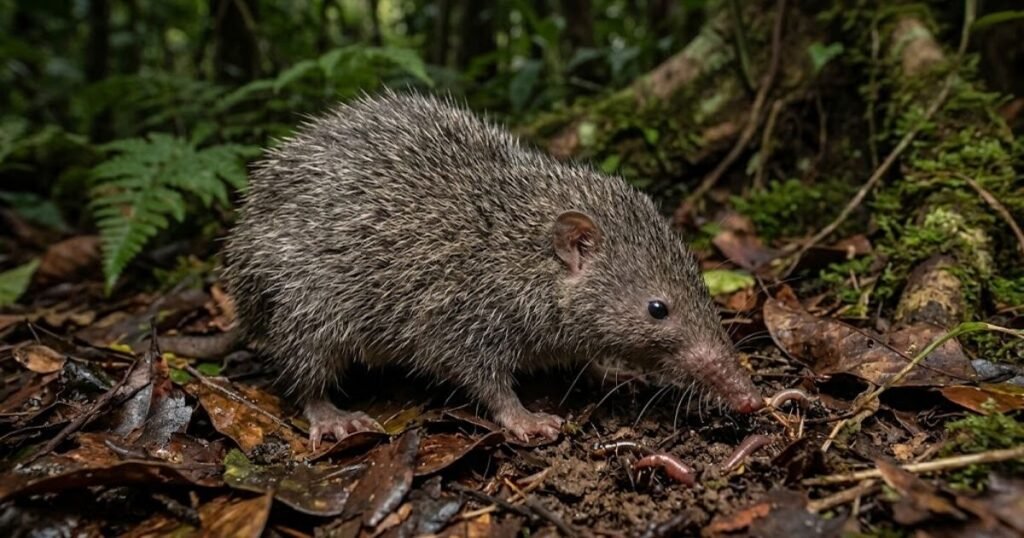
Being a carnivore, it mainly feeds on insects, small vertebrates, and fruits, adapting its diet based on availability. The rarity of the Dinagat Moonrat stems from habitat fragmentation due to logging and land conversion, making it a challenging creature to observe in the wild.
Main threats include deforestation and human encroachment, which have led to significant habitat loss. Conservation efforts are underway to protect its natural habitat, focusing on sustainable land-use practices. Interestingly, this elusive animal has seldom been studied, leaving much to be discovered about its behavior and ecology.
Hirola Antelope
| Attribute | Details |
|---|---|
| Scientific Name | Beatragus hunteri |
| Habitat | Arid grasslands of East Africa |
| Diet | Grasses |
The Hirola Antelope (Beatragus hunteri), native to the arid grasslands of East Africa, presents a striking image with its slender build and the distinct white markings on its face. Once abundant, their population has drastically declined to under 500 individuals, largely due to habitat loss and poaching.
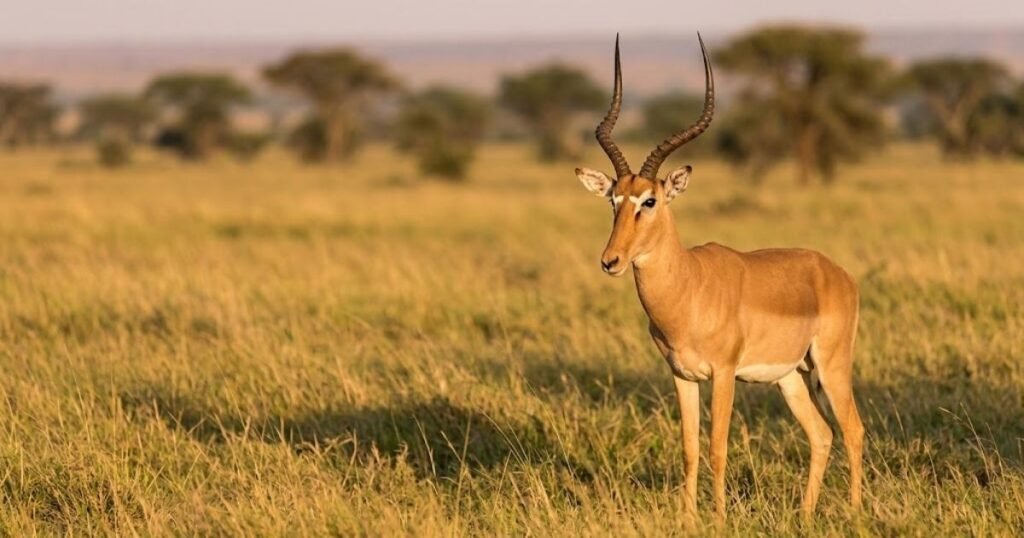
These graceful animals graze primarily on grasses, making them well-suited for their dry, open habitat. Predators such as lions and hyenas pose additional threats, but drought is particularly detrimental to their survival, as it reduces the availability of food and water. Conservation initiatives are focusing on habitat restoration and protection from poachers.
One fascinating fact about the Hirola is its unique social structure, where males tend to gather in bachelor groups, showcasing a complex behavior pattern not commonly seen in antelope species.
Albany Adder
| Attribute | Details |
|---|---|
| Scientific Name | Bitis alba |
| Habitat | Coastal shrublands of South Africa |
| Diet | Small rodents and lizards |
The Albany Adder (Bitis alba) is a venomous snake found in the coastal shrublands of South Africa. This reptile features a distinctive pattern of white and brown scales, allowing it to blend seamlessly into its sandy environment.
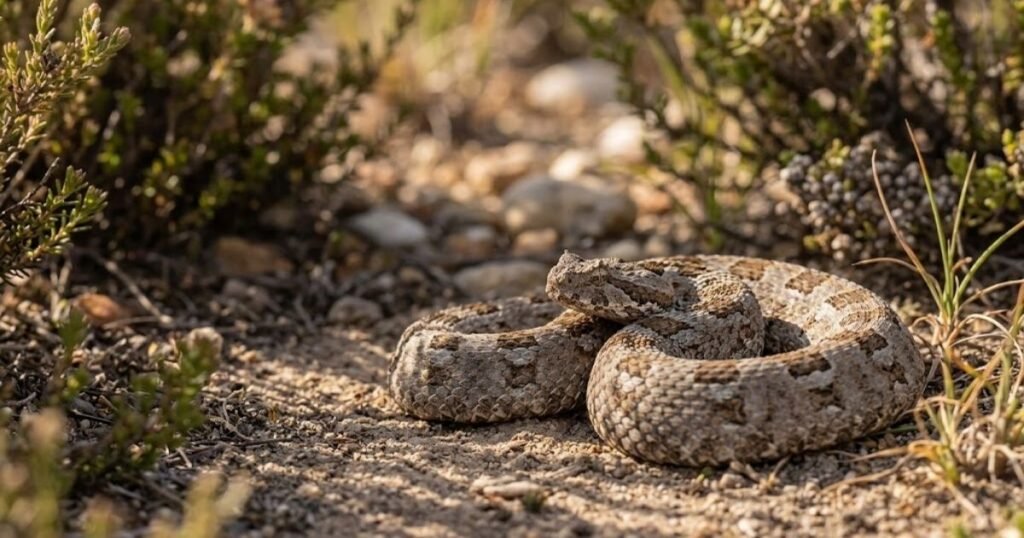
Unfortunately, the Albany Adder’s population is declining due to habitat destruction and the persecution often faced by snakes. As a result of these threats, it has become increasingly rare, leaving its fate uncertain. Conservation measures are essential, focusing on habitat protection and public education to reduce fear and misunderstanding surrounding snakes.
An intriguing fact is that the Albany Adder’s venom is primarily neurotoxic, featuring an unusual composition that differs significantly from other adder species.
Roach’s Mouse-Tailed Dormouse
| Attribute | Details |
|---|---|
| Scientific Name | Myomimus roachi |
| Habitat | Temperate forests of Central Asia |
| Diet | Insects, seeds, fruits |
Roach’s mouse-tailed dormouse thrives in temperate forests and exhibits fascinating nocturnal behavior, often found scurrying through the canopy at night. With its distinct fur resembling the tail of a mouse, this diminutive creature is a marvel of evolution.
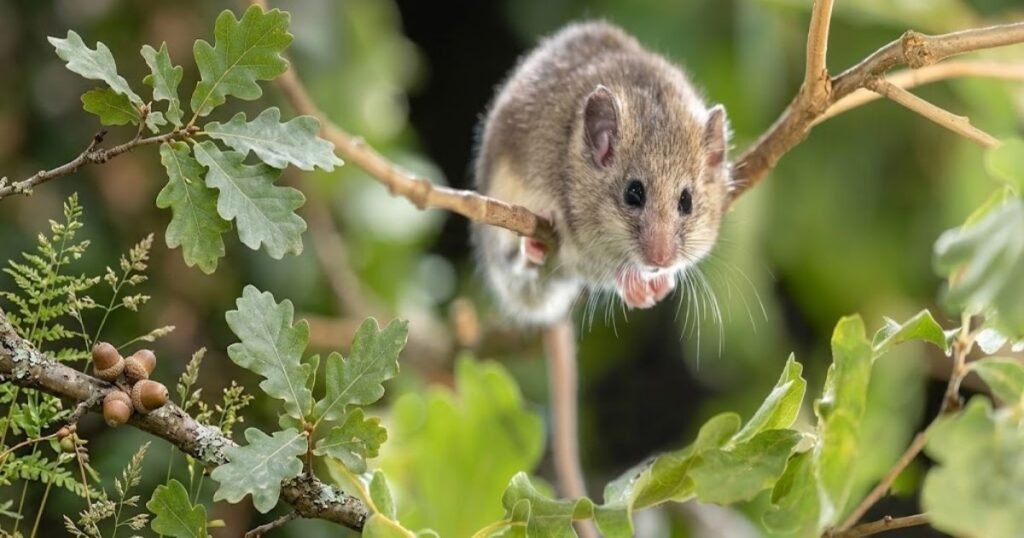
Its estimated population is dwindling, primarily due to habitat destruction and climate change, which pose significant threats. Conservation efforts focus on habitat restoration and creating corridors to ensure genetic diversity.
An intriguing aspect of this dormouse is its ability to survive harsh winters by entering a deep hibernation, a survival strategy that many other small mammals lack. As its habitat diminishes, understanding the ecological role of the Roach’s mouse-tailed dormouse can provide insight into forest ecosystems at large.
Bawean Warty Pig
| Attribute | Details |
|---|---|
| Scientific Name | Sus verrucosus |
| Habitat | Bawean Island, Indonesia |
| Diet | Fruits, roots, tubers |
Native to Bawean Island, the Bawean warty pig is known for its distinctive appearance, marked by facial warts and long tusks. This elusive species primarily forages in dense forests and is largely herbivorous, consuming fruits and roots.
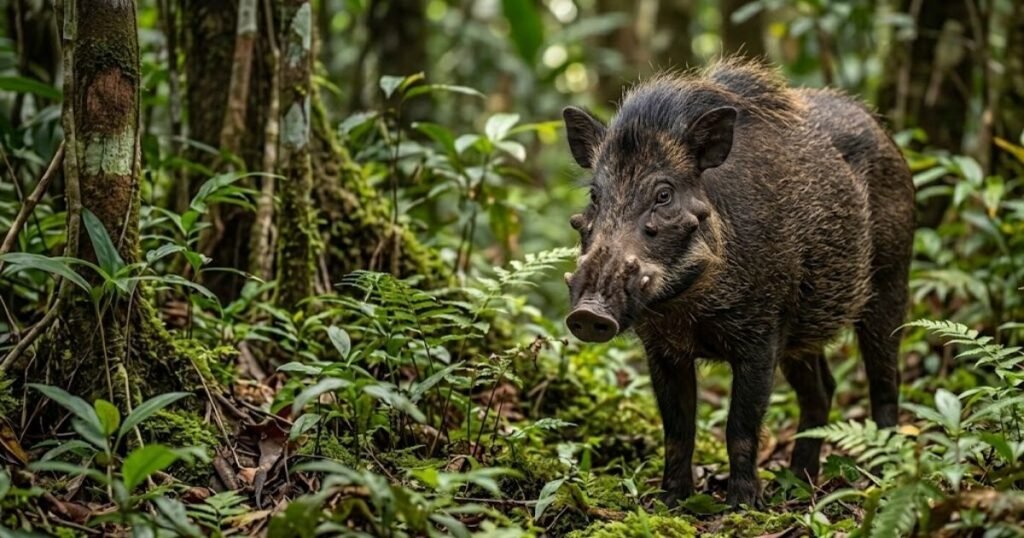
The population is critically low, with habitat loss and hunting posing significant threats to survival. Conservation programs have intensified efforts to protect their natural habitat and discourage poaching.
One fascinating fact about the Bawean warty pig is its social structure; they tend to live in small family groups, an adaptive strategy that helps them navigate their limited range. Their survival hinges on the preservation of their unique island ecosystem, making them a symbol of biodiversity in Indonesia.
Golden Langur
| Attribute | Details |
|---|---|
| Scientific Name | Trachypithecus geei |
| Habitat | Forests of Assam, India |
| Diet | Fruits, leaves, flowers |
The golden langur is a striking primate that is native to the forests of Assam, India, characterized by its stunning golden coat. This species is not only visually captivating but also exhibits complex social behaviors, forming tight-knit groups that foster cooperation and communication.
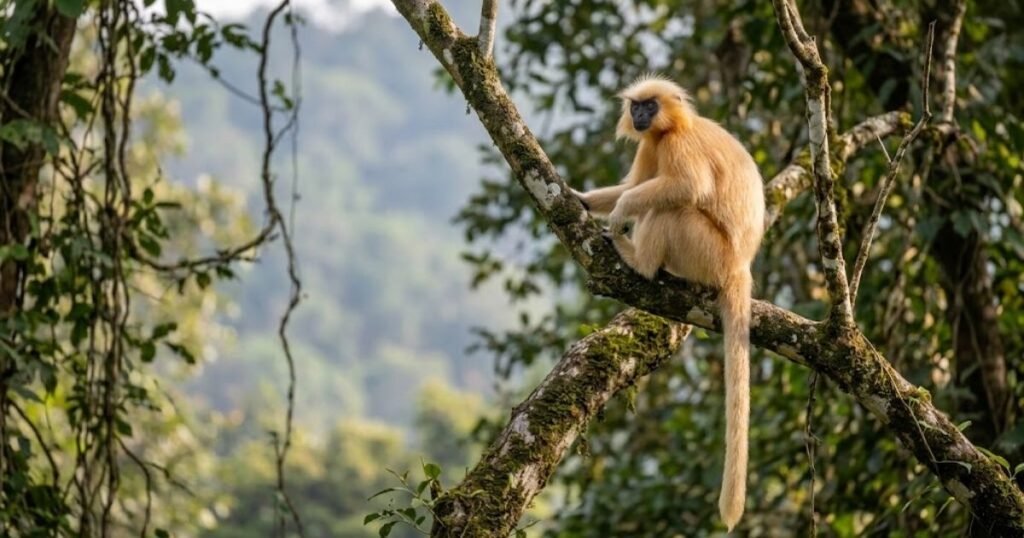
Unfortunately, the golden langur faces critical threats, primarily due to habitat loss from deforestation and human encroachment on their natural habitat. Conservation efforts are focusing on legal protection and habitat restoration initiatives.
A remarkable characteristic of the golden langur is its social structure, which is based on a hierarchical system, allowing for stability within groups. Their vibrant appearance and engaging interactions make them a focal point for conservationists aiming to raise awareness of primate preservation.
Siamese Crocodile
| Attribute | Details |
|---|---|
| Scientific Name | Crocodylus siamensis |
| Habitat | Freshwater habitats in Southeast Asia |
| Diet | Fish, crustaceans, small mammals |
Found in the freshwater habitats of Southeast Asia, the Siamese crocodile is a uniquely adapted predator with a slender snout and a more reserved demeanor compared to its aggressive relatives. Historical ranges have shrunk dramatically due to human activity, and their population has seen a significant decline.
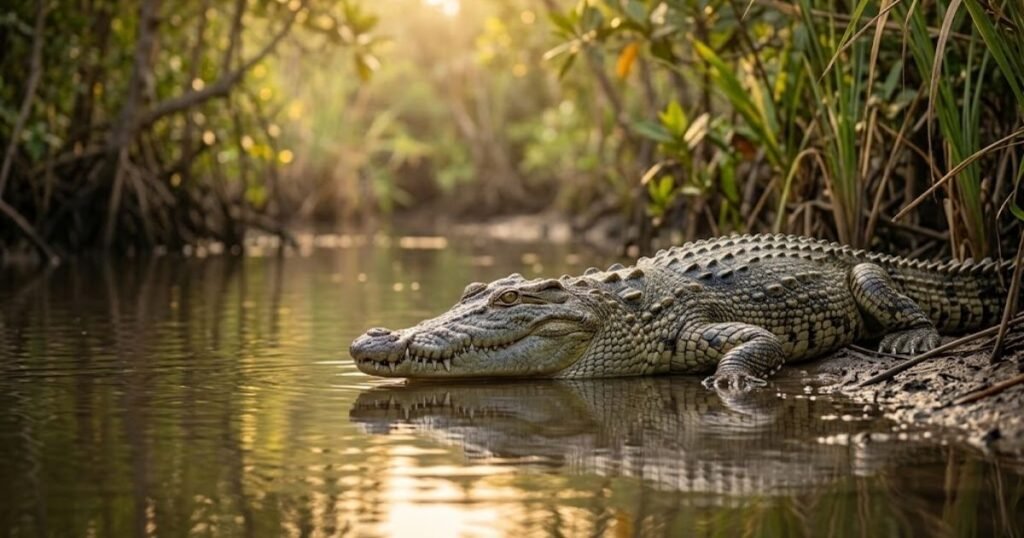
The main threats include habitat loss, hunting, and pollution, which have driven initiatives for captive breeding and reintroduction into the wild. The Siamese crocodile was once considered a common sight, but its rarity today highlights the fragility of freshwater ecosystems. Effective conservation efforts are crucial not only for the species’ survival but also for maintaining the ecological integrity of their habitats.
Vaquita
| Attribute | Details |
|---|---|
| Scientific Name | Phocoena sinus |
| Habitat | Gulf of California |
| Diet | Fish, squid, crustaceans |
The vaquita, a cool rare animal, thrives exclusively in the shallow waters of the Gulf of California, making it one of the most endangered marine mammals on the planet. With an estimated population of fewer than 30 individuals, its tiny numbers are alarming yet compelling, highlighting ongoing conservation efforts.
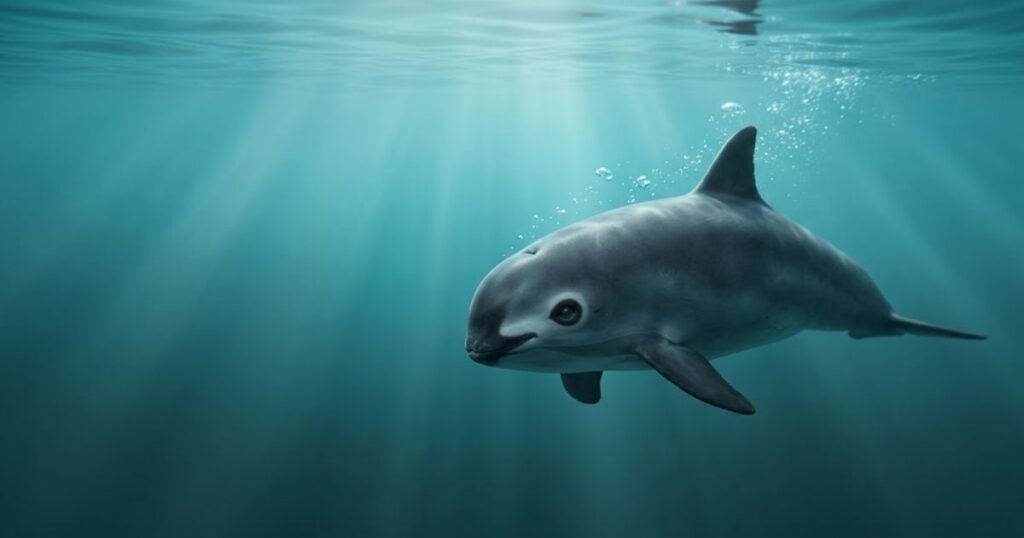
Physically, the vaquita boasts a unique appearance, characterized by dark patches around its eyes and a robust, compact body measuring about 4 to 5 feet in length. Its diet primarily consists of fish, squid, and crustaceans, showcasing its role in the marine ecosystem.
The biggest threat to the vaquita is entanglement in illegal fishing nets, especially those used for catching totoaba, a fish sought after in black markets for its swim bladder. Conservation efforts include strict fishing regulations and habitat protection, yet the fight to save this enigmatic creature continues.
An interesting fact about the vaquita is that it is the world’s smallest cetacean, making its plight even more pressing as time runs out for this remarkable species.
Saola
| Attribute | Details |
|---|---|
| Scientific Name | Pseudoryx nghetinhensis |
| Habitat | Annamite Range of Vietnam and Laos |
| Diet | Herbivorous, feeding on leaves and shrubs |
The saola, often dubbed the “Asian unicorn,” is categorized among super rare animals due to its elusive nature and limited habitat in the lush mountains of Vietnam and Laos. Discovered only in 1992, this majestic creature is shrouded in mystery, with very few sightings reported, making it a prime focus for conservationists.
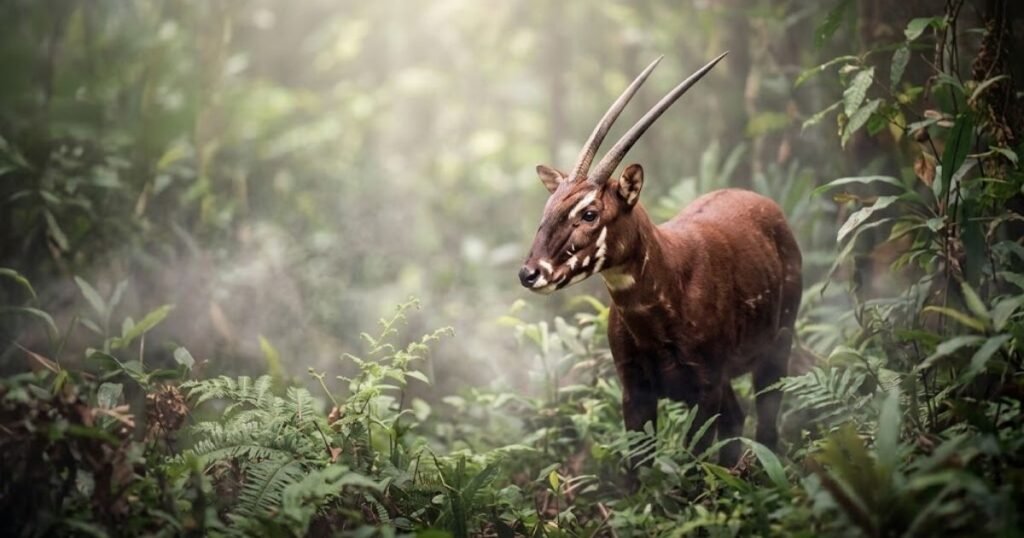
The saola features long, straight horns and striking white facial markings, making it a visually stunning inhabitant of its dense forest ecosystem. It primarily feeds on a diet of leaves and shrubs, yet its specific feeding habits remain somewhat unknown.
Why is the saola rarely observed? Its preference for remote, rugged terrain complicates observations and studies, leading to significant gaps in knowledge about its population and behavior. Conservation challenges include habitat loss from logging and agriculture, as well as poaching, often through snares intended for other wildlife.
Despite these hurdles, conservation groups are actively working to establish protected areas to enhance the saola’s survival prospects. Interestingly, the saola is also known for its remarkable adaptability, thriving in forests that are increasingly threatened by human activity.
Amur Leopard
| Attribute | Details |
|---|---|
| Scientific Name | Panthera pardus orientalis |
| Habitat | Russian Far East / northeastern China |
| Diet | Ungulates, smaller mammals, birds |
The Amur Leopard, a strikingly beautiful subspecies of leopard, boasts a distinctive coat with thick fur and dark rosettes that aids its camouflage in the temperate forests of its habitat. With an estimated population of fewer than 100 individuals, this feline has the unfortunate status of being one of the world’s most endangered big cats.
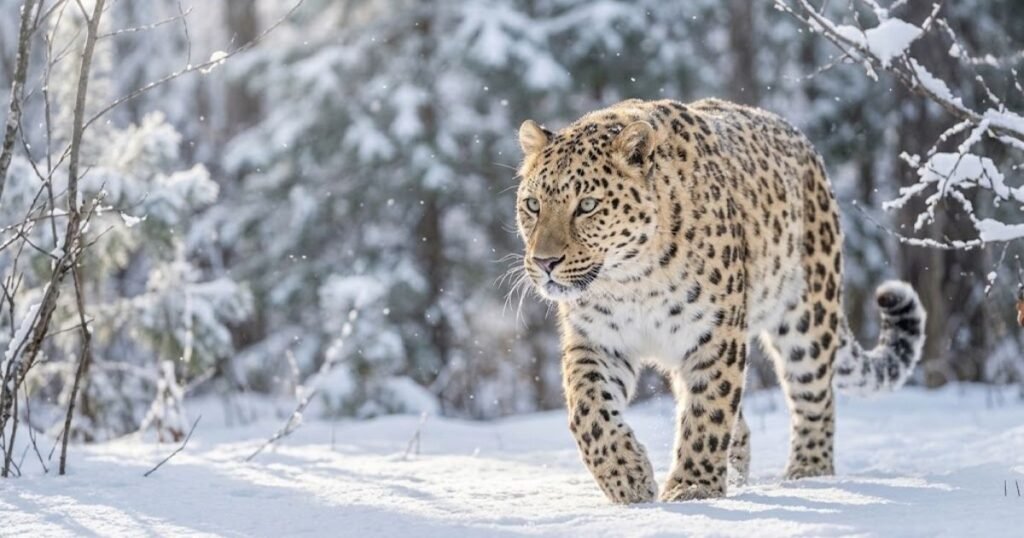
The primary threats it faces include poaching and habitat loss due to deforestation and urban development, which fragment its already restricted range. Conservation programs are actively working to safeguard these magnificent animals. Efforts include establishing protected areas, anti-poaching initiatives, and collaborations with local communities to promote coexistence.
The Amur Leopard’s remarkable adaptability is one of its defining traits; it is known to cover vast distances in search of prey and territory, showcasing a resilience that inspires hope amid its precarious situation.
Javan Rhino
| Attribute | Details |
|---|---|
| Scientific Name | Rhinoceros sondaicus |
| Habitat | Java, Indonesia |
| Diet | Herbivorous (grasses, leafy plants) |
The Javan Rhino is a striking creature that occupies only a small region within Java’s Ujung Kulon National Park, making it one of the rarest large mammals on the planet. Currently, the population is estimated at around 80 individuals, all confined to this protected area, which underscores its vulnerability.
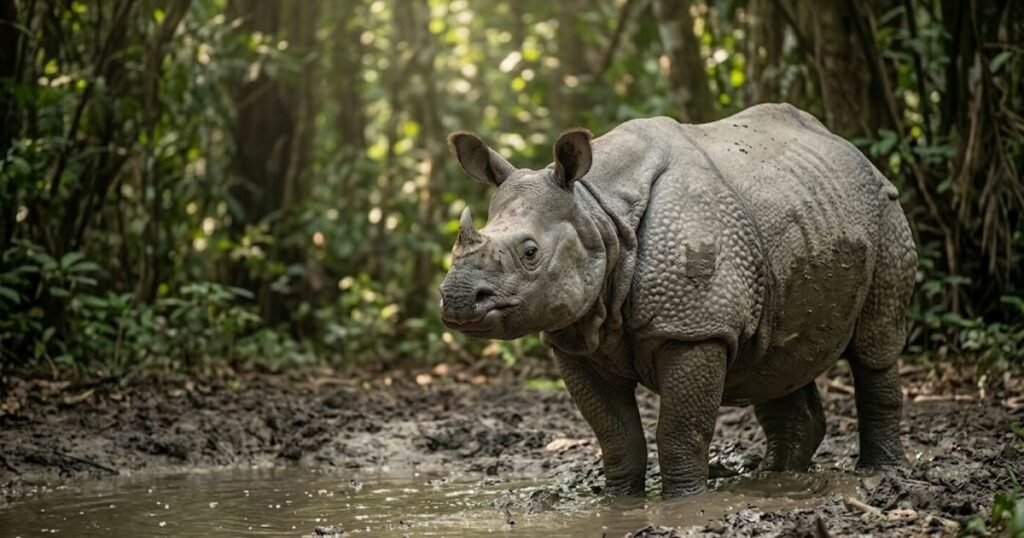
This species has unique physical characteristics, including a single horn and loose, pleated skin that resembles armor, making it distinct among rhinos. The Javan Rhino faces significant threats, including poaching and habitat destruction, while its limited distribution amplifies these risks.
Active conservation efforts focus on habitat protection and monitoring, with dedicated rangers ensuring the safety of this precious species. The critical importance of preserving the Javan Rhino lies in its role as a key species in the ecosystem, influencing the vegetation and dynamics of its forest habitat.
Kakapo
| Attribute | Details |
|---|---|
| Scientific Name | Strigops habroptilus |
| Habitat | New Zealand |
| Diet | Fruits, seeds, flowers |
The Kakapo, an adorable and flightless parrot, is one of the cutest rare animals known to humankind. Native to New Zealand, this nocturnal bird showcases a vivid green plumage that blends seamlessly into its forest surroundings, making it an endearing sight for birdwatchers and nature enthusiasts alike.
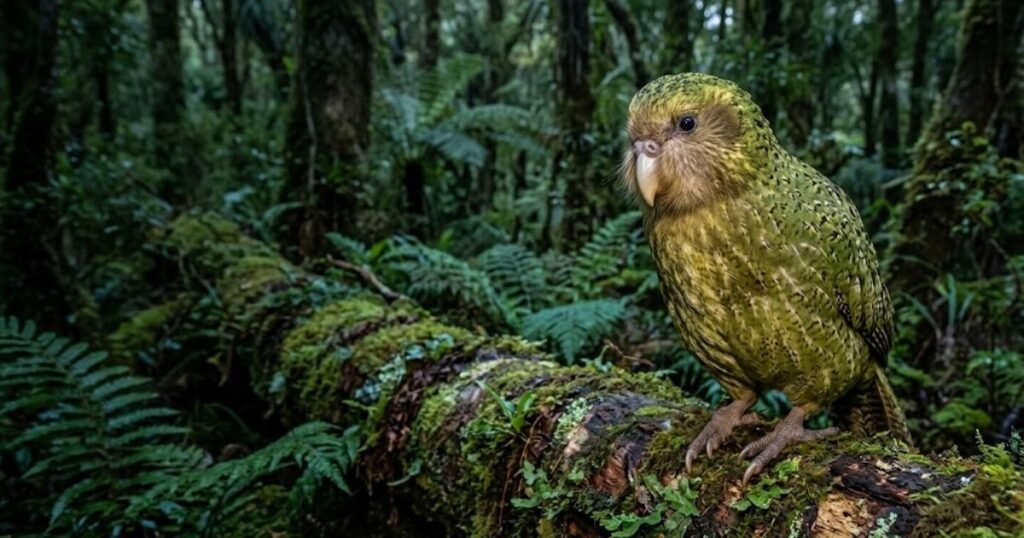
With a population hovering around 300 individuals, intensive conservation efforts, including a robust breeding program, have succeeded in gradually increasing their numbers from the brink of extinction.
The rarity of the Kakapo is largely due to its previous susceptibility to introduced predators such as cats and rats. Today, dedicated conservationists work tirelessly to ensure that this charming parrot survives, with initiatives that involve habitat restoration and predator management.
An interesting fact about the Kakapo is that it has a unique breeding system known as “lekking,” where males compete for the attention of females by displaying captivating calls and courtship behavior, creating a mesmerizing spectacle in their secluded habitat.
Pygmy Three-Toed Sloth
| Attribute | Details |
|---|---|
| Scientific Name | Bradypus pygmaeus |
| Habitat | Isla Escudo de Veraguas, Panama |
| Diet | Leaves, especially those of the red mangrove |
The Pygmy Three-Toed Sloth is a diminutive creature, measuring only about 60 cm in length. Its isolation on Isla Escudo de Veraguas has made it exceptionally vulnerable, with fewer than 100 individuals remaining.
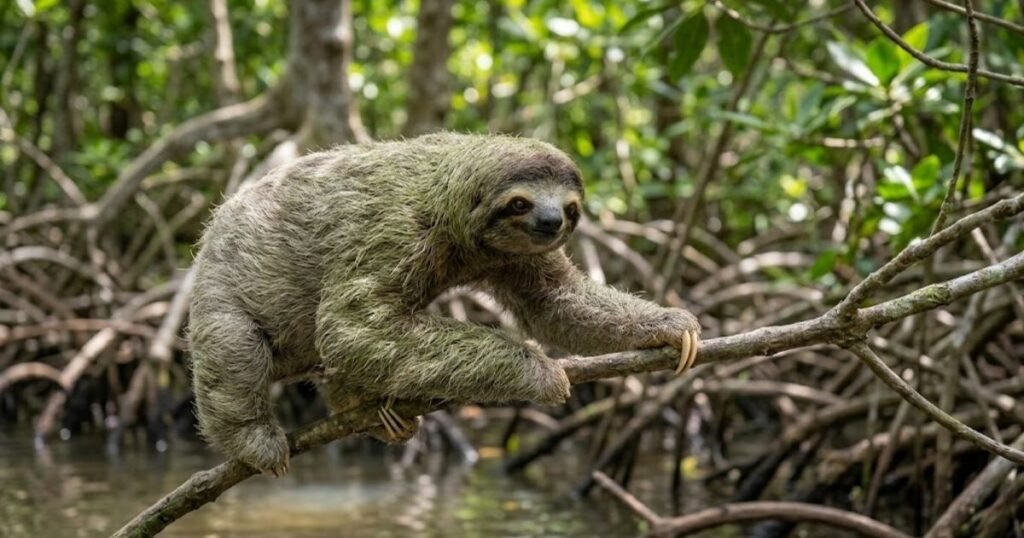
Uniquely adapted to its mangrove habitat, it possesses a specialized diet consisting almost entirely of leaves, which it meticulously forages. Its restricted geographic range heightens its risk from habitat destruction, particularly from rising sea levels and human encroachment.
Climate change poses a looming threat to its fragile ecosystem. Conservation efforts are underway to protect this charming sloth, as scientists encourage habitat preservation and focus on breeding programs. One interesting fact is that this sloth is so small that it is often mistaken for a juvenile sloth, but its specialized lifestyle defines its uniqueness.
Hainan Gibbon
| Attribute | Details |
|---|---|
| Scientific Name | Nomascus hainanus |
| Habitat | Hainan Island, China |
| Diet | Fruits, leaves, and flowers |
The Hainan Gibbon is a critically endangered primate, with fewer than 35 individuals left in the wild, making it the rarest ape species globally. Residing exclusively in the tropical forests of Hainan Island, they have adapted to a mostly arboreal lifestyle, which contributes to complex social behaviors and family dynamics.
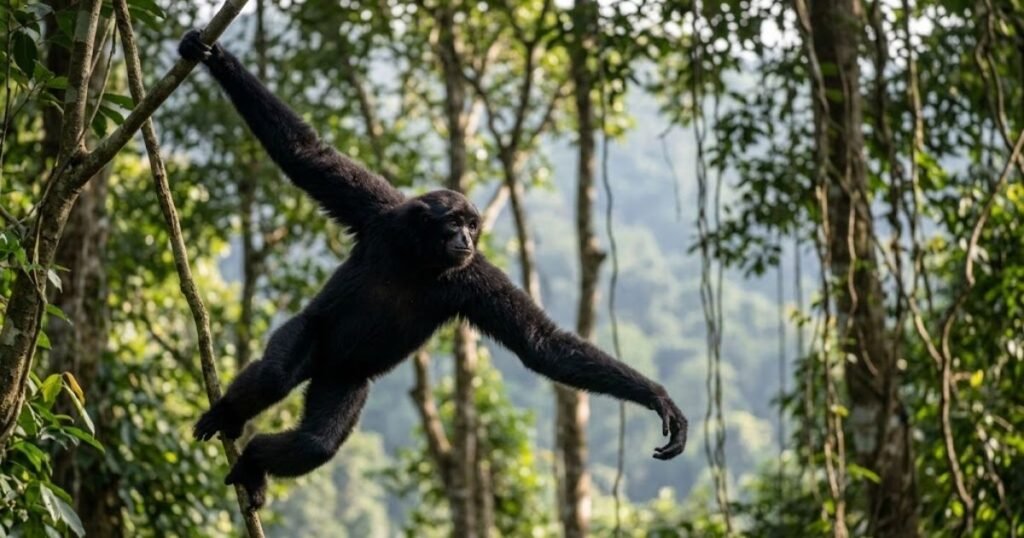
Their striking appearance includes jet-black fur and white facial markings, further enhancing their charismatic allure. Dramatic habitat loss due to logging and agricultural expansion has been the primary threat to their survival. Despite recent conservation successes, such as the establishment of protected areas, ongoing risks from human activity remain.
Efforts to reforest their habitat and engage local communities in conservation have shown promise. Surprisingly, Hainan Gibbons communicate with unique, intricate vocalizations, which are essential for maintaining social bonds.
Philippine Crocodile
| Attribute | Details |
|---|---|
| Scientific Name | Crocodylus mindorensis |
| Habitat | Freshwater habitats in the Philippines |
| Diet | Fish, crustaceans, and small mammals |
The Philippine Crocodile stands out as a critically endangered species with an estimated wild population of about 250 individuals. This freshwater predator is relatively small compared to its relatives, growing to lengths of up to 3 meters, and has distinctive bony ridges on its snout.
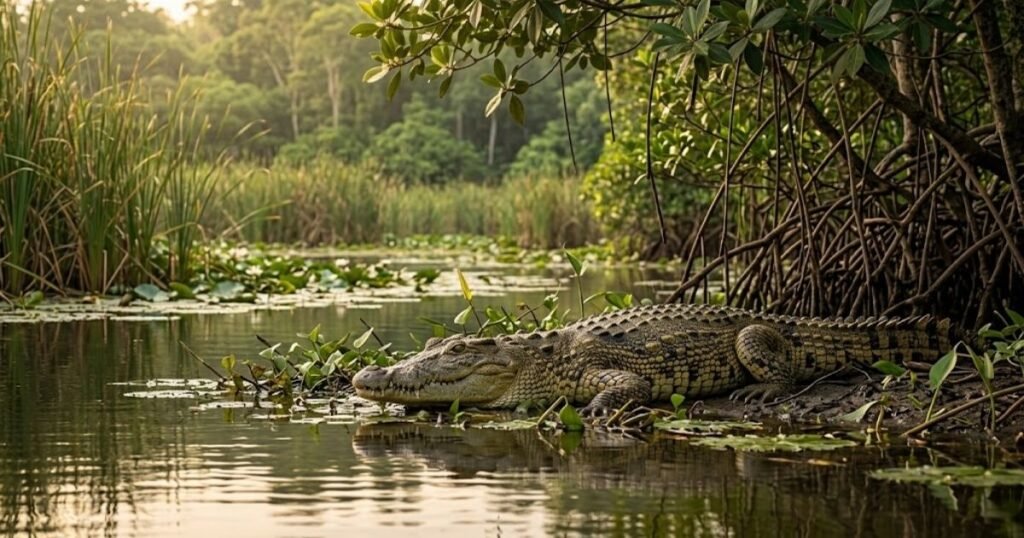
Feeding primarily on fish and crustaceans, it plays a vital role in its aquatic ecosystem yet has faced drastic population declines due to habitat destruction and hunting. The destruction of wetlands and rivers for agriculture and urbanization has significantly harmed this species.
Conservation breeding programs are underway, focused on improving habitat and public awareness, as the few remaining populations are precariously perched on the brink of extinction. Interestingly, the Philippine Crocodile has a distinct social structure, often exhibiting complex mating rituals and parental care, making it a fascinating subject for further research.
Axolotl
| Attribute | Details |
|---|---|
| Scientific Name | Ambystoma mexicanum |
| Habitat | Native to lakes in Mexico City |
| Diet | Carnivorous (worms, insects) |
The captivating Axolotl, a resident of Mexico City’s lake ecosystems, flaunts a unique look with its frilly external gills and wide smile. This adorable amphibian is famous not only for its charm but also for an extraordinary regenerative ability that allows it to regrow limbs and vital organs, making it a subject of scientific fascination.
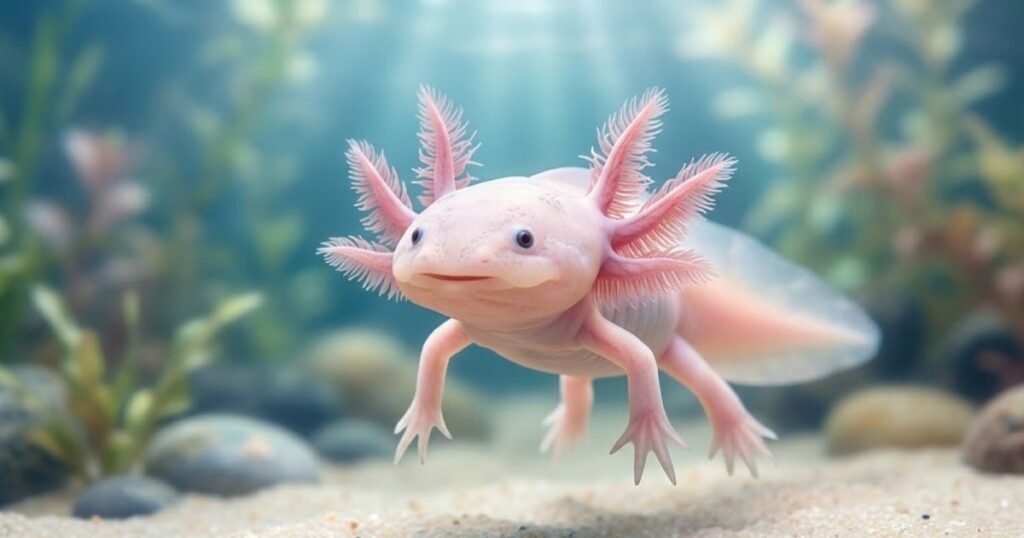
In the wild, fewer than 50 individuals remain due to pollution and habitat loss, whereas captive populations flourish in aquariums and labs. The rarity of this species in its native habitat raises urgent conservation concerns, as it’s critically endangered.
One interesting fact lies in its regenerative prowess; Axolotls can replace damaged spinal cords, a phenomenon that could unlock groundbreaking avenues in medicine. Conservation efforts focus on habitat restoration and raising awareness about their plight, yet they remain a cute rare animal teetering on the brink of extinction.
Pangolin
| Attribute | Details |
|---|---|
| Scientific Name | Manis spp. (various species) |
| Habitat | Forests and grasslands in Asia/Africa |
| Diet | Ants and termites |
Pangolins, often dubbed the “scaly anteater,” boast a distinctive armor made of keratin scales, which serve both as protection and camouflage. These nocturnal creatures are primarily ant and termite hunters, using their specialized tongues to extract their prey. Sadly, they face extinction primarily due to illegal wildlife trade; their scales are highly prized in traditional medicine and as delicacies.
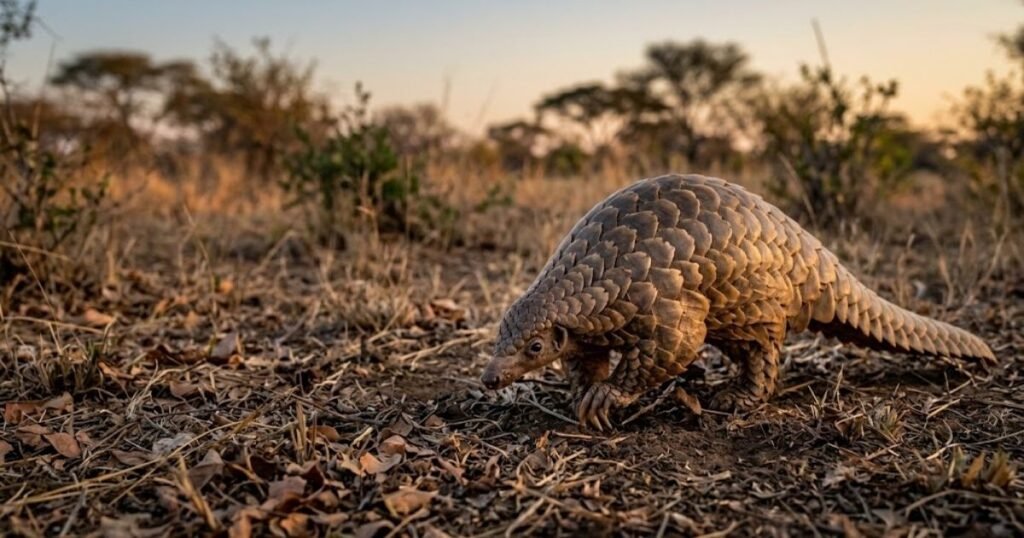
Despite their widespread distribution across Asian and African regions, all eight species of pangolins are threatened, leading to a global conservation effort aimed at curbing poaching and protecting their habitats.
An intriguing aspect of pangolin behavior is their curling into a ball for defense, showcasing a unique method of protecting themselves from predators. Conservation programs are increasingly focused on raising awareness and implementing stricter laws to protect these cute rare animals, emphasizing the urgent need to preserve these remarkable creatures for future generations.
Why Are These Animals So Rare?
Some animals are incredibly rare because of habitat loss, hunting, climate change, and declining populations. In many cases, their limited range and slow reproduction make survival even more challenging.
Habitat Destruction: The relentless encroachment of human activity has led to habitat destruction, putting immense pressure on many animal species. Urban expansion, agricultural practices, and infrastructure development fragment ecosystems, leaving creatures with increasingly limited space to thrive. As their natural habitats shrink, animals lose not just their homes but also crucial resources they depend on for survival, such as food and shelter.
Deforestation: Deforestation, driven largely by the demand for timber and agricultural land, obliterates entire ecosystems. Tropical rainforests, which harbored a multitude of unique species, are facing an unprecedented decline. When these forests are cut down, it’s not just trees that disappear; countless species go extinct before we even fully understand their role within the ecosystem.
Climate Change: Climate change is an omnipresent threat that alters weather patterns, disrupts migration routes, and changes the availability of food and water sources. Animals adapted to specific climates are struggling to cope with rapid shifts, leading to mismatched breeding seasons and food scarcity.
Illegal Wildlife Trade: The illegal wildlife trade is one of the most lucrative criminal enterprises in the world, driving numerous species to the brink of extinction. From exotic birds to majestic elephants, animals are hunted, trafficked, and sold in markets worldwide. This insatiable demand not only decimates populations but also disrupts local ecosystems that rely on these animals for balance.
Hunting/Poaching: Hunting and poaching are not mere historical relics; they continue to endanger countless species today. Poachers often target animals for their fur, tusks, or bones, leaving behind populations that struggle to recover. The impact of such practices can be devastating, especially for species already on the brink.
Pollution: Pollution infiltrates ecosystems at all levels, threatening the health of both animals and their habitats. From chemicals in waterways to plastic waste in oceans, pollutants disrupt food chains and cause diseases among wildlife. Aquatic species are particularly vulnerable as microplastics accumulate in their bodies, creating long-term health challenges that can decimate populations.
Fishing Bycatch: Fishing bycatch severely impacts marine life, with countless non-target species inadvertently caught and discarded. This unsustainable practice not only harms fish populations but disrupts entire marine ecosystems, as species struggle to adapt to declining numbers. Innovations in fishing gear and practices can help mitigate this issue, but they often require a shift in industry standards and consumer awareness.
Small Geographic Ranges: Many rare animals are confined to limited geographic areas, making them particularly susceptible to environmental changes and human activities. When an animal’s range is small, even slight disturbances such as habitat loss or climate shifts can lead to significant impacts on its population. Conservation efforts must focus on protecting these critical habitats to maintain biodiversity and enable species recovery.
Low Reproductive Rates: Low reproductive rates can doom certain species to rarity, particularly if they also face other existential threats. Animals like the northern white rhino, with fewer than three living members, are emblematic of this precarious situation. When species take longer to reproduce, their populations can plummet before conservation efforts can take effect.
How Can We Protect Rare Animals?
Protecting rare animals starts with preserving their natural habitats and reducing threats such as hunting, pollution, and climate change. Conservation efforts, wildlife protection laws, and public awareness can help these species survive for future generations.
Habitat Protection: Protecting the natural habitats of rare animals is foundational to their survival. Every ecosystem serves a vital role, providing not only food and shelter but also the necessary conditions for breeding and nurturing young. Efforts such as establishing protected areas, conducting habitat restoration, and enforcing regulations against deforestation can yield profound impacts.
Anti-Poaching Laws: Despite international agreements, poaching remains a significant threat to numerous species. Strengthening anti-poaching laws is crucial, but enforcement is equally important. Utilizing technology, such as drones and camera traps, helps monitor wildlife and deter illegal activities.
Captive Breeding: Captive breeding programs play a pivotal role in conservation, especially for species on the brink of extinction. By carefully managing genetics and breeding conditions, conservationists can bolster population numbers while ensuring genetic diversity. These programs also serve as a safeguard against potential environmental catastrophes.
Reintroduction: The reintroduction of species into their natural habitats is a powerful conservation strategy that can revitalize entire ecosystems. This process requires meticulous planning and ongoing research to ensure a successful adaptation back into the wild.
Wildlife Reserves: Creating and maintaining wildlife reserves provides a refuge for endangered species, allowing them to thrive away from the pressures of human encroachment. These reserves not only protect habitats but also serve as laboratories for conservation practices.
Conclusion
The exploration of rare animals in the world reveals not only the beauty of biodiversity but also the urgent need for conservation efforts. Each species, with its unique adaptations and traits, plays a vital role in maintaining ecosystem balance.
Many of these rare animals are facing threats from habitat loss, climate change, and human activities. By increasing awareness and taking proactive measures, we can help protect these extraordinary creatures for future generations.
FAQs
What Is The Rarest Animal?
The rarest animal is often considered to be the Vaquita, a small porpoise native to the Gulf of California, with fewer than 30 individuals remaining. Other contenders for rarity include the Amur leopard and the Javan rhino, both facing severe habitat loss and conservation challenges.
What Is The Most Rarest Animal In The World?
The most rarest animal in the world is often considered to be the Vaquita, a small porpoise native to the Gulf of California.
What Is The Rarest Animal Ever?
The rarest animal ever is often considered to be the Vaquita, a small porpoise native to the northern part of the Gulf of California. With only about 30 individuals left, it faces extinction primarily due to illegal fishing practices.
What Is The Rarest Land Animal In The World?
The rarest land animal is the Vaquita, a small porpoise found only in the northern part of the Gulf of California, with fewer than 30 individuals remaining.
What Are Some Cool Rare Animals?
Some cool rare animals include the elusive Aye-Aye, a nocturnal lemur from Madagascar, known for its unique long middle finger used for tapping on trees to find insects. Another fascinating species is the Saola, often referred to as the “Asian unicorn,” native to Vietnam and Laos, with its striking horns and critically endangered status.