Animal Camouflage: 16 Amazing Animals That Camouflage
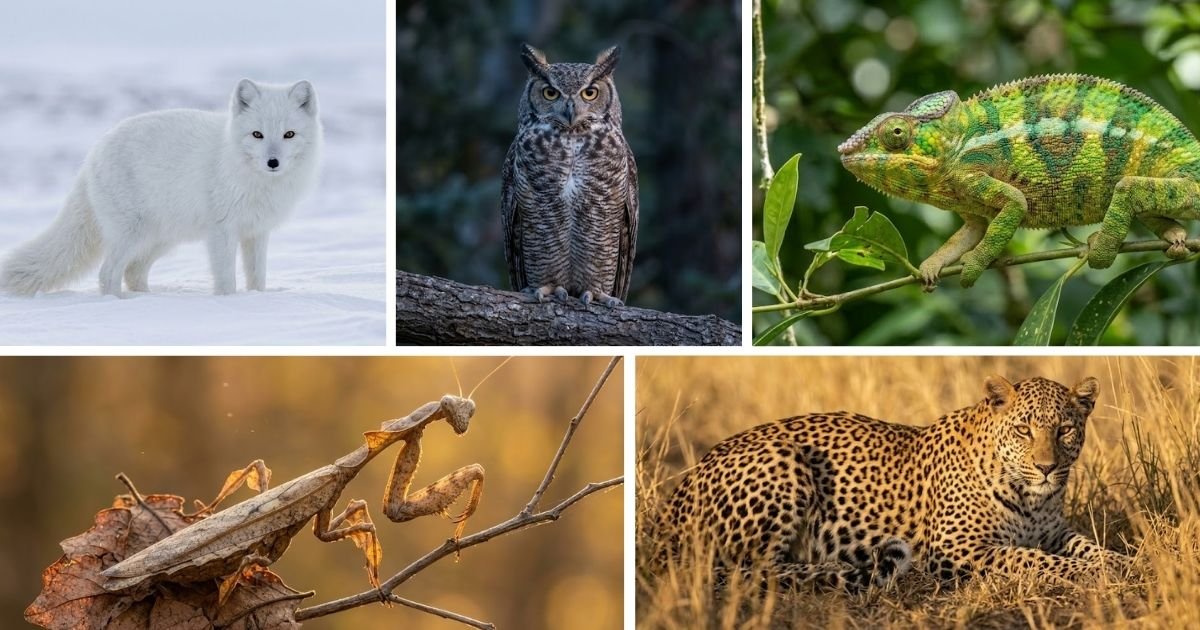
Imagine walking through a forest and stumbling upon a creature that seems to disappear the moment you lock eyes with it. This mind-blowing phenomenon is called animal camouflage, and it’s a critical survival strategy for many species.
By skillfully blending into their environments, these animals can shield themselves from threats or enhance their hunting abilities. Join us as we delve into the intriguing concept of camouflage and spotlight 16 amazing animals that exemplify this stunning adaptation.
What Is Animal Camouflage?
Animal camouflage is nature’s clever trick that allows certain creatures to blend into their surroundings, making it harder for predators to spot them and for prey to avoid being hunted. This fascinating adaptation involves not just color, but also patterns, body shapes, and textures that match the environment like the leaf-like appearance of a stick insect or the spotted coat of a deer among foliage.
Animals that camouflage can effectively hide in plain sight, allowing them to survive in a world full of threats. While camouflage helps animals escape being seen, it’s different from mimicry, where one species imitates another for survival. For example, a harmless snake may look like a venomous one to scare off predators.
This distinction is key for kids learning about animal behavior; they can think of camouflage as the ultimate hide-and-seek strategy, while mimicry is more like playing dress-up to avoid danger. Understanding animal camouflage for kids not only sparks curiosity about the natural world but also encourages a deeper appreciation for the clever adaptations that help these creatures thrive.
Types Of Animal Camouflage
Animal camouflage comes in several fascinating forms, each uniquely adapted to help species survive in their natural habitats. From color-changing skin to mimicking shapes and patterns in the environment, different types of animal camouflage allow creatures to hide from predators or ambush prey with precision. Understanding these types reveals just how diverse and clever nature’s survival strategies truly are.
Concealing Coloration
Concealing coloration is a strategy where an animal blends into its background by matching the surrounding colors. This form of camouflage is particularly effective in natural habitats. For instance, leopards boast a mottled coat that mirrors the dappled sunlight filtering through the trees, while owls often adopt colors similar to the bark of the trees they roost in, rendering them nearly invisible to predators and prey alike.
Disruptive Coloration
Disruptive coloration employs bold patterns and contrasting colors to break up the outline of an animal’s body. This strategy confuses predators by making it hard to discern where the animal begins and ends. For example, zebras possess stripes that create an optical illusion, especially in groups, while the jagged patterns of certain fish help them blend into the reef.
Mimicry
Mimicry takes camouflage to another level by allowing an animal to resemble another species or even inanimate objects. This fascinating tactic can deter predators or attract prey; for example, the leaf-tailed gecko mimics leaves, while some harmless butterflies imitate the looks of toxic species, thus enhancing their survival prospects.
Seasonal Camouflage
Seasonal camouflage refers to the ability of animals to change their color with the changing seasons. The Arctic hare, for instance, dons a white coat in winter to merge with the snow, while reverting to a brownish hue in summer for better integration with the earth and vegetation, demonstrating an incredible adaptation to environmental shifts.
Countershading
Countershading is characterized by a darker upper body and a lighter underside, creating a three-dimensional effect that helps obscure an animal from view. This tactic is prevalent in species like sharks and deer, as it counters shadows and reduces visibility from both above and below, making it easier for them to evade predators or approach prey stealthily.
Top 11 Amazing Animals That Camouflage
Nature has gifted certain creatures with the best animal camouflage techniques, allowing them to vanish into their surroundings with incredible precision. From forests to oceans, these animals use color, pattern, and texture to stay hidden from predators or sneak up on prey. Here’s a look at 16 amazing animals that showcase the best animal camouflage found in the wild.
Leaf-Tailed Gecko
| Category | Details |
|---|---|
| Scientific Name | Uroplatus phantasticus |
| Habitat | Madagascar |
| Diet | Insects, small arthropods |
The Leaf-Tailed Gecko is a master of disguise, found exclusively in the lush forests of Madagascar. Its extraordinary leaf-like body and intricate skin texture allow it to seamlessly blend with the dead leaves on the forest floor, making it nearly invisible to predators.
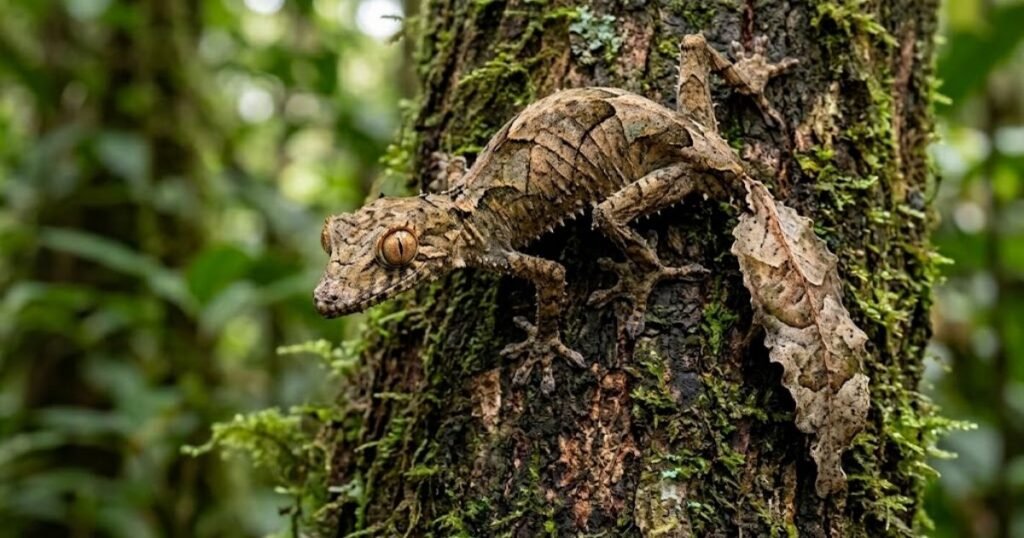
This adaptation is not just a stroke of luck it’s a result of millions of years of evolution, honing its ability to exploit the surrounding environment for survival. As a nocturnal creature, the Leaf-Tailed Gecko spends its nights in stillness, camouflaged among the foliage, only becoming active when the sun sets.
This behavior amplifies its effectiveness as a hunter, allowing it to ambush unsuspecting insects and small arthropods. What truly sets this gecko apart is not only its remarkable mimicry but the way it demonstrates nature’s ingenuity, showcasing how essential camouflage is in the predator-prey dynamic of Madagascar’s unique ecosystem.
Each sighting is a reminder of the hidden wonders that often go unnoticed in the mundane, highlighting the delicate balance of life that thrives in this enchanting habitat.
Children’s Stick Insect
| Category | Details |
|---|---|
| Scientific Name | Ctenomorpha chronus |
| Habitat | Forests of Australia |
| Diet | Leaves and vegetation |
The Children’s Stick Insect, known scientifically as Ctenomorpha chronus, thrives in Australia’s lush forests, blending seamlessly into its surroundings. Its body mimics twigs and branches, an adaptation that plays a crucial role in evading predators.
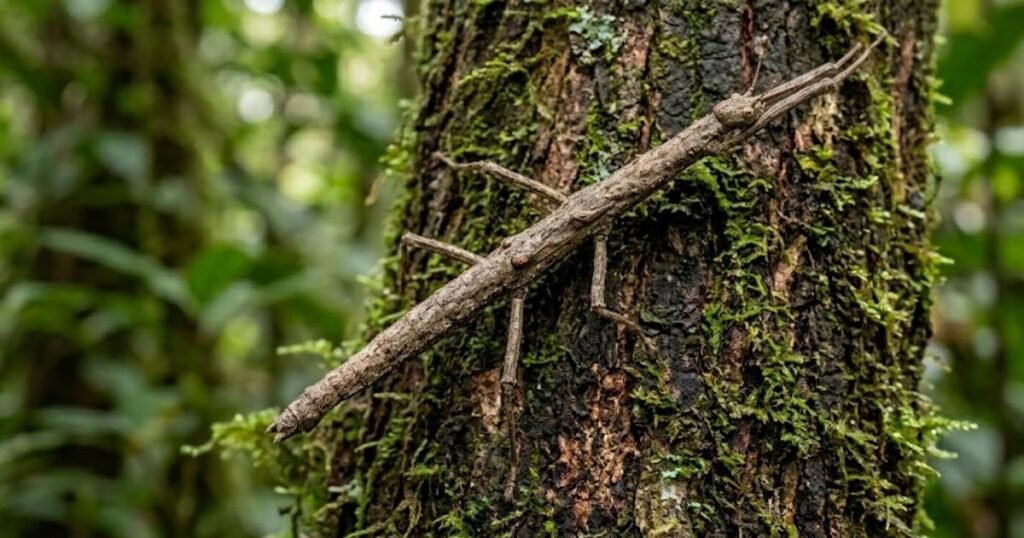
The combination of its elongated shape and earthy colors creates a masterclass in natural camouflage, allowing it to go unnoticed in a world teeming with potential threats. These fascinating insects have an uncanny ability to remain motionless for extended periods, enhancing their camouflage effectiveness.
By moving slowly and deliberately, they minimize the risk of drawing attention, capitalizing on the element of surprise to remain undetected. This behavioral adaptation not only helps them avoid predators but also allows them to become passive yet effective participants in their ecosystem, showcasing nature’s ingenious strategies for survival.
Ghost Mantis
| Category | Details |
|---|---|
| Scientific Name | Phyllocrania paradoxa |
| Habitat | Africa, Madagascar |
| Diet | Insects (primarily live prey) |
The Ghost Mantis, a marvel of nature found in the forests of Africa and Madagascar, exemplifies the art of concealment. Its extraordinary adaptation mimics the appearance of a dead leaf, allowing it to blend seamlessly into its surroundings.
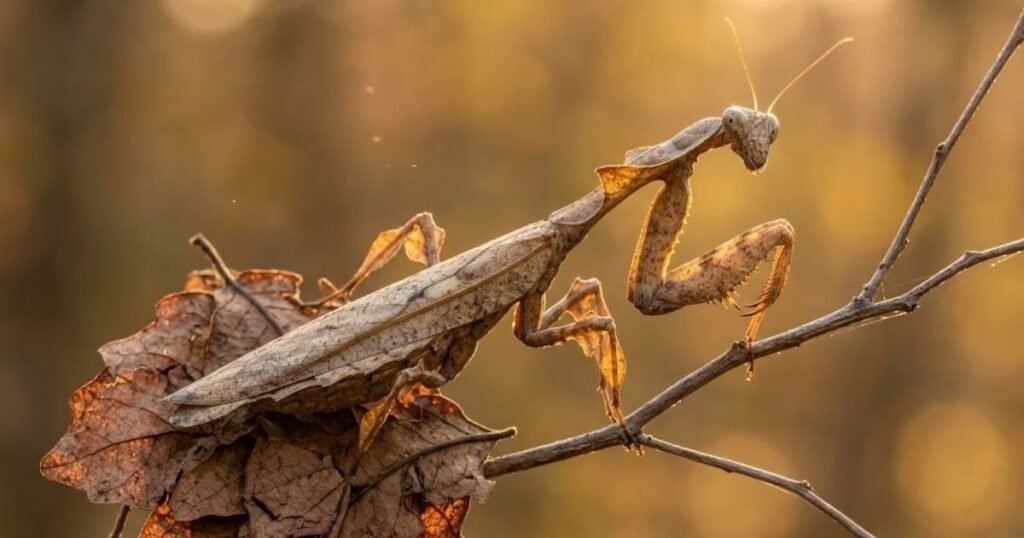
The peculiar shapes of its head and body, along with delicate leaf-like projections, enhance this disguise, making it nearly invisible among foliage and detritus. Resting motionless, the Ghost Mantis becomes a master of disguise, effortlessly evading predators that might otherwise pose a threat.
This behavior not only aids in survival but also highlights the intricate relationship between predator and prey in the ecosystem. Observing this mantis in action can be akin to witnessing a natural magician at work; its ability to transform into a lifeless leaf creates a striking reminder of nature’s ingenuity and adaptability.
Owl Butterfly
| Category | Details |
|---|---|
| Scientific Name | Caligo eurilochus |
| Habitat | Tropical forests |
| Diet | Nectar, rotting fruit |
The Owl Butterfly, or Caligo eurilochus, showcases the art of camouflage through its remarkable wing patterns that mimic the appearance of large owl eyes. When at rest, these butterflies close their wings, allowing the intricate eyespots to blend seamlessly into the forest backdrop, which serves as a protective mechanism against predators.
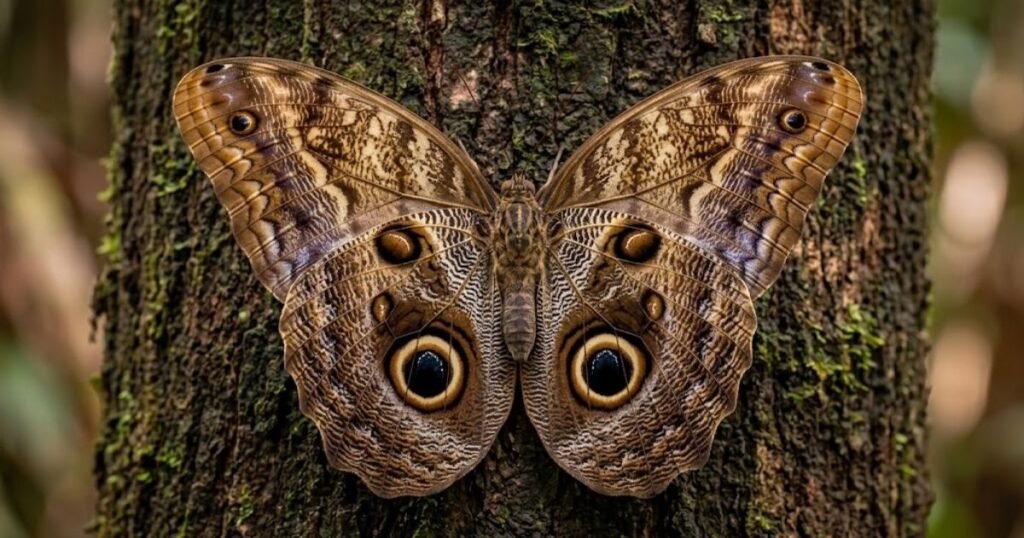
The sheer size and lifelike quality of the markings not only intimidate potential threats but also highlight the impressive adaptability of species to their environments. While camouflage generally focuses on blending in with surroundings, the Owl Butterfly’s eyespots offer a compelling case of startling markings.
The sudden appearance of the “owl eyes” can catch a predator off guard, providing the butterfly a fleeting moment to escape. This dual purpose of both camouflage and deterrence paints a rich picture of survival strategies within the vibrant tapestry of the forest ecosystem, showcasing how intricate behaviors and adaptations come into play in the life of these fascinating creatures.
Great Horned Owl
| Category | Details |
|---|---|
| Scientific Name | Bubo virginianus |
| Habitat | Forests/Woodlands |
| Diet | Small mammals, birds, and reptiles |
In the dappled light of North American woodlands, the Great Horned Owl, or Bubo virginianus, embodies the ultimate master of disguise. With feathers that mimic the texture and colors of tree bark, these owls seamlessly blend into their surroundings, rendering them nearly invisible during the day.
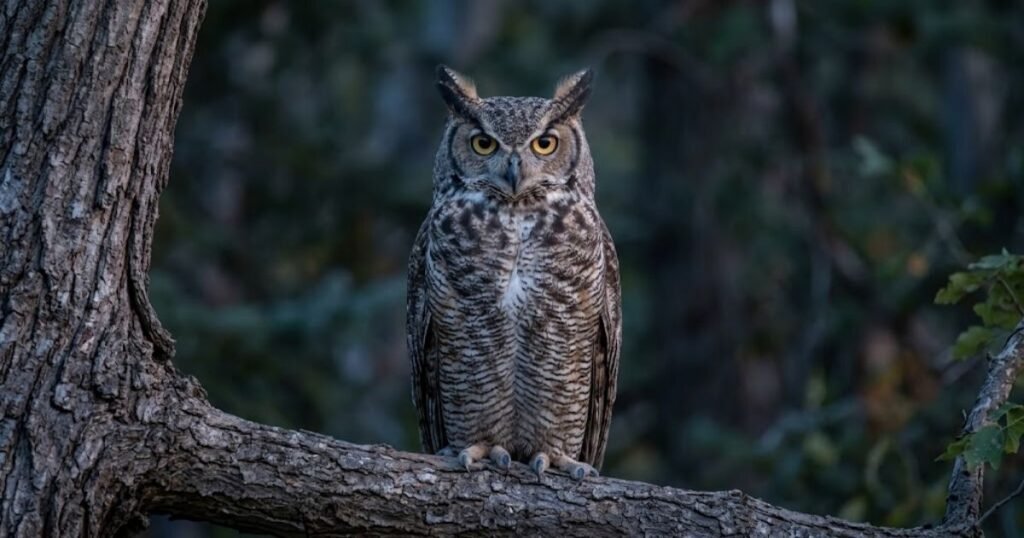
They stay motionless against the rugged textures of tree trunks, a tactic that not only thwarts potential predators but also conceals them from unsuspecting prey. By adopting such effective camouflage, the Great Horned Owl transforms the art of stillness into a strategic advantage.
While most owls are nocturnal, their adept concealment skills allow them to rest quietly during the day, ready to unleash their predatory prowess at dusk. This silent ambush strategy coupled with acute vision and hearing ensures their place as formidable hunters, showcasing nature’s ingenuity in the brutal dance of survival.
Tulip-Tree Beauty Moth
| Category | Details |
|---|---|
| Scientific Name | Callidula gigantea |
| Habitat | Deciduous forests |
| Diet | Nectar from flowers |
The Tulip-Tree Beauty Moth, scientifically known as Callidula gigantea, boasts an extraordinary bark-like appearance, making it a master of disguise in its natural habitat. By resting motionless against a tree trunk, this moth seamlessly blends into the scenery, evading the keen eyes of its predators.
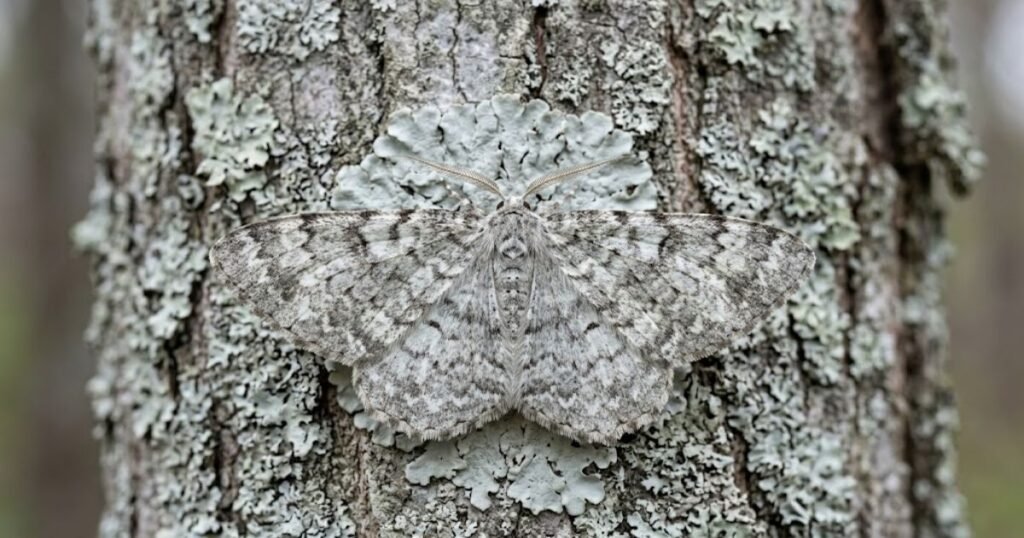
The intricate wing patterns and muted coloration mimic the rough texture of tree bark, providing an effective shield against birds and other hunters. This adaptation not only allows the moth to live longer but also plays a crucial role in its reproductive success by ensuring that it can safely attract mates.
Moths like Callidula gigantea have evolved to rely heavily on camouflage, as it serves as a first line of defense in a world filled with predators. This strategy is particularly vital in their life cycle, where a single misstep can spell doom.
By utilizing their surroundings, these remarkable insects highlight the intricate balance between prey and predator, illuminating the often-overlooked sophistication of nature’s designs. The beauty of these adaptations transports us into the fascinating world of survival, encouraging us to appreciate the intricate details that form the tapestry of life.
Brown Vine Snake
| Category | Details |
|---|---|
| Scientific Name | Oxybelis fulgidus |
| Habitat | Tropical forests of Central/South America |
| Diet | Primarily insects and small vertebrates |
The Brown Vine Snake, or Oxybelis fulgidus, showcases one of nature’s most intriguing adaptations. Its slender, elongated body mimics the appearance of vines or branches, making it a master of camouflage in the lush canopies it inhabits.
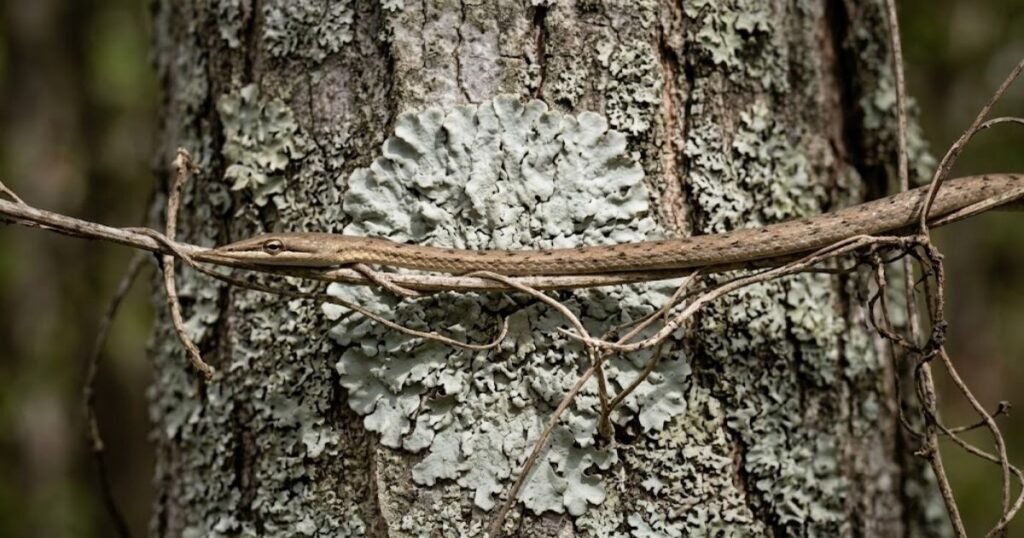
This disguise is particularly effective when it lies coiled among foliage, blending seamlessly with the green and brown hues of its environment. The snake’s ambush hunting strategy capitalizes on this stealth, allowing it to strike with precision as unsuspecting prey inches too close.
Beyond mere coloration, the shape of the Brown Vine Snake plays a vital role in its concealment. Its thin, elongated form reduces its silhouette against the surrounding vegetation, providing an additional layer of protection from predators.
This design not only enhances its hunting technique but also allows it to navigate effortlessly among the leafy terrain, showcasing an evolutionary marvel that illustrates the perfection of predator and prey dynamics in the tropical ecosystem.
Leopard
| Category | Details |
|---|---|
| Scientific Name | Panthera pardus |
| Habitat | African savannas, forests, and mountainous regions in Asia |
| Diet | Ungulates, small mammals, birds, and reptiles |
The leopard (Panthera pardus) showcases a masterclass in stealth, blending seamlessly into its diverse habitats across Africa and Asia. With its iconic rosette patterns, this big cat is expertly camouflaged within grasslands, forests, and rocky terrains.
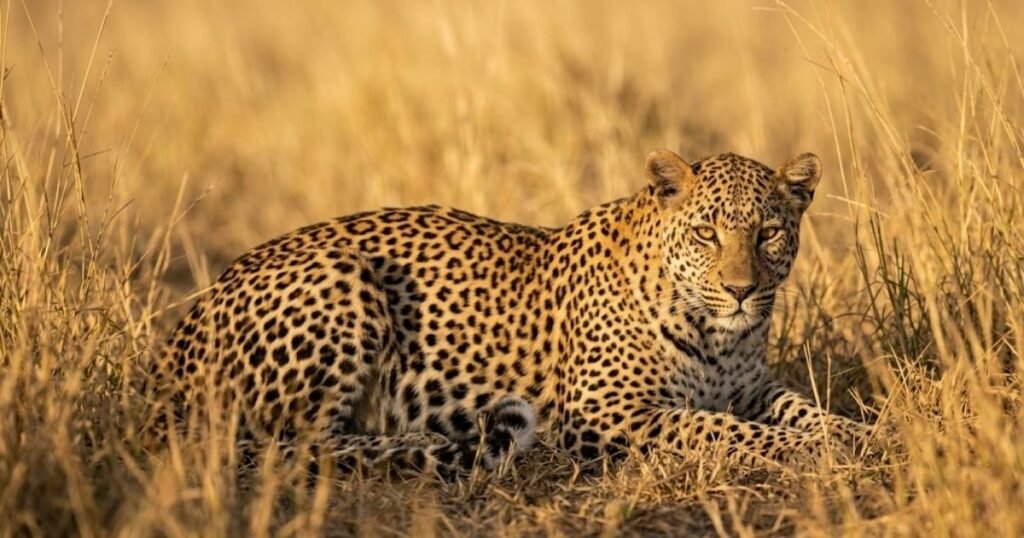
When hunting during the cover of night, its mottled coat not only hides it from prey but also makes it nearly invisible to rivals and potential threats. What makes the leopard’s spots so effective? Unlike solid patterns, the rosettes disrupt the outline of the leopard’s body, allowing it to vanish into a patchy environment comprised of dappled sunlight and shadows.
This intricate design serves as both a hunting advantage and a defensive mechanism. For those who witness these elusive creatures in action, the sheer elegance with which they stalk their prey is a reminder of the profound connection between form and function in nature.
The leopard’s ability to adapt and thrive in various ecosystems is a testament to the incredible evolutionary strategies that animals have developed for survival.
Three-Toed Sloth
| Category | Details |
|---|---|
| Scientific Name | Bradypus variegatus |
| Habitat | Tropical rainforests in Central and South America |
| Diet | Leaves, fruits, and flowers |
In the lush, vibrant tropical rainforests, the three-toed sloth quietly thrives, embodying an extraordinary example of camouflage. Its fur often becomes a living canvas, fostering the growth of green algae that perfectly matches the dappled sunlight filtering through the leaves.
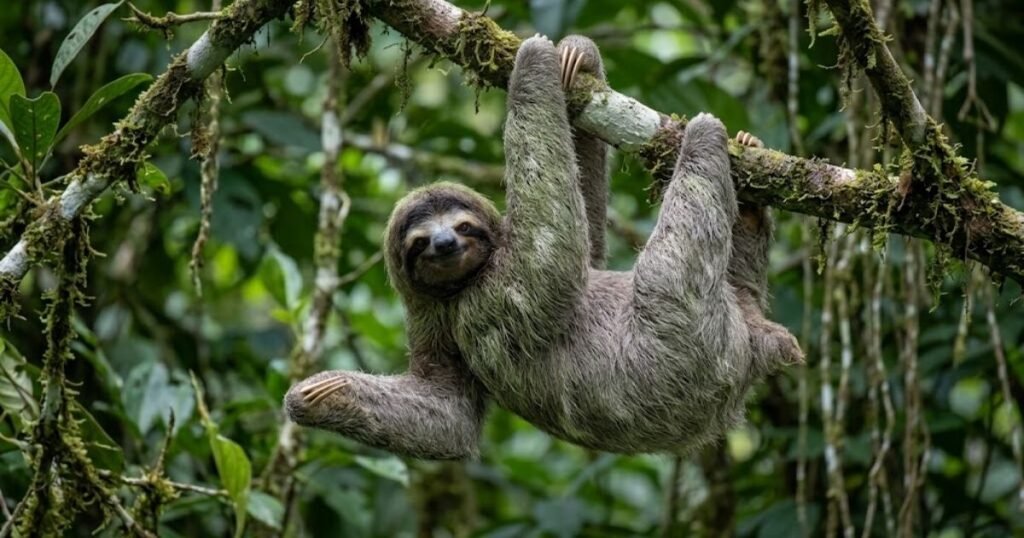
This unassuming greenish hue not only enhances its invisibility among the forest’s dense foliage but also plays a crucial role in providing a layer of protection against predators such as jaguars and harpy eagles.
The sloth’s famously sluggish movements are not just a quirky trait; they are integral to its survival strategy. By moving slowly and deliberately, it minimizes the chances of detection, allowing it to blend seamlessly into the backdrop of its vibrant home.
This beautiful adaptation extends to its lifestyle, as it hangs motionless for hours, showcasing nature’s artistry in evasion. The sloth’s connection to its environment is a reminder of the intricate relationships within ecosystems, where even the slowest of creatures can master the art of survival.
Chameleon
| Category | Details |
|---|---|
| Scientific Name | Chamaeleonidae |
| Habitat | Rainforests, savannas |
| Diet | Insects, small animals |
Chameleons are fascinating not only for their vibrant colors but also for their remarkable ability to adapt their appearance based on mood, temperature, and communication needs. They possess specialized cells called chromatophores, which allow them to shift hues beyond mere camouflage.
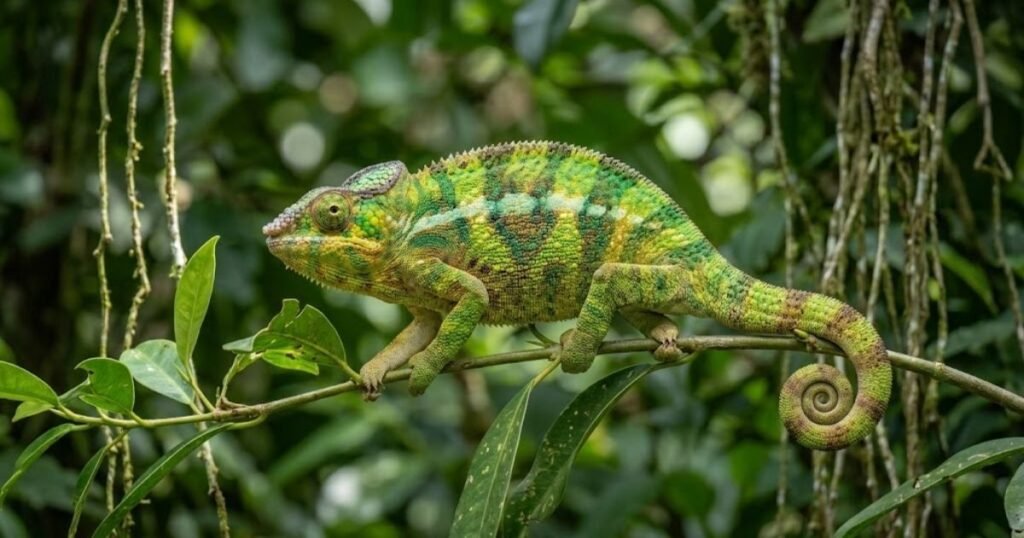
For instance, a stressed chameleon might display darker colors, while a relaxed one may exhibit brighter shades to signal readiness to mate or assert dominance. This chromatic flexibility reveals an intricately woven relationship between their environment and emotional state.
Moreover, chameleons boast unique physical adaptations, such as their independently moving eyes, which can rotate and focus on two different objects simultaneously. Their body shape, with a prehensile tail and zygodactylous feet, allows for agile movements through their arboreal habitats, helping them blend seamlessly into the leaves and branches.
Chameleons have gained fame as masters of camouflage because they do not merely mimic their surroundings; they utilize their color-changing prowess as a means of expression and survival, showcasing the intricate interplay between their biology and behavior.
Arctic Fox
| Category | Details |
|---|---|
| Scientific Name | Vulpes lagopus |
| Habitat | Arctic tundra |
| Diet | Small mammals, birds, and berries |
The Arctic fox (Vulpes lagopus) is a master of seasonal camouflage, adapting its coat color to blend seamlessly into its environment. In the frigid Arctic habitat, its vibrant white winter coat provides outstanding concealment against the snow, allowing it to ambush prey with ease.
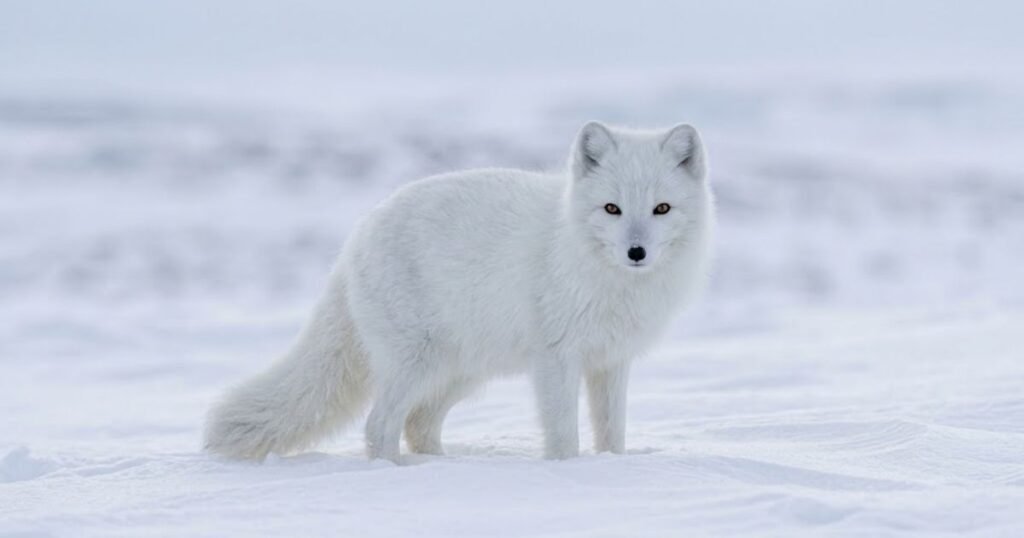
As the seasons change and the snow melts, this clever fox dons a brown or gray summer coat, which reflects the earthy tones of the tundra landscape. This remarkable ability not only enhances its hunting skills but also plays a crucial role in avoiding predators during the warmer months.
Seasonal camouflage serves as one of nature’s most fascinating adaptations, exemplified by the Arctic fox’s dual coloration. This survival strategy is particularly effective in the challenging Arctic environment, where resources can be scarce and conditions extreme.
The dynamic shift in coat color illustrates the fox’s acute awareness of its surroundings, making it a remarkable instance of how wildlife evolves to thrive in its specific habitat. Such adaptations highlight the intricate balance of life in one of the planet’s harshest climates, showcasing the brilliance of evolution at work.
Sea Animals That Camouflage
The ocean is home to some of the most incredible masters of disguise in the animal kingdom. From the seafloor to coral reefs, many sea animals that camouflage use color-changing skin, patterns, and body shapes to blend into their surroundings for protection and survival. This remarkable ability not only helps them evade predators but also gives them an edge when hunting prey. Here are some sea animals that camouflage:
Cuttlefish
| Category | Details |
|---|---|
| Scientific Name | Sepia spp. |
| Habitat | Coastal waters, reefs |
| Diet | Crustaceans, mollusks |
Cuttlefish are true masters of disguise, showcasing one of nature’s most mesmerizing forms of camouflage. Found in coastal waters and coral reefs, these cephalopods utilize specialized chromatophores tiny pigment-containing cells that enable them to change color and pattern almost instantaneously.
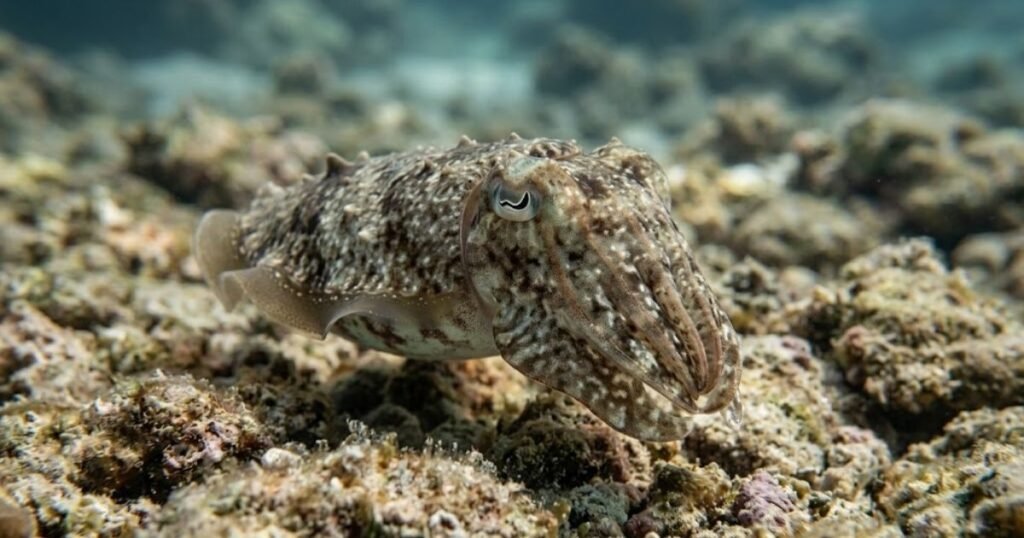
Their skin also contains iridophores and leucophores, which adjust texture and reflect light, further enhancing their ability to blend into their surroundings. This remarkable adaptability not only aids in avoiding predators but also plays a crucial role in their hunting strategy, allowing them to ambush unsuspecting prey with a burst of color that momentarily disrupts the aquatic landscape. Its intelligence and adaptability make it one of the most impressive examples among all sea animals that camouflage in the ocean.
What sets cuttlefish apart is their dynamic approach to camouflage; they can mimic the texture of their environment, from smooth sand to complex coral formations. This ability to switch between colors, patterns, and textures makes them not just survivors, but formidable hunters in the marine ecosystem.
By quietly blending into their surroundings, cuttlefish can approach their prey undetected, utilizing sudden bursts of speed to secure their meal. Their multifaceted camouflage is a compelling reminder of the intricate strategies organisms develop to thrive in their environments, revealing not just the beauty of biodiversity but the intelligence inherent in evolution.
Octopus
| Category | Details |
|---|---|
| Scientific Name | Octopus vulgaris |
| Habitat | Coastal waters, reefs |
| Diet | Crustaceans, fish |
The octopus is a true master of disguise, residing primarily in coastal waters and reefs. Its incredible ability to change color and texture allows it to blend seamlessly with its surroundings, whether resting on a rocky substrate or hiding among corals.
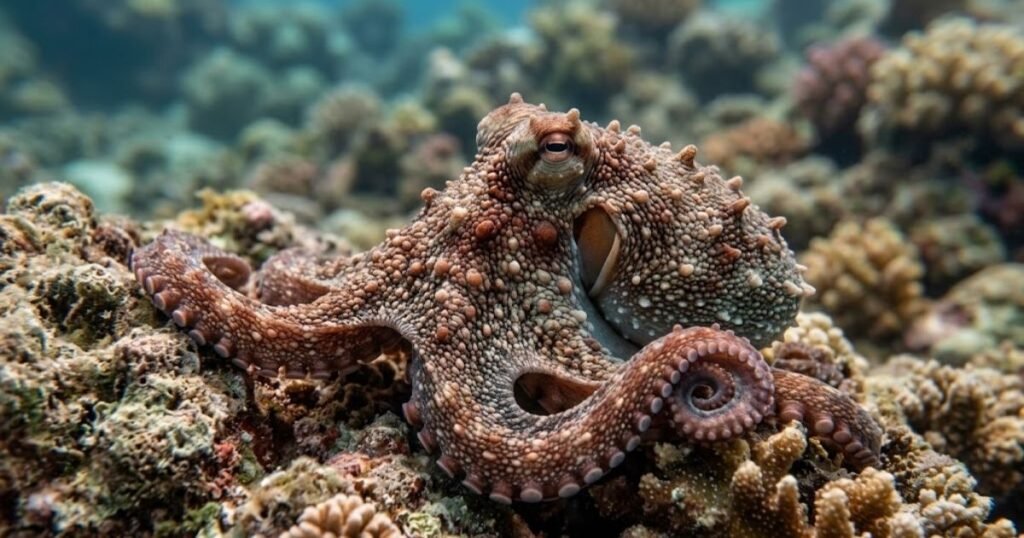
Using chromatophores tiny pigment cells an octopus can mimic the colors and patterns of its environment, even creating a mottled appearance that rivals the most skilled artists. This remarkable camouflage provides exceptional predator avoidance, as it can easily slip away from larger fish or humans.
During hunting, octopuses utilize their ability to conceal themselves and ambush unsuspecting prey, often lying in wait until the perfect moment to strike with their powerful arms.
Flounder
| Category | Details |
|---|---|
| Scientific Name | Paralichthys spp. |
| Habitat | Sandy or muddy sea floors |
| Diet | Small fish, crustaceans |
Flounders are fascinating flatfish that thrive on sandy or muddy sea floors. Their unique adaptation displays an astonishing ability to change color and adopt the textures of the ocean bed, making them nearly invisible to both predators and prey.
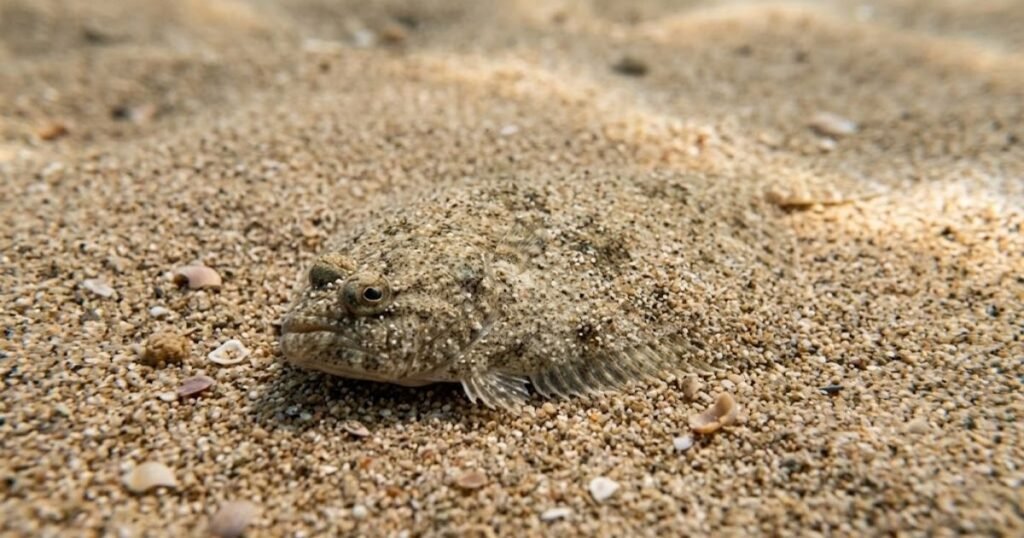
This camouflaging method is particularly advantageous, allowing them to wait in silence during the high-tide hours when smaller fish are more active. To avoid being detected by larger predators, flounders lie with one side against the substrate, effectively erasing their profile against the ocean floor.
This tactic doubles as a hunting strategy; as they remain nearly undetectable, flounders can surprise passing prey with a quick lunge when the moment is right.
Scorpionfish
| Category | Details |
|---|---|
| Scientific Name | Scorpaenidae spp. |
| Habitat | Rocky reefs, coral gardens |
| Diet | Fish, crustaceans |
Scorpionfish are masters of disguise, predominantly found in rocky reefs and coral gardens. Their camouflage technique merges perfectly with their spiny, textured bodies that mimic the appearance of rocks and corals.
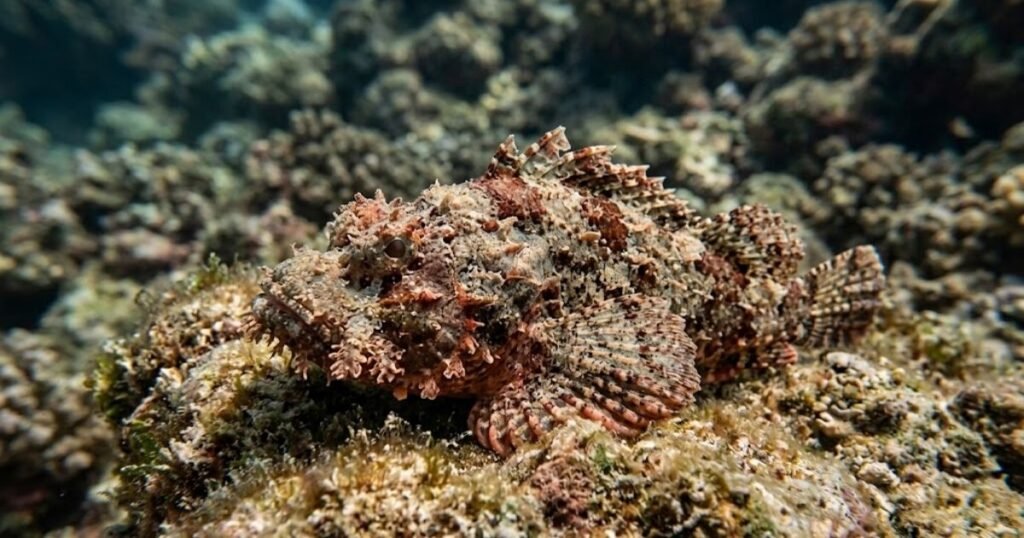
This allows them to remain hidden from both predators and unsuspecting prey, a key survival strategy. The coloration of scorpionfish varies widely based on their environment, often taking on hues reminiscent of surrounding rocks or algae.
This not only aids in predator avoidance but also enhances their hunting efficiency. By remaining motionless and well-camouflaged, scorpionfish can ambush small fish and crustaceans that venture too close, making their strike all the more successful.
Stonefish
| Category | Details |
|---|---|
| Scientific Name | Synanceia spp. |
| Habitat | Coral reefs, shallow waters |
| Diet | Fish, crustaceans |
Stonefish inhabit coral reefs and shallow waters, known for their highly effective camouflage that allows them to blend flawlessly with their surroundings. Their rough, mottled skin mimics the textures of rocks and coral, which not only conceals them from predators but also provides an ideal ambush point for their prey.
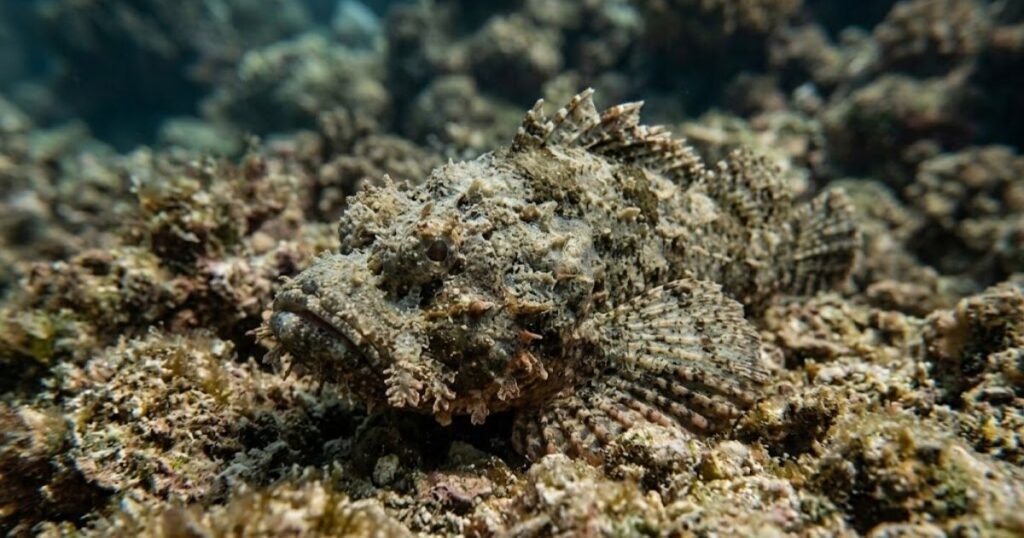
While their threat level as predators is high, their camouflage serves a dual purpose; it also helps them avoid potential threats. With excellent stealth, stonefish sit motionless until small fish or crustaceans come within range, enabling a rapid attack with precise jaw snapping. This blend of predator and prey tactics illustrates the striking adaptability of sea creatures in the wild.
How Does Animal Camouflage Help Animals Survive?
Animal camouflage is one of nature’s most powerful survival tools, allowing creatures to blend into their environment and avoid detection. By mimicking colors, patterns, or textures of their surroundings, animals can hide from predators or sneak up on prey without being noticed.
Predator Avoidance: Animals that camouflage have mastered the art of invisibility, allowing them to evade predators effectively. For instance, the stick insect’s resemblance to twigs or leaves offers a perfect disguise as it clings motionlessly to vegetation. This clever mimicry not only lowers the chances of being spotted but also enhances their ability to thrive in environments teeming with threats.
Hunting Prey: Contrary to what one might think, camouflage isn’t purely a defensive mechanism; it also serves as a powerful offensive tool for hunters. Predators like the ornate tree lizard expertly use their coloration to blend into bark and leaves, allowing them to stalk unsuspecting prey. By effectively concealing themselves, these hunters can launch surprise attacks, ensuring higher success rates in capturing food.
Nest Protection: For many ground-nesting birds and reptiles, camouflage plays a critical role in safeguarding their young. The mottled feathers of the killdeer or the earth-toned shells of turtle nests help them remain unnoticed amid changing landscapes. This protective adaptation ensures both the eggs and hatchlings are less likely to attract unwelcome attention from predators, ultimately increasing their likelihood of survival.
Staying Hidden While Resting: Camouflage often allows animals to remain inconspicuous while at rest. For instance, leopards utilize their spotted coats to blend into the dappled shadows of the savanna, evading detection while they conserve energy. This ability to stay hidden enhances their survival, enabling them to remain vigilant against threats while recharging.
Seasonal Survival: As seasons change, so do the camouflage strategies of many animals. The arctic hare, for example, adjusts its fur from brown to white during winter, aligning with the snowy landscape to evade predators. This seasonal adaptation not only helps them survive harsh conditions but also highlights the dynamic nature of camouflage.
Ambush Hunting: The concept of ambush hunting is beautifully demonstrated in species like the chameleon, which can change its color to match the foliage surrounding it. This not only allows the chameleon to remain undetected by both predators and prey but also sets the stage for a strategic approach to hunting. By staying inconspicuous, they are poised to strike when the moment is right, showcasing how camouflage aids in both predator evasion and successful predation.
Conclusion
The world of animal camouflage reveals the incredible adaptations that allow various species to survive in their environments. From the leaf-tailed gecko blending seamlessly with foliage to the mesmerizing cuttlefish changing colors in an instant, these animals showcase the power of nature’s creativity.
Each example not only highlights the beauty of evolution but also emphasizes the importance of conservation efforts to protect these unique creatures and their habitats. As we continue to learn about these fascinating adaptations, we gain a deeper appreciation for the intricate balance of ecosystems.
FAQs
What Are The Four Basic Types Of Camouflage?
Chameleon – Known for its ability to change color to blend in with its surroundings.
Leaf-Tailed Gecko – Its leaf-like appearance allows it to hide among foliage.
Cuttlefish – Master of disguise, it can alter its skin texture and color to mimic the ocean floor.
Snowshoe Hare – Its white winter coat provides excellent concealment in snowy environments.
Stick Insect – Resembles twigs and branches, making it hard for predators to spot.
What Is The Best Animal Camouflage?
The best animal camouflage often depends on the environment and the specific predator-prey dynamics at play. For example, the peppered moth displays remarkable camouflage against tree bark, effectively blending in during the Industrial Revolution when soot darkened the trees.
What Are Some Sea Animals That Camouflage?
Some remarkable sea animals that use camouflage include the octopus, cuttlefish, and flounder. Other examples are the leafy seadragon, scorpionfish, and the newly discovered mimic octopus, which can imitate other marine creatures.
What Are 5 Animals That Use Camouflage?
Chameleon
Leaf-Tailed Gecko
Octopus
Snowshoe Hare
Flounder
These animals utilize camouflage effectively to blend into their surroundings, helping them evade predators and enhance their hunting strategies.
Which Animal Is The Best Camouflage?
The best camouflage often belongs to the leafy sea dragon, whose intricate, leaf-like appendages blend seamlessly with seaweed and kelp.