Geoduck Meaning: What Is A Geoduck? Nutrition, Meat & More
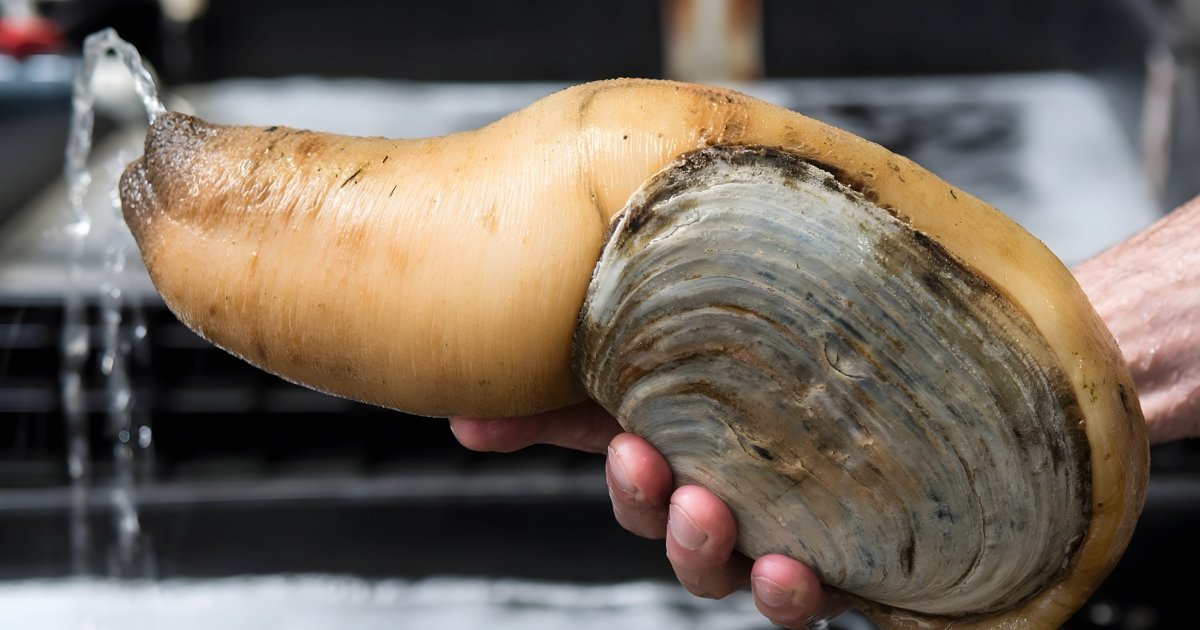
Geoducks may look strange, but they’re one of the finest seafood choices you might not yet be familiar with. This giant clam is packed with nutrients and has a unique flavor that can elevate your meals in unexpected ways.
Let’s explore the geoduck meaning, its culinary uses, and why this underrated gem deserves a spotlight in your kitchen.
Geoduck Meaning: What Is A Geoduck?
The geoduck, scientifically known as Panopea generosa, is an impressive bivalve mollusk that can reach over three feet in length, making it one of the largest clams in the world. Its name is derived from a Lushootseed word, “gʷídəq,” meaning “dig deep,” which is a nod to its habit of burrowing into sand and mud in tidal waters.
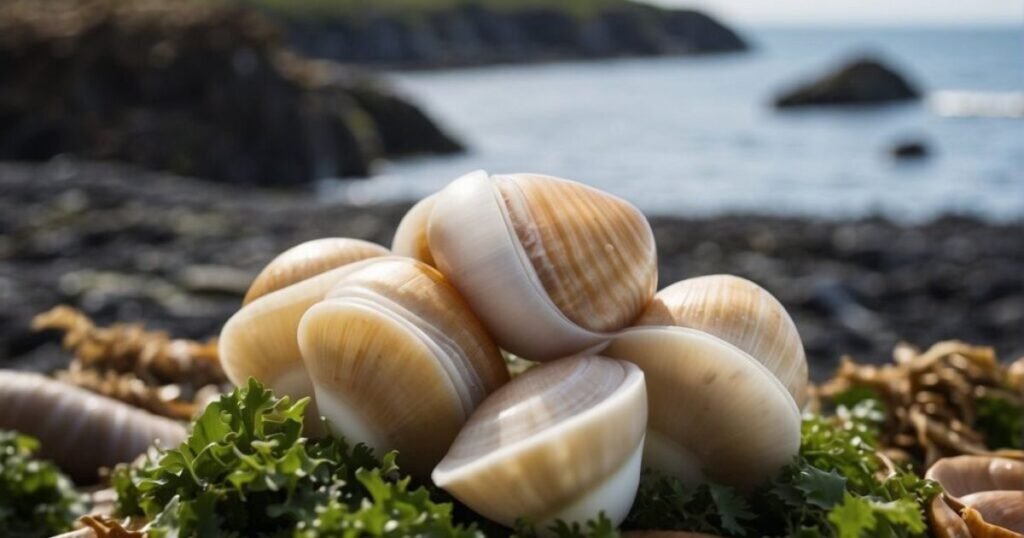
Native to the Pacific Northwest of North America, geoducks flourish in the sandy, shallow waters along the coasts of Washington, British Columbia, and Alaska.
Visually striking, the geoduck features a bulbous, smooth shell and an elongated neck-like siphon that gives it its unforgettable appearance. This unique shape serves a purpose: it allows the geoduck to filter feed from the ocean floor while staying anchored in its burrow.
Unlike its more common clam relatives, which often have hard, rounded shells, the geoduck’s unusual morphology is a testament to its adaptation to a specific ecological niche.
Nature is full of such underrated creatures whose true capabilities often go unnoticed much like insects, whose surprising intelligence is explored in our guide on the smartest insects in the world.
Geoduck Biology
Geoducks, the ocean’s hidden treasures, exhibit fascinating biological adaptations that set them apart from other bivalves. Let’s explore the biology of these remarkable creatures reveals a complex interdependence within their ecosystems.
| Geoduck Biology & Facts | Details |
| Scientific Name | Panopea generosa |
| Family | Bivalve mollusk family |
| Average Lifespan | Around 140 years |
| Longest Recorded Lifespan | Up to 179 years |
| Shell Length | Up to 8 inches |
| Siphon Length | Up to 1 meter (3.3 feet) |
| Overall Size | Up to 3 feet when the extended siphon is included |
| Average Adult Weight | Around 1.5 lbs |
| Maximum Weight | More than 8 lbs |
| Shell Appearance | Smooth, tan to brown shell |
| Burrowing Depth | Up to 3 feet beneath the sandy seabed |
| Habitat | Subtidal marine zones with sandy or sediment-rich ocean floors |
| Native Range | From Alaska to Baja California |
| Feeding Method | Filter feeding by drawing nutrient-rich seawater through its siphon |
| Main Body Feature | A long, fleshy siphon that extends above the seabed |
| Predator Defense | The siphon can retract quickly when threatened |
| Ecological Role | Helps filter seawater and contributes to the marine ecosystem |
| Market Price | Approximately $20–$150 per pound when sold live |
| Industry Value | Approximately $80 million annually |
| Primary Export Markets | China, Japan, and South Korea |
Geoduck Lifecycle
Geoducks, the iconic, oversized clams native to the Pacific Northwest, have a fascinating reproductive process that begins with external fertilization.
How Geoducks Reproduce?
During spawning, males release sperm into the water, which females then take in to fertilize their eggs. This can lead to massive blooms of tiny eggs and sperm cascading through the ocean, creating an exhilarating spectacle of marine life.
Early life stages: The resulting embryos develop into free-swimming larvae called trochophores, showcasing vibrant colors, which serve as an essential food source for predators, contributing to the rich tapestry of marine biodiversity.
Growth and development: As larvae transition into the next stage, they settle onto the ocean floor and undergo metamorphosis into juvenile geoducks, where they take on their unmistakable, elongated shell structure.
This phase marks the beginning of their quest for survival, as they anchor themselves in the sediment and begin to filter-feed on phytoplankton, growing rapidly in nutrient-rich environments.
How Long Geoducks Live?
Typically, geoducks reach maturity in just three to five years, but their true longevity is remarkable; they can live over 140 years. This unique combination of rapid growth and long lifespan makes geoducks not only a fascinating species to study but also an important part of coastal ecosystems, offering insights into environmental resilience and ocean health.
Geoduck Meat: What Does It Taste Like?
Geoduck meat, a unique and prized seafood delicacy, offers an intriguing combination of flavors and textures. When you first take a bite, the tender, yet slightly springy texture stands out, reminiscent of a mix between clam and lobster.
The flavor is subtly sweet with briny undertones, evoking the essence of the ocean without being overwhelming. This complex profile makes geoduck an exciting choice for adventurous eaters, as it can captivate the palate with its subtle nuances.
Culinary enthusiasts often prepare geoduck in various ways to showcase its versatility. Slicing it thinly for sashimi or ceviche highlights its delicate sweetness, while light sautéing or grilling brings out a rich umami depth. In some cultures, it’s even enjoyed raw, paired with dipping sauces that elevate its natural flavors.
The rarity and unique preparation methods contribute to geoduck’s reputation as a luxury item, making it a sought-after component for upscale dining experiences.
Raw Geoduck: Can You Eat It Raw?
Raw geoduck, a unique marine mollusk native to the Pacific Northwest, is increasingly celebrated for its sweet, briny flavor and crisp texture. Traditionally served sashimi-style, its translucent flesh is often sliced thin to showcase its delicate qualities.
Pairing it with ponzu sauce or a dash of citrus can elevate the tasting experience, highlighting the geoduck’s natural sweetness while balancing its umami essence.
Common preparations vary from simple ceviche brimming with fresh herbs to innovative sushi rolls that incorporate this ocean delicacy. The versatility of geoduck allows chefs to experiment, often presenting it with fresh vegetables or in tartare forms for a refreshing dish.
Geoduck Nutrition
Protein Content: Geoducks are an excellent source of protein, providing about 28 grams per 100 grams. This makes them a great option for those looking to boost their protein intake while enjoying seafood.
Calories and Nutrients: With roughly 140 calories per 100 grams, geoducks are relatively low in calories. They are also rich in essential nutrients, including omega-3 fatty acids, which are beneficial for heart health.
Minerals and Other Nutritional Components: Geoducks are high in minerals such as selenium and zinc, along with notable amounts of vitamin B12. These components support immune function and contribute to overall well-being.
Is Geoduck A Healthy Seafood Choice?
Geoducks are a healthy seafood choice. Their high protein content, low calorie count, and rich in omega-3 fatty acids, promoting heart health and cognitive function, while also providing vital minerals such as selenium and zinc. These minerals play critical roles in antioxidant defense and immune function, further elevating geoduck’s health credentials.
In a culinary landscape often dominated by familiar seafood staples, incorporating geoduck into your diet not only expands your palate but also enriches your nutritional profile.
Conclusion
Grasping the geoduck meaning helps us recognize this remarkable seafood as more than just a curiosity; it is a nutritious and delicious option for various dishes. The rich history and ecological significance of geoducks further its status as a treasured item in both local and international cuisines.
With its low-calorie count and high nutrient content, geoduck serves as an excellent addition to a balanced diet. For those eager to expand their culinary repertoire, exploring recipes featuring geoduck can be quite rewarding.
FAQs
Are Geoducks Male or Female?
Geoducks are both male and female, as they are dioecious, meaning individual clams are either one sex or the other. They can reproduce by releasing sperm and eggs into the water, where fertilization occurs externally.
Are Geoducks Good to Eat?
Yes, geoducks are considered a delicacy in many cuisines, particularly in Asian dishes. Their sweet, mild flavor and unique texture make them popular in sushi, sashimi, and chowders.
Why Is Geoduck Pronounced Gooey Duck?
The name “geoduck” comes from a Native American word meaning “dig deep.” The pronunciation “gooey duck” is often attributed to its phonetic similarities, but it can lead to some confusion among non-natives.
Do Geoducks Have Teeth?
Geoducks don’t have teeth in the traditional sense. Instead, they possess a muscular foot that helps them dig into the sand and a radula, a tongue-like organ, that they use for feeding.
Where Do Geoducks Live?
Geoducks primarily inhabit the sandy and muddy seabeds of the Pacific Northwest, especially around Washington State and British Columbia. They can be found at depths ranging from a few inches to over three feet underground.
Is Geoduck Rare?
Geoducks are not particularly rare, their unique habitat requirements and the sustainability of their population are closely monitored. Their harvesting is subject to regulations to ensure ecological balance.
How Old Can Geoducks Live?
Geoducks are known for their longevity, often living upwards of 140 years. Their slow growth rate and long lifespan contribute to their unique status in marine ecosystems.