10 Amazing Mongoose Like Animals (With Pictures & Facts)

In a world filled with incredible wildlife, mongoose like animals showcase extraordinary adaptations and behaviors, making them fascinating subjects of study. This blog post will not only introduce you to ten amazing animals that share similarities with the mongoose, but it will also delve into their diets and striking images.
Whether you’re an animal lover or simply curious about the wonders of nature, you’ll discover how these creatures thrive despite challenges.
List Of Mongoose Like Animals
Here is a list of mongoose like animals:
| No. | Animals Like Mongoose |
|---|---|
| 1 | Meerkats |
| 2 | Weasels |
| 3 | Ferrets |
| 4 | Linsangs |
| 5 | Genets |
| 6 | Martens |
| 7 | Stoats |
| 8 | Civets |
| 9 | Minks |
| 10 | Tayras |
Meerkats
| Feature | Details |
|---|---|
| Scientific Name | Suricata suricatta |
| Class | Mammalia |
| Diet | Insectivorous, omnivorous |
| Habitat | Savannas, grasslands |
Meerkats, social and charismatic members of the mongoose family, are easily recognizable by their slender bodies and striking facial markings. Typically weighing around 2.5 to 3.5 pounds, these small animals stand roughly 12 to 14 inches tall, with a long tail that aids in balance as they stand upright to survey their surroundings. Meerkats are also well-known burrowing animals, digging complex tunnel systems to live in.
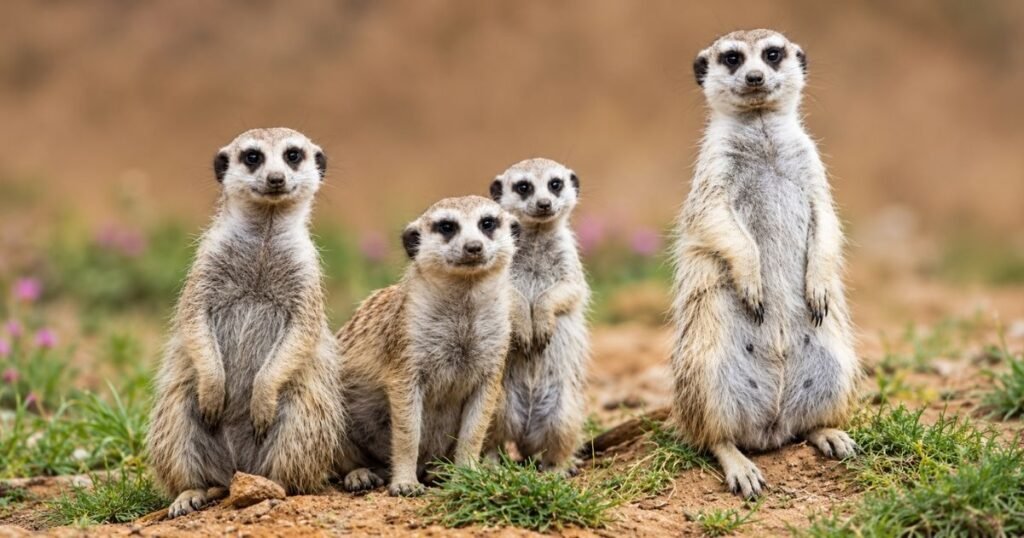
Found primarily in the arid regions of southern Africa, they thrive in environments ranging from open grasslands to sandy deserts, forming close-knit communities that work together for survival.
Their diet predominantly consists of insects, but they also enjoy a mix of fruits and small reptiles, showcasing their omnivorous tendencies. Meerkats exhibit remarkable collaborative behavior, taking turns standing guard while others forage, which echoes the cooperative instinct seen in many mongoose species.
Their ability to communicate with a variety of vocalizations not only strengthens their social bonds but also ensures everyone’s safety. With their keen sense of community and innate playfulness, meerkats offer an intriguing perspective on the social structures of the animal kingdom.
Weasels
| Feature | Details |
|---|---|
| Scientific Name | Mustela spp. |
| Class | Mammalia |
| Diet | Carnivorous |
| Habitat | Diverse, from forests to grasslands |
Weasels, a fascinating family of small carnivorous mammals, showcase a remarkable adaptability across various habitats, from dense woodlands to open fields. Sporting sleek, elongated bodies and sharp claws, they are expert hunters, employing stealth and agility to capture prey such as rodents and birds.

Their striking appearance, marked by a variety of fur colors, adds to their charm, making these creatures not only efficient predators but also captivating subjects for wildlife enthusiasts. Similar to mongooses, weasels share a common ancestry rooted in the Mustelidae family, which also includes otters and badgers.
These nimble creatures exhibit impressive hunting strategies, often utilizing teamwork in larger species to systematically flush out prey. Weasels and mongooses are both celebrated for their courage when confronting venomous snakes, showcasing a shared evolutionary trait that makes them formidable in their ecosystems.
Their playful behaviors add an enchanting layer to their personality, revealing that beneath their fierce hunting instincts lies a vibrant social life.
Ferrets
| Feature | Details |
|---|---|
| Scientific Name | Mustela putorius furo |
| Class | Mammalia |
| Diet | Carnivore |
| Habitat | Domestic, grasslands |
Ferrets, often mistaken for rodents, belong to the same family as weasels. With their distinctive long, slender bodies and large, expressive eyes, they are agile and curious creatures. Unlike mongooses, ferrets have been domesticated for centuries and thrive in human environments, displaying playful behaviors that endear them to families.

Their sleek coats come in various colors, adding a visual charm that captures attention, while their mischievous antics can keep anyone entertained for hours. In terms of diet, ferrets are obligate carnivores, feeding primarily on meat; this mirrors the predatory instincts of mongooses, which tackle a diet rich in small mammals, birds, and reptiles.
Both species exhibit remarkable hunting skills, often demonstrating agility and clever strategies to capture prey. Interestingly, ferrets also share social behaviors with mongooses, living in family groups that enhance their survival.
A lesser-known fact is that ferrets can sleep up to 18 hours a day, a sharp contrast to the high energy and alertness typical of mongooses, offering a fascinating glimpse into the diversity of animal adaptations. For more playful species, see our list of most energetic animals.
Linsangs
| Feature | Details |
|---|---|
| Scientific Name | Poecilictis auritus (Banded Linsang) |
| Class | Mammalia |
| Diet | Carnivorous |
| Habitat | Tropical forests, scrublands |
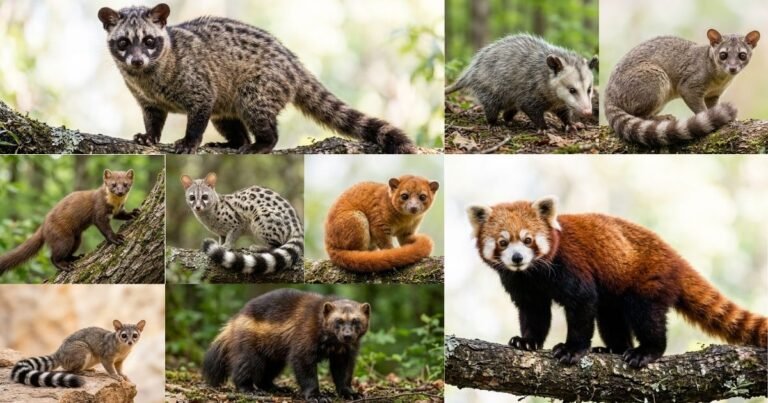
Linsangs, particularly the banded linsang, showcase the intricate beauty of evolution in the carnivore family. With their elongated bodies, well-defined stripes, and adept climbing abilities, they present a striking resemblance to mongooses, yet belong to a different lineage.

Found primarily in Southeast Asia’s lush forests, linsangs are nocturnal, which adds a layer of intrigue as they hunt for small mammals, reptiles, and birds under the cover of darkness. Despite their similarities to mongooses including their agile movements and carnivorous diets linsangs possess distinct features such as retractable claws, enabling them to be effective climbers and adept hunters in treetop habitats.
Linsangs communicate using a unique repertoire of vocalizations and scents, making them fascinating subjects for study. Their elusive nature and the subtle patterns on their fur not only help them blend into their surroundings but also symbolize the delicate balance of their ecosystems. To see how other species hide in plain sight, read our guide on animal camouflage.
Genets
| Feature | Details |
|---|---|
| Scientific Name | Genetta spp. |
| Class | Mammalia |
| Diet | Carnivore |
| Habitat | Forests, savannas, urban areas |
Genets, members of the family Viverridae, exhibit a captivating blend of characteristics that set them apart from their close relatives, the mongooses. With their elongated bodies, slender limbs, and vividly patterned fur, these agile creatures navigate diverse habitats ranging from dense forests to urban environments.

Their spotted coats provide excellent camouflage amid foliage, making them adept hunters of small mammals and birds. Though genetically distinct, genets share behavioral similarities with mongooses, often showcasing impressive dexterity and stealth in their hunting techniques. Their markings are a great example of animals with stripes and patterned coats in the wild.
Their ability to adapt to various environments underscores their evolutionary success, allowing them to thrive in both rural and urban settings. Beyond their physical traits, genets have fascinating social dynamics; they are primarily solitary but can exhibit playful interactions during mating seasons.
Engaging with these elusive animals reveals just how interconnected the world of small carnivores truly is, enriching our understanding of ecological relationships within their habitats.
Martens
| Feature | Details |
|---|---|
| Scientific Name | Martes spp. |
| Class | Mammalia |
| Diet | Carnivorous |
| Habitat | Forests and woodlands |
Martens, particularly Martes martes and Martes pennanti, exhibit sleek, elongated bodies covered in rich, dark fur, which serves as camouflage among the forest underbrush. They are expertly adapted for climbing, sporting sharp claws and a flexible body that allows them to navigate trees with grace.

These charismatic creatures thrive primarily in temperate forests across Europe and North America, where their presence indicates a healthy ecosystem. Much like mongooses, martens are opportunistic hunters, ranging from small mammals to birds, showcasing their agility in both foraging and ambush scenarios.
Their solitary nature, combined with their elusive demeanor, allows them to coexist efficiently in the wild while avoiding larger predators. Both martens and mongooses display remarkable intelligence and resourcefulness, engaging in complex problem-solving behaviors.
Perhaps most intriguingly, the social structures differ; while mongooses often form cooperative groups for hunting, martens prefer a solitary lifestyle, reflecting diverse ecological strategies that contribute to the richness of wildlife in their respective habitats.
Stoats Animals Like Mongoose
| Feature | Details |
|---|---|
| Scientific Name | Mustela erminea |
| Class | Mammalia |
| Diet | Carnivore |
| Habitat | Woodlands, grasslands, and tundras |
Stoats, also known as ermines, are fascinating creatures that share striking similarities with mongooses. Their sleek, elongated bodies allow them to navigate through various terrains with agility. Notably, stoats undergo dramatic seasonal coat changes, turning from a rich brown in summer to a snowy white in winter, providing effective camouflage that aids in hunting and evading predators.
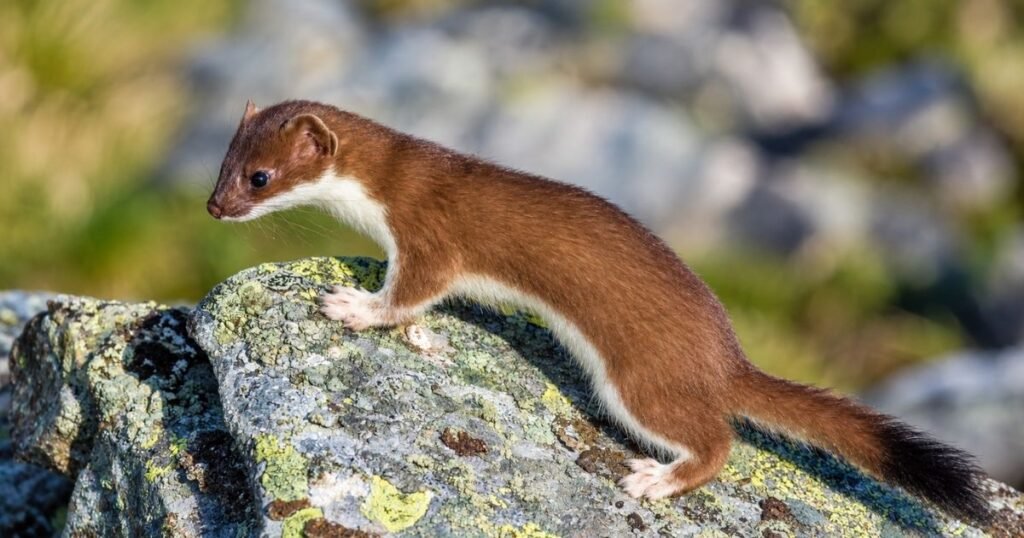
Stoats are distributed across North America, Europe, and Asia, thriving in diverse habitats from dense woodlands to open grasslands. These energetic hunters primarily feast on small mammals like rabbits and rodents, relying on their keen senses to stalk prey.
Both stoats and mongooses are known for their fearless behavior toward snakes, showcasing a unique evolutionary adaptation that enables them to take on venomous foes efficiently. Their cunning nature and impressive hunting skills make stoats an intriguing topic for wildlife enthusiasts.
Civets
| Feature | Details |
|---|---|
| Scientific Name | Viverridae |
| Class | Mammalia |
| Diet | Omnivorous |
| Habitat | Forests and savannahs |
Civets, part of the Viverridae family, share a striking resemblance to mongooses but have distinct characteristics that set them apart. With their sleek bodies, sharp whiskers, and bushy tails, civets possess a unique charm. Their geographical distribution spans tropical Africa and parts of Asia, thriving in both dense forests and open savannahs.
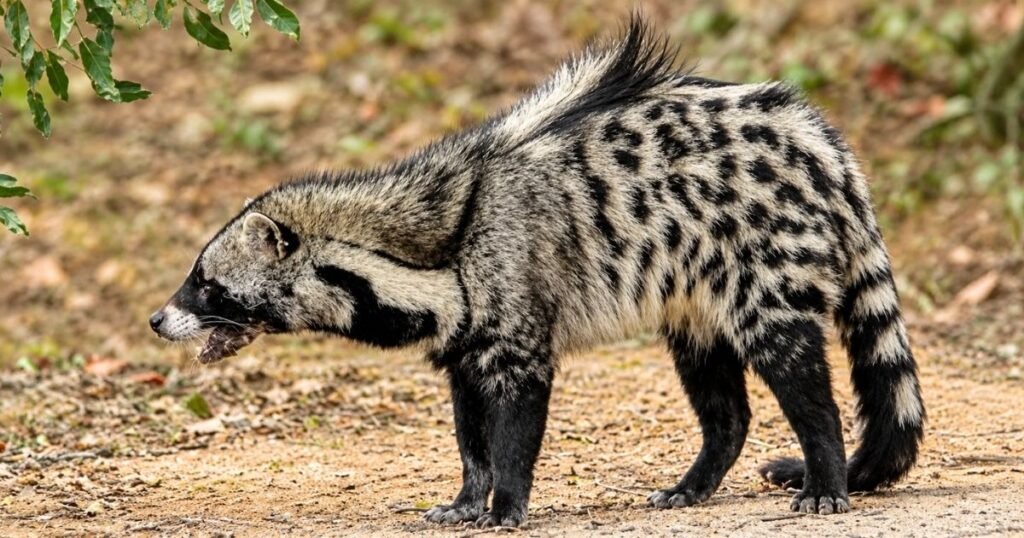
Unlike the more carnivorous dietary habits of mongooses, civets are versatile omnivores, indulging in fruits, insects, and small animals often introducing a fascinating element of adaptability.
Similar to mongooses in their hunting techniques and social structures, civets are equally elusive and nocturnal, often wandering the night in search of food. One of the captivating facts about civets is their role in coffee production; the famous Kopi Luwak is made from coffee beans that have passed through the digestive system of these animals, providing a unique flavor profile.
This symbiotic relationship not only highlights their ecological importance but also sheds light on the intricate food webs within their habitats, showcasing the remarkable interconnectedness of nature. Elusive night-time hunters like civets are similar to many quiet animals that move silently through their habitats.
Minks
| Feature | Details |
|---|---|
| Scientific Name | Neovison vison |
| Class | Mammalia |
| Diet | Carnivorous |
| Habitat | Freshwater and coastal areas |
Minks, particularly the North American mink (Neovison vison), are sleek, agile mammals known for their luxurious fur and adept hunting skills. They thrive in diverse environments, primarily near water sources like rivers and lakes, where they can hunt a variety of prey including fish, amphibians, and small mammals.
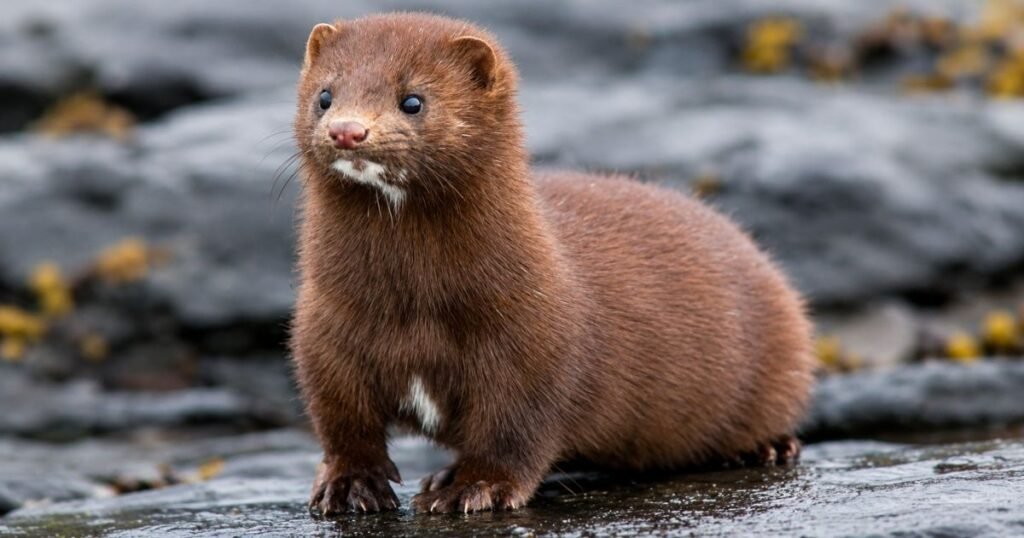
This semi-aquatic lifestyle not only enhances their hunting prowess but also draws intriguing parallels with mongooses, which display similar adaptability in their habitats. Physically, minks have a distinct elongated body and short legs, allowing for swift movements in both water and on land.
Their fur boasts a rich, glossy appearance, valued for its warmth and softness. Interestingly, both minks and mongooses share social behaviors, often forming family units for hunting and protection.
Though they belong to different families minks to Mustelidae and mongooses to Herpestidae they both display remarkable intelligence and problem-solving skills, making them fascinating subjects for wildlife enthusiasts.
Tayras
| Feature | Details |
|---|---|
| Scientific Name | Eira barbara |
| Class | Mammalia |
| Diet | Carnivorous |
| Habitat | Tropical and temperate forests, grasslands |
Tayras, known scientifically as Eira barbara, are fascinating members of the weasel family, showcasing a sleek and muscular build that allows for quick movement through their lush forest habitats. Their physical appearance, characterized by a shiny, dark fur with a lighter underside, makes them quite striking.

Native to Central and South America, these agile creatures thrive in diverse environments, from dense tropical jungles to open grasslands, showcasing their adaptability. Similar to mongooses in their dietary preferences, tayras predominantly consume small mammals, birds, and insects, showcasing their role in the ecosystem as agile hunters.
One intriguing fact is their impressive climbing skills, which help them access prey that other ground-dwelling animals may overlook. Unlike mongooses, which are most recognized for their iconic battle with cobras, tayras possess a more subtle yet equally vital ecological footprint. Their presence indicates healthy ecosystems, highlighting the importance of conserving their habitats for biodiversity stability.
What Makes These Animals Similar To Mongooses?
Mongooses share a sleek, elongated body shape with several other small carnivorous mammals, such as civets and genets. This streamlined physique not only enhances their agility but also aids in maneuvering through dense underbrush, making every creature a formidable hunter.
The subtle differences in size ranging from the petite dwarf mongoose to the larger honey badger demonstrate the diverse adaptations among these relatives. In terms of diet, mongooses and their look-alikes often oscillate between carnivorous and omnivorous tendencies.
While a mongoose may specialize in hunting snakes and insects, certain civets are known to enjoy fruits and small mammals, highlighting a broader ecological flexibility. Their hunting prowess is complemented by a keen intelligence and teamwork, such as when mongooses hunt in packs to corral prey, a strategy mirrored in the cooperative foraging seen in species like the African wild dog.
Despite these similarities, mongooses diverge significantly in behavior; their pronounced boldness when confronting dangerous foes, particularly snakes, sets them apart from more cautious relatives. While mongooses might bravely tackle a venomous serpent, civets often rely on stealth and adaptability to evade threats.
This difference in survival strategy emphasizes how physical resemblance can mask varied lifestyles in the animal kingdom, urging us to look beyond appearances for a deeper understanding of each species’ unique adaptations.
Mongoose-Like Animals By Habitat
Mongoose-like animals thrive in a wide range of habitats across the world, from dense tropical forests to open grasslands and rocky mountain regions. Each habitat shapes the unique survival skills and behaviors that make these fascinating creatures so adaptable and impressive in the wild.
Forest-Dwelling Animals Similar To Mongooses
In the dense canopies of tropical forests, you may encounter creatures like the civet and the genets that share some behavioral traits with mongooses. Both civets and genets display a remarkable adaptability, enabling them to thrive in complex environments filled with abundant arboreal opportunities.
These nocturnal mammals often use their agility to navigate through foliage and trees, hunting for insects, small mammals, and fruits. Their sleek bodies and keen senses make them adept at avoiding larger predators, echoing the survival techniques seen in mongooses.
Civets, for instance, not only share a habitat with mongooses but also exhibit a unique social structure. Some species, like the small-spotted genet, are known for their solitary nature, yet they can be quite vocal, using a variety of sounds to communicate territorial boundaries or attract mates.
Grassland And Savanna Animals Like Mongooses
In the sweeping expanses of grasslands and savannas, creatures like the meerkat stand out as close relatives to mongooses. Meerkats live in tight-knit groups called mobs, demonstrating a fascinating community behavior that includes cooperative hunting and vigilant foraging.
Their social structure allows them to effectively warn each other of approaching threats, much like the alertness displayed by mongooses in the wild. These interactions reveal a remarkable aspect of life in open habitats, where survival is often a team endeavor.
Beyond meerkats, the African wild cat serves as an intriguing counterpart, sharing the same grassland terrain. Though primarily solitary, these agile hunters exhibit behaviors akin to those of mongooses, such as stalking techniques and opportunistic feeding habits.
The dynamic between these species showcases the versatility required to thrive in varying ecological niches, illustrating the adaptive strategies that resonate across different landscapes.
Wetland And River-Dwelling Mongoose-Like Animals
In the lush wetlands and along riverbanks, animals like the otter and the water mongoose reveal a different yet fascinating facet of life that parallels mongoose behavior. Otters, known for their playful nature, are masterful swimmers with a diet that often includes fish and crustaceans, reminiscent of the mongoose’s adaptable feeding habits.
Both these creatures exhibit remarkable dexterity, using their environmental surroundings to navigate and hunt for food, often working in family groups to achieve this. The water mongoose, specifically adapted to a semi-aquatic lifestyle, demonstrates a striking blend of characteristics resembling its terrestrial relatives.
They possess physical traits that enhance their swimming abilities, such as webbed feet and streamlined bodies, allowing them to effortlessly navigate murky waters while searching for small prey. This adaptability speaks to the ingenuity of nature, revealing how different ecosystems can shape similar survival strategies among distantly related species, adding depth to our understanding of biodiversity.
Conclusion
The stunning array of mongoose like animals showcases the wonders of biodiversity. These intriguing creatures, with their varied diets and distinctive lifestyles, remind us of nature’s creativity and resilience.
Each species, whether it be the agile genette or the striking striped polecat, contributes to the balance of their habitats. Understanding these animals not only enriches our knowledge of wildlife but also emphasizes the importance of preserving their environments.
FAQs
What Is A Mongoose Like Animal?
A mongoose-like animal would be a small, agile mammal typically characterized by a long body, short legs, and a bushy tail, similar to the appearance and behavior of a true mongoose, often found in tropical and subtropical environments.
Give List Of Mongoose Type Animals?
Mongoose-type animals include the Indian mongoose, yellow mongoose, dwarf mongoose, and the water mongoose, all belonging to the family Herpestidae.