34 Shy Animals In The World (With Pictures, Facts & Habitats)

Shy animals are specialists in maintaining a safe distance from humans, often hiding in secluded spots to avoid disturbance. In this blog post, we will highlight 34 remarkable shy animals, offering a glimpse into their habitats, dietary habits, and some fascinating behavioral traits.
It’s important to understand that shyness can manifest differently across species, reflecting their unique adaptations. Join us as we explore this poignant aspect of the animal world and learn how these creatures navigate their environments.
What Are Shy Animals?
Shy animals are those creatures that exhibit a reserved demeanor, often retreating from human interaction or unfamiliar situations. Unlike aggression or overt fear responses, shyness manifests as a cautious behavior that allows these animals to navigate their environment while minimizing risk. This quality can be seen as a survival mechanism, ensuring that they remain hidden from potential predators.
Take deer, for example; they are known for their quick flight response but can suddenly freeze in fear if they sense danger. Red pandas, on the other hand, tend to remain secretive, carefully choosing when to venture out for food while keeping a safe distance from human activity.
Snow leopards and hedgehogs exhibit similar behaviors, choosing to stay concealed and out of sight, thus highlighting their cautious nature. These shy animals often thrive in secluded habitats, demonstrating that their wariness is not just an inherent trait but also an essential survival strategy in a world fraught with threats.
Shy Animals Comparison Table
| Animal | Behavior |
|---|---|
| Deer | Social grazers, often seen in herds. |
| Slow Loris | Nocturnal, moves slowly, known for its toxin. |
| Cheetah | Fastest land animal, relies on speed for hunting. |
| Sloth | Extremely slow, hangs upside down in trees. |
| Fossa | Carnivorous, excellent climber, hunts lemurs. |
| Platypus | Unique egg-laying mammal, semi-aquatic behavior. |
| Saola | Elusive forest-dweller, known as the “Asian unicorn.” |
| Snow Leopard | Solitary, adapted to cold mountainous regions. |
| Koala | Arboreal herbivore, spends much of its time sleeping in trees. |
| Red Squirrel | Agile and territorial, often seen foraging. |
| Kiwi | Flightless nocturnal bird, nests on the ground. |
| Quokka | Herbivore, often called the “world’s happiest animal.” |
| Okapi | Forest-dwelling, generally solitary, related to giraffes. |
| Dik-Dik | Small antelope, uses speed and agility to escape predators. |
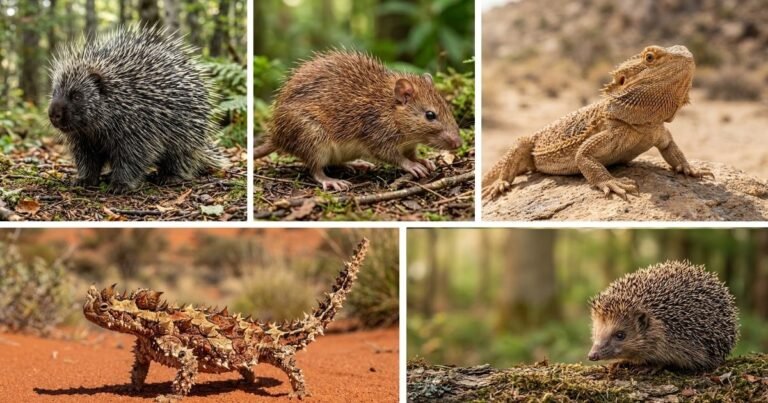
| Hedgehog | Nocturnal, curls into a ball for defense. |
| Red Panda | Tree climber, mainly eats bamboo and other plant material. |
| Giant Anteater | Feeds on ants and termites using its long tongue. |
| Pangolin | Covered in scales, curls into a ball for protection. |
| Aye-Aye | Nocturnal, uses elongated fingers to extract insects. |
| Maned Wolf | Has long legs, a distinctive vocalization, and an omnivorous diet. |
| Binturong | Arboreal, has a prehensile tail that helps it grasp branches. |
| Meerkat | Social, known for cooperative behavior and sentinel duty. |
| Fennec Fox | Nocturnal, has large ears that help regulate heat and detect sounds. |
| Aardvark | Nocturnal forager, eats ants and termites using its strong claws. |
| Giant Panda | Mostly solitary, primarily eats bamboo. |
| Axolotl | Aquatic salamander, known for its regeneration abilities. |
| Kangaroo | Has powerful hind legs for jumping and often lives in social groups called mobs. |
| Spoon-Billed Sandpiper | Migratory bird that relies on seasonal habitats for feeding. |
| Pudu | Tiny deer that often uses dense vegetation for cover. |
| Margay | Solitary, agile tree-dweller known for stealthy hunting. |
| Mouse Deer (Chevrotain) | Small, elusive animal that often hides from predators. |
| Harbor Seal | Often rests on rocks and sandy shores; may gather in groups. |
List Of The Top 34 Shy Animals In The World
Here is a shy animals list featuring 34 shy animals in the world, including timid mammals, elusive forest creatures, and gentle wildlife that often hide or avoid contact when they feel threatened.
Deer
| Aspect | Details |
|---|---|
| Scientific Name | Cervidae |
| Diet | Herbivorous |
| Habitat | Forests, Grasslands, Wetlands |
Deer exhibit an intricate blend of curiosity and caution when encountering unfamiliar people or sudden sounds. Their acute senses enable them to remain on high alert, using large ears to pick up subtle noises. When faced with potential threats, their first instinct is usually to freeze, allowing them to assess the situation.

If they perceive danger, especially from sudden movements, their flight response kicks in, prompting them to bound away swiftly into the safety of dense vegetation. Socially, deer often travel in herds, but their shyness varies by species some are more inclined to flee than others, demonstrating a spectrum of behavioral adaptations shaped by their environments.
An interesting fact about deer is their ability to communicate through a series of vocalizations and body language, a trait often overlooked in their timid reputation. These forms of communication play a vital role in maintaining group cohesion and alerting each other to potential predators.
Slow Loris
| Aspect | Details |
|---|---|
| Scientific Name | Nycticebus |
| Diet | Fruits, Insects, and Small Animals |
| Habitat | Tropical Forests |
The slow loris is a mesmerizing creature, renowned for its nocturnal lifestyle, where it thrives under the veil of night. Its movements are characteristically slow and deliberate, allowing it to navigate the forest canopy with remarkable stealth, an advantageous adaptation to avoid predators.

Solitary by nature, these primates exhibit a minimalist social behavior primarily concentrated around mating seasons, though they occasionally share space with others during foraging. Thriving in tropical forest habitats, slow lorises have developed specialized adaptations their unique venomous elbow secretion is a particularly fascinating trait.
When threatened, they can deliver a toxin through their bites, deterring would-be attackers. This distinctive method of defense enhances their shy demeanor; with camouflage in foliage and a cautious approach to their surroundings, slow lorises have mastered the art of evasion. Observing one in the wild feels like a rare privilege, highlighting the importance of preserving their delicate ecosystems.
Cheetah
| Attribute | Details |
|---|---|
| Scientific Name | Acinonyx jubatus |
| Diet | Carnivorous (Mainly Small to Medium-Sized Ungulates, Such as Gazelles) |
| Habitat | Open Savannas, Grasslands, and Arid Regions |
Cheetahs exhibit a remarkable blend of caution and agility, often opting to maneuver around potential threats rather than confront them directly. Their hunting strategy is characterized by stealth and speed; they can accelerate to 60 mph in mere seconds, but this explosive speed requires careful energy management.
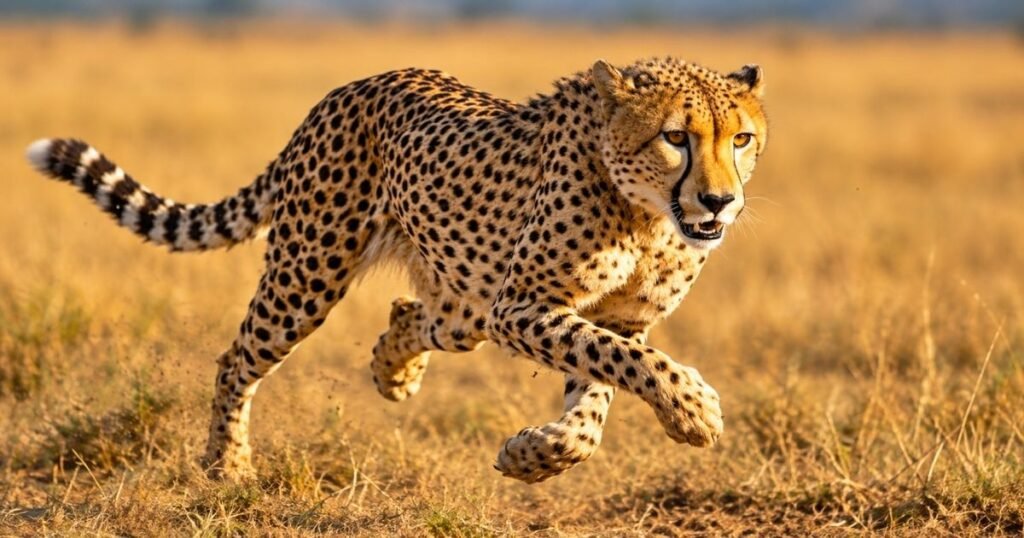
This cautious demeanor is not uniform; cheetahs can display boldness when hunting or protecting their young especially when a threat like lions or hyenas encroaches. While cheetahs are frequently labeled as shy due to their preference for solitary living or small family groups, their behavior can be context-dependent.
For example, male coalitions may exhibit remarkably bold behavior when claiming territory or competing for mates. An interesting fact about cheetahs is their unique adaptation of black ‘tear marks’ under their eyes, which help reduce glare from the sun a clever solution that aids both in stalking prey and in their often cautious endeavors in the wild.
Sloth
| Aspect | Details |
|---|---|
| Scientific Name | Bradypus spp. |
| Diet | Primarily Leaves, Flowers, and Fruit |
| Habitat | Tropical Rainforests |
The sloth embodies a unique existence, moving languidly among the treetops of tropical rainforests. Its deliberate pace is not merely a result of laziness; rather, it’s an evolutionary adaptation that conserves energy and aids in camouflage amidst lush foliage.

This slow lifestyle is pivotal in avoiding predators, and the sloth’s specialized diet of tough leaves further contributes to its tranquil life, as digesting such a sparse energy source requires a lethargic existence.
Although sloths might seem shy due to their elusive nature, this behavior is strategically beneficial. They often remain concealed for days, relying on stillness to evade detection rather than agility. When disturbed, they might even freeze in place, making them blend seamlessly with the canopy.
This fascinating paradox of slow movement versus shyness allows the sloth to thrive where speed and aggression would fail. As a captivating tidbit, sloths can hold their breath longer than dolphins, letting them stay submerged for up to 40 minutes, further showcasing their remarkable adaptations to both arboreal life and survival.
Fossa
| Aspect | Details |
|---|---|
| Scientific Name | Cryptoprocta ferox |
| Diet | Carnivore |
| Habitat | Forests of Madagascar |
The fossa, a fascinating carnivore endemic to Madagascar, thrives in the island’s lush forests where it navigates the trees with remarkable agility. Its diet predominantly consists of lemurs, birds, and small mammals, highlighting its role as a vital predator in the ecosystem.

While fossa engage in solitary hunting, their elusive nature amplifies the challenge of observing them in the wild. Skilled climbers, they blend seamlessly into the forest canopy, making them appear like shadows among the leaves.
Their shyness stems from a blend of caution and an instinctual reclusiveness that has evolved in response to environmental pressures. This behavior not only enhances their survival but also fascinates researchers seeking to understand their intricate lifestyle.
An intriguing fact about fossas is their unique vocalizations, which include a mix of growls, whistles, and screeches sounds that echo through the forest yet remain shrouded in mystery.
Platypus
| Aspect | Details |
|---|---|
| Scientific Name | Ornithorhynchus anatinus |
| Diet | Carnivorous, Primarily Feeding on Invertebrates, Crustaceans, and Small Fish |
| Habitat | Freshwater Habitats Such as Rivers, Streams, and Lakes |
The platypus, known for its peculiar blend of features, thrives in freshwater environments, spending days foraging for food underwater. Its feeding behavior is fascinating: equipped with a leathery bill, the platypus can detect the electrical signals emitted by its prey, allowing it to hunt effectively even with its eyes closed. It is also one of the best-known animals with webbed feet.
This unique adaptation transforms it into an adept nocturnal forager, often foraging while submerged and using its sensitive bill to navigate the murky waters. After a long day of hunting, this solitary creature prefers to seek solitude, resting in burrows far from disturbances.
Platypuses are inherently shy, leading lives largely distanced from human interaction. Their elusive nature is complemented by their ability to retract into their burrows at the slightest hint of danger.
The platypus bill is not just for show; it’s packed with electroreceptors that enable it to sense prey in total darkness underwater. This remarkable ability to “see” through electric fields sets it apart in the mammal kingdom, making its hunting strategy as captivating as the creature itself.
Saola
| Aspect | Details |
|---|---|
| Scientific Name | Pseudoryx nghetinhensis |
| Diet | Herbivorous |
| Habitat | Annamite Mountains, Vietnam and Laos |
The saola, often referred to as the “Asian unicorn,” is notoriously challenging to observe in the wild due to its incredibly elusive nature, which extends beyond mere shyness. This rarity doesn’t just stem from its limited population; the dense foliage of the Annamite Mountains provides a natural camouflage, making the saola adept at evasion.
The creature’s diet consists mainly of leaves, twigs, and other plant materials, feeding in a range that remains largely undiscovered due to their reclusive behavior and irregular movement patterns.
Unlike species that exhibit socially anxious traits, the saola’s reticence is rooted in its evolved survival mechanisms, allowing it to thrive in an environment filled with potential predators. Classified as critically endangered by the IUCN, the saola’s chances for recovery are slim, primarily due to habitat destruction and poaching.
Conservationists worldwide are now advocating for the protection of this enigmatic species, drawing attention to its plight that highlights the broader issue of biodiversity loss in Southeast Asia. It was only identified in 1992, marking its modern “discovery” as a reminder of the many hidden secrets still waiting to be uncovered in our world’s ecosystems. It is one of the most rare animals on the planet.
Snow Leopard
| Attribute | Details |
|---|---|
| Scientific Name | Panthera uncia |
| Diet | Primarily Ibex, Blue Sheep, and Small Mammals |
| Habitat | High-Altitude Mountain Ranges in Central and South Asia |
The snow leopard thrives in remote mountainous habitats, often cloaked in a cloak of thick fur and grayish-white coat that perfectly blends into rocky terrains. Its solitary nature allows it to roam vast distances in search of prey while minimizing unnecessary contact with humans.
With territories ranging from 20 to 100 square kilometers, it carefully selects hidden routes and remains elusive, often hunting at dawn or dusk when the landscape offers optimal camouflage. These majestic cats primarily prey on ibex and blue sheep, employing a fascinating hunting strategy that involves stealth and patience.
They may leap up to six times their body length to catch their prey, capitalizing on the element of surprise. An interesting fact about these elusive animals is their ability to communicate over long distances using a range of vocalizations, making them a lingering enigma in the wild. Their shyness is not merely a behavioral trait; it’s a survival strategy that fosters an existence away from human encroachment.
Koala
| Attribute | Details |
|---|---|
| Scientific Name | Phascolarctos cinereus |
| Diet | Eucalyptus Leaves |
| Habitat | Eucalyptus Forests in Australia |
The koala’s life among the treetops is a testament to its specialized adaptations. These gentle marsupials spend the majority of their day resting in the crooks of eucalyptus trees, nurturing their energy with languid quietness. Their arboreal lifestyle not only provides safety from ground predators but also a unique vantage point from which to observe their surroundings.
Despite their laid-back demeanor, koalas exhibit a cautious nature, exhibiting varying responses to human presence; while some may retreat and remain hidden, others may curiously approach, revealing their unique personalities.
Koalas are strictly herbivorous, relying almost exclusively on eucalyptus leaves, which are low in nutrition and high in fibrous content. This peculiar diet necessitates long rest periods up to 20 hours daily dedicated to digestion and energy conservation.
Their shy demeanor is often attributed to their solitary existence: they prefer minimal social interaction, marking and defending their territory with low vocalizations rather than assertive displays.
An interesting fact is that koalas communicate through a range of sounds, including grunts and bellows, especially during mating season, showcasing a more vibrant side of their typically tranquil lives.
Red Squirrel
| Attribute | Details |
|---|---|
| Common Name | Red Squirrel |
| Scientific Name | Sciurus vulgaris |
| Diet | Nuts, Seeds, Fungi, Berries |
| Habitat | Coniferous and Mixed Forests |
Red squirrels are known for their heightened alertness; their keen senses make them quick to detect potential threats. When disturbed, they often retreat to the higher branches of trees or even their nests, showcasing a behavior that prioritizes safety over confrontation.
This cautious demeanor illustrates their innate survival instincts, often making them seem elusive to those attempting to observe them. These agile creatures primarily dine on nuts, seeds, and fungi, and they play an essential role in their habitats by caching food for later use. Their nests, typically found in tree cavities or built from twigs and leaves, reflect their preference for secure, elevated locations.
An interesting fact about red squirrels is their role as seed dispersers; by burying and forgetting nuts, they inadvertently promote forest regeneration, demonstrating their vital contribution to woodland ecosystems. Despite their sometimes-unobserved nature, these small mammals exhibit fascinating interactions with their environment, underscoring the delicate balance of forest life.
Kiwi
| Aspect | Details |
|---|---|
| Scientific Name | Apteryx |
| Diet | Insects, Worms, Fruits |
| Habitat | New Zealand Forests and Grasslands |
The kiwi is a nocturnal bird that thrives in the dense underbrush of New Zealand’s forests and grasslands. Known for its shy demeanor, this flightless wonder relies heavily on concealment to evade predators. Its excellent sense of smell allows it to forage effectively at night, using its long beak to poke into the soil for insects and worms.
While most birds have acute eyesight, the kiwi has adapted to its dark environment by depending on its olfactory abilities, showcasing a striking difference in avian evolution. Kiwi birds are often regarded as the symbol of New Zealand, yet they maintain a low profile, venturing out under the cloak of darkness. Their secretive nature is not just a behavioral quirk; it’s a survival tactic honed through generations.
An intriguing fact about kiwis is their unusual adaptation of having a highly developed sense of smell, uncommon among birds, which allows them to locate food in the inky blackness of their habitat. Their reticence, paired with unique adaptations, makes them a fascinating subject for both scientists and nature enthusiasts alike.
Quokka
| Characteristic | Details |
|---|---|
| Scientific Name | Setonix brachyurus |
| Diet | Herbivorous (Primarily Grasses, Leaves, and Fruits) |
| Habitat | Coastal Scrub and Forest Areas of Australia |
Quokkas, often dubbed the “world’s happiest animal” due to their charming facial expressions, are actually more reserved than they appear. In their natural habitats, these small marsupials often exhibit a timid demeanor, preferring to stay close to cover among shrubs and dense underbrush.
When threatened by predators such as cats and foxes, they utilize their agility to escape and may freeze in place to avoid detection. This blend of caution and clever evasion strategies highlights their resilience in the wild.
Despite their endearing appearance, quokkas are predominantly shy creatures. They tend to avoid human interaction and can become stressed in the presence of crowds. An intriguing fact about quokkas is that they are excellent climbers, which they sometimes use to their advantage when foraging for food or avoiding threats.
This unique combination of behavior and adaptation further enriches the narrative of these fascinating animals, reminding us that not all creatures marked by a cheerful facade are as approachable as they seem.
Okapi
| Attribute | Details |
|---|---|
| Scientific Name | Okapia johnstoni |
| Diet | Herbivore |
| Habitat | Dense Tropical Forests |
The Okapi dwells predominantly in the dense rainforests of the Congo, where its elusive lifestyle makes it a hidden gem of the animal kingdom. With a physique designed for camouflage, featuring distinctive striped legs reminiscent of a zebra, the Okapi blends seamlessly into the filtered sunlight and shadows of its forest habitat. Its legs are a striking example of animals with stripes in the wild.
This covert adaptation not only helps it avoid predators but also allows it to thrive in its environment, foraging for leaves, fruits, and flowers amid the underbrush. Known for its shy demeanor, the Okapi is often elusive, relying on its keen senses to navigate its surroundings without attracting attention.
Socially solitary, these creatures communicate through low-frequency sounds that go unheard to the human ear, further emphasizing their secretive nature. An interesting fact is that the Okapi is the closest living relative to the giraffe, sharing a similar skeletal structure yet exhibiting a more compact form suited for its forest home.
Tarsier
| Attribute | Details |
|---|---|
| Scientific Name | Tarsius |
| Diet | Insects |
| Habitat | Tropical Forests of Southeast Asia |
The tarsier, a master of camouflage, thrives in the dense foliage of tropical forests, where its insect-based diet sustains its energy. Its nocturnal behavior stands out, with large, forward-facing eyes perfectly adapted for low-light environments, allowing it to survey the night for elusive prey.
These eyes, immobile within their sockets, ensure an acute sense of awareness, emphasizing the tarsier’s cautious, darting movements as it navigates through its habitat. This small primate, seldom exceeding the size of a adult fist, often evades detection. Its shyness is not just a trait but a survival strategy, as it prefers the safety of shadows and the comfort of heights to avoid predators.
Fascinatingly, tarsiers communicate with one another through intricate vocalizations, echoing the rich tapestry of their nocturnal realm. An interesting fact is that, despite their small stature, they are capable of rotating their heads 180 degrees, enhancing their ability to spy on nocturnal activity.
Dik-Dik
| Attribute | Details |
|---|---|
| Scientific Name | Madoqua |
| Diet | Herbivore |
| Habitat | Savannas, Woodlands, and Bushlands in East Africa |
The dik-dik, a diminutive antelope standing only about 16-30 inches tall, is renowned for its keen alertness and rapid escape strategies. With a coat that camouflages seamlessly into its natural environment, these little creatures prefer to hide or swiftly flee when faced with danger, leveraging their small size to evade predators.
Their home thrives in the open savannas and bushlands of East Africa, where they can graze on a diet composed mainly of leaves, shoots, and fruits, allowing them to thrive in a variety of dry and wooded settings.
Known for their shy disposition, dik-diks often avoid confrontation, using their exceptional hearing and eyesight to pick up on threats. Interestingly, they communicate through a series of low, whistling sounds and a unique form of territorial marking using secretions from glands on their faces and hooves.
This behavior not only establishes boundaries but also conveys vital information to other dik-diks about their presence. Observing these timid creatures can be a mesmerizing experience, revealing their intricate social dynamics while underscoring their vulnerability in the wild.
Hedgehog
| Category | Details |
|---|---|
| Scientific Name | Erinaceus europaeus |
| Diet | Insects, Worms, Fruits |
| Habitat | Forests, Hedgerows, Gardens |
When threatened, hedgehogs instinctively curl into a spiky ball, a remarkable defense mechanism that protects their vulnerable underbellies from predators. This behavior, while often perceived as a sign of shyness, actually showcases a strategic response to danger rather than an inherent timidness. If you like prickly creatures, see our list of spiky animals.
In fact, hedgehogs are mostly nocturnal creatures, spending their evenings foraging for insects, worms, and the occasional berry, showcasing their adaptability in varied environments such as woods, gardens, and shrublands.
Despite their prickly appearance, these fascinating animals exhibit playful and natural curiosity when unhindered. Their shy reputation stems from their penchant for curling up when approached too quickly, but this is merely a protective instinct honed over time.
An interesting fact reveals that hedgehogs can travel several kilometers during their nightly escapades, driven by an insatiable quest for food, highlighting their active and resourceful nature even while maintaining a façade of shyness.
Kakapo
| Attribute | Details |
|---|---|
| Scientific Name | Strigops habroptilus |
| Diet | Herbivore; Primarily Fruits, Seeds, and Flowers |
| Habitat | Forests and Shrublands of New Zealand |
The Kakapo, a nocturnal parrot, thrives in the shadows of New Zealand’s lush forests, where it forages on the ground for its herbaceous diet. This intriguing bird, unable to fly with its short wings, possesses a unique charm; it hops and climbs between branches, displaying a clumsy grace.
With a distribution limited to a few predator-free islands, the Kakapo’s recovery remains a priority, as it teeters on the brink of extinction. Conservation efforts have seen populations rise from just 50 to over 200, fueled by breeding programs and habitat restoration.
Considered shy due to their elusive nature, Kakapos mostly avoid human interaction, making them a rare sight. Their “booming” courtship calls resonate through the night, highlighting their romantic yet shy demeanor. These social birds form close bonds within their groups, showcasing a range of behaviors that hint at a complex yet gentle social structure. The Kakapo embodies resilience, reminding us that even the sky’s absence can lead to thriving life on the ground.
Red Panda
| Attribute | Details |
|---|---|
| Scientific Name | Ailurus fulgens |
| Diet | Bamboo, Fruits, Small Animals |
| Habitat | Himalayan and Asian Forests |
The red panda, with its striking reddish-brown fur and distinctive face markings, showcases remarkable tree-climbing abilities, adapted for life among the branches of pine, birch, and rhododendron trees. As it deftly navigates its forest environment, its cautious behavior comes into play; the red panda relies on cover from foliage, often seeking refuge and safety among the thick canopy.
This high-altitude climber belongs to the lush forests of the Himalayas and other Asian habitats, where it primarily feeds on bamboo, supplementing its diet with fruits and small animals. What’s fascinating is the red panda’s daily routine, which involves being primarily crepuscular, active during the twilight hours of dawn and dusk.
As a naturally shy creature, it tends to avoid human interaction and remains hidden in its surroundings, further enhancing its elusive charm. An interesting fact about the red panda is its ability to rotate its wrist to aid in climbing, allowing it to descend headfirst from trees with ease, showcasing an adaptation that underscores its arboreal lifestyle.
Giant Anteater
| Attribute | Details |
|---|---|
| Scientific Name | Myrmecophaga tridactyla |
| Diet | Ants and Termites |
| Habitat | Grasslands, Savannas, Forests |
The Giant Anteater is a solitary creature, often roaming alone in search of food. With a long snout perfectly adapted to probe into ant mounds and termite hills, it can consume thousands of insects in a single day. Its preference for open grasslands and forest edges provides a spacious environment to forage while keeping an eye on potential threats.
Shy by nature, these anteaters tend to shy away from confrontation, relying instead on their keen senses to detect danger and retreat into dense underbrush where they feel safer. When challenged, the Giant Anteater has formidable defense mechanisms. Its powerful claws, primarily used for digging, can inflict painful slashes if necessary, a last resort for a creature that generally avoids conflict.
This dual nature of being gently inquisitive yet capable of fierce defense highlights the complexity of its behavior. Interestingly, their shy demeanor is not merely a survival tactic; it allows them to thrive in diverse environments while keeping stress levels low. This unique mix of traits not only showcases the anteater’s adaptability but also enhances its mystique in the animal kingdom.
Pangolin
| Attribute | Details |
|---|---|
| Scientific Name | Manis spp. |
| Diet | Ants, Termites |
| Habitat | Forests, Grasslands, Savannas |
Pangolins, known for their unique keratin scales, exhibit a fascinating blend of nocturnal and secretive habits. Depending on the species, they may be arboreal or terrestrial, often foraging alone at night, using their keen sense of smell to locate their favorite delicacies ants and termites.
When threatened, these shy creatures can curl into a tight ball, using their tough scales as armor, effectively shielding their vulnerable underbelly. Unfortunately, the pangolin faces severe threats from illegal wildlife trade, which has made it the most trafficked mammal globally. Conservation efforts are critical to safeguard these enchanting animals, as habitat loss and poaching continue to jeopardize their survival.
With an air of mystery and elegance, pangolins remain elusive, making them one of nature’s most captivating yet vulnerable species. Interestingly, some cultures even believe their scales possess medicinal properties, further complicating conservation efforts.
Aye-Aye
| Feature | Details |
|---|---|
| Scientific Name | Daubentonia madagascariensis |
| Diet | Insects, Fruit, and Nectar |
| Habitat | Rainforests of Madagascar |
The aye-aye exemplifies the wonders of nocturnal adaptation, thriving in the lush rainforests of Madagascar. This elusive primate utilizes its uniquely elongated middle finger as a specialized tool for foraging, tapping on tree bark to locate hidden grubs and insects.
Upon detecting vibrations, it deftly extracts the morsels, showcasing an extraordinary evolutionary innovation that highlights the fine balance between form and function in nature. Observed primarily at night, the aye-aye’s secretive habits render it a challenge to study, invoking an air of mystery around this intriguing creature.
Its naturally shy demeanor, coupled with the sparse population, means enthusiasts often miss glimpses of this remarkable primate in its native habitat. A fascinating tidbit: the aye-aye has been considered an omen of death in local folklore, leading to its further retreat from human observation. Understanding its intricate lifestyle offers a remarkable perspective on conservation and the importance of preserving Madagascar’s unique biodiversity.
Maned Wolf
| Attribute | Details |
|---|---|
| Scientific Name | Chrysocyon brachyurus |
| Diet | Omnivorous (Fruits, Small Mammals, and Insects) |
| Habitat | South American Grasslands and Scrub |
The Maned Wolf stands out with its long legs and slender body, adaptations suited for the tall grasslands of South America. Generally solitary, these wolves navigate their territory in search of prey, often moving alone or in small groups.
Their nocturnal activity patterns allow them to avoid predators while hunting opportunistically on a varied diet that includes small mammals and fruits, like the sweet-smelling lobeira. The way they roam their habitats speaks to their elusive nature, as they tend to be shy and avoid direct interactions with other creatures.
An intriguing aspect of the Maned Wolf’s behavior is its distinctive scent-marking routine. They use their unique odor to establish territory and communicate with potential mates, often leaving behind a strong musk that lingers in the air a natural signature that reflects their presence in the ecosystem.
This shyness contributes to their enigmatic allure; while they possess formidable height and strength, they often retreat from confrontations, embodying a blend of grace and avoidance that captivates wildlife enthusiasts.
Binturong
| Characteristic | Details |
|---|---|
| Scientific Name | Arctictis binturong |
| Diet | Omnivorous (Fruits, Leaves, and Small Animals) |
| Habitat | Southeast Asian Tropical Forests |
The binturong, often shrouded in mystery due to its elusive nature, primarily leads an arboreal lifestyle, navigating the treetops with remarkable agility. Its cautious behavior is a testament to its survival instincts, as it often takes its time to assess surroundings before making a move.
Found in the biodiverse forests of Southeast Asia, this creature thrives in a habitat rich in fruits and leaves its varied diet includes ripe figs, which are particularly crucial to its nutritional needs. The most fascinating aspects of the binturong is its prehensile tail, which acts almost like a fifth limb, allowing it to grip branches securely. The binturong exudes a scent reminiscent of buttered popcorn, a unique characteristic that intrigues both researchers and nature enthusiasts alike.
Despite its size and strength, the binturong is often considered shy, preferring the solitude of the forest canopy over confrontation. Their reticent nature, coupled with a rich, olfactory signature, provides a captivating glimpse into the life of this shy forest dweller.
Meerkat
| Category | Details |
|---|---|
| Scientific Name | Suricata suricatta |
| Diet | Insects, Small Reptiles, and Plants |
| Habitat | Arid, Dry Grasslands, and Savannas |
Meerkats thrive in highly social groups called mobs, often consisting of up to 50 individuals. Within these tight-knit communities, they exhibit fascinating behavior, particularly through the use of sentinels designated watch members who stand tall on hind legs, scanning the surroundings for potential threats.
This cooperation not only enhances their protection but also strengthens their bonds as they communicate alarm calls to alert the rest of the group. While meerkats may initially appear shy, this characterization oversimplifies their complex behavior. In their social structure, they are anything but timid; they engage in playful activities and demonstrate remarkable intelligence.
Their intricate burrow systems further illustrate their adaptability to dry habitats, providing shelter from harsh sun and predators. An intriguing fact about meerkats is their cooperative breeding; they often help care for each other’s young, showcasing a social dynamic that fuels their survival in the wild.
Fennec Fox
| Attribute | Details |
|---|---|
| Scientific Name | Vulpes zerda |
| Diet | Insects, Small Mammals, and Fruits |
| Habitat | Sandy Deserts Across North Africa |
The Fennec Fox, with its remarkably large ears, has evolved to thrive in the harsh deserts of North Africa. These ears, measuring up to 6 inches long, not only dissipate heat but also give them acute hearing, essential for hunting nocturnal prey.
During the sweltering heat of the day, the Fennec Fox retreats into its burrows these elaborate underground networks provide refuge from temperatures exceeding 100°F (38°C) and shield against potential predators. Like many other burrowing animals, it relies on underground shelter to survive the desert.
Though these foxes are often seen as shy and elusive, their behavior reveals a fascinating adaptability. They primarily forage at night, using their keen senses to navigate the dark and hunt insects, small mammals, and even fruits.
An interesting fact about the Fennec Fox is that they can go long periods without water, absorbing moisture from their food instead. This unique trait, combined with their diurnal lifestyle, makes them one of nature’s exemplary desert survivors.
Aardvark
| Category | Details |
|---|---|
| Scientific Name | Orycteropus afer |
| Diet | Ants and Termites |
| Habitat | Savannas and Grasslands |
The aardvark, known for its nocturnal and burrowing lifestyle, is a master of its underground realm. Active during the night, this unique creature uses its powerful claws to skillfully excavate vast networks of burrows in search of its primary diet: ants and termites.
Their burrowing habits not only provide safety from predators but also create a cool refuge during the day, explaining why they are rarely seen in sunlight. Aardvarks are often shrouded in mystery due to their elusive nature and are considered shy animals, preferring to avoid encounters with both predators and humans.
Intriguingly, aardvarks possess a keen sense of smell, which they utilize to detect ant and termite mounds from considerable distances. This remarkable adaptation allows them to thrive under the cover of night, minimizing their exposure to threats.
An interesting fact about aardvarks is their role in their ecosystem; by digging burrows, they aerate the soil and create habitats for other creatures, thus contributing to biodiversity. In the end, these extraordinary animals are more than just hidden nocturnal foragers; they are vital players in their habitats, embodying the delicate balance of life underground.
Giant Panda
| Characteristic | Details |
|---|---|
| Scientific Name | Ailuropoda melanoleuca |
| Diet | Primarily Bamboo |
| Habitat | Temperate Forests of China |
Giant pandas lead a quiet, mostly solitary lifestyle, emerging from their shaded bamboo thickets primarily during breeding seasons or when raising cubs. This perceived solitude doesn’t imply timidity; instead, it highlights their strategic approach to survival in a world where food sources are limited.
Bamboo, making up 99% of their diet, necessitates a unique set of adaptations, including strong jaw muscles and a specialized digestive system to process its fibrous nature. While pandas often appear passive as they munch on bamboo, their climbing ability reveals a different side. Known for scaling trees with agility, they can swiftly navigate mountainous terrains to forage or escape potential threats.
Although they might seem shy, such displays of confidence affirm that their quiet demeanor is a refined strategy rather than a reluctance to engage with their surroundings. Interestingly, pandas communicate through vocalizations and scent markings, adding depth to their social interactions.
Axolotl
| Component | Details |
|---|---|
| Scientific Name | Ambystoma mexicanum |
| Diet | Carnivorous |
| Habitat | Freshwater, Often Near Vegetation |
The Axolotl thrives in freshwater ecosystems, particularly in lakes and canals abundant with aquatic vegetation and submerged structures. These remarkable ambystomids exhibit a preference for hiding among plants, rocks, and other underwater features.
This behavior not only provides shelter from potential predators but also mimics their natural habitat in the wild. Notably, the Axolotl’s carnivorous diet consists mainly of worms, small fish, and crustaceans, showcasing its essential role in the aquatic food web.
As these creatures grow, their tendency to hide varies based on age, environmental factors, and overall conditions. Younger Axolotls often display bolder behaviors, while adults can be notably shy, frequently retreating into seclusion when confronted. This shyness stems from their evolutionary adaptations, which promote survival through camouflage and avoidance of larger predatory threats.
An intriguing fact about Axolotls is their extraordinary regenerative abilities; they can regrow lost limbs and even portions of their heart and brain, making them a subject of fascination for scientists looking to unlock the mysteries of regeneration.
Kangaroo
| Category | Details |
|---|---|
| Scientific Name | Macropus spp. |
| Diet | Herbivorous (Grasses and Leaves) |
| Habitat | Open Grasslands, Forests, and Scrublands |
Kangaroos exhibit a unique blend of cautious behavior and alert posture, which serves as their primary defense against predators. Their keen sense of hearing and eyesight enables them to detect threats quickly, causing them to freeze or quickly hop away to safety.
While often characterized as shy creatures, this perception overlooks their social nature; kangaroos often form groups, or mobs, allowing them to communicate and protect each other. Social interactions among kangaroos display a fascinating hierarchy, showcasing playful behaviors and grooming rituals that confirm their complex social dynamics.
Despite their reputation for shyness, many kangaroo species thrive in communal settings, fostering bonds that promote safety and social cohesion. They often interact with both the environment and their peers in engaging ways, helping redefine what it means to be a “shy” animal.
An interesting fact about kangaroos is that the leaps they take can reach speeds of up to 40 miles per hour, a testament to their powerful hind legs. These remarkable adaptations not only aid in evasion but also highlight the intricate balance between caution and community in their lives. To learn more about their power, read how strong are kangaroos.
Spoon-Billed Sandpiper
| Attribute | Details |
|---|---|
| Scientific Name | Calidris pygmaea |
| Diet | Invertebrates, Insects, and Mollusks |
| Habitat | Coastal Wetlands and Mudflats |
The Spoon-Billed Sandpiper is a diminutive shorebird, measuring only about 6 to 7 inches in length, which makes it one of the smallest wading birds. Its coastal wetland habitats are rich in biodiversity, where it thrives in environments such as intertidal zones and mudflats, essential for its unique feeding behavior.
The bird employs its distinctive spoon-shaped bill to probe mudflats, skillfully extracting tiny invertebrates, insects, and mollusks hidden beneath the surface. In an impressive migration journey spanning thousands of miles, these birds travel between their breeding grounds in the Russian Far East and wintering habitats in Southeast Asia, facing numerous threats along the way.
Spoon-Billed Sandpipers are classified as critically endangered, with current estimates suggesting fewer than 150 breeding pairs remain, according to the IUCN Red List. Their inherent shyness and elusive nature play a role in their survival strategy, making them less detectable in the wild. An interesting fact about these remarkable birds is their intricate courtship displays, which involve elaborate aerial maneuvers that can captivate observers.
Pudu
| Attribute | Details |
|---|---|
| Scientific Name | Pudu puda |
| Diet | Herbivorous |
| Habitat | South American Forests |
The Pudu, the world’s smallest deer, is a master of concealment in its dense forest habitat. Often found in the temperate rainforests of South America, this tiny creature relies heavily on thick vegetation for safety. Its cautious nature drives it to move stealthily, primarily at dusk and dawn, when it forages for leaves, fruits, and ferns.
This timid demeanor, combined with its petite stature standing no taller than a housecat makes it one of the most elusive animals in its ecosystem. An interesting fact about the Pudu is that its diminutive size allows it to navigate the underbrush with remarkable agility, enabling it to escape potential predators swiftly.
This shyness is not just instinctual; it’s a survival strategy, ensuring that it remains hidden from larger animals. Observing a Pudu quietly munching on foliage is a rare, enchanting experience that underscores the delicate balance of life in these biodiverse forests.
Margay
| Characteristic | Details |
|---|---|
| Scientific Name | Leopardus wiedii |
| Diet | Carnivorous (Small Mammals, Birds, and Reptiles) |
| Habitat | Central and South American Forests |
The Margay, a mesmerizing wild cat, exhibits remarkable nocturnal and arboreal (tree-climbing) behaviors that are crucial for its survival. Active primarily during the night, this feline uses the cover of darkness to stalk its prey among the dense foliage of Central and South American forests.
Its agile body and sharp claws allow it to navigate the canopy with grace, making it an adept hunter of small mammals and birds, often taking advantage of its strikingly spotted coat that provides effective camouflage against dappled sunlight filtering through leaves.
This elusive creature is often deemed shy, preferring solitude and low visibility as it navigates its forest domain. Its habit of avoiding human interaction adds an air of mystery, making sightings rare and precious.
The Margay is known for its ability to mimic the calls of its prey, showcasing its intelligence and adaptability as a hunter. By understanding how this mesmerizing feline utilizes its physical attributes and behavioral traits, conservation efforts can be better directed to protect its diminishing habitat.
Mouse Deer (Chevrotain)
| Attribute | Details |
|---|---|
| Scientific Name | Tragulus spp. |
| Diet | Herbivorous |
| Habitat | Tropical Forests |
The mouse deer, or chevrotain, is a fascinating creature that defies its name. Distinct from both mice and conventional deer, these small mammals typically measure about a foot in height. Their compact size lends them a unique advantage in evading predators; their cautious, almost stealthy movements allow them to blend seamlessly into dense vegetation.
In the lush undergrowth of tropical forests, they rely on the thick foliage for protection, making them elusive and hard to spot. Their diet mainly consists of fruits, leaves, and seeds, but the specifics can vary significantly depending on the species and the flora available in their habitat. Mouse deer are notoriously shy, often utilizing their nimbleness to dart away at the slightest hint of danger.
An intriguing aspect of their behavior is their habit of leaving no trace; they often stick to well-established paths, reducing the likelihood of being detected. Their quiet, solitary nature allows them to navigate their world with both grace and discretion, embodying the essence of living on the edge of visibility.
Harbor Seal
| Attribute | Details |
|---|---|
| Scientific Name | Phoca vitulina |
| Diet | Fish, Mollusks, and Crustaceans |
| Habitat | Coastal Regions and Estuaries |
Harbor seals display a fascinating behavior: when disturbed on land, they swiftly retreat into the water, a vital instinct for survival. Their coastal habitats provide not only shelter but also an abundant source of fish an integral part of their diet.
Adapted for life both in water and on land, harbor seals possess streamlined bodies and flippers that enhance their swimming prowess, enabling them to glide effortlessly in pursuit of prey. Resting seals are best admired from a distance, as approaching can lead to stress and disrupt their natural behaviors.
Known for their shy demeanor, harbor seals often shy away from human contact, reinforcing the importance of observing these creatures without intrusion. Interestingly, sea lions and harbor seals can often be mistaken for one another; however, seals are typically quieter and prefer solitude. Understanding their habits enriches our appreciation for marine life and highlights the need for conservation in coastal ecosystems.
Shy Animals By Habitat
Shy animals live in different habitats, including dense forests, grasslands, deserts, wetlands, and oceans, where they find shelter and protection. Their habitats help them hide from predators, avoid disturbances, and survive in their natural environment.
Forest Shy Animals: In the lush canopies of the forest, shy creatures like the Red Panda and Okapi navigate their verdant world with an air of mystery. Dense vegetation and tree cover not only provide shelter but also serve as a stage for their stealthy behaviors. For instance, the nocturnal habits of the Slow Loris allow it to blend seamlessly into the shadows, using its slow movements and camouflage to evade predators.
Mountain Shy Animals: High in the rugged terrains, the elusive Snow Leopard roams the steep slopes, its spotted coat providing perfect camouflage against the rocky backdrop. With adaptations like large nasal cavities for cold air intake and thick fur for warmth, these majestic creatures navigate a challenging landscape. Similarly, the diminutive Pudu, the world’s smallest deer, relies on its swift movements and dense foliage to stay hidden from predators, often spotted only by the most patient observers.
Desert Shy Animals: In the harsh expanse of the desert, the Fennec Fox demonstrates remarkable adaptation, utilizing its massive ears to dissipate heat while burrowing beneath the surface during the blistering day. Similarly, the Aardvark employs extensive burrowing habits to create shelter, preserving moisture and escaping the intense sun. The agile Dik-Dik, with its remarkable ability to seek shade and blend into its surroundings, showcases the art of survival in such a challenging habitat.
Wetland And River Shy Animals: In the tranquil embrace of wetlands and rivers, animals like the Platypus navigate both water and land with extraordinary grace. Their semi-aquatic lifestyle allows them to forage for food underwater while utilizing burrows for shelter on land. The Harbor Seal relies on coastal habitats, using their agile movements to evade larger predators while engaging in social behaviors that enhance their survival.
Ocean Shy Animals: While the majority of shy animals reside on land or in freshwater, the ocean offers a separate realm of intrigue, with unique inhabitants like the octopus exhibiting remarkable evasive behaviors. Known for their extraordinary ability to change color and texture, they can blend seamlessly into their surroundings, evading the watchful eyes of predators.
Animals That Are Shy But Friendly
Shy behavior in animals often creates a fascinating dichotomy; it doesn’t automatically imply a friendly disposition towards humans. Many animals exhibit timidness as a protective mechanism, unsure of their environment or the people within it.
Take, for example, some domesticated cats and dogs, where individual temperaments can vary significantly. A shy cat might prefer to retreat to a cozy corner rather than engage with visitors, while a shy dog could be hesitant yet curious, inching closer when feeling more secure.
Understanding the nuances of animal behavior is crucial. Being calm suggests a relaxed demeanor without fear, whereas fearful animals may react with stress at the slightest provocation. Cautious animals may approach slowly, eyes wide and ready to bolt, while those that are comfortable in human presence may exhibit playful curiosity.
This doesn’t give us the green light to invade the personal space of wildlife. Even animals that appear shy yet gentle deserve respect for their boundaries; approaching or touching them can lead to stress or harm for both parties. Always admire these elusive creatures from a distance, appreciating their beauty without imposing upon their natural habits.
Why Do Shy Animals Avoid Humans?
Shy animals often shy away from humans due to an innate fear of unfamiliar sounds, movements, and the sheer presence of people. Many species rely on acute instincts to navigate their environments, and any disruption whether it’s a rustling leaf or an unexpected movement can trigger an immediate flight response.
Such natural predator-avoidance mechanisms are critical for survival, allowing these creatures to evade potential threats in the wild. Human disturbance and habitat loss further compound these fears. As urban areas expand into wildlife territories, many shy species find their spaces invaded, leading to increased anxiety and altered behaviors.
While some animals demonstrate a remarkable ability to habituate gradually becoming accustomed to human presence this can be a double-edged sword. Habituated animals may face greater risks, mistaking humans for benign entities, which could lead to dangerous encounters or more significant threats to their survival.
For those who wish to observe wildlife, it’s essential to maintain a respectful distance. This not only ensures the safety of both the observer and the animal but also protects the delicate balance of ecosystems. By fostering quiet curiosity and patience, we can appreciate the intricate lives of shy creatures without imposing on their natural behaviors, allowing us to witness the beauty of wildlife in its purest form.
Conclusion
Our exploration of the 34 shy animals in the world illuminates the quiet yet profound beauty of wildlife. These animals, often overlooked, play critical roles in their respective habitats, reminding us of the importance of every species in maintaining ecological balance.
By diving into their unique behaviors and the environments they cherish, we can cultivate greater empathy for their plight and the challenges they face. Armed with knowledge from this article, you can inspire others to appreciate and protect these magnificent yet timid creatures.
FAQs
Are There Animals That Are Shy But Friendly?
Yes, many animals, such as rabbits and deer, can exhibit shy yet friendly behaviors, often warming up to humans or other animals when given patience and space.
What Are the Animals That Are Quiet And Shy?
Animals that are quiet and shy include the elusive snow leopard, the gentle deer, and the reclusive red panda, all of which tend to avoid human interaction and thrive in their natural, secluded habitats.
What Are Shy Quiet Animals?
Quiet shy animals are deer, rabbits, and certain species of birds, these animals tend to avoid human interaction and thrive in calm, undisturbed environments, showcasing their natural instincts to flee from potential threats.
What Animal Is Shy And Quiet?
The leaf-cutter ant is both shy and quiet, often remaining hidden in their underground colonies while diligently working to transport leaves for their fungus-based diet.
What Are Some Shy Animals?
Some shy animals include the elusive snow leopard, the reclusive pangolin, and the timid hedgehog, all of which tend to avoid human interaction and prefer concealed habitats.
What Are Some Cute Shy Animals?
Some cute shy animals include the red panda, known for its playful demeanor, and the quokka, often called the “world’s happiest animal” due to its friendly appearance and gentle nature. The slow loris, with its large eyes and soft fur, captures hearts despite its elusive behavior.
What Are The Most Shy Animals In The World?
The most shy animals in the world include the elusive narwhal, the reclusive pangolin, and the timid red panda, all known for their secretive behaviors and preference for staying hidden from predators and humans.