15 Spiky Animals With Spikes, Quills, Spines & Scales
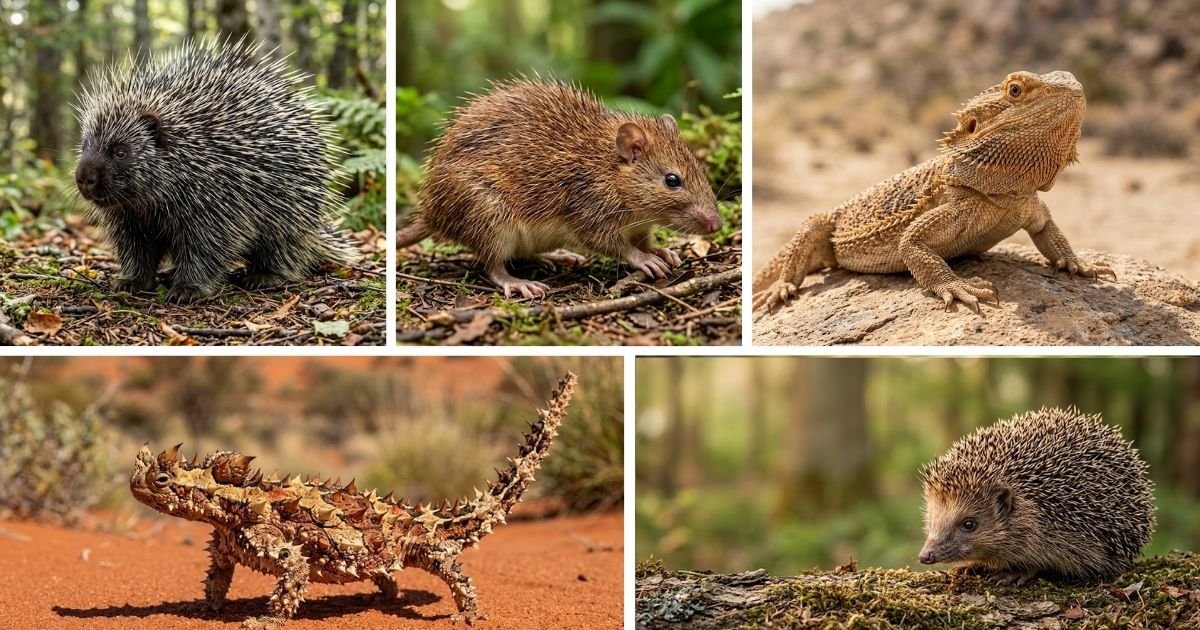
Imagine stepping outside into a world where danger lurks at every corner and the only armor you have is a set of sharp spikes. Spiky animals have evolved incredible forms of protection, ranging from quills and spines to scales and thorns, each designed to keep them safe from threats.
Not every spiky animal boasts the classic quill, yet all share the common trait of utilizing their formidable structures for defense. This blog post will delve into 15 of these spine-tingling creatures, exploring their unique adaptations and examining how they thrive in their environments.
What Are Spiky Animals?
Spiky animals are fascinating creatures characterized by prominent features such as spikes, spines, or quills that serve various functions in their ecology. In essence, these animals with spikes often exhibit rough, sharp protrusions that are not just for show; they can deter predators, aid in camouflage, or even assist in feeding.
The sensation of touch is what differentiates these features quills are often flexible, spines are usually rigid, and spikes boast a more formidable structure, while scales provide a protective outer layer without being classified as “spiky” in the traditional sense.
The purpose of these defense mechanisms varies among species. For example, animals with spines, like hedgehogs, curl into a ball to present their sharp defenses, while the vibrant colors of certain spiky fish can confuse predators and serve as camouflage.
It’s important to note that referring to these creatures as “pointy animals” lacks scientific precision; such an informal description overlooks the complexities of their adaptations. Ultimately, understanding the multifaceted roles of spikes, spines, and quills enriches our appreciation of nature’s innovative survival strategies.
Quick Table Of Spiky Animals
| Animal | Type of Spikes | Where It Lives | Main Purpose |
| Porcupine | Sharp quills | Americas | Defense against predators |
| Hedgehog | Short spines | Europe, Asia, Africa | Self-defense |
| Echidna | Rigid spines | Australia, New Guinea | Protection and camouflage |
| Tenrec | Soft spines | Madagascar | Defense and temperature regulation |
| Thorny Devil Lizard | Horny spikes | Australia | Deterrence and water absorption |
| Bearded Dragon | Spiky beard | Australia | Display and self-defense |
| Black Spiny-Tailed Iguana | Sharp scales | Central America | Territorial defense |
| Sea Urchin | Hard spines | Oceans worldwide | Protection from predators |
| Crown-of-Thorns Starfish | Spiny arms | Coral reefs | Defense and predation |
| Lionfish | Venomous spines | Indo-Pacific region | Defense and predation |
| Porcupinefish | Inflatable spines | Tropical oceans | Deterrence through inflation |
| Spiny Rats | Sharp spines | South America | Defense against predators |
| African Brush-Tailed Porcupine | Long quills | Africa | Self-defense through quills |
| Indian Crested Porcupine | Long quills | South Asia | Defense against threats |
| Greater Hedgehog Tenrec | Soft spines | Madagascar | Temperature regulation |
Animals with quills or spines have evolved these unique adaptations primarily for defense, but they also serve other practical purposes like camouflage and temperature regulation. For instance, the thorny devil lizard not only boasts formidable spikes but also collects moisture from rain, showcasing nature’s efficiency in using these features.
Exploring these animals with spikes can unveil nature’s ingenuity. The sea urchin, covered in hard spines, emphasizes its effective self-defense mechanism, while the crown-of-thorns starfish illustrates how spines play a critical role in marine ecosystems.
These adaptations are not merely for show; they are essential for survival in the wild, proving that sharp spines can mean the difference between life and death in the animal kingdom.
What Animals Have Quills, Spines And Spikes?
Animals with quills and spikes have evolved these unique adaptations primarily for defense against predators. While many people might default to thinking of just the porcupine, a fascinating range of creatures from various habitats boast these protective features.
Whether it’s the rugged terrain of Australia or the dense forests of Africa, animals with spikes on their back and quills come in all shapes and sizes, each with distinct survival strategies that capture the imagination.
| # | Animal |
|---|---|
| 1 | Porcupine |
| 2 | Hedgehog |
| 3 | Echidna |
| 4 | Tenrec |
| 5 | Thorny Devil Lizard |
| 6 | Bearded Dragon |
| 7 | Black Spiny-Tailed Iguana |
| 8 | Sea Urchin |
| 9 | Crown-of-Thorns Starfish |
| 10 | Lionfish |
| 11 | Porcupinefish |
| 12 | Spiny Rats |
| 13 | African Brush-Tailed Porcupine |
| 14 | Indian Crested Porcupine |
| 15 | Greater Hedgehog Tenrec |
Porcupine
| Attribute | Details |
|---|---|
| Scientific Name | Erethizon dorsatum |
| Class | Mammalia |
| Habitat | Forests, grasslands, and deserts |
The porcupine, a fascinating member of the rodent family, is known for its remarkable quills, a prime defense mechanism against predators. These quills, made of keratin, are not only sharp but also barbed, increasing the likelihood of sticking to any would-be attacker.
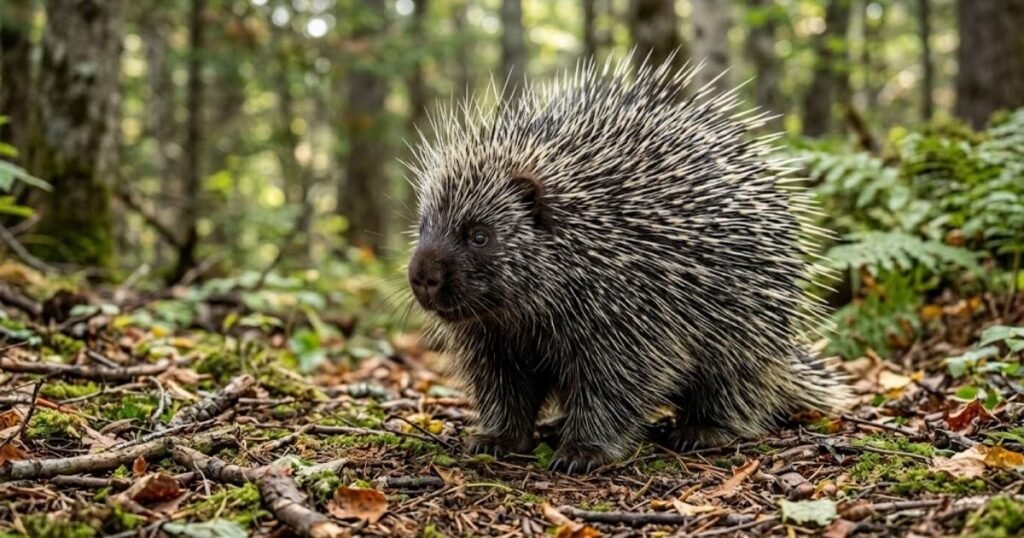
Contrary to popular belief, porcupines do not shoot their quills; rather, these resilient spikes detach easily when contact occurs, ensuring the animal’s safety without the need for projectile action. In terms of size, they can reach up to 36 inches long, making them one of the larger animals with spikes on their back.
Living primarily in North America, porcupines thrive in a range of habitats from lush forests to arid deserts. Their diet predominantly consists of leaves, fruits, and tree bark, showcasing their adaptability to varied environments. One interesting fact about porcupines is their strong sense of smell, which guides them to food sources, especially during the cold winter months.
This unique combination of defensive adaptations and dietary choices underscores the porcupine’s resilience in a world where quick reflexes can mean the difference between life and death.
Hedgehog
| Characteristic | Details |
|---|---|
| Scientific Name | Erinaceus europaeus |
| Class | Mammalia |
| Habitat | Woodlands, rural gardens, and hedgerows |
The hedgehog, a fascinating member of the spiny animal kingdom, possesses a unique array of spines that differ greatly from the quills of a porcupine. While porcupine quills are barbed and can detach to lodge in predators, hedgehog spines are simply modified hairs that remain firmly attached.
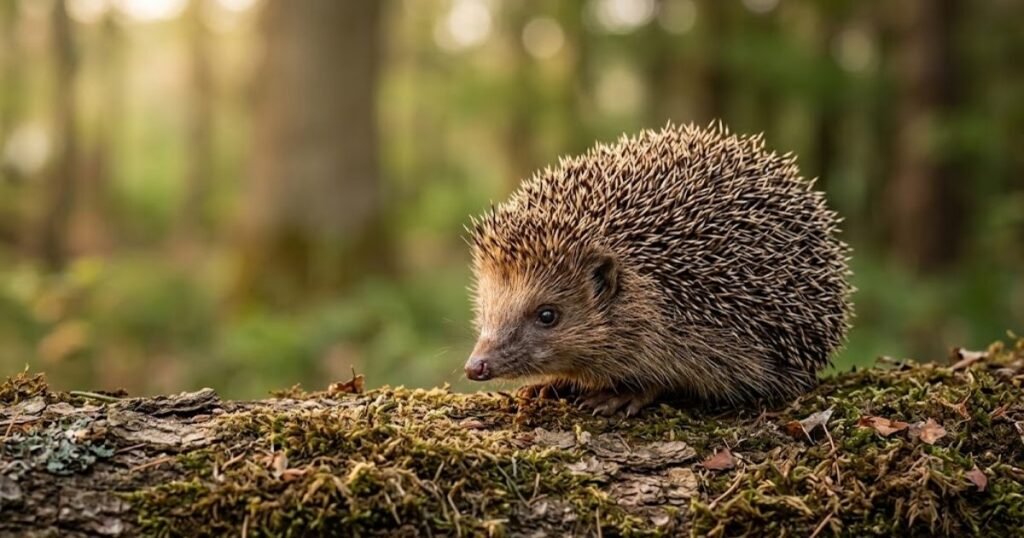
When threatened, these charming creatures employ their remarkable defensive curling behavior, rolling into a tight ball that conceals their vulnerable undersides. This not only serves as a physical shield but also offers a visual deterrent to potential threats, demonstrating a sophisticated evolutionary adaptation among animals with spines.
Hedgehogs thrive in varied habitats, from lush woodlands to suburban gardens, which they navigate with agility despite their compact size typically around 6 to 12 inches long. Their diet is equally interesting, consisting mainly of insects, slugs, and other invertebrates, making them invaluable pest controllers in ecosystems.
An intriguing fact about hedgehogs is their ability to consume certain toxic substances, such as those found in some toads and plants, without harm. This exceptional trait sets them apart from many other animals, emphasizing their resilience and unique ecological niche.
Echidna
| Characteristic | Details |
|---|---|
| Scientific Name | Tachyglossus aculeatus / Zaglossus spp. |
| Class | Mammalia |
| Habitat | Forests, heathlands, and alpine regions |
Echidnas, both short-beaked and long-beaked, exemplify the rich tapestry of evolutionary adaptation in mammals. The short-beaked echidna (Tachyglossus aculeatus) is primarily found in Australia and New Guinea, while its long-beaked relatives (Zaglossus spp.) inhabit the wetter climates of New Guinea.
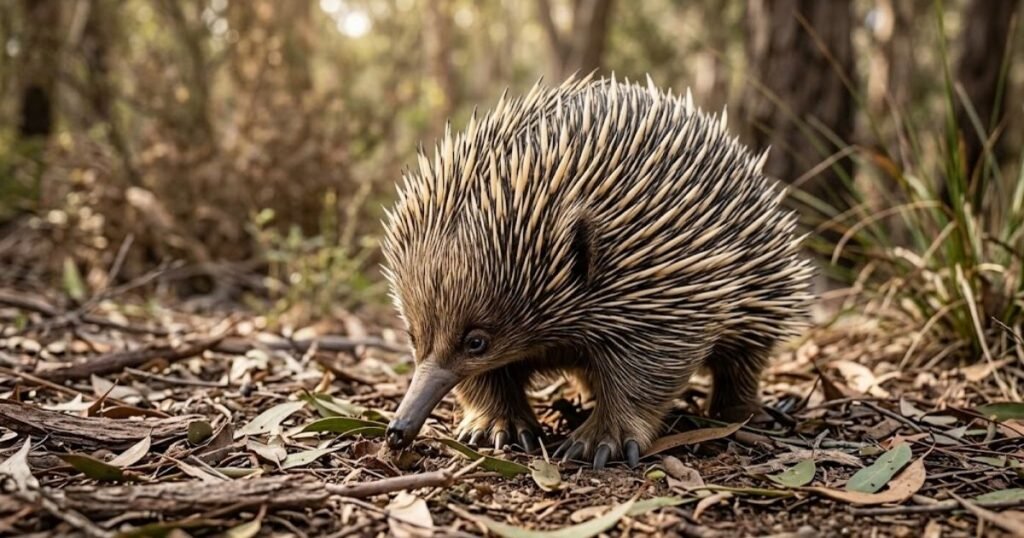
Covered in coarse fur interspersed with spines, these quirky creatures are not just cute; their spiny armor acts as an effective deterrent against potential predators. When threatened, they can curl into a ball, revealing a formidable shield of spines that few dare to challenge.
Habitually digging in the earth, echidnas feast on insects and worms, which they sense with their highly developed snouts and lick up using their sticky tongues. What truly sets them apart is their reproductive biology: as monotremes, they are among the rare mammals that lay eggs rather than bear live young.
The mother incubates her single egg in a pouch, providing a unique insight into the primitive reproductive mechanisms that continue to puzzle and intrigue scientists. The echidna’s combination of traits laying eggs, having spines, and feeding on invertebrates makes them an extraordinary site for evolutionary study, highlighting the whimsical side of nature’s ingenuity.
Tenrec
| Characteristic | Details |
|---|---|
| Scientific Name | Tenrecidae (Tenrec family) |
| Class | Mammalia |
| Habitat | Madagascar and parts of Central Africa |
Tenrecs are small mammals of the family Tenrecidae, found mostly in Madagascar with a few species in central Africa. They look like hedgehogs, shrews, or otters, but they aren’t closely related to any of them. They belong to Afrotheria, the same superorder as elephants, manatees, and aardvarks, and their resemblance to other animals is a case of convergent evolution.
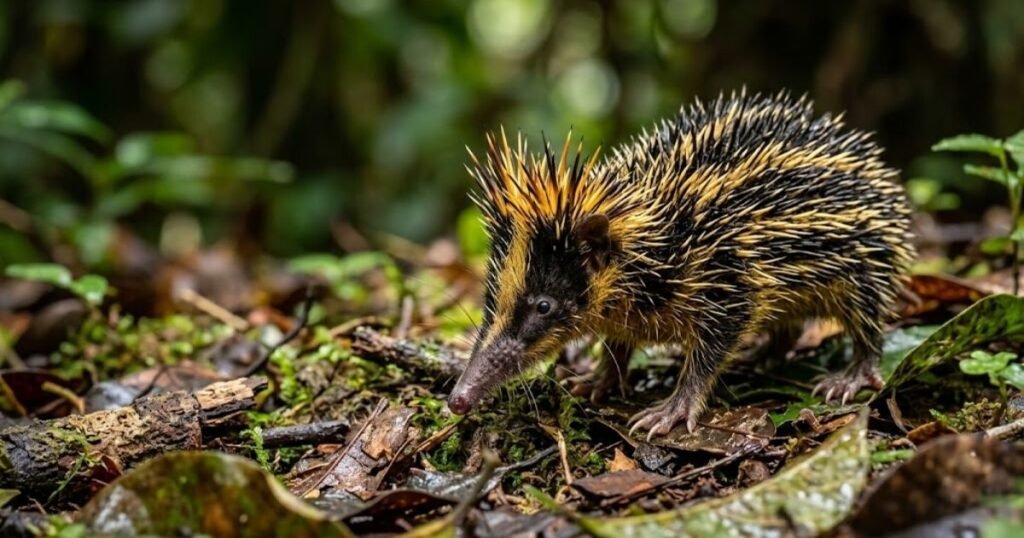
Many tenrecs have spikes (spines), which are modified hairs made of keratin, and they evolved separately from the spines of true hedgehogs. The spikes are mainly used for defense: hedgehog tenrecs, like the lesser hedgehog tenrec, raise their spines and curl up when threatened, and the lesser hedgehog tenrec can roll into a tight ball.
The common tenrec (Tenrec ecaudatus) is one of the largest species and can have litters of up to 30 young, the most of any mammal. Its young have spines, while adults have a mix of spines and bristles. The lowland streaked tenrec has a crest of loose, barbed quills that it can drive into a predator, and it also rubs its quills together to make sounds, called stridulation, to communicate.
The web-footed tenrec hunts in streams like a small otter. Hedgehog-type tenrecs are the ones most often kept as pets. Many tenrecs also have unusually flexible body temperatures and can enter torpor or hibernate, which is rare for tropical mammals.
Thorny Devil Lizard
| Characteristic | Details |
|---|---|
| Scientific Name | Moloch horridus |
| Class | Reptilia |
| Habitat | Arid and semi-arid regions of Australia |
The Thorny Devil Lizard, a remarkable inhabitant of Australia’s arid landscapes, showcases a unique adaptation to its harsh environment. With sharp, thorn-like scales covering its body, it not only deters potential predators but also offers a masterclass in defensive evolution.
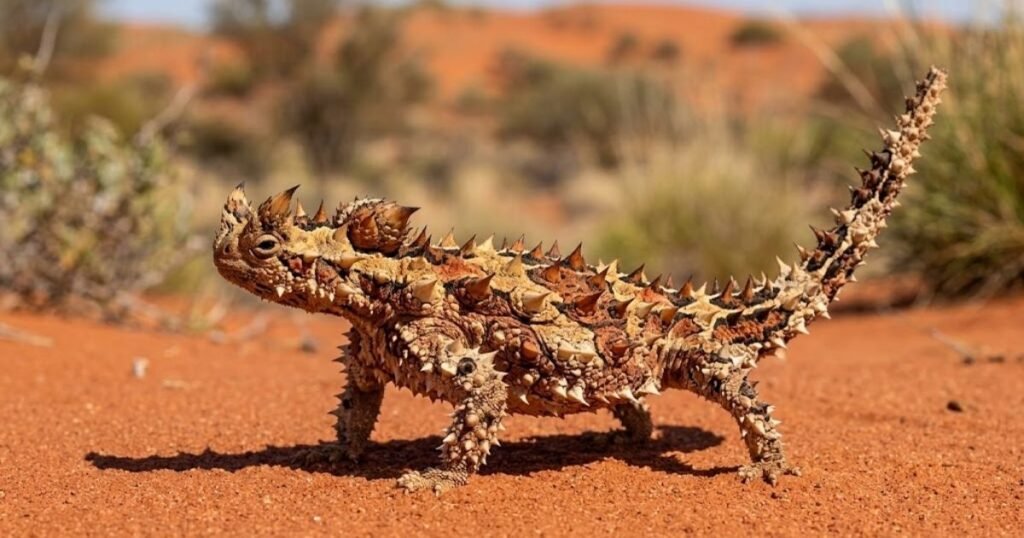
Each spike plays a role in protecting this lizard, giving it a fearsome appearance and confusing predators by disrupting its silhouette against the desert backdrop. Camouflage is expertly employed; the thorny devil blends seamlessly into the sandy terrain.
Its intricate design not only provides visual concealment but also aids in water collection, allowing it to channel rainfall or dew towards its mouth an essential adaptation for survival in such a parched habitat.
With a diet primarily consisting of ants, this lizard exhibits fascinating behavioral strategies, often employing a slow, deliberate approach to hunting, ensuring it maximizes its foraging efficiency. This combination of physical and behavioral adaptations allows the Thorny Devil to thrive in Australia’s harshest conditions, making it an extraordinary example of nature’s ingenuity.
Bearded Dragon
| Characteristic | Details |
|---|---|
| Scientific Name | Pogona vitticeps |
| Class | Reptilia |
| Habitat | Arid and semi-arid regions of Australia |
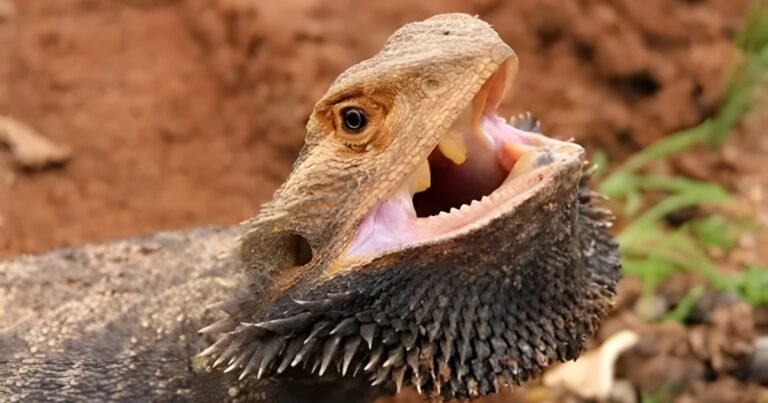
The bearded dragon, with its unique spiny scales and remarkable beard display, is an intriguing representation of spiky animals. This reptile’s spines are not just for show; they serve as a visual cue during defense behaviors, where an expanded throat region amplifies its intimidating presence against potential predators.
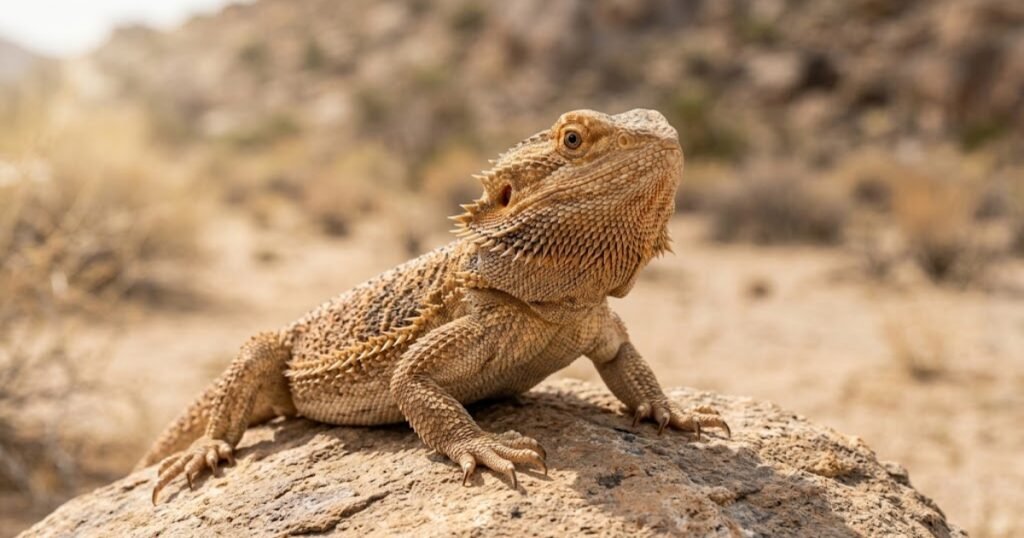
In the sun-soaked Australian outback, these lizards bask on rocks, skillfully blending their striking appearance with their surroundings while also thermoregulating to maintain optimal body temperature.
Dietarily versatile, bearded dragons thrive on a mix of insects and leafy greens, showcasing their adaptability in the wild. Their spiky exterior doesn’t solely contribute to their recognizable form; it also plays a role in their survival strategies.
Unlike many animals with spikes that rely solely on aggression, bearded dragons employ a fascinating blend of display and behavior to ward off threats, making them a symbol of resilience within their ecosystem. This harmonious balance of form and function renders them a captivating subject for anyone interested in the diverse world of spiky animals.
Black Spiny-Tailed Iguana
| Characteristic | Details |
|---|---|
| Scientific Name | Ctenosaura pectinata |
| Class | Reptilia |
| Habitat | Tropical dry forests, scrublands, and rocky areas of Central America |
The Black Spiny-Tailed Iguana boasts a striking appearance, particularly due to its distinctive spiny tail, which serves as a crucial defense mechanism against predators. Unlike porcupine quills that can be shed and launched, the spines on this iguana’s tail are firmly embedded, enabling it to whip its tail fiercely when threatened, delivering a powerful warning.
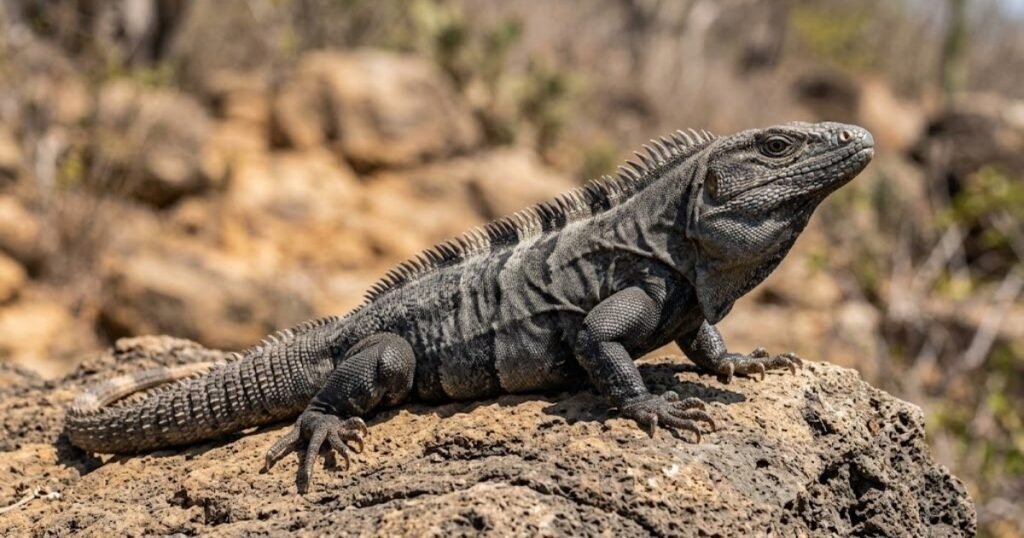
This tail isn’t just an impressive weapon; it’s also a statement in the iguana’s identity, adorned with a network of overlapping scales that provide both protection and a stunning visual display. Living in tropical dry forests and rocky areas, these resilient animals have adapted to varied diets, primarily consisting of fruits, leaves, and insects.
While they may seem daunting with their armor-like body scales and spiky appendages, these iguanas play a vital role in their ecosystem as herbivores that contribute to seed dispersal. Engaging with them offers a glimpse into the intricate balance of nature, as they navigate a world where their survival hinges on their unique evolutionary traits, making them not just animals with spikes, but remarkable examples of adaptation.
Sea Urchin
| Characteristic | Details |
|---|---|
| Scientific Name | Echinoidea |
| Class | Echinoidea |
| Habitat | Marine environments, often found on rocky or sandy sea floors |
Sea urchins, fascinating creatures classified under the class Echinoidea, boast a unique design characterized by long, movable spines that serve multiple purposes. These spines, often misunderstood as mere defensive tools, not only protect them from predators but also play a crucial role in locomotion and stability on the ocean floor.
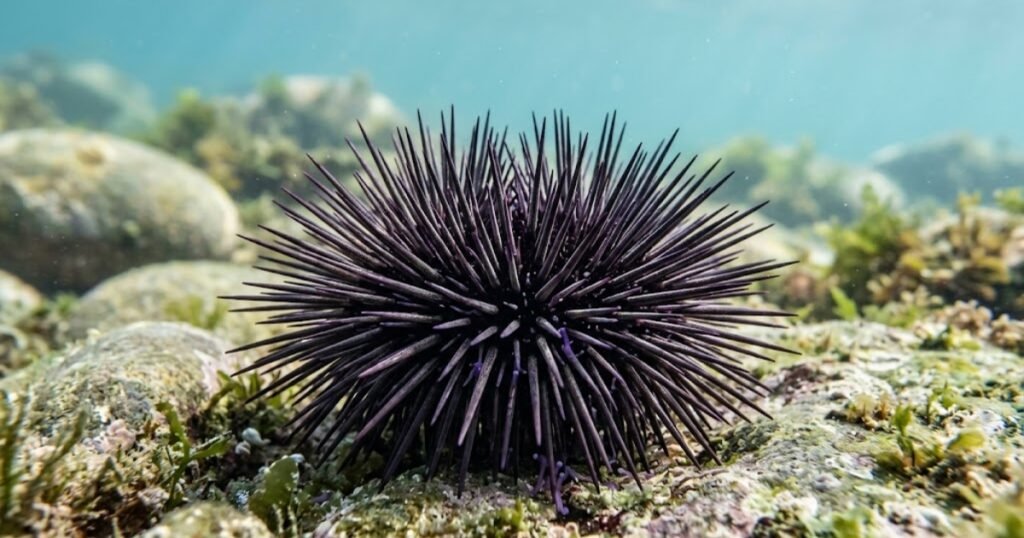
The vibrant colors of these spiny animals can be mesmerizing, drawing curiosity from those who encounter them in their marine habitats. Equipped with tube feet, sea urchins gracefully maneuver through their environments, efficiently feeding on algae and other organic matter. This feeding mechanism allows them to play a pivotal role in maintaining the balance of marine ecosystems.
An interesting fact about these spiky animals is that their spines can regenerate if lost, showcasing a remarkable resilience that parallels the adaptability of life itself in the vast ocean. The exquisite balance of beauty and defense in sea urchins reminds us of the intricate designs nature crafts for survival.
Crown-of-Thorns Starfish
| Characteristic | Details |
|---|---|
| Scientific Name | Acanthaster planci |
| Class | Asteroidea (Sea Stars) |
| Habitat | Coral reefs |
The Crown-of-Thorns Starfish, or Acanthaster planci, is a striking example of spiky animals thriving in vibrant coral reef ecosystems. Its numerous sharp spines not only serve as an intimidating defense mechanism against predators but also play a significant role in their feeding.
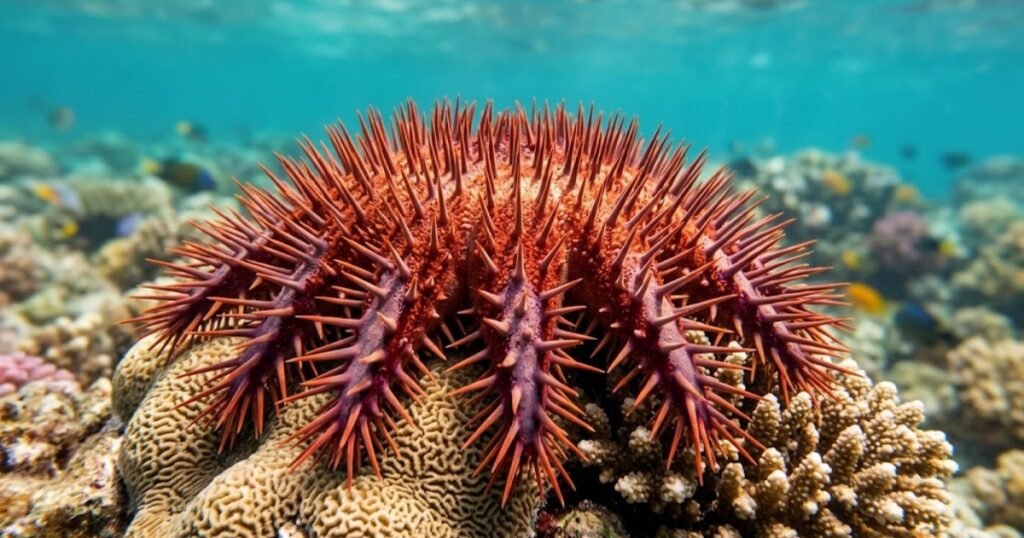
These animals feast on coral polyps, often leading to drastic changes in reef health. This intricate relationship underscores the fragility of reef habitats, as a surge in their population can result in devastating coral bleaching.
Unlike the quills of mammals, which are made of keratin, the spines of the Crown-of-Thorns are sharp, calcified structures that pose a different kind of threat. While they may deter some potential predators, they also contribute to the animal’s unique feeding strategy, allowing it to grasp onto and consume its prey effectively.
Understanding the dynamics of this spiky creature offers vital insights into the balance of marine ecosystems and the importance of sustaining their intricate web of life. The Crown-of-Thorns Starfish is more than just a spiny inhabitant; it’s a critical player in the ongoing story of our planet’s oceans.
Lionfish
| Characteristic | Details |
|---|---|
| Scientific Name | Pterois volitans |
| Class | Actinopterygii |
| Habitat | Coral reefs and rocky areas |
Lionfish are mesmerizing spiky animals adorned with long dorsal, pectoral, and anal spines that give them their unique allure. These sharp spines serve not only as eye-catching features but also as a form of defense against potential predators. Unlike quills found on some other animals, lionfish possess venomous spines capable of delivering a painful sting.
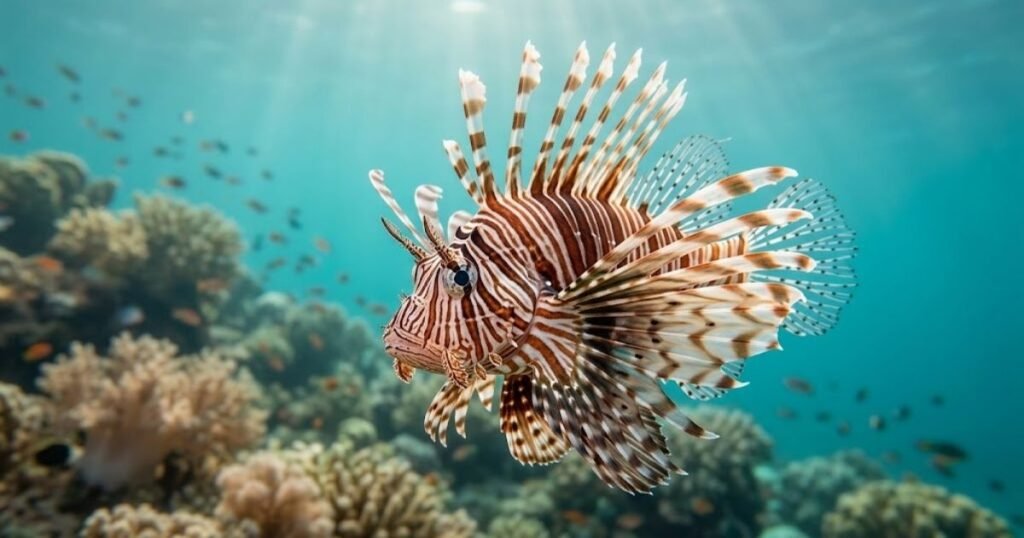
This venom can cause intense pain, swelling, and occasionally more severe reactions, highlighting the importance of cautious admiration for these creatures. Predominantly found in the warm waters of the Indo-Pacific, lionfish have made their way into Caribbean reefs, often wreaking havoc on local ecosystems due to their voracious appetite.
As opportunistic feeders, their diet consists of small fish, crustaceans, and other marine life, which they ambush using their impressive camouflage and fast reflexes. This combination of beauty and danger makes lionfish not only captivating but also emblematic of the complex dynamics within oceanic habitats, reminding us of the delicate balance between allure and peril in the underwater world.
Porcupinefish
| Characteristic | Details |
|---|---|
| Scientific Name | Diodon hystrix |
| Class | Actinopterygii |
| Habitat | Coral reefs and coastal waters |
The porcupinefish, or Diodon hystrix, exhibits a fascinating form of defense with its unique inflation behavior. When threatened, it rapidly gulps water, ballooning itself to nearly three times its normal size. This inflation not only creates an imposing silhouette but also makes it more difficult for predators to swallow due to its spines, a feature that distinguishes it from its terrestrial cousin, the porcupine.
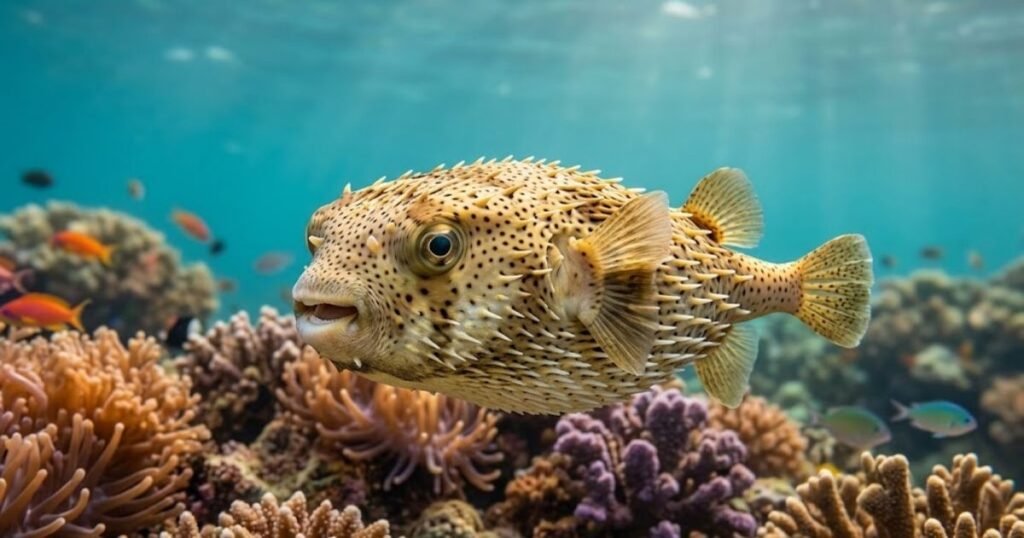
While both showcase a spiky demeanor, the porcupinefish is a true marvel of the aquatic world, demonstrating a different adaptation suited for marine environments. Feasting primarily on hard-shelled prey like crustaceans and mollusks, porcupinefish use their strong beaks to crack open these armored meals, showcasing their unique diet specialization.
Living in coral reefs and tropical coastal waters, they utilize their spines defensively, deterring predators with both their inflated size and sharp projections. This intriguing mingling of size and spikiness in the porcupinefish illuminates the diverse adaptations seen in animals with spines across various ecosystems.
Spiny Rats
| Characteristic | Details |
|---|---|
| Scientific Name | Proechimys spp. |
| Class | Mammalia |
| Habitat | Rainforests and forests |
Spiny rats, members of the genus Proechimys, exhibit a fascinating adaptation with their stiff hairs that resemble spines, providing an effective defense mechanism against predators. Found primarily in the dense rainforests and wooded areas of South America, these rodents thrive in habitats filled with underbrush and foliage, making them adept at navigating their environments while remaining concealed.
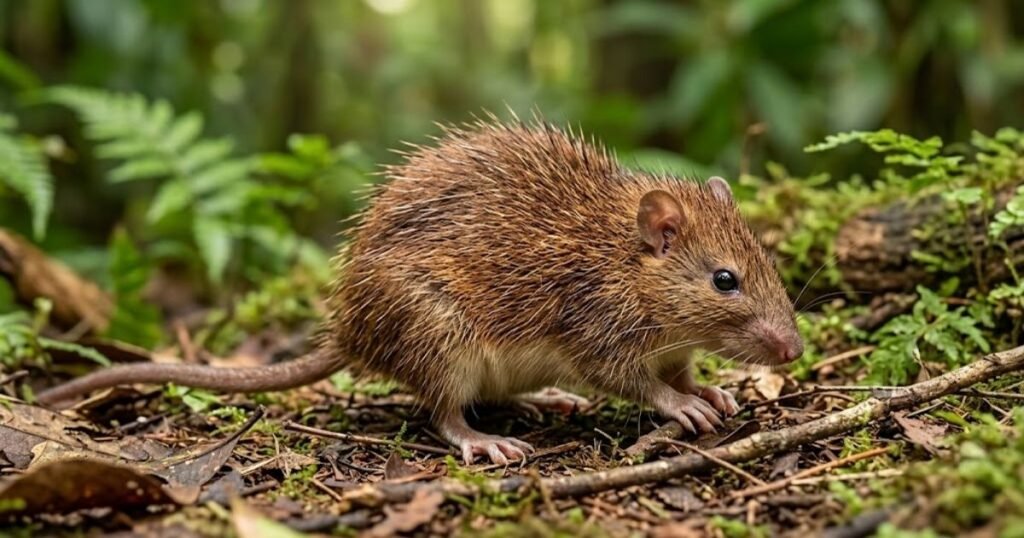
Unlike the regal quills of porcupines, spiny rats possess softer, denser spines that aid in camouflage as well as deterrence, allowing them to blend into the chaotic tapestry of the forest floor. In terms of diet, spiny rats are primarily granivorous, feasting on a diet rich in seeds and fruits that they forage among the leaf litter.
Their unique adaptations extend beyond their spines; they also display remarkable agility within their habitat, employing quick movements to evade threats. While both spiny rats and porcupines utilize spines for protection, the spiny rat’s lighter, less formidable spines enable it to escape rather than confront when danger looms, showcasing an intriguing divergence in survival strategies among spiky animals.
African Brush-Tailed Porcupine
| Characteristic | Details |
|---|---|
| Scientific Name | Atherurus africanus |
| Class | Mammalia |
| Habitat | Forests and savannas in Africa |
The African Brush-Tailed Porcupine, known scientifically as Atherurus africanus, showcases a unique defense mechanism with its quills. Unlike the traditional quill patterns seen in other rodents, this species features a fascinating tail structure adorned with long, sharp quills that can be raised like a fan, providing a striking display to potential predators.
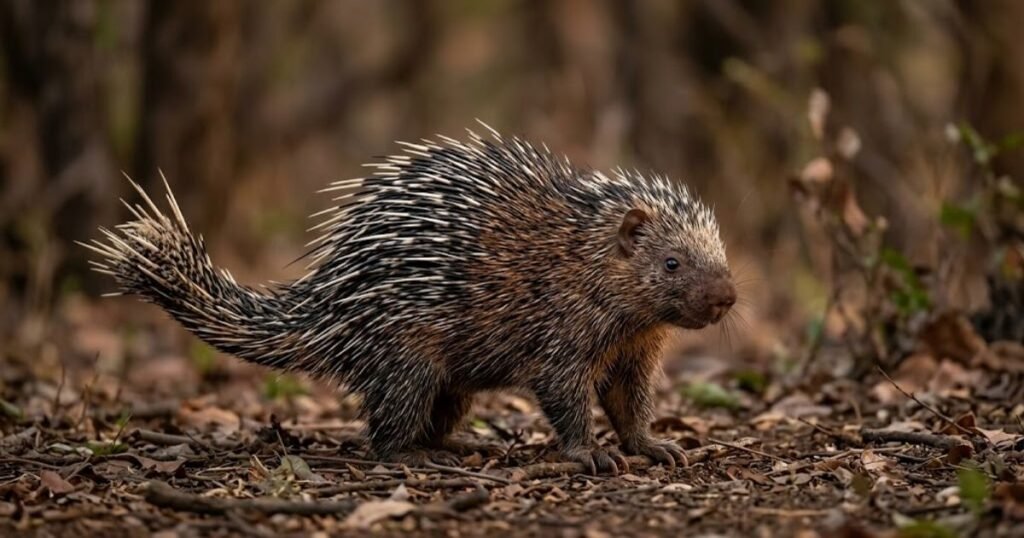
These formidable quills serve not only as a physical deterrent but also as a means of communication among fellows in their native habitats, primarily dense forests and savannas across Africa. In terms of diet, this nocturnal creature is primarily herbivorous, feeding on roots, fruits, and bark.
Their foraging behavior plays a crucial role in maintaining the plant ecosystem, as they help in seed dispersal and are vital to the biodiversity of their habitats. Interestingly, the African Brush-Tailed Porcupine has a low population density due to its solitary nature, making it a less common sight in the wild.
Despite being an animal with spikes on its back, it prefers a stealthy existence, relying on its cleverness and agility to evade threats rather than solely depending on its quilled defense.
Indian Crested Porcupine
| Characteristic | Details |
|---|---|
| Scientific Name | Hystrix indica |
| Class | Mammalia |
| Habitat | Asia, including forests and grasslands |
The Indian Crested Porcupine, an intriguing member of the spiky animal kingdom, embodies a unique blend of beauty and defense. Characterized by its elaborate crest of long quills, this creature can reach up to 36 inches in length, showcasing an impressive display of nature’s design.
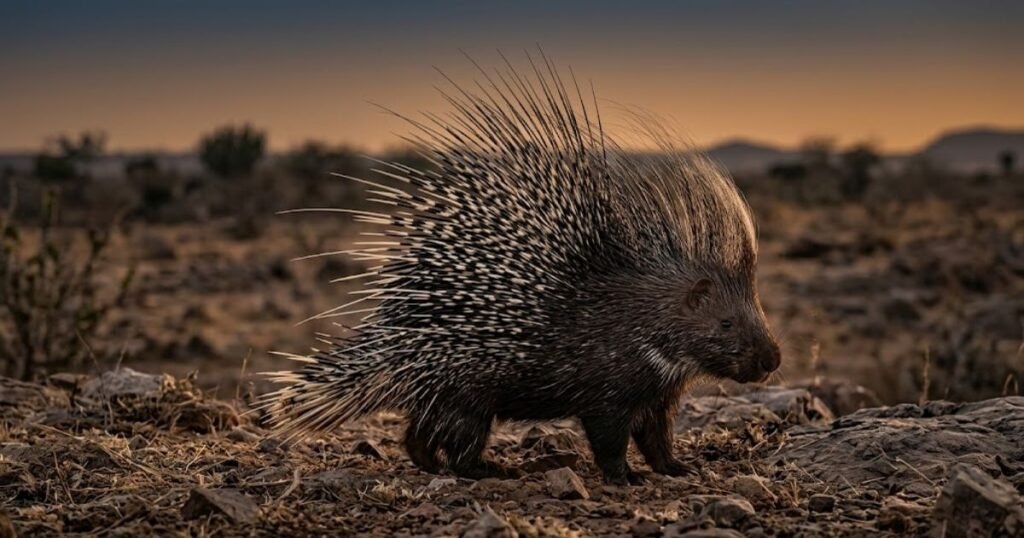
As a nocturnal forager, its diet primarily consists of roots, fruits, and tubers, revealing its adaptability to various environmental conditions. These rodents not only use their quills for defense but can also release a sharp warning sound by shaking them, a lesser-known defense mechanism that adds to their mystique.
In the lush habitats of Asia, the Indian Crested Porcupine plays a crucial role in the ecosystem, aerating the soil as they burrow and forage, which promotes healthy plant growth. Beyond their practical contributions, they also engage in social behaviors, often seen in small family groups.
An engaging fact about these fascinating creatures: if threatened, a porcupine can launch its sharp quills toward an attacker, demonstrating that sometimes, even seemingly timid animals can possess extraordinary defense tactics. With their striking appearance and unique behaviors, Indian Crested Porcupines prompt a reevaluation of what we might consider typical for animals with quills.
Greater Hedgehog Tenrec
| Characteristic | Details |
|---|---|
| Scientific Name | Echinops telfairi |
| Class | Mammalia |
| Habitat | Madagascar forests |
The Greater Hedgehog Tenrec, Echinops telfairi, captivates with its unique place within Madagascar’s diverse ecosystem. Unlike true hedgehogs, these spiky creatures boast a body covered in prominent quills and spines, which serve as a primary defense mechanism against predators.
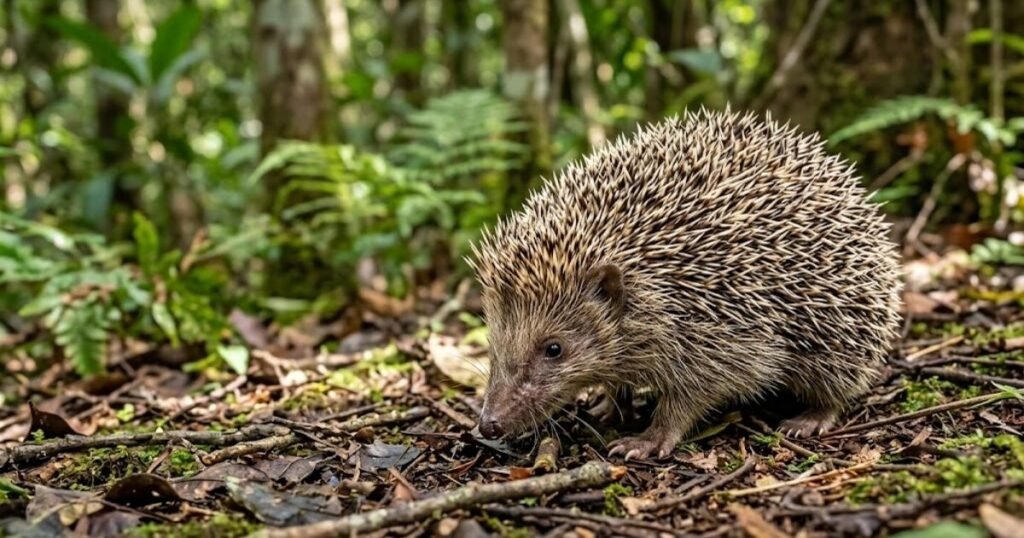
In the lush habitats of Madagascar, they utilize their spikiness not only for self-defense but also as a distinctive communication tool through the quill vibrations during their fascinating social interactions.
In terms of behavior, the Greater Hedgehog Tenrec exhibits intriguing nocturnal habits, foraging for insects, fruit, and small vertebrates. While their diet is diverse, they show an adaptability that allows them to thrive in various environments.
The interplay of their unique spines and dietary habits reveals a remarkable evolutionary adaptation, embracing both lifestyle and habitat. This adaptability and their striking appearance make the Greater Hedgehog Tenrec a standout example of Madagascar’s rich wildlife tapestry.
Animals With Quills vs. Animals With Spines vs. Animals With Spikes
Quills, spines, and spikes may look similar, but they differ in structure and function. Understanding these differences helps explain how animals use these sharp body features for defense, camouflage, moisture collection, and survival.
Animals With Quills
| Animal | Key Features | Main Purpose |
| Porcupine | Long, barbed quills | Defense against predators |
| Echidna | Spiny coat with rigid quills | Protection |
| Hedgehog | Protective spines similar to quills | Self-defense |
Animals With Spines
| Animal | Key Features | Main Purpose |
| Hedgehog | Sharp spines; curls into a ball when threatened | Protection from predators |
| Echidna | Dense spiny coat | Defense |
| Sea Urchin | Long, sharp spines | Protection and defense |
| Tenrec | Different types of spines, including quill-like structures | Defense |
Animals With Spikes or Thorn-Like Structures
| Animal | Key Features | Main Purpose |
| Thorny Devil | Crown-like body spikes | Defense and moisture collection |
| Bearded Dragon | Spiky skin and beard | Intimidation and self-defense |
| Lionfish | Long venomous spines | Defense and predator deterrence |
| Crown-of-Thorns Starfish | Thorn-like spines and appendages | Protection and feeding on coral |
Why Do Animals Have Quills, Spines And Spikes?
Protection From Predators: Animals have evolved to use quills, spines, and spikes as a formidable defense against predators. The mere sight of a porcupine’s quills can deter even the most daring of attackers. These structures serve not only as physical barriers but also as psychological deterrents, making potential threats think twice before engaging.
Camouflage and Survival: In the intricate dance of survival, quills and spikes can also function as tools for camouflage. Certain species, like the hedgehog, sport a coat of spines that blend seamlessly with their natural environment. This clever adaptation offers protection in two ways: it reduces visibility to predators while appearing threatening if discovered.
Warning Predators: The presence of spikes or spines often goes beyond mere physical defense; they act as a warning to potential predators. Creatures like the cactus spiny lizard exhibit vibrant coloration alongside their spiky armor, signaling that they are not just difficult to consume but may also be harmful. This dual-purpose adaptation is a fascinating study in evolutionary psychology, where animals communicate danger through visual cues.
Venom or Chemical Defense: Some animals take their defense mechanisms a step further by combining spikes and venom or chemicals, offering a multi-layered approach to survival. The spines of certain sea urchins deliver not only immediate physical deterrence but also venom that can incapacitate or deter predators.
Interesting Facts About Spiky Animals
Porcupines Don’t Shoot Their Quills: Contrary to popular belief, porcupines cannot shoot their quills at enemies. Instead, these spines easily detach upon contact, making them a formidable defense mechanism when threatened.
Hedgehog Spines Are Modified Hairs: The spines of hedgehogs are not just random spikes; they are modified hairs! Composed of keratin, these unique spines serve as protective armor against predators.
Echidnas Are Egg-Laying Mammals: Echidnas, also known as spiny anteaters, are fascinating because they lay eggs despite being mammals. Their unique reproductive method sets them apart in the animal kingdom.
Thorny Devils Have Remarkable Water-Collection Adaptations: Thorny devils can cleverly collect water from rainfall or dew! Their skin structure allows them to channel moisture effectively to their mouths, ensuring hydration in arid environments.
Lionfish Have Venomous Spines: The lionfish is both beautiful and dangerous, sporting venomous spines that deter predators. These colorful fish serve as a reminder that looks can be deceiving in the animal world.
Sea Urchin Spines Are Movable: Unlike most spiky creatures, sea urchin spines are not fixed. They can move, helping the urchin maneuver and provide defense, making them surprisingly versatile in rocky habitats.
Porcupinefish Can Inflate as a Defense Mechanism: In times of danger, porcupinefish can inflate their bodies rapidly, creating an intimidating barrier filled with spines. This unique defense strategy leaves predators puzzled and often unwilling to engage.
Conclusion
The fascinating world of spiky animals highlights the incredible adaptations that nature has provided to ensure survival. From the formidable quills of the porcupine to the serrated scales of the armadillo, each creature’s defense mechanism serves a specific purpose in their environment.
These unique features not only protect them from predators but also showcase the amazing diversity within the animal kingdom. As we continue to explore the natural world, let’s appreciate the ingenuity of these spiny beings and the roles they play in their ecosystems.
FAQs
What Animals Have Spiky Spines?
Animals with spiky spines include porcupines, hedgehogs, echidnas, sea urchins, and tenrecs, along with pufferfish, lionfish, and stonefish. Others are the thorny devil lizard, horned lizards, and certain caterpillars and cacti-dwelling insects like spiny stick insects.
What Is the Name Of An Animal With Sharp Spikes?
The porcupine is the best-known animal with sharp spikes, called quills, which it uses to defend itself against predators. Hedgehogs, echidnas, and sea urchins are other well-known examples.
Which Animals Have Quills?
Porcupines are the classic quill-bearers. Echidnas and some tenrecs also have quill-like spines. Hedgehogs have similar spines, and birds have quills in the hollow shafts of their feathers.
What Is A Porcupine Spikes Called?
A porcupine’s spikes are called quills. They’re modified, hollow hairs made of keratin, and an adult can have around 30,000 of them.
What Animal Has A Lot Of Spikes?
The porcupine has the most, with up to about 30,000 quills covering its body. Hedgehogs (around 5,000 to 7,000 spines) and sea urchins also carry a lot of spikes.
Which Mammals Have Spines?
Spiny mammals include porcupines, hedgehogs, echidnas, and tenrecs, plus spiny mice and the rare Malagasy hedgehog-like tenrecs. Their spines are all modified hairs made of keratin, used mainly for defense.