20 Mischievous Animals In The World (With Pictures & Fun Facts)

The world of mischievous animals is filled with surprises, showcasing how curiosity and intelligence can blend into playful, sometimes cheeky, behavior. As we delve into this captivating realm, you’ll meet 20 animals whose antics can make even the most serious nature lovers crack a smile.
These creatures, from coast to coast, reveal that mischief isn’t just an endearing trait but a reflection of their vibrant lives. Explore their stories and images, and you’ll come to appreciate why these playful beings deserve a special place in our hearts.
Mischievous Animals Quick Table
| Animal | Common Behavior | Main Reason |
|---|---|---|
| Capuchins | Investigates and manipulates objects | Intelligence and exploration |
| Raccoons | Opens containers and explores bins | Food-seeking and curiosity |
| Seagulls | Steals food and follows humans | Opportunistic feeding |
| Pigs | Roots and explores environment | Curiosity and foraging |
| Elephants | Uses tools and solves problems | Intelligence and memory |
| Chimpanzees | Uses tools and imitates behaviors | Intelligence and social learning |
| Ravens | Hides food and solves puzzles | Learning and food caching |
| Macaques | Explores objects and steals items | Curiosity and opportunism |
| Dogs | Steals toys and plays hide and seek | Play and attention |
| Goats | Climbs and explores barriers | Curiosity and exploration |
| Squirrels | Hides food and deceives rivals | Memory and food caching |
| Bears | Opens bins and investigates camps | Food-seeking and curiosity |
| Ferrets | Hides objects and explores tunnels | Play and hoarding instincts |
| Dolphins | Plays with objects and swims socially | Social interaction and play |
| Otters | Uses rocks as tools and plays | Intelligence and foraging |
| Coyotes | Adapts to urban environments | Survival and opportunism |
| Crows | Hides food and solves problems | Learning and food caching |
| Cats | Pounces and knocks objects over | Play and hunting instincts |
| Foxes | Hides food and explores territory | Survival and curiosity |
| Magpies | Collects shiny objects and caches food | Curiosity and hoarding |
Mischievous Animals List
Here is a list of mischievous animals:
| No. | Mischievous Animals |
|---|---|
| 1 | Capuchins |
| 2 | Raccoons |
| 3 | Seagulls |
| 4 | Pigs |
| 5 | Elephants |
| 6 | Chimpanzees |
| 7 | Ravens |
| 8 | Macaques |
| 9 | Dogs |
| 10 | Goats |
| 11 | Squirrels |
| 12 | Bears |
| 13 | Ferrets |
| 14 | Dolphins |
| 15 | Otters |
| 16 | Coyotes |
| 17 | Crows |
| 18 | Cats |
| 19 | Foxes |
| 20 | Magpies |
Capuchins
| Attribute | Details |
|---|---|
| Scientific Name | Cebus apella |
| Class | Mammalia |
| Diet | Omnivorous |
| Habitat | Tropical Rainforests |
Capuchins are renowned for their playful antics, often seen engaging in mischievous behavior like playfully snatching objects and indulging in stealthy scuffles. This behavior stems from their natural curiosity and desire for social interaction, making them not just entertainers in the wild but also crucial players in their ecosystems.

One captivating fact is that these clever primates use tools, like stones, to crack open nuts, showcasing their remarkable intelligence. In their tropical rainforest habitats, capuchins maintain a diverse diet, consuming fruits, insects, and small animals. Their probing curiosity leads them to explore objects, often rummaging through belongings or stealing food, which isn’t just fun; it’s a survival strategy.
Their adaptability and cunning nature mean they thrive in social groups, where cooperation amplifies their intelligence and resourcefulness. This intricate blend of intelligence and playfulness makes capuchins a fascinating species to study and observe in their natural environments.
Raccoons
| Attribute | Details |
|---|---|
| Scientific Name | Procyon lotor |
| Class | Mammalia |
| Diet | Omnivorous |
| Habitat | Urban and Suburban Areas, Forests, Wetlands |
Raccoons are iconic scavengers, often seen rummaging through trash bins and exploring containers. Their highly dexterous front paws act like human hands, allowing them to open lids and unscrew jars with astonishing precision.
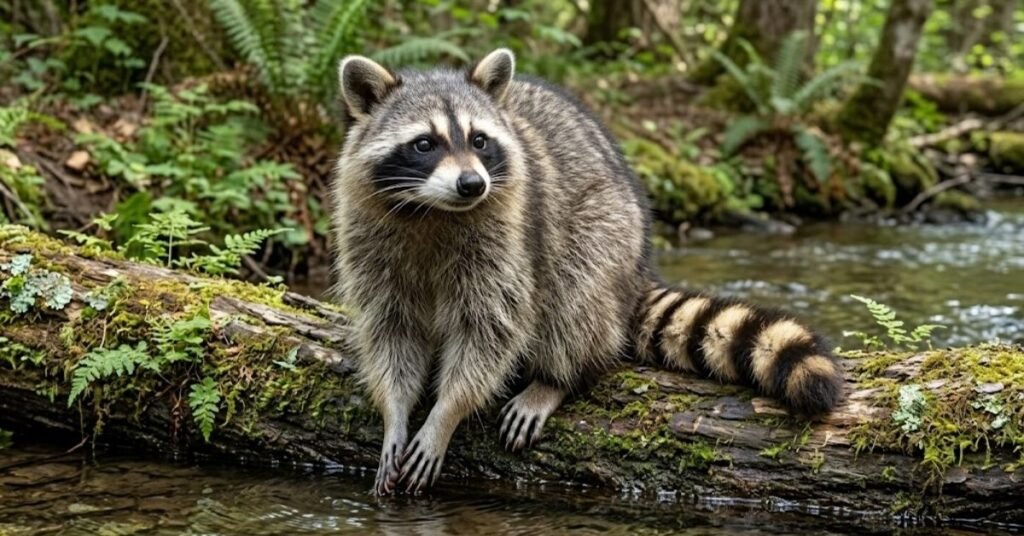
This remarkable ability is enhanced by their inquisitive nature and strong problem-solving skills, making them adept at navigating urban landscapes in search of food. These adaptable creatures thrive in diverse habitats, from forests to city streets, and their omnivorous diet includes fruits, nuts, insects, and even leftover human foods.
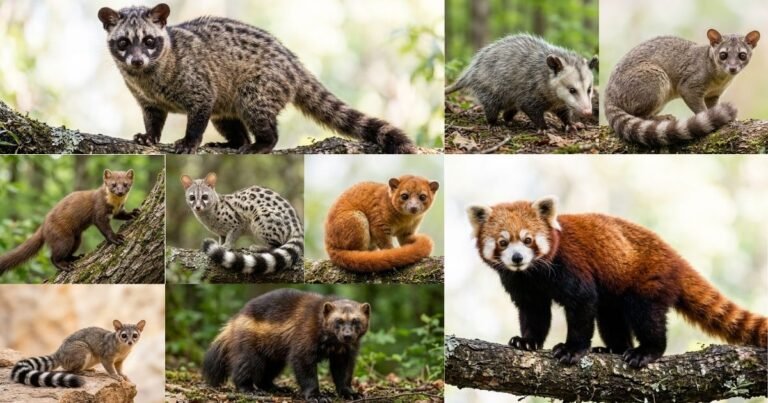
A fun fact about raccoons is that they have a unique sensory experience when they handle objects; they often “wash” their food in water, a behavior called “dousing,” which may help them identify edible items. This combination of intelligence and adaptability makes raccoons one of nature’s most intriguing scavengers. If you like these masked bandits, check out these animals that look like raccoons.
Seagulls
| Attribute | Details |
|---|---|
| Scientific Name | Larus |
| Class | Aves |
| Diet | Omnivorous |
| Habitat | Coastal Areas |
Seagulls are notorious for their clever and cheeky antics, often seen snatching unattended food from unsuspecting beachgoers. With their keen eyesight and swift movements, they often swoop in, expertly investigating bags and picnic baskets in search of a snack.

This behavior isn’t just about hunger; it’s a finely tuned survival technique influenced by their opportunistic feeding habits. To an outside observer, their boldness might resemble mischief a playful dance of daring and aggression that keeps onlookers entertained.
These adaptable birds thrive along coastlines, scavenging a diverse diet that includes fish, crustaceans, and any food discarded by humans. Seagulls can recognize individual humans and often return to the scene of the crime if they’ve had success in prior raids.
This intelligence highlights not just their cunning approach to feeding but also their ability to learn and adapt in a changing environment, making them a remarkable example of urban wildlife resilience.
Pigs
| Attribute | Details |
|---|---|
| Scientific Name | Sus scrofa |
| Class | Mammalia |
| Diet | Omnivore |
| Habitat | Forested Areas, Grasslands, Farms |
Pigs are fascinating creatures known for their insatiable curiosity. Their tendency to root around in the mud is not mere play; it’s a vital survival instinct that helps them uncover hidden food sources. With a keen sense of smell, they explore their environment, often moving objects in search of treats, which showcases their remarkable intelligence.
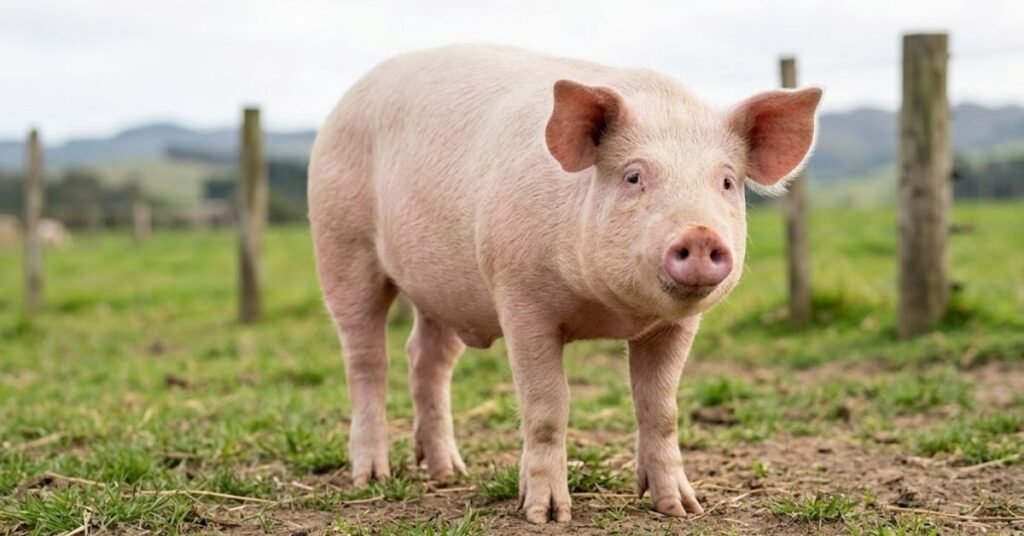
This playful behavior not only reveals their problem-solving skills but also keeps their environment rich and diverse. In terms of habitat, pigs thrive in various settings, from dense forests to agricultural lands, adapting to different ecosystems.
Their diet, primarily omnivorous, makes them scavengers by nature, allowing them to consume a wide range of foods from roots to insects. Did you know that pigs can be trained similarly to dogs, often exhibiting emotions like joy? Their playful antics and social behavior contribute to their uniqueness, making them not just animals but engaging companions in their natural habitats.
Elephants
| Attribute | Details |
|---|---|
| Scientific Name | Loxodonta africana |
| Class | Mammalia |
| Diet | Herbivore |
| Habitat | Savannas & Forests |
Elephants exhibit playful interactions, leveraging their trunks and feet to explore objects within their environment. Young elephants often engage in mock fighting or mud bathing, fostering social bonds within their matriarchal family units. They are also among the biggest animals in the world.

These social behaviors are not just for fun; they promote learning and a sense of community, essential for their survival. Their intelligence is striking, with studies showing that they possess self-awareness and complex problem-solving abilities. This intellect is complemented by strong social bonds that extend beyond immediate family, with elephants often mourning their lost companions.
They inhabit diverse areas, from grassy savannas to dense forests, fueling their herbivorous diet that includes leaves, bark, and fruits. Interestingly, elephants demonstrate a unique ability to utilize tools, such as using sticks to scratch themselves, showcasing their innovative problem-solving skills.
Chimpanzees
| Attribute | Details |
|---|---|
| Scientific Name | Pan troglodytes |
| Class | Mammalia |
| Diet | Omnivorous |
| Habitat | Tropical Forests |
Chimpanzees are not just remarkable for their intelligence, but also for their intricate social interactions that often include playful teasing and cooperative problem-solving. In social play, young chimps engage in games that strengthen their bonds, while simultaneously developing crucial skills.

This dynamic learning environment allows them to observe and mimic behaviors, whether it’s using tools to access food or communicating with gestures, fostering a culture of innovation. Their natural habitats, primarily in tropical forests, provide a rich tapestry of resources, supporting their varied omnivorous diet that includes fruits, leaves, insects, and sometimes even small mammals.
Chimpanzees can recognize themselves in mirrors, indicating a level of self-awareness that is relatively rare in the animal kingdom. This complexity not only stirs curiosity but could also reshape our understanding of the evolutionary ties between humans and our closest relatives.
Ravens
| Attribute | Details |
|---|---|
| Scientific Name | Corvus corax |
| Class | Aves |
| Diet | Omnivorous |
| Habitat | Forests, Mountains, and Urban Areas |
Ravens are renowned for their object play and food-hiding behaviors, demonstrating a level of intelligence that rivals primates. They utilize various objects in their environment, engaging with them playfully whether it’s tossing stones or sliding down snow-covered roofs.
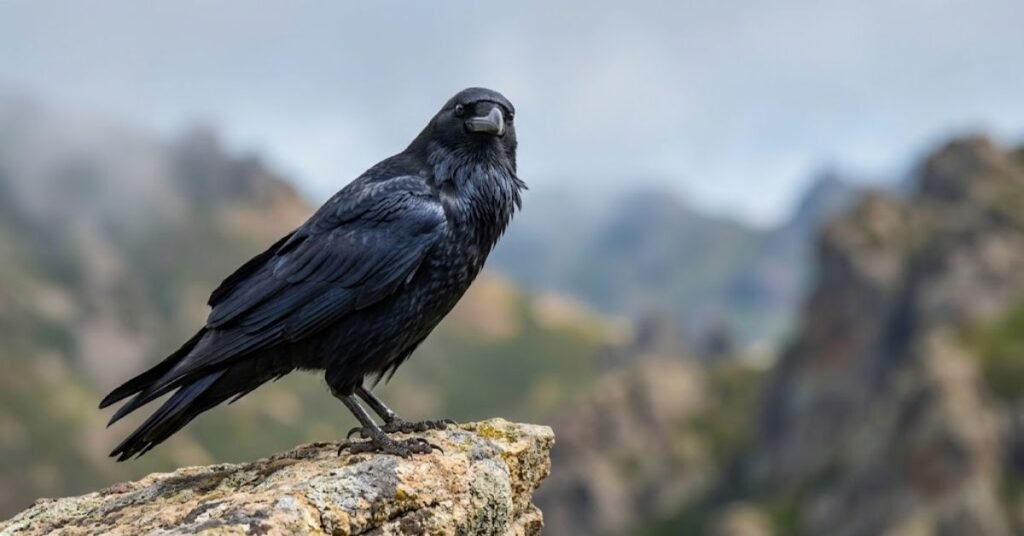
These activities are not mere whims; they serve as practice for skills required in foraging and social interactions. Furthermore, ravens have a remarkable capacity for problem-solving, often showcasing the ability to plan for the future, like caching food in hidden locations to retrieve later when resources are scarce.
Their adaptability to diverse habitats, from dense forests to bustling cities, enhances their diet, which includes anything from small animals to discarded human food. An interesting fact is that ravens can mimic sounds from their surroundings, proving their adaptability not only in diet but also in communication.
This multifaceted intelligence is what makes them such intriguing creatures, inspiring awe and curiosity as they navigate life with impressive cognitive abilities.
Macaques
| Attribute | Details |
|---|---|
| Scientific Name | Macaca |
| Class | Mammalia |
| Diet | Omnivorous |
| Habitat | Forests, Urban Areas |
Macaques are renowned for their curious nature and propensity to pilfer food in human-populated locations. This behavior is not just the result of opportunism; it showcases their impressive adaptability.
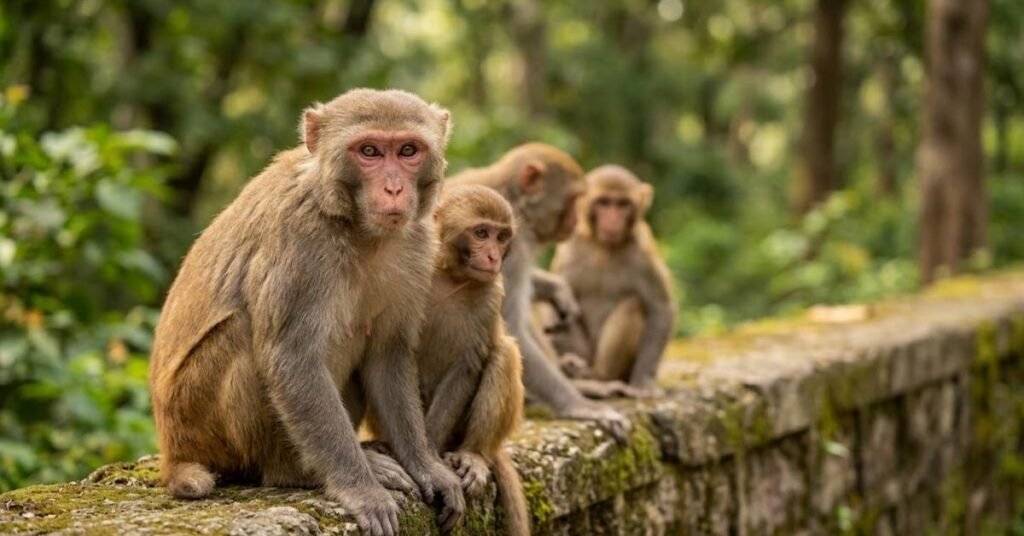
Researchers have observed that these primates often learn specific strategies from one another, demonstrating social learning as they watch and replicate techniques for obtaining food. This not only strengthens their ability to forage in human environments but also fosters a unique culture within their groups.
The adaptability of macaques extends beyond food acquisition. Their ability to thrive in diverse habitats ranging from dense forests to bustling city streets illustrates their resilience amidst changing environments. They are omnivorous, consuming fruits, seeds, insects, and even small animals, which allows them to adjust their diet based on availability.
Macaques are known to use tools, such as stones to crack open nuts, further highlighting their problem-solving skills. A fun fact: some macaque populations have even developed a knack for stealing food right out of tourists’ hands, adding an element of thrill and humor to their interactions with humans.
Dogs
| Attribute | Details |
|---|---|
| Scientific Name | Canis lupus familiaris |
| Class | Mammalia |
| Diet | Omnivore |
| Habitat | Domestic |
Watch as your dog gleefully snatches a sock from the laundry basket, prancing around with its playful trophy that perfectly embodies the spirited nature of canines. This delightful habit of stealing socks showcases their curiosity and desire for attention, fueled by an instinctive need to engage their human companions in a game of chase.

Hiding toys in secret spots around the house is another whimsical behavior, as their inherent playfulness shines through in this adorable quest to create a treasure trove of delights. Dogs’ actions whether it’s turning everyday items into playthings or seeking attention with exaggerated antics are influenced by both their playful nature and the training they receive.
Their diet, predominantly omnivorous, shows their adaptability, mirroring their wild relatives like wolves that rely on varied food sources. Interestingly, socialization and stimulation enrich their lives, leading to more creative forms of play. If you want to meet more companions with big personalities, see our list of friendly animals. Fun fact: Dogs have a unique ‘play bow’ that signals their intentions to other pets, displaying that their nibbles or playful lunges are all in good fun!
Goats
| Attribute | Details |
|---|---|
| Scientific Name | Capra aegagrus hircus |
| Class | Mammalia |
| Diet | Herbivorous |
| Habitat | Mountains, Grasslands |
Goats are known for their unparalleled curiosity and adventurous spirit. Their habit of climbing and exploring isn’t just playful; it’s a survival mechanism. In their natural habitats, which often include rocky terrains and steep hills, goats navigate challenging environments with impressive agility. To learn more about this species, see the goat scientific name.
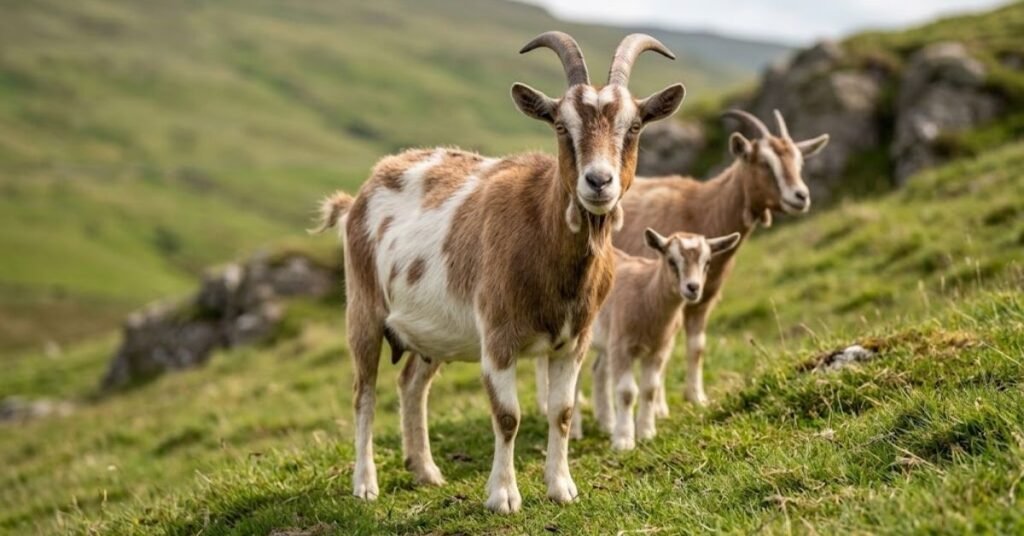
Their ability to scale unusual heights allows them to escape predators and discover new food sources, making them both resourceful and resilient. These animals test barriers with their mouths, nudging and poking at objects to understand their surroundings better a delightful testament to their inquisitive natures.
Herbivorous by design, their diet varies from grasses to shrubs, thus adapting to whatever environment they inhabit. A fun fact about goats? They possess a unique digestive system that enables them to extract nutrients efficiently from these tough, fibrous plants, ensuring they thrive even in less hospitable conditions. Their zest for exploration makes them not only fascinating animals but also stellar survivalists in the wild.
Squirrels
| Attribute | Details |
|---|---|
| Scientific Name | Sciuridae |
| Class | Mammalia |
| Diet | Omnivore |
| Habitat | Forests, Woodlands, Grasslands, Urban Areas |
Squirrels are the master food hoarders of the animal kingdom, often seen darting around with a fervor that belies their cuteness. They possess a unique behavior known as food caching, where they cleverly hide their stash of nuts and seeds in various nooks and crannies, sometimes burying them deep in the ground.

This activity not only helps them survive through harsher seasons but also fosters tree growth as they inadvertently plant new trees when they forget where they buried their treasures. An interesting fact is that squirrels can remember the location of thousands of hidden food caches, showcasing their remarkable spatial memory.
In addition to hoarding, these cunning critters are notorious for raiding bird feeders and investigating anything that piques their curiosity, from picnic baskets to garbage bins. Their problem-solving skills are well celebrated; squirrels often figure out complex mechanisms to access tightly sealed containers.
This innate curiosity and intelligence not only keep them agile but also allow them to adapt brilliantly to urban environments, where they find new sources of food and shelter. In essence, squirrels blend mischief with survival, presenting an intriguing glimpse into the adaptability and resourcefulness of wildlife in our backyards. For more high-energy species, see our list of the most energetic animals.
Bears
| Attribute | Details |
|---|---|
| Common Name | Bear |
| Scientific Name | Ursidae |
| Class | Mammalia |
| Diet | Omnivorous (Berries, Fish, Insects, etc.) |
| Habitat | Forests, Mountains, Tundra |
In the wild, bears exhibit an uncanny ability to explore their surroundings, often leading them directly to human campsites. With their keen sense of smell, they can detect food from miles away, rendering them expert scavengers rather than pranksters. Many outdoor enthusiasts might see their antics as mischief, yet this behavior is a natural instinct rooted in survival.

As they rummage through coolers or knock over trash bins, they’re not just being naughty they’re fulfilling their dietary needs. Bears typically inhabit regions ranging from lush forests to rocky mountains and even tundras, where their omnivorous diet allows them to thrive. This dietary versatility is advantageous, especially when their natural food sources become scarce.
For campers, it’s crucial to practice safe food storage techniques, such as using bear-proof containers, to keep these curious creatures at bay. Understanding these fascinating animals encourages respect for their environment, emphasizing that what may seem like mischief is often a matter of survival in the wild.
Ferrets
| Attribute | Details |
|---|---|
| Common Name | Ferret |
| Scientific Name | Mustela putorius furo |
| Class | Mammalia |
| Diet | Carnivore |
| Habitat | Domestic, with Origins in Grassy Environments |
Known for their playful antics, ferrets have a remarkable proclivity for stealing, hiding, and carrying small objects. These furry marauders often pilfer household items, from socks to shiny trinkets, stashing them in secret hideouts.

Their penchant for mischief not only entertains but also showcases their curiosity-driven instincts, akin to those of their wild relatives. Ferrets exhibit a native inclination to explore, relishing tight spaces and discovering nooks and crannies as if they were negotiating a labyrinthine tunnel system, much like other burrowing animals.
While domestically housed, ferrets thrive in environments that allow them to exhibit their natural behaviors. Their carnivorous diet typically consists of high-protein foods that maintain their lively energy levels. A fun fact about ferrets is that they can sleep up to 18 hours a day, waking up only to wreak their delightful havoc.
This highly social and vibrant creature continues to remind us of the joy that comes with a little mischief possibly proving that sometimes, life’s best moments are found in the unexpected escapades of our furry companions.
Dolphins
| Attribute | Details |
|---|---|
| Scientific Name | Delphinus delphis |
| Class | Mammalia |
| Diet | Carnivore |
| Habitat | Oceans and Coastal Waters |
Dolphins are renowned for their playful swimming antics and engaging object interactions, often seen in choreographed leaps and flips above the water’s surface. This characteristic playfulness is not merely for show; it’s a crucial aspect of their social structure.

When dolphins engage in social play, they exhibit behaviors that can be interpreted as mischievous like stealing objects from boats, surfing on wave wakes, or even playing tag with one another. Such interactions illuminate their intelligence; these creatures possess a high level of cognitive abilities enabling complex social dynamics.
Living mostly in oceans and coastal waters, dolphins thrive in environments rich in fish and squid. Their diet primarily consists of small marine life, which they skillfully hunt using sophisticated techniques learned from one another. Interestingly, dolphins have been observed using tools for instance, sponges on their snouts while foraging on the ocean floor.
This behavior not only showcases their problem-solving skills but also enhances their playful reputation, reflecting a fascinating intersection of intelligence and playfulness that leaves observers in awe.
Otters
| Attribute | Details |
|---|---|
| Scientific Name | Lutra spp. |
| Class | Mammalia |
| Diet | Carnivorous |
| Habitat | Freshwater and Marine Environments |
Otters are the epitome of playful mischief in the animal kingdom, often seen sliding down muddy banks into rivers, engaging in spirited games with each other. Their social interactions are not only endearing but remarkably complex, showcasing a variety of vocalizations and behaviors that reinforce bonds within their groups.
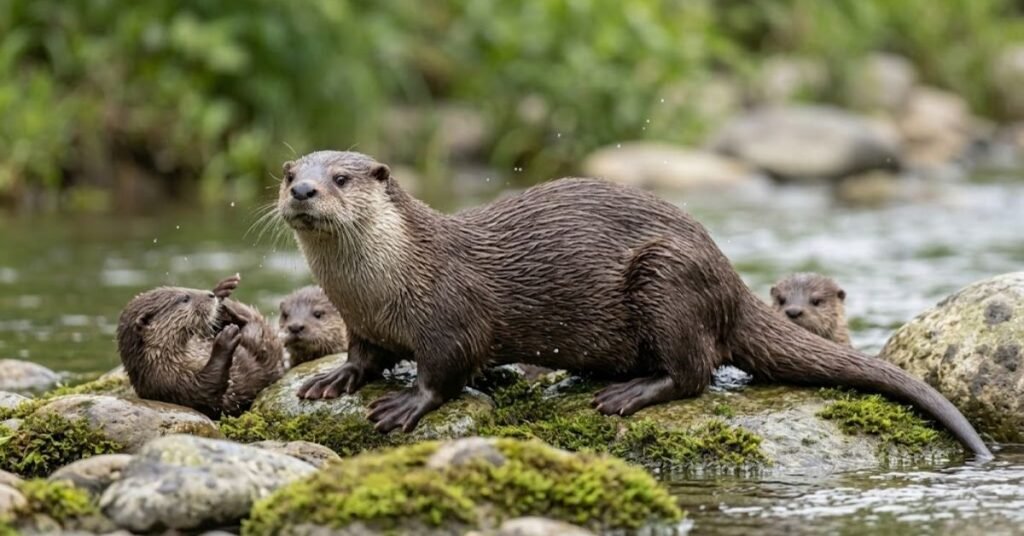
These playful antics boost their agility and coordination, essential traits for survival. While documented play highlights the intricate social dynamics of otter groups ranging from cooperative hunting to playful wrestling popular stories often romanticize their antics. Unlike folklore that portrays otters as whimsical tricksters, scientists note that their play is crucial for behavioral development and environmental adaptation.
Otters primarily inhabit freshwater rivers, lakes, and even coastal regions, feeding predominantly on fish and crustaceans. A fun fact: otters have a favorite rock they use as a tool to crack open shellfish, demonstrating their remarkable intelligence and resourcefulness!
Coyotes
| Attribute | Details |
|---|---|
| Scientific Name | Canis latrans |
| Class | Mammalia |
| Diet | Omnivorous |
| Habitat | Grasslands, Forests, and Urban Areas |
Coyotes are remarkable for their adaptability and innate curiosity, often thriving in various environments from deep forests to bustling urban areas. Their opportunistic nature allows them to capitalize on an array of food sources, leading to an impressive dietary versatility that includes rodents, fruits, and even human scraps.
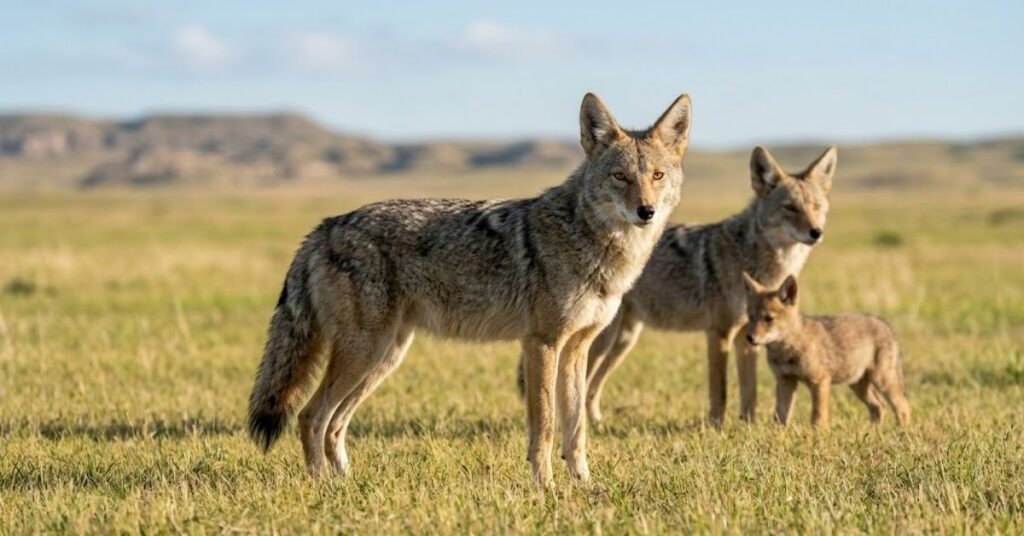
This adaptability not only ensures their survival but also showcases their intelligence as they learn to navigate and exploit human-influenced landscapes. As coyotes venture into urban settings, they reveal a certain charm; their curious personalities prompt them to explore backyards and parks, sometimes leading to mischievous encounters with pets and garden produce.
It’s essential to respect their wild nature; feeding coyotes can disrupt their natural hunting instincts and encourage urban dependence. Observing these clever creatures from a distance can provide an enlightening glimpse into their world without compromising their safety or our own.
Crows
| Attribute | Details |
|---|---|
| Scientific Name | Corvus spp. |
| Class | Aves |
| Diet | Omnivore |
| Habitat | Urban Areas, Woodlands, and Grasslands |
Crows are notorious for their mischievous antics, particularly when it comes to food-hiding. These clever birds exhibit behavior akin to a child stashing candy, burying nuts and other edibles in various locations to retrieve them later.

Their playfulness extends to object manipulation, where they may drop stones into water to raise the water level for accessing food, showcasing a profound understanding of cause and effect. Intriguingly, crows have been observed engaging in complex problem-solving tasks, often leading to innovative solutions that demonstrate their remarkable intelligence.
Equipped with an exceptional memory, crows can recall the faces of specific humans and remember locations where they’ve hidden their food for months. They share information with their peers, making them not only independent learners but also sharers of knowledge within their community.
Living in diverse habitats ranging from urban streets to secluded forests, these resourceful birds adapt their diet based on their environment, from scavenging in city dumps to foraging for insects and fruits. An interesting fact about crows is their ability to use tools; they have been documented using sticks to extract insects from tree bark, showcasing a level of ingenuity that continues to fascinate ornithologists and bird lovers alike.
Cats
| Attribute | Details |
|---|---|
| Scientific Name | Felis catus |
| Class | Mammalia |
| Diet | Carnivore |
| Habitat | Domestic, Urban Areas |
Cats are notorious for their playful antics, often engaging in delightful, albeit mischievous, behaviors like knocking objects off tables and staging playful ambushes on unsuspecting toys. Their innate hunting instincts are not just remnants of their ancestors; they manifest in their curious, often troublesome pursuits.

A cat’s desire to explore and manipulate their environment is not simply for entertainment; it stems from a deep-rooted need to hone skills necessary for survival. These furry mischief-makers thrive in domestic spaces, but their wild counterparts demonstrate similar behaviors driven by survival.
Their carnivorous diet, which includes small mammals and birds, is often reflected in their playful hunts with crumpled paper or strings around the house. Cats possess a unique collarbone structure that allows them to always land on their feet this acrobatic advantage adds another layer to their playful mischief, as they can leap and soar with agility that sometimes leads to harmless chaos!
Foxes
| Attribute | Details |
|---|---|
| Scientific Name | Vulpes vulpes |
| Class | Mammalia |
| Diet | Omnivorous |
| Habitat | Temperate Forests, Grasslands, and Urban Areas |
Foxes embody mischief with their clever antics and adaptive behaviors. Often found in diverse habitats, from rural landscapes to bustling cities, these cunning canines exhibit exploratory behavior that keeps them one step ahead of their environment.
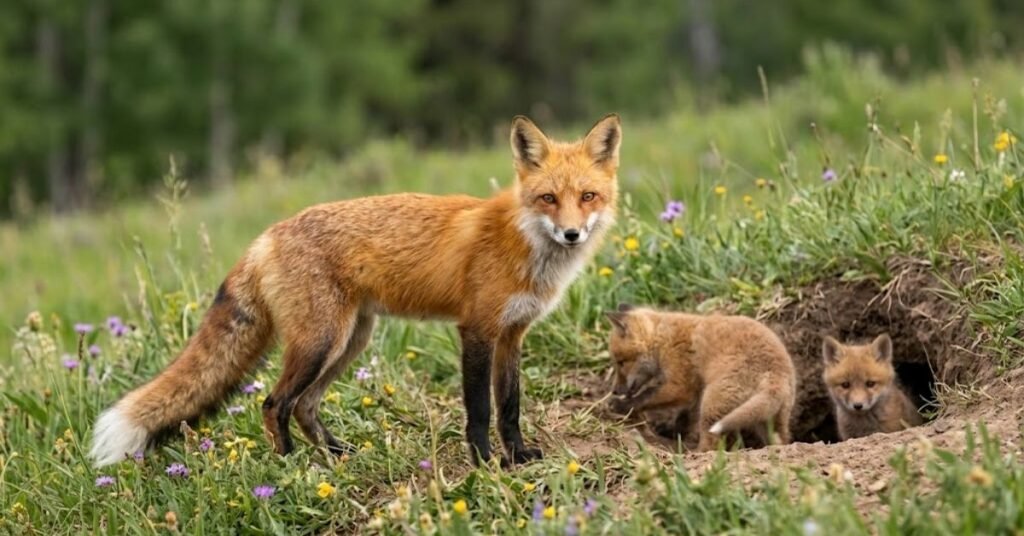
Whether it’s darting through suburban yards or rummaging through bins, their food-seeking escapades can appear almost playful as they engage in improvised games with their own shadows or rustling leaves.
Interestingly, foxes use a strategy called “playing dead” to evade predators, demonstrating their intelligence and resourcefulness. This playful threshold extends to their social interactions, where young foxes leap and chase one another, setting the stage for a harmonious blend of survival tactics and sheer fun.
Observing the life of a fox reveals not just their mischievous nature, but also a deeper understanding of adaptation and resilience in the wild.
Magpies
| Attribute | Details |
|---|---|
| Scientific Name | Pica pica |
| Class | Aves |
| Diet | Omnivore |
| Habitat | Woodlands, Urban Areas, Grasslands |
Magpies, often lauded for their intelligence, showcase a remarkable curiosity that sets them apart in the avian world. Known for their dynamic food-searching behavior, these birds exhibit intricate problem-solving skills as they navigate their environments whether it’s unearthing hidden morsels in the soil or figuring out how to access bird feeders.

Their interactions with various objects reveal an inquisitive nature that goes beyond mere survival; magpies engage in play, flipping and tossing items that catch their fancy, demonstrating cognitive depth and emotional complexity.
These versatile birds thrive in diverse habitats ranging from suburban neighborhoods to expansive woodlands, where their omnivorous diet allows them to adapt to changing seasons. An intriguing aspect of magpies is their ability to form complex social structures; they often communicate through a variety of calls, making them vocal members of their ecosystems.
Studies suggest that magpies can recognize themselves in mirrors a sign of self-awareness that few animals display, emphasizing their role not just as tricksters, but as intelligent beings in the animal kingdom.
What Makes An Animal Mischievous?
Mischievousness in animals often stems from a blend of curiosity, playfulness, intelligence, and problem-solving skills. At its core, a mischievous animal isn’t simply “bad”; it’s often exploring its world through behavior that might seem cheeky to humans. For instance, a monkey snatching food or a raccoon rifling through a trash can is engaging its senses and harnessing its cleverness traits that are vital for survival.
Take the playful chasing of a squirrel as it darts away with a shiny object or a dog playfully stealing a sock. These actions aren’t always acts of rebellion; they signify a creature actively learning about its environment or testing boundaries. Unexpected behaviors like a cat pouncing on a shadow reflect both its keen observational skills and the innate urge to engage with its surroundings.
It’s essential to recognize that not all unusual behaviors are deliberate mischief. Many times, animals act on instinct or natural impulses rather than a conscious decision to cause chaos. What we perceive as ‘troublemaking’ may simply be innocent exploration or an expression of their vibrant, instinctual lives.
Conclusion
The world of mischievous animals is a fascinating one, filled with creatures that never fail to entertain and surprise us. From clever raccoons to playful dolphins, these animals bring a unique blend of mischief and charm to our lives. Their antics remind us of the joy and unpredictability of nature, encouraging us to appreciate these playful beings.
As we continue to observe and learn about these mischievous animals, we can foster a deeper connection with the natural world around us. So, the next time you encounter a playful critter, take a moment to appreciate its curious spirit and the joy it brings!
FAQs
What Are Mischievous Animals?
Mischievous animals are creatures that display playful, curious, or clever behaviors that often result in unexpected and sometimes troublesome outcomes for humans and other animals around them.
What Are The Most Mischievous Animals?
The most mischievous animals in the world include raccoons, chimpanzees, capuchins, crows, dolphins, otters, magpies, foxes, cats, and dogs, all known for their clever, playful, and often troublemaking behaviors.