Top 14 Animals Without Tails (With Images & Unique Facts)
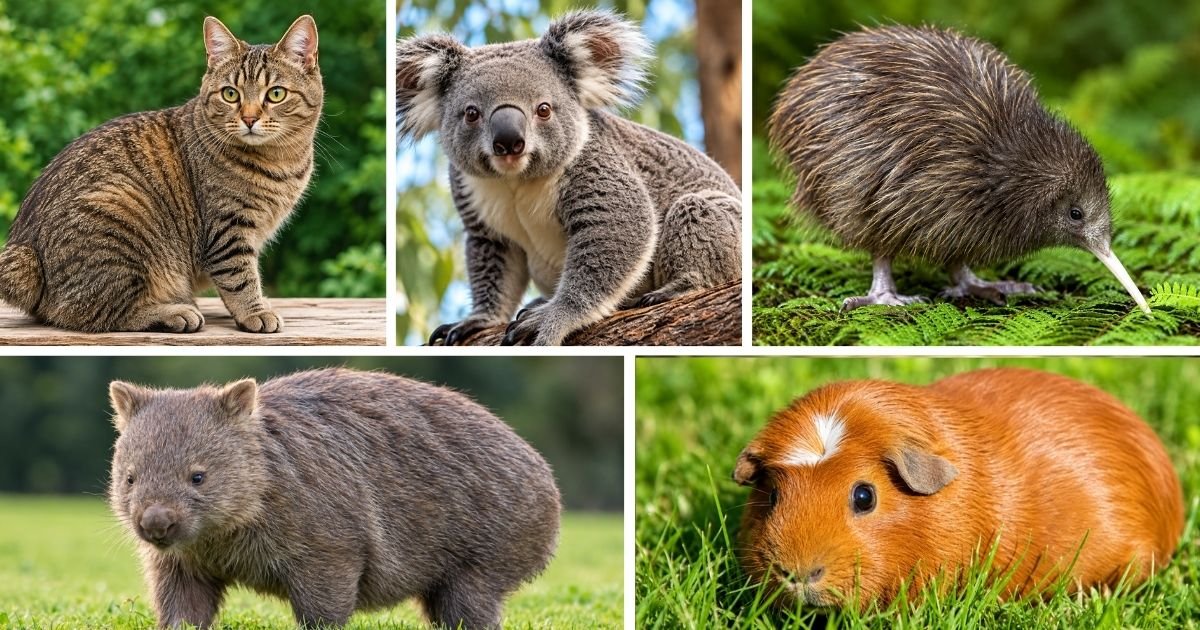
Animals without tails might seem like an unusual topic, but they offer a wealth of captivating insights into nature’s diversity. From mammals like the Manx cat to birds like the ostrich, many species have evolved to live without tails or with significantly reduced ones.
This blog post explores the various habitats, diets, and behaviors of these tail-less animals, demonstrating that their lack of a tail does not hinder their agility or balance. Enjoy a visual journey and learn unique facts that underline the wonder of adaptation in the animal world.
What Are Animals Without Tails?
Animals without tails are those that either lack this appendage entirely or possess extremely shortened versions of it. The distinction lies in the absence of a tail like that of certain breeds of dogs or cats versus the minimal tail remnants seen in some species, which may serve limited functions.
Tails play a critical role for many animals, providing balance during movement, aiding in communication through signals, and even assisting in fat storage for survival during lean times. Several animal groups have naturally evolved without external tails.
Examples include certain species of amphibians and reptiles, as well as some mammals. This absence can stem from adaptations to their environments, where the need for balance or communication via tail movements is less significant.
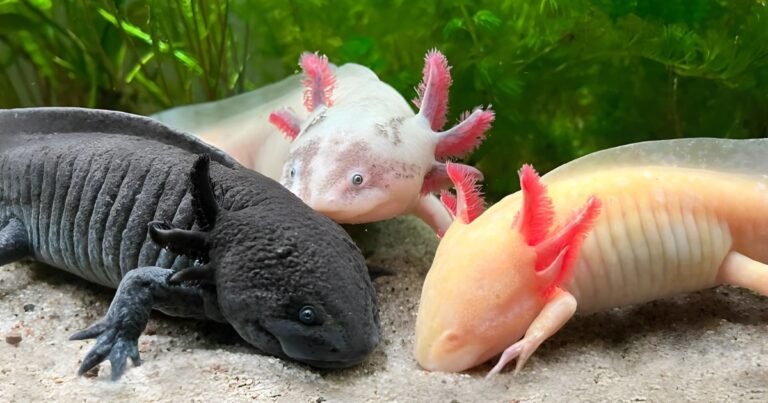
So, what animals don’t have tails? Look no further than the intriguing axolotl or a stubby-tailed cat, which defy the conventional belief that all creatures rely on tails for their day-to-day activities. Exploring this topic reveals the incredible ways nature adapts, proving that even the absence of a tail can lead to a successful existence in various ecosystems.
Quick Animals Without Tail Table
| Animal | Scientific Name | Key Trait |
|---|---|---|
| Manx Cat | Felis catus | Genetic mutation |
| Koala | Phascolarctos cinereus | Powerful limbs |
| Frogs and Toads | Anura | Diverse locomotion |
| Barbary Macaque | Macaca sylvanus | Rich social behavior |
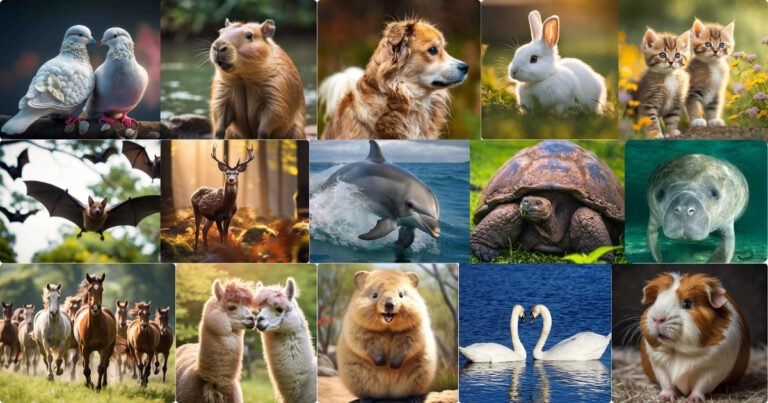
| Capybara | Hydrochoerus hydrochaeris | Social animal |
| Guinea Pig | Cavia porcellus | Social grooming |
| Kiwi Bird | Apteryx | Flightless |
| Octopus | Octopoda | High intelligence |
| Spiders | Araneae | Web-building habits |
| Wombat | Vombatus | Strong burrowing ability |
| Pika | Ochotona | Food storage |
| Tailless Whip Scorpion | Amblypygi | Unique body structure |
| Sea Stars | Asteroidea | Regenerative abilities |
| Sea Urchins | Echinoidea | Protective spines |
Animals Without Tails List
Here is a list of fascinating animals that don’t have tails, along with interesting facts and pictures.
| # | Animals Without Tails |
|---|---|
| 1 | Manx Cat |
| 2 | Koala |
| 3 | Frogs and Toads |
| 4 | Barbary Macaque |
| 5 | Capybara |
| 6 | Guinea Pig |
| 7 | Kiwi Bird |
| 8 | Octopus |
| 9 | Spiders |
| 10 | Wombat |
| 11 | Pika |
| 12 | Tailless Whip Scorpion |
| 13 | Sea Stars |
| 14 | Sea Urchins |
Manx Cat
| Category | Details |
|---|---|
| Scientific Name | Felis catus |
| Class | Mammalia |
| Diet | Carnivorous |
| Habitat | Domestic environments, often in human homes |
The Manx cat captures attention not only for its charm but also for its unique genetic predisposition. The well-known taillessness stems from a mutation on the T locus, leading to various tail-length types, each with distinct characteristics.
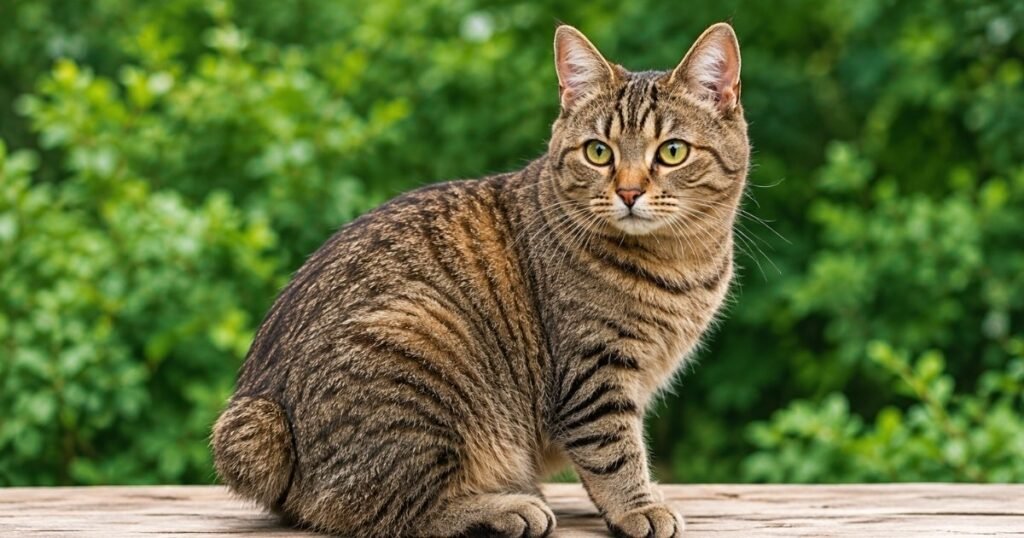
This genetic variation raises intriguing questions about the role of evolutionary adaptation in domestic animals, particularly concerning how physical traits can influence behavior and interaction with humans.
Interestingly, while many associate the Manx primarily with their tailless quality, variations exist within the breed, resulting in different tail lengths and not all Manx cats exhibiting the same tail structure. This diversity adds to their appeal, as owners can choose a feline companion that resonates with their preferences.
As we explore the implications of taillessness in pets, the Manx cat presents a fascinating case study on adaptability, inviting pet enthusiasts to consider the broader impacts of genetic variations in domesticated species.
Koala
| Attribute | Details |
|---|---|
| Scientific Name | Phascolarctos cinereus |
| Class | Mammalia |
| Diet | Herbivore (Eucalyptus leaves) |
| Habitat | Australian forests |
Koalas are fascinating creatures that possess unique adaptations for their treetop lifestyle. Despite their lack of a visible external tail, they are exceptional climbers, thanks to their strong limbs and specialized, flexible paws.
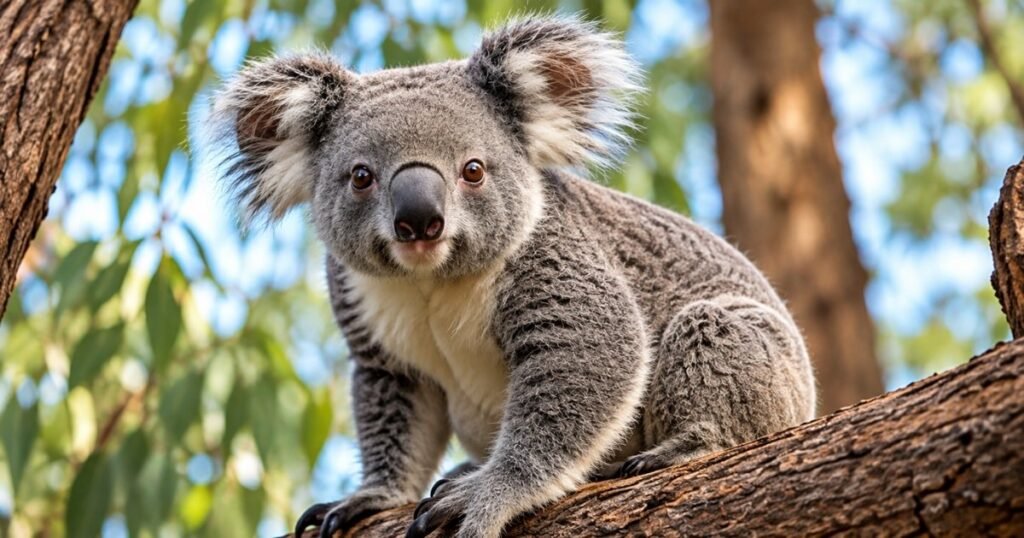
Their hands are equipped with two opposable digits, allowing them to grasp branches securely while munching on their favorite eucalyptus leaves. This diet, while low in nutritional value and toxic to most animals, has evolved to suit the koala’s metabolism perfectly, enabling these marsupials to thrive in the Australian bush.
Moreover, the koala’s body structure is not merely a design choice but a critical survival trait. Their compact, muscular build assists them in navigating the dense canopy of eucalyptus trees. Interestingly, koalas can sleep for up to 20 hours a day to conserve energy, a necessity given their uncommonly low-calorie diet.
Did you know that koalas have fingerprints remarkably similar to human fingerprints? This unique feature adds to their mysterious allure, hinting at an evolutionary connection that captivates scientists and animal enthusiasts alike.
Frogs And Toads
| Characteristic | Details |
|---|---|
| Scientific Name | Anura |
| Class | Amphibia |
| Diet | Insects, worms, and plant matter |
| Habitat | Freshwater bodies, forests, and grasslands |
Frogs and toads, members of the Anura class, showcase a remarkable life cycle, beginning as tadpoles in aquatic environments. This initial stage, characterized by a tail for swimming, serves as a crucial adaptation for their freshwater habitat.
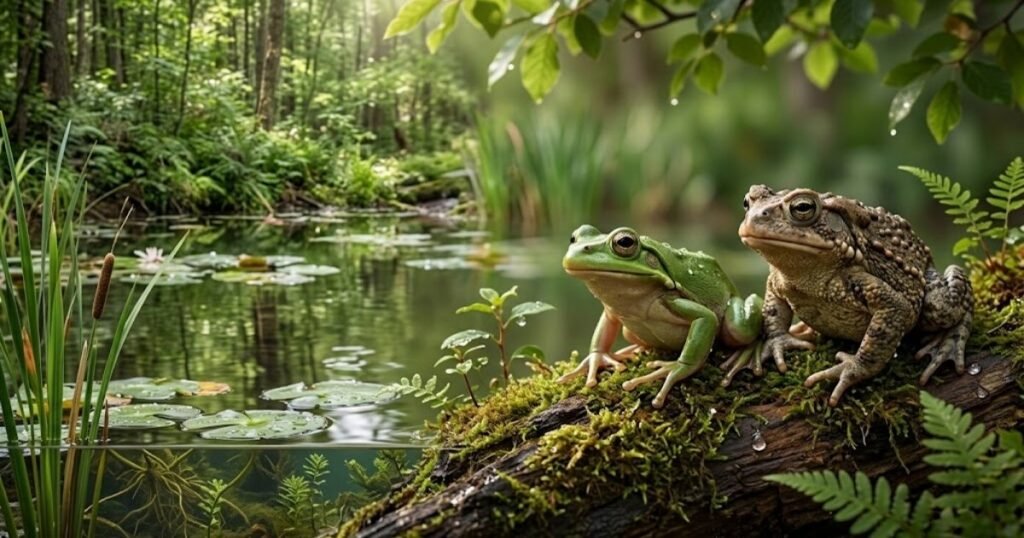
As they undergo metamorphosis, the tail gradually diminishes, a testament to their evolutionary journey from water-dwelling to land-dwelling creatures. This transformation not only highlights the versatility of amphibians but also their ability to thrive in diverse habitats, such as wetlands and forests.
In addition to their metamorphic magic, frogs and toads exhibit fascinating locomotion. Equipped with powerful hind legs, they can leap impressively, escaping predators and covering ground efficiently.
While they may lack an external tail as adults, their adaptability and remarkable jumping abilities compensate for this loss, allowing them to navigate their environments with agility and grace. Each leap tells a story of survival, showcasing both the intricate design of their bodies and the evolutionary advantages that have allowed them to flourish on land.
Barbary Macaque
| Category | Details |
|---|---|
| Scientific Name | Macaca sylvanus |
| Class | Mammalia |
| Diet | Omnivorous |
| Habitat | Temperate forests of North Africa |
The Barbary macaque, renowned for its lack of a prominent tail, is often mistaken for a monkey from its resemblance to typical macaques. This unique species, found primarily in the mountainous regions of North Africa, showcases a fascinating adaptation: a very short vestigial tail region.
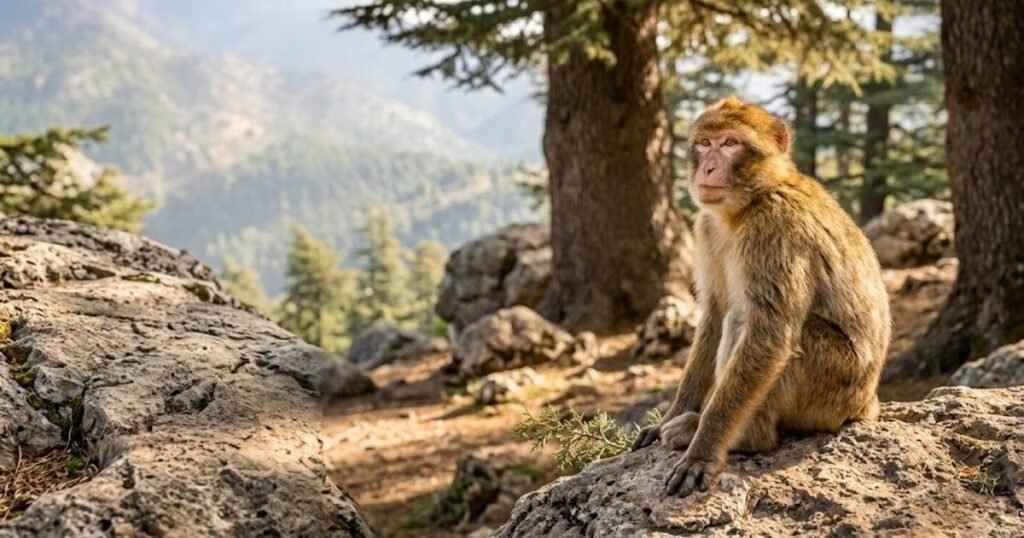
This evolutionary trait sets it apart, allowing for better maneuverability in its arboreal lifestyle while still providing some vestigial functionality. Socially, Barbary macaques exhibit complex behaviors, forming intricate social structures characterized by grooming and bonding rituals. Their omnivorous diet, which ranges from fruits and herbs to small invertebrates, reveals another layer of adaptability within their habitat.
This flexibility in feeding habits not only enhances their survival in diverse environments but also reflects their role in maintaining the ecological balance of their forested homes. Understanding these unique traits illuminates the intricate connection between morphology, behavior, and habitat among primates.
Capybara
| Attribute | Details |
|---|---|
| Scientific Name | Hydrochoerus hydrochaeris |
| Class | Mammalia |
| Diet | Herbivorous |
| Habitat | South American wetlands |
The capybara, the largest living rodent, thrives in the lush wetlands of South America, where it has perfected a semi-aquatic lifestyle. These gentle giants are herbivores, grazing primarily on grasses and aquatic plants, making them keystone species in their ecosystems.
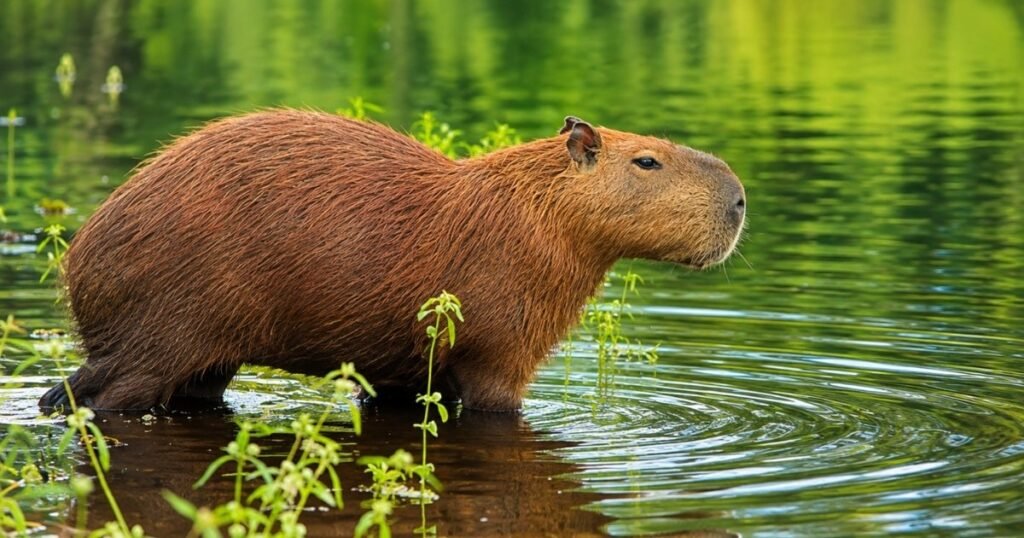
Their social structure is fascinating; they often live in groups that can number up to 100, facilitating intricate social interactions. Capybaras lack a prominent external tail, which may contribute to their streamlined, agile swimming abilities. This absence of a noticeable tail aligns them with other tail-less animals, highlighting their unique evolutionary adaptations.
As they navigate through their marshy habitats, their sociable and friendly nature fosters strong bonds, impacting their survival as a species. Fascinatingly, their communal life not only enriches their social interactions but also enables collective vigilance against predators.
Guinea Pig
| Attribute | Details |
|---|---|
| Scientific Name | Cavia porcellus |
| Class | Mammalia |
| Diet | Herbivorous (hay, vegetables) |
| Habitat | Domestic environments, such as homes and farms |
Guinea pigs, with their gentle demeanor and sociable nature, have become one of the most beloved companion animals worldwide. Their lack of a visible external tail sets them apart, providing a unique perspective on small rodents that offer companionship without the typical tail that many may associate with other pet species.
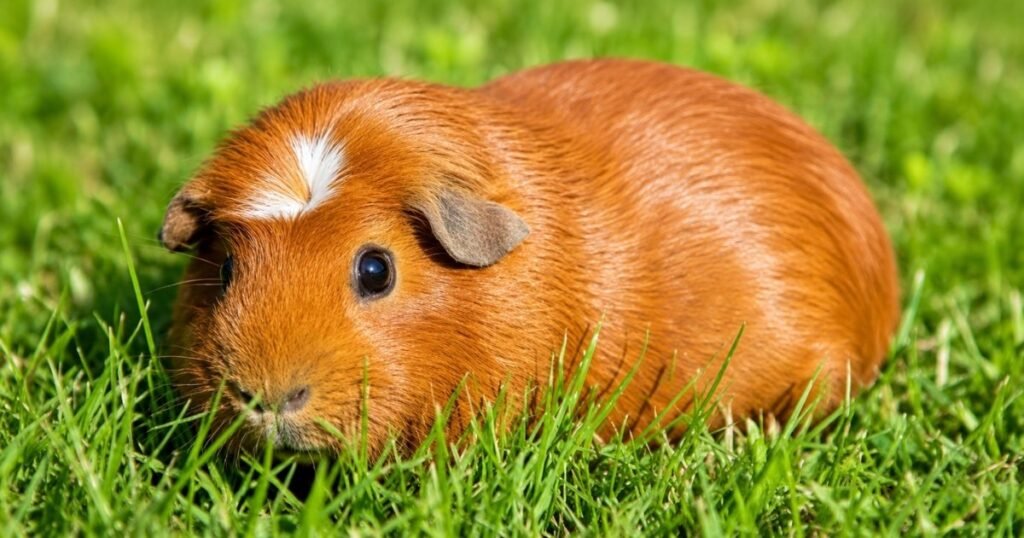
This absence can be symbolic, as it emphasizes their nurturing personality, allowing owners to focus on the comfort and care these creatures bring. In addition to their role as pets, guinea pigs serve as an excellent example of how domesticated animal behavior can be influenced by humans. They thrive in social settings, often forming strong bonds with their owners and even with other guinea pigs.
Their popularity is rooted not only in their adorable appearance but also in the joy they bring to families and individuals alike, making them an enduring staple in households around the globe. These traits highlight the profound connections that can exist between humans and their small, tailless companions.
Kiwi Bird
| Attribute | Details |
|---|---|
| Scientific Name | Apteryx |
| Class | Aves |
| Diet | Omnivorous (insects, worms, fruits) |
| Habitat | Forests, scrublands, and grasslands of New Zealand |
The kiwi bird, with its unique body shape, is a marvel of evolution, diverging from the typical avian form. Unlike most birds, the kiwi’s short, stout body and lack of a prominent tail reflect its adaptation to a nocturnal lifestyle and ground-dwelling habits. This compact shape allows it to navigate through dense underbrush and burrow efficiently in search of food.
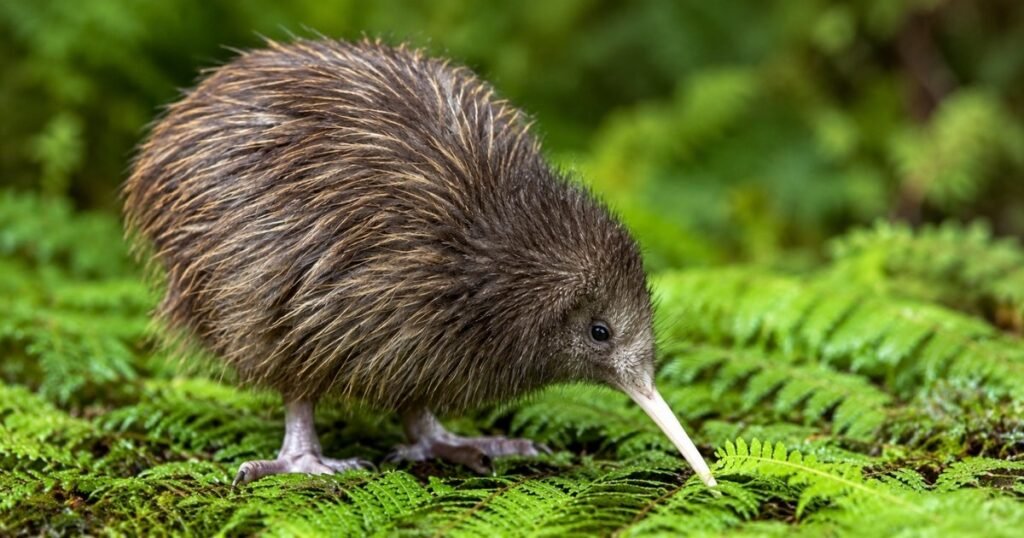
Its long, sensitive bill is perfectly designed for probing the ground, giving it a keen edge in foraging for insects and worms. The kiwi’s strong legs provide the necessary power for running and foraging, though they sacrifice the ability to fly an adaptation that leaves this extraordinary species grounded in the lush landscapes of New Zealand.
The absence of flight enables the kiwi to exploit a niche where predation from airborne threats is minimized, allowing it to thrive in its ecological niche. This flightless lifestyle, paired with distinctive physical characteristics, makes the kiwi one of the most rare animals in the world and showcases the endless marvels of evolutionary adaptation.
Octopus
| Attribute | Details |
|---|---|
| Scientific Name | Octopus spp. |
| Class | Cephalopoda |
| Diet | Carnivorous (primarily crustaceans) |
| Habitat | Primarily oceanic, in rocky crevices or coral reefs |
The octopus, a fascinating marine invertebrate, showcases a unique anatomy, notably lacking a tail as understood in vertebrates where tails serve various functions, including balance and locomotion. Instead, octopuses possess eight flexible arms equipped with specialized suckers, granting them unparalleled dexterity and the ability to interact with their surroundings in remarkable ways.
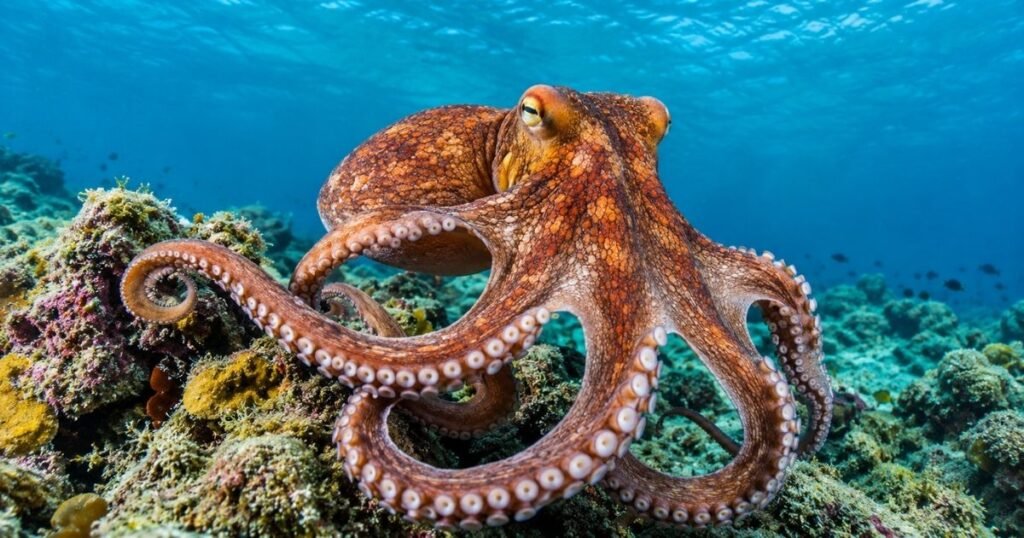
This adaptation extends to their diet, which primarily consists of crustaceans, making them adept hunters that use stealth and intelligence to capture prey. Octopuses also excel in camouflage, employing complex skin changes to blend seamlessly with their environment.This ability not only aids in hunting but also serves as an equalizer against predators.
The realms in which these creatures dwell range from shallow tidal pools to the deep abyss, itself integrating with the diverse aquatic ecosystems that frame our oceans. Observing an octopus in its habitat reveals not just a creature of beauty, but a marvel of evolutionary adaptation that thrives in the ever-changing marine tapestry.
Spiders
| Feature | Details |
|---|---|
| Scientific Name | Araneae |
| Class | Arachnida |
| Diet | Carnivorous (insects, small animals) |
| Habitat | Terrestrial ecosystems (forests, deserts, caves) |
Spiders, the fascinating eight-legged arthropods, are a masterclass in adaptation. While most people picture them spinning elaborate webs, others have evolved as cunning ambush predators, showcasing the diverse strategies these creatures employ for survival.
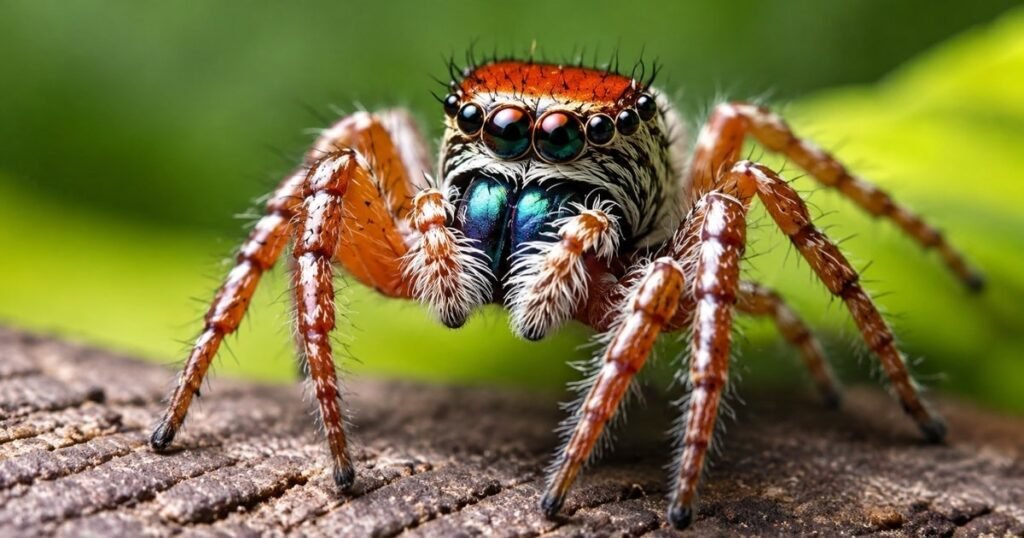
Their unique body structure divided into the cephalothorax and abdomen enables a nimble lifestyle, allowing them to seize opportunities in various habitats from lush forests to barren deserts. What sets spiders apart is their predatory prowess without the need for a tail; this anatomical design makes them efficient hunters.
They utilize specialized skills, including silk production for web-building and quick reflexes for capturing prey. By understanding how spiders thrive in their environments, we gain a deeper appreciation for their role in ecosystems as vital pest controllers, ensuring the delicate balance of nature. Whether gliding down from a silk thread or lurking in the shadows, spiders embody a remarkable resilience that captivates our curiosity.
Wombat
| Attribute | Details |
|---|---|
| Scientific Name | Vombatus ursinus |
| Class | Mammalia |
| Diet | Herbivore |
| Habitat | Eucalypt forests and grasslands |
Wombats are fascinating creatures known for their robust build and burrowing prowess.Their compact bodies are perfectly designed for life underground, showcasing their exceptional adaptation to a subterranean existence.
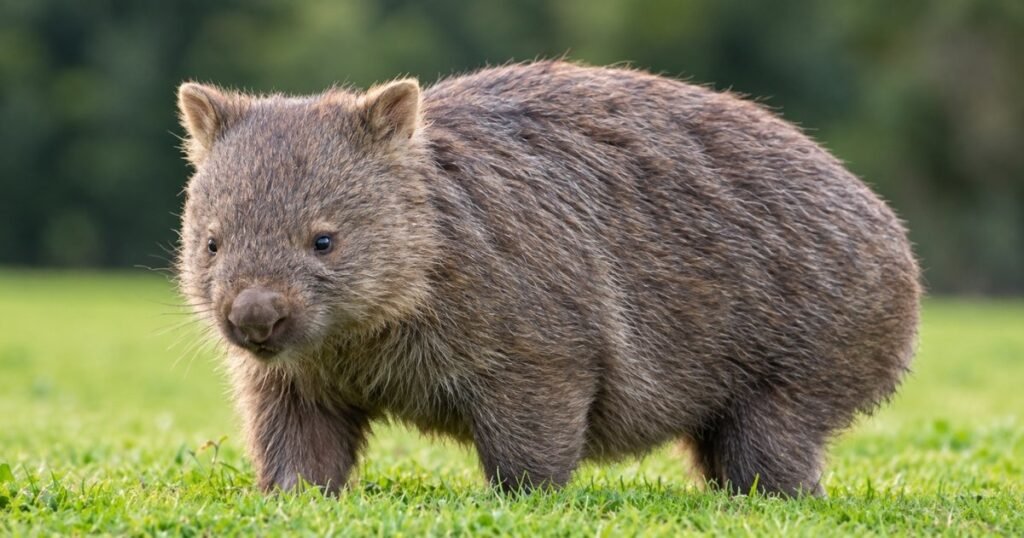
Often mistaken for oversized rodents, they actually belong to the marsupial family, further enriching Australia’s unique biodiversity. One standout aspect of wombat behavior is their distinctive cubic poop, which plays a critical role in marking their territory. This unusual shape prevents the feces from rolling away, ensuring that their scent lingers in the environment a clever adaptation for communication.
Observing these creatures in their natural habitat can reveal not just their dietary preferences, which primarily consist of native grasses and roots, but also their crucial ecological role in maintaining the health of their ecosystems. Their digging activities aerate the soil, promoting the growth of vegetation, thus enhancing their surroundings while they thrive.
Pika
| Feature | Details |
|---|---|
| Scientific Name | Ochotona princeps |
| Class | Mammalia |
| Diet | Herbivorous (grasses, herbs, flowers) |
| Habitat | Mountainous and rocky areas |
Pikas, small relatives of rabbits and hares, have adapted uniquely to their harsh, mountainous habitats. Their compact stature and lack of a visible tail a distinguishing feature allow them to navigate crevices and boulders with ease, enhancing their survival against predators.
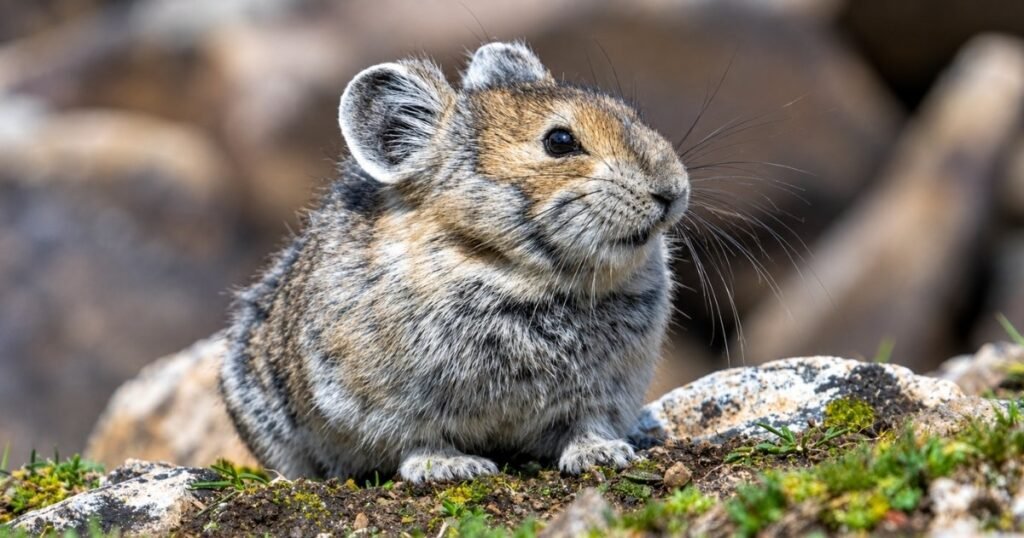
Unlike species with prominent external tails, pikas possess a tiny, inconspicuous tail that is not only functional but also a reflection of their evolutionary journey; it aids in balance without the added bulk that a noticeable tail would present.
The food-gathering behavior of pikas is particularly fascinating. They exhibit a unique form of foraging called “haypiling,” where they meticulously gather, dry, and store grasses and herbs for consumption during the harsh winter months.
This not only showcases their ecological intelligence but also emphasizes the importance of their diet in maintaining the delicate alpine ecosystem. Their ability to thrive in rocky terrains under the extreme conditions of high altitudes illustrates the resilience and adaptability of these charming little creatures.
Tailless Whip Scorpion
| Attribute | Details |
|---|---|
| Scientific Name | Amblypygi |
| Class | Arachnida |
| Diet | Carnivorous; mainly eats small insects and spiders |
| Habitat | Tropical and subtropical regions, often in moist environments |
The Tailless Whip Scorpion, belonging to the class Arachnida, presents a fascinating twist in the world of arachnids. Unlike their true scorpion cousins, these intriguing creatures lack a venomous tail, which is a defining trait of the scorpion family.
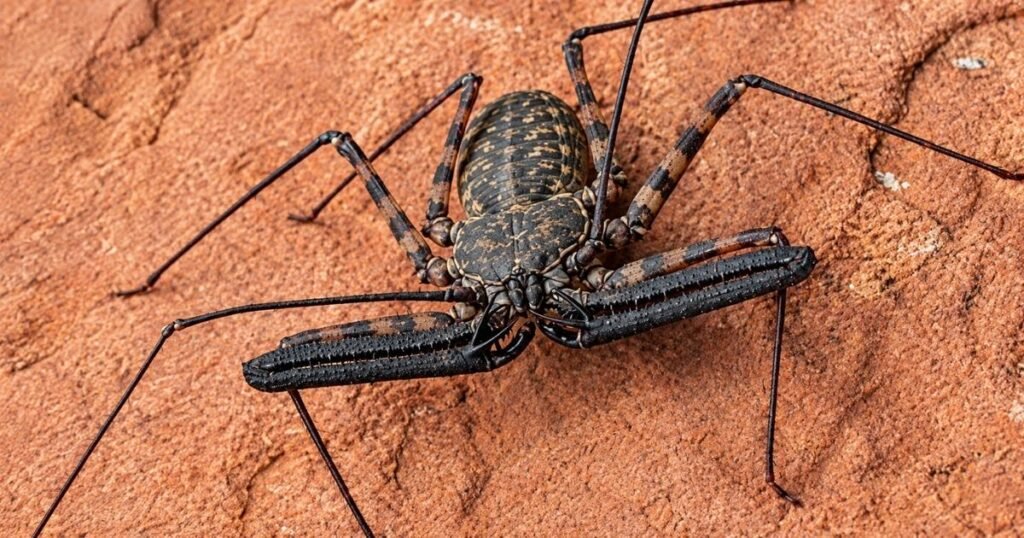
Instead, they compensate with long, sensory front legs that they utilize to navigate their dimly lit, nocturnal environments. This adaptation not only enhances their ability to detect prey but also aids in avoiding predators.
Habitually found in damp, secluded areas such as leaf litter and caves, Tailless Whip Scorpions thrive in habitats that offer safety and moisture. While they share some similarities with whip scorpions, their lack of a venomous component sets them apart; the Tailless Whip Scorpions rely on their formidable pincers for hunting and defense.
Their unique physical and behavioral traits make them a captivating subject of study in arachnology, highlighting the diverse evolutionary paths within this ancient group.
Sea Stars
| Attribute | Details |
|---|---|
| Scientific Name | Asteroidea |
| Class | Echinodermata |
| Diet | Omnivorous (predominantly carnivorous) |
| Habitat | Coastal ocean floors, coral reefs, and rock pools |
Sea stars, or starfish, are fascinating marine invertebrates characterized by their unique radial body plan. Unlike conventional animals that showcase a head-tail axis, sea stars embody a decentralized anatomy where their arms radiate outward from a central disk.
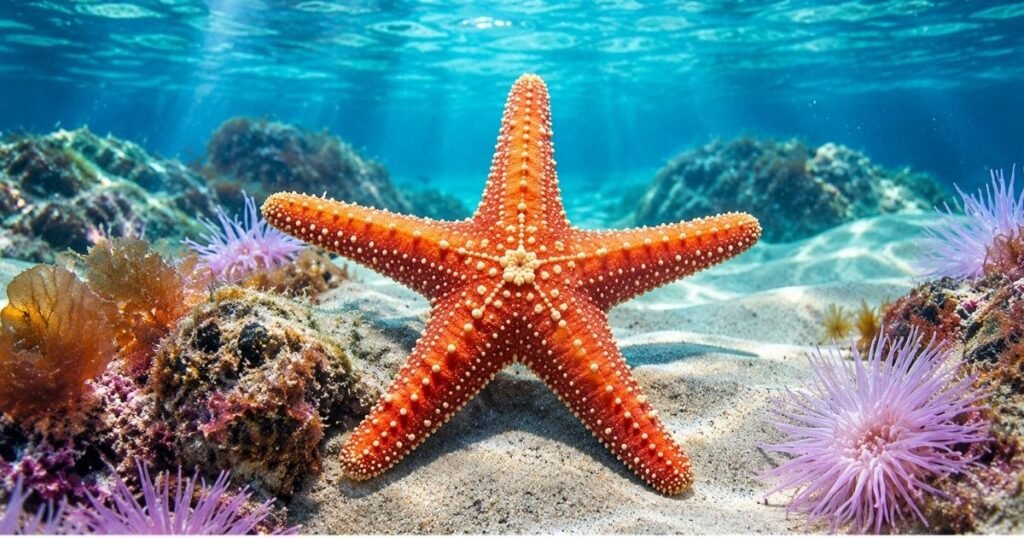
This structure allows them to navigate their environment effectively, utilizing their multiple limbs to grasp, maneuver, and interact with their surroundings, thereby enhancing their predatory capabilities.
In terms of feeding behavior, sea stars are remarkable for their ability to consume prey much larger than themselves, often employing a form of external digestion. They can evert their stomachs out through their mouths to engulf and absorb nutrients directly from their food.
Their habitat preference ranging from sandy seabeds to lush coral reefs equips them with a diverse spectrum of ecological niches to thrive in. The absence of a conventional tail not only underscores their evolutionary path but also highlights their adaptability to the ocean’s dynamic environments, solidifying their role as vital components in marine ecosystems.
Sea Urchins
| Category | Details |
|---|---|
| Scientific Name | Echinoidea |
| Class | Echinoidea |
| Diet | Herbivorous / Detritivorous |
| Habitat | Marine environments, from tidal pools to deep ocean floors |
Sea urchins exhibit a fascinating round or spiny body structure that starkly contrasts with the streamlined forms of tailed vertebrates.Their tough, calcareous shells harbor a unique arrangement of calcareous plates, offering both protection and a medium for the intricate tube feet that facilitate movement.
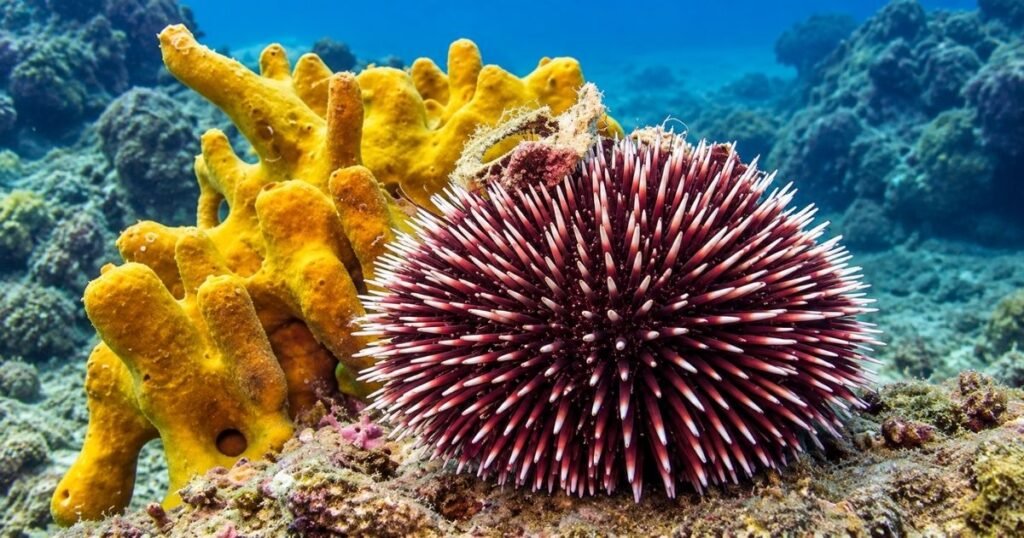
Unlike vertebrates, which rely heavily on muscular tails for propulsion and maneuverability, sea urchins utilize their tube feet for movement across various substrates, showcasing an alternative evolutionary strategy.
These echinoderms thrive in diverse marine habitats, from rocky shores to expansive ocean depths, where they play a crucial role in maintaining the health of underwater ecosystems. Their diet primarily consists of algae, which they graze on using specialized feeding structures called Aristotle’s lantern.
This herbivorous behavior not only sustains the sea urchins but also helps control algal growth, thereby promoting biodiversity in their environments. The lack of a conventional tail signifies a departure from vertebrate evolutionary paths, emphasizing how different adaptations can lead to successful survival in similar habitats.
Why Do Some Animals Have No Tails?
The absence of a tail in certain animals is a fascinating example of evolutionary adaptation, tailored to enhance survival in specific environments. For instance, species like apes have evolved to rely on a robust limb structure for swinging through trees, where a tail could actually hinder agility in dense canopies.
Frogs, on the other hand, have developed powerful hind legs and webbed feet that propel them through water, rendering a tail redundant for their aquatic pursuits. Thus, the ability to thrive comes not from outward appearances but from adapting movements that suit their habitats.
From a locomotion perspective, body balance can be significantly impacted by tail loss. The Manx cat, known for its taillessness, exhibits remarkable agility despite its unique genetic mutation. Instead of relying on a tail for balance, it has refined its ability to maneuver and leap with impressive grace.
Similarly, koalas, which employ their strong limbs and sharp claws for climbing, compensate for their short, nonfunctional tails by relying on a highly developed sense of balance while navigating the treetops. In these cases, losing an external tail proves to be not just a survival tactic but a pathway to specialized locomotion that aligns with their environmental needs.
Animals Without Tails Vs Animals With Tails
Tails serve a myriad of functions in the animal kingdom, from aiding balance to enhancing communication. For instance, cats expertly wield their tails for fine-tuning their movements, adjusting to swift changes in direction while navigating precarious heights.
In contrast, animals like apes compensate for their taillessness with strong, prehensile limbs, using their arms to grasp branches and maintain stability. Frogs, although tail-less as adults, utilize their powerful hind legs for propulsion, showcasing adaptability in movement without the assistance of a tail.
When it comes to communication, animals with tails, such as dogs, express emotions through tail-wagging, a form of non-verbal signaling. Meanwhile, koalas leverage their distinctive vocalizations and body language to convey messages among their kind, highlighting how creatures adapt their communication strategies despite lacking tails.
While many species use their tails for defense, like how a cat puffs its tail to appear larger, tailless animals have evolved alternative methods; for instance, frogs can utilize camouflage to evade predators. This fascinating interplay between form and function reveals the extraordinary adaptability of wildlife, proving that evolution has equipped both tailed and tailless creatures with unique survival strategies.
| Feature / Function | Animals Without Tails | Animals With Tails |
|---|---|---|
| Balance | Strong limbs (e.g., apes) | Tail adjustment (e.g., cats) |
| Communication | Vocalizations/body language (e.g., koalas) | Tail movements (e.g., dogs) |
| Movement | Powerful limbs (e.g., frogs) | Tail steering (e.g., fish) |
| Defense | Camouflage (e.g., frogs) | Tail displays (e.g., lizards) |
| Fat Storage | Body fat reserves (e.g., bears) | Tail fat storage (e.g., some rodents) |
Conclusion
Exploring the top 14 animals without tails reveals just how adaptively creative nature can be. These unique animals illustrate that the absence of a tail does not hinder their existence; rather, it shapes their interactions with their surroundings. Whether they rely on keen senses or specialized behaviors, each of these creatures plays a vital role in their ecosystems.
Understanding such diversity enriches our appreciation of wildlife and the subtleties of evolution. Celebrate the wonder of Animals Without Tails and share your newfound knowledge with friends and family!
FAQs
What Animal Doesn’t Have A Tail?
Many animals, such as certain species of frogs and some arthropods, are naturally born without tails due to genetic variations and adaptations to their environments.
What Are Some Small Animals With No Tail?
Small animals like guinea pigs, pikas, and various frogs exemplify this trait, as they either lack tails entirely or have very short ones.
What Are Some Pets Without Tails?
Among pets, Manx cats and guinea pigs are notable examples, with Manx cats often exhibiting a genetic mutation that results in little to no tail, while guinea pigs are entirely tailless.
What Are 4 Legged Animals Without Tails?
Some four-legged animals without tails include the Manx cat and certain breeds of dogs that have been selectively bred for taillessness.
What Are The Animals Without Tails Top 7?
The top 7 include the Manx cat, koala, frog, Barbary macaque, capybara, guinea pig, and kiwi bird.