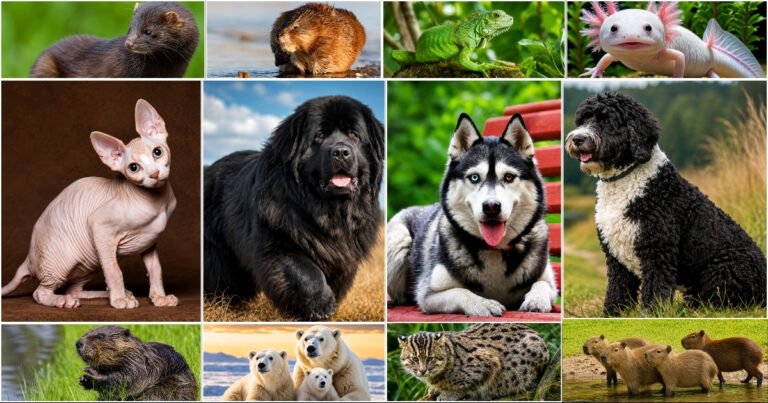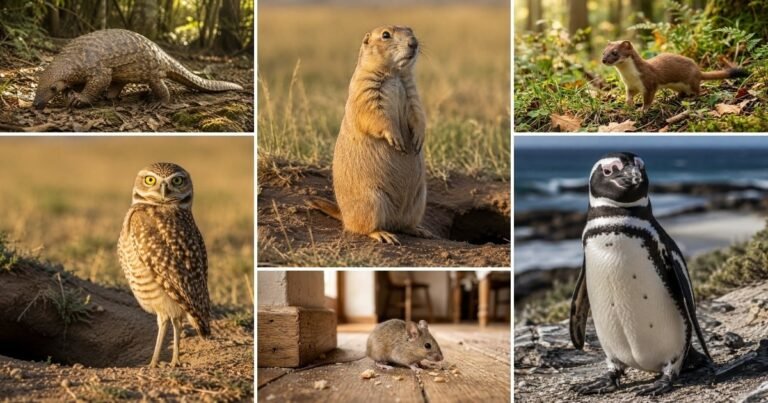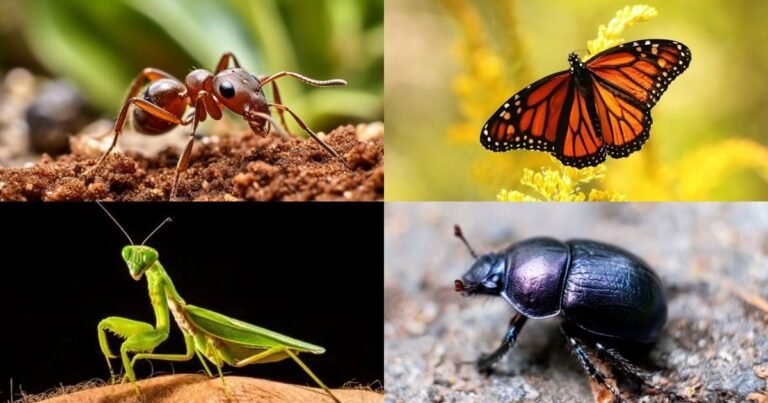
20 Most Friendly Animals In The World: Cute, Calm & Gentle Species
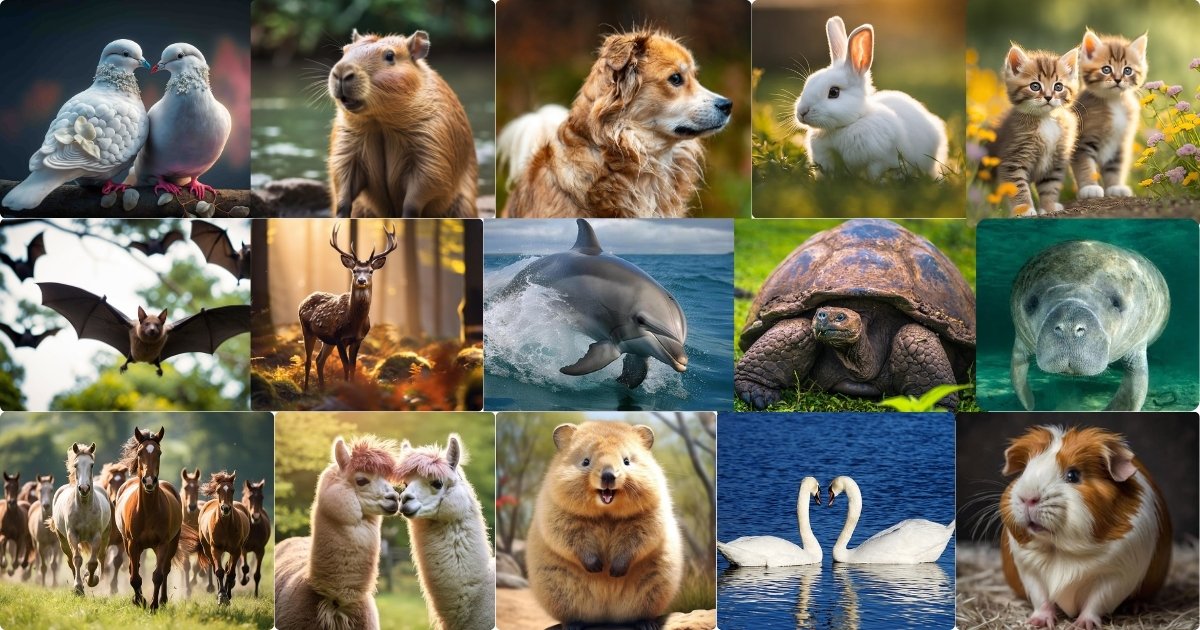
Many animals are capable of extraordinary companionship and loyalty, making them the perfect friends for those in need of comfort. Let’s 20 of the friendly animals around the globe, illustrating their remarkable traits and the joy they bring into our lives. From loyal dogs to affectionate dolphins, prepare to be inspired by the kindness of the animal kingdom!
What Are The Most Friendly Animals?
Friendly animals are often characterized by their sociable behaviors, playful interactions, and low aggression levels. These creatures exude a sense of curiosity and openness, making them approachable to humans.
When animals display traits like wagging tails, soft coos, or gentle nudges, they communicate comfort and a willingness to engage, fostering a bond that transcends species barriers.
For instance, dogs are renowned for their loyalty and affectionate gestures, while capybaras embody a unique social nature, often seen lounging peacefully with other animals.
Dolphins exhibit playful interactions and complex social structures, offering insights into their intelligent social bonds. Elephants, known for their strong familial ties, demonstrate empathy and cooperation, showcasing the deep connections they forge not just with their own kind but also with other species, including humans.
Rabbits, too, bring a sense of calm and curiosity, often seeking companionship in their owners. Such friendly behaviors illustrate a profound ability to trust and build lasting connections, reminding us that empathy and companionship are not solely human traits but are shared across the animal kingdom, inviting us to observe and appreciate these meaningful relationships.
Top 10 Friendliest Wild Animals
When we think about the friendliest animals, dogs often top the list, but there are many other creatures that exude warmth and companionship.
Capybara
| Field | Details |
|---|---|
| Scientific Name | Hydrochoerus hydrochaeris |
| Class | Mammalia |
| Diet | Herbivore |
The capybara, often hailed as one of the friendliest wild animals, brings a unique charm to the animal kingdom. These large rodents have an astonishing capacity for social interaction, not only within their own species but also with others. Living in groups of up to 20, capybaras encourage camaraderie, establishing a sense of community that can be observed in their playful interactions.
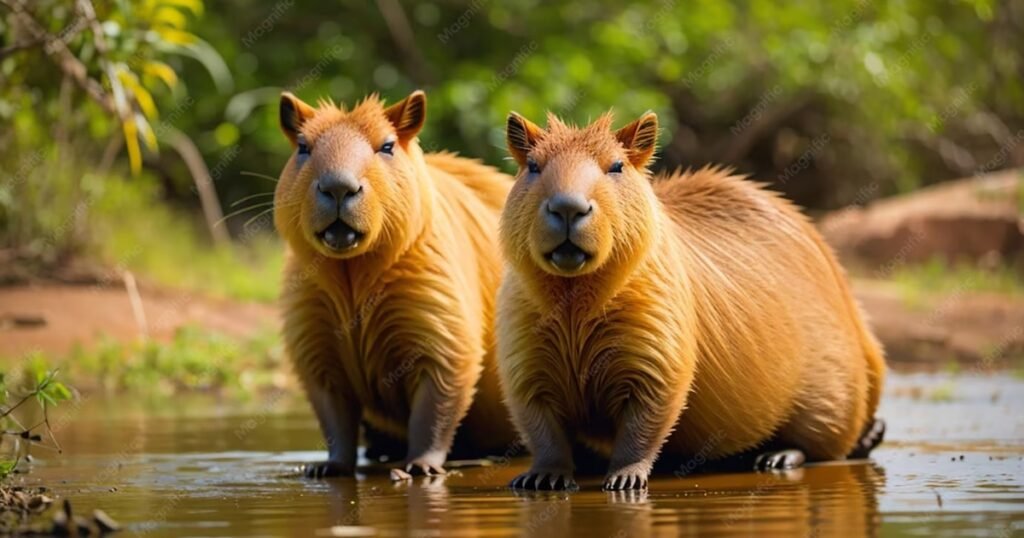
Their gentle demeanor and inquisitive nature make them a favorite among other species, leading to heartwarming scenes where birds, monkeys, and even cats are seen lounging alongside them. This striking adaptability highlights a remarkable fact: friendship in the animal world often transcends species barriers, fostering unexpected alliances.
Dolphin
| Field | Details |
|---|---|
| Scientific Name | Delphinidae |
| Class | Mammalia |
| Diet | Carnivore |
Dolphins, the intelligent entertainers of the ocean, have long captured the human imagination with their playful behavior and social structures. Known for their strong bonds within pods, these marine mammals exhibit emotions and communication skills that suggest a deep understanding of relationships.

Their ability to mimic sounds and respond to stimuli showcases a level of intelligence that invites admiration. Observing dolphins at play, one can’t help but marvel at their joyfulness leaping through waves and performing acrobatics for sheer delight.
This friendliness also extends to humans, with many documented instances of dolphins swimming alongside swimmers and rescuing those in peril, underscoring the potential for genuine connection across species.
Elephant
| Field | Details |
|---|---|
| Scientific Name (African) | Loxodonta africana |
| Scientific Name (Asian) | Elephas maximus |
| Class | Mammalia |
| Diet | Herbivore |
Elephants are often regarded as gentle giants, embodying the essence of empathy and cooperative living. Their intricate social structures and strong family ties emphasize the importance of community and support.
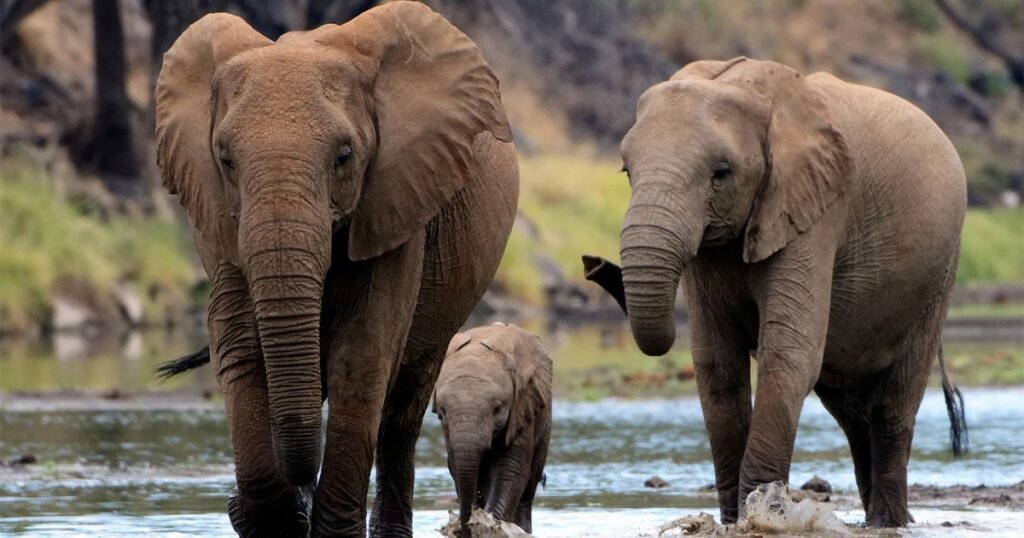
Elephants engage in nurturing behaviors, caring for the young and grieving for lost companions, demonstrating a profound emotional depth. Their remarkable memories contribute to this strong social fabric, allowing them to recognize individuals and recall relationships over long periods.
Engaging with elephants in their natural habitats reveals a sense of wonder, as they exhibit curiosity and show signs of affection, often approaching humans with an evident gentleness. This interaction not only highlights their friendlier traits but also reminds us of the interconnectedness of all living beings.
Manatee
| Field | Details |
|---|---|
| Scientific Name | Trichechus manatus |
| Class | Mammalia |
| Diet | Herbivore |
Imagine gliding through the warm waters of Florida and encountering a manatee, often referred to as a “sea cow.” These gentle giants exude a tranquility that captivates anyone lucky enough to share their aquatic space. Manatees are known for their curious nature; they sometimes approach divers and kayakers, seemingly intrigued by human presence.
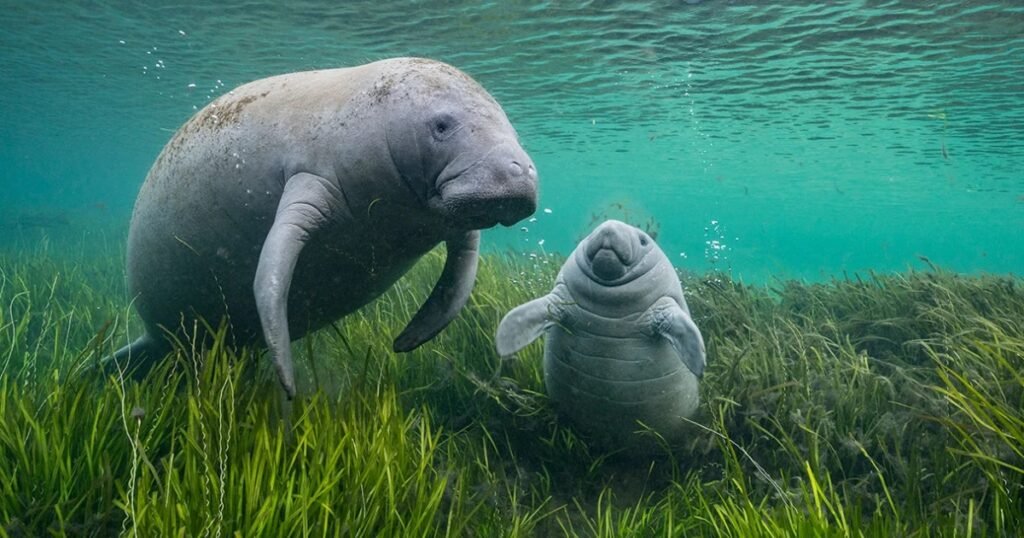
Their slow-paced lifestyle and herbivorous diet lend to their serene demeanor, inviting admirers to pause and reflect. Just observing a manatee can evoke a sense of calm, reminding us of the beauty of taking life a little slower.
Quokka
| Field | Details |
|---|---|
| Scientific Name | Setonix brachyurus |
| Class | Mammalia |
| Diet | Herbivore |
In contrast, the quokka, native to Australia, captivates with its endearing smile and playful antics. Often dubbed “the world’s happiest animal,” these small marsupials have a naturally curious disposition, effortlessly drawing people into their charming world.
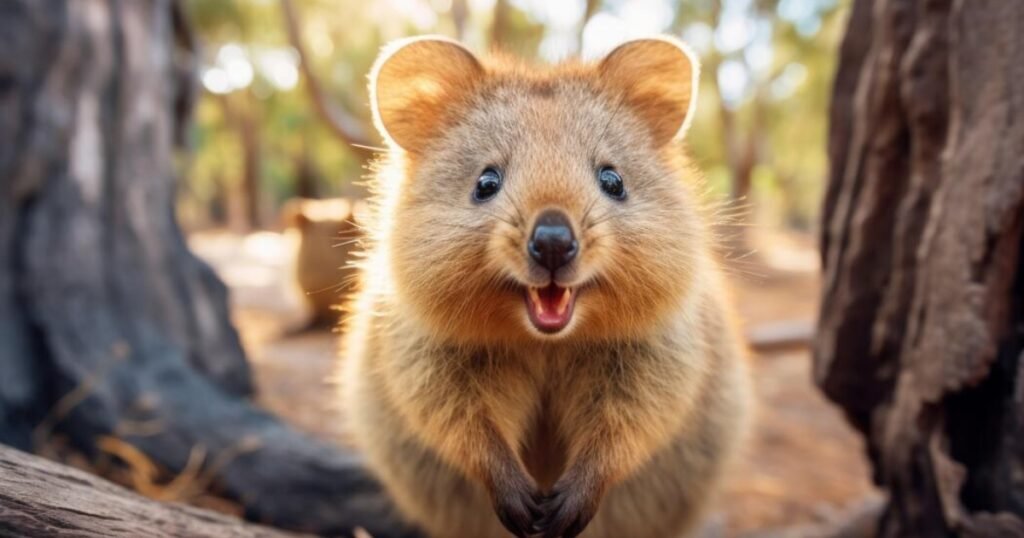
Quokkas are sociable critters, frequently seen interacting with tourists, posing for selfies, and exploring the bustling surroundings of their island habitats. Their friendliness is not just a novelty; it’s a reminder of how connection with nature can enhance our joy and brighten our days.
Deer
| Field | Details |
|---|---|
| Scientific Name | Cervidae |
| Class | Mammalia |
| Diet | Herbivore |
Deer stand as a symbol of grace and gentleness in the wild. These peaceful creatures are often spotted in serene landscapes, gliding through forests and meadows with an elegance that captivates onlookers. Whether it’s a gentle doe leading her fawn or a majestic buck observed from afar, deer exhibit a natural curiosity that can be both endearing and awe-inspiring.
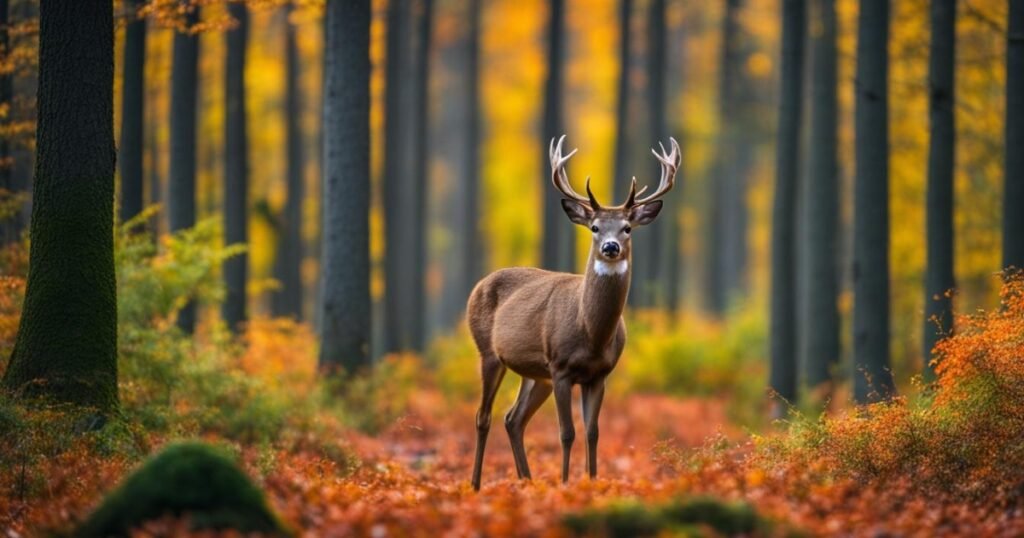
Their inherent shyness and ability to coexist harmoniously with the environment remind us of the delicate balance within ecosystems and the importance of respecting wildlife habitats. Each encounter with a deer offers a glimpse into the quiet beauty of nature, encouraging us to take a moment to appreciate the world around us.
Llama
| Field | Details |
|---|---|
| Scientific Name | Lama glama |
| Class | Mammalia |
| Diet | Herbivore |
Llamas are renowned for their gentle demeanor and social nature, making them delightful companions in the animal kingdom. Often used as pack animals, these creatures thrive in groups and display an innate ability to bond with humans.
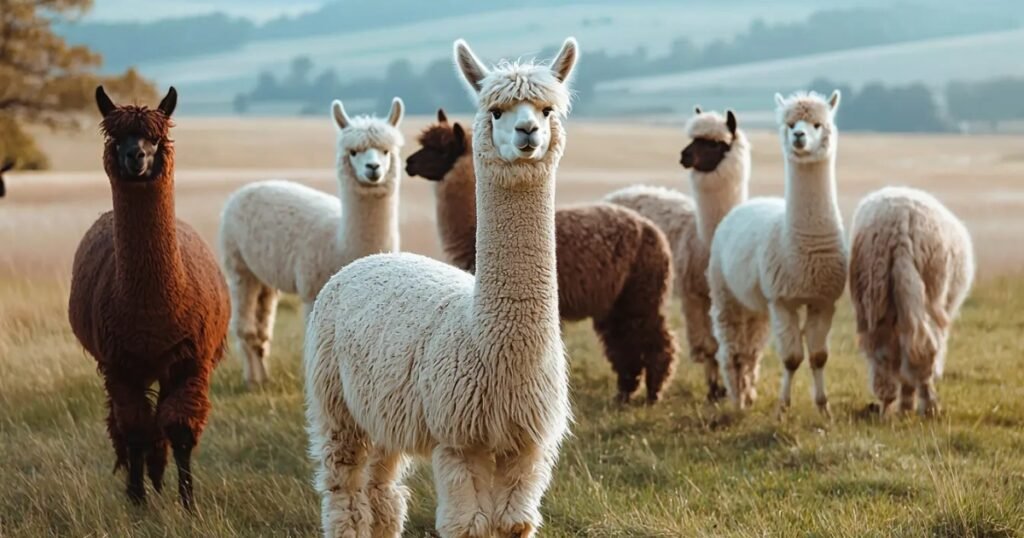
Their expressive faces reveal a playful intelligence that wins over even the most skeptical observers. Interestingly, llamas communicate through a variety of sounds, including soft hums and even playful “orgle” noises, showcasing their unique personality.
Beyond their charm, llamas also act as protectors of livestock, displaying an impressive instinct to keep sheep and other animals safe from predators. This dual role as both a pack and guardian animal enhances their appeal, making them integral to pastoral life in many regions.
Swans
| Field | Details |
|---|---|
| Class | Aves |
| Diet | Herbivore |
Swans are often perceived as aloof and regal, gliding gracefully across lakes, but their interactions can reveal a surprisingly friendly side. These elegant birds are known for forming lifelong bonds with their partners, showcasing loyalty that reflects an emotional depth often overlooked.
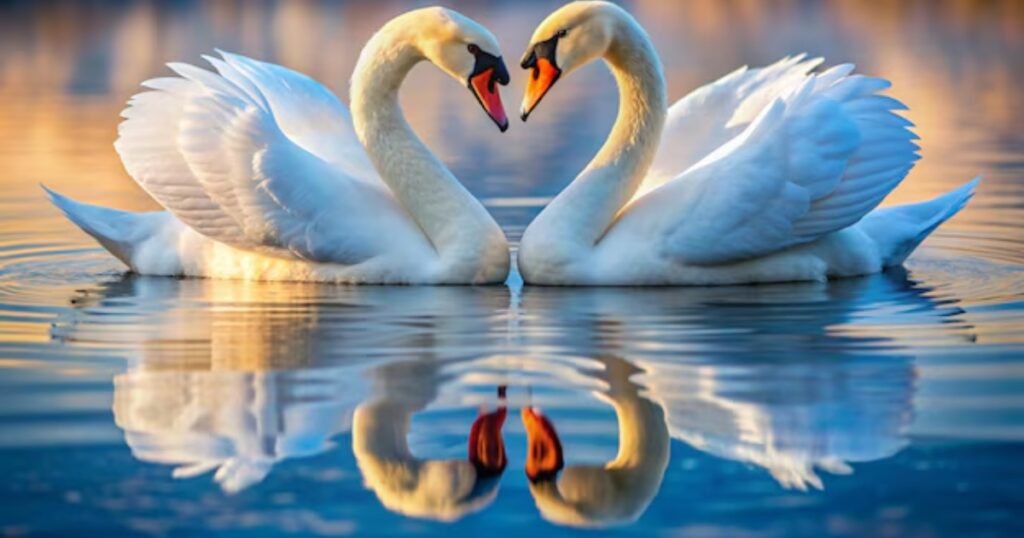
Their nurturing nature is evident as they fiercely protect their cygnets, teaching them essential survival skills and social behaviors. While swans may instinctively exhibit territorial behavior, they are also capable of forming remarkable connections with humans.
Many people have shared heartwarming stories of swans approaching for bits of bread or simply enjoying shared water spaces. Engaging with swans can be a calming experience, as their serene presence and gentle movements invite us into a moment of tranquility.
Giant Tortoise
| Field | Details |
|---|---|
| Scientific Name | Chelonoidis nigra |
| Class | Reptilia |
| Diet | Herbivore |
Giant tortoises are the embodiment of tranquility, moving at a leisurely pace that exudes a sense of calm. These ancient creatures, often over a century old, have a reputation for their docile nature and unhurried lifestyle, which can remind us of the importance of slowing down in our fast-paced world.
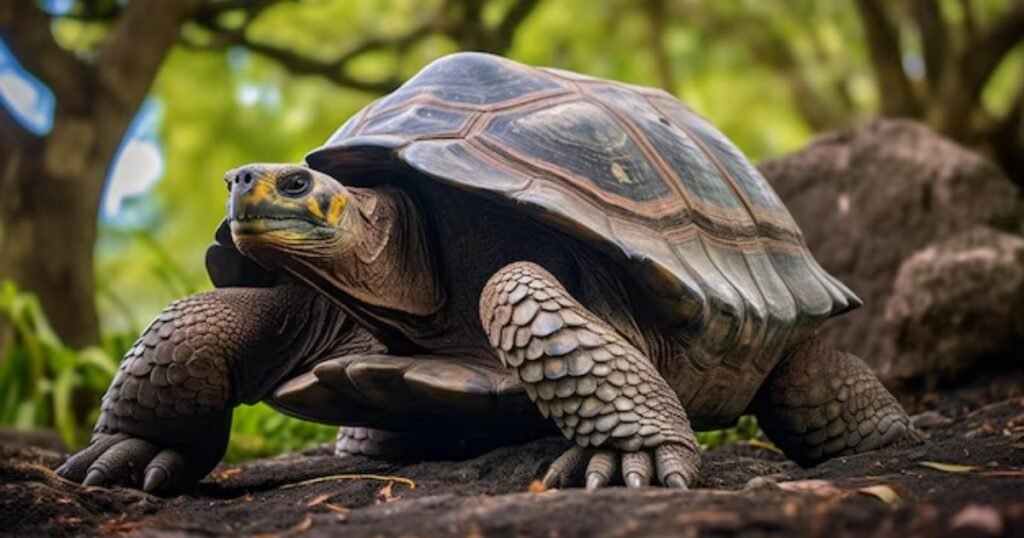
Their slow movements also allow for unique interactions, as many human admirers find joy in observing their gentle munching on leaves or basking in the sun. Giant tortoises have shown remarkable adaptability, learning to recognize their caregivers and forming bonds with them over time.
This connection highlights the complexity of their social interactions and challenges the stereotype of reptiles as exclusively solitary creatures. Engaging with a giant tortoise provides not only the chance for reflection but also a deeper appreciation for the slow and steady rhythm of life.
Bats
| Field | Details |
|---|---|
| Scientific Name | Order: Chiroptera |
| Class | Mammalia |
| Diet | Omnivore / Species-dependent |
Bats are often misunderstood creatures, unfairly associated with fear and darkness. In reality, many bat species display highly social behaviors, thriving in communities that operate almost like intricate societies. From sharing roosting spaces to grooming each other, their interactions reveal a sense of camaraderie that is reminiscent of human friendships.
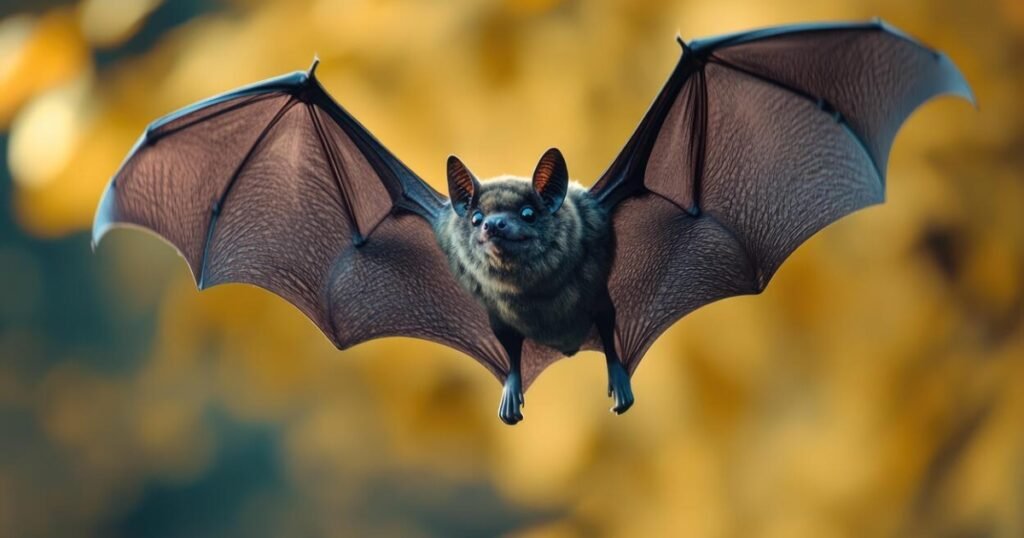
Bats are incredibly important for ecosystems due to their roles as pollinators and pest controllers. Their social structures often involve intricate communication through echolocation, demonstrating a linguistic sophistication that rivals that of many mammals.
This kind of hidden intelligence isn’t limited to mammals either even tiny insects display surprising problem-solving and communication skills, as explored in our guide on the smartest insects in the world.
Dogs
| Field | Details |
|---|---|
| Scientific Name | Canis lupus familiaris |
| Class | Mammalia |
| Diet | Omnivore |
Dogs are not only companions; they are extraordinary beings who embody loyalty and empathy in ways that often surpass human understanding. Their ability to sense our emotions and respond with comfort is a testament to their deeply ingrained connection with us.

Recent studies suggest that dogs can even detect changes in our body language and vocal tones, adjusting their behavior accordingly to ease our stress. This remarkable intuition sets the stage for dogs to play a vital role in therapeutic settings, providing emotional support and improving mental health for countless individuals.
Dogs encourage a lifestyle that promotes wellness and social interaction. Their innate need for exercise helps owners stay active, fostering a sense of community through shared outings in parks or dog-friendly events. The simple act of walking a dog can spark conversations with neighbors and create bonds that might not have otherwise formed.
Cats
| Field | Details |
|---|---|
| Scientific Name | Felis catus |
| Class | Mammalia |
| Diet | Carnivore |
Cats are remarkable companions that often defy expectations. Their aloof demeanor masks a deep well of emotion and intelligence. If you’ve ever watched a cat pounce on a sunbeam or respond to a gentle word with a soft purr, you understand that their charm lies in their unique blend of independence and affection.
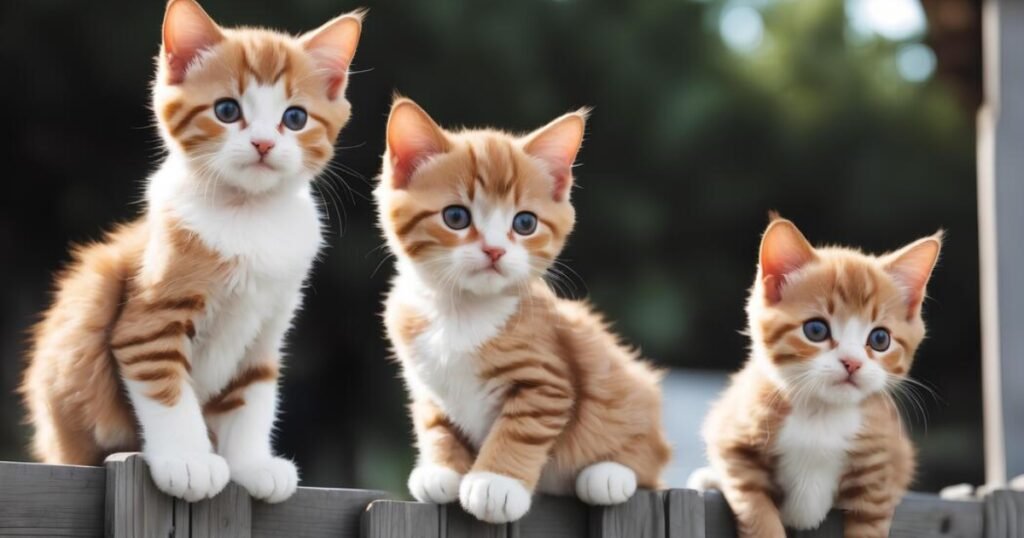
Unlike many pets, cats possess a keen instinct for socialization; they form bonds on their own terms, inviting their humans into their world with a flick of a tail or a conspiratorial meow.
Owning a cat has psychological benefits that extend beyond companionship. Studies suggest that the rhythmic vibration of a cat’s purr can reduce stress and anxiety, creating a calming atmosphere in your home.
They also inspire mindfulness, as observing their graceful movements encourages us to slow down and appreciate the present moment. In a world that often feels chaotic, cats remind us to embrace the simple joys of life whether it’s a cozy nap on a rainy afternoon or an unexpected play session with a cardboard box.
Rabbits
| Field | Details |
|---|---|
| Scientific Name | Oryctolagus cuniculus |
| Class | Mammalia |
| Diet | Herbivore |
Rabbits are often perceived as cute, cuddly companions, but they bring a wealth of personality and intelligence that can be surprising. These social animals thrive on interaction, not just with their human caregivers but also with each other.
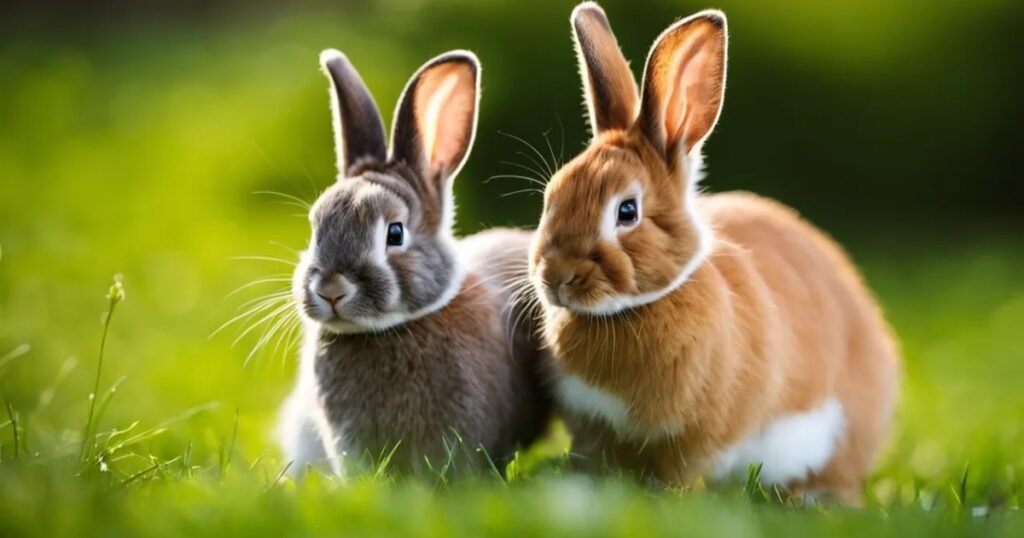
In fact, many rabbit owners have discovered that keeping pairs or small groups can lead to a more harmonious and enriched life, as these animals exhibit a wide range of emotions and social behaviors when bonded with their kind. Observing their playful antics as they binky leaping in the air and twisting their bodies is a joy that few can resist.
Rabbits possess an extraordinary ability to recognize their owners’ voices and respond to them, showcasing their capacity for learning and communication. Providing them with a stimulating environment, filled with tunnels, toys, and safe spaces to explore, not only keeps them physically active but also mentally engaged.
Guinea Pigs
| Field | Details |
|---|---|
| Scientific Name | Cavia porcellus |
| Class | Mammalia |
| Diet | Herbivore |
Guinea pigs are renowned for their sweet and gentle personalities, making them ideal pets for families and children. These small animals thrive in social environments, often seeking companionship with both humans and other guinea pigs.
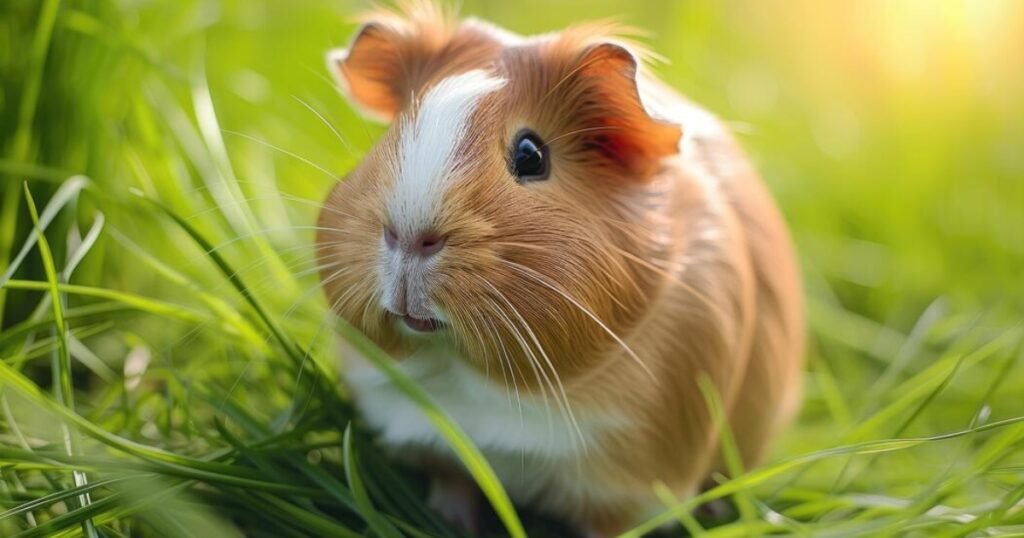
Their instinct to communicate through adorable squeaks and purrs adds an interactive dimension to their caring nature. Easy to handle and maintain, they charm with their inquisitive natures, bringing joy to those who invest time in their care.
Horses
| Field | Details |
|---|---|
| Scientific Name | Equus ferus caballus |
| Class | Mammalia |
| Diet | Herbivore |
Horses are remarkable for their deep emotional connections with humans, often forming bonds that last a lifetime. These majestic creatures not only serve as companions but also as partners in numerous activities, from riding to therapeutic sessions.
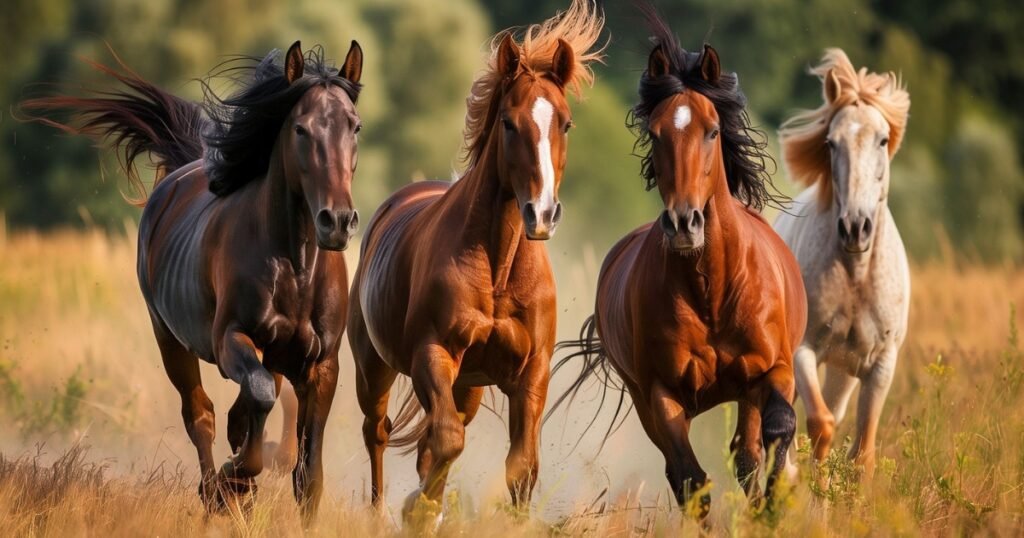
Their sensitivity to human emotions can create profound interactions, making them invaluable in building confidence and trust. Beyond sport, horses embody a unique friendship that bridges the gap between human and animal.
Goats
| Field | Details |
|---|---|
| Scientific Name | Capra hircus |
| Class | Mammalia |
| Diet | Herbivore |
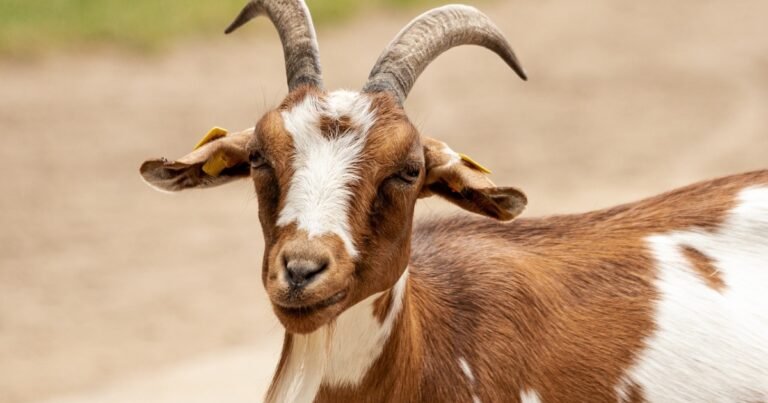
Goats are often underestimated when it comes to friendliness, but their playful and curious nature reveals a captivating social side. Known for their antics and playful demeanor, they enjoy engaging with humans in amusing ways, often showing affection through gentle headbutts or playful nudges.
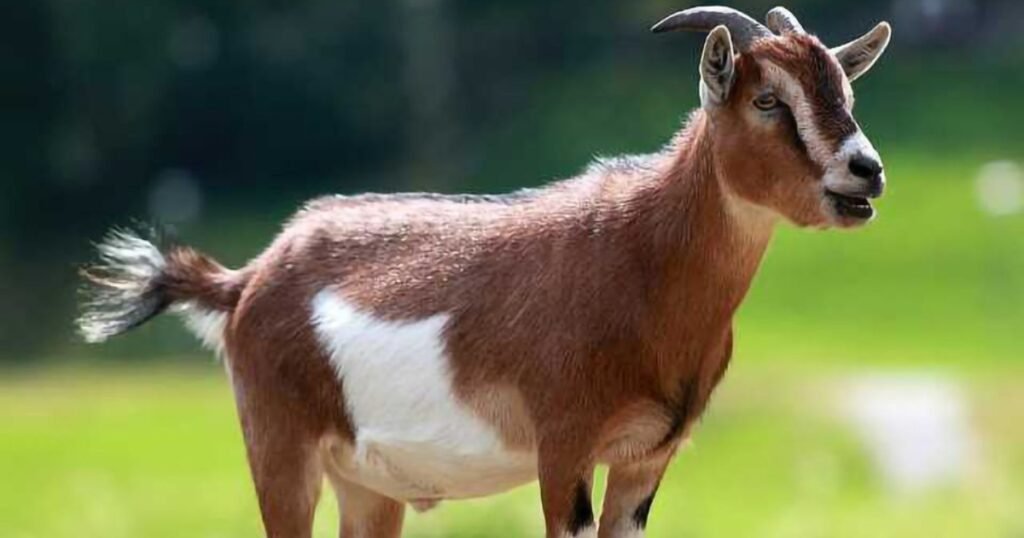
Their hearty laughter and inquisitive spirits can lighten any moment, transforming mundane farm life into something truly lively. Goats thrive on companionship, making them surprisingly touching friends.
Sheep
| Field | Details |
|---|---|
| Scientific Name | Ovis aries |
| Class | Mammalia |
| Diet | Herbivore |
Sheep are often underestimated in the animal kingdom, but these gentle creatures possess a rich emotional and social life that can captivate anyone willing to look closely. Known for their flocking behavior, sheep exhibit strong bonds with one another, forming tight-knit groups for protection and companionship.
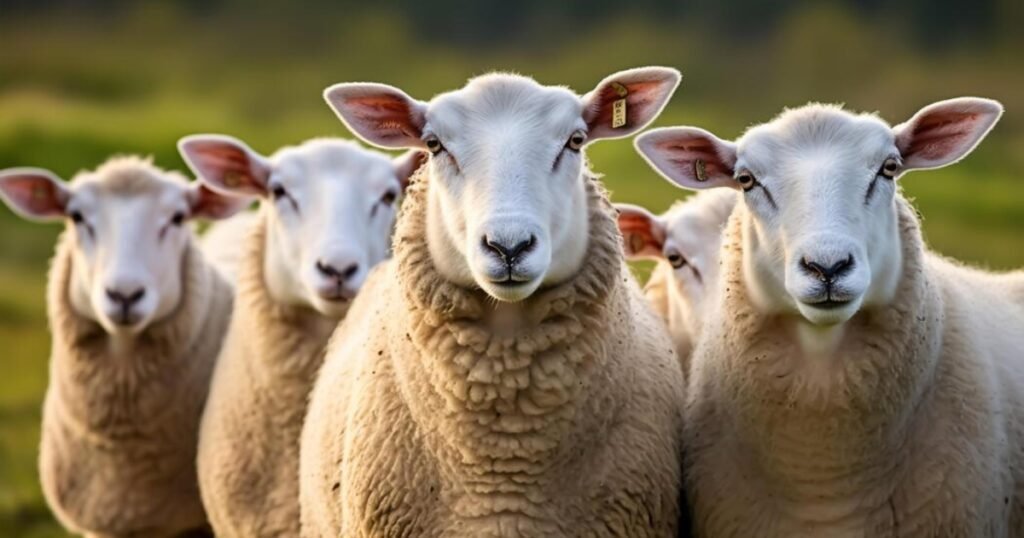
Their acute ability to recognize individual faces – both human and sheep – showcases a remarkable level of intelligence and emotional complexity often overlooked in farm animals. Sheep have a unique way of communicating. They use a range of vocalizations and body language to express their moods, whether it’s through bleating, ear position, or tail movements.
This adaptability highlights their social nature and underscores the importance of companionship in their lives. Initiatives to create more humane farming practices that prioritize sheep welfare not only enhance their quality of life but also contribute to sustainable agricultural methods.
Pigs
| Field | Details |
|---|---|
| Scientific Name | Cavia porcellus |
| Class | Mammalia |
| Diet | Herbivore |
Pigs are often praised for their incredible intelligence and social nature, rivaling that of dogs. They possess the cognitive ability to learn commands and even perform tricks, showcasing their capacity for companionship.
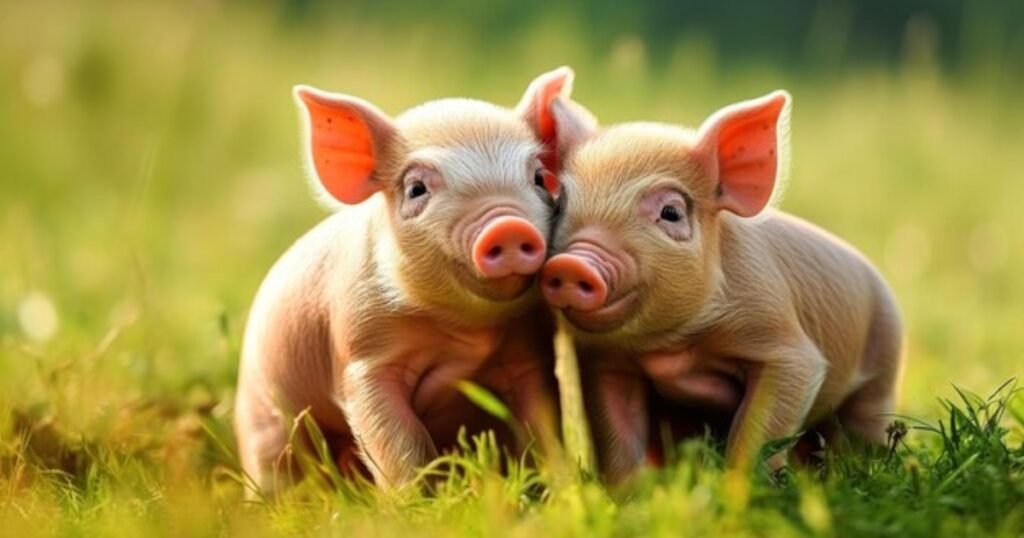
Social and affectionate, pigs develop strong attachments to their human caretakers and enjoy engaging in play, often displaying traits that reveal their playful personalities. Their gentle and caring side challenges many misconceptions, positioning them as delightful pets.
Bearded Dragons
| Field | Details |
|---|---|
| Scientific Name | Pogona vitticeps |
| Class | Reptilia |
| Diet | Omnivore |
Surprising to many, bearded dragons are among the friendliest reptiles, often forming affectionate bonds with their owners. Their curious nature invites interaction, and they display unique behaviors, like head-bobbing, to communicate.
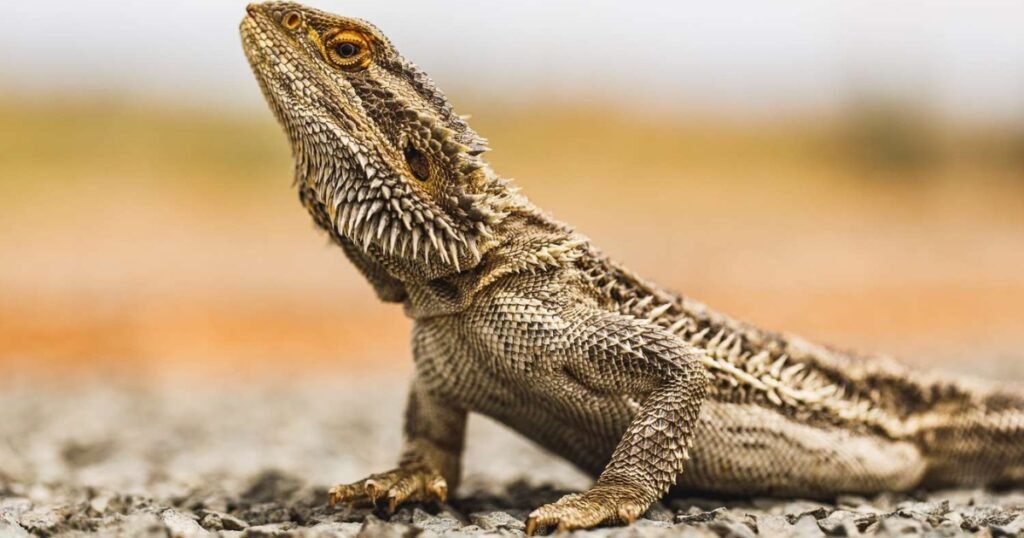
Rarely aggressive, they tend to enjoy being held and even basking in their owner’s presence, making them surprisingly social reptiles. This engaging interaction offers a refreshing alternative to traditional pets, appealing to both young and old.
Doves
| Field | Details |
|---|---|
| Class | Aves |
| Diet | Herbivore |
Doves represent peace and tranquility, and they embody these qualities in their friendly demeanor. Known for their soft coos and gentle presence, they often bond closely with their caregivers.
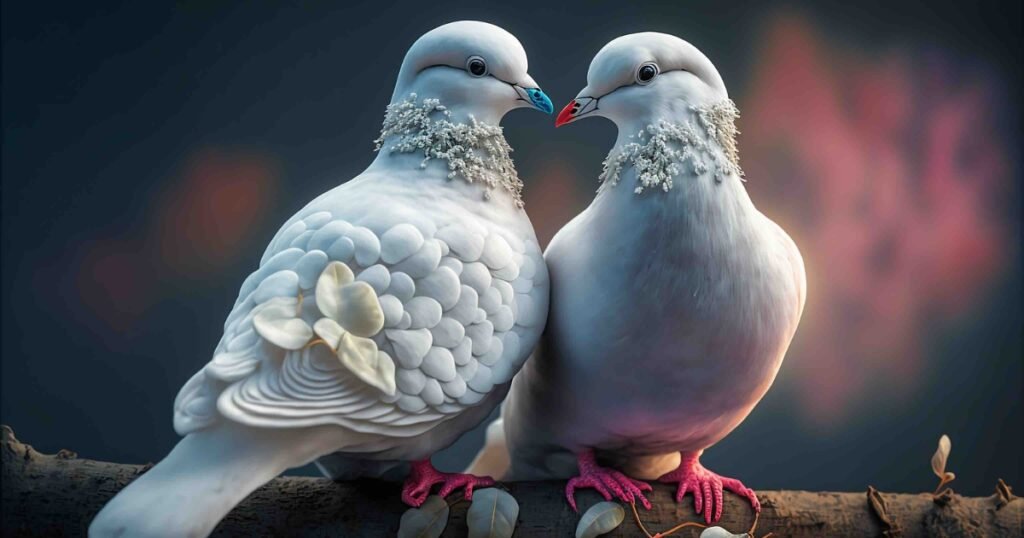
Doves can be trained to perch on shoulders or gently follow their owners around, providing a delightful alternative to more demanding pets. Their serene presence not only adds beauty to the home but also fosters a deep sense of calm, highlighting the profound connection possible between humans and birds.
The Chillest Animals In The World
When you think of a chill animal, the sloth often comes to mind, effortlessly hanging from branches and moving at a leisurely pace. The animal kingdom is full of laid-back creatures that redefine relaxation.
What Is The Chillest Animal?
When it comes to the chillest animals in the world, few can rival the sloth. Known for their slow movements and leisurely lifestyles, these creatures embody a carefree existence. Sloths spend most of their days hanging in trees, moving only when absolutely necessary.
Their deliberate pace allows them to conserve energy and evade predators, making the art of relaxation their primary survival strategy. In the grand tapestry of the animal kingdom, their serene demeanor stands out as a profound example of living life in the slow lane.
Why Are Some Animals So Calm And Docile?
The intrigue behind most docile animals often lies in their unique evolutionary adaptations. Species such as gentle giants like elephants or even the serene manatees have cultivated social structures and behavioral traits that prioritize harmony over aggression.
This calm demeanor can be a survival mechanism, allowing them to thrive in environments where cooperation is essential, particularly within familial or social groups. For instance, elephants exhibit behaviors that reflect deep emotional intelligence and an ability to empathize, fostering a peaceful hierarchy within their herds.
Interestingly, domesticated animals, including cats and dogs, exhibit docility as a result of selective breeding for traits that favor companionship. This has led to a symbiotic relationship where, over generations, humans have shaped these creatures into the affectionate and gentle companions we know today.
Large docile animals, like bison or certain breeds of cattle, may also display tranquility as they adapt to human influence in agriculture, making them easier to manage and raising their chances of survival in close proximity to humans.
Conclusion
Friendly animals play an invaluable role in reminding us of the beauty of companionship and kindness in the animal kingdom. The 20 animals highlighted in this article are not just cute and cuddly; they each possess a unique charm that enriches our lives and fosters deeper connections among different species.
As we learn more about these wonderfully social creatures, we become better stewards of their habitats and advocate for their protection. Let’s take a moment to appreciate our interactions with these friendly animals and encourage others to discover the joy they bring.
FAQs
What Is The Friendliest Wild Animal?
The friendliest wild animal is often considered to be the dolphin. Known for their playful nature and social behaviors, they frequently interact positively with humans.
What Is The Chillest Animal In The World?
The sloth is widely regarded as the chillest animal, taking life at a leisurely pace and spending much of its time sleeping in trees. Their relaxed demeanor and slow movements embody tranquility in the animal kingdom.
What Is The Friendliest Pet Animal?
Dogs are often seen as the friendliest pet animals due to their loyalty, affection, and ability to bond deeply with humans. Their enthusiasm for companionship makes them beloved family members worldwide.
Are Wild Animals Friendly To Humans?
Wild animals can exhibit a range of behaviors toward humans, often depending on their species, past interactions, and environment. While some animals may show curiosity or a degree of tolerance, most are wary of humans due to their instinct for survival.
What Animals Like Humans The Most?
Animals that tend to like humans the most include dogs, which have been domesticated over thousands of years, and certain primates like bonobos and chimpanzees that can form social bonds.
What Animals Like Humans The Most?
Ultimately, while some wild animals can develop friendly relationships with humans, it’s essential to remember that they are still wild and should be treated with respect and caution.