Amazing 23 Chubby Animals In The World (Facts, Diet & Pictures)

Chubby animals are nature’s perfect blend of whimsy and wonder, often leaving us enchanted. The round contours and fluffy exteriors of creatures such as giant pandas, capybaras, quokkas, seals, and guinea pigs seem to invite affection from all who encounter them.
Their appealing forms not only capture our heart but also serve important ecological roles. In the following sections, you’ll discover 23 amazing chubby animals, complete with insights on their unique appearances, habitats, diets, and intriguing facts that highlight why they’re worth celebrating.
What Are Chubby Animals?
Chubby animals captivate our hearts with their unique features, from thick fur and rounded faces to compact bodies and layers of blubber. These characteristics aren’t just about looks; they are evolutionary adaptations that help these animals thrive in their environments.
A chubby animal, naturally designed this way, often utilizes its rounded body for insulation against cold climates, relying on that layer of blubber or dense fur to maintain warmth. It’s important to note that a naturally round body doesn’t mean an animal is overweight or unhealthy.
For instance, many fluffy creatures, like the adorable Pika, use their thick fur to ward off harsh weather instead of excess fat. Other animals, such as seals, possess a body shape that allows them to navigate water effortlessly, with their chubbiness providing both buoyancy and protection.
By appreciating these adaptations, we gain a deeper understanding of how these seemingly chubby animals are perfectly designed for their habitats, emphasizing the beauty of nature’s diversity.
List Of 23 Chubby Animals In The World
Here is a list of the world’s most adorably chubby animals that will instantly make you smile:
| No. | Animal |
|---|---|
| 1 | Hippopotamus |
| 2 | Manatee |
| 3 | Seals |
| 4 | Guinea Pig |
| 5 | Whales |
| 6 | Giant Panda |
| 7 | Dolphin |
| 8 | Pallas’s Cat |
| 9 | Rhinoceros |
| 10 | Fat-Tailed Lemur |
| 11 | Hedgehog |
| 12 | Elephants |
| 13 | Persian Cat |
| 14 | Gaur |
| 15 | Sea Lions |
| 16 | Capybara |
| 17 | Polar Bears |
| 18 | Red Panda |
| 19 | Wombat |
| 20 | Sea Otter |
| 21 | Hamster |
| 22 | Penguin |
| 23 | Quokka |
Hippopotamus
| Attribute | Details |
|---|---|
| Scientific Name | Hippopotamus amphibius |
| Class | Mammalia |
| Habitat | Rivers and Lakes in Africa |
| Diet | Herbivorous |
The hippopotamus is easily identified by its large, barrel-shaped body supported by short, stout legs, giving it an unmistakably chubby appearance. Inhabiting African rivers and lakes, these mighty mammals spend a significant portion of their lives submerged to keep cool under the scorching sun.

Their skin, a thick and hairless layer, helps them stay hydrated while secreting a natural sunscreen, often leading to a distinctive pink hue when exposed to sunlight. A unique aspect of hippos is their semi-aquatic lifestyle while they seem rotund on land, their buoyant bodies are perfectly designed for swimming.
Their weight, which can average over 3,000 pounds, may seem excessive, but it plays a crucial role in their ability to maneuver effortlessly underwater. Hippos communicate through a series of grunts, honks, and wheezes, both on land and beneath the water’s surface, enhancing their social dynamics.
The chubby facade is not merely for looks; it’s an evolutionary trait that aids in their survival, providing ample energy reserves and helping to regulate body temperature in their habitat.
Manatee
| Attribute | Details |
|---|---|
| Scientific Name | Trichechus manatus |
| Class | Mammalia |
| Habitat | Warm Coastal Waters |
| Diet | Herbivorous (Aquatic Plants) |
The manatee, often affectionately called the “sea cow,” features a rounded body and paddle-shaped tail that conveys a gentle demeanor. These marine mammals thrive in warm-water habitats like Florida’s springs and coastal estuaries, primarily feeding on seagrasses and other aquatic plants.
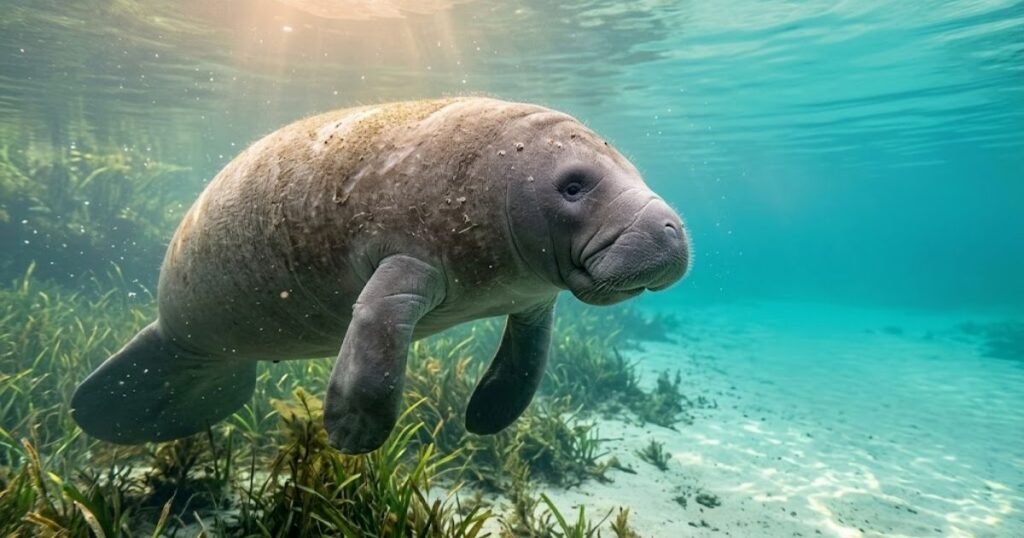
Their streamlined shape, while appearing chubby, plays a crucial role in buoyancy and mobility, enabling them to navigate through water with surprising grace. Known for their friendly behavior, manatees can often be seen grazing peacefully or surfacing for air, showcasing their unique adaptations.
Their blubber layer, necessary for insulation in cooler waters, contributes to their chubby appearance, though this is an essential evolutionary trait rather than a sign of overindulgence. Despite their seemingly cumbersome physique, these gentle giants reflect a remarkable balance of form and function in their serene aquatic world.
Seals
| Attribute | Details |
|---|---|
| Scientific Name | Phoca vitulina |
| Class | Mammalia |
| Habitat | Coastal Areas, Cold Seas |
| Diet | Fish, Invertebrates |
Seals, known for their strikingly rounded bodies and playful demeanor, are among the chubby animals that capture our hearts. With their blubbery layers, these marine mammals boast thick insulation, perfect for surviving in frigid waters. Their flippers, gracefully designed, allow them to glide through icy waves while maintaining their buoyant, rounded physique.
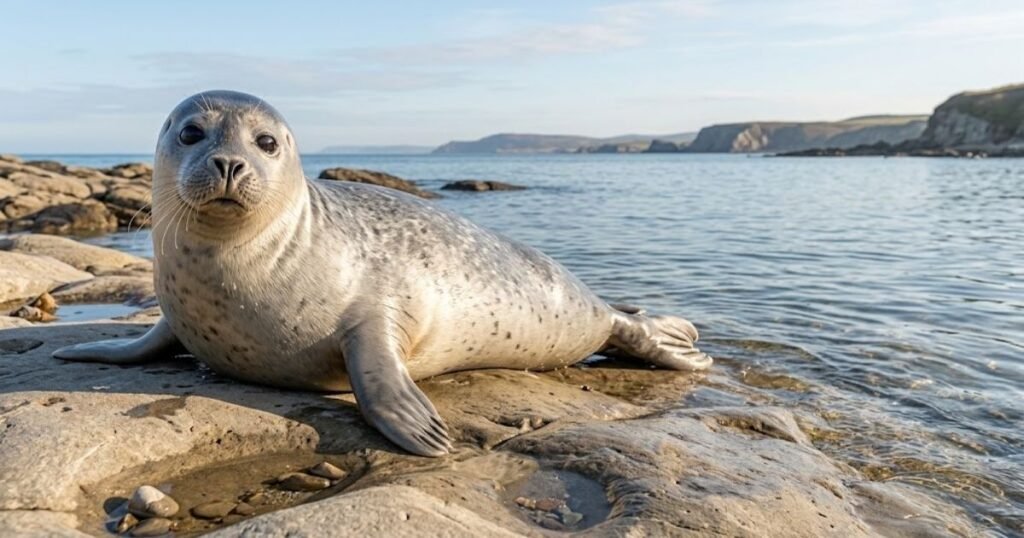
This natural insulation not only keeps them warm but also serves as an energy reserve during lean times. The distinct appearance of seals, with their varying sizes and soft fur, often evokes feelings of affection.
Their chubbiness isn’t merely an aesthetic choice; it plays a critical role in their survival. In addition to their insulating blubber, seals can dive deep to hunt for fish and invertebrates, displaying remarkable adaptations like the ability to slow their heart rate underwater.
Their endearing bulkiness also makes them incredibly efficient hunters, enabling them to store energy for long periods between meals.
Guinea Pig
| Attribute | Details |
|---|---|
| Scientific Name | Cavia porcellus |
| Class | Mammalia |
| Habitat | Grasslands and Forests of South America |
| Diet | Herbivorous (Primarily Grasses, Fruits, and Vegetables) |
The guinea pig boasts a compact body with short legs and a gentle roundness that gives it an endearing, chubby appearance. Originating from the lush grasslands of South America, these little animals thrive in a herbivorous diet, primarily feasting on fresh grasses and vegetables.
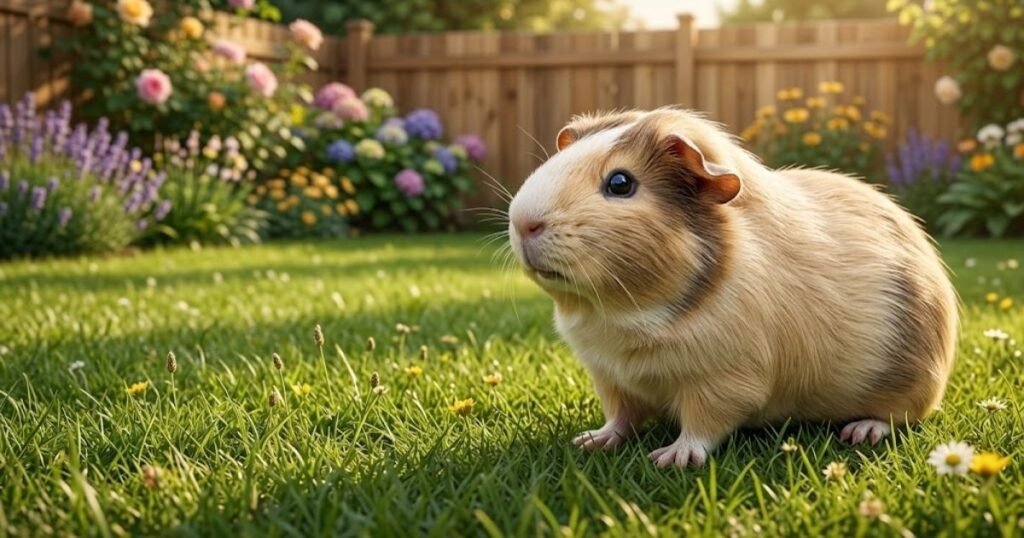
Their soft fur, which can vary in texture and color, adds to their charm, making them a favorite among pet enthusiasts. Good body condition is crucial, as it influences their overall health; overweight guinea pigs can suffer from serious health issues, underscoring the importance of a balanced diet and regular exercise.
Apart from their adorable appearance, guinea pigs exhibit captivating behaviors, such as their unique vocalizations ranging from purrs to wheeks, which they use to communicate their moods and needs. Their social nature means they often require companions, adding another layer of complexity to their care in a home environment.
Their chubby look is not just a peculiarity; it is a reflection of their healthy, well-fed state though moderation remains key. In essence, these creatures embody a blend of charm and responsibility for any pet owner seeking companionship.
Whales
| Feature | Details |
|---|---|
| Scientific Name | Balaenoptera musculus |
| Class | Mammalia |
| Habitat | Open ocean, deep sea |
| Diet | Krill and small fish |
The blue whale, with its enormous, streamlined body, is a captivating example of oceanic majesty. Reaching lengths of up to 100 feet and weighing as much as 200 tons, this gentle giant glides effortlessly through the deep ocean, where its primary diet consists of tiny krill.
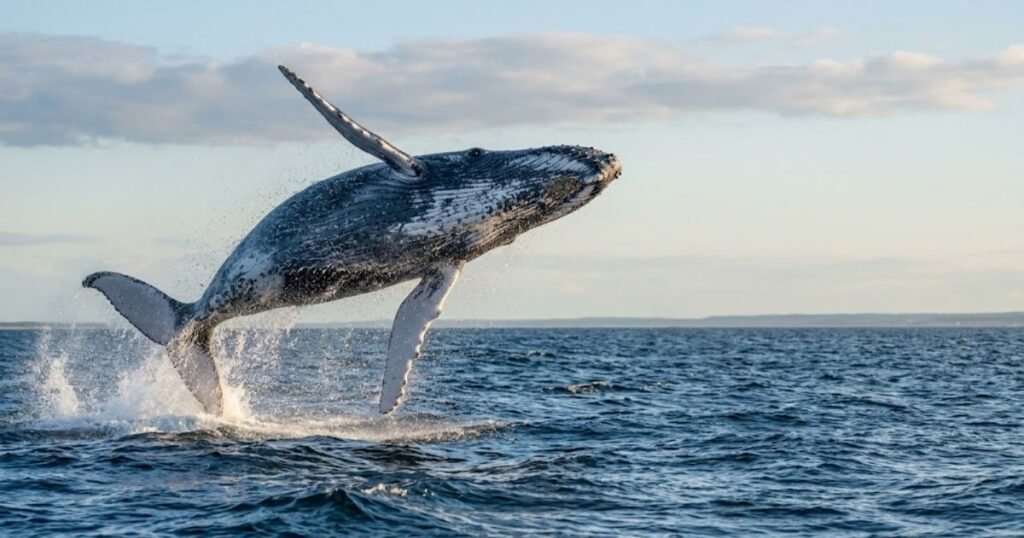
Unique among the whale species, blue whales use a fascinating filtering method called baleen feeding, allowing them to gulp massive amounts of water and extract their minuscule prey. Their chubby appearance isn’t just for show; it primarily serves as insulation against frigid ocean temperatures.
The blubber layer beneath their skin acts not only as a buoyant factor but also as a critical energy reserve during migrations. Interestingly, blue whales communicate using low-frequency vocalizations that can travel for hundreds of miles underwater, revealing a social complexity often overlooked in these seemingly solitary giants. These aspects make the blue whale a true marvel of adaptation and survival in the vast, often treacherous seas.
Giant Panda
| Feature | Details |
|---|---|
| Scientific Name | Ailuropoda melanoleuca |
| Class | Mammalia |
| Habitat | Bamboo-rich forests in China |
| Diet | Primarily bamboo |
The Giant Panda, with its iconic round body and thick fur, is an emblem of cuteness. Its black-and-white markings provide a compelling contrast that heightens its charm. These gentle giants inhabit the dense bamboo forests of China, where they find the sustenance they thrive on.

Adapted to a bamboo-based diet, pandas possess strong jaw muscles and a unique wrist bone that functions as an opposable thumb, allowing them to grasp bamboo stalks effectively while munching on their leafy meals.
What adds to their cuddly appearance is their rounded belly, borne from their low-calorie diet of bamboo, which requires them to consume large quantities to meet energy needs. Interestingly, despite the culinary reliance on bamboo, pandas are technically omnivores and occasionally indulge in small mammals or carrion.
Their cuddly nature isn’t just for show; it aids in thermoregulation in their cold habitats. Beyond their adorable looks, these creatures also exhibit fascinating behaviors, such as their solitary lifestyle, which enables them to avoid competition for food amidst dwindling bamboo resources.
Dolphin
| Feature | Details |
|---|---|
| Scientific Name | Delphinus delphis |
| Class | Mammalia |
| Habitat | Oceans and coastal areas |
| Diet | Fish and squid |
Dolphins are marvels of marine evolution, characterized by their smooth, rounded bodies and streamlined shapes that allow them to glide gracefully through the water. Their blubbery outer layer serves as insulation in cooler water, contributing to an appearance that may seem plump but is actually functionally advantageous.

They inhabit diverse marine environments, ranging from coastal waters to the open ocean, and primarily feast on fish and squid, showcasing their role as agile predators in aquatic ecosystems. What truly sets dolphins apart isn’t merely their physical features; it’s their fascinating intelligence and social behavior.
These creatures communicate through a complex system of clicks and whistles, forming intricate social bonds within pods. While their rounded bodies can give the impression of chubbiness, it’s essential to remember that this shape is an evolutionary adaptation, helping them conserve energy and maintain buoyancy rather than a sign of excess weight.
Pallas’s Cat
| Feature | Details |
|---|---|
| Scientific Name | Felis nigripes |
| Class | Mammalia |
| Habitat | Central Asian grasslands and rocky areas |
| Diet | Small mammals, birds, and small reptiles |
Pallas’s Cat, with its strikingly dense fur and short legs, possesses a flattened face that contributes to its distinctly round appearance. This adorable yet fierce little feline is perfectly adapted to the rugged landscapes of Central Asia, where it ambushes its prey among the rocky outcrops and grassy expanses.
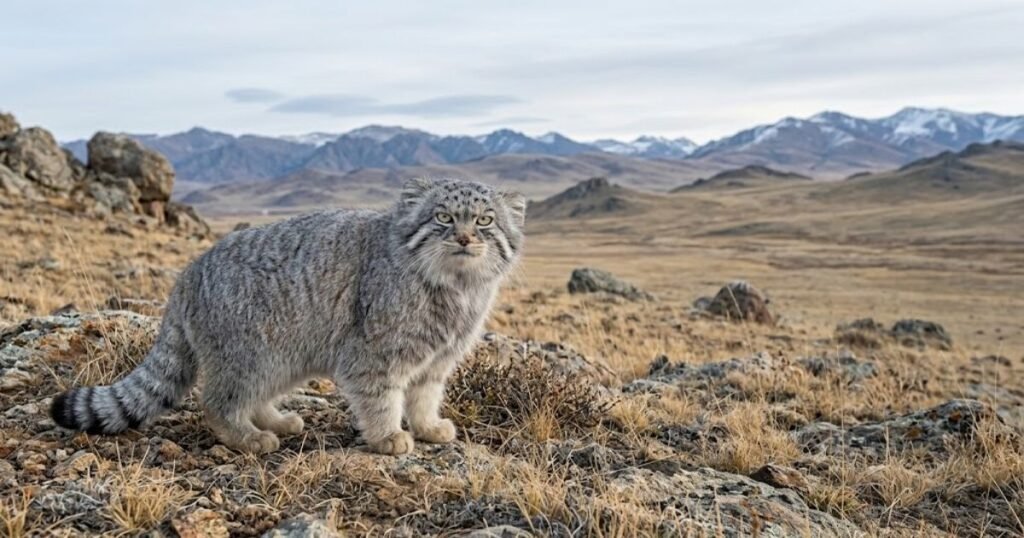
Renowned for a diet that primarily includes small mammals, such as rodents, it showcases a unique hunting strategy that ensures its survival in such harsh environments. Its thick, plush coat not only typifies its fluffy appearance but also provides essential insulation against the biting cold of its habitat.
This feline’s round figure is accentuated by a combination of its body shape and the fluffiness of its fur, making it appear chubbier than it truly is. One captivating fact about Pallas’s Cat is that it has exceptionally large pupils adapted for low-light conditions, allowing it to hunt effectively at dawn and dusk. These adaptations not only enhance its charm but also highlight the delicate balance between cuteness and survival in the wild.
Rhinoceros
| Feature | Details |
|---|---|
| Scientific Name | Rhinoceros |
| Class | Mammalia |
| Habitat | Grasslands, savannas, forests |
| Diet | Herbivore |
Rhinoceroses are striking creatures with their robust, heavy bodies and thick skin, which serves as both armor and insulation against the elements. Their most distinctive feature, the horn, not only defines their appearance but also plays a role in social and territorial behaviors.
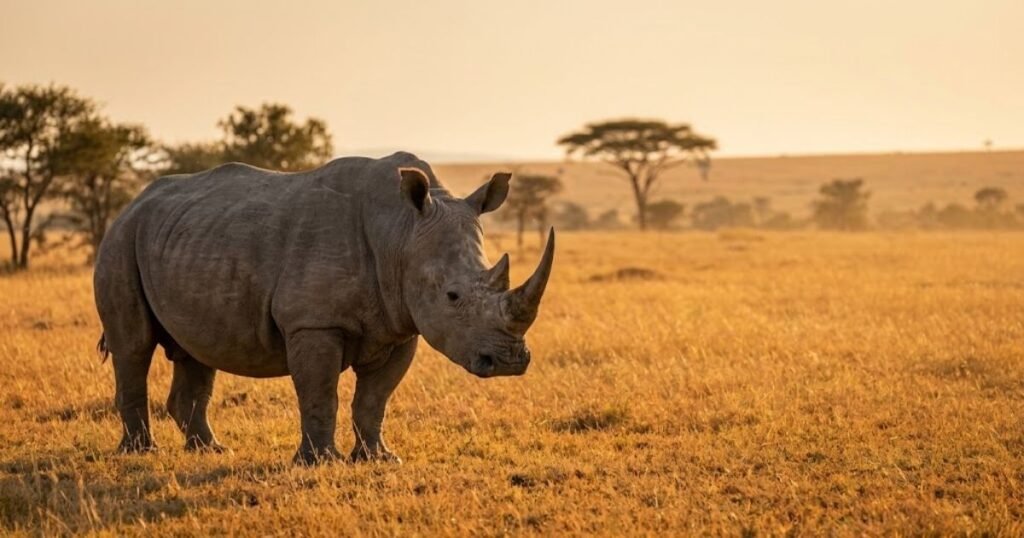
Found in habitats ranging from grasslands to forests, these magnificent herbivores consume a diet rich in grasses, leaves, and shrubs, which caters to their formidable bulk. This substantial body structure aids in supporting their powerful build, allowing them to charge and defend themselves against potential threats.
In terms of appearance, rhinos possess a barrel-like shape and can weigh up to 2,200 kg, making them one of the largest land mammals. Their skin is typically grayish-brown and may vary in texture depending on the species. They have poor eyesight but excel in their sense of smell, helping them navigate their surroundings.
Notably, these gentle giants have a social structure that often revolves around solitary behavior, yet they exhibit complex interactions during mating and parenting. Their chubby appearance isn’t just a product of weight; it reflects an evolutionary advantage that aids in both protection and energy storage during times when food is scarce.
Fat-Tailed Lemur
| Feature | Details |
|---|---|
| Scientific Name | Cheirogaleus medius |
| Class | Mammalia |
| Habitat | Madagascar |
| Diet | Fruits, insects, and flowers |
The Fat-Tailed Lemur, with its petite body covered in soft grayish fur, boasts large, expressive eyes that seem to sparkle with mischief. Its most distinctive feature is the plump, fat-storing tail that not only aids in balance as it leaps through the lush Madagascar forests but also serves as a resource during lean months.
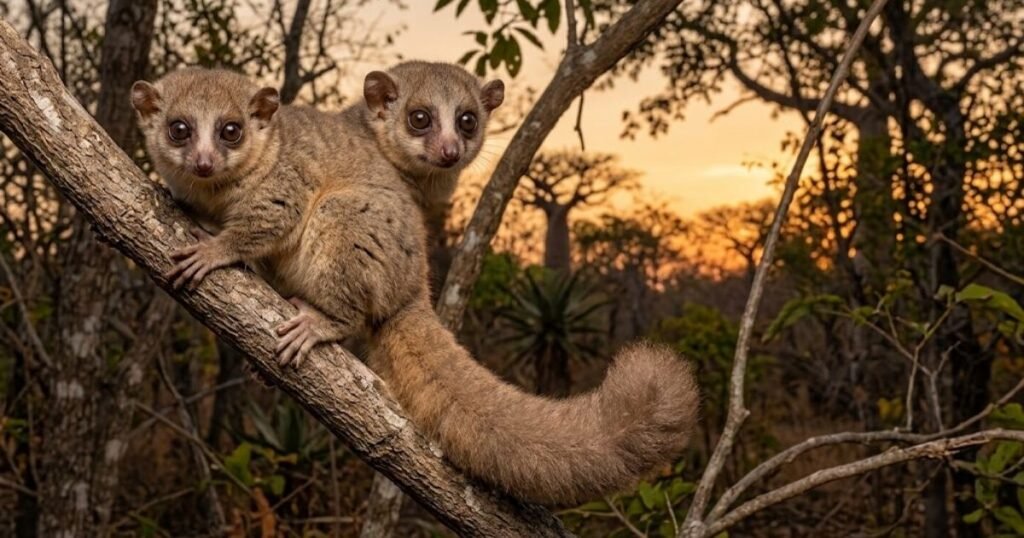
In their native habitat, these lemurs primarily feast on fruits, flowers, and insects, exhibiting an omnivorous diet that supports their active lifestyle. When food becomes scarce, the stored fat in their tails provides essential energy, ensuring their survival through seasonal changes.
Beyond its adorable exterior, the Fat-Tailed Lemur showcases intriguing behavioral adaptations. For example, they are known for their nocturnal habits, making them adept at navigating their environment under the cover of night.
Their chubbiness comes from the need to store energy efficiently, allowing them to thrive in an ecosystem where food availability fluctuates. Observing these remarkable creatures offers a glimpse into how nature perfectly balances survival and charm.
Hedgehog
| Feature | Details |
|---|---|
| Scientific Name | Erinaceus europaeus |
| Class | Mammalia |
| Habitat | Woodlands, grasslands, gardens |
| Diet | Insects, fruits, small vertebrates |
The hedgehog, a small nocturnal mammal, is distinguished by its compact body, pointed snout, and an armor of protective spines that cover its back. This unique adaptation not only serves as defense against predators but also contributes to its rounded appearance, especially when it curls into a ball. For more prickly species, see our list of spiky animals.
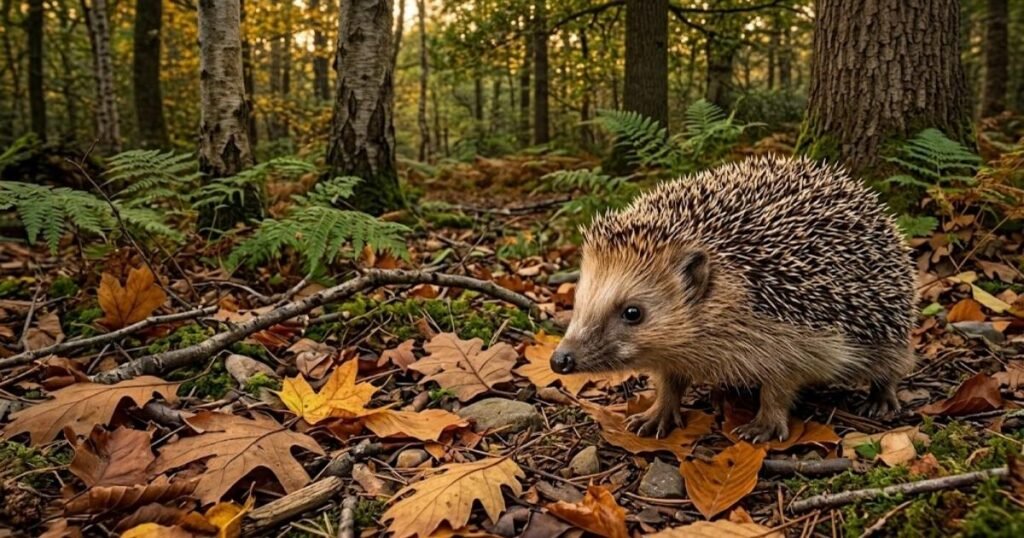
Found in woodlands, grasslands, and even gardens, hedgehogs have a varied diet that includes insects, fruits, and small vertebrates, making them one of nature’s delightful pest controllers. In terms of appearance, hedgehogs typically measure about 9 to 12 inches in length with a rounded shape, soft fur on their bellies, and a face that sports an inquisitive expression.
Their behavior includes a remarkable ability to hibernate during colder months, showcasing their adaptability. Their chubbiness is often a result of a well-fed diet, coupled with their unique defensive posture, which naturally accentuates their round silhouette. This makes them not just adorable but also fascinating subjects of study in the animal kingdom.
Elephants
| Feature | Details |
|---|---|
| Common Name | Elephants |
| Scientific Name | Loxodonta africana (African) / Elephas maximus (Asian) |
| Class | Mammalia |
| Habitat | Savannas, forests, grasslands |
| Diet | Herbivore (grasses, leaves, fruits) |
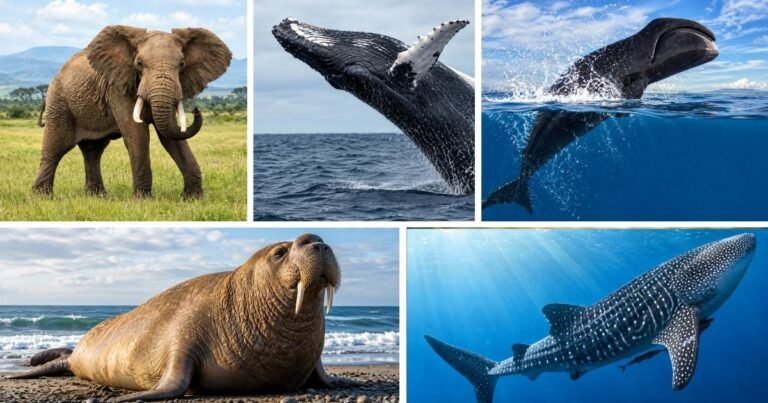
Elephants, the true gentle giants of the animal kingdom, exhibit massive bodies often exceeding 10,000 pounds, supported by thick, sturdy legs. With large, flapping ears that regulate body temperature and an expressive trunk used for feeding and social interaction, their physical form encapsulates both strength and sensitivity.
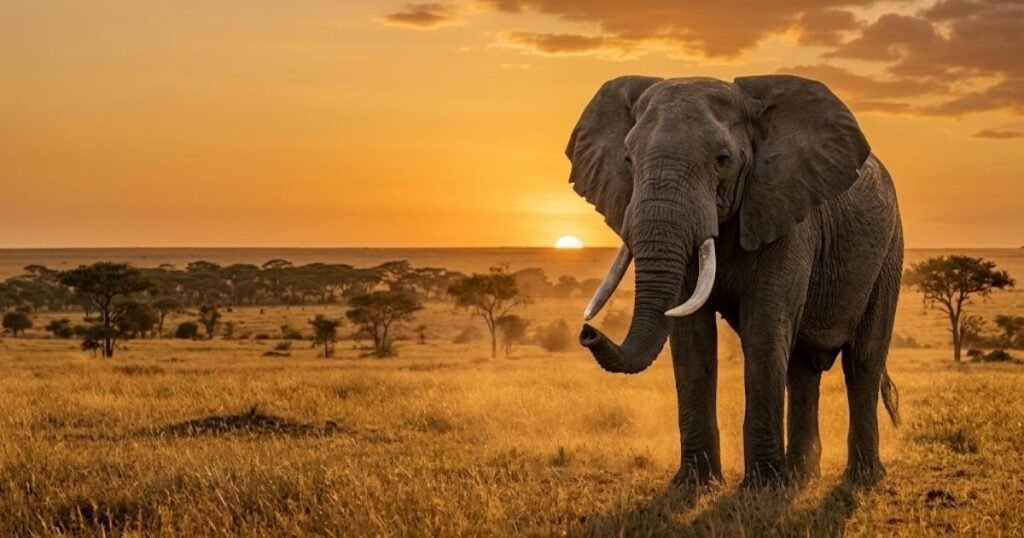
African elephants inhabit diverse landscapes such as savannas and forests, while their Asian relatives prefer more wooded areas, with both relying on a strictly plant-based diet comprising grasses, leaves, and fruits.
This considerable size not only helps them reach high foliage but provides a survival advantage against predators, further enhanced by their complex social structures comprising matriarchal herds that emphasize cooperation and communication.
The elephants’ stout appearances can be misleading, as their significant volume is not just fat but a combination of muscle, bone structure, and essential body fat for survival. Despite their chubby look, they are remarkably agile and can sprint up to 25 miles per hour over short distances.
A fascinating behavioral trait is the use of infrasound low-frequency vocalizations that can carry for miles to communicate with one another, showcasing their profound social intelligence. Ultimately, their unique appearance and social behaviors contribute to both their charm and survival in the wild. Elephants are also among the biggest animals in the world.
Persian Cat
| Feature | Details |
|---|---|
| Scientific Name | Felis catus |
| Class | Mammalia |
| Habitat | Domestic environments |
| Diet | Carnivorous (premium cat food, meats) |
The Persian cat is renowned for its long, luxurious coat that exudes an aura of elegance, often giving it a plush, rotund appearance. With a round face adorned with strikingly large eyes and a stocky build, this breed’s physical characteristics are undeniably charming.

The thick fur not only creates an illusion of greater size but also acts as insulation, adding to that cuddly aesthetic. Despite its seemingly hefty frame, the Persian cat’s body is solid yet proportionate, providing a balance of beauty and strength.
Adapted to a domesticated lifestyle, Persian cats thrive on a specially curated diet rich in proteins, vitamins, and minerals to support their unique needs. Interestingly, their calm disposition and tendency to lounge around may contribute to that “chubby” look; they often prefer a comfortable lap over vigorous play.
When grooming, it’s necessary to keep in mind that their fur can easily mask any fluctuations in body size, leading to the perception of heftiness, even when they are simply fluffy!
Gaur
| Feature | Details |
|---|---|
| Scientific Name | Bos gaurus |
| Class | Mammalia |
| Habitat | South and Southeast Asian forests |
| Diet | Herbivore |
The Gaur, or Indian bison, embodies sheer strength with its powerful body, muscular shoulders, and sturdy legs, making it a stunning sight in the wild. Found in the dense forests of South and Southeast Asia, this majestic creature thrives in a habitat rich with foliage, ideal for its grazing lifestyle.
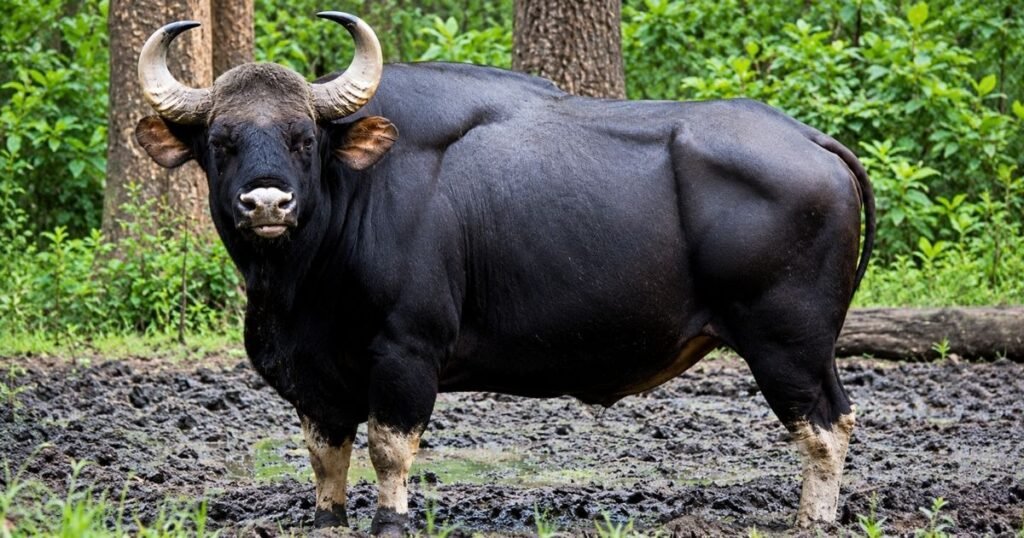
Its herbivorous diet of grass and leaves fuels its impressive bulk; the robust, muscular frame is well-suited to traverse rugged terrains and defend against predators. With its thick, dark fur and pronounced hump above its shoulders, the Gaur stands out among its peers.
Weighing up to 2,000 pounds, its size might contribute to its “chubby” appearance, but in reality, it’s a testament to survival adaptations for strength and endurance. One fascinating fact is that Gaurs display unique social behaviors, often forming strong bonds within their herds, demonstrating a deep connection that enhances their communal living.
The appearance of the Gaur is a remarkable blend of functionality and evolutionary success, underpinning their status as one of the largest wild cattle species.
Sea Lions
| Feature | Details |
|---|---|
| Scientific Name | Zalophus californianus |
| Class | Mammalia |
| Habitat | Coastal regions |
| Diet | Fish, squid, crustaceans |
Sea lions are truly the chubby charmers of the marine world, boasting broad bodies, thick fur, and highly versatile flippers. These adaptations not only enhance their buoyancy but also make them agile swimmers, capable of reaching impressive speeds when pursuing fish and other marine life in their coastal habitats.
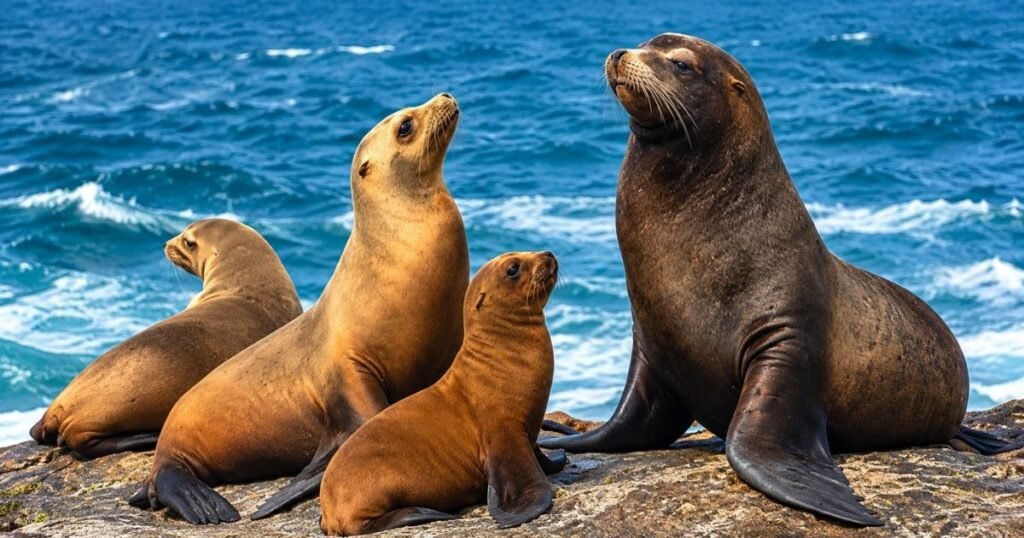
Their social dynamics are equally fascinating; sea lions are often found lounging together on rocky shores, engaging in playful antics that reflect their curious and intelligent nature. The most striking features of sea lions is their ability to dive deep while relying on their enriched aerobic capacity to sustain long foraging trips.
They predominantly feed on fish, squid, and crustaceans, but their diet can also shift based on availability, showcasing their adaptability in the fluctuating marine environment. Their robust appearance results from a combination of muscle and fat, providing not just insulation in colder waters but also energy reserves during lean times. As the ultimate beachgoers, sea lions remind us of the beauty and diversity inherent in nature’s design.
Capybara
| Feature | Details |
|---|---|
| Scientific Name | Hydrochoerus hydrochaeris |
| Class | Mammalia |
| Habitat | South American wetlands |
| Diet | Herbivore (grass-based) |
The capybara, with its substantial barrel-shaped body and stout legs, exemplifies the charm of robust wildlife. Found predominantly in the lush wetlands of South America, these gentle giants thrive in environments rich in grass and aquatic vegetation.

Their unique semiaquatic lifestyle enables them to swim gracefully, an adaptation that adds to their appeal and social dynamics, as they often congregate in groups for protection and companionship. Because of their friendly disposition and plump appearance, capybaras are frequently heralded as one of the cutest chubby animals on earth.
Sporting a distinctive coarse, brownish fur that aids in camouflage, capybaras have an average weight of 100 pounds, making them the largest rodent species. Their chubbiness isn’t merely a byproduct of their size; rather, it reflects their healthy, adaptive traits that allow them to store energy and thrive in their environment.
These sociable creatures are known for their tranquil nature, often seen lounging in the sun or engaging in grooming behavior within their groups. Such quirks not only accentuate their endearing appearance but further solidify their reputation as lovable and charming inhabitants of the animal kingdom. Capybaras are also among the most friendly animals in the world.
Polar Bears
| Feature | Details |
|---|---|
| Scientific Name | Ursus maritimus |
| Class | Mammalia |
| Habitat | Arctic Ice Cap |
| Diet | Carnivorous (mainly seals) |
Polar bears, towering at about 10 feet long and weighing up to 1,500 pounds, are true icons of the Arctic. Their thick white fur not only provides camouflage against the snowy landscape but also traps air, enhancing insulation.
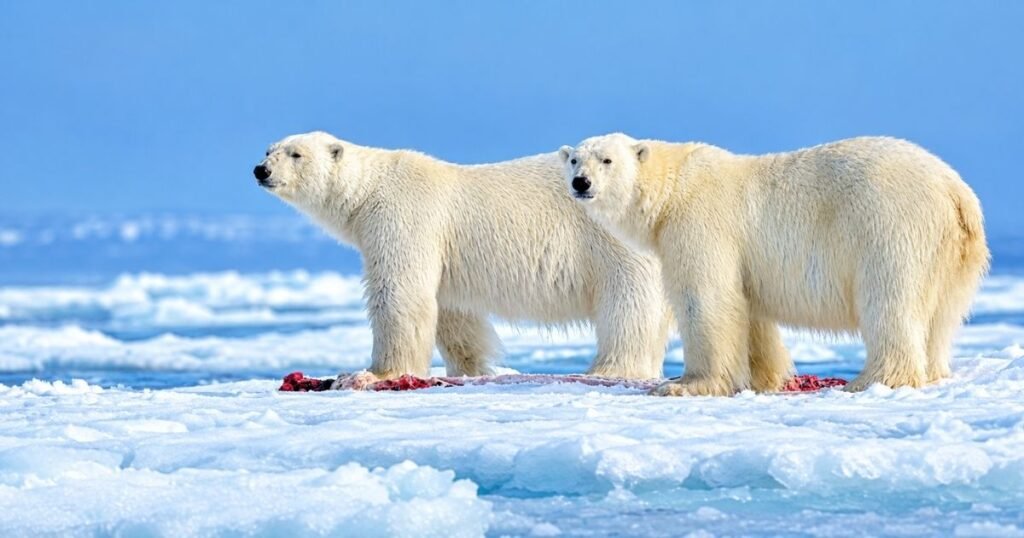
Beneath their fur lies a rich layer of fat that serves as an energy reserve during harsh winters, allowing them to survive when food is scarce. These adaptations are crucial for maintaining body heat in temperatures that can plunge as low as -50°C.
Interestingly, despite their imposing size, polar bears are surprisingly agile swimmers, capable of covering long distances in search of food. They are often observed using ice platforms as hunting perches to ambush seals, showcasing their intelligence and strategic thinking.
Their chubbiness is not just a matter of bulk; it is an evolutionary trait that enables them to thrive in one of the planet’s harshest environments, demonstrating nature’s brilliant adaptations to survival. This captivating creature’s form and function remind us of the delicate balance in Arctic ecosystems, highlighting the urgent need for conservation efforts against climate change.
Red Panda
| Feature | Details |
|---|---|
| Common Name | Red Panda |
| Scientific Name | Ailurus fulgens |
| Class | Mammalia |
| Habitat | Himalayan and southwestern China |
| Diet | Bamboo, fruits, eggs |
The Red Panda, with its fluffy reddish fur and bushy tail, exudes an enchanting charm. This compact creature is adept at navigating the dense bamboo forests of the Himalayas and southwestern China, where it thrives among towering trees and thick underbrush.
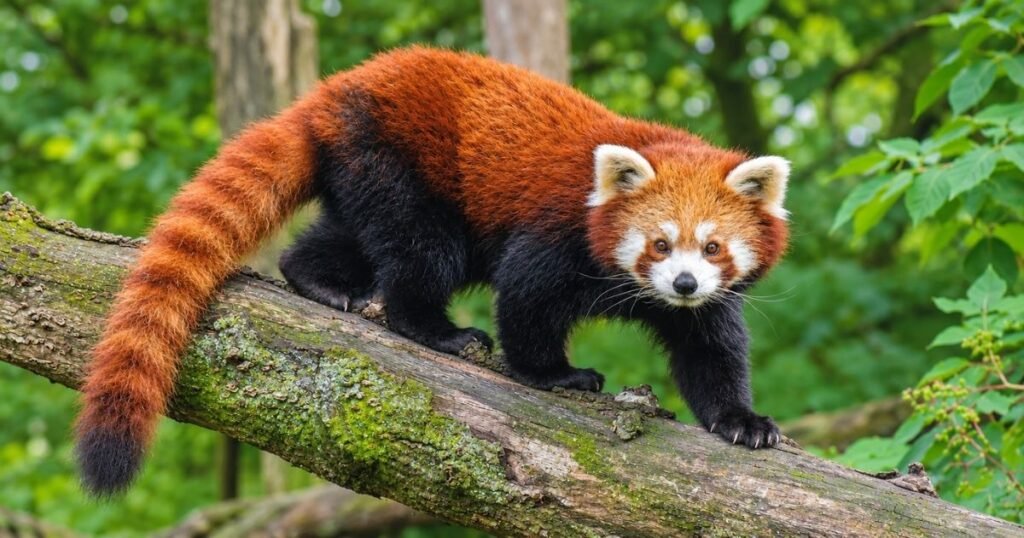
Its specialized diet predominantly consists of bamboo, yet it also enjoys fruits, nuts, and occasionally, small eggs, showcasing a surprisingly varied palate for a creature primarily associated with one type of plant.
What’s particularly endearing about the Red Panda is its round, fluffy appearance, attributed to its thick fur and slightly stout body shape. Its adorable features are not just for show; these adaptations help insulate the animal against the cold, mountainous climates it calls home.
Despite their cuddly exterior, Red Pandas are proficient climbers, often found curled up on branches in a surprisingly agile fashion. Their unique lifestyle and diet not only contribute to their captivating looks but also highlight their role in the ecosystem as both herbivores and seed dispersers. Because of habitat loss, they are one of many rare animals that need protection.
Wombat
| Feature | Details |
|---|---|
| Scientific Name | Phascolarctos cinereus |
| Class | Mammalia |
| Habitat | Woodland and bushland in Australia |
| Diet | Herbivorous (grasses and shrubs) |
Wombats, with their stout bodies and short legs, present a picture of adorable compactness. Their sturdy build is perfectly designed for a life spent burrowing through the rich Australian soil, where they create extensive tunnel systems like other burrowing animals.

This low-slung body structure makes them appear round, especially when they’re lounging after a meal of grass and roots a true herbivore’s delight. What sets wombats apart is their unique digging prowess; they have powerful claws that can scoop out substantial amounts of earth, perfectly suited for their burrowing behavior.
They are nocturnal creatures, emerging under the cover of darkness to graze and explore their expansive territories. Their rounded shape, an adaptation to their lifestyle, helps them conserve energy while navigating the rugged Australian landscape, making them not just a cuteness overload but also a fascinating study in adaptation and survival.
Sea Otter
| Feature | Details |
|---|---|
| Common Name | Sea Otter |
| Scientific Name | Enhydra lutris |
| Class | Mammalia |
| Habitat | Coastal marine environments |
| Diet | Shellfish, crabs, sea urchins |
The sea otter, with its charming rounded face and thick, dense fur, presents a picture of buoyant cuddle-worthiness. Often seen floating on its back, this stout marine mammal showcases a body shape that aids in its unique adaptation to coastal habitats.
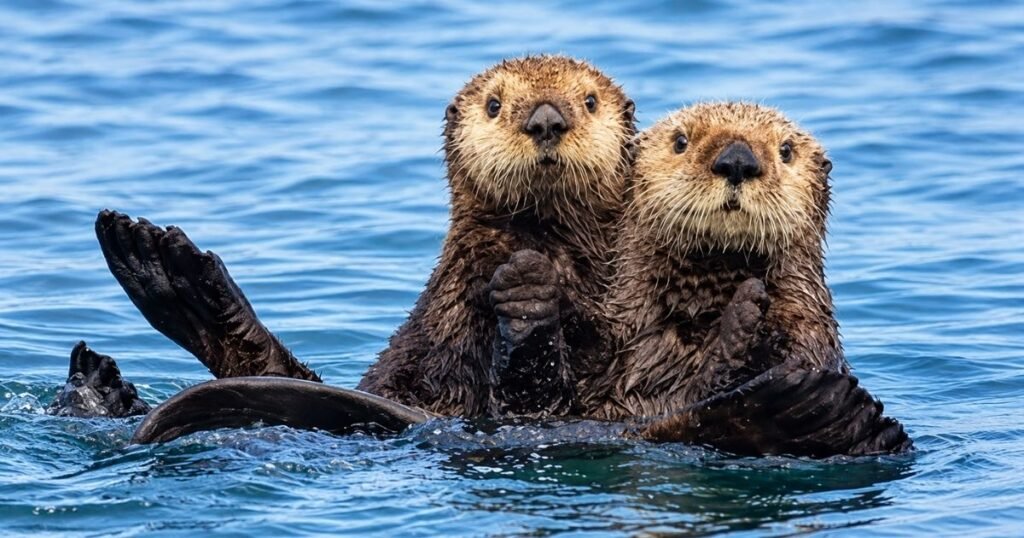
Weighing between 50 to 100 pounds, its insulation comes not only from blubber but predominantly from the fur, which can contain up to a million hair strands per square inch. This remarkable adaptation helps the sea otter maintain its body temperature in cold waters, as its high metabolic rate demands an efficient insulation mechanism.
In addition to their adorable appearance, sea otters display fascinating behaviors such as using tools; they often use rocks to crack open shellfish. Their seemingly chubby visage is not merely a product of a rich diet but is a crucial adaptation for survival in frigid aquatic environments, as their buoyant bodies aid in floating while they forage for food.
The combination of their rounded physique and playful demeanor adds to their allure, drawing onlookers to appreciate the charm and complexity of these incredible marine mammals.
Hamster
| Feature | Details |
|---|---|
| Scientific Name | Mesocricetus auratus |
| Class | Mammalia |
| Habitat | Deserts and grasslands |
| Diet | Omnivorous; seeds, fruits, and veggies |
Dwarfing its tiny relatives, the hamster has a small, stocky body covered in soft, velvety fur that often glistens under the right lighting. Its most charming feature is the expandable cheek pouches, which allow it to carry food back to its burrow. In the wild, hamsters are primarily residents of dry climates, where they scavenge for seeds and fruits.

The rounded appearance of their cheeks is deliciously deceptive; while they sometimes appear permanently plump, it’s often a temporary state, filled with the spoils of their foraging. Hamsters possess several interesting behaviors, such as their nocturnal nature, which helps them avoid predators.
Their adaptability in both diet and habitat signifies evolution in action, illustrating how these small creatures thrive in challenging environments. The apparent chubbiness, often misconstrued as a lack of fitness, can simply be a wise storage strategy, allowing them to thrive under conditions where food may not always be plentiful.
Penguin
| Feature | Details |
|---|---|
| Scientific Name | Spheniscidae |
| Class | Aves |
| Habitat | Southern Hemisphere (Antarctica, sub-Antarctic islands, coasts) |
| Diet | Primarily fish, squid, and krill |
Penguins are fascinating creatures, often admired for their chubby appearance, which is a remarkable adaptation for survival. Their thick-bodied shape, covered in sleek, insulating feathers, allows them to maintain warmth in frigid waters, while their flipper-like wings are perfectly evolved for adept swimming rather than flying.
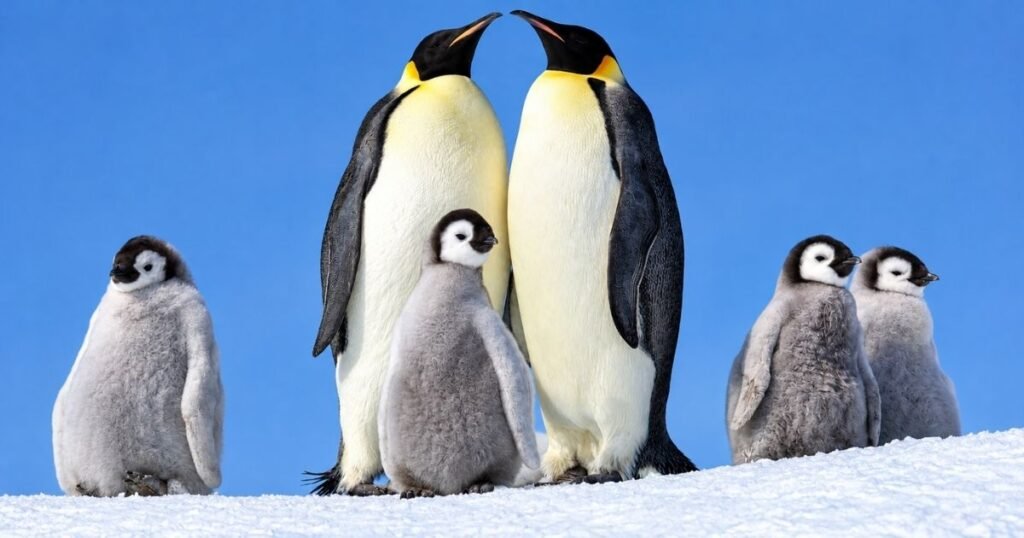
These aquatic birds can effortlessly navigate the ocean and can dive deep to hunt for fish and squids, showcasing their unique lifestyle as a combination of aerial and marine tendencies. What makes them particularly intriguing is their distinctive behavior; many species form lifelong pairs, demonstrating a strong bond that transcends mere survival instincts.
Their compact body design is not just for show; it optimizes buoyancy, allowing them to conserve energy while swimming. As you marvel at their adorable waddling gait on land, remember that their “chubby” exterior is a clever evolutionary strategy rather than an indicator of inactivity or laziness.
Quokka
| Feature | Details |
|---|---|
| Scientific Name | Setonix brachyurus |
| Class | Mammalia |
| Habitat | Southwestern Australia |
| Diet | Herbivore |
Quokkas are enchanting little marsupials, easily recognizable by their rounded faces, compact bodies, and notably short ears. Found primarily in the lush environments of southwestern Australia, these charming creatures graze on a diet that consists mainly of grasses, fruits, and leaves.

But what really captures hearts is their famous smile-like expression, often making them the poster child for adorable chubby animals worldwide. Their body shape is small yet sturdy, typically weighing around 5 to 11 pounds and measuring about 16 to 21 inches long, covered in coarse, brownish-gray fur that enhances their cuteness.
Quokkas exhibit a fascinating behavior when threatened: they may freeze in place, relying on their camouflage to evade predators. Interestingly enough, their rounded appearance is a result of playful fat accumulation that helps them survive in their sometimes harsh habitat.
Chubby Animals By Habitat
Chubby animals can be found thriving in almost every habitat on Earth, from the icy Arctic waters to the lush tropical rainforests and vast open grasslands. No matter where they live, these adorably round creatures have developed their chubby bodies as a natural adaptation for survival, insulation, and energy storage in their unique environments.
Chubby Animals That Live On Land
On the terrestrial front, chubby animals like the giant panda and the rhinoceros embody a robust form that aids their survival. The bulky bodies of these animals serve various purposes; for the panda, its round shape supports a diet primarily composed of bamboo, requiring immense digestive capacity to process such fibrous material.
The rhinoceros, with its massive frame, has developed thick skin that protects it from predators while it grazes on grasses and succulent plants. Not to be overlooked, the wombat’s compact structure is designed for burrowing, allowing it to thrive in Australian woodlands, while pets like guinea pigs captivate our hearts with their portly charm and herbivorous diet.
Chubby Animals That Live In Water
Aquatic environments boast their own lineup of chubby critters such as manatees and sea otters, each adapted to life submerged in vast waters. Manatees, often called “sea cows,” have stout, rounded bodies that help them float while grazing on seagrass in shallow waters an essential source of energy.
Seals and sea lions, with their blubbery layers of fat, not only maintain buoyancy but also provide insulation against cold ocean waters, allowing them to hunt for fish with agility. Dolphins, despite their streamlined appearance, have healthy layers of fat that support their playful lifestyle and contribute to effective energy storage during hunts. These adaptations showcase a fascinating balance of form and function beneath the waves.
Chubby Animals That Live In Cold Regions
In frigid regions, chubby animals like polar bears and Pallas’s cats have evolved specialized features for thriving in icy climates. With thick layers of blubber and fur, polar bears not only boast impressive insulation but also a magnificent stoicism that allows them to navigate the Arctic’s harsh landscapes.
Pallas’s cats flaunt a dense, plush coat that keeps them warm while their compact, rounded bodies enable efficient movement through their mountainous terrain. Certain seal species, with their robust forms and fat reserves, exhibit remarkable adaptations for both swimming in frigid waters and basking on ice, making them uniquely suited for survival in some of the planet’s most challenging environments.
Chubby Animals That Live In Forests And Grasslands
Within lush forests and sprawling grasslands, animals such as giant pandas and capybaras display an endearing rotundity that serves practical purposes. The giant panda, primarily found in bamboo forests, relies on its chubby frame to store energy from its high-fiber diet, allowing it to sustain itself in a habitat where food is often scarce.
Capybaras, the world’s largest rodents, flourish in groups near water bodies, their bulky bodies being excellent for swimming as they forage for grasses and aquatic plants. Red pandas, with their adorable, round faces and fluffy tails, thrive in mountainous forests, using their robust bodies to navigate their arboreal realm efficiently while staying nourished on bamboo leaves.
Conclusion
The world of chubby animals is a delightful testament to nature’s diversity and charm. These adorably round creatures not only capture our hearts but also contribute to the ecological balance of their environments through their unique diets and behaviors.
From the rotund pandas munching on bamboo to the plump manatees gliding through waterways, each of these animals offers fascinating insights into their lifestyles. Observing their unique adaptations can deepen our appreciation for the animal kingdom and remind us to protect their habitats.
FAQs
What Are the Cute Chubby Animals in the World?
Here is the list of chubby animals cute:
Pika
Hedgehog
Baby panda
Otter
Wombat
Capybara
Puffin
Fennec fox
Manatee
Sea lion
What Animal Is Naturally Chubby?
The Pygmy Hippopotamus is naturally chubby, with its dense body and rounded shape adapted for a semi-aquatic lifestyle in West African forests.
What Are The Fuzzy Cute Chubby Animals?
Fuzzy cute chubby animals include adorable species like the Pika, Hedgehog, and Baby Sloth, each boasting round bodies and irresistibly cuddly features that capture our hearts.