20 Clumsy Animals (With Pictures and Unique Facts)

Clumsy animals, like baby elephants and giant pandas, often captivate our attention with their endearing awkwardness. These creatures, thanks to their unique body shapes and waddling gaits, can appear comically uncoordinated, yet they navigate their environments with surprising finesse.
It’s essential to remember that their seemingly clumsy movements don’t indicate a lack of skill each animal has adapted beautifully to its habitat. In this blog post, we’ll explore fascinating examples such as penguins and tortoises and delve into their unique behaviors, habitats, and quirky facts that make them stand out.
Quick Table Of Clumsy Animals In The World
| Animal | Why It Looks Clumsy |
| Albatross | Takeoff and landing can look awkward on land |
| Baby Elephant | Developing coordination and trunk control |
| Baby Giraffe | Long legs and an initially unsteady gait |
| Camel | Rolling body movement while walking |
| Flamingo | Unusual posture and one-legged resting |
| Giant Panda | Rounded body and rolling movements |
| Giraffe | Very long legs and distinctive gait |
| Goat Kid | Energetic jumps and sudden changes in direction |
| Harbor Seal | Waddling movement on land |
| Hippopotamus | Heavy body and distinctive gait |
| Kitten | Developing balance and playful movements |
| Manatee | Slow, gentle movements in water |
| Mudskipper | Hopping and crawling on mud |
| Ostrich | Long strides and unusual running movements |
| Penguin | Side-to-side waddling on land |
| Puffin | Short-legged waddling gait |
| Rhinoceros | Heavy body and short-legged appearance |
| Sloth | Slow, deliberate movement |
| Solenodon | Low, ground-level movement while foraging |
| Tortoise | Slow walking and a low body posture |
Top 20 Clumsy Animals (With Unique Facts)
Here is a list of 20 clumsy animals that are known for their awkward movements, funny behaviors, and sometimes uncoordinated actions.
| No. | Clumsy Animals |
|---|---|
| 1 | Albatross |
| 2 | Baby Elephant |
| 3 | Baby Giraffe |
| 4 | Camel |
| 5 | Flamingo |
| 6 | Giant Panda |
| 7 | Giraffe |
| 8 | Goat Kid |
| 9 | Harbor Seal |
| 10 | Hippopotamus |
| 11 | Kitten |
| 12 | Manatee |
| 13 | Mudskipper |
| 14 | Ostrich |
| 15 | Penguin |
| 16 | Puffin |
| 17 | Rhinoceros |
| 18 | Sloth |
| 19 | Solenodon |
| 20 | Tortoise |
Albatross
| Attribute | Details |
|---|---|
| Scientific Name | Diomedea |
| Class | Aves |
| Diet | Carnivore |
| Size | Wingspan up to 12 feet |
| Weight | 6.5 to 12 kg |
The Albatross, characterized by its enormous wingspan, is a marvel of nature, allowing it to glide effortlessly over the ocean. This expansive wingspan, coupled with its long, slender wings, seems almost too grand for land; thus, when it attempts to take off or land on solid ground, its movements appear somewhat awkward and clumsy, resembling a ballet dancer struggling with their footing.

Once airborne, however, the Albatross expertly utilizes the wind to glide for hours, showcasing a grace that starkly contrasts its terrestrial clumsiness. Its large body and long wings seem disproportionately cumbersome on dry land, leading to a rather ungainly gait. Despite their size, Albatrosses can make long migrations and adeptly navigate oceanic habitats; they primarily feast on squid and fish, making them skilled hunters.
This contrast in movement from elegant gliding in the ocean breeze to awkward waddling on land can be perceived as unusual, yet it is perfectly adapted to their life at sea. Some species of Albatross can sleep while flying! While they may appear uncoordinated when landing, their seemingly clumsy movements are merely a product of their evolutionary adaptations, finely tuned for life in the open skies and vast seas.
Baby Elephant
| Attribute | Details |
|---|---|
| Scientific Name | Elephas maximus |
| Class | Mammalia |
| Diet | Herbivore |
| Size | 2.5–3.5 meters tall |
| Weight | 100–150 kg (at birth) |
Baby elephants exhibit a beautifully clumsy phase as they take their first steps; their calves wobble and totter while developing coordination. Learning trunk control is a gradual process, where these young elephants can initially struggle to maneuver their elongated appendages with precision.
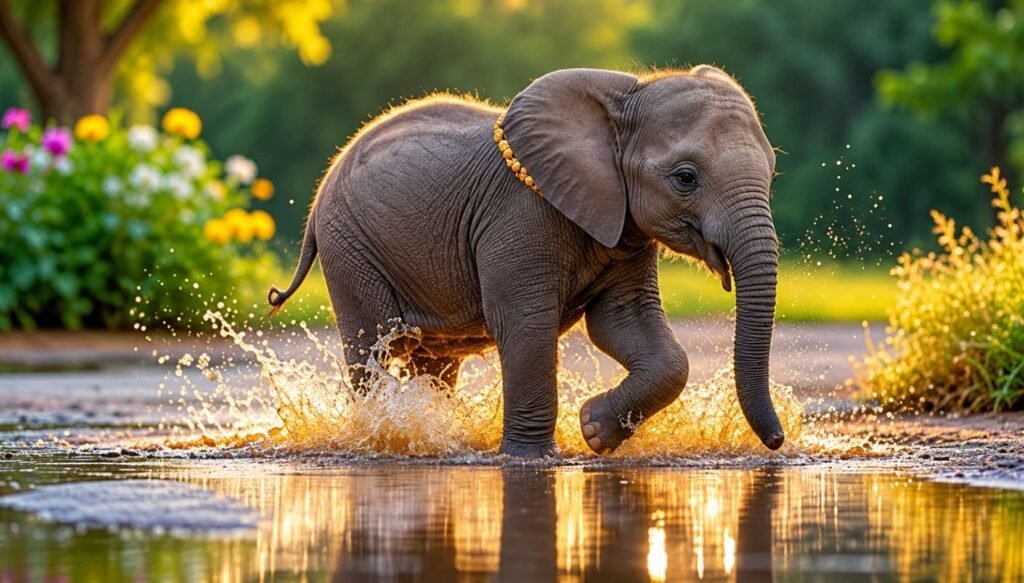
As they play, run, and tumble with their peers, they often appear uncoordinated, but this playful behavior is integral to their socialization. These calves are often observed spending time with their mothers and the larger herd, learning not just movement, but also vital social cues. Though their proportionally large ears and limbs seem awkward at first, they serve crucial functions in thermoregulation and balance.
A calf’s lack of precise trunk control highlights their ongoing learning and adaptation. Far from being uncoordinated, this early awkwardness represents a necessary evolution, allowing them to navigate and thrive in their natural habitats. In fact, baby elephants can swim effortlessly, showcasing that their seemingly clumsy movements are perfectly tailored for their environment’s demands.
Baby Giraffe
| Feature | Details |
|---|---|
| Scientific Name | Giraffa camelopardalis |
| Class | Mammalia |
| Diet | Herbivore |
| Size | 1.8 to 2.1 meters at birth |
| Weight | 50 to 60 kg at birth |
Baby giraffes are born with an astonishing ability to stand and walk shortly after birth. Their lengthy legs contribute to a clumsy appearance as they navigate their new world, yet this wobbling is entirely normal and crucial for developing strength and coordination. Initially, they rely heavily on their mothers for protection and bonding, which is vital, given their vulnerable status in the savanna habitat where they forage for leaves and tender shoots.
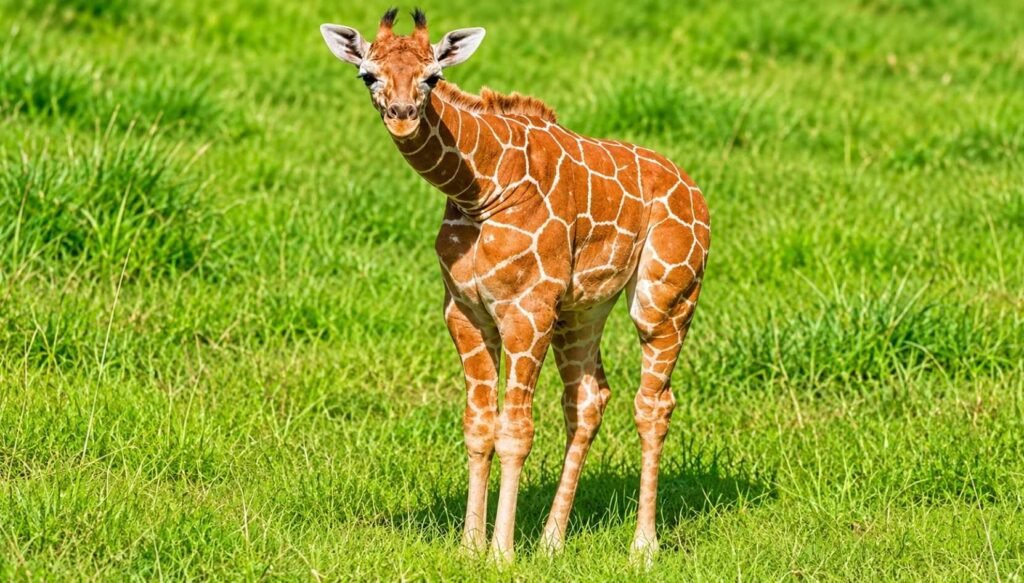
Physical features such as long, gangly legs and oversized necks make baby giraffes comically awkward, but these traits serve an evolutionary purpose. Their movement may seem uncoordinated when they attempt to run or jump, yet this early “wobbling” actually helps them build muscle and balance for a life filled with swift escapes from predators.
Living in the savanna, these young creatures learn quickly, as their behavior adapts to a world rife with threats, showcasing resilience and growth that belies their early clumsiness. Baby giraffes can reach speeds of up to 30 miles per hour as they mature, demonstrating a remarkable transformation from untidy newborns to agile adults!
Camel
| Characteristic | Details |
|---|---|
| Scientific Name | Camelus dromedarius |
| Class | Mammalia |
| Diet | Herbivorous |
| Size | 6 to 7 feet tall |
| Weight | 880 to 1,320 pounds |
Camels exhibit a distinctive walking gait characterized by a rhythmic body sway, often likened to a subtle rolling motion. This movement may appear clumsy at first glance, but it serves a critical purpose in their sandy desert habitat. Their broad feet, adapted for walking on soft terrain, help distribute their weight and prevent them from sinking into the sand.

The iconic humps on their backs are not just for show; they serve as reserves of fat that the camel can metabolize for energy and moisture when food and water are scarce. Despite their somewhat awkward physical appearance marked by long legs and an elongated neck camels are surprisingly adept movers.
They can walk and run efficiently across harsh landscapes, using their unique gait to conserve energy. This rolling movement isn’t necessarily a sign of poor coordination; instead, it’s an evolutionary boon designed to enhance their endurance.
Often wandering in search of sustenance, camels can drink up to 40 gallons of water in one go, showcasing their amazing ability to thrive under extreme conditions. In reality, what may appear as clumsiness is a sophisticated adaptation to ensure survival in one of the most unforgiving environments on Earth.
Flamingo
| Characteristic | Details |
|---|---|
| Scientific Name | Phoenicopterus |
| Class | Aves |
| Diet | Algae, crustaceans |
| Size | 3.3 to 4.6 ft |
| Weight | 4.4 to 9 lbs |
Flamingos, with their long legs and necks, boast an unusual appearance that captivates onlookers. Their distinct method of walking and wading through shallow waters not only looks awkward but is essential for their feeding behavior, allowing them to sift through sediment for algae and tiny crustaceans.
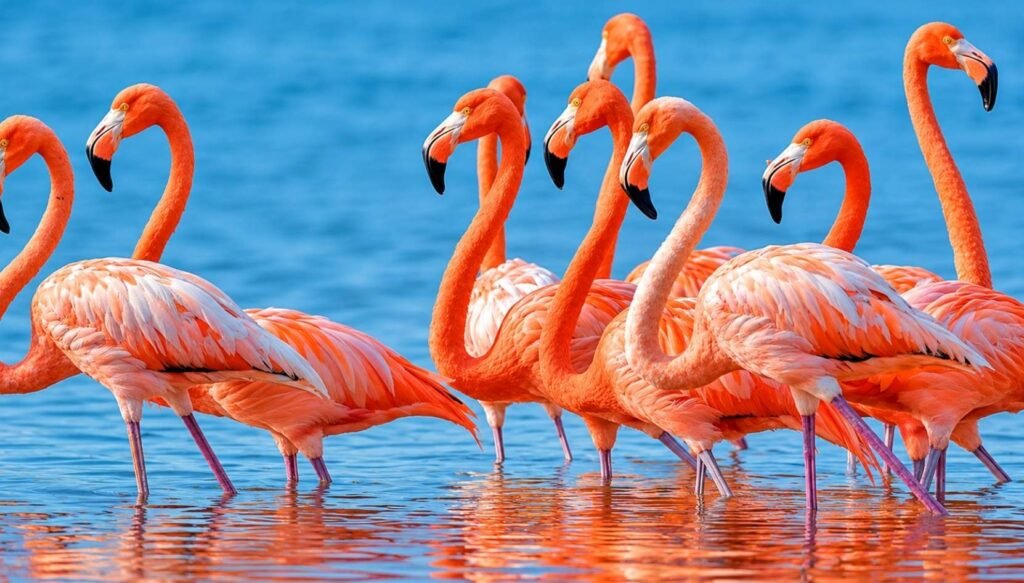
The iconic one-legged stance, often seen while resting, is believed to help maintain body temperature and minimize energy expenditure. Such adaptations enable flamingos to thrive in their habitats, where they can filter feed efficiently. Their long, slender bodies and lengthy appendages may seem clumsy at first glance; however, these features are perfectly tailored for their ecological niche.
When they walk, they appear somewhat unsteady, and their gait can resemble a graceful dance against the shimmering backdrop of shallow waters. The flamingo’s movements, though seemingly awkward, are honed for balance and functionality, especially as they delicately navigate their marshy environments. Most notably, flamingos are uniquely social creatures, often found in large flocks, which adds to the spectacle of their behavior.
These beautiful birds are vital indicators of environmental health, showcasing how well they’ve adapted to their ecosystems. Despite the perception of clumsiness, flamingos’ unique movements and physical traits are highly advantageous in their specific habitats, allowing them not just to survive but to flourish in a world that often seems to challenge their elegance.
Giant Panda
| Attribute | Details |
|---|---|
| Scientific Name | Ailuropoda melanoleuca |
| Class | Mammalia |
| Diet | Herbivore (bamboo-based) |
| Size | 1.2 to 1.9 meters |
| Weight | 70 to 160 kg |
Giant pandas are often labeled as clumsy due to their rounded bodies and stocky limbs, which give them an somewhat ungraceful appearance. One of the most endearing yet awkward characteristics is their unique method of movement; they can climb trees or roll down hills but often appear uncoordinated on flat ground.

Their bulky form might suggest a lack of agility, yet their padded feet and strong forelimbs, equipped with a modified wrist bone that functions like a thumb, facilitate a surprisingly adept grip on bamboo as they peel and rotate the stalks during feeding.
In the serene mountain forests of China, pandas exhibit behavior that seems at odds with their clumsiness; they navigate through dense foliage to forage for their primary sustenance bamboo. While their movements might appear bumbling, particularly when they attempt to jump or scramble, it’s actually a perfect adaptation for their habitat, allowing them to access a rich food source.
Despite their seemingly uncoordinated antics, these bears have honed skills that are highly effective for survival, making them less clumsy and more finely tuned to their natural environment than they initially appear.
Giraffe
| Feature | Details |
|---|---|
| Scientific Name | Giraffa camelopardalis |
| Class | Mammalia |
| Diet | Herbivore |
| Size | Up to 18 feet (5.5 meters) |
| Weight | 1,600 to 3,000 lbs (725 to 1,400 kg) |
Giraffes, with their extremely long legs and necks, exhibit a unique elegance that can seem clumsy at first glance. Their walking gait, a deliberate and careful motion, becomes surprisingly effective in navigating the savanna habitat.

While their galloping movement may appear awkward, it’s well-adapted for evading predators, showcasing a balance between functionality and form. Interestingly, their behavior of spreading their legs to drink water may look unwieldy, yet it’s a necessary adaptation that allows these towering creatures to quench their thirst a strategic move in the wild.
Though their physical features, such as elongated necks and long legs, can appear outlandish, giraffes are masters of their terrain. Their browsing diet primarily consists of leaves from acacia trees, which they can reach due to their height, emphasizing their evolutionary advantage in their environment.
A fascinating fact about giraffes is that they only need to drink water every few days, as they’re adept at obtaining moisture from their leafy diet. In reality, the perceived clumsiness of their movements is a misinterpretation; their unique gait and posture have been expertly honed for survival in the wild, making them anything but uncoordinated. Giraffes are also among the biggest animals in the world.
Goat Kid
| Attribute | Details |
|---|---|
| Scientific Name | Capra aegagrus hircus |
| Class | Mammalia |
| Diet | Herbivorous |
| Size | 1.3 to 1.5 meters tall |
| Weight | 15 to 30 kg |
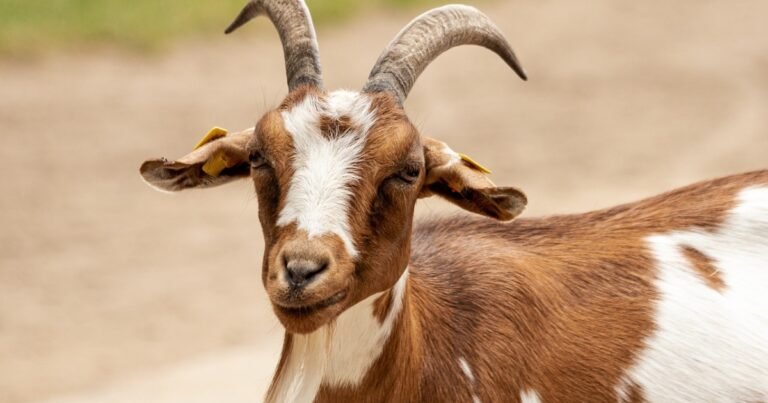
Young goats, or goat kids, exhibit a remarkable mix of energy and playfulness, often making them appear clumsy. Their buoyant jumping and rapid direction changes are essential for developing balance and coordination. Despite their seemingly awkward movements, their hooves provide excellent grip on rocky surfaces, allowing them to navigate challenging terrains with surprising agility.

As social animals, they thrive in herds, often staying close to their mothers while engaging in playful antics, which also helps cultivate essential survival skills. Observe a goat kid in motion, and you may find its physical appearance somewhat endearing yet awkward. With elongated limbs and a compact body, their movements can be a delightful spectacle, whether running, jumping, or climbing.
At times, their actions may seem uncoordinated, especially when they tumble over each other in their playful pursuits. These seemingly irregular movements are perfectly adapted for their mountainous habitats, where agility is vital for fleeing predators and moving across steep, uneven terrains.
Goats are known for their incredible ability to climb and traverse challenging landscapes, which is a testament to their evolutionary adaptations. Rather than being clumsy, their playful antics serve a purpose, enhancing their agility in the wild. Many young animals like these are also naturally friendly animals.
Harbor Seal
| Attribute | Details |
|---|---|
| Scientific Name | Phoca vitulina |
| Class | Mammalia |
| Diet | Carnivore (fish-based diet) |
| Size | 1.5 to 2.5 meters long |
| Weight | 50 to 300 kg |
Harbor seals possess a distinctive way of moving on land, using a unique combination of their front flippers and hind limbs. On land, their gait appears awkward; they rely heavily on their fore-flippers for balance while dragging their bodies forward, unlike their seamless grace in water where they use powerful strokes to glide effortlessly.
This stark contrast highlights their evolutionary adaptations while they may seem clumsy on shore, underwater, they are agile, capable of reaching speeds up to 35 km/h. Visually, their rounded bodies and large heads can seem disproportionate, contributing to their less graceful terrestrial movement. Intensely social, these seals inhabit coastal regions and often haul out on beaches or rocky shores, basking in the sun.
Harbor seals can dive to significant depths in pursuit of fish, which forms the crux of their diet. While their land movements may appear uncoordinated, such adaptations are efficient for their habitat’s demands, making them perfectly suited for a life spent mainly in water. Rather than being clumsy, their perceived awkwardness on land is a testament to their specialization as marine hunters.
Hippopotamus
| Feature | Details |
|---|---|
| Scientific Name | Hippopotamus amphibius |
| Class | Mammalia |
| Diet | Herbivorous |
| Size | 3.3 to 5.2 meters (10.8 to 17 feet) |
| Weight | 1,500 to 1,800 kg (3,300 to 4,000 lbs) |
The hippopotamus, with its heavy body and short legs, might seem awkward on land, yet this semi-aquatic giant brilliantly adapts to its river habitat. While many perceive hippos as clumsy due to their bulk, their ability to glide through water makes them less like land mammals and more like graceful river dancers.
Contrary to popular belief, hippos don’t push off the bottom like fish; they propel themselves with powerful leg strokes, effortlessly navigating their aquatic environment. Their herbivorous diet keeps them foraging along riverbanks, while instinct-driven territorial behavior might lead to perceived clumsiness when they rush to defend their space.
Hippos are not truly uncoordinated; their movements are perfectly suited for their habitat, showcasing a unique blend of strength and agility. Instead of being merely ungainly, these magnificent creatures highlight nature’s fascinating design, where what appears to be clumsiness can often be an expertly honed survival skill.
Kitten
| Feature | Details |
|---|---|
| Scientific Name | Felis catus |
| Class | Mammalia |
| Diet | Carnivore |
| Size | 23–25 cm at shoulder |
| Weight | 2.5–4.5 kg |
Kittens, in their playful clumsiness, explore the world with a mix of endearing awkwardness and fierce determination. Their developing balance, coordination, and precise paw placement are crucial as they refine their movement skills. The way they jump and pounce often leads to delightful tumbles, a playful reminder of their youth and inexperience.
These seemingly uncoordinated antics are not without purpose; through their playful stumbling, they hone their hunting instincts, learning vital agility techniques to catch their future prey. Physical appearance can be comically misleading; oversized paws and long limbs contribute to their clumsiness.
When they zigzag across the room or awkwardly leap for a toy, one might question if they truly possess the feline grace expected of adult cats. Their habitat includes cozy corners of homes or sun-drenched windowsills, where they engage in spontaneous bouts of play with both their mother and littermates.
Their seemingly uncoordinated movements are not just cute quirks but serve as essential developmental exercises, truly tailored for their environment and evolutionary role. Each tumble and jump is a step toward becoming the skilled hunters they are destined to be.
Manatee
| Attribute | Details |
|---|---|
| Scientific Name | Trichechus manatus |
| Class | Mammalia |
| Diet | Herbivore |
| Size | 10–13 feet |
| Weight | 800–1,200 pounds |
Manatees, often regarded as clumsy ocean giants, possess a rounded body and paddle-shaped forelimbs ideal for life in aquatic environments. Their slow movement may appear uncoordinated, but it’s a strategic adaptation to their herbivorous diet, mainly consisting of seagrass and other aquatic vegetation.
In warm coastal waters, rivers, and estuaries, these gentle creatures glide gracefully through their habitat, utilizing their body shape to navigate rather than to sprint. While their physical features, including their large, hefty bodies and awkwardly placed fins, may seem ill-fitted for agility, this design serves a purpose. Manatees exhibit a serene, almost leisurely approach to movement, whether grazing on submerged plants or propelling themselves through the water.
Their unusual way of maneuvering can often be misconstrued as a lack of coordination, but it’s more of a harmonious adaptation to their serene lifestyle, underscoring their role in their ecosystem. Interestingly, manatees have been known to communicate through a series of squeaks and chirps, further enriching their behavior.
Mudskipper
| Feature | Details |
|---|---|
| Scientific Name | Periophthalmus spp. |
| Class | Actinopterygii |
| Diet | Omnivorous |
| Size | 10–30 cm (4–12 inches) |
| Weight | 0.1–1 kg (0.2–2.2 lbs) |
Mudskippers are remarkable creatures that amaze observers with their unique form of locomotion hopping and crawling on mudflats. Their adapted pectoral fins serve as tiny legs, propelling them forward and allowing them to maneuver seamlessly between water and land.
The intertidal mudflats and mangrove habitats provide an ideal environment for these fish, offering both shelter and sustenance. By creating burrows in the mud, mudskippers establish territorial claims and provide shelter against predators, much like other burrowing animals, while actively foraging for food both in water and on land.
Physically, the mudskipper’s incorrectly proportioned body, with its large eyes and robust pectoral fins, might seem awkward at first glance. Their movement part swimming, part walking can appear clumsy; however, this hybrid locomotion is expertly tailored to their unique habitat.
This duality of living facilitates their survival; they thrive in shallow, oxygen-poor waters and can even breathe through their skin when moist. Interestingly, mudskippers are not uncoordinated; their movements, though unusual, are perfectly adapted for their challenge-ridden environment.
Ostrich
| Feature | Details |
|---|---|
| Scientific Name | Struthio camelus |
| Class | Aves |
| Diet | Herbivorous (plant material and small animals) |
| Size | Up to 9 feet tall |
| Weight | 220–350 pounds |
Ostriches boast long legs and a distinctive running posture, which might make their movement appear awkward. With powerful limbs designed for speed, they can reach astonishing speeds of up to 45 miles per hour, using long strides to cover vast distances. While they might seem ungraceful in their everyday movements, these adaptations make them highly capable runners on land.
Their physical appearance, such as oversized feet and an elongated neck, can contribute to the perception of clumsiness. They are not just running machines; ostriches inhabit grasslands and savannas, where they spend their days foraging for plant material and small animals.
Oddly enough, their movements may seem unusual due to their sheer size large bodies on long legs create a unique balance challenge. Interestingly, ostriches cannot fly because of their size, yet they have evolved sophisticated behaviors and adaptations to thrive on the ground.
Their seemingly clumsy movement is not just a quirk but a well-calibrated response to their environment, allowing them to escape predators swiftly and efficiently.
Penguin
| Attribute | Details |
|---|---|
| Scientific Name | Spheniscidae |
| Class | Aves |
| Diet | Carnivorous (mainly fish) |
| Size | 1.5 to 4 feet (varies by species) |
| Weight | 2 to 90 pounds (depending on species) |
Penguins’ side-to-side waddling gait, characterized by their short legs and upright body posture, gives them an endearing, yet clumsy appearance on land. Their flippers, while seemingly awkward for walking, become powerful tools when they transition to water, allowing them to swim with remarkable agility. They also appear in our list of animals with webbed feet.
The waddling movement is intricately linked to their unique body structure; it conserves energy while navigating rocky terrains in polar and temperate habitats, making them efficient foragers. Beyond their charming exterior lies an adaptive genius. Penguins are naturally graceless on land but are exceptional swimmers, moving effortlessly through icy waters with speed and precision.
This dichotomy may seem counterintuitive, yet it highlights the significance of their movements for survival. An intriguing feature is their need to huddle together for warmth in frigid conditions, showcasing their social behavior and reliance on community in harsh climates.
While at first glance they may appear uncoordinated, this perception fades when one recognizes how their physical traits are optimally designed for an aquatic lifestyle.
Puffin
| Feature | Description |
|---|---|
| Scientific Name | Fratercula arctica |
| Class | Aves |
| Diet | Carnivorous (primarily fish) |
| Size | 28–30 cm (11–12 in) |
| Weight | 500–750 g (1.1–1.6 lb) |
Puffins display a waddle that’s lined with short legs, making their once-adorable movements seem clumsy. During takeoff, they flap their wings furiously, gathering momentum before leaping into the air, but their landings can resemble an awkward shuffle as they struggle to stabilize on coastal cliffs.
Under water, however, their wings transform into powerful paddles, propelling them elegantly while they hunt fish, highlighting a fascinating duality in their movement methods across land, air, and water.
In terms of physical appearance, their oversized beak is vividly colorful, giving an impression of awkwardness, especially when they maneuver on land. Despite this, it’s a crucial feature that helps them lure fish.
Their waddling motion may seem uncoordinated, but it’s optimized for navigating rocky terrain where they build nesting burrows. Puffins spend much of their lives in these cliffs, diving into the sea for food while exhibiting impressive buoyancy beneath the waves.
Interestingly, puffins can dive as deep as 60 meters (about 197 feet), showcasing their adaptability to various environments. While they might appear clumsy on land, their movements are finely tuned for survival, proving that awkwardness in one domain can translate to efficiency in another.
Rhinoceros
| Feature | Details |
|---|---|
| Scientific Name | Rhinoceros spp. |
| Class | Mammalia |
| Diet | Herbivore |
| Size | 3.3 to 15 feet (depending on species) |
| Weight | 1,800 to 5,000 lbs (depending on species) |
Rhinoceroses, with their large, cumbersome bodies and heavy heads supported by short, stout legs, often exude an aura of awkwardness. Yet, these seemingly clumsy giants can surprise observers with quick, agile bursts of speed, darting across the savannah or turning sharply when startled.
Their peculiar movement is largely adapted to their environment, allowing them to navigate dense foliage while grazing on grasses, leaves, and shrubs. Species like the white rhinoceros are known for their grazing habits frequently using their wide mouths to help them consume vast amounts of vegetation.
The rhinoceros’s iconic horns, made of keratin, serve as defense mechanisms against predators and are often used in social interactions within their species. These magnificent creatures face severe threats from poaching and habitat loss, making conservation efforts critical. Despite their bulk, rhinos can sprint at speeds of up to 30 miles per hour for short distances, showcasing their surprising physical capabilities.
It may seem that their movements are uncoordinated, but every awkward step is an integral part of their survival strategy, allowing them to thrive in the wild while maintaining their unique ecological role.
Sloth
| Feature | Details |
|---|---|
| Scientific Name | Bradypus |
| Class | Mammalia |
| Diet | Folivore (leaves, fruits) |
| Size | 60 to 70 cm (approx. 24 to 28 in) |
| Weight | 4 to 8 kg (approx. 9 to 18 lbs) |
Sloths may appear awkward and clumsy with their slow, languid movements and long limbs ending in curved claws, yet these traits perfectly align with their tree-dwelling lifestyle in the tropical forests of Central and South America. Their deliberate pace allows them to conserve energy while foraging on a diet mainly composed of leaves, which are nutritionally poor.
This energy-efficient way of life is designed for survival in their niche environment, where speed is not a priority but stealth is critical for avoiding predators. While their physical appearance may evoke a sense of awkwardness with limbs that seem to dangle and movements that are unrefined this is far from a true representation of their capabilities. Rather, their slow movements are a strategic adaptation conducive to a low-energy lifestyle.
Sloths primarily hang from branches, an activity that can appear clumsy from a human perspective, but is essential for their survival. Interestingly, sloths are also excellent swimmers, capable of moving three times faster in water than on land. Their slow, silent habits also make them one of the quiet animals of the rainforest.
Solenodon
| Trait | Details |
|---|---|
| Scientific Name | Solenodon |
| Class | Mammalia |
| Diet | Insectivore |
| Size | 25–40 cm |
| Weight | 0.5–1.5 kg |
Solenodons are often termed as “clumsy” due to their long snouts and low body posture, but this descriptor overlooks their fascinating adaptation for foraging on the forest floor. With a nocturnal lifestyle, these snouted critters expertly navigate through the underbrush of Caribbean islands like Hispaniola and Puerto Rico, using their keen sense of smell to find insects and small invertebrates.
While their wide-set eyes and somewhat awkward stance might seem peculiar, they serve a purpose: allowing the solenodon to forage effectively in the leaf litter where many prey items are hidden.
Their movement may appear uncoordinated; they walk in a slow, deliberate manner and occasionally break into a hurried shuffle when startled. This method of locomotion, while seemingly clumsy to the casual observer, is remarkably effective for their habitat.
An interesting fact about them is that they are one of the few venomous mammals; they possess salivary glands that can deliver venom through grooves in their lower incisors, further enhancing their predatory skills. Because of habitat loss and introduced predators, solenodons are also among the rare animals that need protection.
Tortoise
| Feature | Description |
|---|---|
| Scientific Name | Testudo |
| Class | Reptilia |
| Diet | Herbivorous, varies by species |
| Size | 10 to 48 inches |
| Weight | 4 to 200 pounds |
Tortoises are fascinating creatures with heavy shells and short, sturdy legs, designed for a life of slow movement. Their ground-based locomotion may appear clumsy, yet it’s a strategic adaptation suited for a terrestrial lifestyle.
The robust shell serves as an effective armor, protecting them against predators and environmental hazards. Their slow pace is not a sign of lack of coordination; rather, it reflects their energy-efficient way of living, prioritizing safety over speed. Physically, the tortoise’s stout limbs, which seem somewhat awkward, are perfect for digging and navigating varied terrains.
While they may not run or jump, their deliberate movements are deliberate, enhancing stability and preserving energy. Living primarily in arid regions, they predominantly graze on vegetation, allowing their pace to seamlessly align with the environment’s rhythms. Many tortoise species can absorb water through their skin, a unique adaptation to their habitats.
Why Do Some Animals Look Clumsy?
Body Shape and Weight: Animals with heavy bodies and short legs often exhibit movements that can appear clumsy. This relationship between body shape and locomotion creates challenges in balance and agility. Take the giant panda, for instance; while these endearing creatures have large, rounded bodies that facilitate stability while climbing, they can seem awkward as they lumber across the ground.
Long Legs and Unusual Proportions: In stark contrast, animals with long limbs can face their own unique challenges regarding movement. Giraffes, for example, possess extraordinarily long legs that provide them with impressive stride length, yet their walking and turning can appear cumbersome, especially in young calves. These unusual proportions can lead to a somewhat awkward gait, which can be mistaken for clumsiness.
Growing and Learning Coordination: Clumsiness isn’t solely a feature of adult animals; young ones often display unrefined motor skills as they develop. Baby elephants, with their nascent coordination, often trip over their own feet while learning to navigate their surroundings. Similarly, a young giraffe’s towering legs may lead to unpredictable tumbles as they figure out balance. Kittens frequently exhibit a delightful awkwardness, stumbling while they practice their newfound abilities.
Adaptations for Different Environments: The environment plays a significant role in how animals move, influencing their perceived clumsiness. For instance, animals like waterfowl glide gracefully through water but can look comically awkward when they waddle on land. Likewise, creatures inhabiting muddy regions, like the warthog, have adapted to navigate slippery surfaces with a unique gait that may seem ungraceful to the untrained eye.
Clumsy Animals vs. Uncoordinated Animals
When dissecting the behaviors of clumsy animals versus uncoordinated animals, it’s essential to grasp their nuanced differences. Clumsiness is often an informal descriptor and doesn’t hold a scientific weight; it typically refers to awkwardness that is situational rather than a chronic issue. Healthy animals might exhibit unusual gaits or occasional stumbles as adaptations to their environments or learning phases.
For instance, young animals often appear clumsy when compared to their adult counterparts, mainly because they haven’t mastered their physical capabilities yet. If an animal suddenly begins to stumble or lose balance without prior indications, this could suggest an underlying health issue rather than just simple clumsiness.
| Criteria | Clumsy Animals | Uncoordinated Animals |
|---|---|---|
| Definition | Informal term for situational awkwardness | Poor control or timing in movements |
| Movement Characteristics | Occasional stumbles, often harmless | Persistent lack of coordination |
| Adaptation | Can be a normal adaptation | May indicate a potential health issue |
| Age Considerations | Differences between young and adult animals | Age is not typically a factor |
| Sudden Changes | Rarely indicates a health problem | Could signal a serious underlying condition |
Conclusion
The world of clumsy animals serves as a delightful reminder of the diversity of life and the quirks that come with it. From the waddling penguins to the awkward but adorable giraffes, each creature has its own unique charm that keeps us fascinated.
These animals not only entertain us with their clumsiness but also offer valuable insights into the complexities of adaptation and survival in nature. By appreciating their quirks, we foster a sense of connection with the animal kingdom and cultivate a deeper understanding of biodiversity.
FAQs
What Animal Is Clumsy On Land But Graceful In Water?
The sea turtle is clumsy on land but graceful in water, and so are seals, penguins, and manatees.
What Is The Clumsiest Animal In The World?
The sloth is often called the clumsiest animal in the world, with the koala and panda close behind.
Which Animals Are Known For Being Clumsy?
Pandas, sloths, koalas, penguins (on land), ostriches, and baby giraffes are all known for being clumsy.