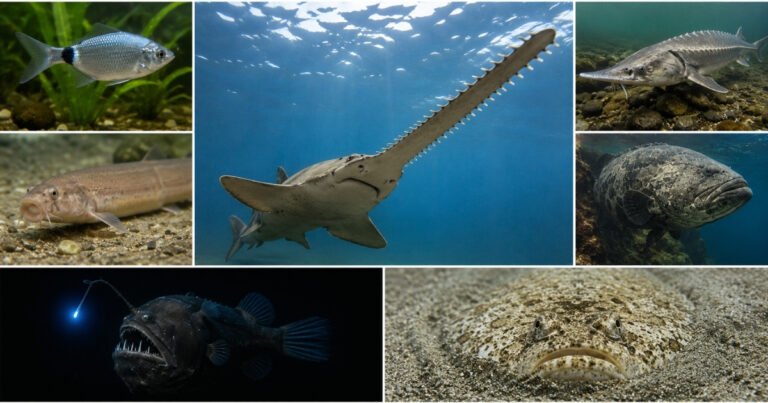
Different Types Of Fishes With Pictures and Names: Complete Guide
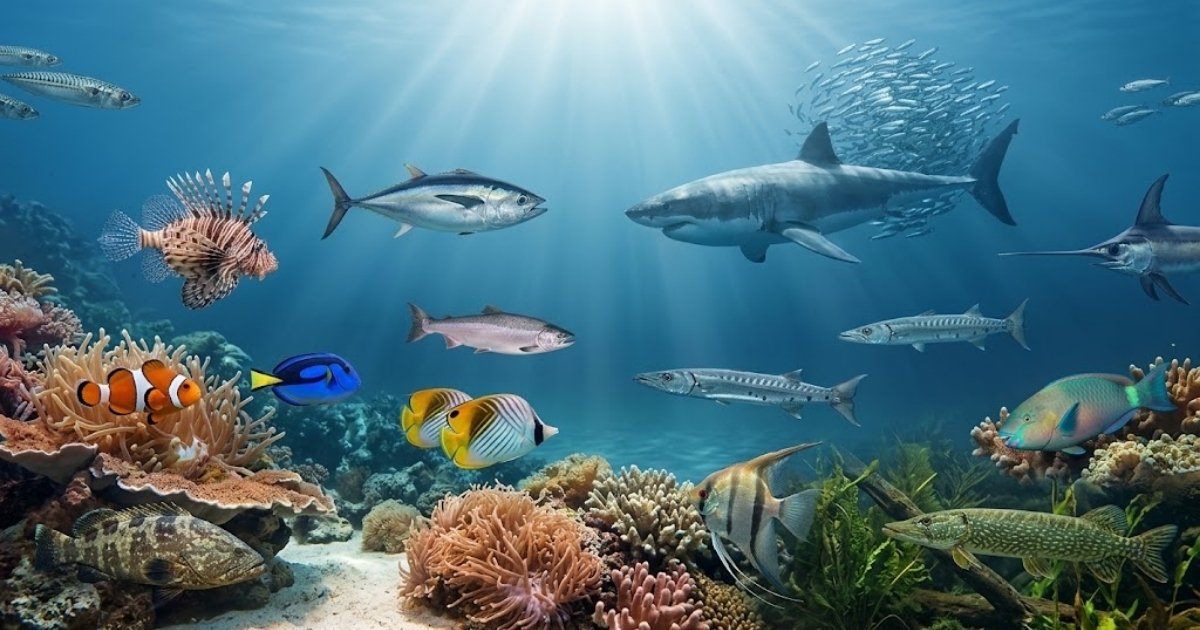
Fish are not just fascinating creatures; they represent a vast diversity of life on our planet. In this complete guide, we will explore the different types of fishes, classifying them into categories such as ocean fish, freshwater fish, pet fish, and edible fish. Along the way, you’ll discover stunning fish images alongside informative descriptions and names that will enhance your understanding of these aquatic wonders.
What Is A Fish?
Fish, or “fishes” in plural, are aquatic animals that live in water and possess gills for breathing, fins for swimming, and scales that often cover their bodies. As a distinct category within the animal kingdom, fish are characterized by their cold-blooded nature, meaning their body temperature varies with the surrounding environment.
Unlike other aquatic creatures, such as amphibians or mammals, true fish are primarily classified under the class Actinopterygii, which encompasses the majority of fish species found in oceans and freshwater.
Common characteristics of fish include their streamlined bodies, which enhance swimming efficiency, and the presence of specialized organs like gills, allowing them to extract oxygen from water. Not all fish possess scales; some species, like catfish, have smooth skin instead.
The cold-blooded trait of fish allows them to adapt to varying temperatures in their aquatic habitats, making them resilient across diverse ecosystems. Through these unique traits, fishes not only play a crucial role in their environments but also captivate the curiosity of nature enthusiasts and scientists alike.
How Many Types Of Fishes Are There?
Fish species exhibit remarkable diversity, with estimates suggesting there are around 32,000 recognized types of fishes worldwide, showcasing their ability to adapt to varied environments. This rich tapestry can be broadly classified into three main groups: jawless fish, cartilaginous fish, and bony fish.
Jawless fish: Like the lamprey and hagfish, represent some of the most primitive forms. Cartilaginous fish: Including sharks and rays, possess a skeleton made of cartilage, offering unique adaptations for predation and buoyancy.
Bony fish: The most diverse category, encompass an extensive range of species adapted to both freshwater and saltwater habitats. When diving deeper, we see the fascinating distinctions between tropical, temperate, and deep-sea fish.
Tropical fish: These fishes often flaunt vibrant colors and intricate patterns influenced by warm climates, while temperate fish adapt to more seasonal environments.
Deep-sea fish: Such type of fishes living in the ocean’s abyss, exhibit extraordinary adaptations to survive the pressures and darkness of their habitat, often possessing bioluminescent features that are as captivating as they are functional.
Main Types Of Fishes And Their Classification
| Fish Group | Main Features | Examples | Habitat |
| Jawless Fish | No true jaws | Lamprey | Freshwater/Marine |
| Cartilaginous Fish | Cartilage skeleton | Shark, Ray | Mostly Marine |
| Bony Fish | Bony skeleton | Salmon, Tuna | Freshwater/Marine |
Fish are classified primarily into three major evolutionary groups: Agnatha, Chondrichthyes, and Osteichthyes, each showcasing distinct characteristics that define their adaptability and ecological roles.
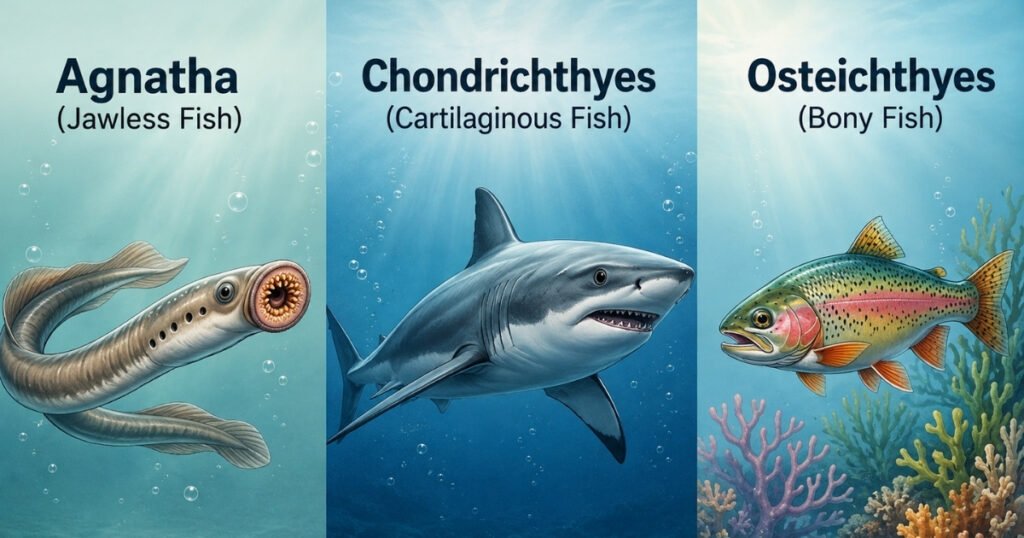
Agnatha: The jawless fish, includes species like lampreys and hagfish, which are known for their elongated bodies and lack of true jaws. Instead, they have evolved unique feeding mechanisms, such as suction, to thrive in various aquatic environments.
Chondrichthyes: Such type of fishes encompasses cartilaginous fish, such as sharks and rays, which are distinguished by their skeletons made of cartilage rather than bone, enabling remarkable flexibility and strength. Their keen predatory instincts and advanced sensory systems allow them to occupy diverse marine niches.
Osteichthyes: The bony fish group, boasts the widest variety of species, including salmon, goldfish, and angelfish. These fish possess a skeleton made of true bone and are equipped with swim bladders for buoyancy control. Representative examples like the vibrant clownfish and the formidable swordfish illustrate the incredible adaptations these fish have to survive and flourish in their habitats.
Understanding these fish different types not only enhances our appreciation of aquatic biodiversity but also highlights the evolutionary marvels that have shaped life beneath the waves.
Types Of Fishes With Pictures And Names
The fish animal kingdom is incredibly diverse, with over 34,000 known species living in oceans, rivers, lakes, and coral reefs across the world. From tiny guppies in a home aquarium to massive predators like the great white shark, all types of fishes share common traits gills for breathing, fins for movement, and cold-blooded bodies while differing wildly in size, habitat, diet, and appearance.
Below is a detailed, categorized guide to some of the most well-known and searched-for fish species, complete with identification features and fun facts.
Popular Ocean Fish
The ocean hosts some of the most well-known fish species, from powerful swimmers like tuna and swordfish to colorful reef dwellers like clownfish. Each species has unique adaptations suited to life in saltwater environments.
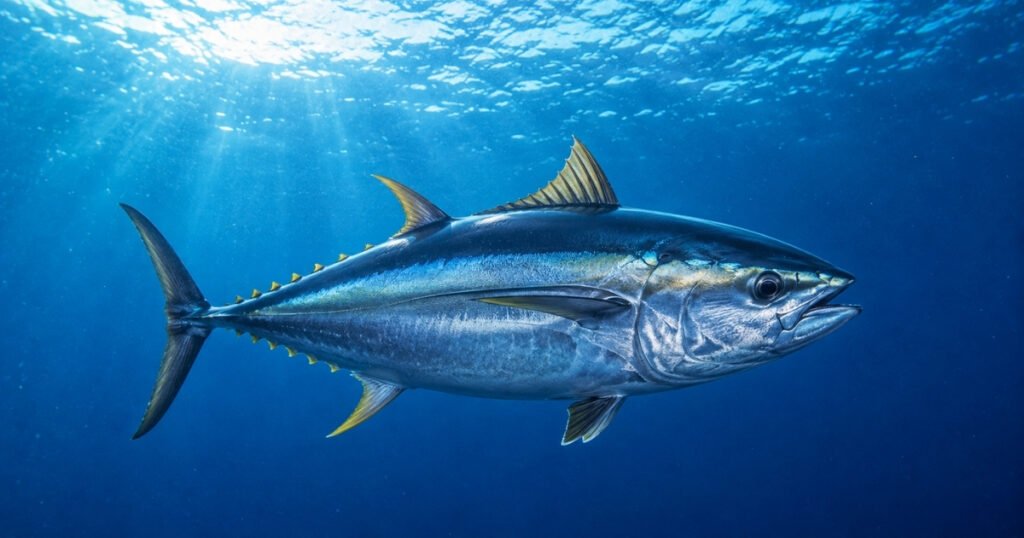
Tuna
- Scientific name: Thunnus spp.
- Type: Marine
- Size: 3–15 feet depending on species (Bluefin can exceed 10 feet)
- Habitat: Open ocean, warm and temperate waters worldwide
- Diet: Carnivore — smaller fish, squid, crustaceans
- Lifespan: 15–40 years
- Key identification features: Torpedo-shaped body, metallic blue-black back, silvery sides, deeply forked tail
- Interesting fact: Tuna can swim at speeds up to 45 mph and must keep moving constantly to breathe.
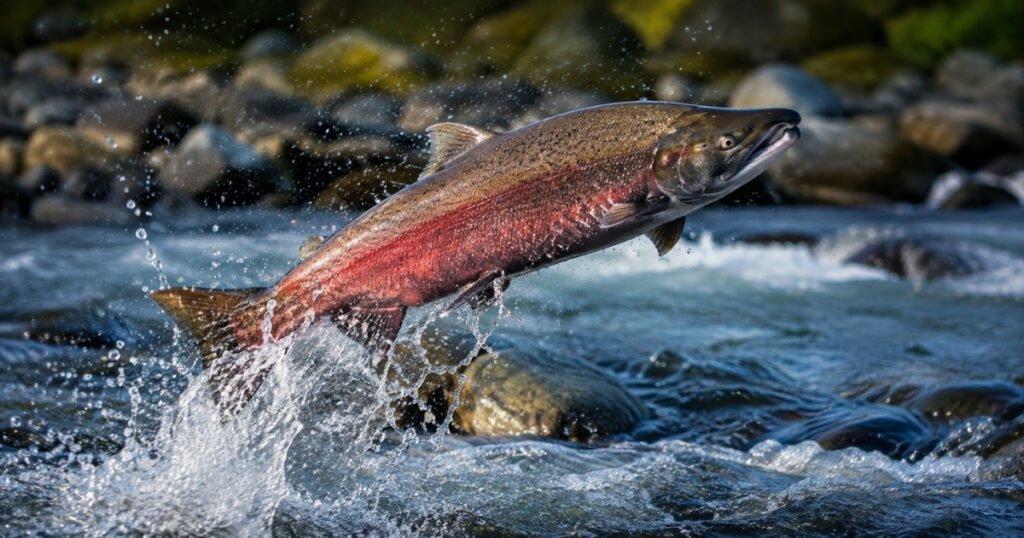
Salmon
- Scientific name: Salmo salar (Atlantic), Oncorhynchus spp. (Pacific)
- Type: Marine and Freshwater (anadromous)
- Size: 1.5–5 feet
- Habitat: Born in freshwater rivers, migrates to the ocean, returns to freshwater to spawn
- Diet: Carnivore — insects, plankton, small fish
- Lifespan: 2–7 years
- Key identification features: Streamlined silver body, pink/orange flesh, spotted back
- Interesting fact: Salmon can leap up to 12 feet in the air to swim upstream against waterfalls.
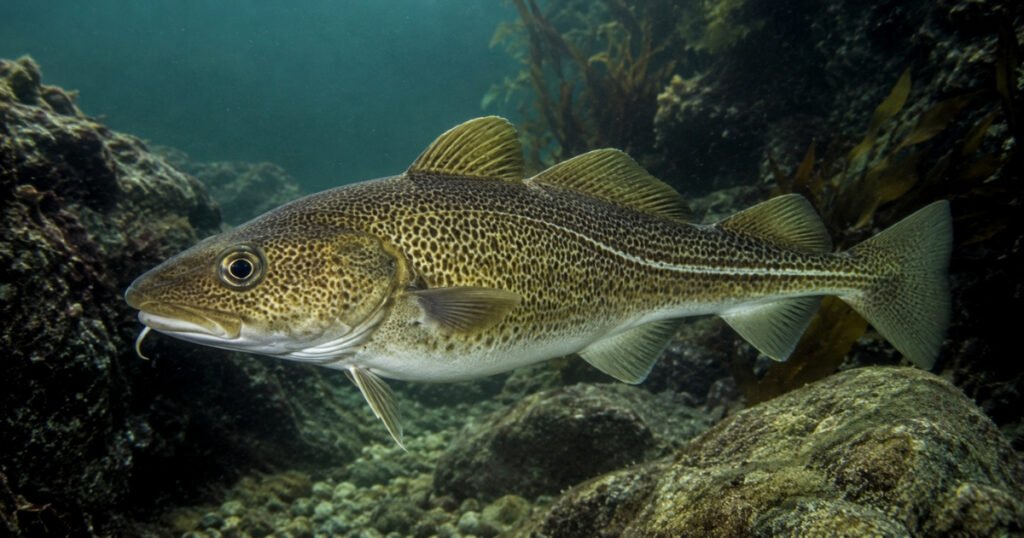
Cod
- Scientific name: Gadus morhua
- Type: Marine
- Size: 2–4 feet
- Habitat: Cold, deep waters of the North Atlantic
- Diet: Carnivore — small fish, crabs, worms
- Lifespan: 20–25 years
- Key identification features: Olive-brown to greenish body with speckles, distinct chin barbel, three dorsal fins
- Interesting fact: A single female cod can lay several million eggs in one spawning season.
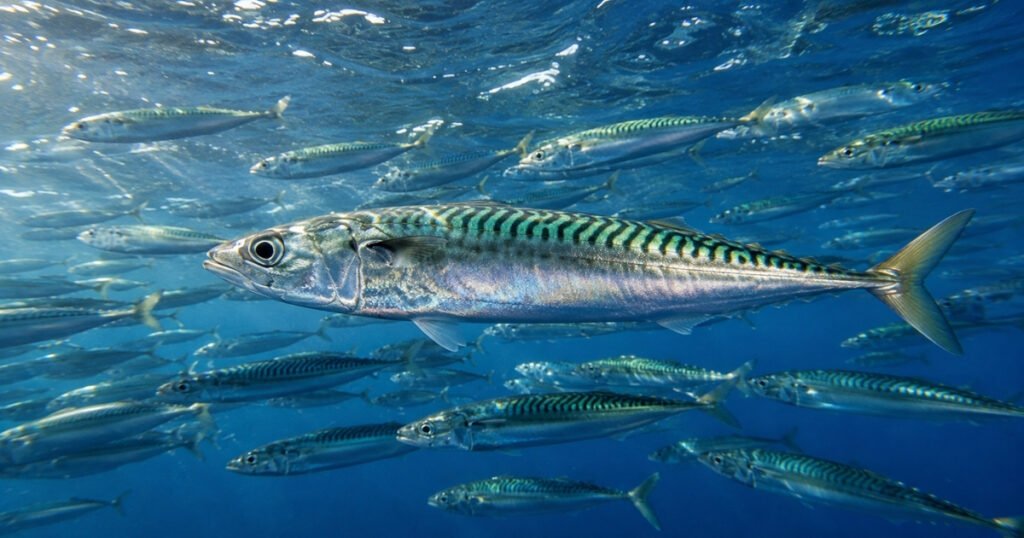
Mackerel
- Scientific name: Scomber scombrus
- Type: Marine
- Size: 12–18 inches
- Habitat: Temperate and tropical continental shelf waters
- Diet: Carnivore — plankton, small fish, crustaceans
- Lifespan: 15–20 years
- Key identification features: Blue-green wavy stripes on back, silvery belly, streamlined body
- Interesting fact: Mackerel swim in massive schools that can number in the millions.
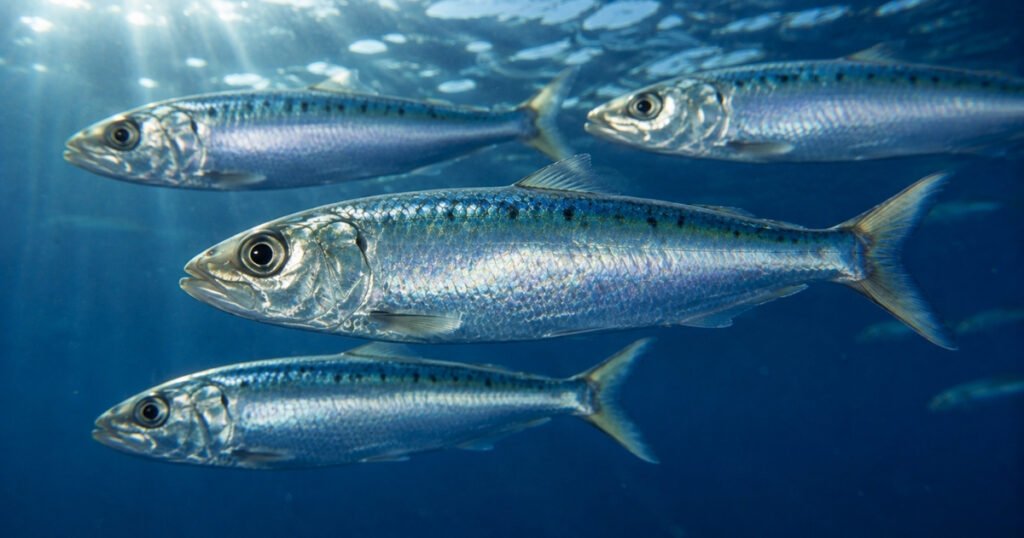
Sardine
- Scientific name: Sardina pilchardus
- Type: Marine
- Size: 6–10 inches
- Habitat: Coastal waters, shallow seas
- Diet: Filter feeder — plankton
- Lifespan: 4–6 years
- Key identification features: Small, silvery, elongated body with a single dorsal fin
- Interesting fact: Sardine schools can stretch for miles and are a vital food source for larger marine animals.
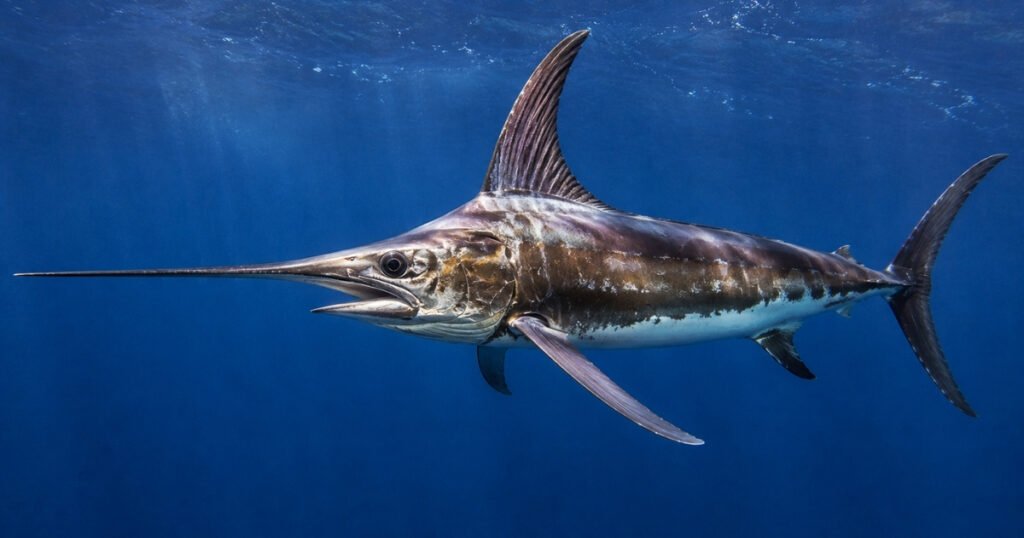
Swordfish
- Scientific name: Xiphias gladius
- Type: Marine
- Size: Up to 15 feet
- Habitat: Deep, warm and temperate open ocean waters
- Diet: Carnivore — squid, fish
- Lifespan: 9–15 years
- Key identification features: Long, flat, sword-like bill; large eyes; no scales as adults
- Interesting fact: Swordfish can swim at bursts of over 60 mph, among the fastest fish in the ocean.
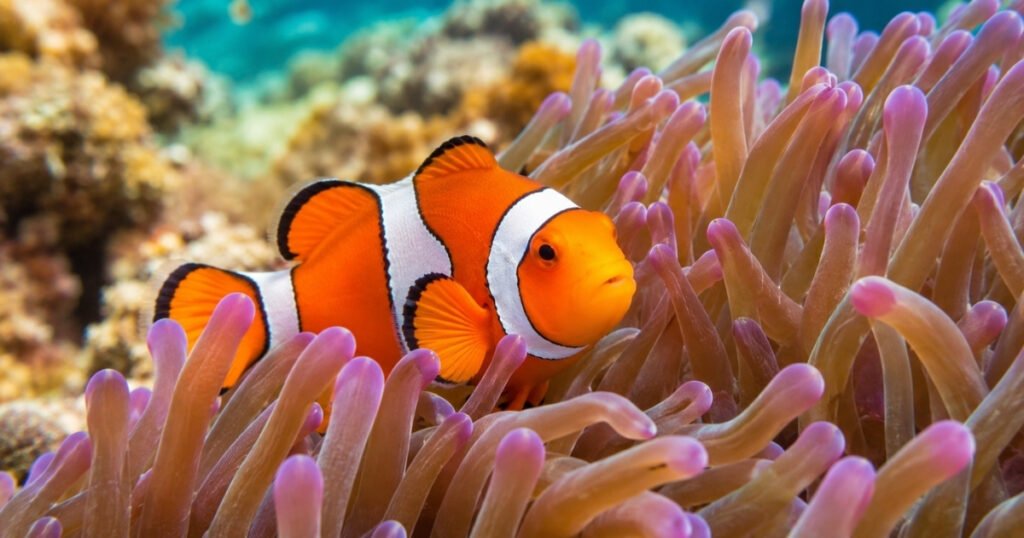
Clownfish
- Scientific name: Amphiprion ocellaris
- Type: Marine
- Size: 3–4 inches
- Habitat: Coral reefs, living symbiotically with sea anemones
- Diet: Omnivore — algae, plankton, small invertebrates
- Lifespan: 6–10 years
- Key identification features: Bright orange body with three white bands outlined in black
- Interesting fact: All clownfish are born male and can change into females later in life.
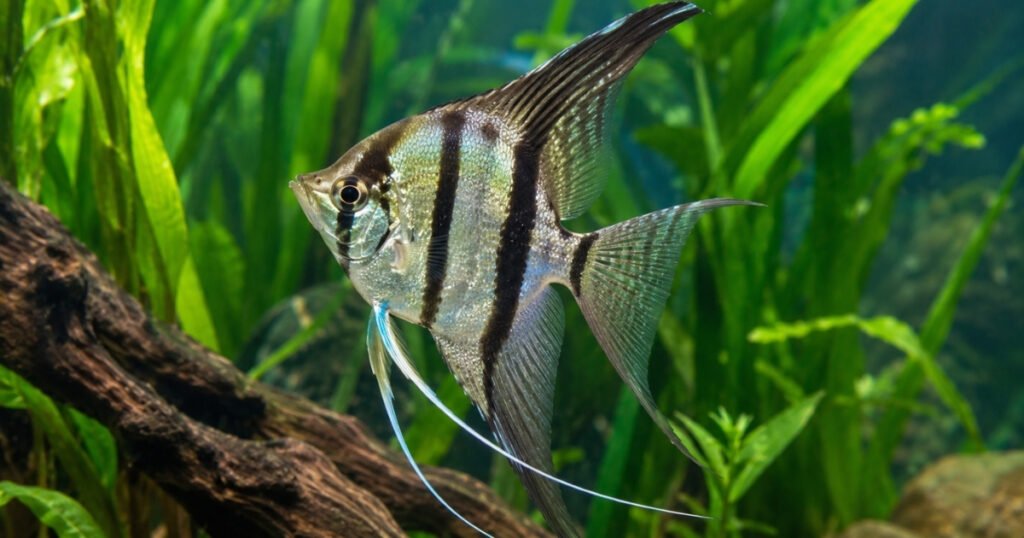
Angelfish
- Scientific name: Pterophyllum scalare (freshwater); Pomacanthidae (marine)
- Type: Marine and Freshwater
- Size: 6–12 inches
- Habitat: Coral reefs (marine); slow-moving rivers (freshwater)
- Diet: Omnivore — algae, small invertebrates, plankton
- Lifespan: 10–15 years
- Key identification features: Flat, disc-shaped body with long trailing fins and bold color patterns
- Interesting fact: Marine angelfish change color dramatically as they mature from juveniles to adults.
Predatory Fish
Predatory fish are nature’s apex hunters, equipped with sharp teeth, powerful jaws, and lightning-fast reflexes to catch their prey. From ocean giants like the great white shark to freshwater hunters like piranha and pike, these species sit at the top of their food chains.
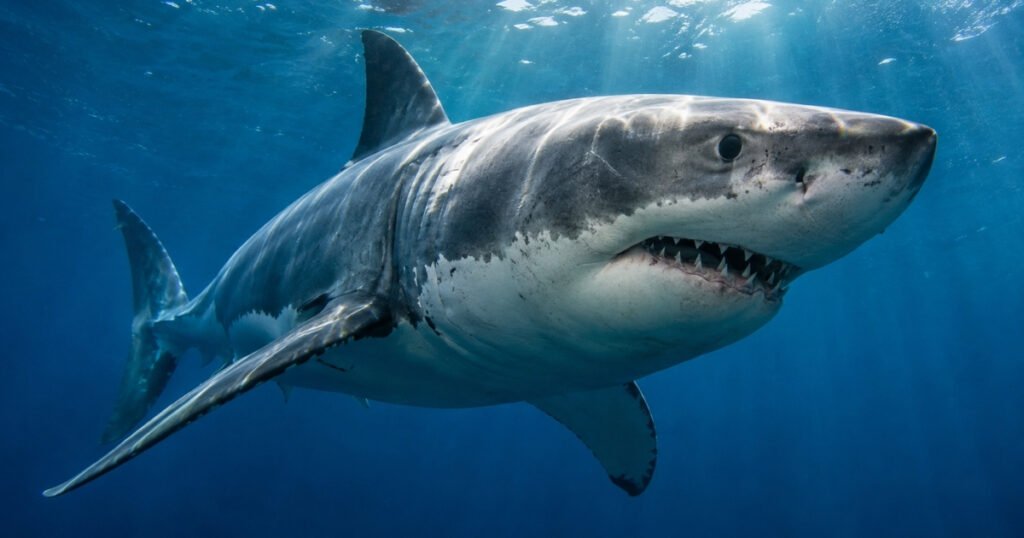
Great White Shark
- Scientific name: Carcharodon carcharias
- Type: Marine
- Size: 13–20 feet
- Habitat: Coastal and offshore waters worldwide, especially temperate zones
- Diet: Carnivore — seals, fish, marine mammals
- Lifespan: 30–70 years
- Key identification features: Grey upper body, white underside, large triangular teeth
- Interesting fact: Great white sharks can detect a single drop of blood in 25 gallons of water.
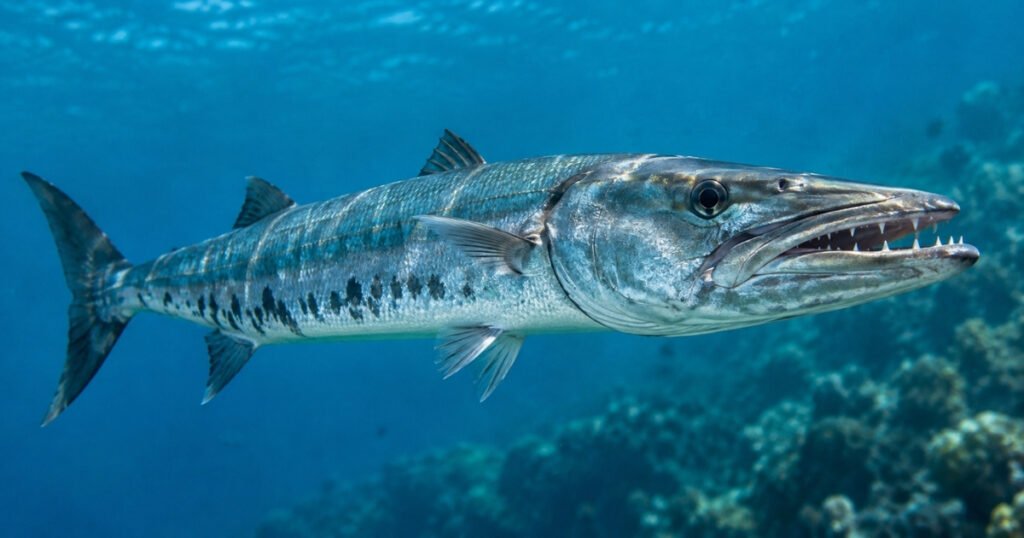
Barracuda
- Scientific name: Sphyraena barracuda
- Type: Marine
- Size: 3–6 feet
- Habitat: Tropical and subtropical reefs and coastal waters
- Diet: Carnivore — smaller fish
- Lifespan: 10–14 years
- Key identification features: Long, torpedo-shaped body, sharp protruding teeth, silvery color
- Interesting fact: Barracudas can reach speeds of up to 35 mph in short bursts while hunting.
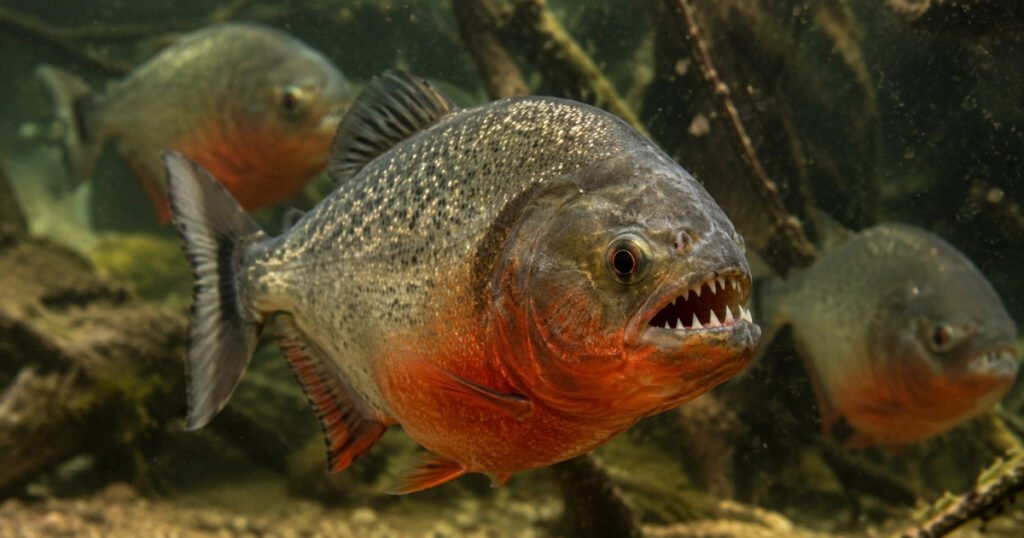
Piranha
- Scientific name: Pygocentrus spp.
- Type: Freshwater
- Size: 6–14 inches
- Habitat: Rivers and floodplains of South America (notably the Amazon)
- Diet: Carnivore — fish, insects, occasionally larger prey in groups
- Lifespan: 8–10 years
- Key identification features: Compact, deep body, sharp triangular teeth, reddish belly in some species
- Interesting fact: Despite their fierce reputation, most piranha species are scavengers rather than aggressive hunters.
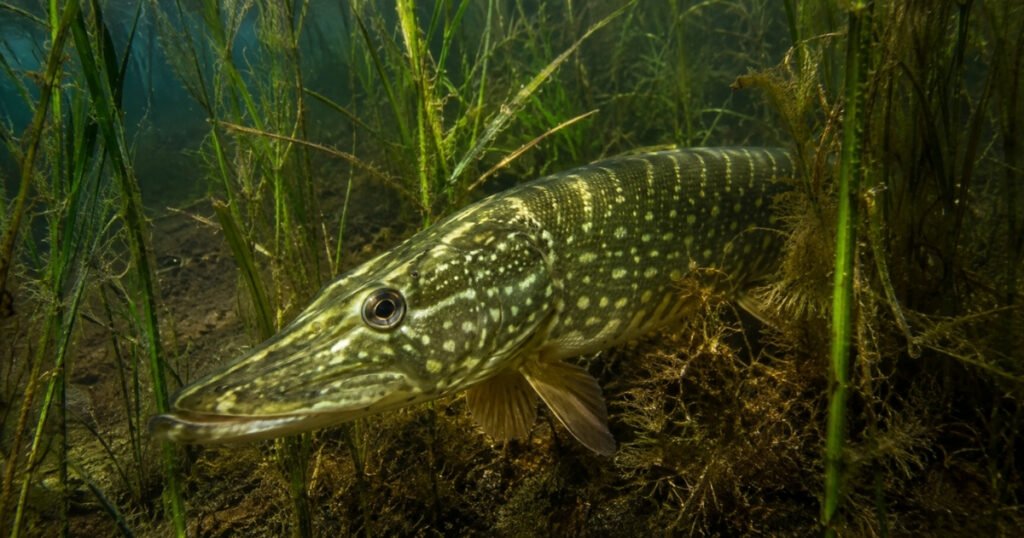
Pike
- Scientific name: Esox lucius
- Type: Freshwater
- Size: 2–4 feet
- Habitat: Weedy lakes, rivers, and slow streams in the Northern Hemisphere
- Diet: Carnivore — fish, frogs, small birds
- Lifespan: 10–15 years
- Key identification features: Elongated body, duck-bill-shaped snout, sharp teeth
- Interesting fact: Pike are ambush predators capable of striking prey in a fraction of a second.
Colorful/Reef Fish
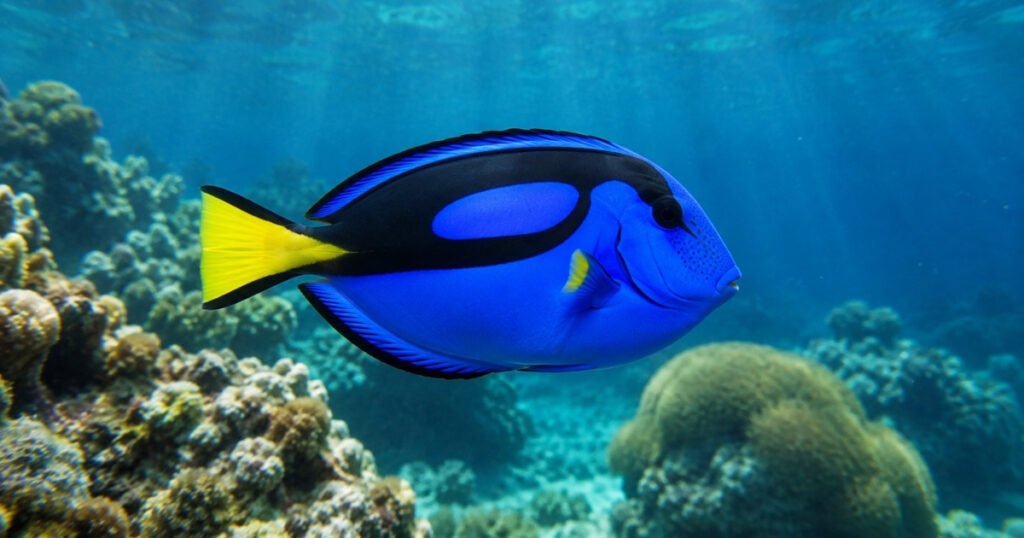
Reef fish are among the most visually stunning creatures in the ocean, boasting vibrant colors and intricate patterns that help them camouflage, communicate, or ward off predators. Species like the blue tang and lionfish thrive in the vibrant ecosystems of coral reefs.
Blue Tang
- Scientific name: Paracanthurus hepatus
- Type: Marine
- Size: 10–12 inches
- Habitat: Coral reefs of the Indo-Pacific
- Diet: Omnivore — algae, plankton
- Lifespan: 8–20 years
- Key identification features: Vivid blue body, black “palette” pattern, yellow tail
- Interesting fact: Blue tangs sleep by wedging themselves into reef crevices at night.
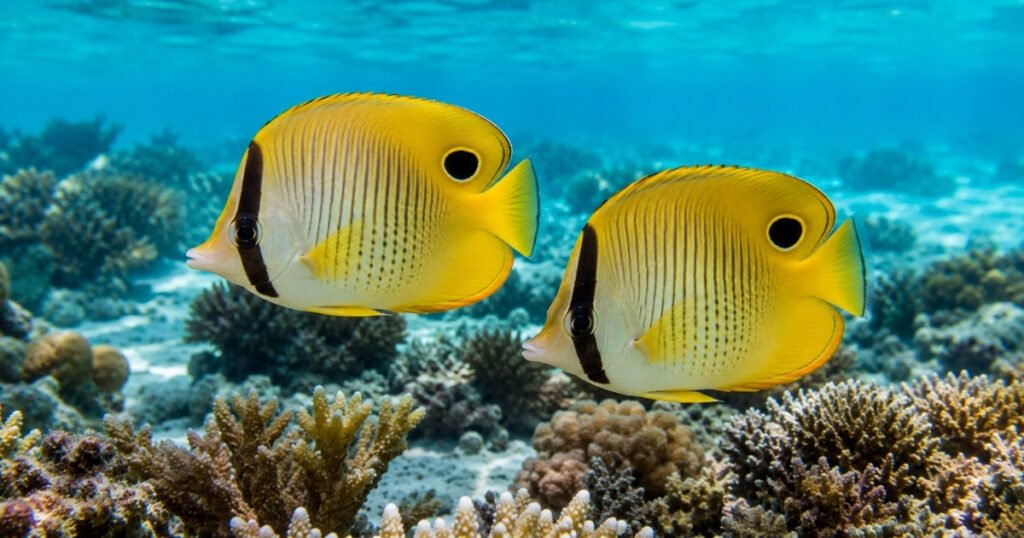
Butterflyfish
- Scientific name: Chaetodontidae (family)
- Type: Marine
- Size: 4–8 inches
- Habitat: Shallow tropical coral reefs
- Diet: Omnivore — coral polyps, small invertebrates, algae
- Lifespan: 5–7 years
- Key identification features: Flat, disc-shaped body, bold patterns, often with an eye-spot to confuse predators
- Interesting fact: Many butterflyfish mate for life and are often seen swimming in pairs.
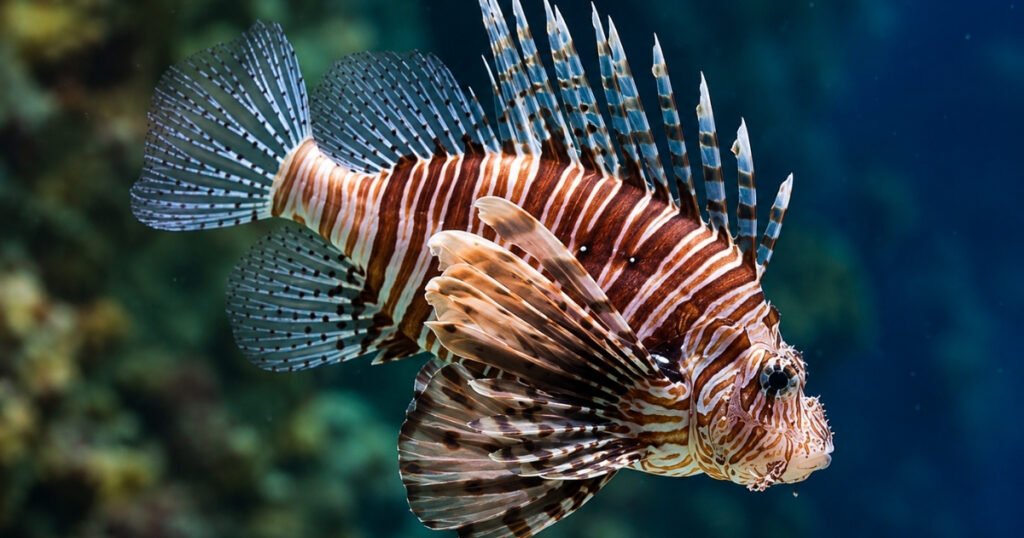
Lionfish
- Scientific name: Pterois volitans
- Type: Marine
- Size: 12–15 inches
- Habitat: Coral reefs, rocky crevices in the Indo-Pacific (invasive in the Atlantic)
- Diet: Carnivore — small fish, shrimp
- Lifespan: 10–15 years
- Key identification features: Striped red-brown and white body, elaborate venomous spines
- Interesting fact: Lionfish have become a major invasive threat in the Atlantic and Caribbean, disrupting local reef ecosystems.
Deep-Sea Fish
Deep-sea fish inhabit one of the planet’s most extreme environments, surviving crushing pressure, freezing temperatures, and near-total darkness thousands of feet below the surface. Species like the anglerfish and viperfish have evolved bizarre adaptations, from bioluminescent lures to oversized teeth, to hunt in the abyss.
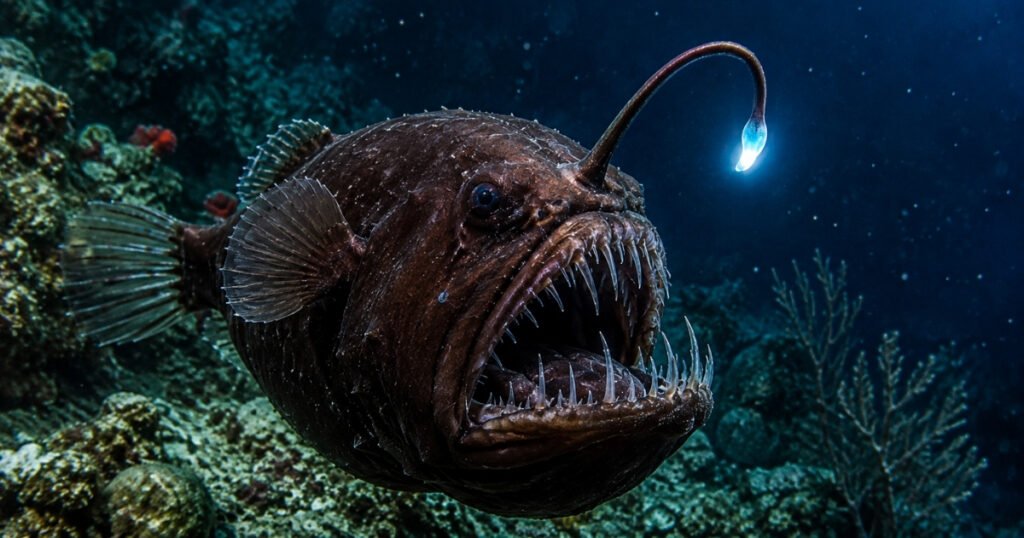
Anglerfish
- Scientific name: Lophiiformes (order)
- Type: Marine
- Size: 2–40 inches depending on species
- Habitat: Deep, dark ocean waters, often below 3,000 feet
- Diet: Carnivore — fish, crustaceans
- Lifespan: Unknown; estimated several years to decades
- Key identification features: Large head, sharp teeth, bioluminescent lure protruding from the head
- Interesting fact: In some anglerfish species, the tiny male permanently fuses to the female’s body to reproduce.
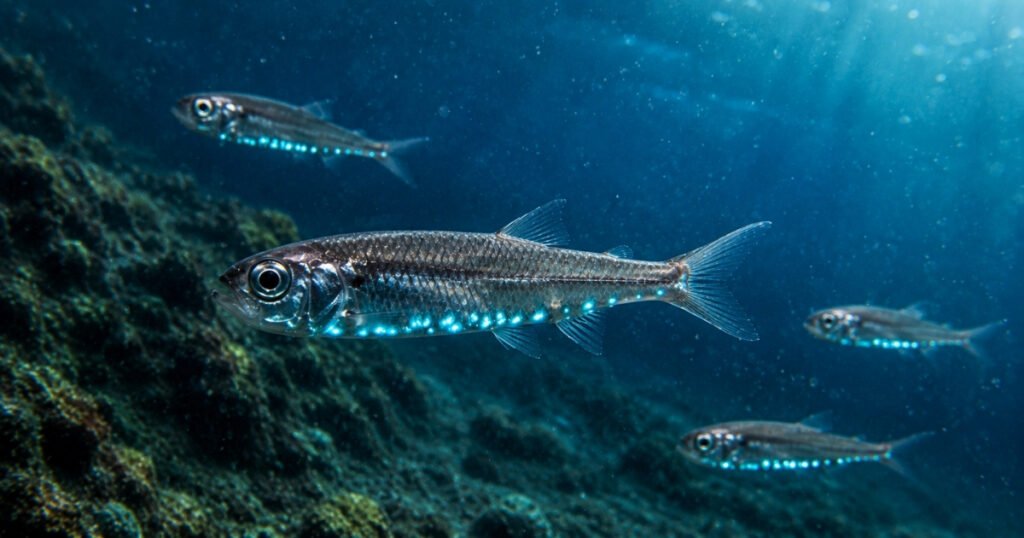
Lanternfish
- Scientific name: Myctophidae (family)
- Type: Marine
- Size: 1–6 inches
- Habitat: Deep ocean waters worldwide, migrating vertically at night
- Diet: Carnivore — plankton, small crustaceans
- Lifespan: 1–2 years
- Key identification features: Small silvery body covered in light-producing organs (photophores)
- Interesting fact: Lanternfish are among the most abundant vertebrates on Earth, making up a huge portion of deep-sea biomass.
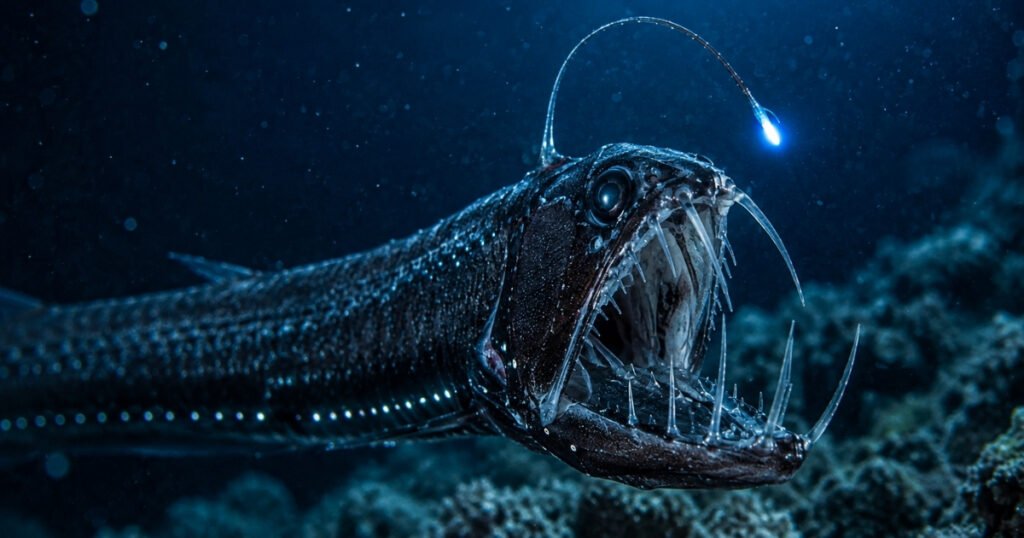
Viperfish
- Scientific name: Chauliodus sloani
- Type: Marine
- Size: 12–24 inches
- Habitat: Deep tropical and temperate ocean waters, up to 5,000 feet deep
- Diet: Carnivore — fish, crustaceans
- Lifespan: 15–30 years
- Key identification features: Long fang-like teeth that don’t fit inside its mouth, hinged jaw, bioluminescent organs
- Interesting fact: The viperfish’s teeth are so large that it must dislocate its jaw to swallow prey.
Different Types Of Fishes By Habitat
When exploring the diverse world of fish, understanding their habitats reveals a fascinating tapestry of adaptation and survival. Let’s delve into the distinct types of fishes categorized by their habitats and uncover the secrets of their extraordinary lives.
Types of Fishes in the Ocean: Marine fish, commonly found in the vast expanses of the ocean, exhibit incredible diversity adapted to their specific environments. Coastal fish thrive in shallower waters where nutrient availability is higher, attracting various species like flounders and snapper. On the vibrant coral reefs, fish like clownfish and parrotfish flourish, benefiting from the complex structures of corals that offer both shelter and food.
Open-ocean fish, such as tuna and swordfish, are built for speed and endurance, covering vast distances in search of prey. In contrast, deep-sea fish, which penetrate the ocean’s darkest depths, exhibit fascinating adaptations such as bioluminescence and large mouths, enabling them to survive in extreme conditions. Polar fish, thriving in frigid waters, have unique antifreeze proteins that allow them to flourish even in icy environments, highlighting the extraordinary adaptability of various types of fishes in the ocean.
Freshwater Fish: Freshwater fish occupy a diverse range of habitats, including rivers, lakes, ponds, streams, and wetlands. Rivers are dynamic environments where species like trout and catfish thrive in fast-moving waters, while lakes offer a more stable habitat, home to bass and perch.
Ponds and streams often host smaller, more delicate fish like minnows and darters, which are adapted to survive in these varying water conditions. Wetlands provide a unique blend of terrestrial and aquatic ecosystems, attracting a variety of species such as tilapia and sunfish that thrive in shallow, nutrient-rich waters.
Each of these freshwater habitats showcases the adaptability of fish, revealing the intricacies of life in freshwater ecosystems. The stunning diversity of freshwater fish not only enhances our understanding of aquatic life but also underscores the importance of these ecosystems in supporting biodiversity.
Saltwater Fish: Saltwater fish thrive in the vast, saline expanses of oceans and seas, showcasing an incredible diversity shaped by their unique habitats. Each zone from the vibrant coral reefs to the dark abyss of the deep sea hosts specialized species adapted to its distinct environmental conditions.
Saltwater VS Freshwater Fish
| Feature | Saltwater Fish | Freshwater Fish |
| Habitat | Oceans/seas | Rivers/lakes |
| Salinity | High | Low |
| Examples | Tuna, Cod | Trout, Carp |
Types Of Fishes By Diet
Understanding the dietary classifications of fish not only enriches our knowledge of aquatic ecosystems but also sheds light on their behavior and survival strategies. Fish diets can be broadly categorized into five distinct types: herbivorous, carnivorous, omnivorous, planktivorous, and scavenging.
Herbivorous Fish
Herbivorous fish primarily thrive on plant matter, making them essential for maintaining aquatic ecosystems. They graze on algae, aquatic plants, and detritus, thereby keeping water bodies clean and promoting biodiversity.
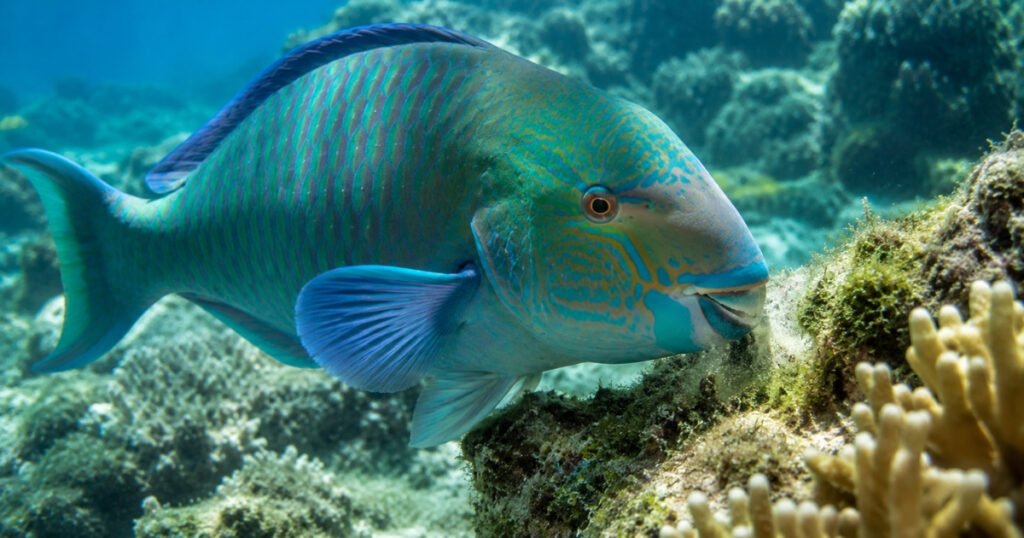
Notable examples include the vibrant Parrotfish, known for its beak-like teeth that efficiently scrape algae off coral reefs, and the gentle Surgeonfish, which plays a vital role in keeping reefs healthy.
Another example, the Indo-Pacific Damselfish, forms symbiotic relationships with specific algae species, benefiting both parties. By understanding their dietary needs, aquarists can create balanced environments that complement these fish’s foraging habits.
Carnivorous Fish
Carnivorous fish are the hunters of the aquatic world, playing a crucial role in regulating fish populations. They feast on smaller fish, crustaceans, and even other carnivorous species, which helps maintain the balance of marine ecosystems.
The ferocious Barracuda, for instance, utilizes speed and sharp teeth to catch its prey, while the formidable Great White Shark relies on its acute senses and size to dominate its hunting grounds. Another prime example, the Moray Eel, ambushes its prey from crevices in reefs, showcasing an impressive predatory adaptability. By studying carnivorous fish, researchers gain insights into the intricate food webs that sustain aquatic life.
Omnivorous Fish
Omnivorous fish possess a diverse palate, allowing them to consume both plant and animal matter, which makes them incredibly versatile in various aquatic ecosystems. Their adaptability enables them to thrive in changing environments and is crucial in maintaining population balances.
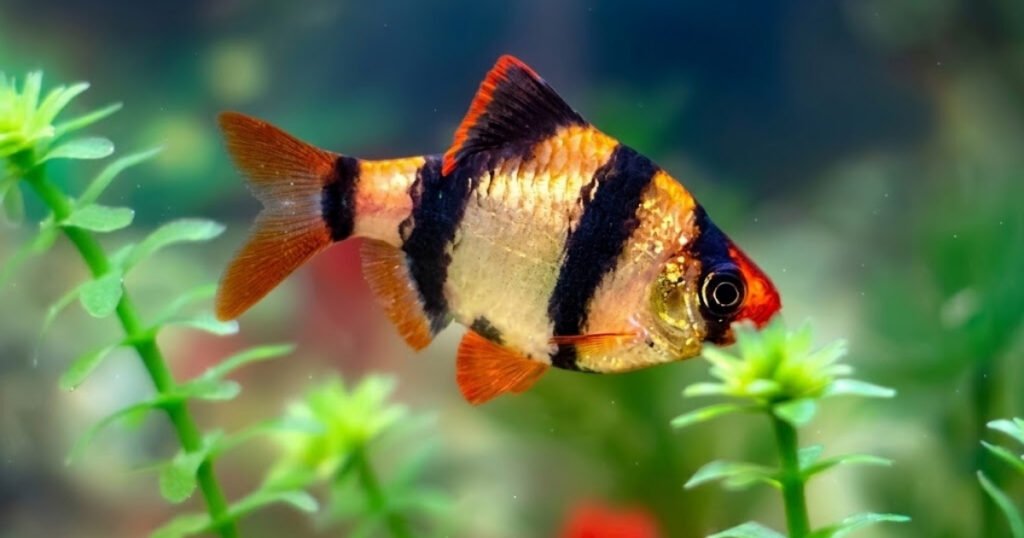
The ubiquitous Goldfish, often seen in home aquariums, will eagerly munch on everything from flakes to vegetables, while the innovative Catfish scavenges for worms and algae. The dynamic Tilapia can switch its diet based on food availability, which not only aids its survival but also influences the ecosystems they inhabit.
Planktivorous Fish
Planktivorous fish are pivotal in the food chain, consuming plankton small organisms drifting in the water column thus transforming these tiny nutrients into energy for larger species. This group includes the gentle Manta Ray, which filters vast amounts of water through its gills to capture plankton, and the iconic Herring, known for its massive schools and significant role in marine ecosystems.
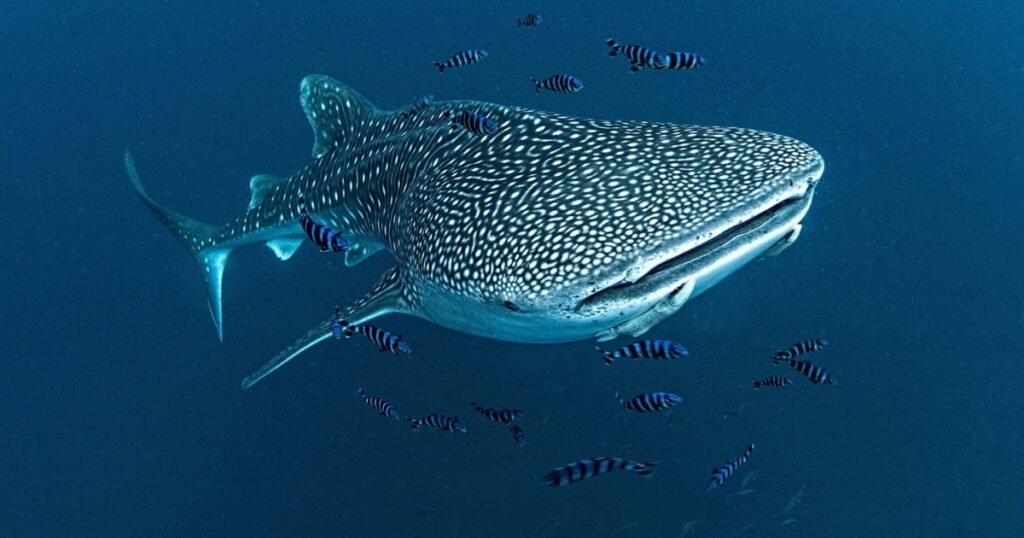
The unique Sardine, a vital food source for many larger fish and seabirds, also demonstrates the interconnectedness of marine life. By studying planktivorous fish, one can appreciate their role not only in nutrient cycling but also in sustaining entire ecosystems.
Scavenging Fish
Scavenging fish play a critical role in the aquatic cleanup crew, consuming dead or decaying matter that would otherwise lead to polluted environments. They help recycle nutrients back into the ecosystem, supporting overall health. The impressive Scad, often seen feasting on leftover fish, exemplifies this vital function.
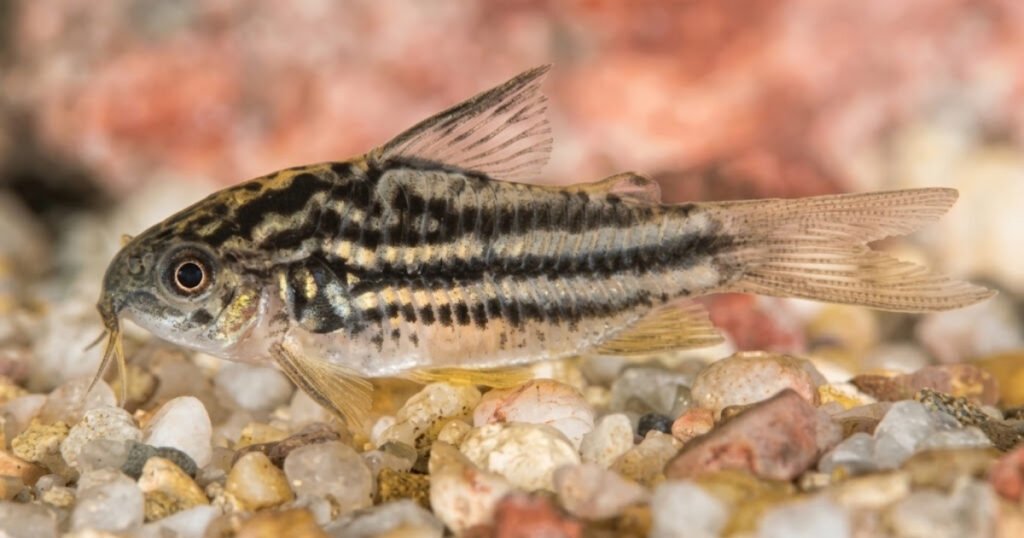
The docile Catfish is another excellent scavenger, known for its ability to thrive in various habitats while cleaning up debris from the riverbed. Meanwhile, the curious Pufferfish, although often overlooked, will partake in scavenging when the opportunity arises.
Types Of Fishes To Eat
When exploring the myriad of fish options available, it’s essential to not only consider flavor but also nutritional benefits and sustainability. Each fish brings its own unique qualities to the table, enhancing your meals and supporting your health. Let’s dive into some popular fish varieties that promise both taste and nourishment.
Salmon
Salmon stands out with its rich, buttery flavor and a firm, flaky texture. This fish is versatile, lending itself well to grilling, baking, or even smoking. Nutritionally, it’s renowned for its omega-3 fatty acids, vital for heart health. Over recent years, sustainably sourced salmon has gained popularity, making it more accessible at grocery stores.
Tuna
Tuna is a favorite for sushi enthusiasts and casual diners alike, known for its meaty texture and mild taste. It can be enjoyed seared, grilled, or raw, depending on the cut. Packed with protein and nutrients, tuna offers a satisfying bite and is often available in canned form, making it convenient for quick meals. Fresh tuna is typically found in specialty markets and high-quality seafood sections.
Cod
Cod is celebrated for its mild flavor and flaky, white flesh. Its neutral taste makes it a blank canvas for various seasonings and marinades, well-suited for baking, frying, or broiling. Rich in protein and low in fat, cod is often readily available in both fresh and frozen forms, appealing to a wide audience.
Haddock
Haddock, with its slightly sweet flavor, is commonly enjoyed battered and fried, particularly in fish and chips. Its delicate but firm texture holds up well in cooking, making it a favorite for chowders and stews. Always in demand, haddock is generally easy to find in seafood markets and grocery stores.
Mackerel
Mackerel brings a punchy taste with its oily texture, often appreciated in Mediterranean cuisine. Grilling or smoking are popular cooking methods to highlight its natural flavor. This fish is a significant source of omega-3s, contributing to overall health. Depending on the season, mackerel can be found at local fish markets, often at a reasonable price.
Sardines
Sardines pack a punch in both flavor and nutrition; their strong taste complements many dishes. Often enjoyed canned, they can also be grilled or pickled. Rich in vitamins and minerals, sardines are an inexpensive source of high-quality protein. Available year-round, they might be a staple in many households focused on sustainable eating.
Trout
Trout presents a mild, nut-like flavor with a tender, flaky texture. It’s versatile enough for roasting, grilling, or pan-frying and is particularly celebrated in home cooking. Nutritionally, trout is rich in omega-3s and protein. Fresh trout can often be found in local streams and good fish markets, making it a popular choice among fresh seafood lovers.
Tilapia
Tilapia has a mild taste and a firm yet flaky texture that appeals to a wide range of palates. Frequently pan-fried or baked, it’s a favorite for those seeking a lean protein option. While not as nutrient-dense as some other fish, it offers moderate amounts of protein and is widely available, making it a go-to for busy weeknight dinners.
Catfish
Catfish boasts a mild flavor and a slightly firm texture that holds up well in various cooking methods, including frying, baking, and grilling. It’s particularly famous in Southern cuisine. While lower in omega-3s compared to some species, catfish is still a good protein source and is widely available in markets year-round, making it a staple for many families.
Types Of Fishes For Pets
When it comes to choosing a fish for your home aquarium, the variety can be overwhelming. Freshwater and saltwater species each offer unique charms and challenges, catering to different levels of fishkeeping expertise. Whether you’re drawn to the vibrant colors of freshwater fish or the exotic allure of saltwater varieties, understanding your options is key to making an informed choice.
Best Freshwater Pet Fish
Choosing the right freshwater fish can transform your aquarium into a vibrant ecosystem. Here are some intriguing species to consider that will enhance your aquatic experience.
Goldfish
Goldfish are among the most iconic pet fish, known for their vibrant colors and social behaviors. Beginner-friendly, they thrive in a range of tank sizes, although larger spaces promote healthier growth.
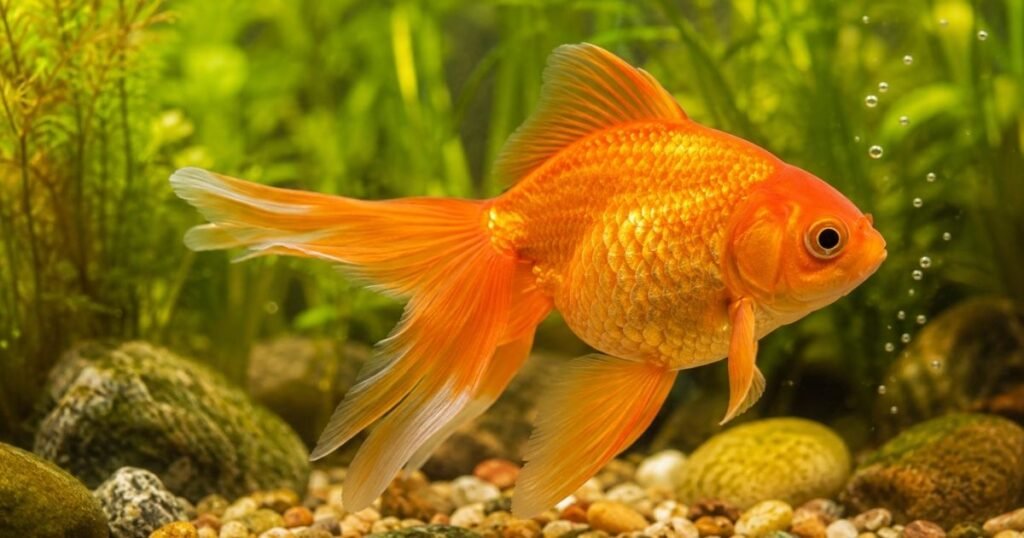
Their temperament is generally peaceful, making them suitable for community tanks, but they can be sensitive to water quality changes, requiring regular maintenance. Pair them with other docile fish, avoiding aggressive species to ensure a harmonious environment.
Betta
The Betta fish, with its flowing fins and striking colors, brings a burst of beauty to any aquarium. While easy to care for, they need at least a 5-gallon tank to thrive.
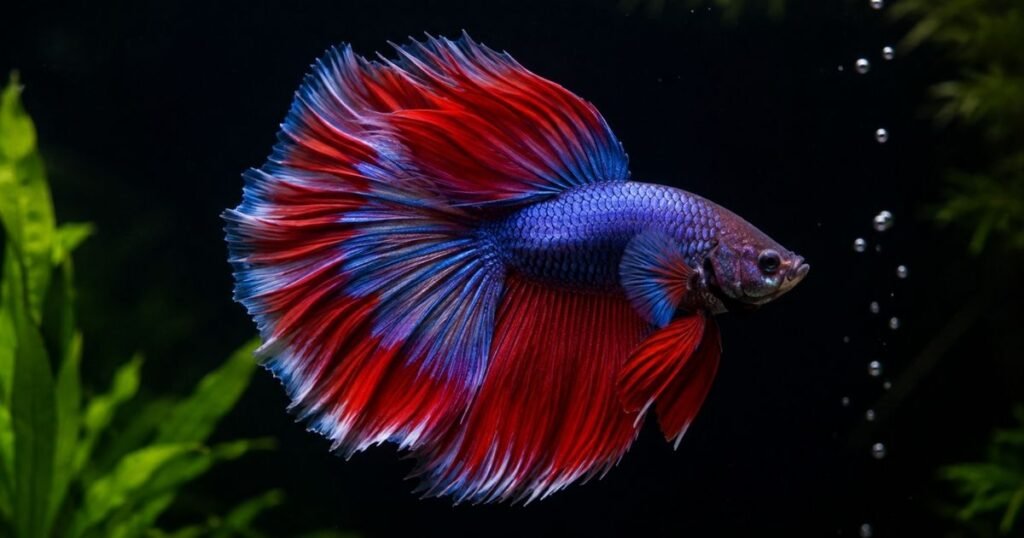
Their temperament is territorial especially among males creating a need for careful selection of tank mates. Ideal companions are peaceful species like Tetras and Platies, ensuring a vibrant community without conflict.
Guppy
Guppies are a lively addition to any freshwater aquarium, celebrated for their playful nature and dazzling variety. They are beginner-friendly and can adapt to various tank sizes, thriving in a small community.
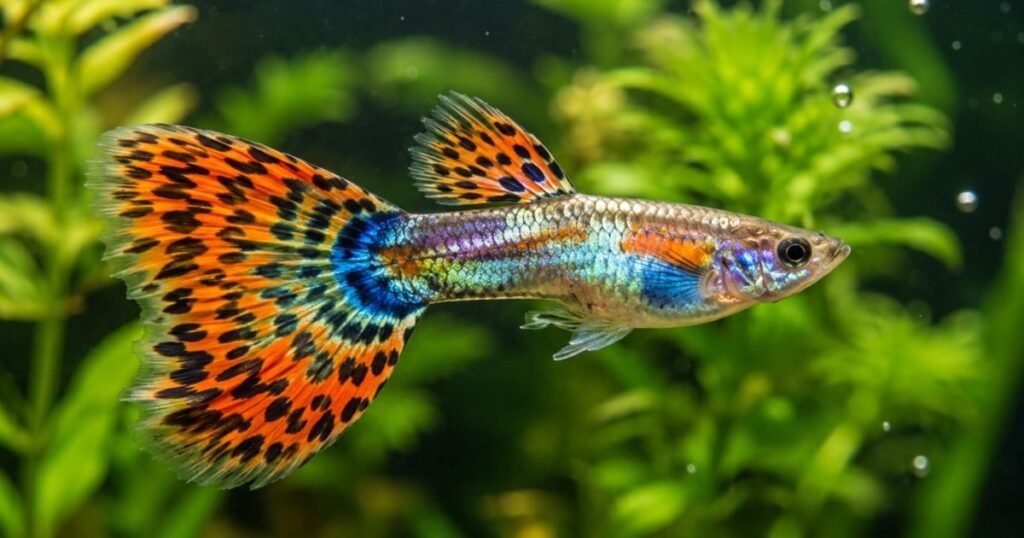
Their temperament is generally peaceful, making them compatible with an array of other fish. Daily care involves maintaining water quality and offering a varied diet, ensuring these little swimmers stay healthy and vibrant.
Molly
Mollies are prized for their adaptability and social demeanor. They prefer a tank of at least 20 gallons to roam freely. With a calm temperament, they coexist well with many species, enhancing the community tank ambiance.
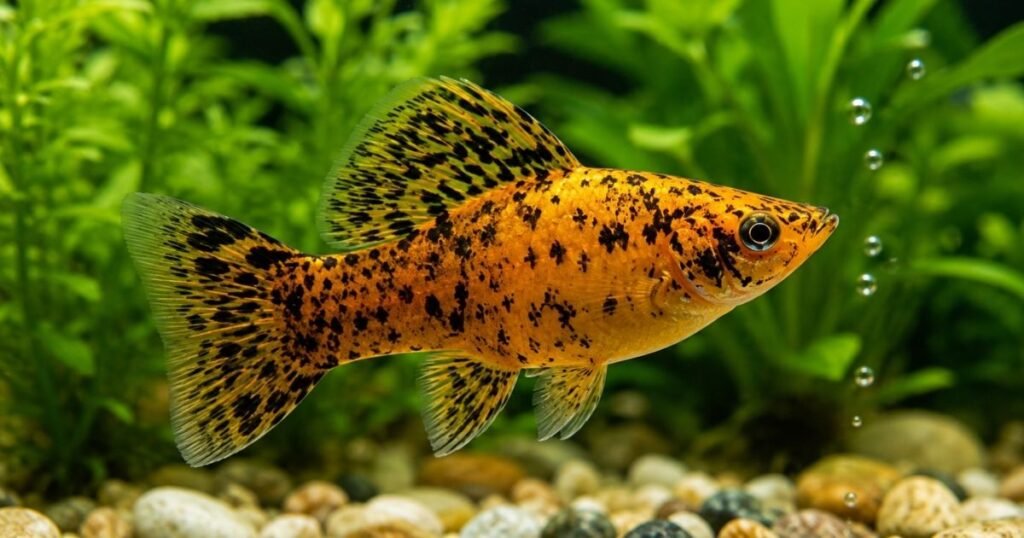
While they aren’t overly demanding in care, keeping an eye on water parameters is crucial, especially since they thrive in slightly brackish environments.
Platy
Platies are versatile and colorful, making them an excellent choice for both novice and experienced aquarists. They are relatively hardy and can thrive in various tank sizes, preferably over 10 gallons.
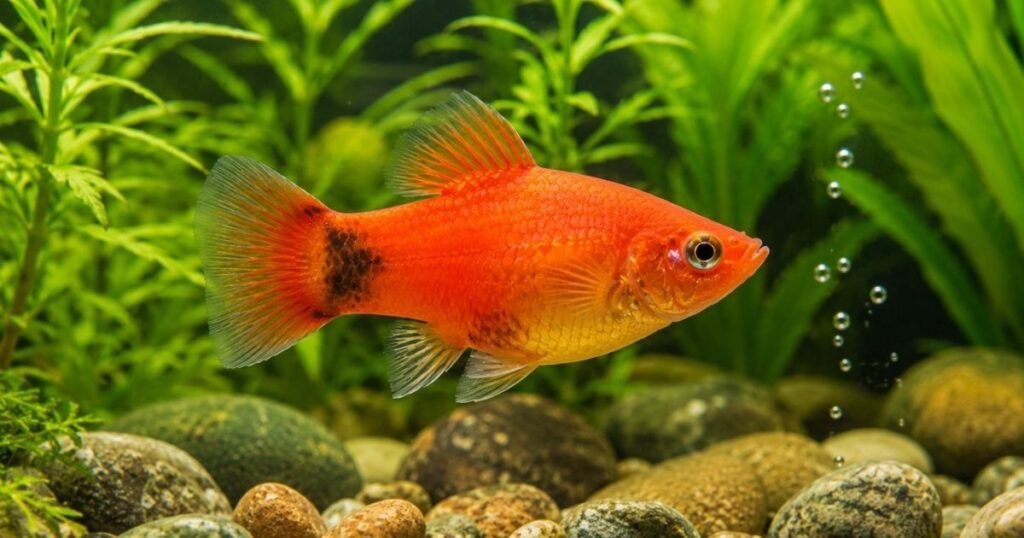
These fish exhibit a friendly demeanor, making them compatible with many freshwater species. Regular feeding and water changes will keep their colors vibrant, enhancing the aquarium’s visual appeal.
Angelfish
Angelfish bring a majestic presence to freshwater tanks with their unique shape and striking colors. They require a minimum tank size of 20 gallons due to their growth potential.
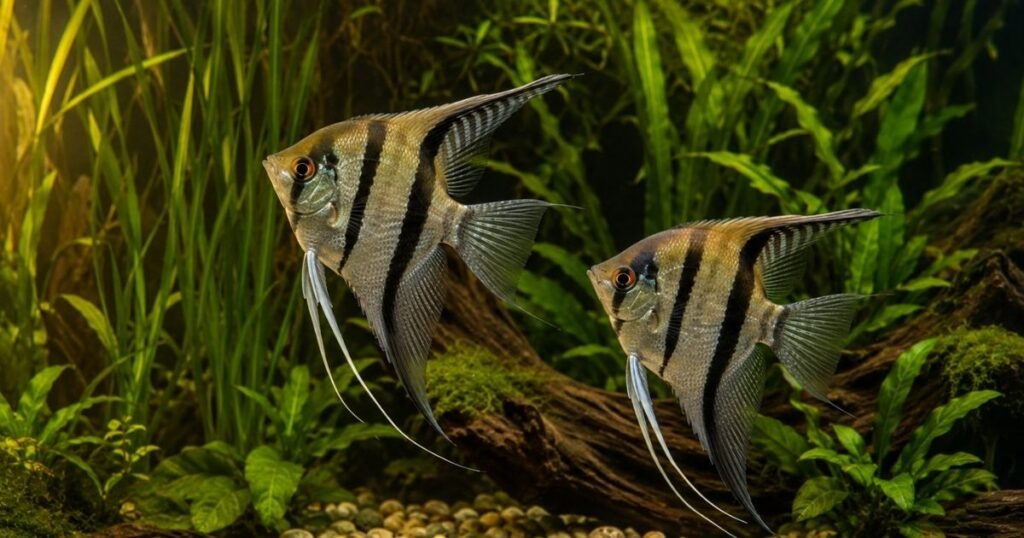
Known for their semi-aggressive temperament, careful selection of tank mates is essential, favoring larger, peaceful fish. Their care level is moderate; maintaining water quality and providing a varied diet will foster a healthy environment.
Tetra
Tetras are small, vibrant fish perfect for community tanks, appreciated for their schooling behavior. Ideal for beginners, they thrive in schools of six or more in at least a 10-gallon tank.
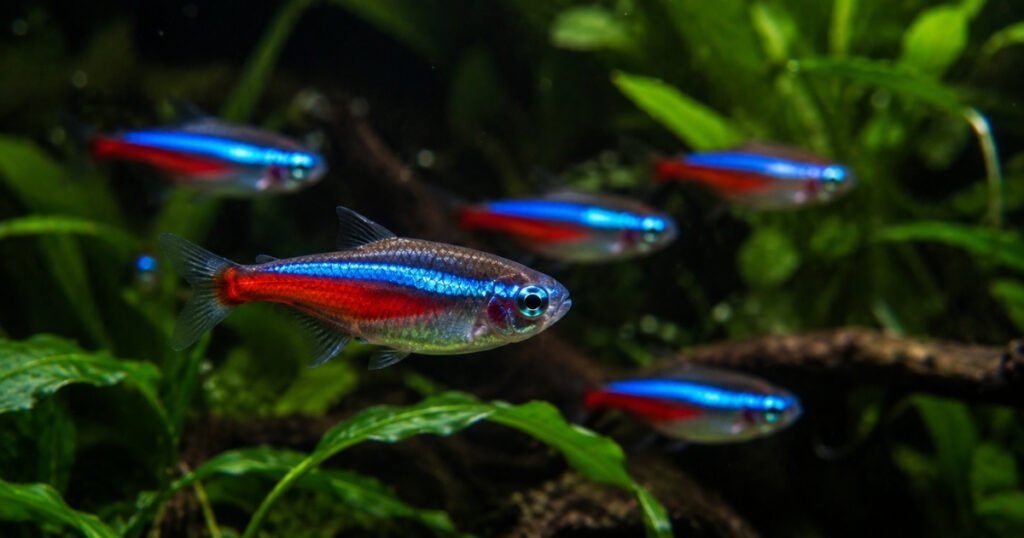
Their peaceful nature allows them to coexist with a variety of other fish, creating a lively aquarium atmosphere. Regular water changes and a balanced diet will keep them bright and active.
Best Saltwater Pet Fish
Saltwater aquariums offer stunning aesthetics and vibrant ecosystems, making them a favorite among fish enthusiasts. Choosing the right saltwater fish can transform your tank into an aquatic masterpiece.
Clownfish
Clownfish have captured the hearts of many aquarium enthusiasts, thanks to their mesmerizing appearance and engaging behavior. They require a minimum tank size of 20 gallons, ideal for creating a thriving habitat.
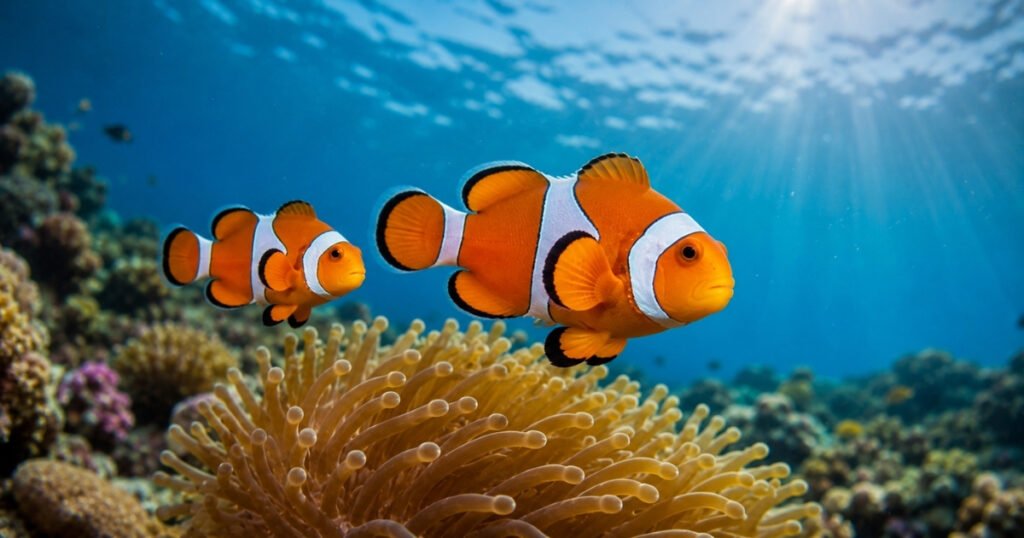
Their personality is generally friendly, making them compatible with other peaceful species. Care involves maintaining stable water conditions and providing plenty of hiding spots, especially if you introduce an anemone.
Damselfish
Damselfish are resilient and full of personality, perfect for beginner saltwater setups. They can thrive in tanks as small as 10 gallons, although larger setups offer better stability.
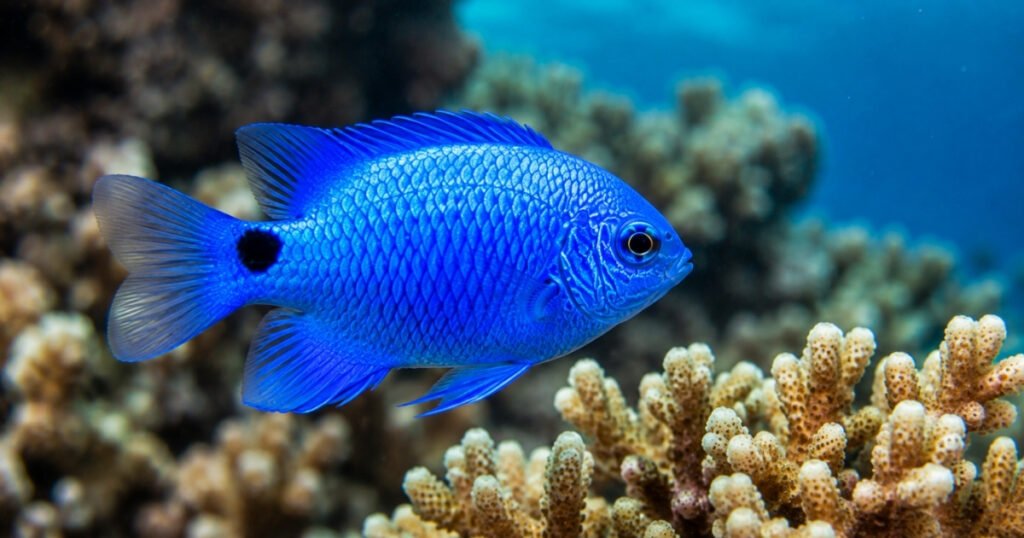
While they can be territorial, particularly during breeding, they can coexist with other species if introduced carefully. Regular water testing and specific feeding habits will ensure their bright colors continue to shine.
Goby
Gobbing their way into the hearts of aquarists, Goby fish are charming companions. A minimum of 10 gallons is recommended for these bottom-dwellers, making them suitable for smaller saltwater tanks.
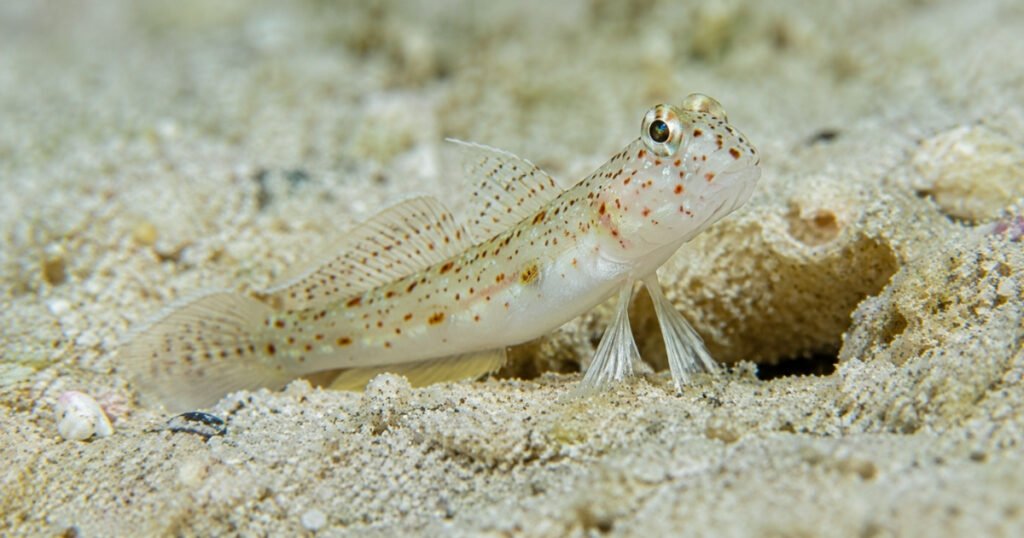
Known for their generally peaceful behavior, they can live harmoniously with snails and shrimp. Focus on providing ample hiding spots, along with a varied diet, to keep them thriving and sociable.
Tangs
Tangs are stunning additions to any saltwater tank, known for their vibrant colors and unique shapes. They typically require a tank of at least 50 gallons due to their active nature. With moderately aggressive temperaments, careful tank mate selection is vital.
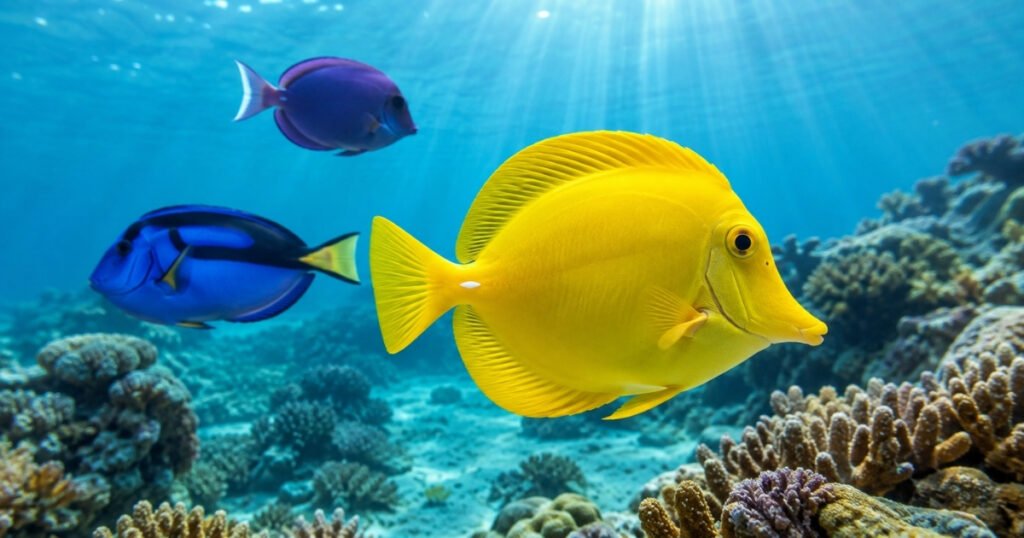
Regular feedings rich in algae and proper water conditions will keep them healthy and stunningly vivid in appearance.
General Features Of Fish
Fish are remarkable creatures that adapt to diverse aquatic environments, showcasing an array of fascinating characteristics. From their efficient respiratory systems to their hydrodynamic shapes, these adaptations make fish masters of their underwater domains.
Fins
Fins are essential navigational structures that allow fish to move, steer, balance, and maintain stability in water. The caudal fin provides much of the forward propulsion, while the pectoral and pelvic fins help with steering and maneuvering. Dorsal and anal fins mainly contribute to stability and prevent unwanted rolling during swimming.
Gills
Gills allow fish to extract dissolved oxygen from water through an efficient gas-exchange system. Water passes over delicate gill filaments and lamellae, where oxygen enters the bloodstream and carbon dioxide is released. This specialized structure enables fish to obtain oxygen without breathing atmospheric air.
Scales
Fish scales provide protection while also contributing to streamlined movement through water. Different groups have evolved different scale types, including cycloid, ctenoid, ganoid, and placoid scales. Their surface may also contribute to camouflage, helping fish blend into their surroundings and avoid predators.
Eyes
Fish eyes are highly adapted for underwater vision. Their lenses and other visual structures help them focus in an aquatic environment, while some species have specialized vision that allows them to detect particular colors or polarized light. Vision can help fish locate food, recognize mates, avoid predators, and navigate their surroundings.
Lateral Line
The lateral line is a specialized sensory system that allows fish to detect vibrations, water movement, and changes in pressure around their bodies. It is especially useful in murky water, helping fish detect nearby predators, prey, obstacles, and other members of their group. It also plays an important role in coordinated schooling.
Mouth
A fish’s mouth shape is closely related to its feeding strategy and habitat. Predatory fish may have jaws and teeth adapted for capturing prey, while herbivorous species can have specialized structures for scraping or crushing plant material and algae. Some fish have protrusible mouths that help them collect food from specific locations.
Swim Bladder
The swim bladder is a gas-filled internal organ found in many bony fish that helps regulate buoyancy. By adjusting the amount of gas inside it, a fish can maintain its position in the water without constantly swimming to stay afloat. Not all fish have swim bladders, and some species rely on other adaptations for buoyancy.
Skeleton
Fish skeletons are generally divided into two major types: bony and cartilaginous. Bony fish have skeletons made primarily of bone, while sharks, rays, and their relatives have skeletons composed mainly of cartilage. These different skeletal structures provide support and are associated with different forms of movement and adaptation.
Body Covering
A fish’s body covering protects it from physical damage, parasites, and environmental conditions. Many fish have scales covered by a layer of mucus that can reduce friction and provide an additional protective barrier. Body colors and patterns may also serve important functions, including camouflage, communication, species recognition, and courtship.
Structural Diversity In Fish
On the surface, fish might appear to be a homogenous group, but a deep dive reveals a remarkable tapestry of structural diversity. Variations in shapes, sizes, and adaptations not only underscore evolutionary ingenuity but also illustrate the intricate relationships fish share with their environments. Exploring this diversity opens doors to understanding not just the species themselves, but also the ecosystems they inhabit.
Body Shapes
The structural diversity in fish is astounding, particularly when we delve into their myriad body shapes, each adapted for specific habitats and survival strategies. For instance, long and slender fish, like eel-like species, are adept at navigating narrow crevices in coral reefs or tangled vegetation. Their streamlined form aids in reducing drag, enabling swift movements that are essential for hunting or escaping predators.
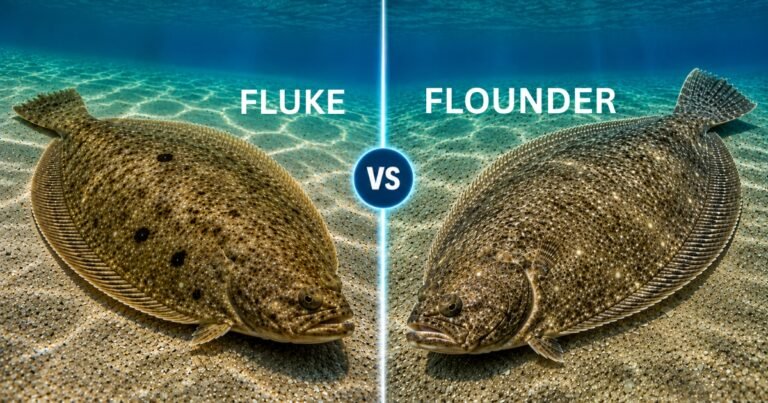
Flat-bodied fish, such as flounders, have evolved to blend seamlessly with ocean floors. This adaptation not only aids in ambush predation but also provides excellent camouflage from potential threats.
Similarly, deep-bodied fish, like angelfish, thrive in reef environments, where their laterally compressed bodies allow for agile maneuvers among the complex structure of corals.
Long And Slender Fish
Long and slender fish, such as barracudas or eels, exemplify efficiency in low-resistance movement through water. Their streamlined silhouettes reduce drag, facilitating rapid bursts of speed to catch prey or evade larger predators.
This design is particularly advantageous in environments where agility and stealth are paramount, allowing them to slip through tightly knit aquatic plants and avoid detection. Their flexible bodies grant them the ability to navigate narrow gaps and hunt in elusive spaces, such as coral crevices.
Flat-Bodied Fish
Flat-bodied fish, including species like the flounder and sole, are masters of disguise. Their ability to settle on the ocean floor and blend with sediment is a significant survival advantage, especially in predator-rich environments.
This adaptation allows them to ambush unsuspecting prey that wanders too close, demonstrating how structural diversity directly correlates with feeding strategies.
Deep-Bodied Fish
Deep-bodied fish, characterized by their laterally compressed designs, thrive in complex habitats like coral reefs. This structure enables them to perform quick, agile movements, which are essential for darting in and out of the dense reef structures while feeding or evading larger predators.
Their breadth allows for a greater surface area, which supports elaborate fin movements and agile bursts of speed. Their unique shape is a testament to how structural diversity allows them to exploit ecological niches effectively while maintaining a strong presence in competitive marine environments.
Streamlined Fish
Streamlined fish are the epitome of efficiency in aquatic locomotion. Their torpedo-shaped bodies minimize water resistance, allowing them to achieve astounding speeds essential for predation and evasion.
Species like the tuna and swordfish are excellent examples; their structural design is vital for long-distance swimming in open waters. The streamlined shape facilitates quick, straight-line movements that are critical for hunting agile prey.
This body design is coupled with strong, powerful muscles that are specifically adapted for swift, sustained bursts of speed, making them some of the ocean’s fastest swimmers, perfectly suited for life’s swift currents.
Armored Fish
Armored fish, such as the sturgeon or some species of catfish, showcase a fascinating example of structural diversity aimed at protection and survival. Their bony or cartilaginous armor acts as a formidable defense against predators, enabling them to thrive in environments where danger lurks at every turn.
This protective layering not only deters attacks but also aids in their longevity. The robustness of their bodies allows for a unique feeding strategy in turbulent waters, as their armor does not inhibit their mobility in searching for food.
Jawless Fish
Jawless fish, such as lampreys and hagfish, exemplify some of the most ancient structural forms in aquatic life. Their elongated, eel-like bodies and unique mouth structures allow them to adhere to other fish, facilitating a parasitic lifestyle.
This structural adaptation not only optimizes their feeding strategy but exemplifies a survival mechanism in an environment where traditional predation may be challenged.
Their lack of jaws does not hinder their ability to thrive; rather, it allows them to develop specialized mouths that can latch onto prey, illustrating that structural diversity can lead to unique evolutionary paths, suited to the ecological roles they play.
Fish With Specialized Mouths
Fish with specialized mouths, like parrotfish or anglerfish, showcase the incredible diversity that evolves in response to specific ecological niches. Parrotfish possess beak-like jaws that allow them to scrape algae off coral, contributing significantly to reef health.
Their structural adaptation not only assists in feeding but also in maintaining the balance of the ecosystems they inhabit. Anglerfish present a striking example of predator adaptation. Their modified mouths, equipped with bioluminescent lures, attract unsuspecting prey in the dark depths of the ocean.
Such mouth structures highlight the interplay between environmental challenges and evolutionary innovation, revealing how structural diversity is pivotal for survival and ecological balance in aquatic environments.
Fish Body Plan And Form
The intricate design of fish bodies is a marvel of evolution, showcasing a stunning adaptation to aquatic life. Each feature, from streamlining to specialized fins, plays a crucial role in their survival and efficiency in the water.
Head: The head of a fish is a marvel of evolutionary design, housing the sensory organs that are vital for survival. From the keen eyesight of predatory species to the sophisticated lateral line system in others, the head facilitates critical interactions with the environment.
This sensory hub allows fish to detect movement, changes in water pressure, and chemical signals, honing their instinctual responses to both predators and prey. The shape and size of the head can also indicate feeding strategies, showcasing how form directly influences function in the aquatic realm.
Trunk: The trunk of a fish serves as the central body section, playing a crucial role in housing vital organs and providing structural integrity. It is the region where muscles converge, allowing powerful contractions that propel the fish through water.
The trunk’s streamlined shape is specifically adapted to reduce drag, enabling efficient movement and energy conservation. Variations in trunk width and shape can indicate reproductive roles, with many species demonstrating sexual dimorphism that enhances mating success.
Tail: The tail, or caudal fin, is fundamental to a fish’s locomotion, often dictating its speed and agility. Its versatile design from forked fins for fast swimmers to rounded fins for greater maneuverability complements the fish’s habitat and predatory lifestyle.
The expressive motion of the tail not only drives movement forward but also allows for intricate navigation through complex environments, showcasing the fish’s resilience and adaptability.
Fins: Fins play a significant role in stabilizing the fish and enhancing its maneuverability. Each type of fin, from the dorsal to the anal fin, has a specialized function that contributes to overall balance in the water.
The dorsal fin helps maintain lateral stability, preventing unwanted rolling, while the pectoral and pelvic fins allow for sharp turns and elevation adjustments. The anal fin, positioned on the underside, aids in steering, especially during quick directional changes.
These fins work in harmony, enabling fish to navigate with remarkable precision, proving that even in the underwater world, every element has its purpose.
How Do Fish Move?
Fish exhibit a remarkable mode of locomotion, primarily utilizing their fins and streamlined bodies to glide effortlessly through water. This unique form of movement not only showcases their adaptation to aquatic life but also highlights the intricate balance between physiology and environment.
Swimming: Fish utilize a fascinating array of locomotion techniques to traverse their aquatic environments. Unlike land animals, their streamlined bodies reduce drag, allowing for efficient movement through water.
The primary mode of swimming involves rhythmic body undulations, which create waves that propel them forward. This movement is powered primarily by their muscular tails, generating thrust while minimizing energy expenditure, enabling fish to glide gracefully amid currents.
Tail Movement: The tail fin, or caudal fin, plays a pivotal role in fish locomotion. As the tail oscillates side to side, it acts akin to a propeller, pushing water behind and driving the fish forward. The shape and size of the tail can vary significantly across species, influencing their speed and agility.
For example, forceful, deeply forked tails are characteristic of fast swimmers, allowing for rapid bursts of speed during predation or evasion, while broader tails support slower, more deliberate movements.
Fin Movement: Beyond the tail, fish possess a suite of fins that aid in steering, stabilization, and maneuverability. Pectoral fins help fish navigate with precision, allowing for quick directional changes without losing speed. The dorsal and anal fins play crucial roles in maintaining balance and preventing unwanted rolling during swimming.
Some species, like the flying fish, have evolved unique adaptations, allowing them to use their pectoral fins in a gliding motion above the surface, showcasing the diverse ways fish have adapted to their ecological niches.
Fast vs Slow Swimmers: Fish exhibit a wide spectrum of swimming capabilities, categorized into fast and slow swimmers. Fast swimmers, such as marlins and tunas, possess streamlined bodies and powerful tails designed for bursts of speed, making them formidable predators.
Conversely, slow swimmers, like the anglerfish, tend to favor ambush strategies, relying on camouflage and patience rather than speed. Their adaptations optimize energy efficiency, allowing them to thrive in specific environmental niches.
Bottom-Dwelling Fish: Bottom-dwelling species, such as flounders and catfish, exhibit unique adaptations for locomotion on the ocean floor. These fish often have flattened bodies and specialized fins that enable them to “walk” or glide along the substrate.
The ability to maneuver through complex environments like coral reefs or rocky beds demonstrates an incredible adaptation to grabbing food and avoiding predators in their habitats.
Specialized Movement Adaptations: Unique locomotion adaptations highlight the ingenuity of fish across species. Some fish, like the eels and lanternfish, possess elongated bodies that allow for serpentine movements, maximizing their ability to navigate through tight spaces.
Others employ the use of modified swim bladders for buoyancy control, allowing them to hover or ascend effortlessly in the water column. These specialized movements reveal not just survival strategies but also the intricate connections between anatomy and behavior, showcasing the evolutionary mastery of marine life.
How Do Fish Hear?
Fish Ears: Fish ears may not resemble those of land animals, but they serve a vital purpose in their underwater world. Unlike mammals, fish have internal structures that detect sound and balance, often referred to as otoliths. These small, calcified structures resonate with sound waves, enabling fish to perceive their surroundings audibly.
The absence of external ears means fish rely solely on these internal components, making them remarkably efficient at interpreting vibrations and sounds from various distances in their aquatic environments.
Inner Ear: The inner ear of fish is an intricate system that plays a dual role in hearing and maintaining balance. Comprising three semicircular canals and otoliths, the inner ear allows fish to not only detect audio frequencies but also to sense changes in orientation and movement.
This specialized architecture enables fish to react skillfully to their environment, steering clear of predators or locating prey with impressive agility.
Sound and Vibration Detection: While humans primarily hear through air vibrations, fish utilize water as their medium, which enhances sound transmission. They can detect a wide range of frequencies, with some species picking up low-frequency sounds that we can’t even fathom.
The resonance in water allows for more profound and more nuanced sound detection, making it easier for fish to communicate or locate mates over long distances.
Lateral Line System: The unique features of fish is the lateral line system, a sensory organ running along the sides of their bodies. This highly specialized system detects water movements and vibrations, allowing fish to intercept prey and evade predators with extraordinary precision.
Essentially, the canal filled with sensory cells senses minute changes in pressure, making them aware of their surroundings, even in murky waters. This adaptation not only enhances their survival but also demonstrates a fascinating intersection of biology and environmental awareness.
How Fish Detect Movement in Water: Detection of movement in water is vital for fish, as swift currents can conceal not only threats but also opportunities for food. By integrating the capabilities of their inner ear and lateral line system, fish can discern the slightest shifts in their environment. This ability enables them to synchronize their movements with prey, ensuring a higher success rate in hunting.
How Do Fish Sleep?
Fish experience a unique form of sleep that differs significantly from terrestrial animals. They enter a state of restful inactivity, but their environment dictates the nuances of this behavior.
Do Fish Actually Sleep? Yes, fish do sleep, though it may not resemble the sleep we are familiar with in mammals. Instead of closing their eyes since fish lack eyelids many species enter a state of rest characterized by reduced bodily movements and lower responsiveness to external stimuli. This resting phase is essential for their wellbeing, allowing fish to conserve energy, recover from daily activities, and maintain overall health.
Resting Behavior: Fish tend to display unique resting behaviors that differ from the conventional sleep we might expect. Some species will find a cozy nook among rocks or coral, creating a safe haven where they can relax while minimizing exposure to predators.
Others, like the parrotfish, secrete a mucous cocoon that envelops them during rest, providing an added layer of protection. This diverse range of resting behaviors reflects the need for safety and energy conservation, particularly in the face of ever-present threats in aquatic ecosystems.
Reduced Activity: During their resting phases, fish often exhibit a marked decrease in activity levels. Their swimming slows, and they may hang motionless in the water, sometimes lying on the substrate or in vertical suspended positions.
This significant drop in activity allows them to conserve energy, which is particularly critical for survival in environments where food sources can be scarce.
How Fish Rest While Remaining Alert? Incredibly, fish have evolved mechanisms that allow them to remain vigilant even while resting. They possess a unique sense organ known as a lateral line system, which helps detect vibrations and movements in the water. This enables them to be aware of their surroundings and respond to potential threats, all while in a semi-rested state.
Some species also maintain a slight level of swimming or gentle movement, providing a means to remain alert without fully engaging in their typical active behaviors, showcasing a remarkable balance between rest and awareness.
Examples of Unusual Sleeping Behavior: Unusual sleeping behaviors in fish highlight the fascinating adaptations these creatures have developed. The wrasse, for instance, can often be seen sleeping in small underwater crevices, camouflaged by the surrounding environment. The noble clamfish notoriously sleeps in the anemones, employing their host for protection against larger predators.
In both cases, these behaviors not only emphasize how diverse sleeping habits can be in the fish kingdom but also underscore the clever strategies fish utilize to thrive in their environments.
Fish That Hide While Resting: Some fish species take a more elaborate approach to rest by hiding effectively to evade predators. The leafy seadragon and many species of flounder employ extraordinary camouflage techniques to blend into their surroundings while they rest. They can remain motionless, nearly undetectable on the ocean floor or amidst sea plants.
Fish Behavior
Fish exhibit a remarkable array of behaviors that highlight their adaptability and social structures. From the dynamic formations of schools to the solitary pursuits of certain species, these behaviors reveal their survival strategies in diverse aquatic environments.
Schooling: Fish schooling is not just a survival tactic; it’s a fascinating display of social organization and communication. When fish swim in synchrony, they create mesmerizing patterns that can confuse predators and minimize the risk of individual capture.
Solitary Behavior: Contrary to the collective nature of schooling, many fish exhibit solitary behavior that speaks to their adaptability in various environments. Certain species, like the elusive anglerfish, thrive alone, developing unique hunting strategies and mechanisms to lure prey. The solitary life allows these fish to exploit specific niches, avoiding competition and reducing the risks associated with group living.
Territorial Behavior: Territoriality in fish presents a fascinating glimpse into their competitive instincts. Many species establish and defend territories, which serve as essential breeding and feeding grounds. This behavior can be marked by vibrant displays and aggressive interactions, particularly during mating seasons.
Migration: Migration among fish, such as salmon navigating upstream or eels traveling thousands of miles to spawn, is a remarkable testament to their resilience and navigational prowess. These journeys are often timed with seasonal changes and ecological cues, illustrating a complex relationship between fish and their environments.
Hunting: Hunting behaviors in fish vary dramatically across species, showcasing a fascinating spectrum of strategies tailored to their environments and prey. Predators like barracuda exhibit incredible speed and agility, while others, such as lionfish, employ ambush tactics and brilliant camouflage to catch unsuspecting prey.
Defense: Defensive behaviors in fish are as diverse as their hunting strategies. From the stunning colors and patterns of toxic species to the strategic use of camouflage among flatfish, these adaptations are vital for survival. Many fish employ unique techniques such as puffing up or using spines and toxins as deterrents against predators.
Communication: Fish have developed an array of communication methods that extend beyond mere visual cues. They utilize complex vocalizations, body language, and even chemical signals to convey information about territory, mating readiness, and danger. Recent discoveries have shown that fish can “speak” to each other through vibrations and subtle movements, enriching our understanding of their social structures.
Cleaning Behavior: Cleaning behavior, observed in species like cleaner wrasses, reveals a fascinating mutualism within aquatic ecosystems. These small fish provide grooming services, removing parasites and dead skin from larger fish, promoting health and well-being.
The cleaning stations serve as social hubs, where various species congregate, demonstrating not only the importance of cooperation but also the complexities of ecological relationships that shape marine life.
Fish Reproduction And Life Cycle
Fish reproduce through spawning, where females release eggs and males fertilize them either externally in water or internally within the body. The life cycle progresses through egg, larva, fry, juvenile, and adult stages, with timeframes varying widely by species.
How Fish Reproduce? The reproductive strategies of fish are as diverse as their species, with two primary modes: external and internal fertilization. External fertilization dominates in many freshwater and marine species, where females release tiny eggs into the water, and males subsequently discharge sperm to fertilize them.
This method results in a vast number of offspring, though they face high predation and environmental challenges. In contrast, some species, like certain sharks and livebearers, engage in internal fertilization, providing a nurturing womb-like environment that increases the chances of survival for their embryos.
- Eggs: Fish eggs are marvels of adaptation, designed to survive in various aquatic environments. Depending on the species, these eggs can range from tiny, gelatinous clusters to robust, hard-shelled or buoyant varieties. Many fish lay thousands of eggs to enhance the odds that a few will reach maturity. The early survival of these eggs is crucial; some species display unique behaviors, like nesting or camouflage, to protect them from predation until they hatch.
- Larval Stage: Upon hatching, fish enter the vulnerable larval stage, where they encounter a world filled with both breathtaking opportunities and perilous threats. Larvae often possess specialized adaptations, such as unique body shapes and feeding mechanisms, enabling them to exploit different food sources, like plankton.
- Juvenile Fish: As fish transition into the juvenile stage, they undergo significant physiological changes, preparing them for life in their adult habitats. Juvenile fish typically develop more distinctive features reflective of their species and begin to exhibit behaviors such as territoriality and social interactions.
- Adult Fish: Reaching adulthood marks a pivotal moment in a fish’s life cycle now sexually mature, these fish can contribute to the next generation. Adult fish display a variety of behaviors, from elaborate courtship rituals to forming schools or migrating vast distances for spawning.
- Parental Care: Parental care varies widely among fish species. While many rely on the sheer number of eggs to offset mortality rates, others exhibit forms of care that enhance offspring survival. For instance, some species guard their nests fiercely, while others carry their young in specialized mouth pouches. This nurturing behavior significantly improves the chances of larvae surviving the treacherous early days.
- Spawning: Spawning is a remarkable event in the life of fish, often synchronized with environmental cues such as lunar phases or water temperature. This collective reproductive frenzy sees many fish congregating in specific areas, creating a dazzling display of life and energy in the water. Successful spawning often culminates in the release of eggs and sperm, setting the stage for the next cycle of life in the aquatic realm.
- Fish Life Cycle: The fish life cycle can be summarized in a simple yet profound sequence: Egg → Larva → Juvenile → Adult. Each stage is marked by a myriad of transformations and challenges that shape the fish, influencing its survival and reproductive success. This cyclical journey underscores the resilience of fish as they navigate the complexities of aquatic ecosystems, continually adapting and evolving.
Distribution And Abundance Of Fish
Fish are found in nearly all aquatic habitats worldwide, from deep oceans and coral reefs to rivers, lakes, and ponds, making them one of the most widely distributed vertebrate groups. Their abundance varies by region and species, influenced by factors like water temperature, salinity, food availability, and human activities such as fishing and habitat destruction.
Oceans: The vast expanse of oceans, covering over 70% of our planet, serves as the primary habitat for countless fish species. Oceanic distribution ranges from the bustling shallows of coastal waters to the mysterious depths of the abyss. Here, nutrient availability and water temperature influence the congregation of fish.
Rivers: Rivers, with their dynamic flow and seasonal changes, shape unique fish communities brimming with diversity. These freshwater systems offer varying habitats slow-moving backwaters, turbulent rapids, and estuary zones that host specific fish species adapted to distinct ecological niches.
Lakes: In the tranquil settings of lakes, fish populations often thrive in relative isolation, leading to fascinating evolutionary adaptations. The stratified layers of lakes provide different habitats, from cold, oxygen-rich depths to warmer, sunlit surfaces. Unique conditions, like salinity and acidity, can create endemic species, exemplifying how localized environments shape abundance.
Coral Reefs: Coral reefs, often dubbed the “rainforests of the sea,” host an astonishing variety of fish species. The symbiotic relationships between corals and fish are vital for maintaining the intricate balance of these ecosystems. These biodiverse habitats face rising threats from climate change and pollution, resulting in coral bleaching and habitat loss, which in turn impact the fish populations dependent on these reefs for food and shelter.
Deep Sea: The deep sea remains one of the most mysterious frontiers on Earth, with its dark, cold waters hosting uniquely adapted fish species. The abundance of life in this area may seem sparse compared to shallower waters, but unusual adaptations like bioluminescence highlight the ocean’s incredible adaptability.
Polar Waters: Polar waters are home to specially adapted fish that thrive in extreme conditions, exhibiting unique biological traits that enable survival in frigid temperatures. Species diversity is generally lower than in warmer waters, yet the abundance of certain fish, like cod and icefish, plays a crucial role in maintaining ecological balance.
Tropical Waters: Tropical waters are teeming with life, boasting some of the highest fish diversity found on Earth. Warm temperatures and abundant sunlight foster lush environments that facilitate spawning and juvenile development.
Human Impact on Fish Populations: Human activities have had significant ramifications on fish populations, from overfishing to habitat degradation. Industrialized fishing practices often decimate stocks, targeting lucrative species and leading to imbalances within ecosystems. Pollution, climate change, and coastal development further threaten fish habitats, disrupting breeding cycles and food availability.
Fish Vs Similar Aquatic Animals
Fish are cold-blooded vertebrates with gills and fins, distinguishing them from superficially similar aquatic animals like whales and dolphins, which are warm-blooded mammals that breathe air. Other look-alikes such as jellyfish, squid, and starfish are invertebrates entirely lacking a backbone, placing them in completely different biological classifications from true fish.
Fish vs Dolphins
Dolphins, like fish, are aquatic and share many habitats but belong to the mammalian family. While fish possess a streamlined, typically scaly body tailored for swimming and possess gills to extract oxygen from water, dolphins have a smoother skin surface and are equipped with lungs, requiring them to surface for air.
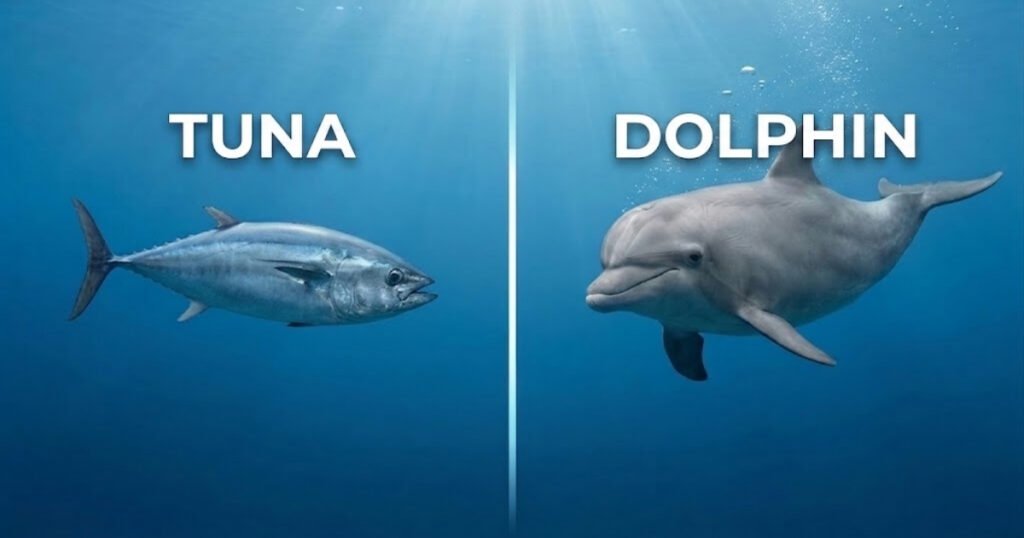
In terms of reproduction, dolphins give birth to live young and nurse them, reflecting their mammalian characteristics, while fish generally lay eggs. Their skeleton composition differs as well; dolphins boast a more complex bone structure, including a flexible spinal column, while fish have a more rigid cartilaginous or bony framework.
| Feature | Fish | Dolphins |
|---|---|---|
| Body Structure | Scaly, streamlined | Smooth, hydrodynamic |
| Breathing | Gills for oxygen | Lungs, surface for air |
| Reproduction | Lays eggs | Live births, nurses young |
| Skeleton | Cartilaginous or bony | Complex, flexible bones |
| Classification | Class: Actinopterygii | Order: Cetacea |
Fish vs Whales
Whales, similar to dolphins, are marine mammals often confused with fish due to their aquatic lifestyle. Their body structure is robust and designed for buoyancy, featuring a layer of blubber for insulation, while fish typically do not possess such adaptations.
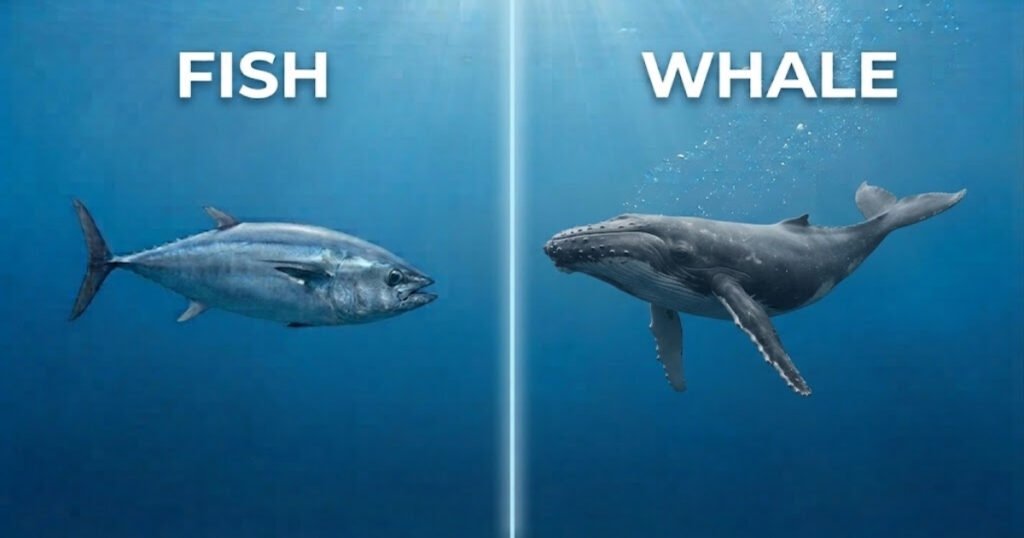
Whales are also lung-breathing creatures, needing to breach the water surface to breathe, contrasting sharply with the gills of fish. The reproductive process in whales involves live births and significant maternal care, drastically differing from the more varied reproductive strategies of fish.
| Feature | Fish | Whales |
|---|---|---|
| Body Structure | Scaly, streamlined | Large, blubber-insulated |
| Breathing | Gills for oxygen | Lungs, surface for air |
| Reproduction | Lays eggs | Live births, nurses young |
| Skeleton | Cartilaginous or bony | Heavy, flexible bones |
| Classification | Class: Actinopterygii | Order: Cetacea |
Fish vs Sharks
When it comes to distinguishing between fish and sharks, one of the key differences lies in their body structure. Fish typically possess a more streamlined body, while sharks have a muscular build complemented by a cartilaginous skeleton, making them exceptionally agile hunters.
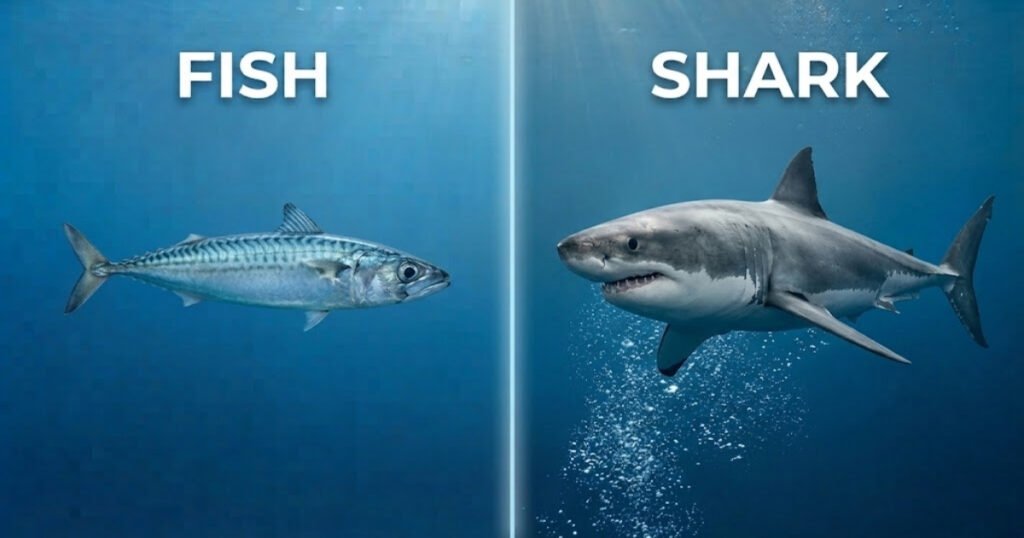
Breathing methods also differ; while both utilize gills, sharks possess a unique ability to extract oxygen more efficiently due to their larger gill slits. Reproductive strategies further separate these two groups. Most fish are oviparous, laying eggs in water, while many sharks give birth to live young, displaying a fascinating variety in their reproductive adaptations.
Classification plays a significant role, too; fish primarily fall under the category of bony fish (Osteichthyes), while sharks belong to the subclass Elasmobranchii, highlighting their unique evolutionary lineage.
| Feature | Fish | Sharks |
|---|---|---|
| Body Structure | Streamlined, bony skeleton | Muscular, cartilaginous |
| Breathing | Gills with smaller slits | Larger gill slits, more efficient |
| Reproduction | Mostly oviparous (egg-laying) | Live-bearing species common |
| Skeleton | Bony | Cartilaginous |
| Classification | Osteichthyes | Elasmobranchii |
Fish vs Eels
Eels, often mistaken for fish, present a fascinating contrast in body structure. While both share a long, slender physique, eels have a more elongated, flexible body that aids in their unique aquatic motion. Breathing mechanisms are similar, but eels can also breathe through their skin, allowing them to thrive in low-oxygen environments.
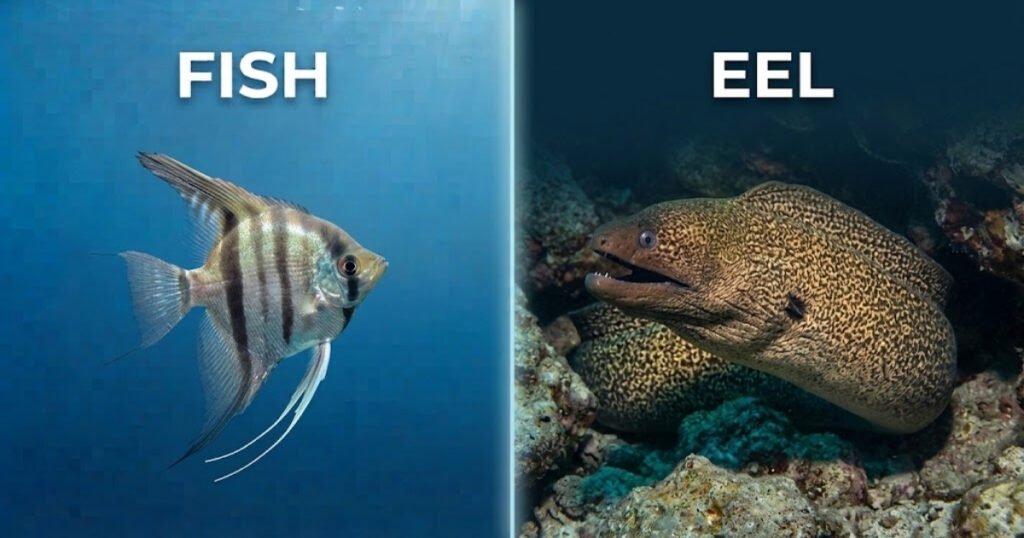
In terms of reproduction, most eels exhibit interesting migratory behaviors, spawning in specific locations such as the Sargasso Sea, which is quite distinct from the more localized breeding grounds of many fish species.
Their classification remains remarkable, as eels are classified under the order Anguilliformes, setting them apart from bony and cartilaginous fish alike, such as the common perch or hammerhead shark.
| Feature | Fish | Eels |
|---|---|---|
| Body Structure | Generally more varied | Long and serpentine |
| Breathing | Primarily through gills | Gills and skin |
| Reproduction | Various methods, often local | Migrate to spawn |
| Skeleton | Bony | Bony, but adapted body structure |
| Classification | Osteichthyes / Chondrichthyes | Anguilliformes |
Conclusion
The extensive variety of types of fishes offers a remarkable glimpse into the complexity of aquatic life. Each species is a testament to the beauty and adaptability of nature, showcasing an array of shapes, sizes, and colors that vary across habitats.
This guide serves as a starting point for anyone interested in learning more about the diverse world beneath the waves. Whether you aim to enhance your aquarium collection or simply wish to broaden your knowledge, there’s always more to discover.
FAQs
What Are 20 Different Types Of Fish?
Here are 20 different types of fish:
Salmon
Tuna
Trout
Bass
Catfish
Mackerel
Cod
Haddock
Halibut
Sardine
Snapper
Grouper
Tilapia
Swordfish
Pike
Carp
Barramundi
Angelfish
Clownfish
Goldfish
What Are The 10 Best Fish To Eat?
When it comes to choosing the best fish to eat, several varieties stand out for their flavor, texture, and nutritional benefits. Here’s a list that many seafood lovers appreciate:
Salmon
Tuna
Mackerel
Trout
Sardines
Halibut
Cod
Snapper
Haddock
Tilapia
Which Is The Tastiest Fish To Eat?
The tastiest fish often comes down to personal preference. Alaskan Salmon is loved for its rich, buttery flavor, while Halibut offers a sweet and mild taste, and flaky Walleye is perfect for those who enjoy a delicate texture.