17 Most Stubborn Animals: Explore Stubborn Animals With Pictures
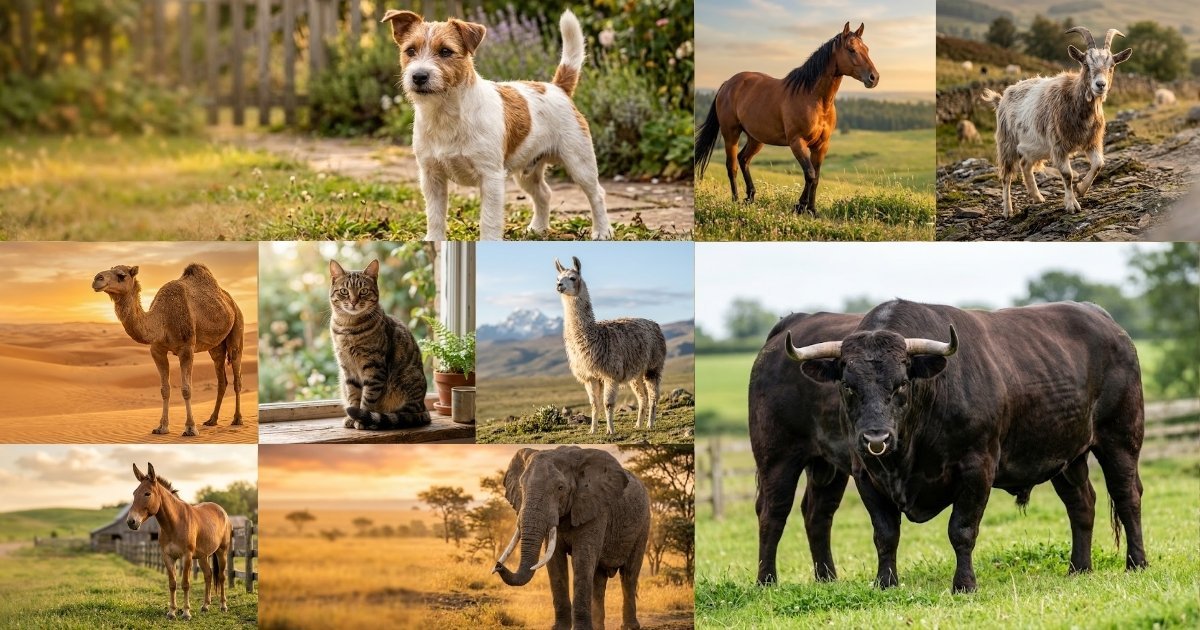
Some animals have built a reputation for being incredibly headstrong, effectively earning their spots among the most stubborn animals. While “stubbornness” is a term we use casually, it captures the essence of why certain creatures resist training or guidance.
In this blog post, we will explore 17 of the most stubborn animals, shedding light on their individual quirks and the behaviors that make them appear so uncooperative. Understanding what animals are stubborn provides a deeper appreciation for these species and their unique instincts.
Quick Table of Stubborn Animals
| Animal | Why It Seems Stubborn | Common Behavior | Typical Environment |
|---|---|---|---|
| Donkey | Cautious decision-making | May refuse to move | Farms, dry regions |
| Mule | Independent and cautious | Resists unsafe situations | Farms, working environments |
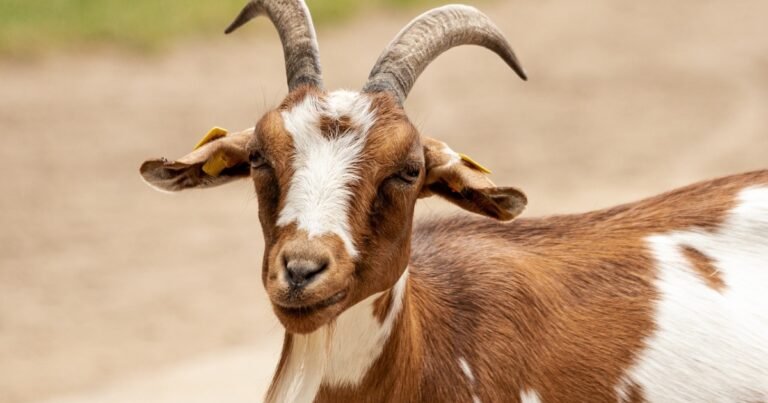
| Goat | Curious and independent | Resists unwanted movement | Farms, mountains |
| Bull | Strong and defensive | May resist handling | Farms, grasslands |
| Horse | Training and temperament | May resist commands | Farms, stables |
| Raccoon | Curious and persistent | Searches for food | Forests, urban areas |
| Cat | Independent nature | May ignore commands | Homes, urban areas |
| Camel | Adaptable but cautious | Resists harsh conditions | Deserts, arid regions |
| Buffalo | Socially driven, strong-willed | May refuse to budge | Swamps, grasslands |
| Llama | Herd instinct and territorial | May refuse to carry loads | Mountains, grasslands |
| Yak | Resilient and cautious | Resists harsh climates | High-altitude regions |
| Pigs | Intelligent but obstinate | May refuse to move | Farms, woodlands |
| Cows | Docile yet strong-willed | May resist group movement | Pastures |
| Badger | Territorial and wary | Defends burrows fiercely | Wooded areas, grasslands |
| Terrier Dogs | Spirited and tenacious | May ignore commands | Homes, urban areas |
| Elephant | Intelligent and nostalgic | May resist confinement | Savannas, forests |
| Tortoise | Slow but unwavering | Moves at its own pace | Gardens, wild habitats |
List Of The 17 Most Stubborn Animals
| # | Animal |
|---|---|
| 1 | Donkey |
| 2 | Mule |
| 3 | Goat |
| 4 | Bull |
| 5 | Horse |
| 6 | Raccoon |
| 7 | Cat |
| 8 | Camel |
| 9 | Buffalo |
| 10 | Llama |
| 11 | Yak |
| 12 | Pig |
| 13 | Cow |
| 14 | Badger |
| 15 | Terrier Dogs |
| 16 | Elephant |
| 17 | Tortoise |
Bulls
| Attribute | Details |
|---|---|
| Scientific Name | Bos taurus |
| Class | Mammalia |
| Diet | Herbivore |
| Habitat | Grasslands, Farms |
Bulls are often perceived as stubborn creatures, yet this notion often misrepresents their complex behavioral patterns. Their apparent obstinacy frequently arises from a deep-seated instinct to protect their territory and assert dominance.
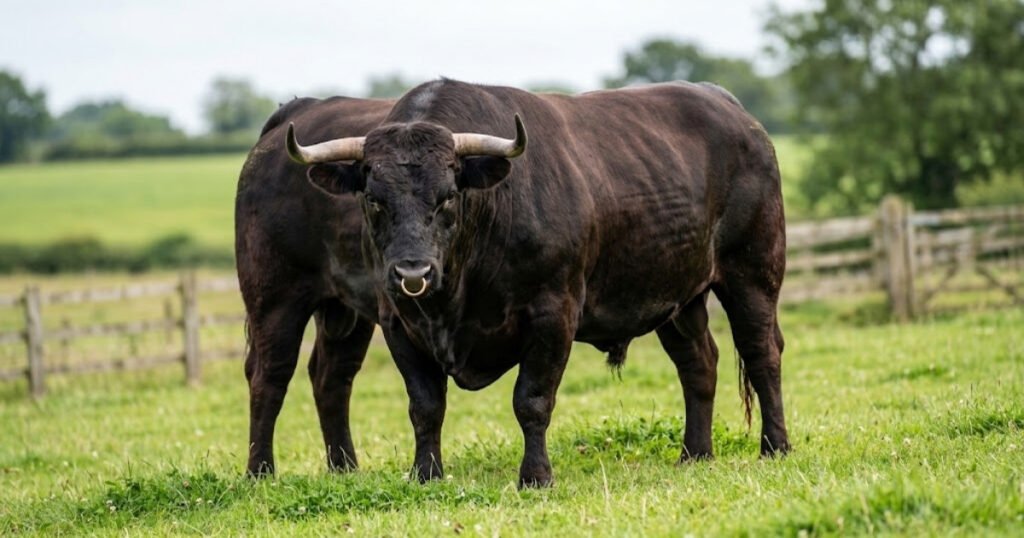
When faced with unfamiliar situations or intruders, bulls exhibit defensive behaviors such as snorting or pawing the ground that signal readiness to confront perceived threats. This instinctual response can easily be misinterpreted as stubbornness when, in reality, it is a survival strategy.
The sheer power of bulls complicates interactions, as moving them physically can prove challenging. Their muscular build and size mean that encouraging them from one point to another isn’t simply a matter of persuasion; it requires understanding and respect for their space.
Recognizing the critical distinction between stubbornness and instinctive defensive behavior can foster a more enriching relationship with these animals. This insight redefines our perceptions, allowing us to appreciate the noble strength and intelligence that bull behavior encapsulates.
Mules
| Attribute | Details |
|---|---|
| Scientific Name | Equus africanus asinus |
| Class | Mammalia |
| Diet | Herbivore |
| Habitat | Dry mountain regions, grasslands, and forests |
Mules, offspring of a male donkey and a female horse, have long been unfairly labeled as stubborn creatures. This reputation stems from their intelligence and exceptional decision-making skills. Unlike horses, who often follow a leader, mules assess their surroundings and choose their actions based on safety.
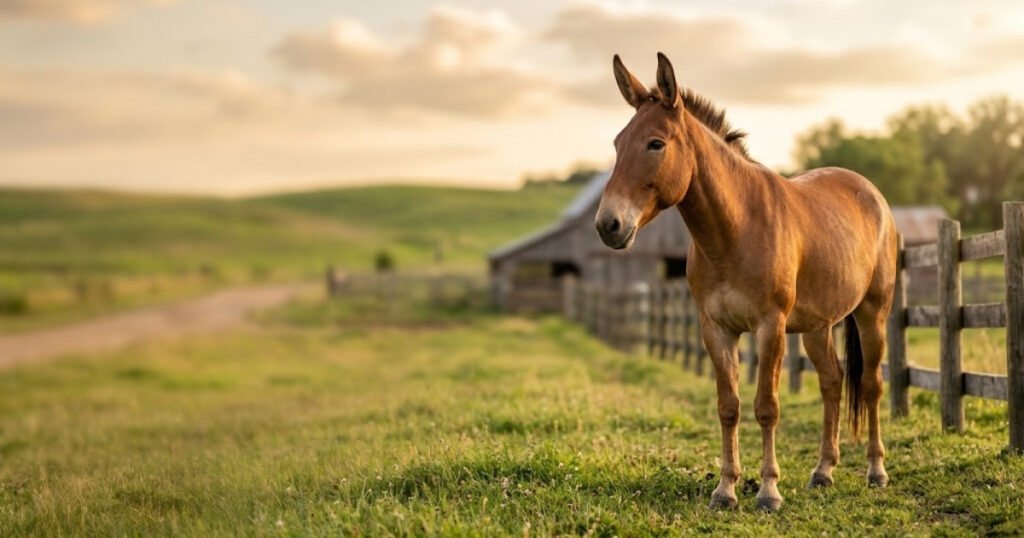
This cautious behavior can lead them to refuse tasks they perceive as risky, such as walking on unstable terrain or confronting unfamiliar objects. Understanding a mule’s behavior is crucial to distinguishing between genuine caution and simple disobedience. Their intelligent nature means they can read situations better than many realize, making it essential for handlers to foster trust rather than demand submission.
A well-respected mule is not merely obedient; it learns to make decisions alongside its handler, transforming reluctance into partnership. When viewed through this lens, a mule’s seemingly stubborn actions can be appreciated as a blend of natural instincts and an intrinsic desire for safety.
Camels
| Attribute | Details |
|---|---|
| Scientific Name | Camelus dromedarius |
| Class | Mammalia |
| Diet | Herbivore |
| Habitat | Deserts and arid regions |
Camels exhibit remarkable independent behavior, often navigating harsh environments with a unique blend of self-reliance and resilience. In desert landscapes, they show an unparalleled ability to conserve water and manage their energy efficiently, which showcases their adaptation to uncomfortable conditions.
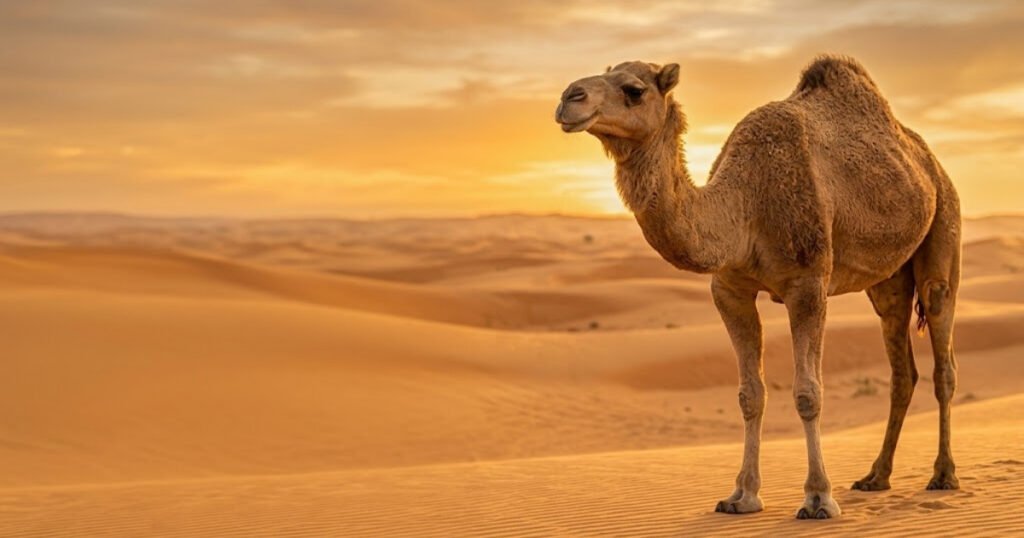
While many might perceive this independence as stubbornness, it often stems from their evolutionary adaptations, allowing them to survive with minimal human intervention a trait that makes them vital for nomadic cultures.
Handling and training can significantly influence camel behavior; these animals thrive in environments where their intelligence is acknowledged. Proper training methods enhance their responsiveness, transforming a seemingly stubborn creature into a cooperative companion.
When mishandled, their natural defense mechanisms kick in, making them resistant to human commands. This fascinating dynamic between perceived stubbornness and adaptability reveals the complex relationship humans have with these extraordinary animals, challenging common misconceptions and inviting deeper exploration of their behaviors in the wild and domestication.
Buffalo
| Attribute | Details |
|---|---|
| Scientific Name | Bison bison |
| Class | Mammalia |
| Diet | Herbivore |
| Habitat | Grasslands, plains, woodlands |
Buffalo are fascinating creatures with a unique combination of strength and defensive behavior. Their imposing presence acts as a natural deterrent against predators; when threatened, they exhibit coordinated group tactics, standing shoulder to shoulder and presenting a united front.
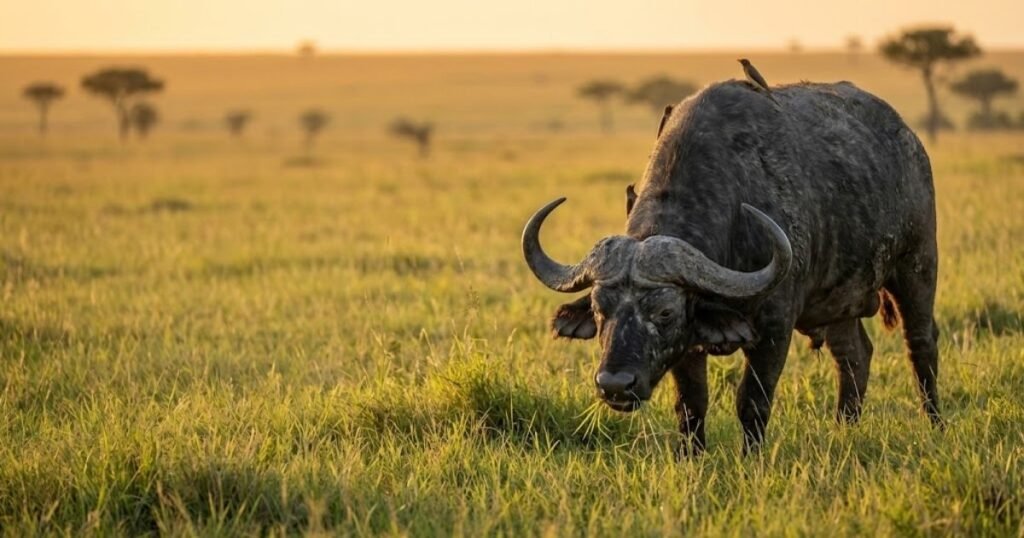
This herd mentality not only serves to protect individuals but also instills a sense of urgency in potential predators. Their muscular build and impressive horns are physical manifestations of their readiness to face threats head-on, making them formidable opponents.
Moving a buffalo can be an incredibly challenging task. Unlike more domesticated animals, buffalo possess a strong instinct to resist relocation, often mistaking movement for a perceived threat. This behavior stems from their deeply ingrained survival instincts rather than sheer obstinacy.
Distinguishing between apparent stubbornness and legitimate defensive behavior is crucial; while they may seem unyielding, their actions are often driven by an evolutionary need to protect themselves and their herd, illustrating a complex interplay between instinct and environmental pressures.
Horses
| Attribute | Details |
|---|---|
| Scientific Name | Equus ferus caballus |
| Class | Mammalia |
| Diet | Herbivore |
| Habitat | Grasslands, forests |
Horses are incredibly sensitive creatures, and their resistance to commands often stems from fear or discomfort rather than sheer stubbornness. When faced with unfamiliar environments or sudden changes, a horse may react defensively, signaling distress.
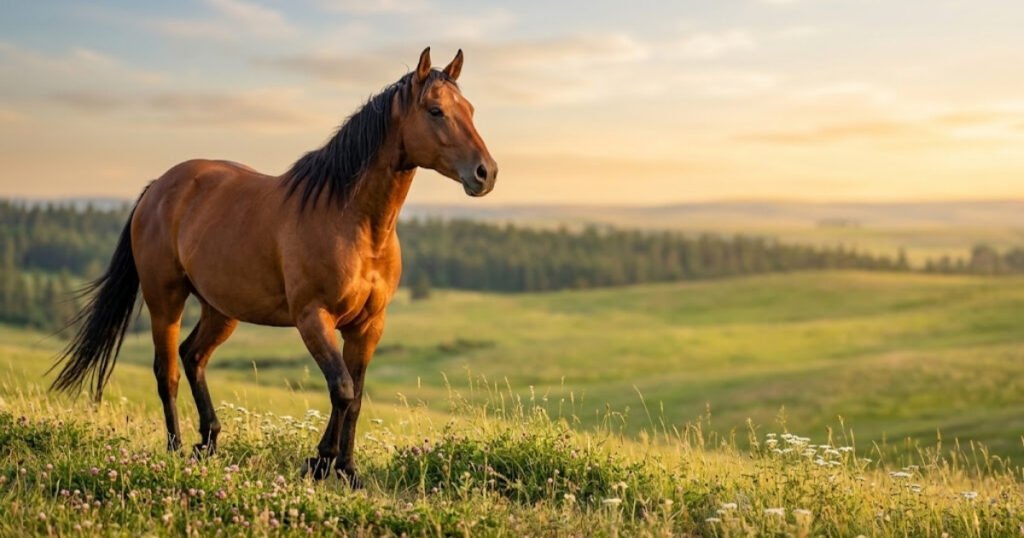
This reaction is not a reflection of willfulness but rather an instinctive response to perceived threats. Understanding the underlying causes be it past trauma, pain, or poorly fitting tack can illuminate a horse’s behavior.
Horses are intelligent animals that learn routines through repeated behaviors and positive reinforcement. They form associations between actions and outcomes, enabling them to adapt well to training methods that build trust over time.
Mislabeling resistance as stubbornness can hinder effective communication and exacerbate behavioral issues. By fostering a supportive and understanding environment, we can nurture their natural tendencies to cooperate and flourish. You can also explore other animals that gallop like horses.
Donkeys
| Feature | Details |
|---|---|
| Scientific Name | Equus africanus |
| Class | Mammalia |
| Diet | Herbivorous |
| Habitat | Grasslands, deserts |
Often labeled as the most stubborn animal, donkeys have earned a reputation for their fierce independence. This behavior is often a reflection of their intelligence and their knack for self-preservation. When a donkey refuses to move, it may not merely be a case of obstinacy; rather, it is often a response driven by caution.
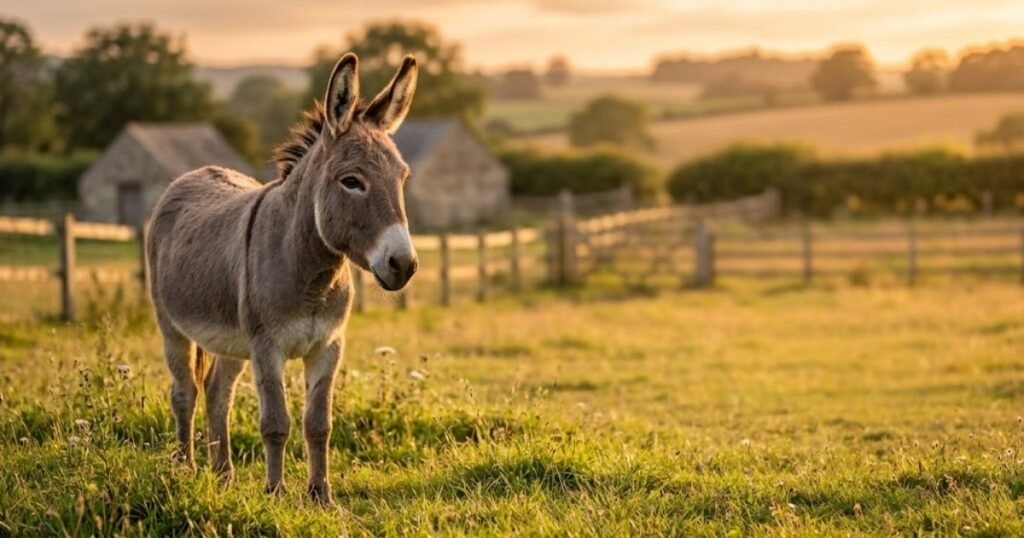
They are naturally wary creatures, expressed through their thoughtful consideration before acting a behavior rooted in their instinct to assess potential dangers in their surroundings. This cautious nature underscores their remarkable intelligence. Donkeys are often underestimated, yet they are incredibly perceptive and possess a memory that allows them to navigate complex terrains and social structures.
Their so-called stubbornness is often a testament to their ability to weigh risks and make informed choices. This resilience not only ensures their survival in harsher environments but also highlights the importance of understanding and respecting the nuanced behaviors of these remarkable animals. Thus, behind the label of the most stubborn animal lies a fascinating tapestry of intelligence and instinct.
Raccoons
| Feature | Details |
|---|---|
| Scientific Name | Procyon lotor |
| Class | Mammalia |
| Diet | Omnivorous |
| Habitat | Forests, urban areas |
Raccoons are a fascinating blend of curiosity and independence, showcasing behavior that can leave even the most seasoned wildlife enthusiasts in awe. Their dexterous front paws allow them to explore and manipulate their surroundings, revealing an innate problem-solving ability that often takes humans by surprise.
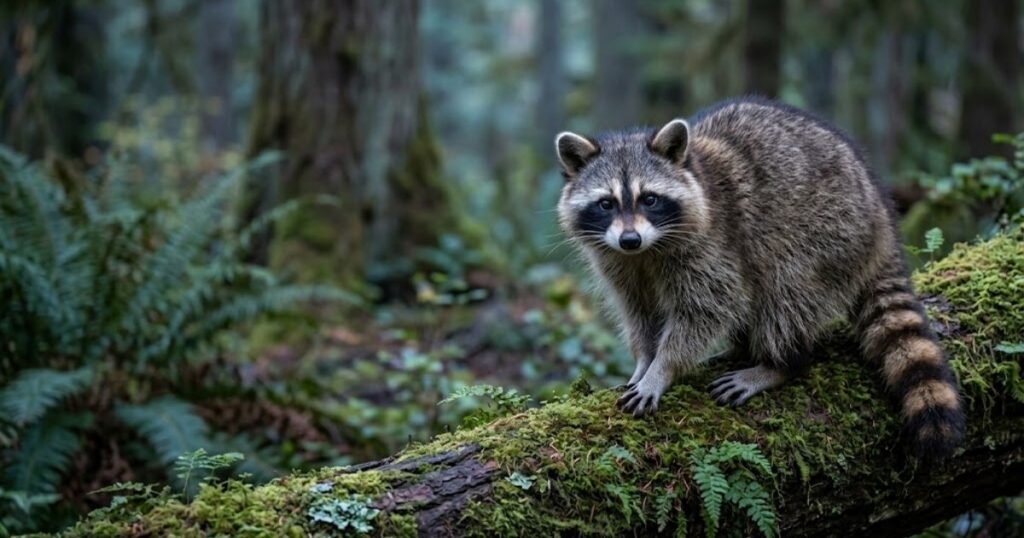
Observing a raccoon figure out how to open a latch or navigate a complex obstacle is a testament to its adaptability a trait honed by necessity as these clever creatures tread the line between wilderness and urban life.
Food is at the heart of a raccoon’s driven nature, making them particularly challenging to deter from human sources. Their omnivorous appetite means they’ll scavenge just about anything, from trash to garden fruits, making them opportunistic foragers.
The more they succeed in accessing food, the bolder they become, often leading to repeat visits. This pattern is compounded by their social intelligence; raccoons can learn from one another where to find the best dining spots, creating a cycle that can be difficult for homeowners to break.
Understanding this behavior sheds light on the delicate relationship between humans and these clever critters, emphasizing the need for wildlife-friendly solutions rather than adversarial approaches. If you enjoy clever, masked critters, you might also like these animals that look like raccoons.
Goats
| Feature | Details |
|---|---|
| Scientific Name | Capra aegagrus hircus |
| Class | Mammalia |
| Diet | Herbivore |
| Habitat | Grasslands, mountains |
Goats are fascinating creatures that showcase incredible independent behavior. Their natural instinct drives them to seek out new environments and opportunities, making them expert explorers. This curiosity is one reason they tend to roam and investigate their surroundings, often leading to humorous situations as they navigate obstacles or escape enclosures. If you’re curious about their classification, check out our guide on the goat scientific name.
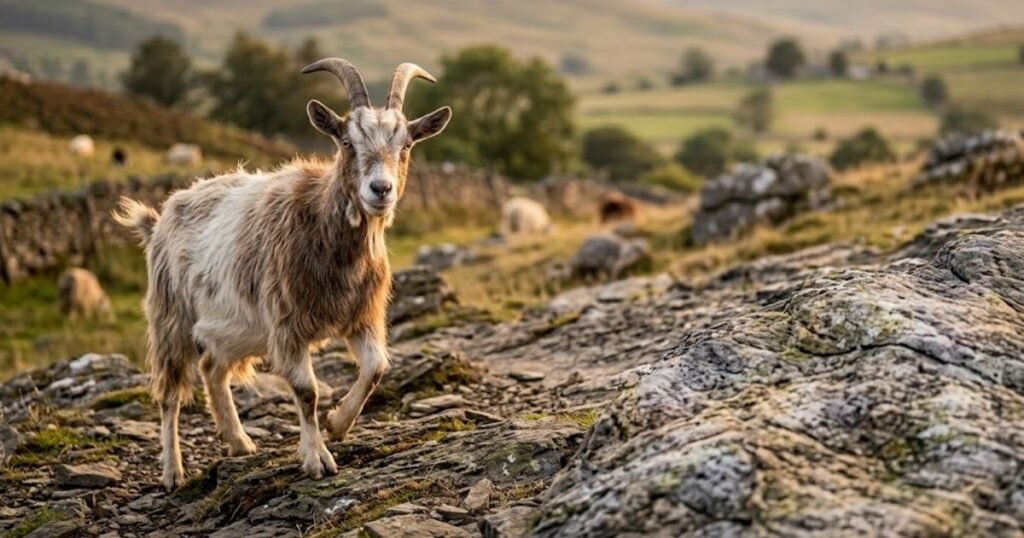
Unlike many domesticated animals, goats exhibit a remarkable ability to think for themselves, which often translates into playful antics as they test the limits of their environment. Their well-known resistance to unwanted movement stems from their strong personal preferences, which some might interpret as stubbornness.
This behavior is actually a manifestation of their independence; goats won’t be easily coerced or hurried from a spot they deem worthy of inspection. Understanding this behavior offers a fresh perspective on their perceived obstinacy.
When we appreciate goats for their unique blend of traits curiosity, independence, and resistance we can see these “stubborn” animals not as rebellious, but rather as intelligent beings fully engaged with the world around them.
Llamas
| Feature | Details |
|---|---|
| Scientific Name | Lama glama |
| Class | Mammalia |
| Diet | Herbivore |
| Habitat | High Andean regions |
Llamas, known for their independent temperament, often prefer to assert themselves in situations rather than rely on guidance, which can be particularly striking in the context of handling.
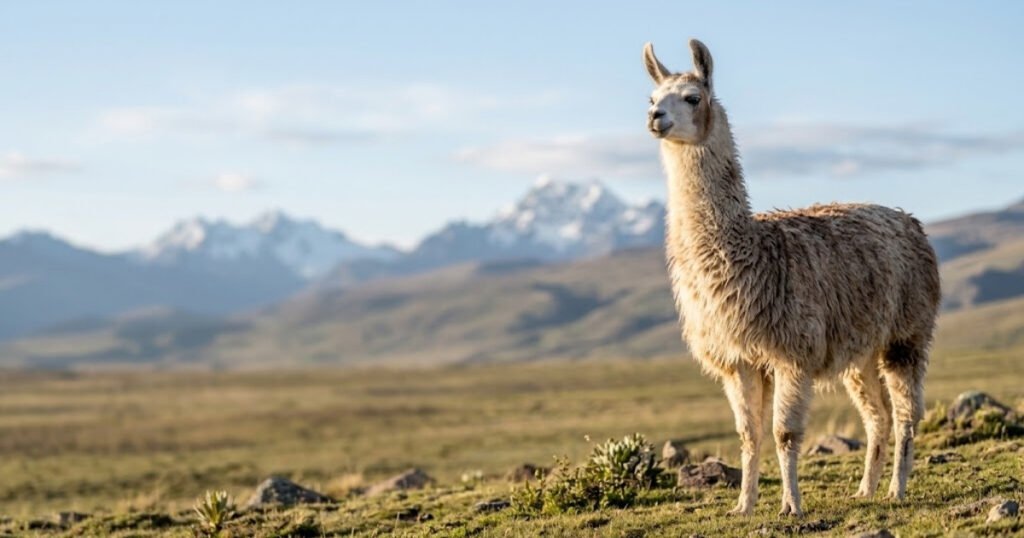
When faced with stress or discomfort, these animals exhibit unique reactions that can range from a calm withdrawal to a dramatic spitting display a behavior stemming from their instinct to communicate distress or displeasure instead of direct confrontation. This blend of independence and sensitivity sets llamas apart in the animal kingdom.
Additionally, it’s vital to recognize the distinction between defensive behavior and what may be perceived as stubbornness. While llamas can indeed resist handling, this pushback is often a protective mechanism rather than simple obstinacy.
Understanding this nuance can foster a deeper appreciation for their behavior, highlighting the llamas’ remarkable ability to navigate their environment on their own terms while still exhibiting emotional depth. Engaging with llamas requires patience, as building trust with these intelligent creatures can lead to enriching interactions that reflect their true nature.
Yaks
| Feature | Details |
|---|---|
| Scientific Name | Bos grunniens |
| Class | Mammalia |
| Diet | Herbivore |
| Habitat | Himalayan regions, Central Asia |
Yaks are remarkable beasts, exemplifying strength and independence in some of the planet’s harshest environments. With their thick, shaggy coats designed for insulation against biting winds, yaks thrive at altitudes where few animals dare to tread.
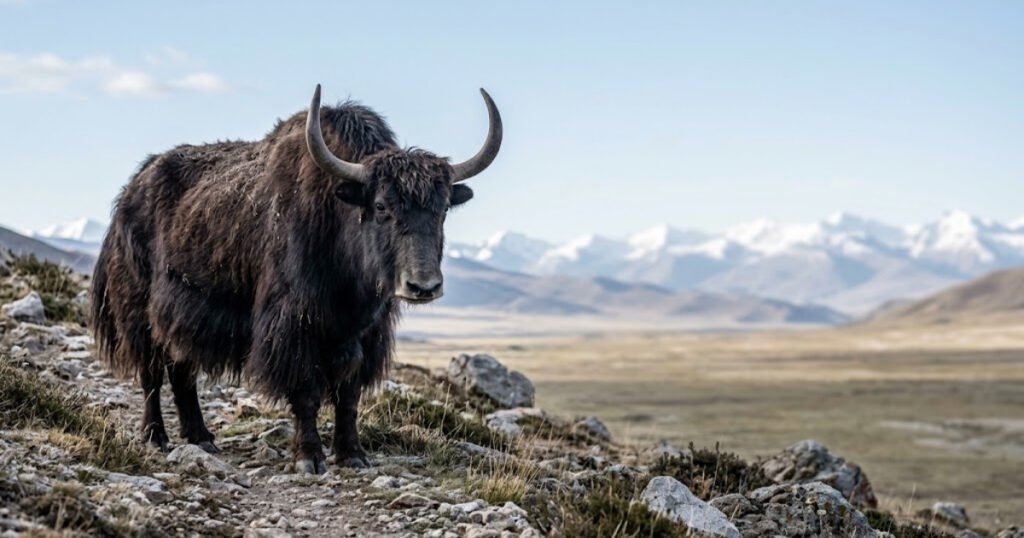
Their behavior in challenging terrains showcases an impressive adaptability; they graze on sparse vegetation, often traversing rocky slopes that other grazers would find inhospitable. This resilience not only sustains them but also influences the delicate balance of their ecosystem.
Intriguingly, yaks exhibit strong herd behavior, forming cohesive groups that provide protection against predators and the harsh cold. Within these herds, social structures are evident, with stronger individuals frequently leading the way. Managing such powerful animals can be daunting; their size and strength make them more resistant to undue influences or stress.
This independent spirit poses a challenge for caretakers and communities that rely on yaks for transport and labor, reiterating a respect for their majestic yet formidable nature. As these animals continue to thrive in the rugged terrains of Central Asia, their existence serves as a testament to resilience and the intricacies of life in extreme conditions.
Pigs
| Feature | Details |
|---|---|
| Scientific Name | Sus scrofa |
| Class | Mammalia |
| Diet | Omnivorous |
| Habitat | Forests, grasslands, and wetlands |
Pigs are remarkable creatures known for their intelligence and insatiable curiosity. They possess an impressive cognitive ability that rivals that of dogs and even some primates, often displaying problem-solving skills and social learning.
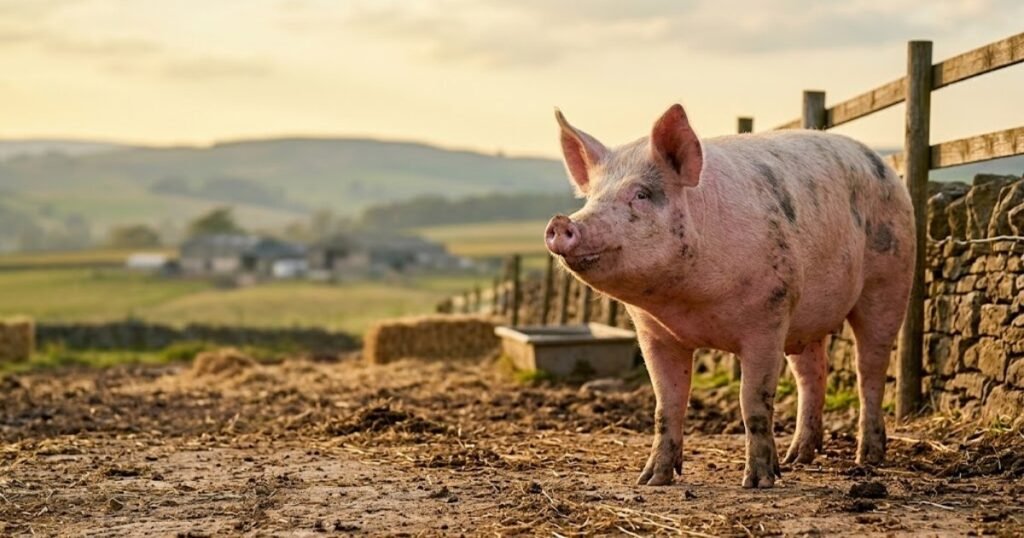
This high intelligence, coupled with an innate food motivation, drives them to explore their surroundings with relentless persistence. When searching for food, their rooting behavior not only uncovers hidden treasures in the soil but also exhibits a determination that can sometimes be mistaken for stubbornness.
This perceived stubbornness often stems from their methodical approach to overcoming obstacles. For pigs, a challenge is merely an opportunity to innovate; they may repeatedly attempt to access food, showcasing their resilience.
Their behaviors, rather than mere insistence, reflect an evolved adaptation to their environment a strategy that emphasizes their survival instincts. By understanding this dynamic, we can appreciate the complexity of pigs and redefine our perceptions of their actions, unveiling the depth behind what we might misinterpret as mere defiance.
Cows
| Feature | Details |
|---|---|
| Scientific Name | Bos taurus |
| Class | Mammalia |
| Diet | Herbivore |
| Habitat | Grasslands, pastures, and open fields |
Cows exhibit fascinating herd behavior that is deeply embedded in their social structures. Living in groups, they develop familiar routines and environments, which provide a sense of security. This familiarity often leads them to resist moving if they find themselves in unfamiliar surroundings, as their instinctual responses to potential threats can override basic needs, such as food or water.
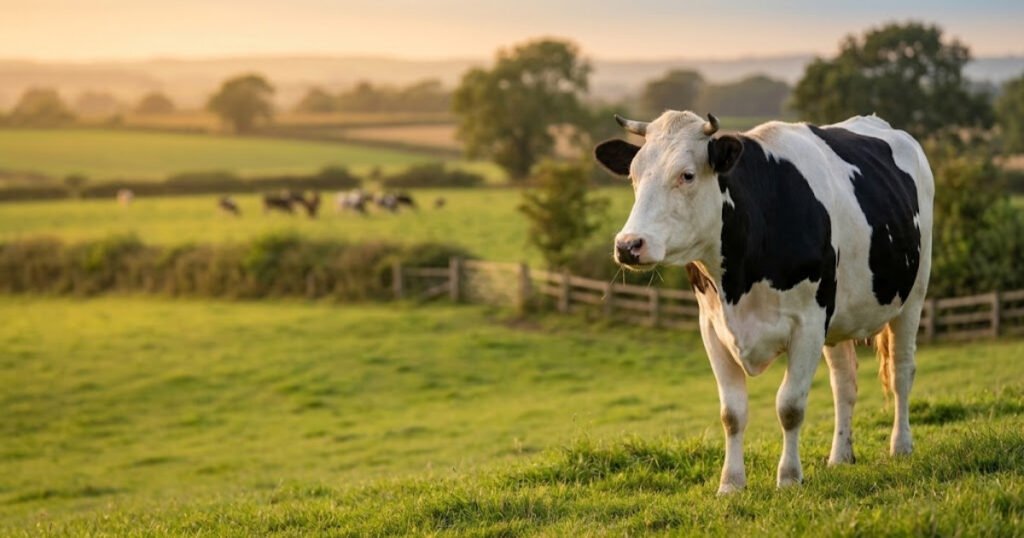
The cows’ reluctance to step outside their comfortable zones can be linked to their instinctive wariness of the unknown, which serves as a survival mechanism. Fear can dramatically alter a cow’s behavior, transforming a calm herd into a panicked group in seconds. In a new or stressful environment, the animals may congregate tightly for safety, hindering movement and even leading to aggressive behaviors among themselves.
Understanding these behavioral patterns is critical for farmers and handlers to create an environment that eases transitions and respects their natural instincts, ensuring the well-being and productivity of these incredible creatures. Emphasizing patience and gradual acclimatization to new surroundings can significantly enhance their overall comfort and performance.
Badgers
| Feature | Details |
|---|---|
| Scientific Name | Meles meles |
| Class | Mammalia |
| Diet | Omnivorous |
| Habitat | Woodlands, grasslands, and urban fringes |
Badgers lead an intriguing independent lifestyle, often foraging alone or in small family groups. Their excellent digging abilities allow them to create complex burrow systems known as setts, much like many other burrowing animals, which they defend fiercely.
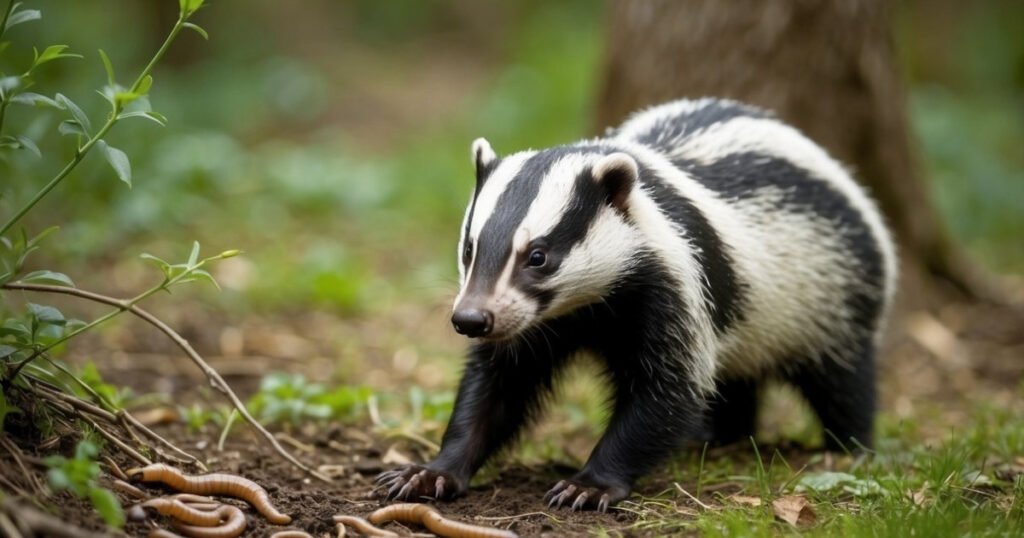
When threatened, badgers exhibit remarkable defensive behavior, standing their ground and even charging at intruders. This courageous stance can catch predators off-guard, showcasing their tenacity.
Territorial by nature, badgers mark their domains through scent marking and are known to fiercely protect their areas from intruders. Females, in particular, are assertive when cubs are present, often intimidating rivals despite their stature.
This defense mechanism, coupled with their inherent resilience, makes it challenging to intimidate or control them. Their steadfastness not only asserts their dominance within their habitat but also reflects the intricate balance of nature where even the smallest creatures exhibit remarkable strength when it comes to survival.
Terrier Dogs
| Feature | Details |
|---|---|
| Scientific Name | Canis lupus familiaris |
| Class | Mammalia |
| Diet | Omnivorous |
| Habitat | Domestic |
Terrier dogs are renowned for their strong prey drive, a trait that harks back to their heritage as hunters. This instinct not only fuels their enthusiasm for chasing small animals but also infuses their playtime with an intensity that keeps owners on their toes.
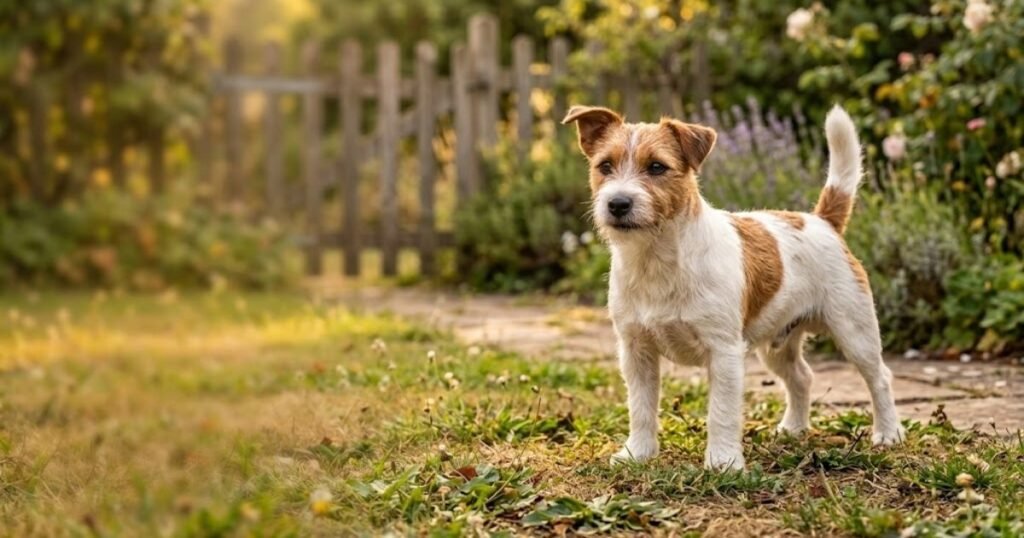
While this vigor can be delightful, it also underscores the need for careful management and socialization to channel their energy into constructive behaviors. Terriers often exhibit an independent temperament, sometimes leading to training challenges. Their stubborn streaks can test even the most patient of handlers, demanding consistent and engaging training methods to yield results.
Yet, the very qualities that make terriers a handful like their persistence during hunting or play also make them incredibly rewarding companions. It’s essential to remember that within the diverse world of terriers, individual breeds and personalities can vary significantly. Understanding these nuances can transform the often tumultuous training journey into a delightful partnership shaped by trust and mutual respect.
Cats
| Feature | Details |
|---|---|
| Scientific Name | Felis catus |
| Class | Mammalia |
| Diet | Carnivorous |
| Habitat | Domestic environments |
Cats embody an allure of independence that captivates many of their admirers. This independence isn’t just a personality trait; it stems from their evolutionary history as solitary hunters. Unlike dogs, which have been bred for companionship and obedience, cats possess an intrinsic preference for living life on their own terms.

This autonomy often leads them to approach interactions with a sense of selective engagement, where they might suddenly appear aloof or even indifferent to commands and cues that we may expect them to follow.
Understanding the distinction between a cat’s independence and what we perceive as stubbornness is crucial. While a cat may not respond to your call or command, it’s not an act of defiance but rather a reflection of their unique social structure and independent nature.
For them, interactions are a choice, and the refusal to budge can often be linked to an assessment of value: is the interaction worth their energy? By recognizing these behaviors as a form of self-assertion rather than outright rebellion, we can foster a deeper appreciation for our feline friends and the rich tapestry of their personalities.
Elephants
| Feature | Details |
|---|---|
| Scientific Name | Loxodonta africana |
| Class | Mammalia |
| Diet | Herbivore |
| Habitat | Savannas, forests, grasslands |
Elephants are not only renowned for their size (they are among the biggest animals in the world) but also for their remarkable intelligence and memory, which enable them to navigate complex social landscapes and thrive in diverse habitats. Their intricate social structures mirror human communities, with matriarchs guiding family groups and demonstrating a unique form of social governance.
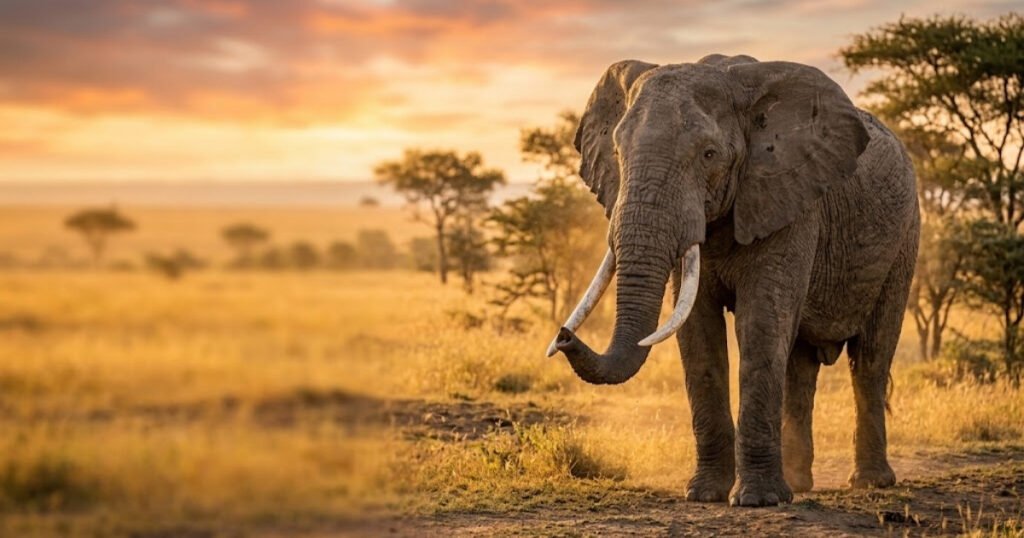
This network fosters cooperation and collective decision-making, showcasing a level of emotional depth and understanding that many underestimate. When it comes to making choices, elephants exhibit a capacity for discernment that goes beyond mere instinct. Often seen as stubborn, what might appear as obstinacy is actually a calculated response an instinctual reflection of learned experiences.
Their size amplifies their behavior, making individual decisions more conspicuous; when an elephant chooses to stand its ground, the impact is felt throughout the environment and among other species. Rather than labeling this as stubbornness, we should appreciate it as a powerful example of an individual agent considering both personal desires and social dynamics in the ecosystem.
Tortoises
| Feature | Details |
|---|---|
| Scientific Name | Testudinidae |
| Class | Reptilia |
| Diet | Herbivorous |
| Habitat | Dry, grassy, and scrub environments |
Tortoises embody a unique blend of slow movement and deliberate behavior that fascinates both nature enthusiasts and casual observers alike. Their lethargic pace can often be misread as stubbornness; however, this is a survival strategy.
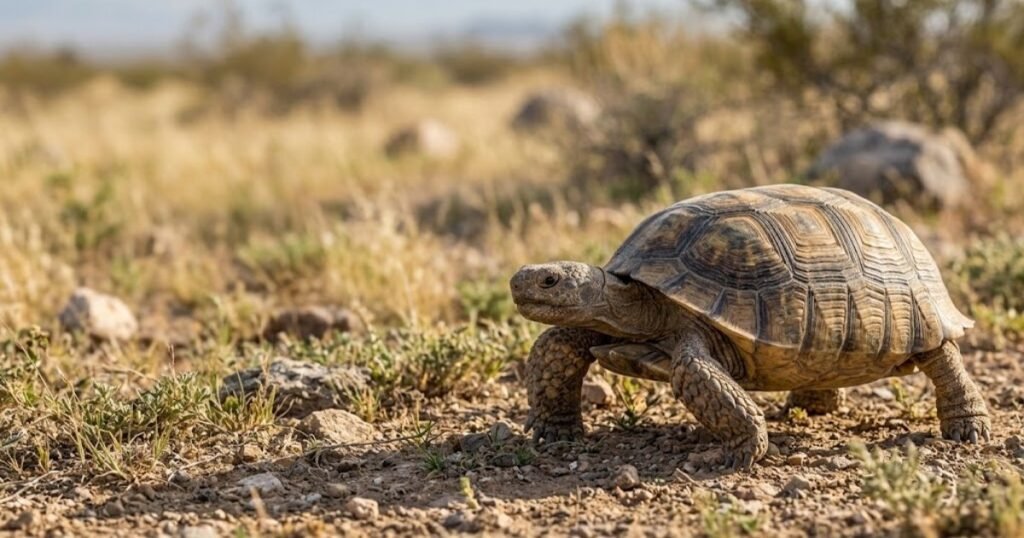
When pressured or threatened, instead of fleeing, they may simply stop, entering a state of stillness. This behavior serves as a defense mechanism, allowing them to blend into their environment, making it less likely for predators to detect them.
Environmental factors also play a crucial role in their behavior. Tortoises thrive in arid landscapes where food can be scarce, prompting them to conserve energy through their slow and careful movements.
Their evolutionary journey has equipped them with an innate wisdom by taking their time, they can assess their surroundings more effectively, ensuring their survival in a world that often favors the swift. Understanding these nuances sheds light on the thoughtful nature of these ancient creatures, encouraging respect rather than frustration when they choose to move at their leisurely pace.
What Makes An Animal Stubborn?
When people label an animal as “stubborn,” they often refer to its resistance to commands, handling, or direction traits commonly observed in pets like cats or even certain breeds of dogs. This term can evoke images of a feline defiantly ignoring a command or a dog sitting down firmly, unwilling to budge from a spot it has chosen.
Such behavior often stems from independent decision-making; animals possess their own preferences and instincts, leading them to assert control over their environment. Strong preferences for food, territory, safety, or social interactions play a huge role in this perceived stubbornness.
Take, for example, a donkey a classic example of what animal is stubborn. Donkeys are not merely obstinate; they evaluate situations based on their past experiences and comfort levels. This evaluation can often be confused with intelligence and independence but is more about the animal prioritizing its needs for safety and stability.
Understanding this nuanced distinction can help pet owners engage with their animals more effectively, fostering cooperation rather than frustration. Hence, when we think of stubbornness in animals, it’s crucial to recognize that what may appear as obstinacy is often a blend of instinctual survival skills and deeply ingrained personalities.
Stubborn Animals Vs Independent Animals
Stubbornness and independence in animals often get confused, but they represent different behavioral traits. Stubbornness implies a reluctance to comply due to perceived defiance, while independence suggests a self-sufficient spirit that prioritizes personal choice. On the other side of the spectrum, some species are naturally sociable, as you can see in our list of friendly animals.
An animal’s refusal to follow a command might stem from a lack of motivation rather than outright stubbornness. For instance, a donkey may appear obstinate, yet its refusal can often be attributed to a desire for self-preservation or evaluating its environment, rather than an intention to resist.
Cats epitomize independence; they engage on their terms and often disregard commands that don’t serve their interests. In contrast, goats may seem stubborn when they prioritize their curiosity or desire for exploration instead of following a person’s lead.
Horses display a blend of independence and training while they can be guided, their response often depends on their motivation and trust in their handler. Elephants, known for their intelligence and emotional depth, sometimes refuse commands when they sense a threat, showcasing that their actions are based on judgment rather than stubbornness.
| Trait | Stubborn Animals | Independent Animals |
|---|---|---|
| Motivation Level | Low when commands are ignored | Selectively high, depends on interest |
| Response to Authority | Resisting commands, seen as defiance | Engaging on personal terms |
| Examples | Donkeys, certain goats | Cats, elephants, some horses |
| Training Impact | Often ineffective | Successful with trust and choice |
| Behavioral Interpretation | Defiance | Self-sufficiency and situational awareness |
Conclusion
The world of the most stubborn animals is as diverse as it is fascinating. From the resolute nature of donkeys to the unyielding spirits of certain breeds of dogs, these creatures demonstrate that determination is a common trait in the animal kingdom.
Each of the 17 animals explored in this article showcases unique behaviors that make them stand out, not just for their stubbornness but also for their remarkable adaptability. Observing these animals in their natural habitats can provide us with valuable insights into their temperament and resilience.
FAQs
Give Names Of Top 10 Most Stubborn Animals?
Here’s a list of some of the most stubborn animals known for their determined behavior:
Donkey
Goat
Pig
Cat
Elephant
Ostrich
Sheep
Mules
Crows
Ferrets
What Animals Are Stubborn?
Many animals can exhibit stubborn behaviors, but notable examples include mules, cats, and pigs, each displaying strong-willed tendencies that can challenge even the most patient of trainers.
What Is The Most Stubborn Animal?
The most stubborn animal is often considered to be the mule, known for its strong will and ability to resist commands when it feels threatened or unhappy.
What Animal Represents Stubbornness?
The donkey is often seen as a symbol of stubbornness due to its natural tendency to resist movement when it feels uncertain or pressured, embodying the phrase “stubborn as a mule.”