Lizard Teeth: Do Lizards Have Teeth? Types, Size & Interesting Facts
Lizard teeth are not just a quirky topic; they reveal the incredible adaptations of these ancient creatures. You might be surprised to learn that while some lizards flaunt a full mouth of teeth, others are completely toothless!
In this blog post, we will uncover the different types and sizes of lizard teeth, along with interesting facts that show why this topic matters in the realm of reptilian biology.
The Background On Lizard Teeth
Their teeth exhibit a fascinating variety that reflects their diverse evolutionary adaptations. Unlike mammals, most lizards possess acrodont teeth, which are attached directly to the jawbone and grow continuously throughout their lives. This design allows them to shed and replace teeth frequently, an adaptation critical for their survival in a world filled with harsh environments and abundant prey.
Some species even have specialized teeth for specific diets; for instance, iguanas have blade-like teeth ideal for grinding tough vegetation, while carnivorous lizards feature sharper, serrated teeth perfect for capturing and dismembering prey.
Beyond mere functionality, the shape and arrangement of lizard teeth can reveal deep insights into their ecological roles. Researchers have started to explore how tooth morphology correlates with feeding behaviors, predator-prey dynamics, and even habitat preferences.
Do Lizards Have Teeth?
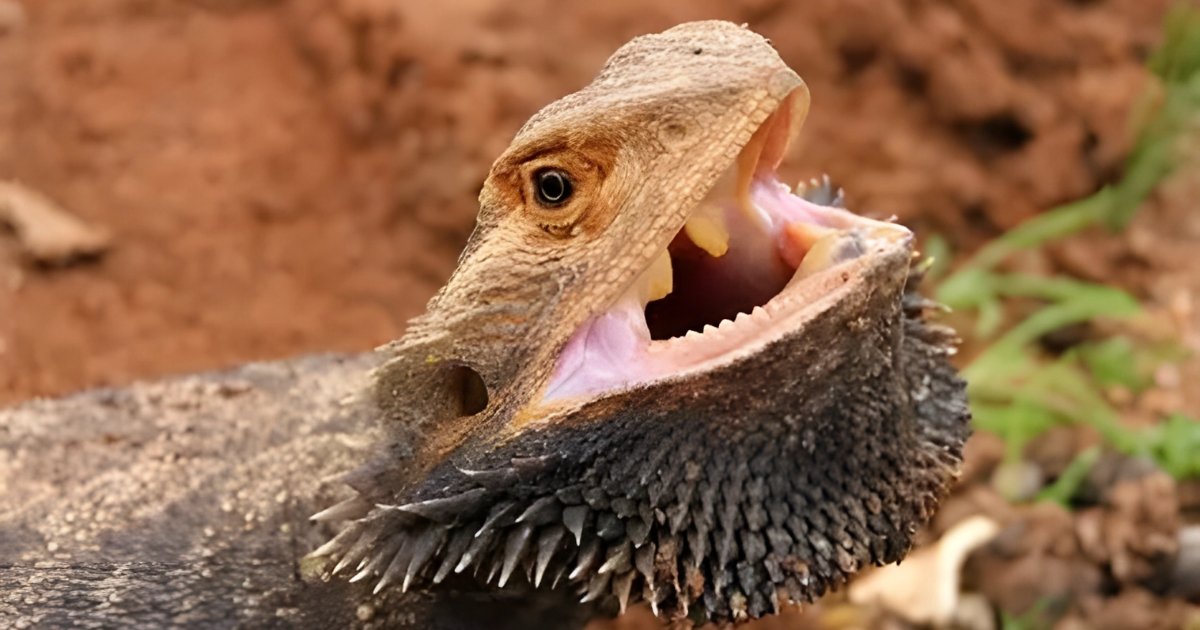
Lizards are often misunderstood when it comes to their dental structure. Unlike mammals, most lizards possess a unique dental arrangement known as “pleurodont” teeth. These are fused to the inner side of the jawbone and are continuously shed and replaced throughout their lives, ensuring they always have a sharp set ready for hunting and consuming prey.
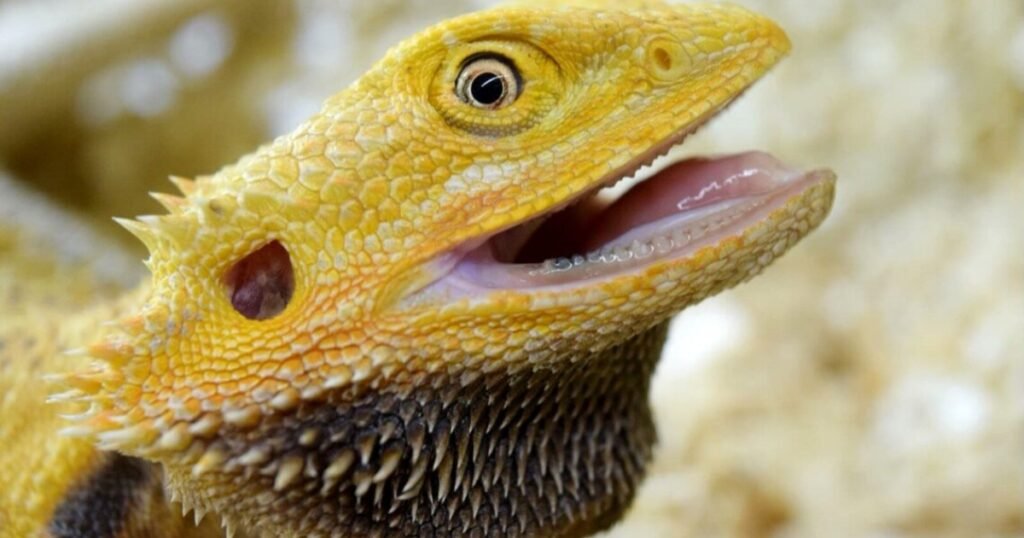
This fascinating adaptation not only aids in their survival but also highlights the evolutionary differences between reptiles and other vertebrates. Some lizard species, like the Iguana, feature a striking dental pattern allowing them to efficiently slice through tough plant material, showcasing their herbivorous diet.
Carnivorous species, such as the Komodo dragon, have serrated teeth that resemble those of a shark, perfectly equipped for tearing flesh. This diversity in dental structures underscores the remarkable adaptability of lizards, which have evolved to thrive in multiple ecological niches.
Interestingly, not every creature relies on teeth to survive, the Geoduck, a giant marine clam, has evolved a completely different feeding strategy, filtering nutrients from seawater without a single tooth.
Types Of Lizard Teeth
Lizards exhibit a fascinating array of dental adaptations that reflect their diverse diets and habitats. Among the most intriguing types of lizard teeth are the acrodont and pleurodont varieties.
Acrodont Teeth
Acrodont teeth are a fascinating feature of many lizard species, notable for their distinct attachment to the jawbone. Unlike many other reptiles, these teeth grow directly from the bone, with minimal socketing. This means that as lizards lose teeth in their daily activities whether through feeding or combat they can regenerate them quickly.
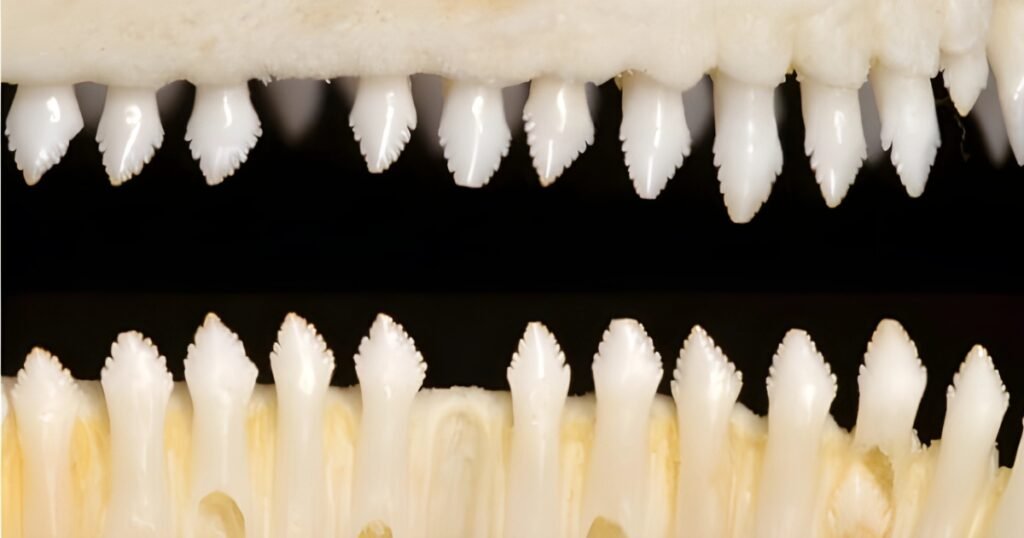
The evolutionary advantage of this adaptability is clear: it allows lizards to maintain effective predation and defense strategies in their often harsh environments.
Another intriguing aspect of acrodont teeth is their structure. These teeth tend to be conical and less complex, allowing for efficient scraping and tearing of prey, which is crucial for their carnivorous or omnivorous diets.
Observing a lizard with acrodont teeth in action reveals their unique feeding mechanisms and gives insight into how these reptiles have evolved to thrive in various ecosystems.
Pleurodont Teeth
Pleurodont teeth are embedded in the jaw but are not as firmly anchored as acrodont ones. These teeth are typically found in species like anoles and skinks, and they offer a different set of advantages.
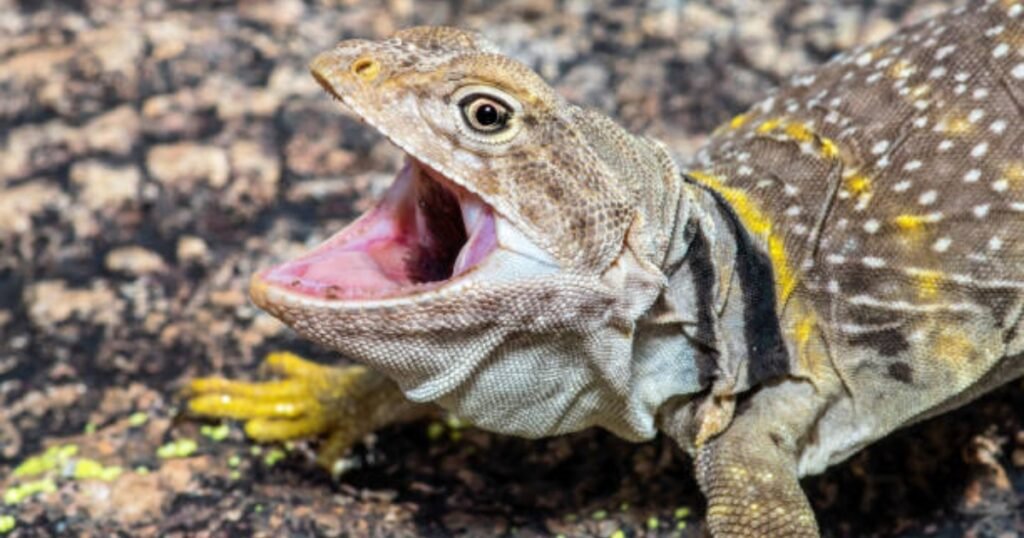
The design allows for a more intricate arrangement, providing some species with sharper, more functional teeth that aid in gripping and processing food. This ability is particularly beneficial for lizards that consume slippery or hard-shelled prey, showcasing nature’s ingenuity in specialization.
Pleurodont teeth feature a unique replacement strategy. While they can be lost and replaced, the process takes longer than in acrodonts. This slower replenishment may lead to adaptive behaviors, such as selecting softer prey to minimize tooth wear.
Observing the lifestyle and feeding habits of lizards with pleurodont teeth can reveal fascinating ecological dynamics, emphasizing the diverse evolutionary paths within the reptilian world.
Teeth Of Lizard In Different Species
Lizard teeth vary widely from one species to another because each species has evolved to match its diet and hunting style. While all lizards use their teeth to grip and process food, the shape, size, and strength of those teeth can be very different. Below are some of the best examples of how their teeth differ across species.
Monitor Lizard Teeth
Monitor lizards are remarkable predators, equipped with sharp, serrated teeth that serve multiple functions beyond mere capture. These teeth are designed for efficiently gripping and tearing flesh, allowing them to tackle a wide range of prey, from small mammals to larger birds.
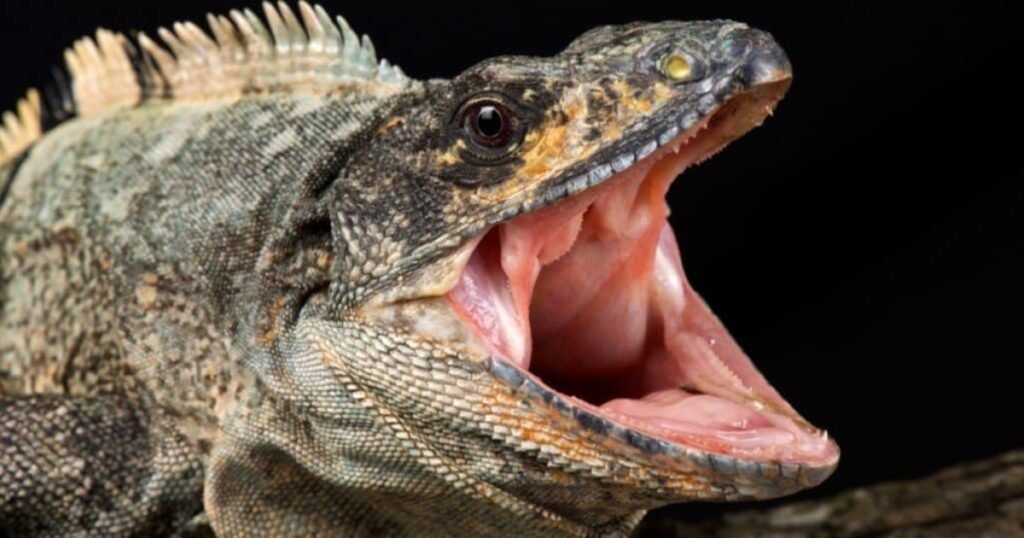
Their jaws boast a unique structure that enables powerful biting strength, making them effective hunters in diverse habitats. Monitor lizards can adapt to their environments, showcasing different tooth shapes that reflect their dietary preferences, whether it be insectivorous or carnivorous.
Tegu Lizard Teeth
Tegu lizards possess a distinctive dental arrangement that highlights their omnivorous diet. Their teeth, often blunt and conical, have evolved to excel at crushing and grinding, allowing them to consume a mixture of fruits, small prey, and even carrion.
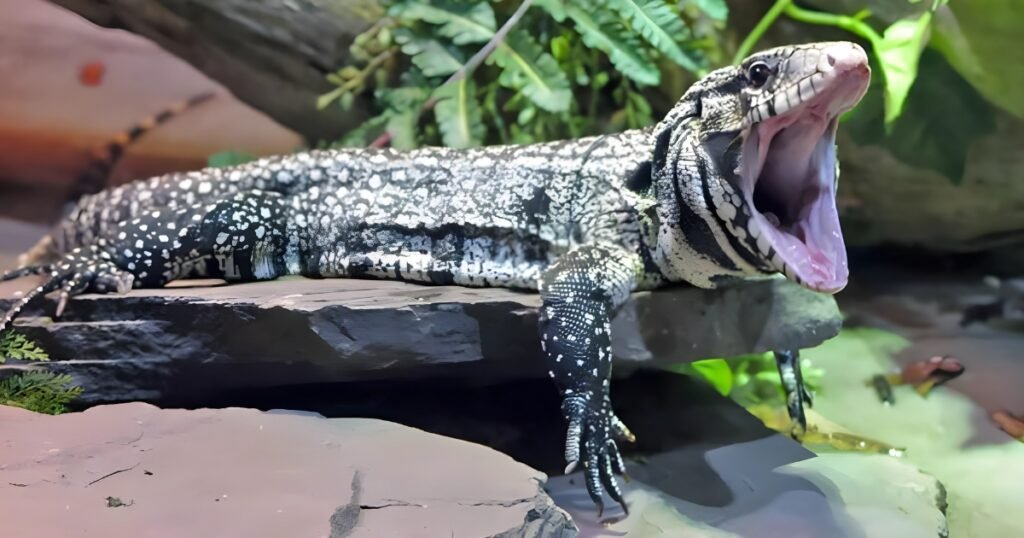
This adaptability not only signifies their dietary flexibility but also their ecological role as scavengers and seed dispersers. Interestingly, tegus exhibit a unique behavior of using their tongue to taste and identify food, which complements their dental structure by ensuring they select nutritionally rich options.
Alligator Lizard Teeth
Alligator lizards feature an intriguing mix of teeth that serves their predatory lifestyle. With elongated, sharp teeth resembling those of alligators, these lizards specialize in grasping slippery prey, such as insects and small vertebrates.
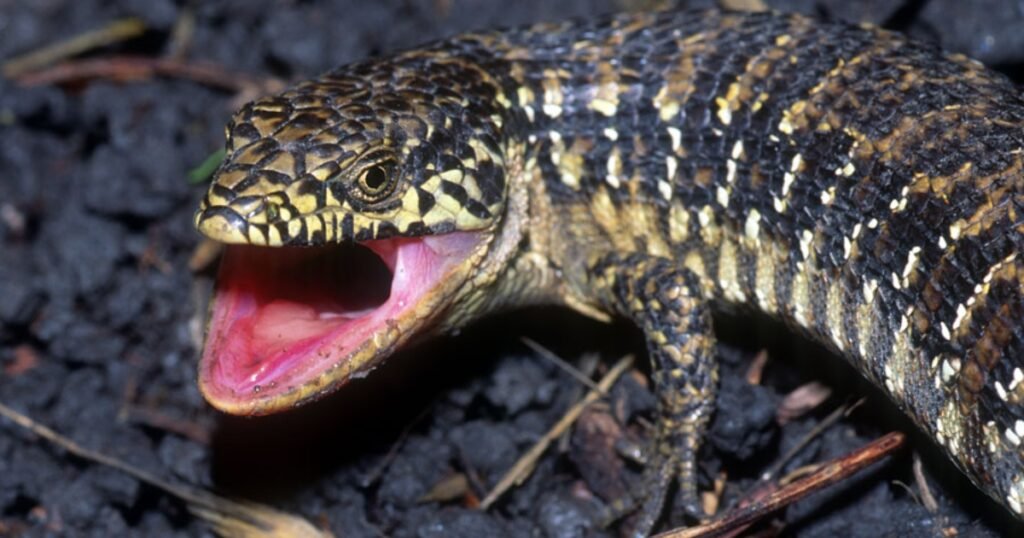
Their unique dental morphology aids in securing their catch, minimizing the chance of escape. The regenerative ability of their teeth ensures that they can rapidly replace lost or damaged teeth, a critical adaptation in the often harsh realities of their natural habitat.
This characteristic not only enhances their survival rates but also illustrates the fascinating complexity of evolutionary adaptations in lizard species.
Legless Lizard Teeth
Legless lizards, often mistaken for snakes, possess a unique dental structure that reflects their specialized diet and hunting methods. Unlike their serpentine counterparts, which rely heavily on constriction or venom, legless lizards use their sharp, recurved teeth to grasp and hold onto slippery prey.
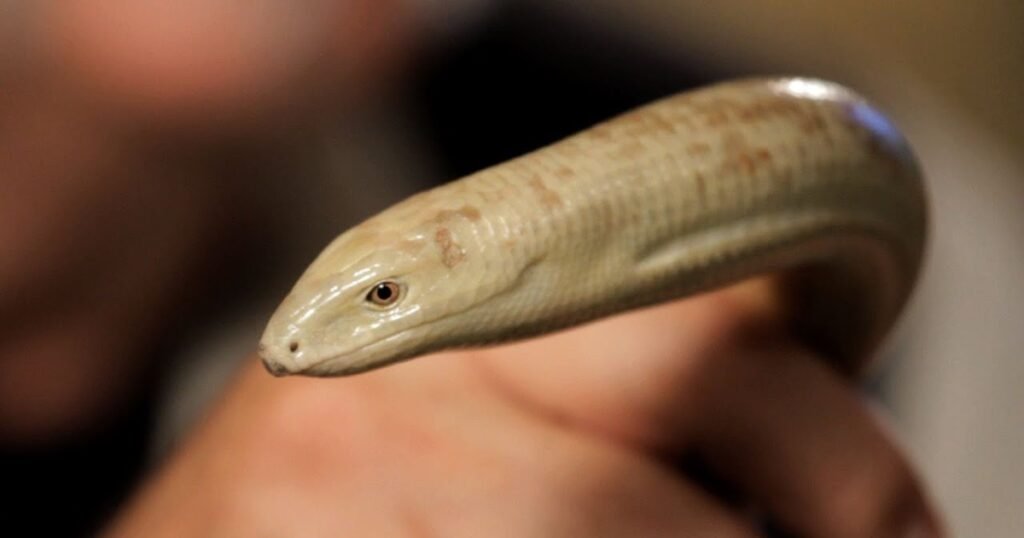
These teeth are not only efficient for catching insects and small vertebrates but also play a crucial role in their survival, allowing them to thrive in diverse habitats from arid deserts to lush grasslands.
Interestingly, the dental arrangement of legless lizards hints at their evolutionary history. Their teeth are constantly replaced throughout their lifespan, a feature reminiscent of both reptiles and certain fish, underscoring their adaptability in the face of environmental pressures.
This evolutionary strategy fosters resilience, ensuring these lizards can efficiently hunt without the constraints of wear and tear on their teeth. As researchers continue to study these fascinating creatures, examining their dental biology could reshape our understanding of reptilian evolution and behavior.
Yellow Spotted Lizard Teeth
Yellow-spotted lizards, often found lurking in arid desert environments, possess a fascinating set of teeth that reflects their unique adaptations. These small but formidable reptiles have sharp, pointed teeth specifically designed for one primary purpose: gripping and subduing prey.
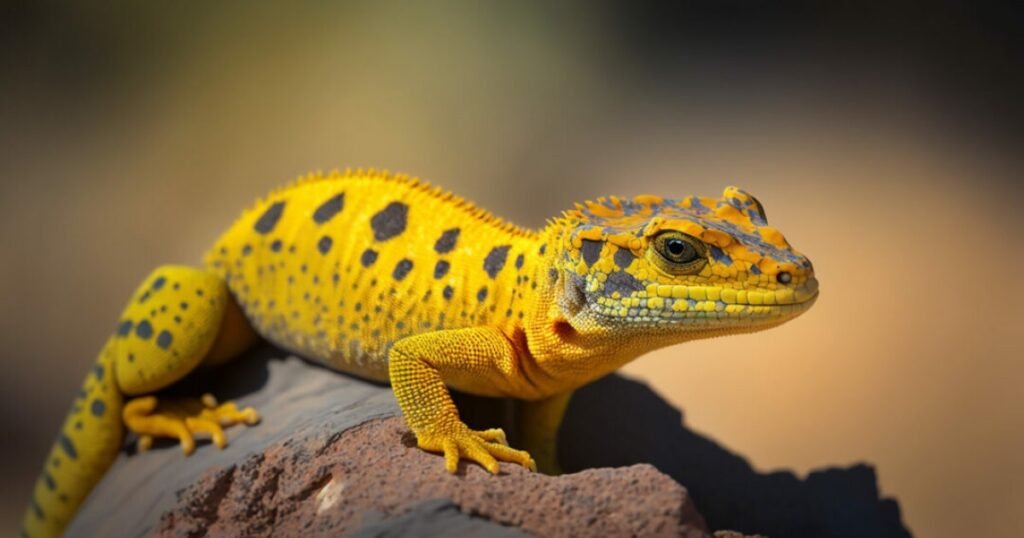
Unlike many other lizards that rely on a diet of insects, yellow-spotted lizards have a penchant for consuming small mammals, which requires them to possess an efficient method for holding onto their wriggly meals.
Their teeth not only provide the grip needed to catch elusive prey but also minimize the chances of escape, showcasing nature’s intricate balance of form and function.The teeth of the yellow-spotted lizard play a crucial role in their survival strategy.
Their powerful bite delivers a dual advantage; as they capture prey, they often rely on a quick, precise action that prevents potential threats from intervening. This efficiency is vital in a world where every moment counts, as predators and prey alike navigate the harsh realities of their environment.
Lizard Teeth Size And Structure
Lizard teeth vary dramatically in size and structure, reflecting their diverse diets and ecological niches.
Structure Of Lizard Teeth
Their teeth exhibit a fascinating array of structures that reflect their diverse dietary habits. Unlike mammals, many lizards possess acrodont teeth, which are fused to the jawbone, providing a sturdy foundation for their predatory escapades.
Some species, such as iguanas, have peg-like teeth ideal for grinding down tough plant materials, while insectivorous lizards boast sharp, pointed teeth designed for piercing soft-bodied prey. This specialized arrangement gives lizards impressive adaptability in their feeding strategies, allowing them to exploit various ecological niches.
Size of Lizard Teeth
| Lizard Type | Tooth Size | Tooth Features | Diet & Function |
| Large Carnivorous Lizards | Large & elongated | Strong and robust | Used for catching prey and crushing hard food |
| Small Lizards (e.g., Anoles) | Small & petite | Fine and pointed | Designed mainly for grasping insects |
| Different Lizard Species | Varies greatly | Adapted to feeding behavior | Tooth size supports feeding efficiency and survival |
| Regenerating Lizards | Teeth can be replaced | Continuous tooth regeneration | Helps maintain effective feeding after tooth loss |
What Were Ancient Lizard Teeth Like?
Ancient lizard teeth were as diverse as the environments they inhabited, showcasing a remarkable range of forms and functions. Unlike the homogenous, flat teeth of many modern reptiles, ancient lizards boasted serrated edges and variable shapes designed for specific diets.
For instance, some species had robust, spiky teeth ideal for crushing hard-shelled prey, while others sported needle-like structures perfect for snagging slippery fish or insects. This variation reveals not only their adaptability but also their crucial role in shaping ecosystems millions of years ago.
The way these teeth were anchored and regenerated provides fascinating insights into their evolutionary strategies. Many ancient lizards had teeth that continuously shed and replaced themselves, a feature that enhanced their chances of survival in the face of wear from their gritty diets.
Fossil evidence suggests that these teeth, often found in clusters, indicate complex feeding behaviors and provide a glimpse into the ecological niches these reptiles occupied. By studying teeth of ancient lizard, we can unravel the intricacies of prehistoric ecosystems and the evolutionary pressures that shaped one of nature’s most resilient groups.
Conclusion
The study of lizard teeth reveals a captivating interplay between form and function tailored to their ecological niches. These teeth vary widely among species, allowing lizards to thrive in various environments from insectivorous hunters to vegetation grazers.
With their unique dental adaptations, lizards provide valuable insight into the evolutionary pressures that shape animal morphology. As you continue your exploration of the reptile realm, keep an eye out for the remarkable features that define these creatures.
FAQs
Do Lizards Bite Hurt?
Lizards can bite, and while small lizard bites typically don’t cause severe pain, they can be startling and might pinch or sting a bit due to their small teeth.
Do Small Lizards Have Teeth?
Most small lizards, including house lizards, do indeed have teeth, although they are not usually sharp in the way that some animals’ teeth are.
Do House Lizards Have Teeth?
House lizards, or common geckos, possess small, conical teeth designed primarily for gripping insects rather than inflicting pain.
Does House Lizard Bite Cause Death?
Their bites are generally harmless and do not pose a risk of death, although they might cause minor irritation or an allergic reaction in rare cases.
Do Wall Lizards Have Teeth?
Yes, wall lizards do have teeth. They possess small, peg-like teeth that help them grip and hold onto their prey, which mainly consists of insects and small invertebrates.
Do Garden Lizards Have Teeth?
Garden lizards also have teeth, though they are not prominent like mammalian teeth. Their teeth are adapted for a carnivorous diet, allowing them to catch and consume various small prey effectively.