19 Animals Without Legs: Limbless Creatures (Pictures)
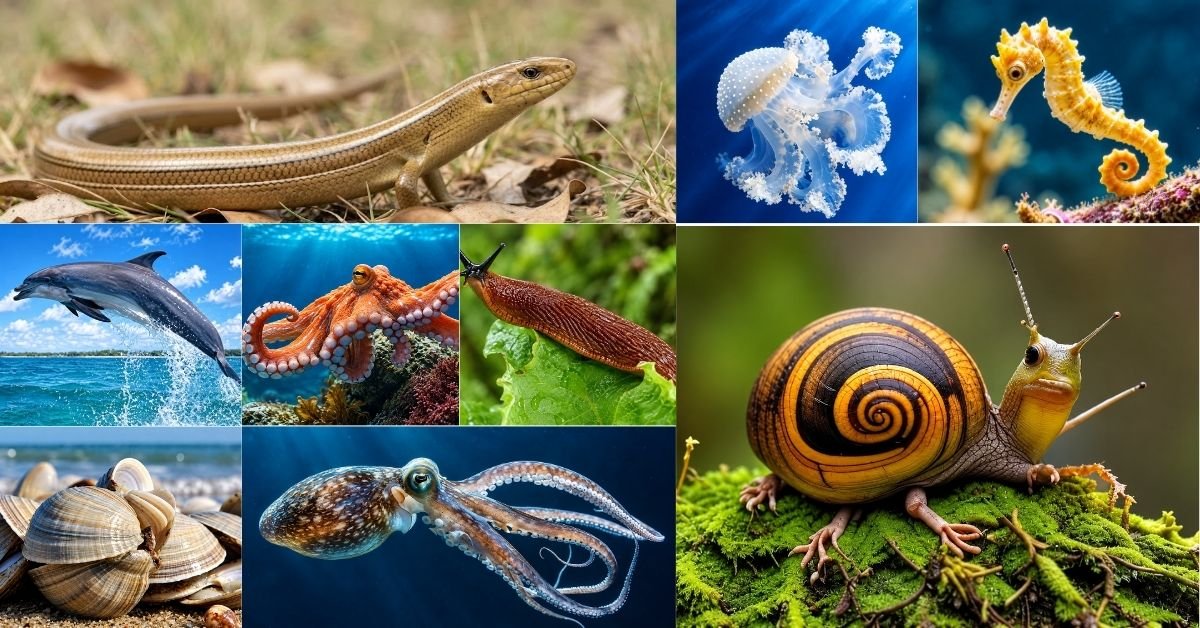
In the animal kingdom, there are a variety of species that either lack limbs altogether or have evolved to use their bodies in unique ways. This article delves into both naturally legless animals and those with modified limbs that serve different purposes, like swimming or burrowing.
As you explore the intriguing world of animals without legs, you’ll encounter stunning images and compelling facts that highlight their extraordinary adaptations.
What Are Animals Without Legs?
Animals with no legs encompass a diverse range of species that have adapted remarkably to their environments. These creatures can be completely legless, like snakes and some types of worms, or possess leg structures that are not visibly used for walking, such as certain types of fish and amphibians. The fascinating aspect of these animals that don’t have legs is their ability to thrive without conventional means of mobility.
Movement in legless animals typically relies on alternative adaptations. For instance, snakes utilize their muscles to push against the ground, allowing them to slither gracefully. In contrast, animals that have no legs, such as eels, rely on a wave-like motion of their bodies to propel themselves through water.
This adaptability showcases the incredible versatility of life, illustrating that while animals with no feet might lack traditional limbs, they possess a variety of survival strategies that enable them to navigate their environments effectively.
Animals Without Legs Quick Table
| Animal | Animal Group | How It Moves |
|---|---|---|
| Walruses | Mammal | Paddle-like flippers |
| Snakes | Reptile | Slithering |
| Sea Lions | Mammal | Galloping on land, swimming with agility |
| Legless Lizards | Reptile | Undulating movements |
| Sponges | Porifera | Stationary |
| Snails | Mollusk | Gliding on slime |
| Octopuses | Cephalopod | Jet propulsion |
| Eels | Fish | Sinuous wriggling |
| Caecilians | Amphibian | Burrowing, swimming |
| Seahorses | Fish | Upright swim using dorsal fins |
| Lampreys | Fish | Latching and wriggling |
| Earthworms | Annelid | Peristaltic movement |
| Clams | Mollusk | Burrowing |
| Squid | Cephalopod | Jet propulsion |
| Jellyfish | Cnidarian | Pulsating bell |
| Sea Cucumbers | Echinoderm | Tube feet movement |
| Whales | Mammal | Powerful tail strokes |
| Slugs | Mollusk | Gliding on slime |
| Dolphins | Mammal | Leaping and swimming |
List Of Animals With No Legs
| No. | Animal |
|---|---|
| 1 | Walruses |
| 2 | Snakes |
| 3 | Sea Lions |
| 4 | Legless Lizards |
| 5 | Sponges |
| 6 | Snails |
| 7 | Octopuses |
| 8 | Eels |
| 9 | Caecilians |
| 10 | Seahorses |
| 11 | Lampreys |
| 12 | Earthworms |
| 13 | Clams |
| 14 | Squid |
| 15 | Jellyfish |
| 16 | Sea Cucumbers |
| 17 | Whales |
| 18 | Slugs |
| 19 | Dolphins |
Walruses
| Attribute | Details |
|---|---|
| Scientific Name | Odobenus rosmarus |
| Class | Mammalia |
| Diet | Carnivorous (primarily mollusks and crustaceans) |
| Habitat | Arctic and sub-Arctic coasts, ice floes |
Walruses are fascinating marine mammals that showcase remarkable adaptations for both aquatic and terrestrial environments. In water, they glide effortlessly, buoyed by their large, streamlined bodies and powerful front flippers.
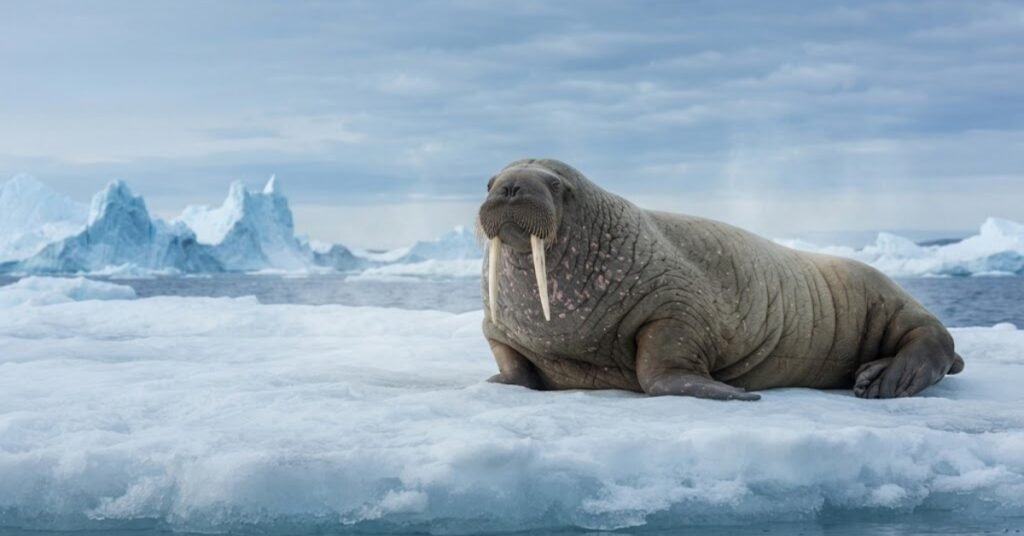
On land, however, they shift their weight, using their robust and flexible bodies to “clamber” about rather than walk relying heavily on their flippers instead of conventional legs, which are absent in these elegant creatures.
Their diet primarily consists of benthic creatures like clams and other mollusks, which they expertly forage from the ocean floor using their sensitive whiskers. Walruses are not just well-known for their size and tusks but also for their social behaviors; they often gather in large herds on ice floes or beaches, creating a vibrant scene.
One captivating fact is that walruses can dive to depths of 80 meters (over 260 feet) in search of food, holding their breath for up to 30 minutes. This impressive ability showcases their adaptation to life in some of the harshest climates on Earth.
Snakes
| Attribute | Details |
|---|---|
| Scientific Name | Serpentes |
| Class | Reptilia |
| Diet | Carnivorous |
| Habitat | Diverse (forests, deserts, wetlands, grasslands) |
Snakes exhibit remarkable mobility despite their limbless anatomy, using a combination of muscle contractions and friction against surfaces to slither. This unique locomotion comes in various forms serpentine, sidewinding, and concertina allowing these reptiles to navigate distinct terrains efficiently.
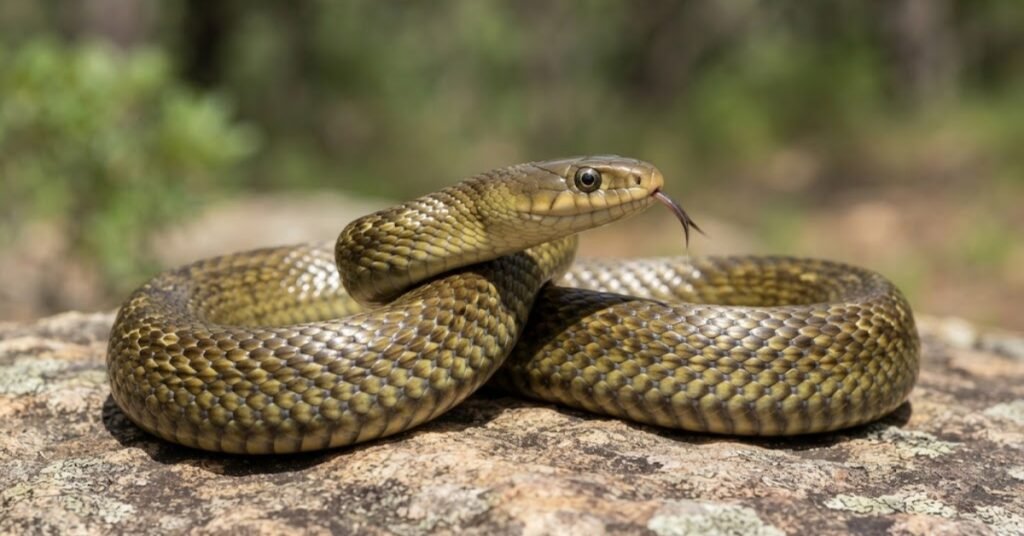
Their body structure is finely adapted for movement, with flexible rib cages and specialized scales that grip surfaces, showcasing evolution’s ingenious mechanisms for survival. In terms of habitat, snakes are remarkably versatile, thriving in environments ranging from tropical rainforests to arid deserts.
Their diet is equally varied; many species are opportunistic hunters, consuming rodents, amphibians, and even larger prey through a fascinating process of unhinging their jaws. An intriguing fact about these reptiles is that some can even detect thermal radiation, allowing them to sense warm-blooded prey in total darkness, a superb adaptation that underscores their evolutionary mastery of predation. Many snakes also rely on animal camouflage to ambush prey.
Sea Lions
| Attribute | Details |
|---|---|
| Scientific Name | Zalophus californianus |
| Class | Mammalia |
| Diet | Carnivore |
| Habitat | Coastal regions and islands |
Sea lions are remarkable marine mammals known for their unique flippers, which allow them to navigate both land and sea with agility. These fascinating creatures are often spotted basking on rocky shores, using their adaptations to rest while still being vigilant to their environment.
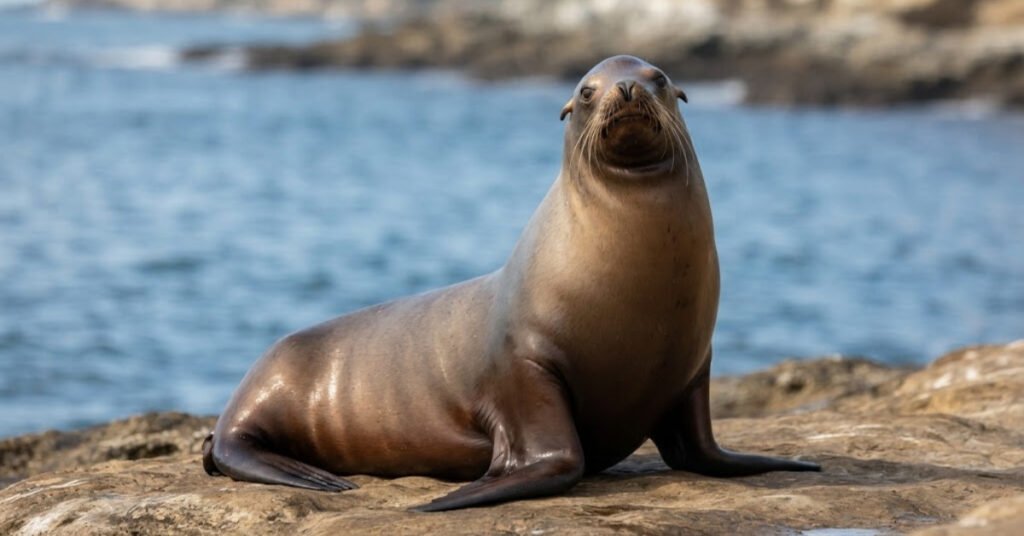
Unlike their seal cousins, sea lions possess external ear flaps and can walk on all fours, which gives them a distinctive edge on land. Diving deeper into their lifestyle, sea lions thrive in coastal regions where they forage primarily on fish, squid, and crustaceans. This dietary preference not only highlights their role in the marine food web but also demonstrates their adaptability.
One intriguing fact about sea lions is their incredible vocalizations; these social animals are highly communicative, using barks and growls to express emotions and establish social hierarchies. Their playful behavior and intelligence further endear them to marine enthusiasts, making them a popular attraction in aquariums and marine shows worldwide.
Legless Lizards
| Attribute | Details |
|---|---|
| Scientific Name | Anelytrops scabriceps |
| Class | Reptilia |
| Diet | Insects, small invertebrates |
| Habitat | Grasslands, forests, sandy soils |
Legless lizards, despite their absence of limbs, are indeed classified as lizards, belonging to the class Reptilia. Unlike snakes, which have a more streamlined body, legless lizards retain several distinguishing features, such as movable eyelids and external ear openings, which are absent in snakes.
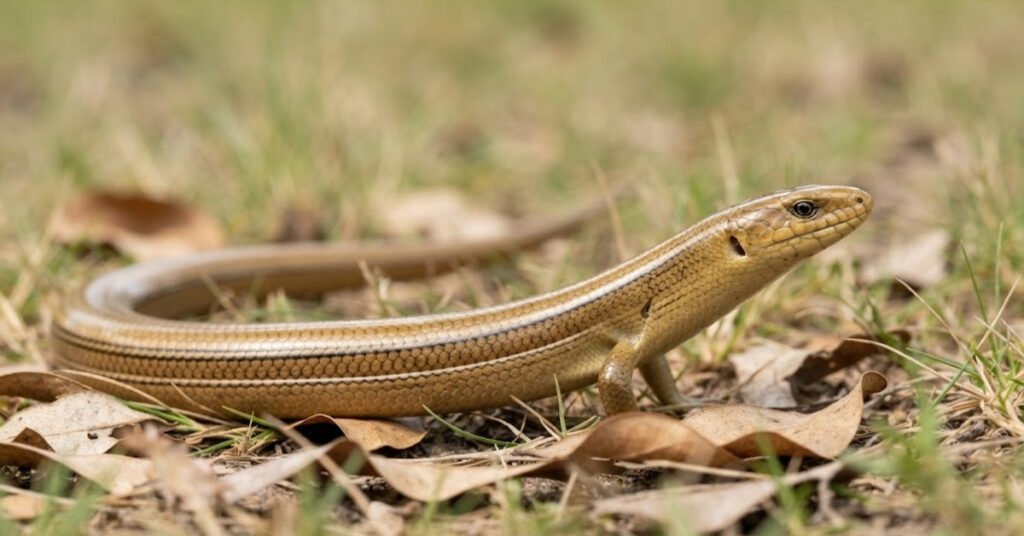
Their fascinating body structure allows them to thrive in various environments, from open grasslands to forest underbrush, where they feast on insects and small invertebrates. Movement in legless lizards is a remarkable adaptation; they use a side-to-side undulating motion, akin to serpentine locomotion, yet powered by musculature that distinguishes them from true snakes.
This unique mode of movement allows them to navigate through their habitats seamlessly, whether burrowing into the soil or darting between foliage. The combination of their adaptations highlights the complexity of reptilian evolution and prompts a deeper appreciation for these elusive creatures. To learn more about reptile anatomy, read about lizard teeth.
Sponges
| Attribute | Details |
|---|---|
| Scientific Name | Porifera |
| Class | Demospongiae |
| Diet | Filter feeder |
| Habitat | Marine (mostly) |
Sponges are intriguing animals that defy traditional expectations; they lack legs or feet but thrive in their unique, anchored lifestyles. Found predominantly in marine habitats, these simple organisms attach themselves to rocks, coral, or even the ocean floor, revealing nature’s ability to adapt.
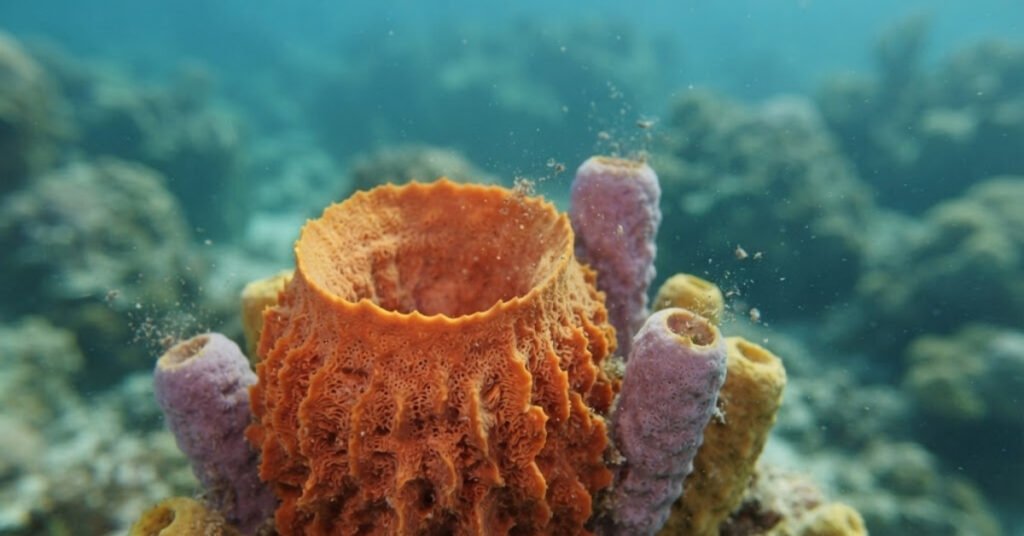
Their remarkable filtering method enables them to extract nutrients from water as it flows in and out of their porous bodies, capturing tiny particles and microorganisms. Sponges play a crucial role in marine ecosystems. By filtering large volumes of water, they help maintain water clarity and quality, allowing sunlight to penetrate deeper, which is vital for the survival of other marine life.
One fascinating aspect is their diverse range of colors and shapes, often resembling underwater sculptures. Each species of sponge acts as a habitat for various microorganisms, demonstrating a complex web of life thriving around these seemingly simple creatures.
Snails
| Attribute | Details |
|---|---|
| Scientific Name | Gastropoda |
| Class | Mollusca |
| Diet | Herbivore |
| Habitat | Terrestrial and Aquatic |
Snails may lack legs, but they possess a remarkable muscular foot that serves as their primary mode of locomotion. Unlike true legs, which generate movement through joints, the foot of a snail glides smoothly over surfaces, propelled by rhythmic contractions of its muscles.
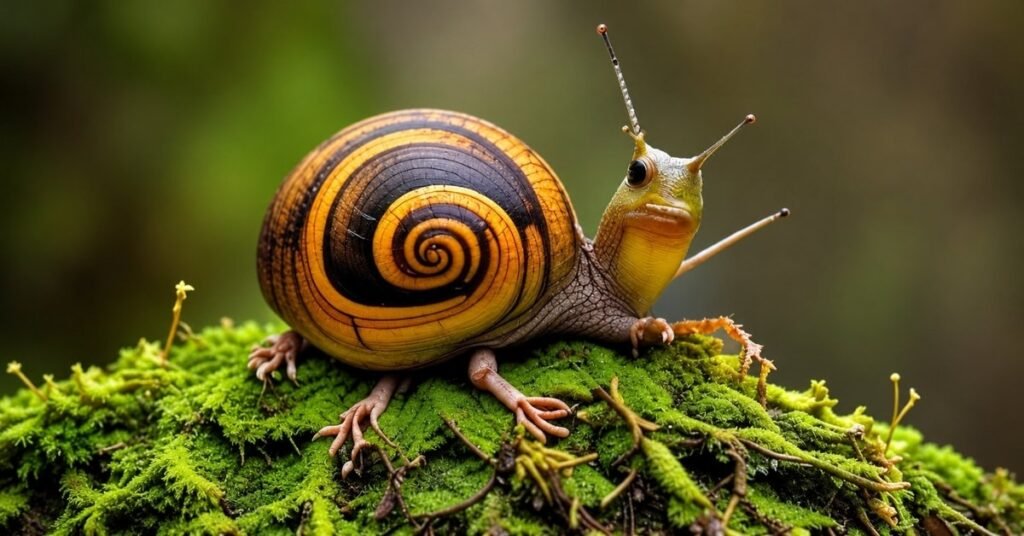
This ability allows snails to traverse various terrains from the damp undergrowth of forests to the slippery surfaces of ponds. Their diet mainly consists of plant material, algae, and decaying organic matter, showcasing their role as essential recyclers in the ecosystem.
Snails often occupy habitats that offer moisture, such as gardens, wetlands, and forest floors, but they can also thrive in aquatic environments. This versatility makes them fascinating creatures that adapt to both land and water, revealing the interconnectedness of terrestrial and aquatic ecosystems.
Octopuses
| Attribute | Details |
|---|---|
| Scientific Name | Octopus vulgaris |
| Class | Cephalopoda |
| Diet | Carnivorous |
| Habitat | Ocean floors, reefs |
Octopuses, with their eight flexible arms, showcase a remarkable blend of mobility and intelligence. Their unique method of movement combines the use of these arms with jet propulsion, allowing them to navigate swiftly and stealthily through the water. This adaptability not only aids in hunting but also plays a crucial role in escaping predators, making them masters of their underwater domain.
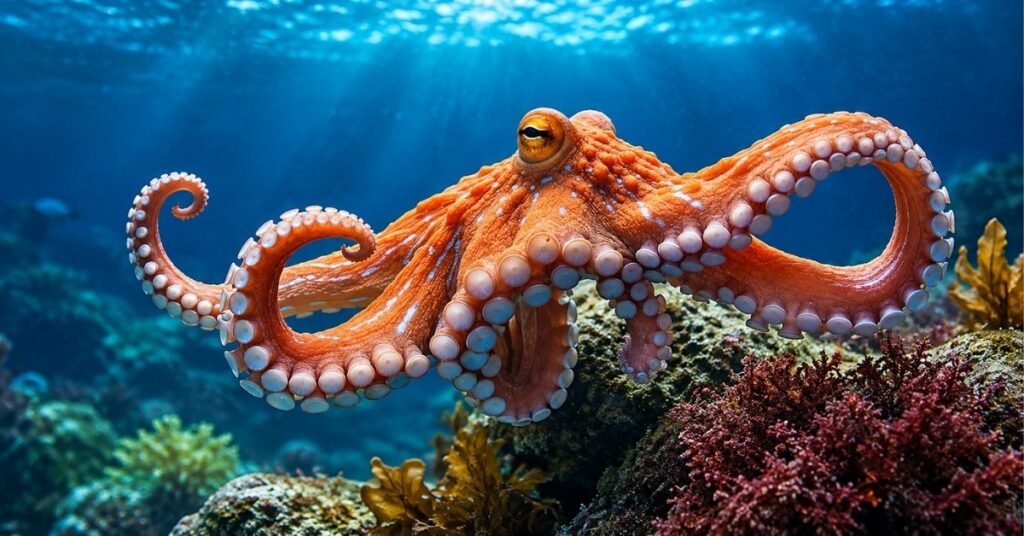
Found in a range of habitats from coral reefs to deep-sea environments octopuses are opportunistic feeders that primarily consume crustaceans and mollusks. An intriguing aspect of these creatures is their ability to change color and texture, enabling them to blend seamlessly with their surroundings.
This camouflaging ability isn’t just for escaping danger; it also serves as a sophisticated form of communication with other octopuses, showcasing their complex social behaviors despite their solitary nature.
Eels
| Attribute | Details |
|---|---|
| Scientific Name | Anguilliformes |
| Class | Actinopterygii |
| Diet | Carnivorous, mainly fish and invertebrates |
| Habitat | Freshwater and marine environments |
Eels, with their long, streamlined bodies, have evolved to be masterful swimmers despite lacking limbs. Their unique muscle structure allows them to generate a powerful, undulating motion, enabling them to glide through water efficiently. If you enjoy aquatic species, explore our guide to the types of fishes.
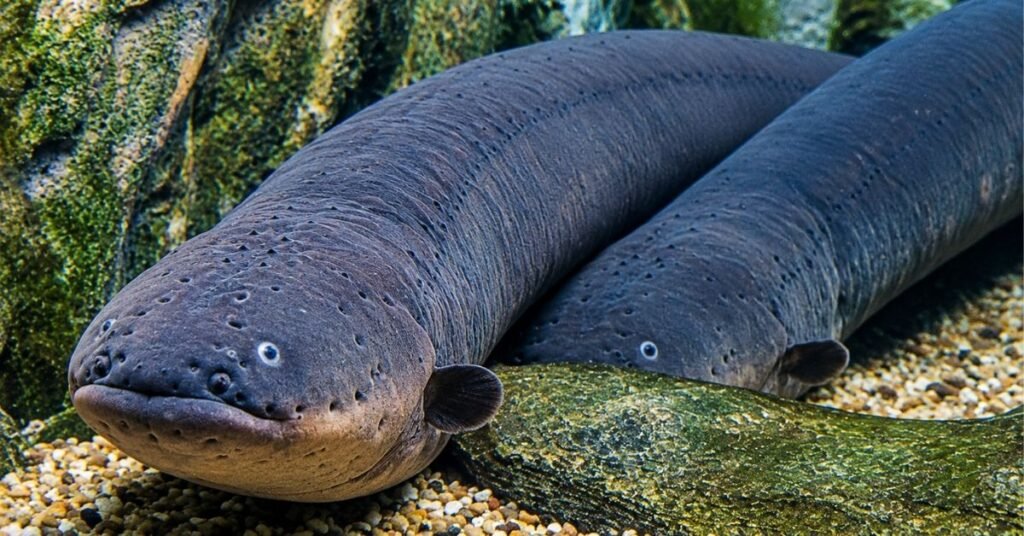
This adaptability is particularly evident in their choice of habitat, ranging from murky freshwater rivers to the depths of the ocean, showcasing their versatility as both predators and survivors. Their carnivorous diet primarily consists of smaller fish and invertebrates, making them crucial players in aquatic ecosystems.
Eels have developed fascinating hunting techniques, including ambushing prey from their hiding spots among rocks and vegetation. This blend of agility and stealth not only enhances their survival but also underscores their integral role in maintaining the balance of their aquatic environments.
As researchers continue to study these enigmatic creatures, the complexities of their behavior and ecology reveal just how interconnected life in our water bodies truly is.
Caecilians
| Attribute | Details |
|---|---|
| Scientific Name | Gymnophiona |
| Class | Amphibia |
| Diet | Primarily invertebrates |
| Habitat | Tropical and subtropical regions, often burrowed in soil or leaf litter |
Caecilians are fascinating legless amphibians that slip through the earth like an underground serpent. Unlike snakes, they belong to the amphibian class and possess unique features such as moist skin and the ability to breathe through their skin, traits uncharacteristic of reptiles.
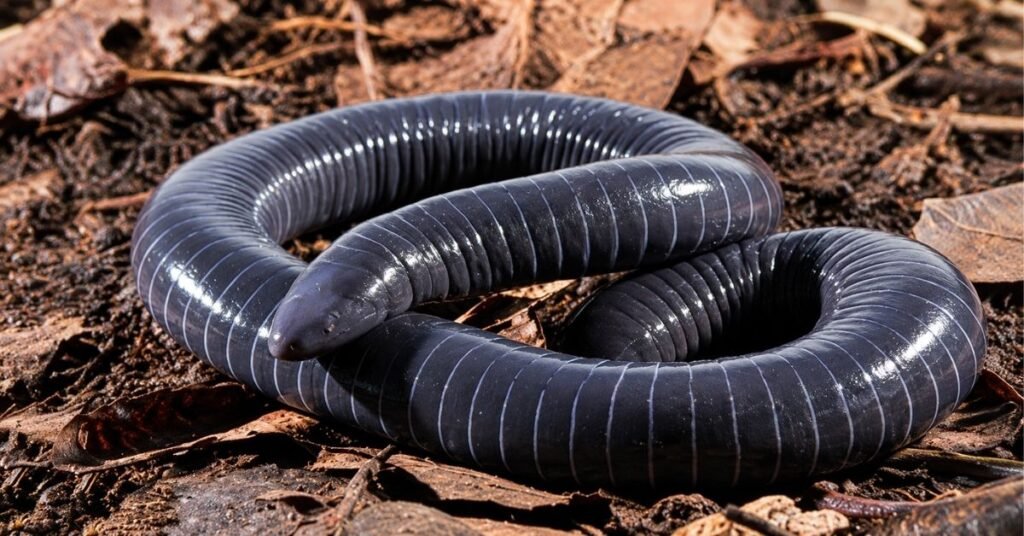
Their burrowing behavior not only aids in avoiding predators but also allows them to remain unseen in their subterranean habitats, much like other burrowing animals, where they thrive in the damp, rich soil of tropical and subtropical regions.
An interesting fact about caecilians is their remarkable capacity for regeneration; some species can regrow tails, making them a subject of interest for scientists studying tissue repair. This ability, alongside their distinctive methods of locomotion and reproductive strategies, paints a vivid picture of a creature that is as mysterious as it is unique, challenging common perceptions of amphibians.
Their hidden lives remind us that the natural world is teeming with marvels, often overlooked just beneath our feet.
Seahorses
| Attribute | Details |
|---|---|
| Scientific Name | Hippocampus spp. |
| Class | Actinopterygii |
| Diet | Carnivorous (mostly small crustaceans) |
| Habitat | Shallow coastal waters, coral reefs, estuaries |
Seahorses are truly remarkable creatures, embodying a unique charm with their horse-like heads and elongated bodies, but they don’t possess traditional limbs. Instead of legs or feet, they rely on their dorsal fin, which beats rapidly to propel them forward, while their tiny pectoral fins allow for subtle adjustments and maneuverability.
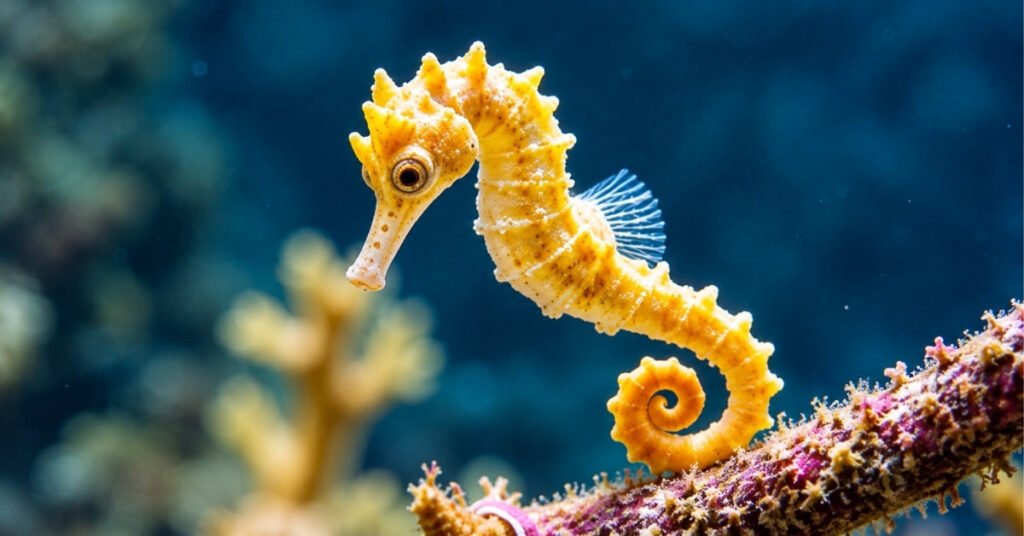
This unconventional mode of swimming adds to their whimsical allure, making them fascinating subjects of study in marine biology. These intriguing fish thrive in the safety of shallow coastal waters, often seeking refuge among seagrasses and coral reefs where they can camouflage themselves against predators.
Their diet primarily consists of small crustaceans, showcasing their unique feeding mechanism: they use a specialized snout to suck in their prey. One of the most captivating aspects of seahorses is their reproductive behavior; males carry and nurture the offspring in a special brood pouch, turning traditional roles on their head in the underwater realm.
This curious method of reproduction not only enhances their survival but also deepens our understanding of the diverse strategies species employ in the wild. Seahorses are also among the rarest fish that need protection.
Lampreys
| Attribute | Details |
|---|---|
| Scientific Name | Petromyzontidae |
| Class | Agnatha |
| Diet | Parasitic, carnivorous |
| Habitat | Freshwater and coastal waters |
Lampreys are fascinating creatures marked by their elongated, jawless bodies, which can stretch up to three feet in length. Their unique morphology allows them to glide easily through water, thanks to their undulating movements powered by muscular contractions along their bodies.
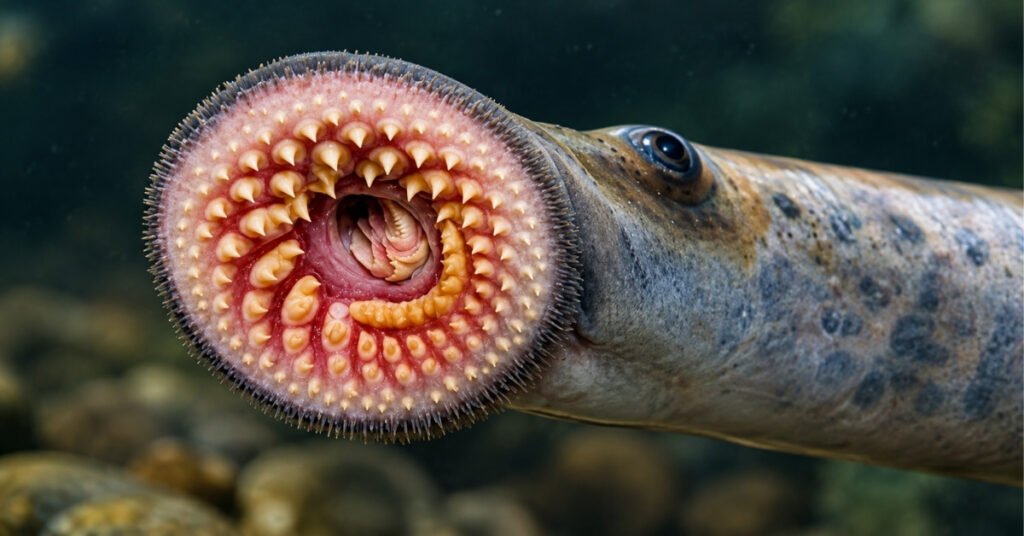
Unlike many fish, lampreys lack paired fins, adapting instead to their streamlined form for efficient swimming. Primarily found in freshwater environments and coastal marine areas, lampreys exhibit parasitic feeding behaviors, attaching to fish and feeding on their blood. Their specialized mouth, lined with numerous sharp teeth, enables them to anchor securely to their hosts.
Lampreys play a crucial role in aquatic ecosystems, influencing fish populations and serving as bioindicators of environmental health. Their enigmatic lifecycle, which includes a phase of living burrowed in sediment, adds to their allure and complexity within the aquatic food web.
Earthworms
| Attribute | Details |
|---|---|
| Scientific Name | Lumbricus terrestris |
| Class | Oligochaeta |
| Diet | Detritivore |
| Habitat | Moist, dark soil |
Earthworms are fascinating creatures, moving through the earth with a remarkable grace that belies their lack of legs. Their muscular bodies consist of several segments, allowing them to contract and expand, effectively inching forward.
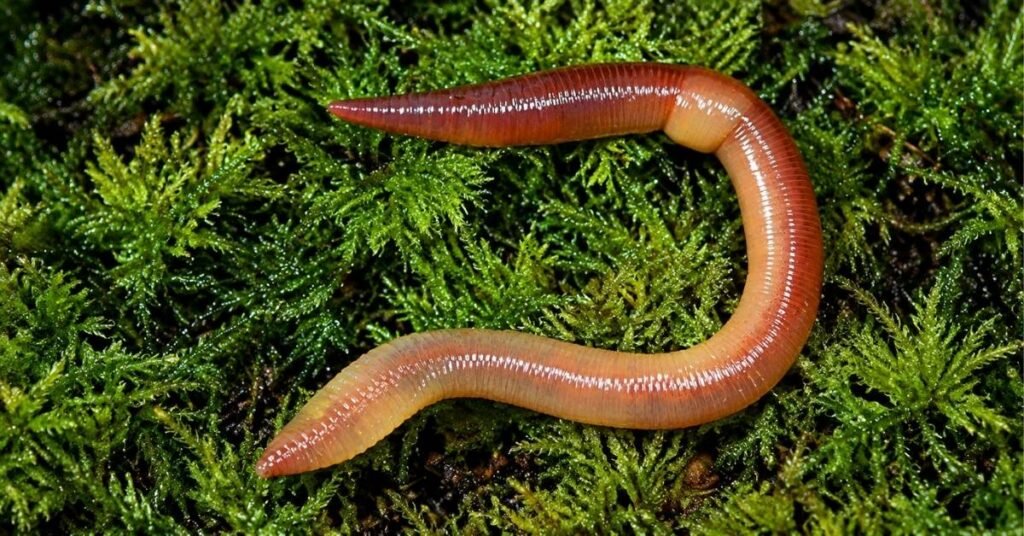
Each segment is equipped with tiny bristle-like structures called setae, which grip the soil as the earthworm burrows deeper, creating a complex network of tunnels that aerate the soil and promote healthy plant growth.
Their habitats are typically moist and rich in organic matter, vital for optimal functioning in the ecosystem. Earthworms dine primarily on decaying leaves and organic debris, breaking down these materials and enriching the soil with nutrients. This process not only enhances soil fertility but also plays a crucial role in carbon cycling, underscoring their importance in the larger tapestry of life.
By understanding the subtle elegance of earthworm movement and their integral role in soil health, we can appreciate how these unsung heroes contribute to the sustainability of our environment.
Clams
| Attribute | Details |
|---|---|
| Scientific Name | Various |
| Class | Bivalvia |
| Diet | Filter feeders |
| Habitat | Marine and freshwater |
Clams are fascinating creatures, lacking traditional legs or feet yet equipped with a robust muscular foot that serves multiple purposes. This foot is not just for locomotion; it enables clams to burrow deep into sediment, providing both protection from predators and a stable environment for feeding.
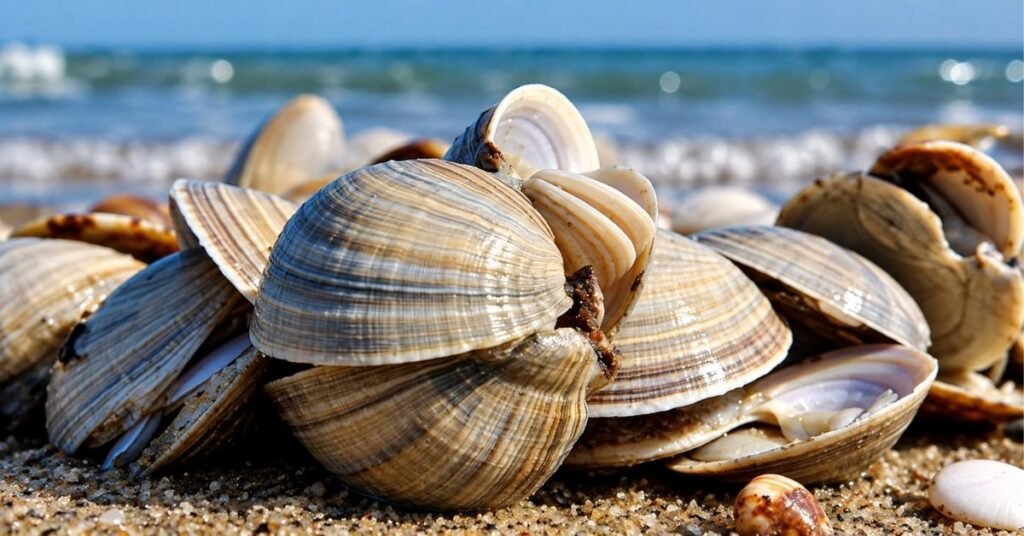
Depending on the species, they can move by pushing their foot into the substrate and traveling forward, or they can dig their way down into the sand or mud to escape environmental stressors.
These filter feeders thrive in various habitats, from the sandy shores of coastal environments to the murky depths of freshwater lakes. They draw in water, extracting microscopic plankton and nutrients, showcasing a unique adaptation that supports their survival.
Clams play a critical role in ecosystems, often improving water quality by filtering pollutants and excess nutrients. Their existence not only offers a window into the dynamics of aquatic life but also highlights the interconnectedness of marine ecosystems.
Squid
| Attribute | Details |
|---|---|
| Scientific Name | Loligo pealei |
| Class | Cephalopoda |
| Diet | Carnivorous |
| Habitat | Oceanic waters |
Squids are intriguing creatures, utilizing a unique combination of arms and tentacles for an agile hunting strategy. Their arms, typically shorter and equipped with suckers, are used for grasping prey, whereas their longer, more flexible tentacles serve to ensnare fast-moving targets. This specialization allows squids to exhibit remarkable dexterity as they thrive in diverse marine environments.
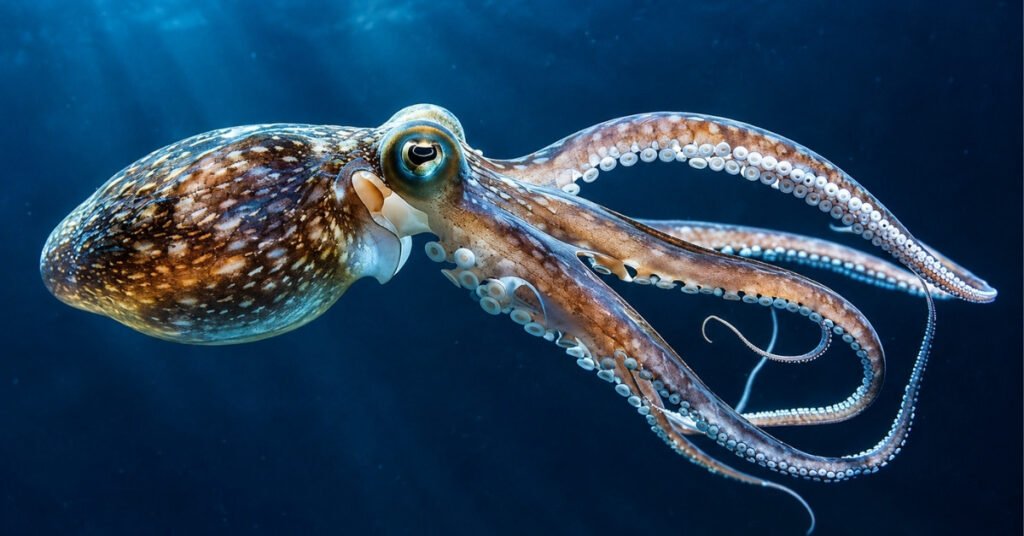
Jet propulsion is another remarkable feature of squids, allowing them to rapidly escape predators. By expelling water from their mantle cavity, they can achieve impressive speeds, showcasing their extraordinary adaptability. Their fins, which run along the sides of their bodies, aid in steering and stabilization while swimming, giving them increased maneuverability in their oceanic habitat.
Generally found in deep or coastal waters, squids are masterful predators, employing a varied diet primarily consisting of fish and crustaceans. The intricate balance of their anatomy and behavior demonstrates nature’s elegance in crafting efficient survivors of the sea.
Jellyfish
| Attribute | Details |
|---|---|
| Scientific Name | Scyphozoa |
| Class | Scyphozoa |
| Diet | Carnivorous (small fish, plankton, and other marine organisms) |
| Habitat | Oceans and coastal waters |
Jellyfish are fascinating creatures that glide through the water with a grace unique to their gelatinous form. Lacking legs or feet, they rely on rhythmic contractions of their bell-shaped bodies to propel themselves, creating mesmerizing pulsations that allow for movement.
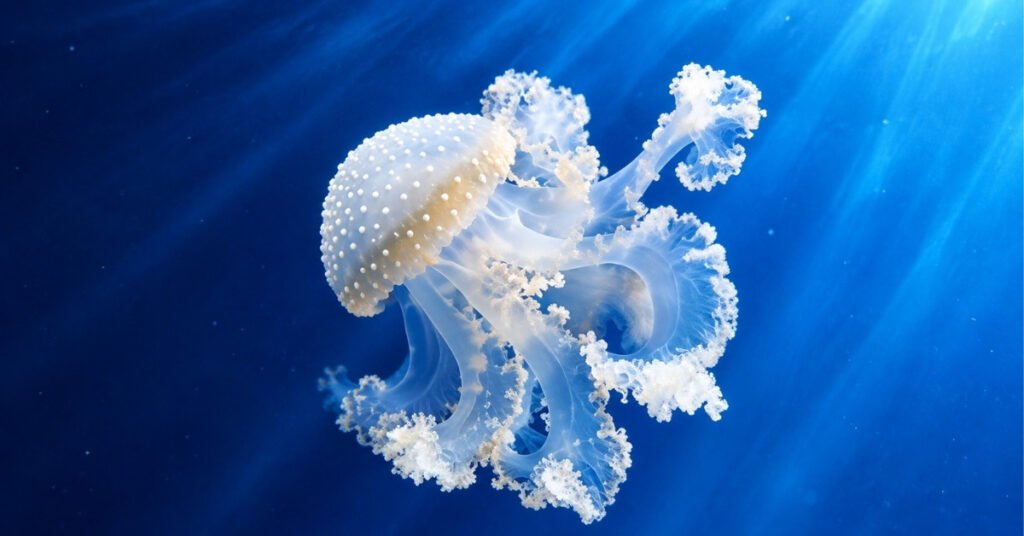
Their long, trailing tentacles serve multiple essential functions: they contain specialized cells called cnidocytes, which release venom to capture prey and defend against predators, ensuring survival in both coastal and oceanic habitats.
These enigmatic animals thrive in a variety of underwater environments, from shallow coastal zones to deep ocean waters. Their diet primarily consists of plankton and small fish, obtained through a passive feeding strategy; as they drift with currents, they ensnare unsuspecting prey in their tentacles.
This unique predatory behavior underscores the delicate balance of marine ecosystems and highlights the jellyfish’s role as both predator and prey, showcasing their adaptable nature and ecological significance.
Sea Cucumbers
| Attribute | Details |
|---|---|
| Scientific Name | Holothuroidea |
| Class | Echinoidea |
| Diet | Detritivore |
| Habitat | Ocean floors, coral reefs |
Sea cucumbers possess a soft, elongated body that helps them blend seamlessly into their ocean environment. Unlike conventional legs, their tube feet function as suction devices, allowing them to maneuver across the seafloor and grip surfaces effectively. They use a combination of these tube feet and body contractions to glide gracefully through their habitats.
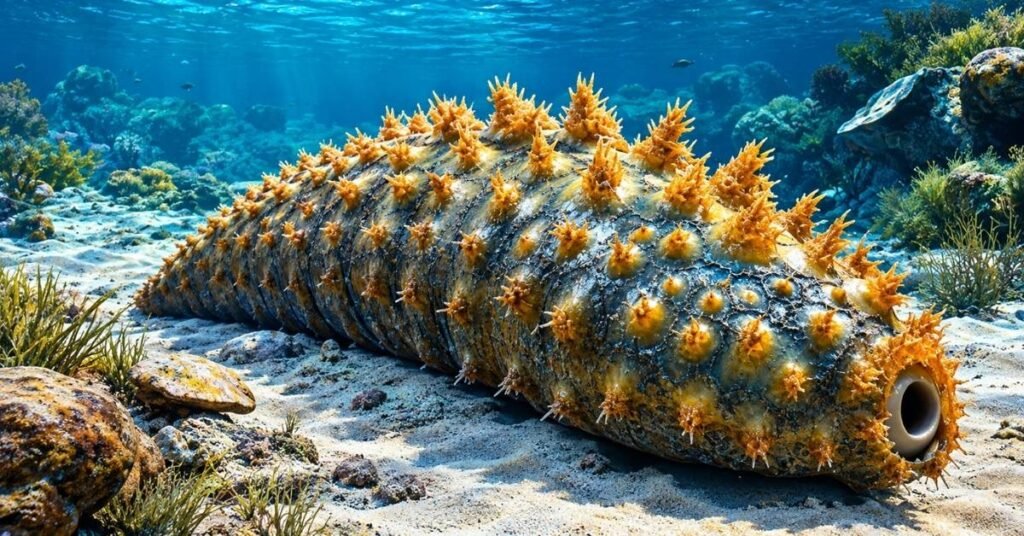
Living primarily on the ocean floor, sea cucumbers thrive in various marine ecosystems, from deep-sea trenches to vibrant coral reefs, where they play a vital role in recycling nutrients. Being detritivores, their diet mainly consists of decaying organic matter, enabling them to filter out essential nutrients from the sediment.
An interesting fact is that sea cucumbers can expel their internal organs to evade predators, and then regenerate them later, showcasing a remarkable adaptability that continues to fascinate marine biologists.
Whales
| Attribute | Details |
|---|---|
| Scientific Name | Mysticeti (baleen whales), Odontoceti (toothed whales) |
| Class | Mammalia |
| Diet | Plankton, small fish, squid |
| Habitat | Oceans and some river systems |
Whales, despite being mammals, have evolved fascinating adaptations over millions of years, losing their external walking legs in favor of a streamlined body designed for life in the water. Instead of legs, their front limbs are transformed into flippers, enabling them to navigate through diverse marine environments with grace and agility. The powerful tail flukes play a crucial role in propulsion, allowing these giants to glide effortlessly through vast oceanic expanses.
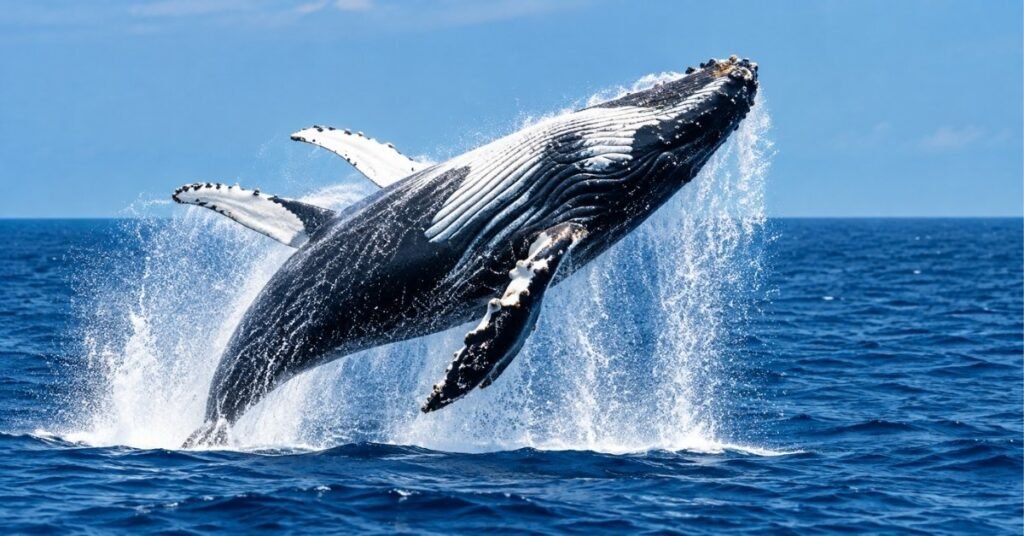
Their habitats are as varied as their diets, which can range from microscopic plankton to large fish and squid, depending on whether they’re baleen or toothed whales. While some species thrive in the colder polar regions, others prefer warmer tropical waters, showcasing an incredible adaptability.
This unique lifestyle not only demonstrates the vastness of marine ecosystems but also raises awareness about the delicate balance of these habitats, urging us to protect the oceans that sustain such magnificent creatures. Whales are also among the biggest animals in the world.
Slugs
| Attribute | Details |
|---|---|
| Scientific Name | Gastropoda |
| Class | Gastropoda |
| Diet | Herbivorous, feeding mainly on plant material and decaying organic matter |
| Habitat | Moist environments, such as gardens, forests, and wetlands |
Slugs, those fascinating mollusks, glide effortlessly across surfaces, showcasing their incredible adaptation to life without legs. Instead, they rely on a muscular foot that contracts and expands to propel them forward. This movement is enhanced by a layer of mucus that reduces friction and helps them navigate both rough and smooth terrains.
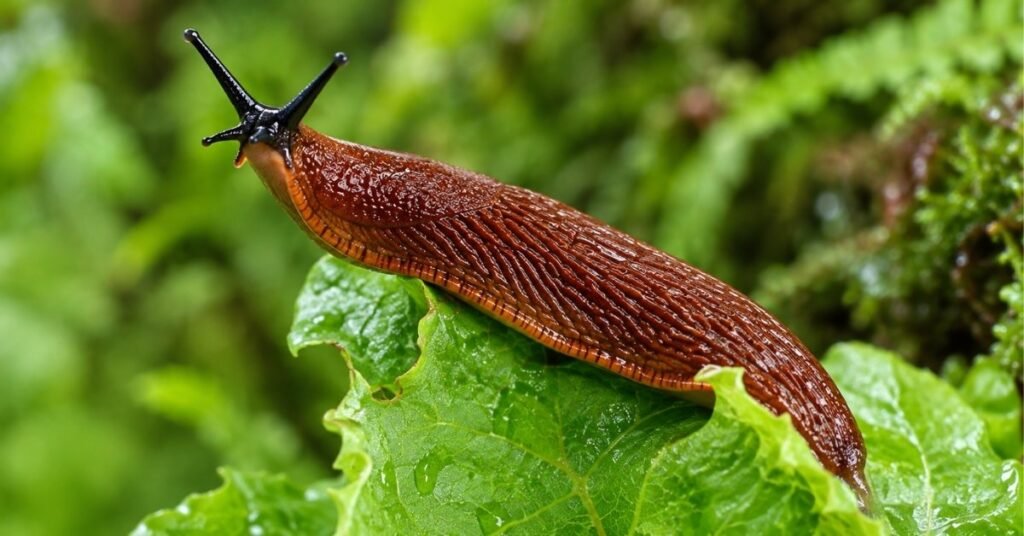
Their habitats are typically rich in moisture, which is essential for their survival, making gardens and damp forests their favored homes. While both slugs and snails fall under the gastropod family, the absence of a protective shell is a defining characteristic of slugs. This absence could signify greater freedom of movement, but it also exposes them to greater risks from predators and environmental conditions.
This lack of a shell might also enhance their ability to absorb moisture through their skin, a vital trait since they thrive in damp habitats. Understanding these unique adaptations invites us to appreciate the slug’s role in our ecosystems, highlighting their contributions to decomposition and soil health.
Dolphins
| Attribute | Details |
|---|---|
| Scientific Name | Delphinidae |
| Class | Mammalia |
| Diet | Carnivorous |
| Habitat | Oceans & Rivers |
Dolphins, remarkable marine mammals, navigate the waters with their streamlined bodies, powerful flippers, and distinctive tail flukes. Unlike land mammals, they lack external legs for walking but have evolved perfectly adapted appendages that enhance their agility and grace in aquatic environments.
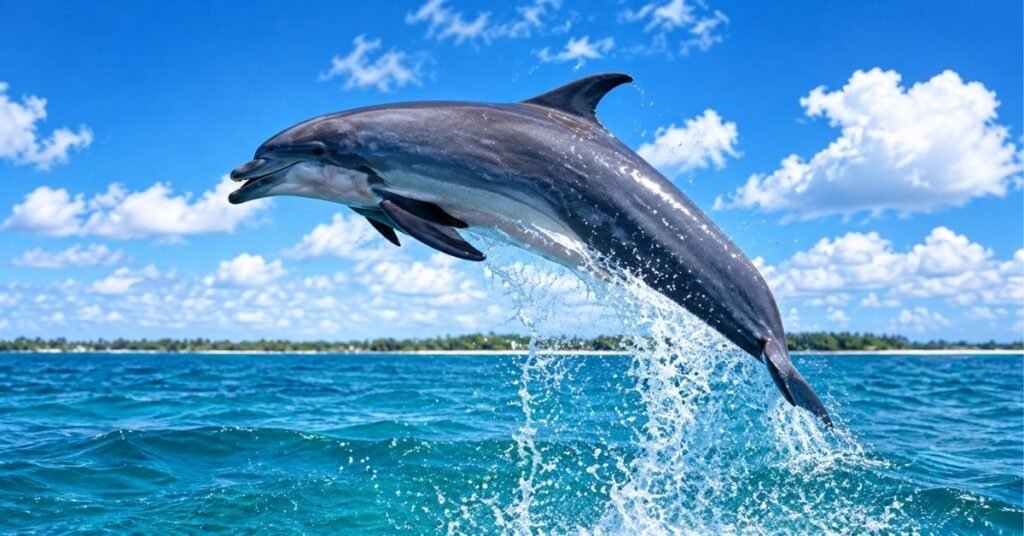
These adaptations allow them to reach impressive speeds while swimming, often leaping exuberantly in and out of the water. Primarily carnivorous, dolphins feast on a diet rich in fish, squid, and crustaceans, showcasing their sophisticated hunting techniques, including the use of echolocation to locate prey. They are found in a diverse range of habitats, from the deep ocean to coastal areas and even in some river systems.
An interesting fact about dolphins is their complex social structures; they exhibit strong bonds and often engage in cooperative behaviors, demonstrating a level of intelligence that continues to astound scientists and animal lovers alike. Their playful nature and social complexity make them not only captivating animals but also important indicators of marine ecosystem health.
Animals With No Feet VS Animals Without Legs
Understanding the distinction between animals with no feet and those without legs opens up a fascinating discussion on adaptation and evolution. While animals devoid of legs like whales and dolphins utilize streamlined bodies and flippers to navigate water, those with no conventional feet such as octopuses and sea cucumbers employ specialized limbs for dexterity and movement.
For instance, octopuses leverage their tentacles, which are lined with sensitive suckers, to grasp and manipulate objects, showcasing an incredible level of intelligence and adaptability. In contrast, snails possess muscular “feet” that serve as their primary means of locomotion, allowing them to glide across surfaces despite lacking legs in the traditional sense.
Both adaptations reflect unique evolutionary strategies, emphasizing that feet, fins, and arms serve distinct purposes in the ongoing quest for survival.
| Feature | Animals With No Feet | Animals Without Legs |
|---|---|---|
| Examples | Whales, Dolphins | Octopuses, Snails, Sea Cucumbers |
| Locomotion | Flippers for swimming | Tentacles or muscular feet |
| Body Structure | Streamlined bodies | Soft-bodied, diverse structures |
| Adaptation | Aquatic navigation | Manipulative ability |
| Environment | Open waters | On substrates/sea beds |
| Sensory Organs | Echolocation (whales) | Highly developed suckers (octopuses) |
Conclusion
Exploring the fascinating world of animals without legs reveals the incredible diversity of adaptations in nature. From the graceful movements of snakes to the unique swimming techniques of certain fish, these legless creatures demonstrate that survival comes in many forms.
Their absence of legs often leads to remarkable evolutionary traits that allow them to thrive in their environments. Understanding these animals not only enriches our knowledge of biodiversity but also underscores the importance of conservation efforts.
FAQs
What Are The Animals Without Legs Guess 5 Answers?
The 5 most common answers for animals without legs are snakes, eels, earthworms, jellyfish, and slugs.
Do Any Mammals Have No Legs?
Yes, some mammals, like whales and dolphins, have evolved to possess no legs as adaptations for their aquatic environments.
Do Any Snakes Have Legs?
No, snakes are legless reptiles, but some species, like the legless skink or certain lizards, evolved to resemble them and have reduced or no legs, though true snakes do not possess legs at all.
Which Animal Has No Legs?
Snakes, eels, earthworms, jellyfish, and sea cucumbers are all animals that have no legs.