Top 25 Animals That Gallop (With Pictures)
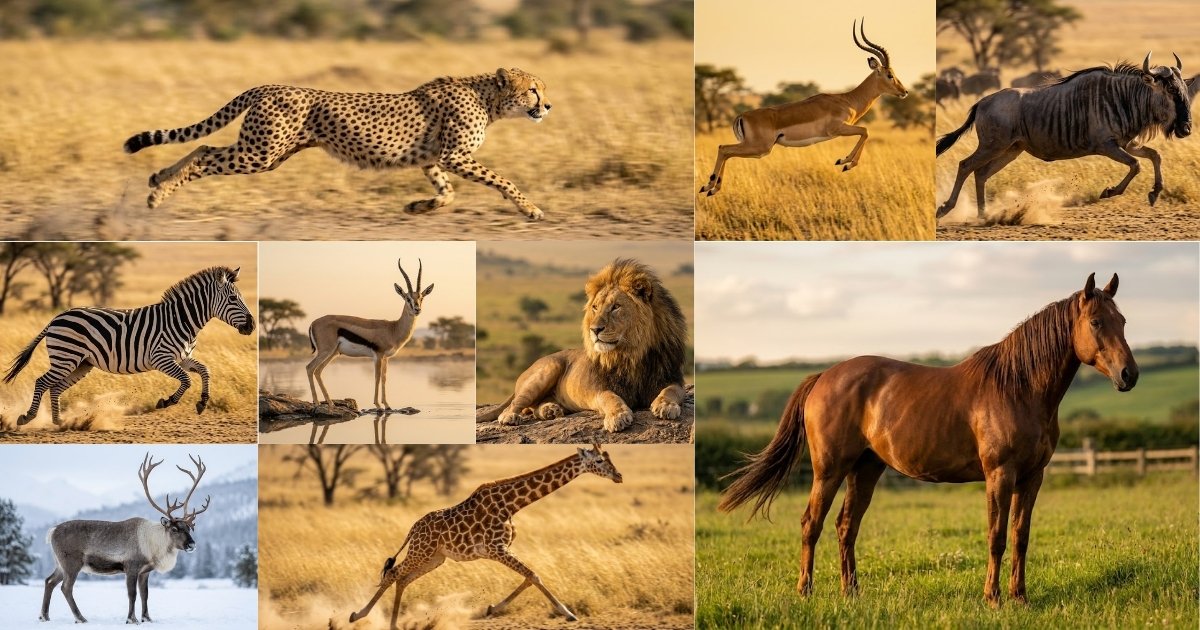
Galloping isn’t just impressive; it’s an essential skill for survival in the animal kingdom. In this blog post, we’ll examine the top 25 animals that gallop, highlighting how this ability aids them in escaping predators or catching prey.
Join us as we dive into the world of these incredible creatures, complete with stunning pictures that capture their grace in motion.
What Is Meant By Galloping In Animals?
Galloping, in the context of animal locomotion, is defined as a fast, four-beat gait commonly observed in quadrupedal animals, where all four legs move in a distinct rhythmic pattern. During this movement, the animal first places its rear legs down, followed by the front, creating an elegant burst of speed that projectiles their body forward.
Unlike running, bounding, or leaping which often involve simultaneous leg movement galloping showcases a unique sequence that maximizes both momentum and stability. Horses are classic examples of animals that gallop, embodying the grace and power associated with this gait.
As their powerful hindquarters propel them, they stretch their front legs forward, resulting in a fluid motion that can be mesmerizing to observe. It’s important to note that not every fast-running animal gallops; for instance, cheetahs primarily use a different style of sprinting that emphasizes acceleration through a series of rapid strides rather than a classic gallop.
Understanding these distinctions reveals the fascinating diversity in adaptive movements among animals that gallops.
List Of Animals That Gallop
Many animals that move by galloping use this fast, rhythmic movement to travel efficiently across open areas. From horses and zebras to deer and antelopes, galloping helps these animals cover ground quickly while escaping predators or chasing prey.
| # | Animal |
|---|---|
| 1 | Horse |
| 2 | Cheetah |
| 3 | Pronghorn |
| 4 | Springbok |
| 5 | Blackbuck Antelope |
| 6 | Greyhound |
| 7 | Giraffe |
| 8 | Zebra |
| 9 | Wildebeest |
| 10 | Elk |
| 11 | Reindeer (Caribou) |
| 12 | Impala |
| 13 | Gazelle |
| 14 | Lion |
| 15 | African Wild Dog |
| 16 | Grey Wolf |
| 17 | Leopard |
| 18 | Coyote |
| 19 | Red Fox |
| 20 | Warthog |
| 21 | Bison |
| 22 | Hippopotamus |
| 23 | Camel |
| 24 | Jackrabbit |
| 25 | Dog |
Horse
| Attribute | Details |
|---|---|
| Common Name | Horse |
| Scientific Name | Equus ferus caballus |
| Class | Mammalia |
| Diet | Herbivore |
| Habitat | Grasslands, savannahs, and domesticated environments |
The gallop of a horse, characterized by its powerful four-beat rhythm, showcases the elegance and efficiency of this majestic animal. Unlike the commonly perceived galloping mechanism, where horses are described as ‘leaping’, their actual movement involves a complex interplay of biomechanics that allows for maximum speed often reaching up to 55 mph in wild species like the American Quarter Horse.
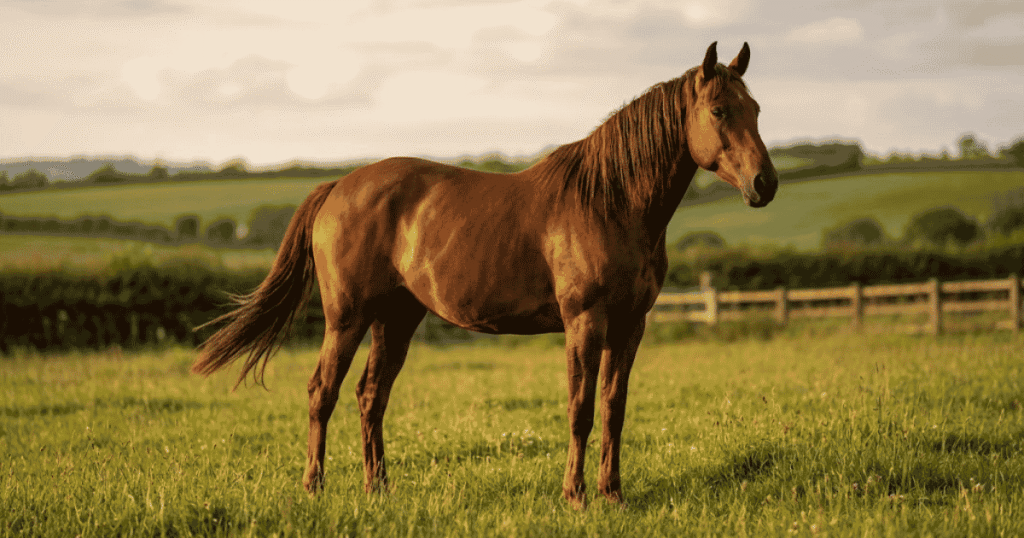
This dynamic motion not only demonstrates physical prowess but also underscores a horse’s natural ability to escape predators, making galloping an instinctive response ingrained in their evolution. Domesticated horses retain this instinctual prowess, thriving in environments that replicate their ancestral habitats, such as grasslands and open fields.
As they adapt to various ecosystems, their sociability and trainability transform them into indispensable companions in human society. This melding of wild behavior with domestication provides fresh insights into how horses not only gallop for survival but also embody a spirit of freedom that captivates the hearts of countless enthusiasts around the world.
Cheetah
| Attribute | Details |
|---|---|
| Scientific Name | Acinonyx jubatus |
| Class | Mammalia |
| Diet | Carnivore |
| Habitat | Savannas, grasslands, and arid regions |
The cheetah, renowned for its high-speed pursuits, exhibits a unique running gait characterized by a blend of both galloping and striding mechanics. While technically classified as a “galloper,” the cheetah’s extraordinary acceleration and speed stem from its highly flexible spine, which allows for an unprecedented range of motion during sprints.
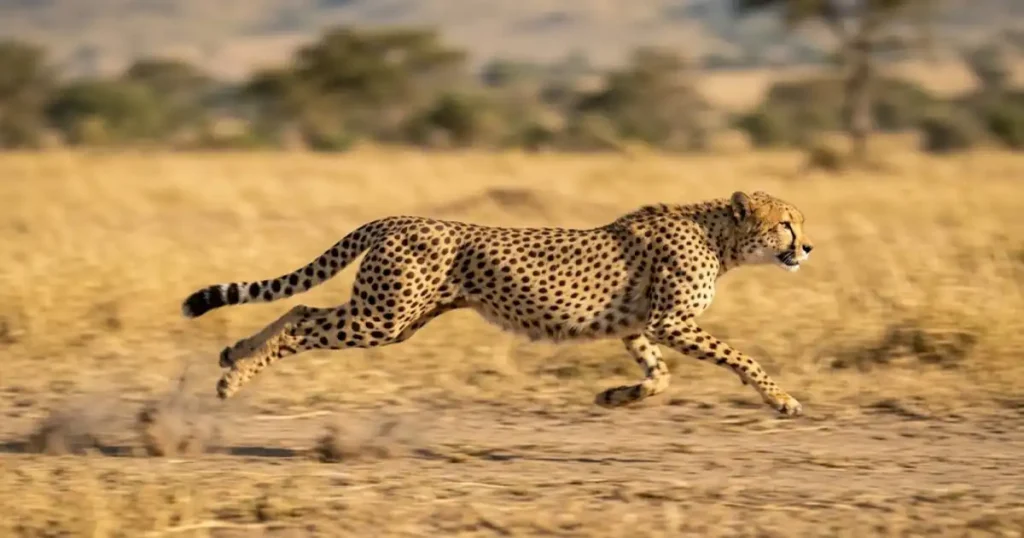
This flexibility enables the animal to stretch its limbs far apart, minimizing contact time with the ground and maximizing its sprinting efficiency. During a chase, the cheetah can reach speeds of up to 75 miles per hour, but what truly sets it apart is its ability to accelerate from 0 to 60 miles per hour in just a few strides.
This remarkable capacity for speed is perfectly adapted for hunting in open terrains, where it relies on short bursts of energy to ambush prey. By combining explosive power, sophisticated limb mechanics, and keen eyesight, the cheetah showcases not only the art of galloping but also the instinctual prowess necessary for survival in the wild.
Pronghorn
| Attribute | Details |
|---|---|
| Scientific Name | Antilocapra americana |
| Class | Mammalia |
| Diet | Herbivore |
| Habitat | Open grasslands |
The pronghorn, often mistaken for an antelope, showcases a remarkable blend of speed and endurance. With impressive adaptations for high-speed locomotion, it can reach speeds up to 55 mph, making it one of the fastest land animals in North America.
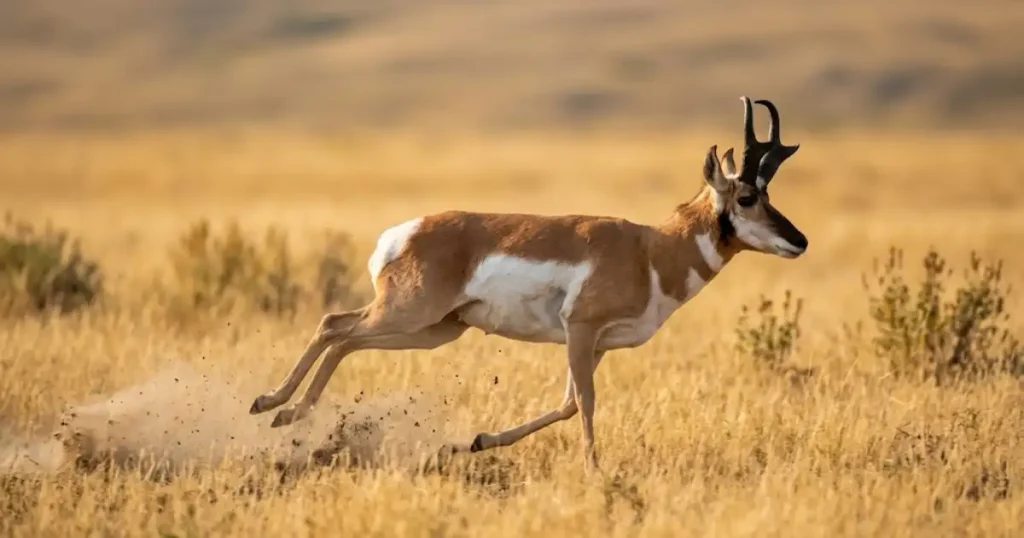
Unlike many of its predators, the pronghorn excels not just in sprinting but also in long-distance running, allowing it to traverse vast open grasslands where it calls home. This unique trait is crucial for evasion; it can outrun even the fastest predators for considerable distances.
The pronghorn’s galloping movement is not just a display of speed; it represents an evolutionary response to historical threats. With the extinction of the formidable American cheetah, the pronghorn adapted to a life of endurance, developing a bounding pattern that conserves energy for prolonged escapes.
Their swift, graceful gait serves as a reminder of the delicate balance between predator and prey in the natural world, redefining the concept of survival in an ever-changing environment. This incredible creature demonstrates that speed is about more than just quick bursts; it’s about the art of endurance and adaptation.
Springbok
| Attribute | Details |
|---|---|
| Scientific Name | Antidorcas marsupialis |
| Class | Mammalia |
| Diet | Herbivore |
| Habitat | Savannas, grasslands |
The springbok, a striking antelope native to southern Africa, captivates onlookers with its remarkable agility and speed. This animal can reach speeds of up to 55 km/h (34 mph) during a gallop, enabling it to navigate the vast, open landscapes of its habitat while escaping predators such as lions and cheetahs.
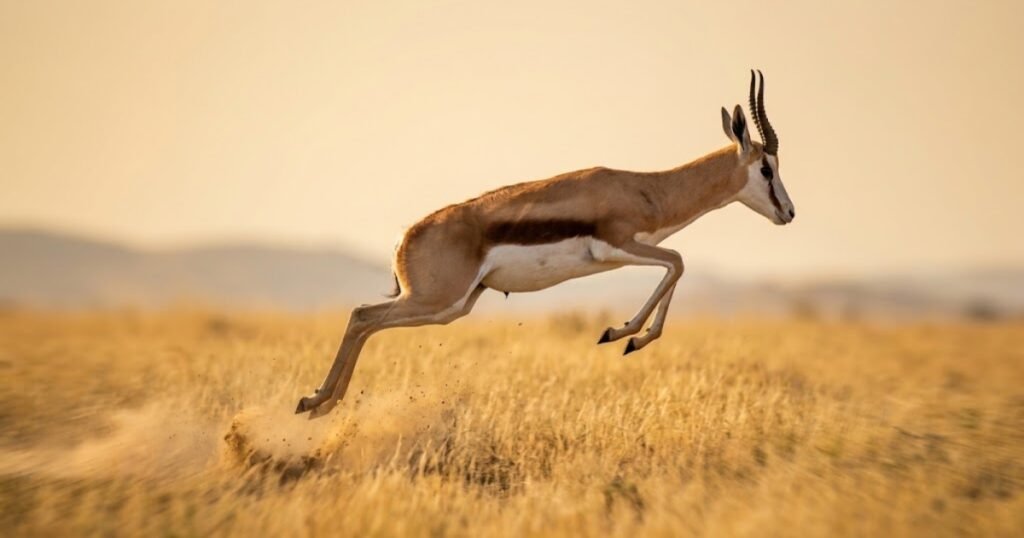
But what truly sets the springbok apart is its unique “pronking” behavior, where it leaps into the air with all four legs, showcasing its acrobatic prowess. While galloping is primarily a means of rapid escape, pronking serves as a display of fitness and vitality, possibly confusing predators and signaling to other springboks.
Understanding the differences between pronking and galloping adds depth to the springbok’s intriguing behavior. Galloping is a straightforward escape mechanism, allowing the animal to cover ground swiftly.
In contrast, pronking combines elegance with a purpose: it’s believed to help communicate the individual’s health status, deter foes, and unite their herd. Observing the springbok in its natural habitat reveals a creature perfectly adapted to the rigors of survival, using both speed and agility in a remarkable dance of life amid Africa’s breathtaking landscapes.
Blackbuck Antelope
| Attribute | Details |
|---|---|
| Scientific Name | Antilope cervicapra |
| Class | Mammalia |
| Diet | Herbivore |
| Habitat | Open grasslands and scrublands |
The Blackbuck Antelope, a strikingly agile creature, is celebrated for its impressive gallop that can reach speeds of up to 50 km/h. With long, slender legs designed for high-speed locomotion, these antelopes can elegantly traverse their open grassland habitats, showcasing their remarkable adaptation to outrun predators.
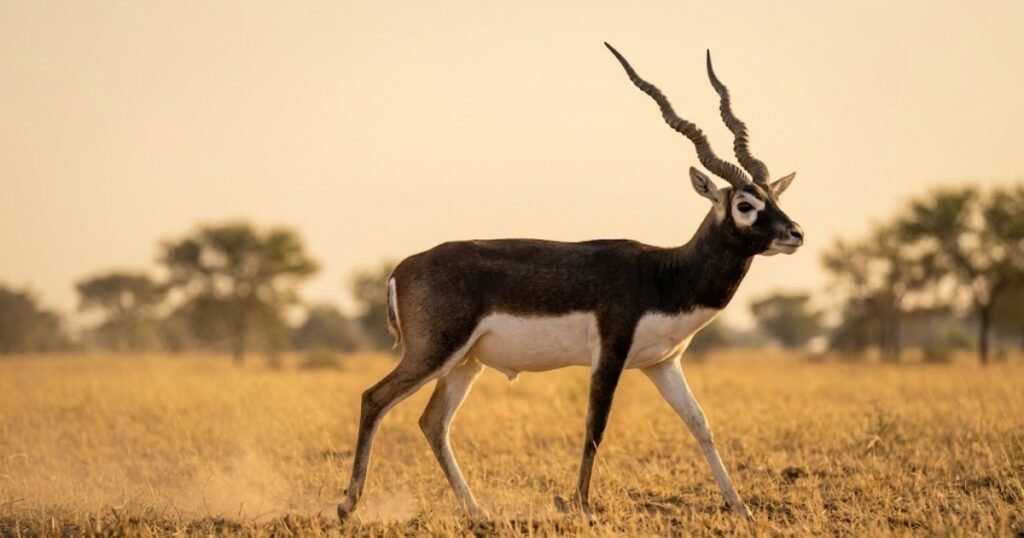
Their escape strategy is not just about speed; it includes sharp, nimble turns and unpredictable movement patterns that leave many would-be captors baffled. In addition to their athleticism, Blackbucks possess a unique social structure, often forming herds that enable collaborative vigilance against threats.
This dynamic not only enhances individual survival but also fosters a rich social fabric among the members. Observing these antelopes in their natural habitat reveals how their swift galloping does more than escape predators; it plays a vital role in shaping the ecosystem, influencing the distribution of grassland vegetation and other species within their territory. The elegance of the Blackbuck’s run is a reminder of nature’s intricate balance and the relentless pursuit of survival.
Greyhound
| Attribute | Details |
|---|---|
| Scientific Name | Canis lupus familiaris |
| Class | Mammalia |
| Diet | Carnivore |
| Habitat | Domestic and wild environments |
Greyhounds are the epitome of speed in the animal kingdom, recognized for their distinctive racing gait and remarkable ability to cover short distances in astonishing times. Their double-suspension gallop where all four legs leave the ground simultaneously maximizes speed and efficiency.
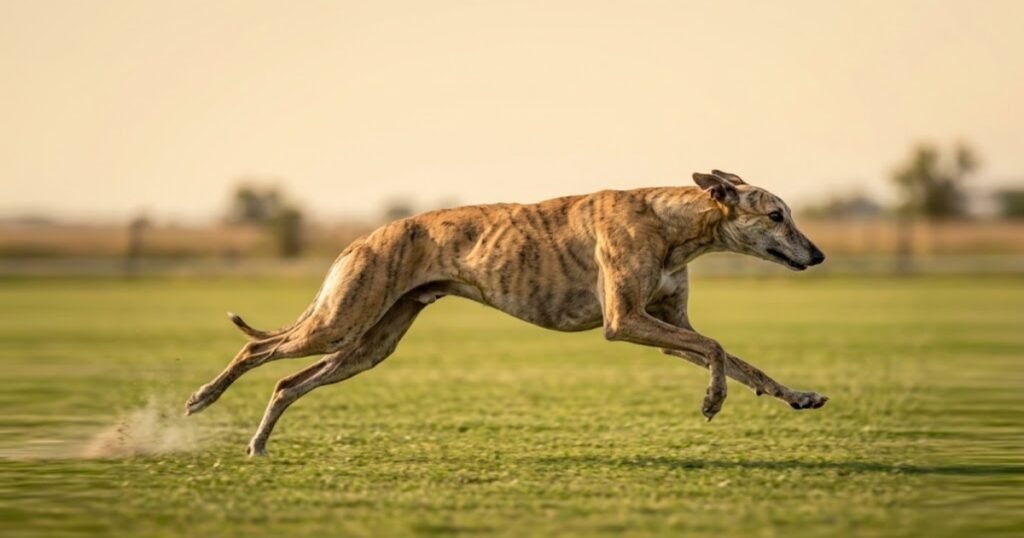
This unique locomotion is complemented by a highly flexible spine that allows for an extended stride, enabling these dogs to reach breathtaking velocities, sometimes up to 45 miles per hour. What sets greyhounds apart from other breeds is not only their physical attributes but also their unique temperament.
Though they are famous for their prowess on the racetrack, many are surprisingly laid-back companions off the track, often dubbed “couch potatoes.” This duality highlights a fascinating aspect of their nature: a creature built for speed yet equally comfortable in stillness, showcasing how intrinsic traits can coexist harmoniously in the animal world.
As such, greyhounds not only captivate audiences with their speed but also invite admiration for their gentle and affectionate demeanor.
Giraffe
| Attribute | Details |
|---|---|
| Scientific Name | Giraffa camelopardalis |
| Class | Mammalia |
| Diet | Herbivore |
| Habitat | Savannas and open woodlands in Africa |
The giraffe’s running gait is as extraordinary as its towering stature, characterized by a unique, almost galloping motion where both legs on one side move in unison. This remarkable adaptation allows giraffes to reach speeds of up to 37 miles per hour in short bursts, a striking contrast to their usually languid demeanor.
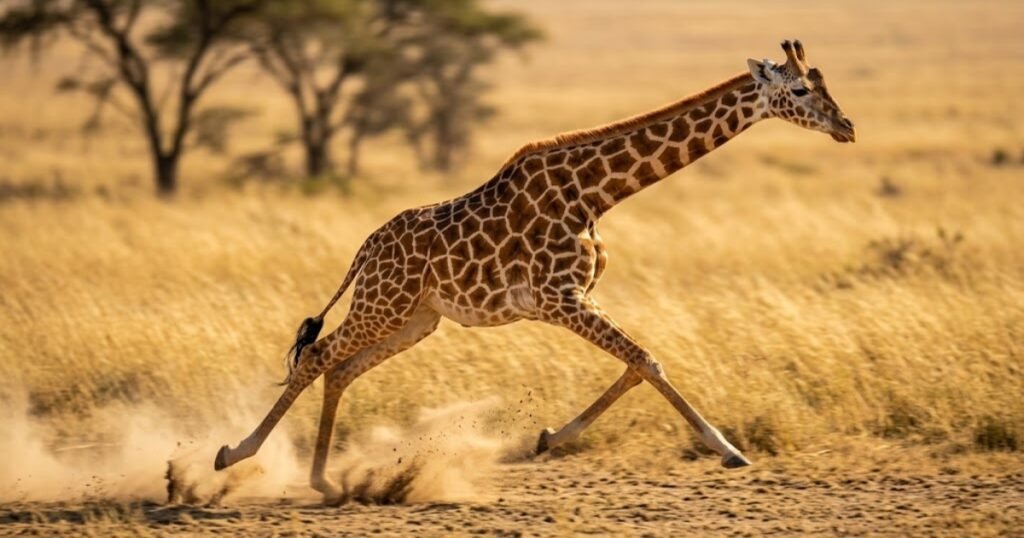
Their lengthy legs and graceful neck not only define their appearance but also play a crucial role in this unusual locomotion, enabling them to maintain balance and agility even when sprinting. Despite their surprising speed, giraffes primarily rely on their height for survival, using it to spot predators from afar while grazing on the treetops.
When threatened, their gallop-like movement becomes a fascinating display of evolution, showcasing how the seemingly awkward coordination translates into efficiency. This unique gait serves as a reminder that nature’s designs often defy our expectations, revealing the intricate balance of beauty and function in the animal kingdom.
Zebra
| Attribute | Details |
|---|---|
| Scientific Name | Equus zebra |
| Class | Mammalia |
| Diet | Herbivore |
| Habitat | African grasslands |
Zebras are iconic for their striking black-and-white stripes and their unique galloping abilities. Often seen together in large herds, these social animals utilize their impressive running gait not just for the thrill of speed but primarily as a survival strategy.
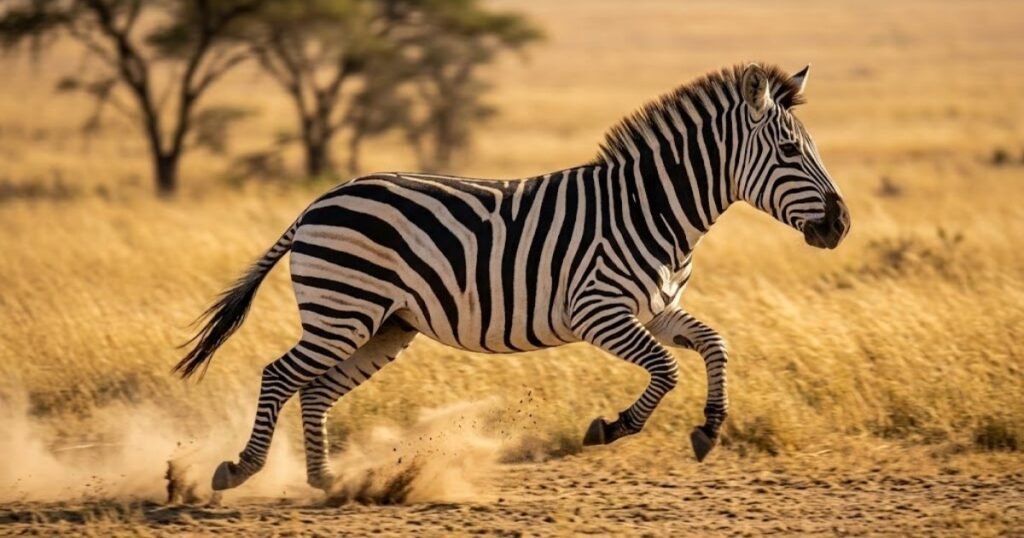
When predators, such as lions or hyenas, approach, their synchronized movement creates a mesmerizing display of stripes that confuses potential threats, allowing the herd to escape more effectively.
In the vast African grasslands, zebras demonstrate remarkable agility and stamina. Their galloping stride can reach speeds of up to 40 miles per hour, a vital trait in a landscape filled with dangers.
This keen ability to outrun predators, coupled with their instinct to remain in groups, highlights an exquisite adaptation to their environment. Observing a herd of zebras in motion, one can’t help but appreciate the intricate dance of survival that unfolds in the wild.
Wildebeest
| Attribute | Details |
|---|---|
| Scientific Name | Connochaetes taurinus |
| Class | Mammalia |
| Diet | Herbivore |
| Habitat | Savannas and grasslands |
The wildebeest, with its powerful galloping gait, epitomizes the art of sustained running. These remarkable animals embark on epic migrations, covering distances that can exceed 1,500 miles in search of fresh pastures and water. This remarkable endurance not only showcases their physical prowess but also serves a crucial role in predator avoidance.
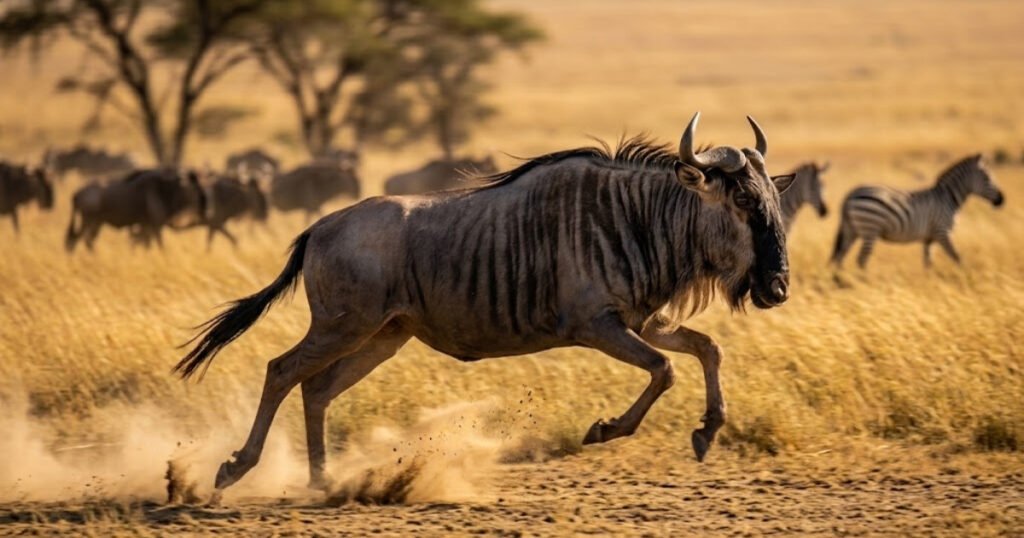
When confronting threats like lions or hyenas, the wildebeest’s instinctive sprint can mean the difference between life and death, as fleeing in a tightly packed herd creates confusion for predators. The herds’ synchronized movements during migration also play a critical role in shaping the ecosystems they traverse.
As they graze, the wildebeest actively contribute to nutrient cycling, promoting the growth of new grass and supporting countless other species. This natural dance of survival emphasizes a profound interconnectedness in the African savanna, highlighting how one species governs the rhythm of life for an entire landscape, showcasing the elegance and resilience of nature in a truly mesmerizing way.
Elk
| Attribute | Details |
|---|---|
| Scientific Name | Cervus canadensis |
| Class | Mammalia |
| Diet | Herbivore |
| Habitat | Mountains and woodlands |
Elk are remarkable creatures that showcase the power and elegance of the animal kingdom with their impressive gallop. Their strong, muscular legs allow them to navigate the difficult terrains of mountain meadows and dense woodlands, making them incredibly adept at evasion.
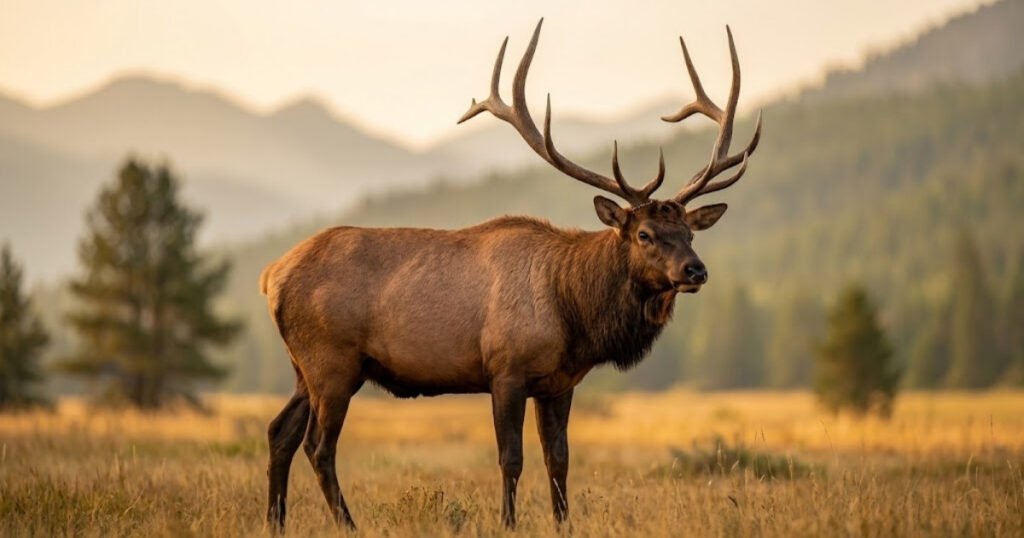
When faced with danger, elk can reach speeds of up to 45 miles per hour, showcasing a combination of strength and agility that many predators struggle to match. This escape behavior not only highlights their athletic prowess but also underscores their evolutionary adaptations to the diverse landscapes they inhabit.
Seasonal movements play a significant role in elk behavior; during autumn and winter, they often migrate to lower elevations, seeking food and shelter. This instinctual migration is crucial for survival, as it determines their access to resources that fluctuates with the seasons.
Observing elk gallop across vast expanses provides a mesmerizing glimpse into their life cycle, where speed is not only a means of escape but also an essential aspect of their survival strategy. In this way, elk are not only symbols of strength and grace in the wild but also reminders of the delicate balance within their ecosystems.
Reindeer (Caribou)
| Attribute | Details |
|---|---|
| Scientific Name | Rangifer tarandus |
| Class | Mammalia |
| Diet | Herbivore |
| Habitat | Arctic and subarctic regions |
Reindeer, or caribou, are remarkable creatures known for their incredible ability to gallop across vast, treacherous terrains. They are uniquely adapted for life in the harsh Arctic and subarctic habitats, where their hooves act as natural snowshoes.
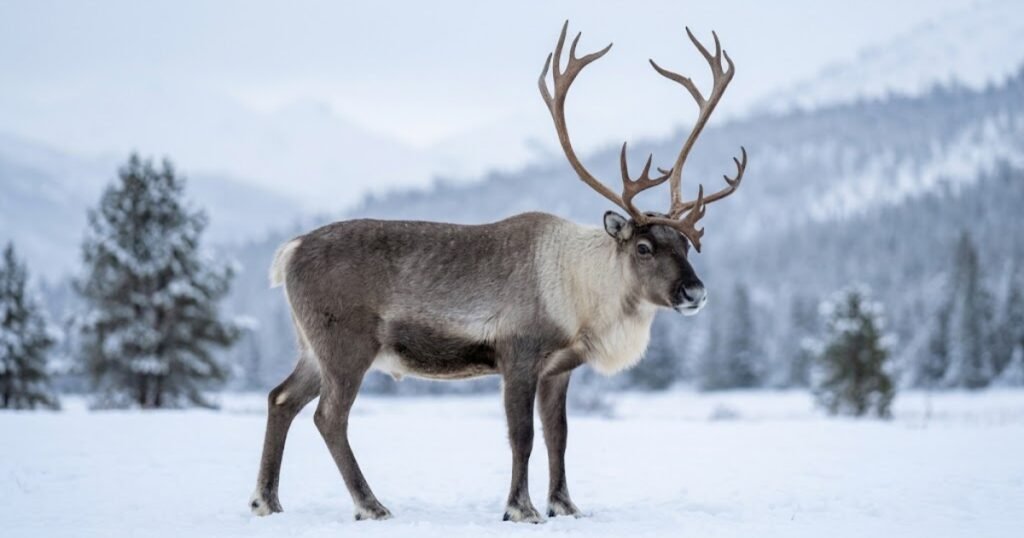
This adaptation not only aids in locomotion across snow and ice but also plays a vital role during their long-distance migrations, which can span over 1,500 miles annually. Their fast, graceful movements allow them to escape predators and navigate through challenging landscapes, showcasing nature’s ingenuity.
Socially, reindeer thrive in herds, which can number in the thousands during migration. This collective movement creates a stunning spectacle, where synchronized galloping offers protection from threats. The herd mentality is essential, not just for safety, but also for foraging ensuring they can access food resources in the frigid environment.
The collaboration of these majestic animals reminds us of the delicate balance in nature, where cooperation is as vital to survival as individual prowess. Through the lens of the reindeer’s galloping journey, we gain insight into the interconnectedness of life, highlighting resilience amidst stark wilderness.
Impala
| Attribute | Details |
|---|---|
| Scientific Name | Aepyceros melampus |
| Class | Mammalia |
| Diet | Herbivore (grass) |
| Habitat | Savanna and grasslands |
The impala (Aepyceros melampus), a remarkable antelope of the African savanna, is renowned for its extraordinary speed and agility. These graceful creatures can reach speeds of up to 55 km/h (34 mph) while effortlessly leaping over obstacles in their path.
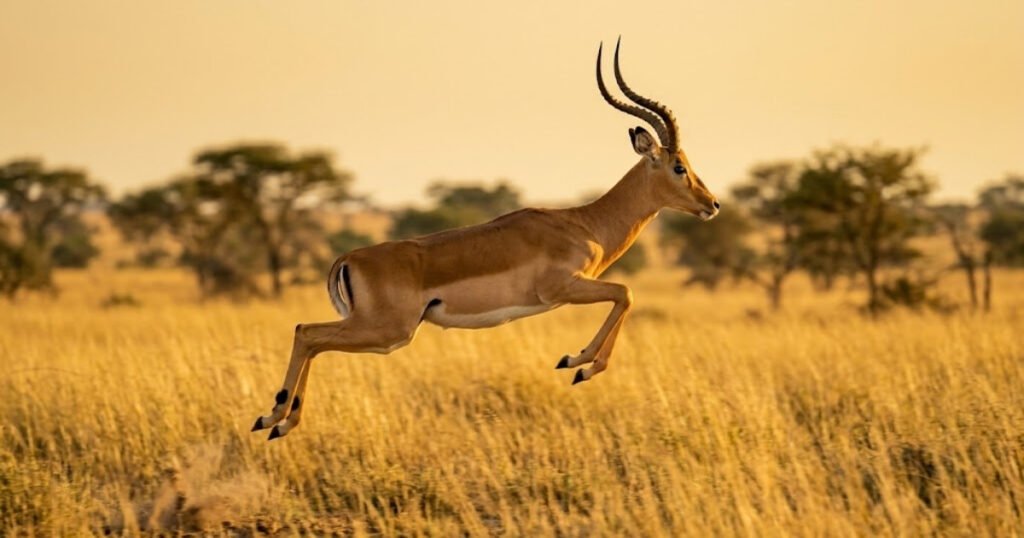
Their distinctive bounding motion, characterized by long strides and powerful hind legs, contrasts sharply with galloping movements seen in larger mammals. While galloping entails a consistent four-beat rhythm, the impala’s bounding allows for quick changes in direction, a vital technique for evading predators like cheetahs and lions.
In the vast expanse of the savanna, the impala’s swift and aerial escapes unveil a fascinating aspect of its survival strategy. Their leaping not only signifies a quick getaway but also serves as a communication tool within the herd, signaling danger to others.
This unique behavior highlights the intricate balance of life on the savanna, where every leap carries both the thrill of the chase and the weight of survival. Observing an impala in full flight offers a glimpse into the dynamism of this ecosystem, a vivid reminder of the raw beauty and relentless rhythm of life on the African plains.
Gazelle
| Attribute | Details |
|---|---|
| Scientific Name | Antelope cervicapra |
| Class | Mammalia |
| Diet | Herbivore |
| Habitat | Grasslands, savannas, and open plains |
The gazelle, with its slender, long-legged body, is truly a marvel of nature’s design, showcasing the epitome of speed and agility. Known to reach speeds of up to 60 km/h (37 mph), these animals are not just quick; they exhibit a remarkable ability to bound elegantly over the terrain, thanks to their unique limb structure.
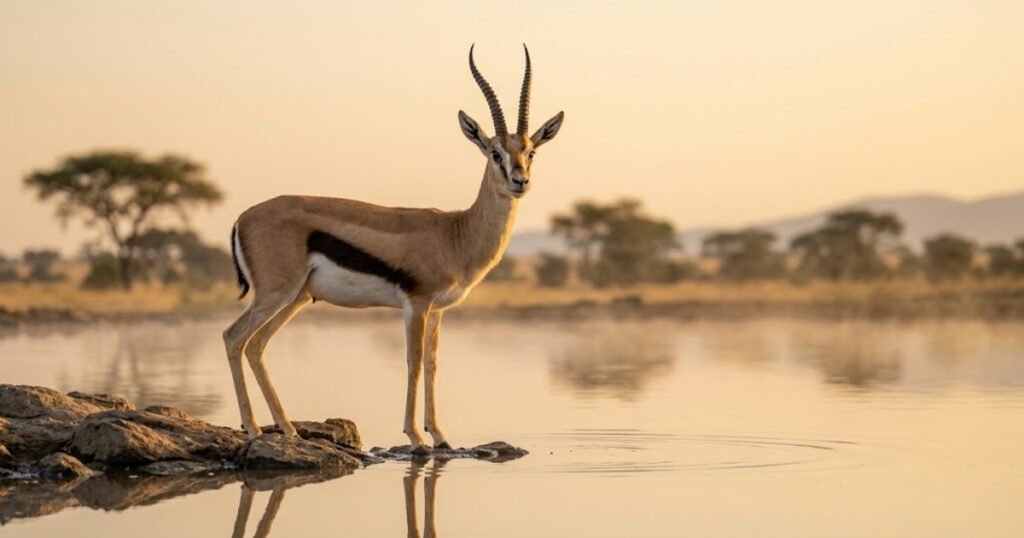
This agility is a key survival trait, allowing gazelles to perform sharp turns and swift changes in direction, which are essential for evading predators in their expansive habitats. What adds to the gazelle’s charm is its diverse movement styles. Whether it’s a graceful leap or a series of quick, rhythmic bounds, each motion is a dance of survival, illustrating an evolution finely tuned to the demands of the open plains.
Observing these creatures in the wild offers a vivid reminder of nature’s ingenuity, as their ability to navigate threats showcases a complex interplay of instinct and physical prowess. Gazelles not only symbolize beauty and grace but also serve as a testament to the delicate balance of predator and prey dynamics within their ecosystems.
Lion
| Attribute | Details |
|---|---|
| Scientific Name | Panthera leo |
| Class | Mammalia |
| Diet | Carnivore |
| Habitat | Savannas and grasslands |
The lion, scientifically known as Panthera leo, is a master of explosive short-distance running, crucial for its hunting strategy. When stalking prey, lions utilize their flexible spines to launch into rapid bursts of speed, allowing them to close the distance within seconds.
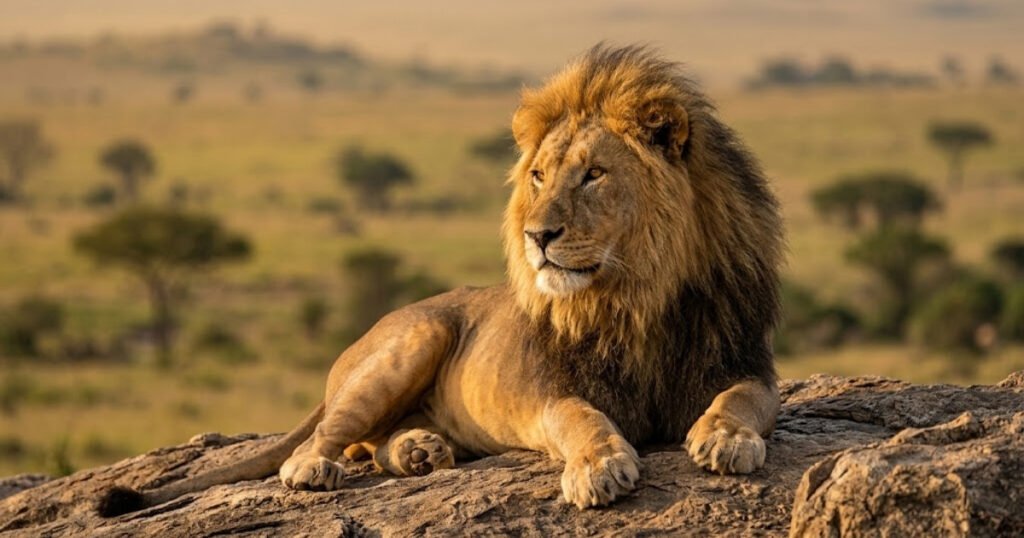
This adaptability not only aids in a successful hunt but also showcases their unique anatomical features that support quick acceleration. While they possess a remarkable speed for short sprints, their endurance wanes quickly this is a trade-off in the wild, where the pursuit of food demands both stealth and ferocity.
While some might classify a lion’s sprint as a gallop, it considerably differs from the standard galloping gait of horses or similar animals. Instead, lions exhibit a running style characterized by powerful strides that keep their center of gravity low, making them formidable predators in their natural habitat.
Understanding these nuances in their locomotion reveals much about their evolutionary adaptations, prompting us to appreciate the lion not just as a symbol of strength, but as an extraordinary athlete in the animal kingdom.
African Wild Dog
| Attribute | Details |
|---|---|
| Scientific Name | Lycaon pictus |
| Class | Mammalia |
| Diet | Carnivore |
| Habitat | Savannas, grasslands, and woodlands in Africa |
The African Wild Dog, a marvel of nature, epitomizes excellence in endurance hunting. Their unique galloping style is not just about speed; it’s about sustaining energy over long distances. This pack-oriented hunter can reach speeds of up to 44 miles per hour, yet what sets them apart is their ability to maintain a steady pace for hours, showcasing an endurance that few can rival.
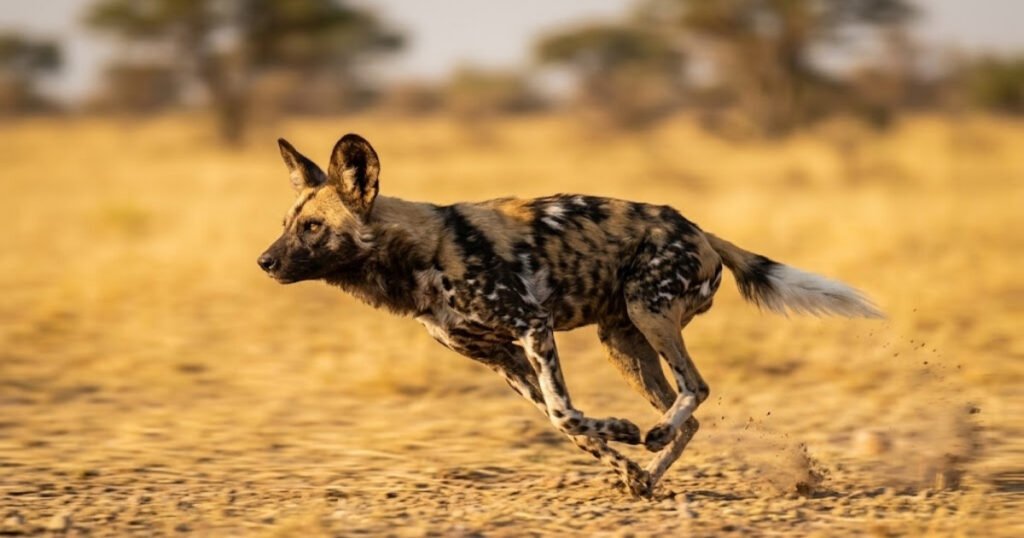
These incredible canines are engineered for success through their cooperative hunting techniques, allowing them to take down prey much larger than themselves. The synchronization among pack members transforms a chase into a theatrical display of strategy and agility.
Unlike solitary predators, the African Wild Dog thrives in a tightly-knit social structure, where each member plays a vital role, turning the act of hunting into an intricate dance of survival in their diverse habitats across the African continent.
Grey Wolf
| Attribute | Details |
|---|---|
| Scientific Name | Canis lupus |
| Class | Mammalia |
| Diet | Carnivorous |
| Habitat | Forests, plains, and tundra |
Grey wolves, with their unmatched endurance and speed, exemplify the art of galloping. This impressive locomotion not only allows them to cover vast distances while hunting but also emphasizes their role as social predators.
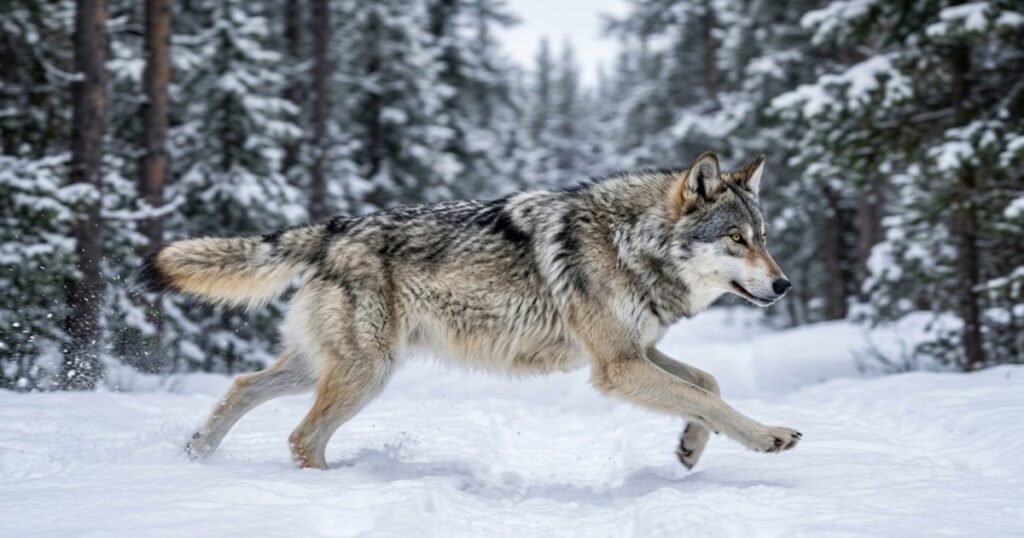
When in pursuit, wolves strategically utilize their long-distance trotting to conserve energy, transitioning into a full gallop during critical moments of the chase, often outpacing prey through a combination of stamina and teamwork.
Pack dynamics play a crucial role in their hunting success. Wolves communicate and coordinate their movements during the chase, making every gallop count. Their natural agility allows them to maneuver through varied terrains, from dense forests to open plains.
Observing a pack in unison, leaping and bounding, offers a glimpse of nature’s raw power, where every animal acts as both a hunter and a vital part of the ecosystem. The grey wolf embodies a perfect blend of endurance and elegance, turning every hunt into a symphony of wild instinct.
Leopard
| Attribute | Details |
|---|---|
| Scientific Name | Panthera pardus |
| Class | Mammalia |
| Diet | Carnivore |
| Habitat | Forests, savannas, and grasslands |
The leopard (Panthera pardus) is a master of speed and agility, utilizing short bursts of acceleration to ambush its prey. With a body perfectly engineered for quick movement, it employs a unique hunting technique that combines stealth and speed, allowing it to close the distance in seconds.
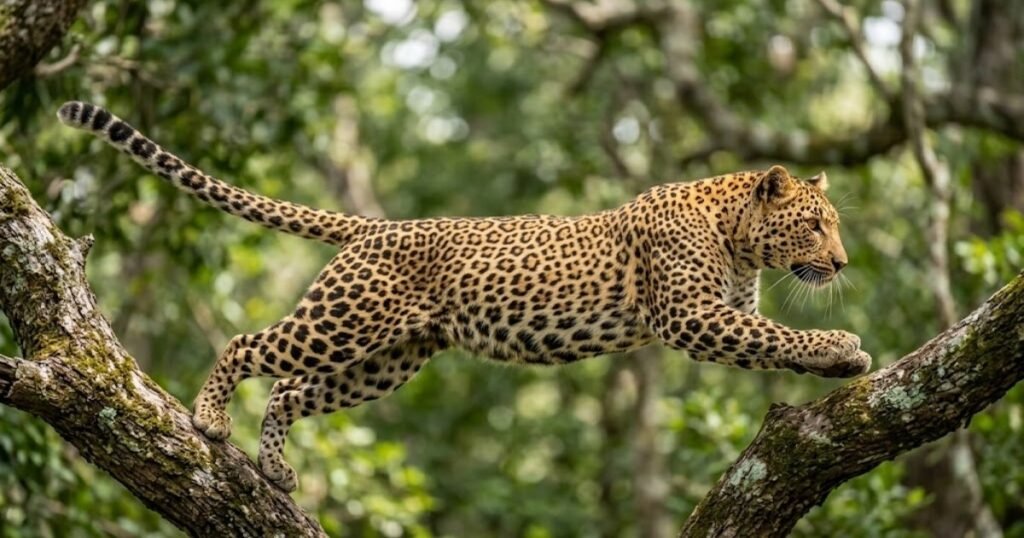
While most big cats are known for their prowess on land, leopards are equally at home in trees, offering a striking contrast between their climbing skills and sprinting abilities. Whether they’re stealthily stalking a gazelle or lounging on a branch, leopards showcase an almost artistic flexibility that enhances their hunting efficiency.
Their gallop is not merely about speed; it’s a high-speed stride that reflects years of evolution finely tuned for survival. With powerful leg muscles and a flexible spine, leopards reach remarkable speeds, capable of covering distances rapidly when the moment demands it.
Observing these creatures in motion reveals a breathtaking display of energy and instinct, highlighting the delicate balance between power and grace that characterizes their existence. This adaptation not only aids in hunting but also serves as a vital survival technique in their diverse habitats, making leopards some of the most versatile predators in the wild.
Coyote
| Attribute | Details |
|---|---|
| Scientific Name | Canis latrans |
| Class | Mammalia |
| Diet | Carnivore |
| Habitat | Forests, grasslands, deserts, and urban areas |
The coyote (Canis latrans) exemplifies a remarkable adaptation to various environments, showcasing its prowess in running and pursuit. Renowned for their long-distance movement, these elusive canids can traverse vast territories in search of food, using their flexible bodies to maneuver effortlessly over varying terrain.
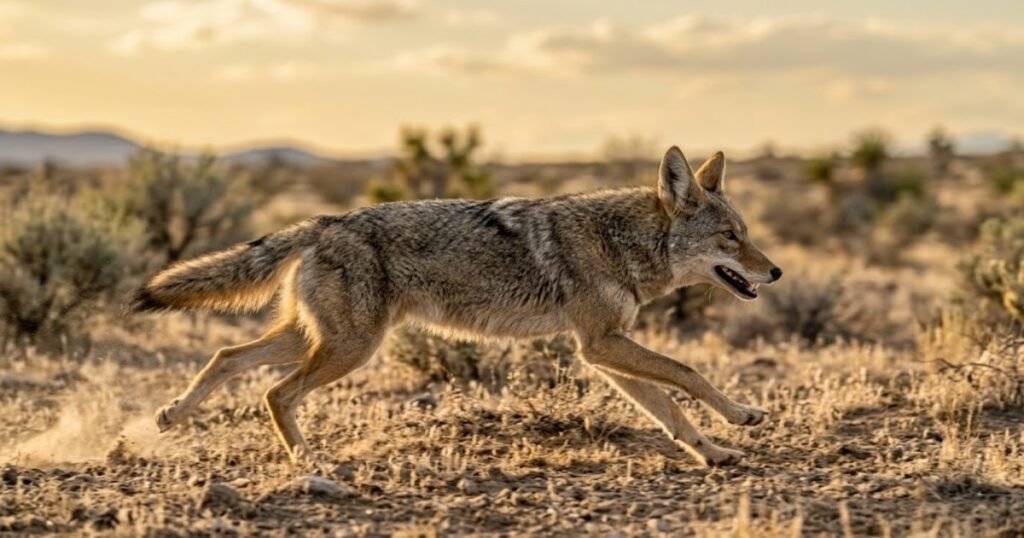
Their unique galloping gait, characterized by a pronounced rhythm, allows for swift evasion from predators and effective hunting strategies against small prey. Coyotes thrive in diverse habitats, from arid deserts to lush forests, showcasing their versatility. This adaptability not only enhances their survival but also provides a glimpse into their behavioral ecology, revealing how they adjust their hunting techniques based on locale.
By understanding their unique approach to movement and the role of speed in their survival toolkit, we gain insights into the complexities of their ecological niche and the broader dynamics of predator-prey relationships.
Red Fox
| Attribute | Details |
|---|---|
| Scientific Name | Vulpes vulpes |
| Class | Mammalia |
| Diet | Omnivore |
| Habitat | Forests, grasslands, and urban areas |
The red fox, scientifically known as Vulpes vulpes, showcases a captivating running gait that embodies both elegance and agility. While one might typically reserve “gallop” for larger equines, the fox utilizes a series of high leaps and bounds that can resemble this gait.
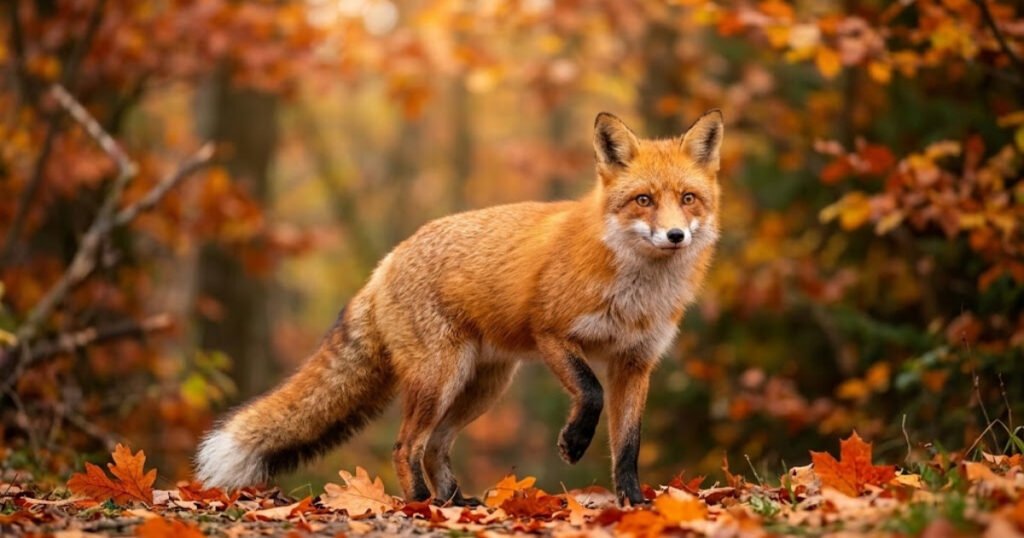
Its flexible spine allows for incredible maneuverability, enabling it to navigate through diverse terrains with the grace of a seasoned acrobat. This anatomical design not only facilitates swift escapes from predators but also sharpens its skills as a cunning hunter, as it can deftly pounce on unsuspecting prey.
While hunting, the red fox employs a delightful mix of stealth and speed. Its agile movement and keen senses promote effective stalking, allowing this crafty creature to take advantage of its surroundings.
Urban habitats have become playgrounds for red foxes, where they blend their wild instincts with the challenges of city life, showcasing their adaptability. As they navigate human environments, these clever mammals remind us of the boundless spirit of wildlife even in the most unlikely places.
Warthog
| Attribute | Details |
|---|---|
| Scientific Name | Phacochoerus africanus |
| Class | Mammalia |
| Diet | Herbivorous |
| Habitat | African grasslands and savannas |
With powerful legs designed for high-speed locomotion, the warthog exemplifies a fascinating blend of strength and agility. These remarkable creatures can reach impressive speeds, an essential trait for evading predators in their native African grasslands. When a threat looms, their instinct kicks in, propelling them forward with surprising bursts of energy that leave onlookers in awe.
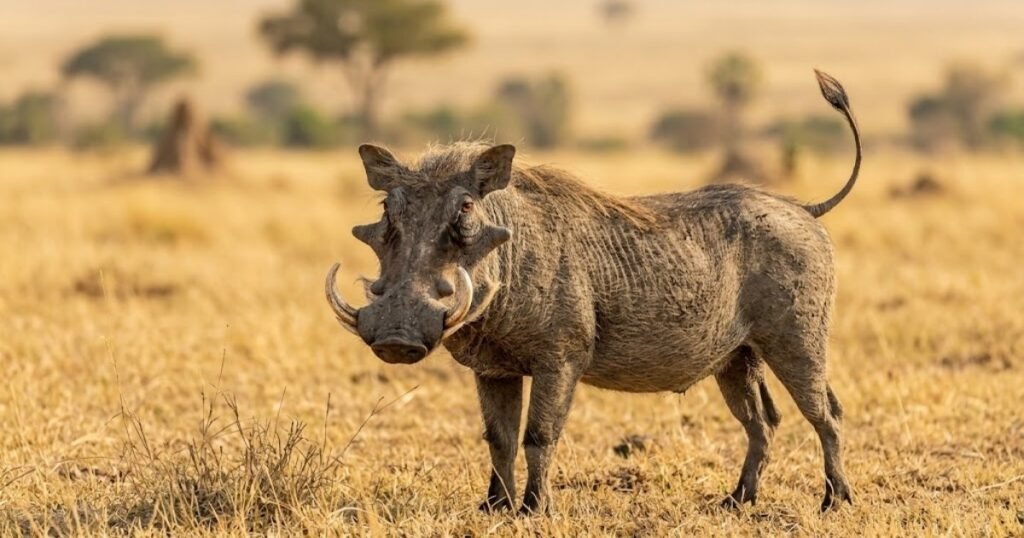
While warthogs are often portrayed as ungainly, their running style is elegantly efficient. They can maintain their pace over long distances, utilizing their uniquely adapted bodies to navigate uneven terrain with ease.
Their diets, primarily consisting of grasses, roots, and fruits, play a crucial role in sustaining their energy needs, enabling them to dominate a diverse habitat filled with both challenges and opportunities. In the circle of life on the savanna, the warthog’s galloping prowess is a testament to its evolutionary success and survival in the wild.
Bison
| Attribute | Details |
|---|---|
| Scientific Name | Bison bison |
| Class | Mammalia |
| Diet | Herbivore |
| Habitat | Grasslands and plains |
Bison, often perceived as lumbering giants, can actually reach impressive speeds of up to 35 miles per hour, showcasing their surprisingly agile nature despite their hefty, muscular bodies. Their powerful legs enable them to gallop with surprising grace, moving swiftly across the vast expanses of grasslands and plains where they thrive.
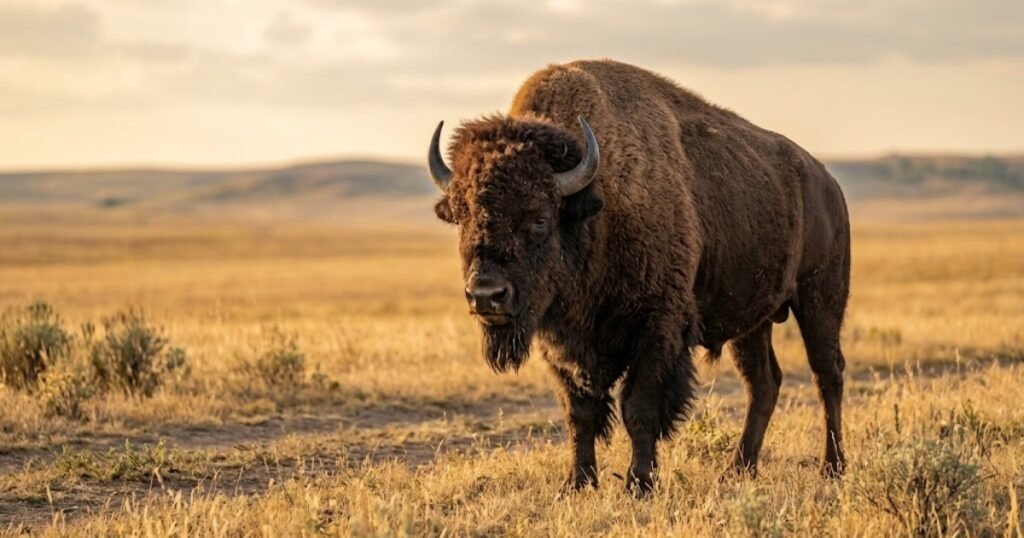
In a herd, bison display a remarkable dynamic each member instinctively responds to the movements of others, creating a fluid, unified front that enhances their collective strength and defense against predators.
When faced with threats, bison employ intricate escape behaviors; they can pivot and sprint effectively, making them formidable opponents. Their galloping gait not only serves as a means of escape but also reinforces the social structure within the herd, emphasizing cooperation and communication.
Observing bison in their natural habitat reveals how their unique adaptations and social behaviors play a critical role in their survival, captivating anyone lucky enough to witness their majestic power and agility in motion.
Hippopotamus
| Attribute | Details |
|---|---|
| Scientific Name | Hippopotamus amphibius |
| Class | Mammalia |
| Diet | Herbivorous |
| Habitat | Rivers, lakes, and wetlands |
The hippopotamus may not fit the traditional mold of a galloping creature, yet its unique mechanics allow for surprisingly swift movement on land. While hippos are known for their bulky bodies, they can run up to 30 km/h (19 mph) over short distances.
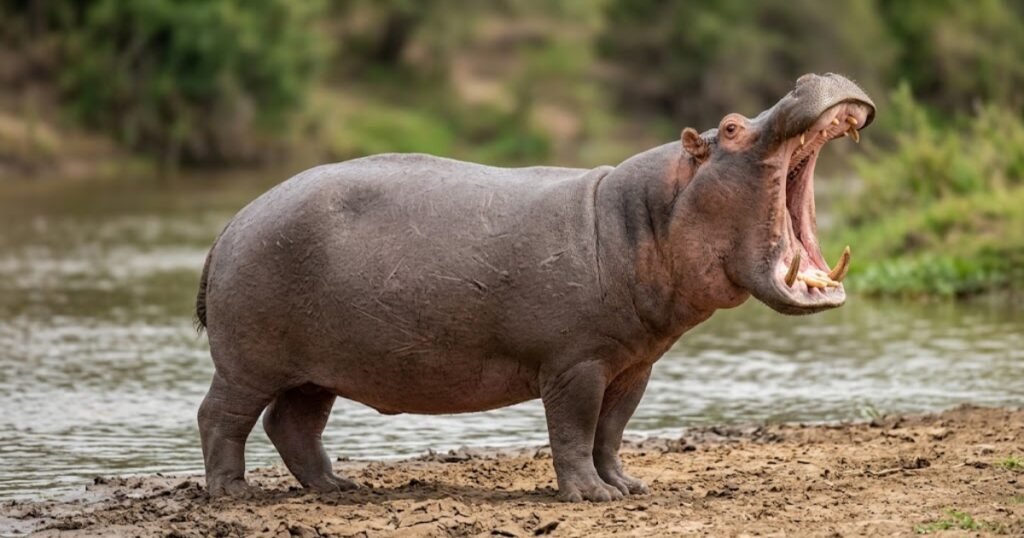
Their unusual running technique, characterized by a lateral movement of the feet rather than the typical forward motion, involves a sort of “bounding” gait that confounds many observers who liken it to galloping. This unexpected ability and speed challenge the common notion and broaden the appreciation of how different animals adapt to their environments.
Often associated with galloping due to this surprising speed, hippos actually do not execute a true gallop but rather a modified variation. This distinction is important, as the term “gallop” conjures images of grace and fluidity typically seen in horses. Instead, hippos offer a more lumbering yet effective burst, emphasizing how every species employs its own mechanics fitted for survival.
Discussing the hippo in relation to galloping not only intrigues enthusiasts but also prompts deeper reflections on the diversity of movement across the animal kingdom and the unexpected capabilities hidden within seemingly ungraceful creatures.
Camel
| Attribute | Details |
|---|---|
| Scientific Name | Camelus dromedarius |
| Class | Mammalia |
| Diet | Herbivore |
| Habitat | Deserts and arid regions |
Camels, often referred to as the “ships of the desert,” possess a unique galloping gait that showcases their adaptability to extreme environments. Their long legs allow them to navigate vast sand dunes, while their ability to pace or gallop depends on the terrain and conditions.
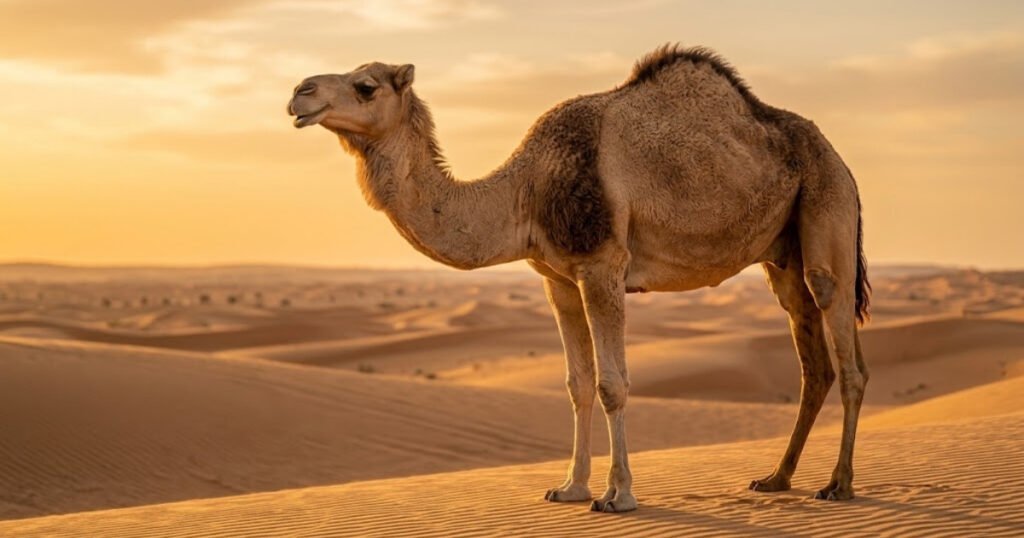
In the open desert, these majestic creatures can cover significant distances at surprising speeds, transforming them into swift travelers across seemingly endless stretches. The remarkable adaptations of camels enhance their locomotion under harsh conditions. Their wide, padded feet prevent sinking into the soft sand, and their long legs facilitate a smooth, efficient stride ideal for conserving energy during lengthy journeys.
This adaptability not only makes camels a vital mode of transportation for traders and nomads but also a fascinating subject for biologists studying the evolution of locomotion in desert-dwelling animals.
Jackrabbit
| Attribute | Details |
|---|---|
| Scientific Name | Lepus californicus |
| Class | Mammalia |
| Diet | Herbivore (grasses, forbs) |
| Habitat | Desert and grassland |
The jackrabbit, with its powerful hind legs, is an icon of agility and speed, adeptly navigating the open expanses of deserts and grasslands. While many think of galloping as the primary movement of large ungulates, the jackrabbit’s unique bounding allows it to reach remarkable speeds when escaping predators; it can cover up to 10 feet in a single leap.
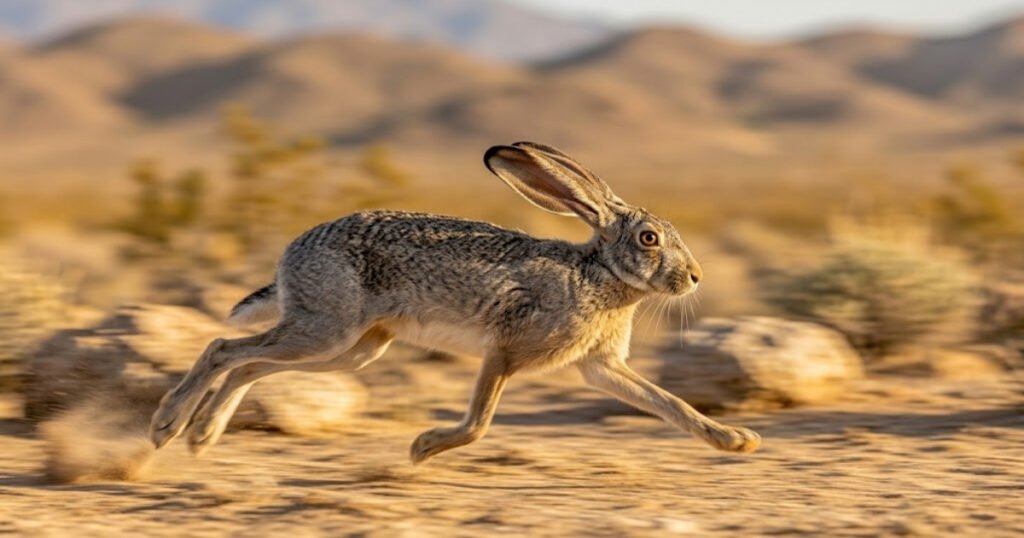
This movement, distinct from a true gallop, showcases the evolution of survival strategies in the wild. Its remarkable ability to escape swiftly is not solely due to speed; it’s also about the animal’s instinctual evasion. Jackrabbits employ a dance of erratic movements and sharp turns, throwing off would-be predators.
As they grace the lists of the fastest creatures, they remind us that speed can also be about conservation and the will to live an impressive adaptation to the challenges of their arid habitats.
Dog
| Attribute | Details |
|---|---|
| Scientific Name | Canis lupus familiaris |
| Class | Mammalia |
| Diet | Omnivore |
| Habitat | Domestic environments, ranging from urban to rural areas |
Dogs are fascinating creatures renowned for their diverse gaits, particularly their ability to gallop at impressive speeds. This galloping motion is facilitated by their highly flexible spines, allowing for elongated strides that maximize speed and agility. Different breeds exhibit unique galloping styles; for instance, Greyhounds, built for racing, demonstrate a particularly efficient, long-reaching gait when compared to more average dogs.
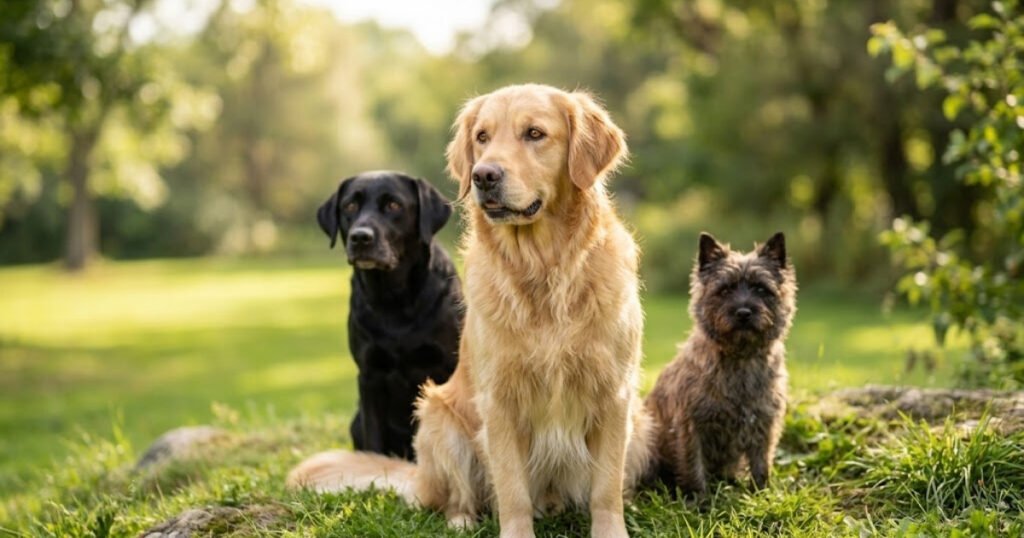
The structural adaptations in Greyhounds such as their aerodynamic body and powerful hind legs enable them to sprint with unmatched prowess. In contrast, ordinary breeds may have a more varied running style due to their diverse body proportions and purposes, reflecting their multifaceted roles alongside humans.
This not only highlights the evolutionary journey of domestic dogs but also opens up discussions about how their physical traits are tailored to specific activities and environments, making each breed a marvel of adaptability.
Galloping Animals By Speed And Movement
| Animal | Main Movement | Speed | Why It Gallops/Runs | Habitat |
|---|---|---|---|---|
| Horse | Gallop | 30 mph | Travel and escape | Grasslands and farms |
| Cheetah | Sprint | 58 mph | Hunting | Savanna |
| Pronghorn | Bounding | 55 mph | Escape from predators | Grasslands |
| Springbok | Leap | 45 mph | Escape and display | Savanna |
| Blackbuck Antelope | Gallop | 50 mph | Escape from predators | Grasslands |
| Greyhound | Sprint | 45 mph | Racing and hunting | Various |
| Giraffe | High-speed gallop-like gait | 37 mph | Escape from predators | African savanna |
| Zebra | Gallop/Run | 40 mph | Predator escape | Savanna |
| Wildebeest | Gallop/Run | 50 mph | Migration and escape | Grasslands |
| Elk | Gallop/Run | 45 mph | Escape and travel | Forests and meadows |
| Reindeer (Caribou) | Gallop/Run | 40 mph | Migration | Tundra |
| Impala | Leap | 50 mph | Escape from predators | Savanna |
| Gazelle | Leap | 50 mph | Evasion from predators | Grasslands and savanna |
| Lion | Sprint | 50 mph | Hunting | Savanna |
| African Wild Dog | Sprint | 44 mph | Hunting in packs | Savannah and forests |
| Grey Wolf | Trot/Sprint | 35 mph | Hunting | Forests and grasslands |
| Leopard | Sprint | 36 mph | Stealthy hunting | Forests |
| Coyote | Run | 40 mph | Hunting and evasion | Various |
| Red Fox | Run | 30 mph | Hunting and evasion | Forests and grasslands |
| Warthog | Run | 30 mph | Escape | Grasslands |
| Bison | Gallop | 35 mph | Group travel and migration | Plains |
| Hippopotamus | Gallop | 19 mph | Surprisingly quick on land | Rivers and lakes |
| Camel | Gallop/Run | 25 mph | Travel long distances | Deserts |
| Jackrabbit | Sprint | 40 mph | Escape from predators | Grasslands |
| Dog | Sprint | 45 mph | Companionship and hunting | Domesticated and various |
Why Do Animals Gallop?
Animals gallop as a fast and efficient way to move across open ground, helping them travel quickly while using their energy effectively. Animals that move by galloping often use this gait to escape predators, chase prey, migrate, or cover long distances.
Escaping Predators: Galloping serves as a vital escape mechanism for many animals, allowing them to shift gears quickly when danger looms. This rhythmic, bounding motion can generate impressive bursts of speed, enabling creatures like deer or antelope to elude predators such as wolves or lions.
Chasing Prey: For predators, galloping is equally crucial when stalking and chasing down prey. Animals like cheetahs rely on explosive galloping to cover ground quickly, their muscle structure perfectly adapted for short, powerful bursts. The transition from a controlled trot to a full gallop enhances their predatory efficiency, enabling them to close distances rapidly before their prey even realizes the danger.
Traveling Long Distances: In the vast expanses of their habitats, many animals utilize galloping as an efficient means of covering long distances. This method of locomotion allows species like horses and zebras to traverse miles of terrain with less energy expenditure compared to other gaits.
Migration: Migration is a monumental journey marked by the galloping of many species. Whether it’s wildebeest moving across the Serengeti or caribou traversing vast tundras, galloping allows these animals to cover incredible distances in response to seasonal changes. This collective movement often aligns with the search for food, safer breeding grounds, or favorable climates, highlighting the intrinsic connection between galloping and migratory success.
Reaching Food/Water: When resources like food and water are scarce, galloping becomes a strategic advantage for animals. Quick movement allows them to reach critical supplies faster, minimizing the time they are vulnerable to predators. Animals often exhibit remarkable intelligence in their galloping patterns: they may analyze the landscape, choosing the safest routes while sprinting towards life-sustaining resources.
Territorial Movement: Galloping plays a vital role in territoriality, allowing animals to assert dominance within their ranges. Creatures like wolves or big cats gallop during displays of strength, marking territory through both scent and speed. This assertive movement communicates power and control, deterring competitors and securing valuable resources.
Conclusion
The top 25 animals that gallop reveal a stunning array of adaptations that highlight the wonders of nature’s design. Each species not only possesses the ability to move swiftly but also demonstrates unique traits that enhance their survival in the wild.
From the iconic horses to the lesser-known swift-footed creatures, their rhythmic movements inspire awe and admiration. By studying and celebrating these galloping animals, we foster a greater appreciation for biodiversity and the ecosystems that support them.
FAQs
Which Animal Gallops?
Many animals can gallop, but it’s most commonly associated with horses. This four-beat gait allows them to cover ground quickly and efficiently. Other animals that can gallop include zebras, antelopes, and some species of goats.
What Are 5 Animals That Gallop?
Galloping is a fast, four-beat gait primarily associated with larger animals. Here are five animals that exhibit this impressive movement:
Horses
Zebras
Camels
Deer
Some types of dogs, like Greyhounds
Which Animals Gallop?
Common animals that gallop include horses, donkeys, zebras, and certain species of antelope. Other mammals like camels and some large cats, such as cheetahs and lions, also exhibit this distinctive gait when running at high speeds.
What Are Examples Of Galloping?
Common examples of animals that can gallop include horses, zebras, and some species of deer. Larger predators like wolves and big cats, such as cheetahs and leopards, exhibit galloping behavior during hunts.
Does A Cow Gallop?
Cows do not gallop in the way that faster animals like horses do. While they can run at a brisk pace, typically they move in a more lumbering manner, often using a trot instead of a gallop. Their body structure and weight make galloping inefficient for them, so they generally stick to a steady, comfortable pace.
Do Horses Gallop Or Run?
Horses can both gallop and run, but “gallop” specifically refers to a fast, four-beat gait used for speed, while “run” is a general term that can describe any movement faster than walking.