30 Most Energetic Animals Ranked by Speed & Stamina(With Pictures)
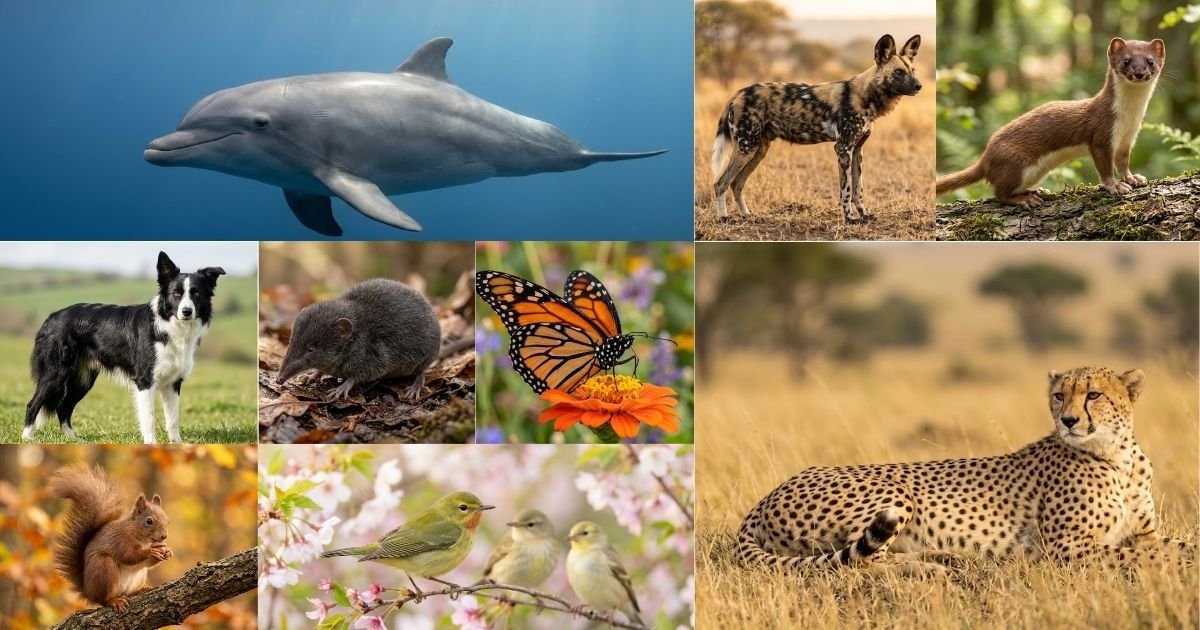
Imagine a race where the contenders include the fastest runners and highest flyers in the animal kingdom. In “30 Most Energetic Animals Ranked by Speed & Stamina,” we dive deep into the breathtaking world of wildlife to unveil how these creatures push the limits of speed and endurance.
This blog post is not only an exhilarating read but also an opportunity to appreciate the sheer power and resilience found in nature.
What Is An Energetic Animal?
An energetic animal is defined by its high activity levels, often characterized by constant movement, playfulness, and an eagerness to explore. These energy animals thrive on dynamic interactions with their environment, exhibiting behaviors that suggest a zest for life.
The energy exhibited by these animals is influenced by multiple factors, including their metabolism, diet, habitat, and survival needs. For instance, animals with higher metabolic rates typically require more calories and hence display more vigorous activity as they search for food.
The difference between active and inactive animals often comes down to their adaptive strategies. While energetic animals may roam vast territories to secure resources, inactive species have evolved to conserve energy by resting or remaining motionless, relying on camouflage or minimal movement to avoid predators.
This balance in nature showcases the intricate dance between energy expenditure and survival strategies, highlighting how an energetic animal plays a crucial role in its ecosystem. Whether sprinting across the savannah or darting through trees, these vibrant creatures remind us of the importance of energy in the animal kingdom.
List of Top 30 Most Energetic Animals On Earth
| # | Animal Name |
|---|---|
| 1 | Hummingbird |
| 2 | Cheetah |
| 3 | Dolphin |
| 4 | African Wild Dog |
| 5 | Squirrel |
| 6 | Border Collie |
| 7 | Weasel |
| 8 | Shrew |
| 9 | Ruby-Throated Warbler and Small Songbirds |
| 10 | Butterfly |
| 11 | Dragonfly |
| 12 | Ants |
| 13 | Honeybee |
| 14 | Kangaroo Rat |
| 15 | Pronghorn |
| 16 | Jack Russell Terrier |
| 17 | Baby Goat |
| 18 | Sea Otter |
| 19 | Chimpanzee |
| 20 | Red Panda |
| 21 | Chinchilla |
| 22 | Ferret |
| 23 | Lemur |
| 24 | Hare |
| 25 | Mink |
| 26 | Parakeet (Budgie) |
| 27 | Tree Frog |
| 28 | Octopus |
| 29 | Wolverine |
| 30 | Wolf |
Hummingbird
| Attribute | Details |
|---|---|
| Scientific Name | Trochilidae |
| Habitat | Forests and gardens |
| Diet | Nectar, insects, and spiders |
| Size | 3 to 5 inches |
Hummingbirds are nature’s aerobatic marvels, thriving primarily in Central and South America, with some species stretching into North America during migration. Their vibrant presence is marked by incredibly rapid wingbeats, often exceeding 70 beats per second, allowing them to hover effortlessly and zip from blossom to blossom.
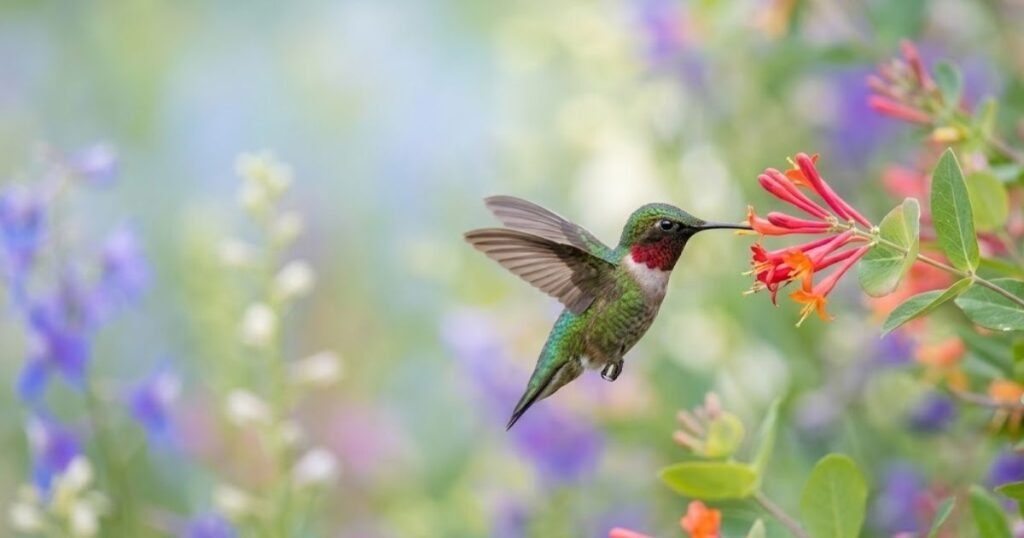
This remarkable agility is a result of their astounding high metabolism, which compels them to consume almost double their body weight in nectar daily. Unlike many creatures, hummingbirds rely on both floral nectar and small insects to fuel their frenetic activities, making them apex energy converters in the animal kingdom.
Their behavior is a testament to their elite endurance; spending the majority of their day feeding and defending territories, hummingbirds engage in constant movement yet can cover substantial distances during migration.
One particularly fascinating aspect is their unique ability to enter a hibernation-like state, termed torpor, to conserve energy during extreme conditions. Such adaptations showcase why they rightfully earn a place among the highest-energy animals an embodiment of vitality that leaves us mesmerized in their wake.
Cheetah
| Aspect | Details |
|---|---|
| Scientific Name | Acinonyx jubatus |
| Habitat | Savannas, grasslands, and open woodlands across Africa and parts of Iran |
| Diet | Carnivorous; primarily small to medium-sized ungulates |
| Size | 3.5 to 4.5 feet in length, weighing 77 to 143 pounds |
The cheetah is a master of energy efficiency, optimizing its explosive speed for short, intense sprints rather than sustained stamina. With a body built for rapid acceleration, these big cats can reach speeds of up to 70 mph in just a few seconds, making them the fastest land animals.
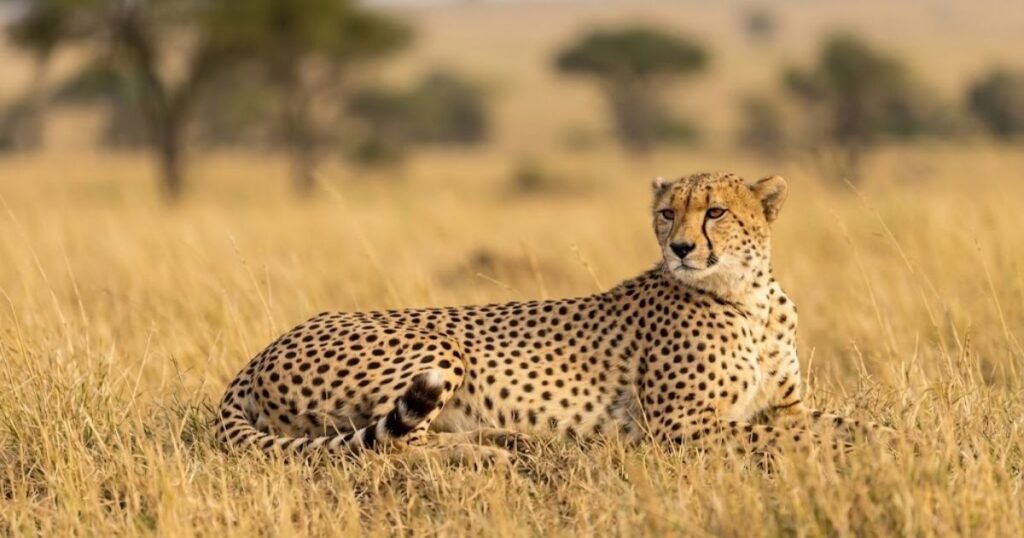
This incredible velocity comes at a cost: their energetic pursuits often last no more than 20 to 30 seconds, underscoring the distinction between speed and endurance. During a chase, a cheetah maximizes its energy use by employing a unique hunting strategy that involves stalking its prey and then launching into a full sprint when the moment is right.
This tactical approach not only conserves energy but also heightens the chances of a successful kill. Interestingly, while other predators may rely on teamwork or stamina, the cheetah’s genetic adaptations favor quick bursts of speed, emphasizing the beauty of evolution in relationship to their dynamic environment.
Dolphin
| Characteristic | Details |
|---|---|
| Scientific Name | Delphinus delphis |
| Habitat | Warm and temperate ocean waters |
| Diet | Fish, squid, and crustaceans |
| Size | 6.6 to 8.2 feet (2 to 2.5 meters) |
Dolphins exemplify the harmony of energy and intellect in the marine realm. Found in warm oceans, these agile creatures utilize their high-speed capabilities up to 60 km/h to navigate, hunt, and socialize. Unlike many animals, their daily behavior is structured around constant swimming; they surface for air but remain in constant motion, requiring a consistent energy supply.
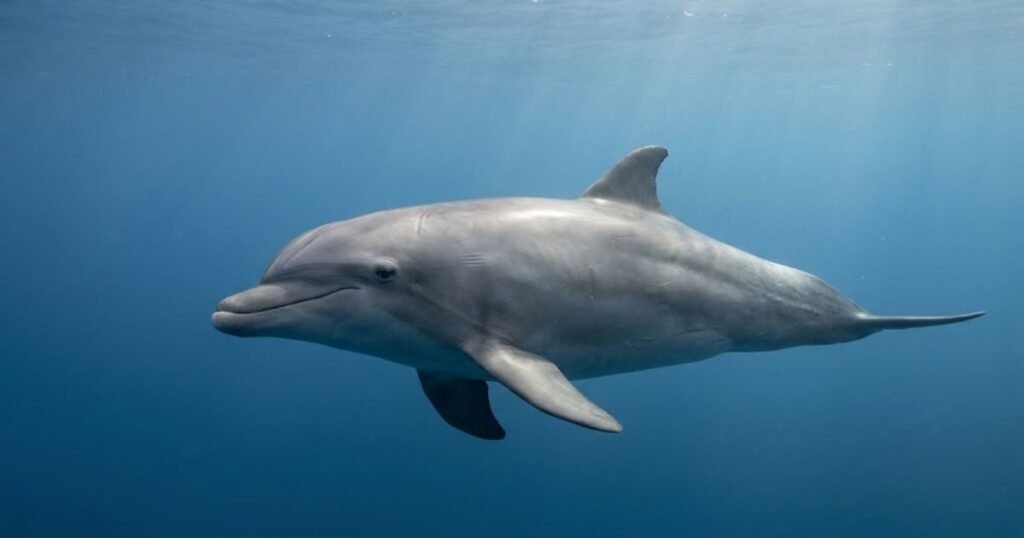
Their diet primarily consists of fish and squid, which provides the fuel needed for their high-energy lifestyle. What truly sets dolphins apart is their playful behavior and complex social structures. They engage in acrobatic displays, vocalizations, and cooperative hunting, which showcase their intelligence and stamina.
This energetic existence demands a significant caloric intake, making them not just survivors but vibrant participants in their ecosystems.
African Wild Dog
| Characteristic | Details |
|---|---|
| Scientific Name | Lycaon pictus |
| Habitat | Sub-Saharan Africa, savannas, and woodlands |
| Diet | Carnivore, primarily medium to large ungulates |
| Size | 24–30 inches tall at the shoulder; 50–70 pounds |
The African Wild Dog is a master of endurance, showcasing remarkable coordination and stamina during its long-distance hunts. Instead of relying solely on speed, these social canines engage in a relentless pursuit that can stretch over several miles. Their unique hunting strategy involves intricate pack coordination, where each member plays a key role, adapting their movements to outsmart even the swiftest prey.
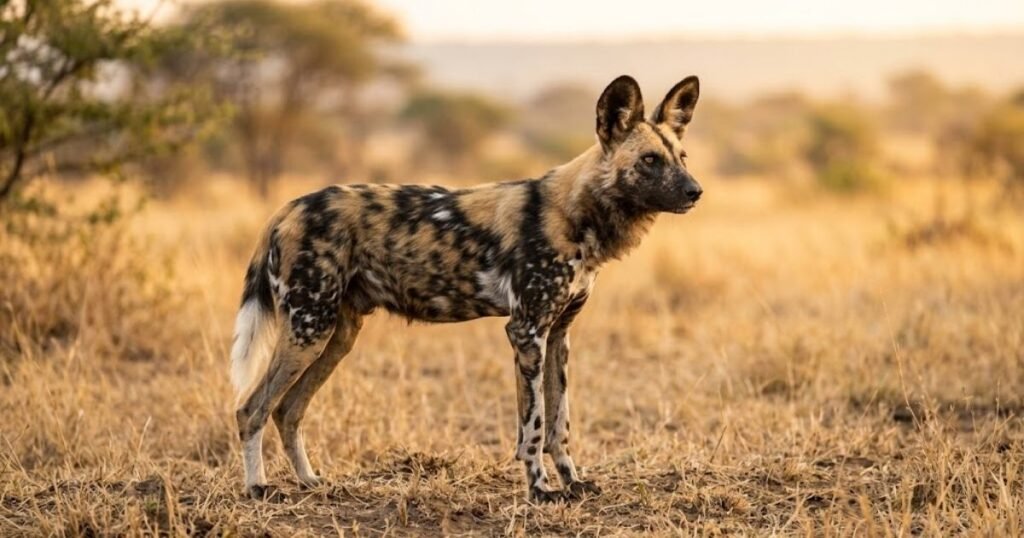
This persistence often results in a successful catch, as their energy is efficiently utilized through teamwork rather than sheer velocity. In daily behavior, these dogs demonstrate high-energy interactions within their packs, engaging in playful chases and social grooming that reinforce their bonds.
This high-energy lifestyle is crucial, as the demands of hunting require not just physical stamina but also strategic thinking. African Wild Dogs rely on their acute senses and collaborative efforts to tire out prey an intriguing testament to their evolutionary success and social structure.
Squirrel
| Characteristic | Details |
|---|---|
| Scientific Name | Sciurus |
| Habitat | Woodlands, parks, and urban areas |
| Diet | Nuts, seeds, fruits, and fungi |
| Size | 9 to 20 inches long (including tail) |
Squirrels are the embodiment of energy in the animal kingdom, thriving in various environments ranging from dense forests to bustling urban parks. Their energetic behavior is largely a result of their daily routines; these agile creatures are constantly climbing, jumping, and running in search of food.
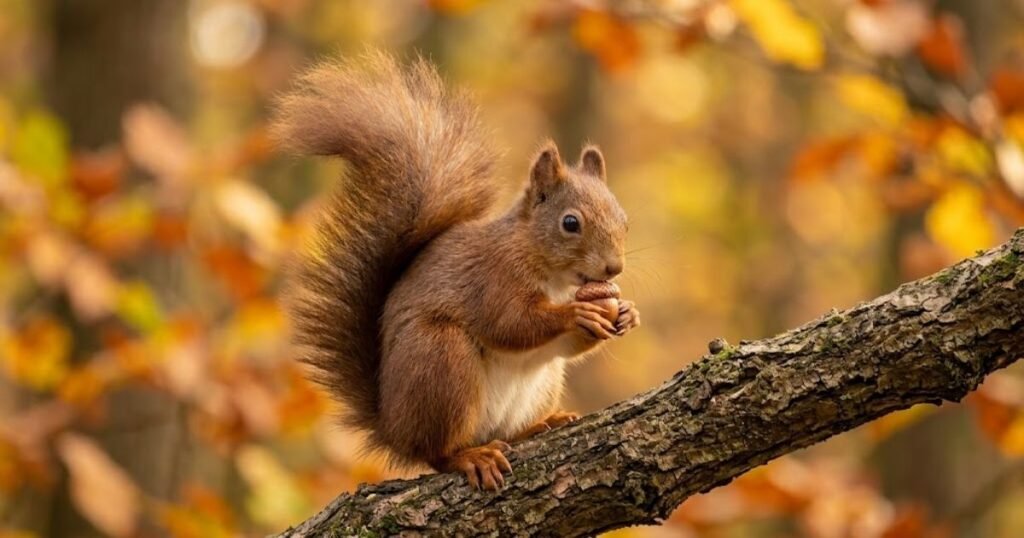
With rapid movements and high activity levels, squirrels showcase impressive agility able to cover several meters in mere seconds, some species can leap nearly 10 times their body length! Beyond their playful antics, squirrels possess a fascinating method for energy production. They forage for nuts and seeds with remarkable efficiency, often hoarding their finds for winter months, which cleverly fuels their stamina.
This relentless pursuit for food and self-preservation creates the illusion of hyperactivity; when in reality, they are meticulously managing their energy for survival. One fascinating trait is their ability to remember the locations of thousands of buried nuts, demonstrating not just their energetic nature but also their impressive cognitive skills.
Border Collie
| Characteristic | Details |
|---|---|
| Scientific Name | Canis lupus familiaris |
| Habitat | Farms, open fields, homes |
| Diet | High-protein, balanced diet |
| Size | 18–22 inches tall at the shoulder (30–45 lbs) |
The Border Collie, with its intense herding instincts, thrives in open spaces, making farms and large homes the ideal habitats for this breed. Their energetic nature stems from a combination of their remarkable stamina and natural desire to work, often seen running at speeds of up to 30 miles per hour.
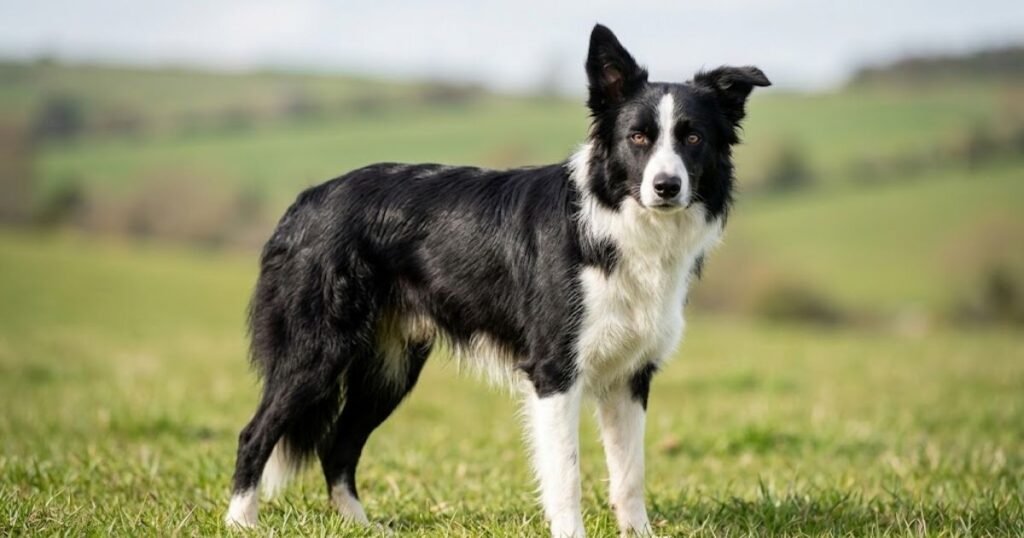
This breed’s daily behavior is characterized by an insatiable drive to engage in activities ranging from fetch to agility courses, requiring not just physical exertion but mental stimulation as well. The Border Collie’s intelligence is as impressive as its athleticism.
This breed excels in learning commands and problem-solving, which enhances their energy usage; they derive fulfillment not merely from running but from engaging in tasks that challenge their minds. As a result, high exercise requirements and stimulating activities should be an essential part of their daily routine.
Those seeking companionship should be prepared for the commitment their dynamic nature demands, as a bored Border Collie can become destructive turning your living room into their playground!
Weasel
| Aspect | Details |
|---|---|
| Scientific Name | Mustela spp. |
| Habitat | Forests, grasslands, and wetlands |
| Diet | Carnivorous: rodents, birds, rabbits |
| Size | 20–50 cm in length, weighing 0.5–2 kg |
The weasel, with its small yet athletic frame, is a marvel of nature’s design. Its high metabolism fuels a whirlwind of activity, enabling it to dart through various habitats, from lush forests to open grasslands. Weasels are often seen zipping across their territory, a testament to their remarkable speed, which can reach up to 30 miles per hour.
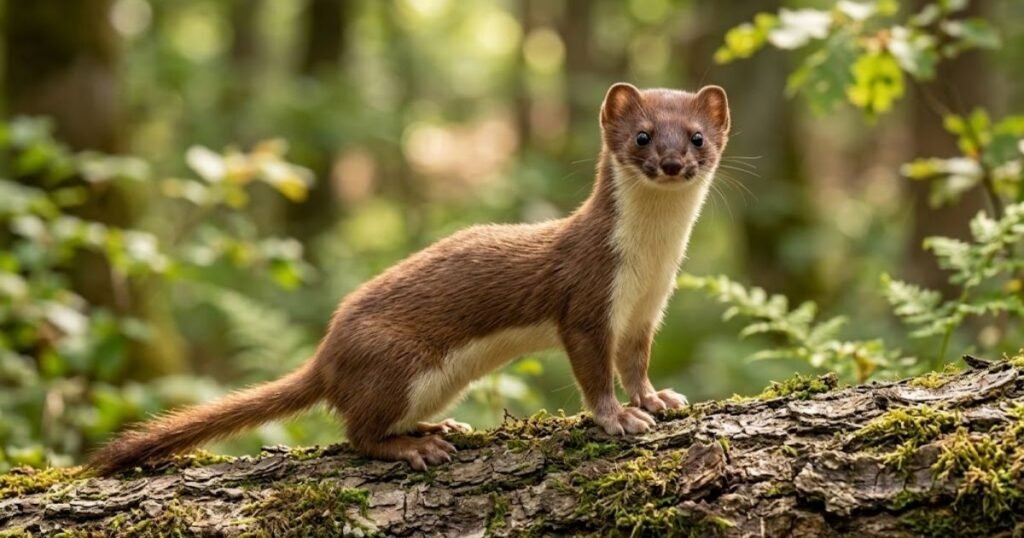
This agility not only aids their survival but also enhances their hunting prowess, allowing them to tackle prey larger than themselves. These energetic creatures demonstrate an intriguing balance of speed and stamina. They engage in active hunting behaviors, constantly in pursuit of small mammals and birds. Their ability to harness energy efficiently is vital; they require substantial calories to sustain their lively lifestyle.
One fascinating aspect of the weasel is its capability to outmaneuver larger predators, relying on stealth and quickness. This adaptability in both hunting and evading danger reflects their role in ecosystems as dynamic predators.
Shrew
| Feature | Details |
|---|---|
| Scientific Name | Sorex spp. |
| Habitat | Forests, grasslands, wetlands |
| Diet | Insects, worms, small vertebrates |
| Size | 3 to 5 inches long |
Shrews, known for their extraordinary energy levels, are bustling inhabitants of diverse ecosystems, thriving primarily in forests, grasslands, and wetlands. With an astonishingly high metabolism, these tiny mammals must forage continuously to fuel their active lifestyles; they feed almost three times their body weight daily.
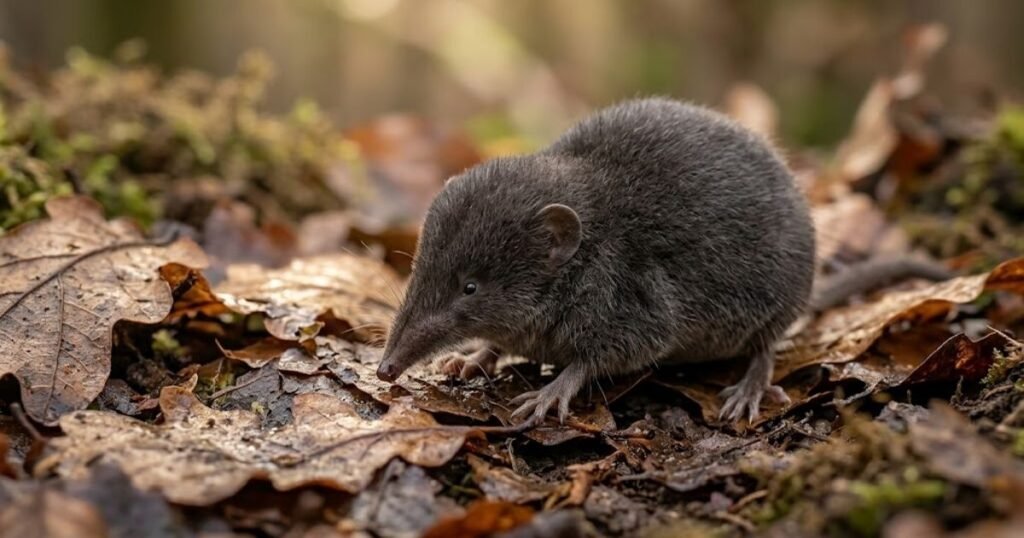
Their relentless search for food is driven by a biological clock that prohibits them from skimping on meals deprived of sustenance for even a few hours, their energy wanes dangerously. Speedily darting and burrowing through their habitats, shrews possess impressive stamina that allows them to pursue prey with a fervor that belies their diminutive size.
They utilize various methods to harness energy, from consuming abundant insects and worms to employing specialized techniques for locating food using a keen sense of touch. Interestingly, shrews can emit a toxic saliva to subdue larger prey, a unique adaptation that enhances their energetic hunt.
This exciting combination of agility, metabolism, and nutritional necessity firmly establishes shrews as one of nature’s most dynamic small mammals.
Ruby-Throated Warbler And Small Songbirds
| Characteristic | Details |
|---|---|
| Common Name | Ruby-Throated Warbler |
| Scientific Name | Setophaga ruticilla |
| Habitat | Deciduous forests, gardens, and shrubby areas |
| Diet | Insects, nectar, berries |
| Size | Approximately 4–5 inches |
These energetic little wonders thrive in deciduous forests and are often spotted darting through trees, hunting insects and sipping nectar. Their energetic nature is evident in their acrobatic flights, which are essential not only for feeding but also for evading predators.

With a typical activity level that keeps them in constant motion, these songbirds often flit from branch to branch, maintaining their high-speed lifestyle that demands incredible stamina. Migration poses one of the biggest challenges to small birds like the Ruby-Throated Warbler.
During their journey, they can cover several hundred miles in a single day, relying on weather patterns and favorable winds to aid their long-distance flights. This demanding migration not only tests their endurance but also highlights the intricate balance between energy consumption and replenishment.
These warblers have specialized feeding behaviors, consuming high-energy foods like insects and nectar to fuel their arduous journeys a daily necessity for a bird that can weigh as little as 0.3 ounces.
Butterfly
| Characteristic | Details |
|---|---|
| Scientific Name | Lepidoptera (order) |
| Habitat | Diverse: from forests to meadows, gardens, and wetlands |
| Diet | Nectar, with some species also consuming tree sap, rotting fruit, and minerals |
| Size | Varies significantly; typically ranges from 1 inch to 12 inches wingspan |
Butterflies are remarkable creatures, known for their vibrant colors and intricate patterns that make them appear almost ethereal. These insects inhabit a variety of ecosystems, thriving in diverse locations, from blooming gardens to lush forests. Their energetic nature stems from their frequent flights and constant nectar feeding, which fuels their activity throughout the day.

Armed with a specialized proboscis, butterflies expertly extract energy-rich nectar, converting it into the stamina needed for pollination a critical role they play in maintaining the health of our ecosystems. Butterflies exhibit different levels of activity based on species; some prefer the subtle dance of fluttering close to the ground while others engage in an acrobatic aerial display.
When it comes to speed, certain species can dart through the air at impressive rates, while others take a more leisurely approach. Interestingly, the energy dynamics of butterflies adapt uniquely; many utilize sunlight to warm their bodies, increasing their activity levels as temperatures rise.
This thermoregulation not only enhances their flying abilities but also enriches their nectar-foraging strategies, ensuring their role as essential pollinators continues to thrive. One captivating fact is that the Monarch butterfly can migrate thousands of miles, showcasing the incredible endurance of these seemingly delicate creatures.
Dragonfly
| Characteristic | Details |
|---|---|
| Scientific Name | Odonata (order) |
| Habitat | Wetlands, ponds, and lakes |
| Diet | Insects (mosquitoes, flies) |
| Size | 1 to 4 inches in length |
Dragonflies are truly remarkable creatures, often embodying the essence of energy in motion. Their lithe bodies glide effortlessly through the air, exhibiting rapid aerial maneuvers that leave many would-be predators in their wake.
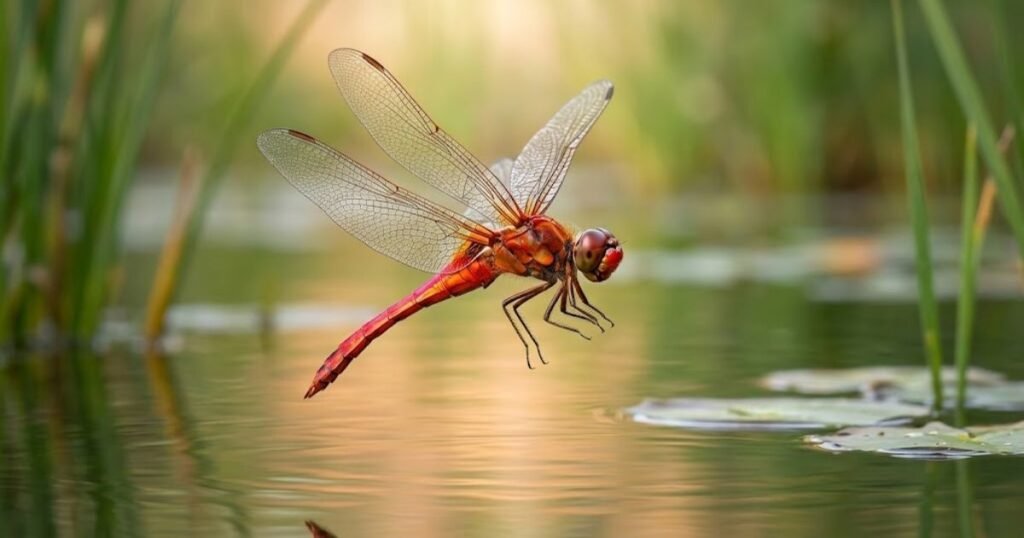
Aerial hunting is their forte; they fiercely pursue and capture insects mid-flight, utilizing their powerful wings for agility and speed. With the ability to hover and make swift directional changes, dragonflies are high-energy predators that dominate their aquatic ecosystems.
Daily behavior includes a mix of patrolling and resting, where they frequently return to perches to conserve energy. Their wings allow them to harness energy from the sun, making them more active during warmer parts of the day.
A dragonfly can consume its body weight in prey each day, showcasing not just their need for energy but their role as a natural pest control agent. This ability, blended with their elegant appearance and astounding capabilities, makes them a vital and vibrant part of their habitat.
Ants
| Characteristic | Details |
|---|---|
| Scientific Name | Formicidae |
| Habitat | Found globally in diverse environments, from rainforests to deserts |
| Diet | Omnivorous; feeds on sugars, proteins, and organic materials |
| Size | Typically 0.08 to 2 inches (2 to 50 mm) |
Ants are a prime example of energetic creatures, constantly engaged in a flurry of activity within their colonies. These industrious insects not only transport food and materials but also carry out intricate tasks such as digging and nest maintenance.
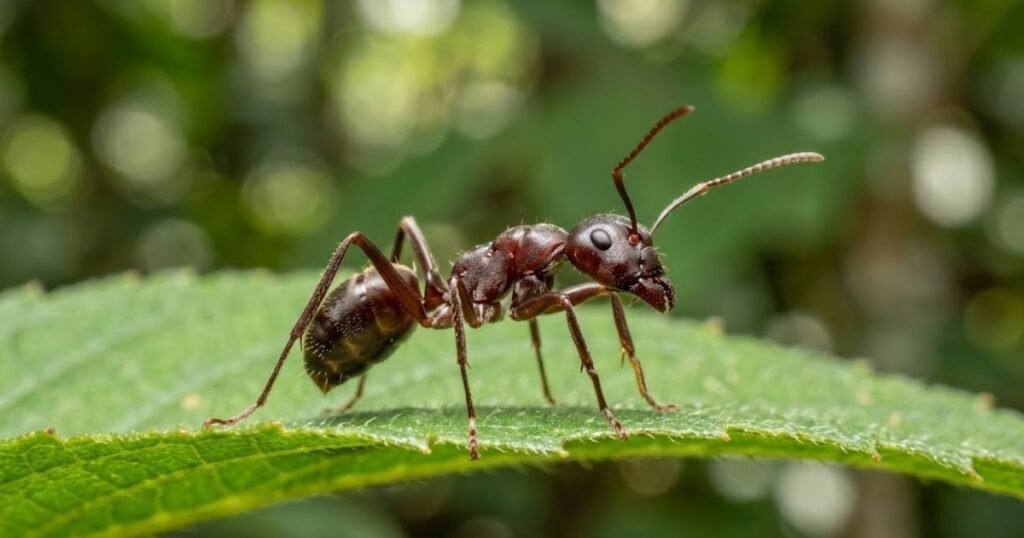
Their teamwork is a marvel of nature, allowing them to move objects many times their own weight, reflecting a remarkable blend of strength and stamina despite their diminutive size. Typically bustling about during daylight hours, ants exhibit high activity levels, with certain species known for their dizzying speeds.
Some can cover vast distances in search of food, while others display a relentless commitment to their colony’s well-being. Their energy comes from foraging, which supplies vital nutrients and carbohydrates; they even create a mutualistic relationship with aphids to harvest honeydew.
The average ant can consume energy equivalent to several times its body weight in a day, underscoring their need to replenish that energy frequently.
Honeybee
| Attribute | Details |
|---|---|
| Scientific Name | Apis mellifera |
| Habitat | Flower meadows, gardens, and agricultural fields |
| Diet | Nectar and pollen |
| Size | Typically 1.2 to 1.5 cm (0.5 to 0.6 inches) long |
Honeybees are the epitome of energetic animals, continually flitting between their hive and blooming flowers. Each forager’s day revolves around the collection of nectar and pollen, fulfilling essential roles both for their personal energy and the hive’s survival.
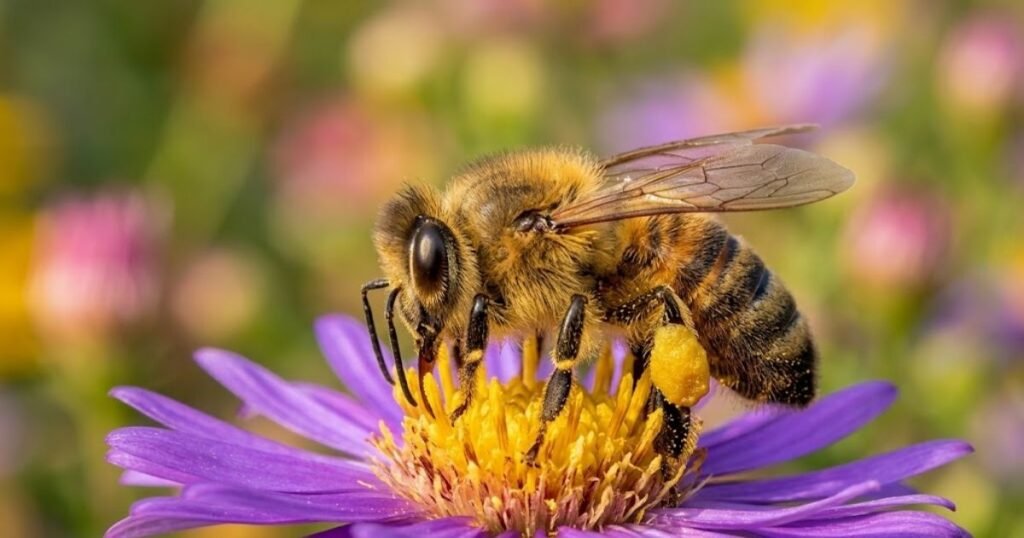
These industrious insects can fly at speeds of up to 15 miles per hour, yet their stamina allows them to sustain flights that can exceed several kilometers in search of food. Their vibrant daily routines are not just vital for energy replenishment; they are also a dance of complex communication, relying on sophisticated pheromones and “waggle dances” to inform fellow hive members about plentiful nectar sources.
The sheer energy demands of flight are astounding, requiring honeybees to consume significant amounts of nectar to power their wings. In fact, a single bee can visit hundreds of flowers in just one day, navigating the landscape with astonishing precision, thanks to their keen eyesight and ability to detect ultraviolet light.
An interesting fact about these energetic marvels is that a honeybee’s wings beat approximately 200 times per second, creating a mesmerizing hum the sound of industry in a bustling ecosystem.
Kangaroo Rat
| Attribute | Details |
|---|---|
| Scientific Name | Dipodomys spp. |
| Habitat | Arid deserts |
| Diet | Seeds, plants, insects |
| Size | 10–15 inches |
The kangaroo rat, a remarkable desert dweller, thrives in the arid landscapes of North America. Its impressive energy levels are fueled by an extraordinary adaptation to conserve water, allowing it to survive without direct hydration. This little creature typically maintains a nocturnal lifestyle, emerging after sunset to engage in its frenetic foraging routines.
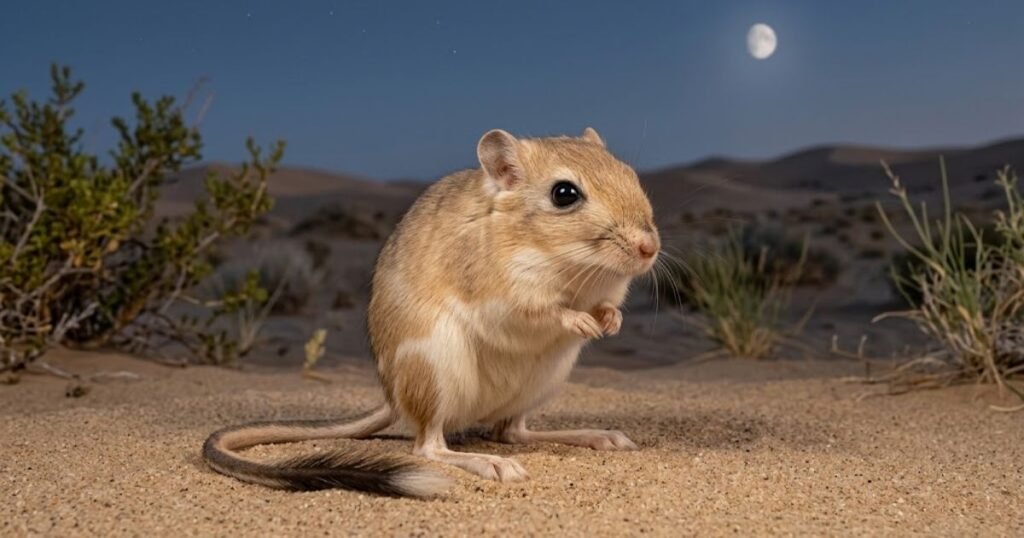
With quick hops and agile jumps that can cover great distances, the kangaroo rat is both a master of evasion and an efficient gatherer. Not only does its daily behavior revolve around collecting seeds and food efficiently, but it also showcases an incredible stamina that allows it to navigate its harsh environment.
This critter truly epitomizes energy efficiency, often storing food for future use. What’s even more fascinating is their ability to utilize their muscular tails for balance during high-speed escapes from predators. The kangaroo rat’s survival strategy is a testament to nature’s ingenuity in adapting to unforgiving habitats.
Pronghorn
| Characteristic | Details |
|---|---|
| Scientific Name | Antilocapra americana |
| Habitat | Open grasslands and prairies |
| Diet | Grasses, forbs, shrubs |
| Size | 3.5 to 4.5 feet at the shoulder |
The pronghorn is a fascinating marvel of adaptation, thriving in the expansive grasslands of North America. Often mistaken for an antelope, this unique species is renowned for its incredible running ability and long-distance stamina, allowing it to maintain speeds of up to 55 mph over considerable distances.
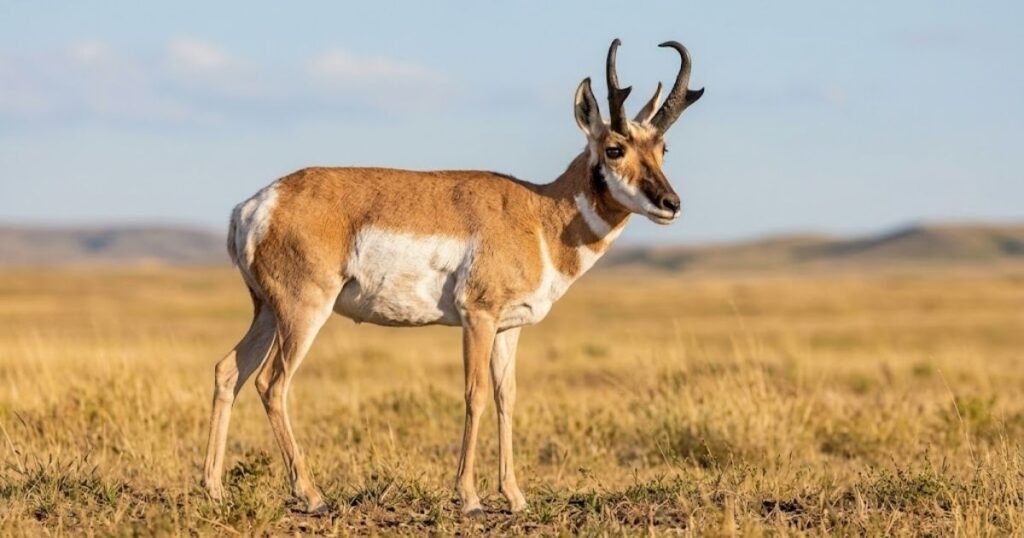
Unlike the cheetah, which excels in short bursts, the pronghorn has evolved to outrun predators over the long haul, showcasing a delightful mix of speed and endurance unparalleled in the animal kingdom. On a typical day, pronghorns can be seen foraging for vegetation, utilizing their keen eyesight to detect predators from afar.
Their energetic nature allows them to engage in playful antics and social behaviors, often seen leaping and bounding across their open habitat. Remarkably, they utilize energy efficiently; after consuming a diet rich in grasses and shrubs, they convert this fuel into explosive energy, making them agile yet durable runners.
An intriguing fact lies in their unique adaptations pronghorns can sprint at high speeds with minimal fatigue, making them exceptional athletes in the wild.
Jack Russell Terrier
| Aspect | Details |
|---|---|
| Scientific Name | Canis lupus familiaris |
| Habitat | Originally bred in the United Kingdom |
| Diet | High-quality dog food, protein-rich diet |
| Size | 10–15 inches tall, 13–17 pounds |
The Jack Russell Terrier, with its origins in the UK, thrives in various environments, from urban apartments to sprawling countryside homes, as long as it has space to explore. Known for its relentless energy, this breed exhibits traits that make it a standout among high-energy dogs.

Characterized by a strong prey drive, it channels its vigor into activities like running, digging, and chasing, showcasing an impressive mix of speed and stamina.
Daily, these spirited companions require not just physical exercise but also mental stimulation to prevent boredom. Their intelligence and curiosity mean they’re eager to learn and engage in games, tricks, and even dog sports.
An interesting fact about the Jack Russell Terrier is that they were historically used for hunting foxes, a testament to their agility and keen instincts, making them not only energetic but highly adaptable as well. This blend of attributes makes the Jack Russell an engaging, yet demanding companion for active families.
Baby Goat
| Attribute | Details |
|---|---|
| Scientific Name | Capra aegagrus hircus |
| Habitat | Domestic environments, farms, and rural areas |
| Diet | Herbivorous – primarily grasses, shrubs, and weeds |
| Size | Average weight ranges from 50 to 100 pounds |
Baby goats, commonly known as kids, are renowned for their exuberant energy and playful antics. Found on farms and in rural environments, these charming creatures thrive in both open pastures and wooded areas where they can engage in their favorite pastimes: jumping and climbing. Their high activity level is attributed to their innate curiosity and social behavior, reflecting their natural instincts to explore and play.
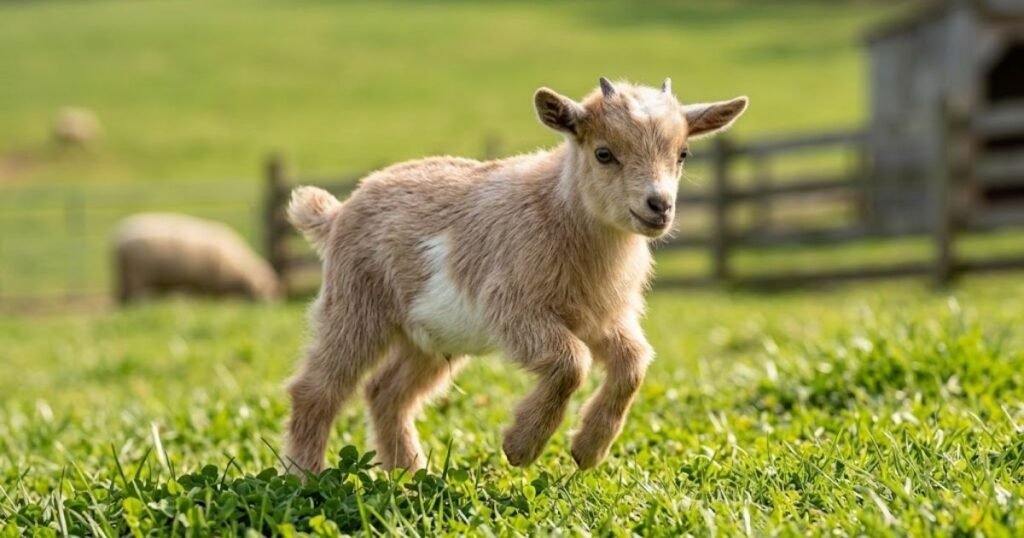
Young goats exhibit hyperactivity partly due to their rapid development; they use physical play as a means to build strength and coordination, setting the stage for their adult lives. Observing baby goats in action is a reminder of the raw, joyful essence of nature. Whether leaping into the air or deftly scaling rocks, their agility is impressive; these nimble little creatures can reach speeds of up to 15 miles per hour during bursts of play.
An interesting facet of their energy comes from their diet, which is rich in fiber and nutrients, fueling their daily escapades. Goat kids often challenge each other in playful bouts, which not only fosters social bonds but also contributes to their physical growth and development. In essence, their vibrant behavior is a delightful expression of life teaching us to embrace our playful side and find joy in the simplest of activities.
Sea Otter
| Attribute | Details |
|---|---|
| Scientific Name | Enhydra lutris |
| Habitat | Coastal kelp forests |
| Diet | Sea urchins, crabs, fish |
| Size | 50–100 lbs (22–45 kg) |
Sea otters demonstrate boundless energy, effortlessly navigating their coastal habitats in search of food. Their playful antics and intricate foraging techniques reveal not only a high activity level but also a keen intelligence. Typically, they engage in constant swimming, diving up to 300 feet to reach various prey.
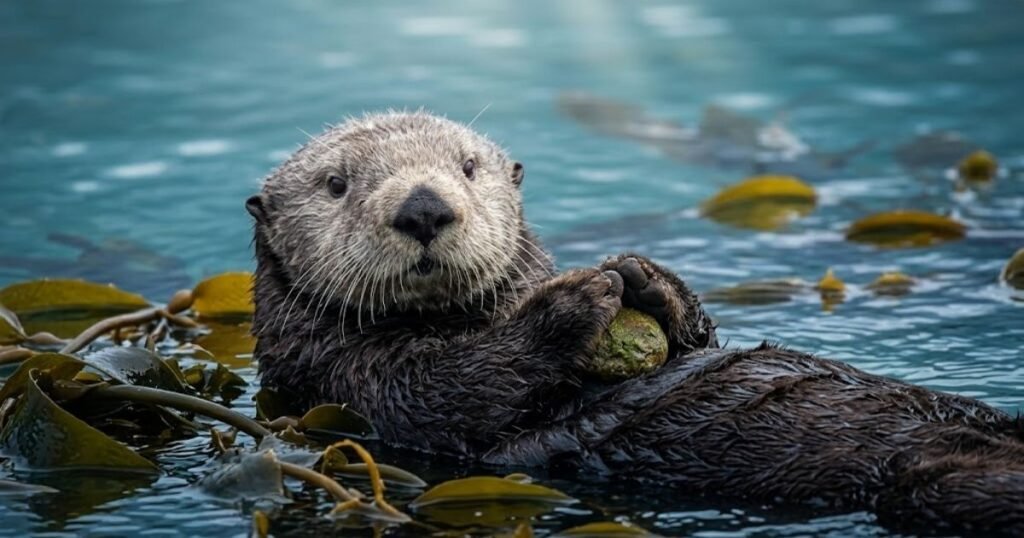
With a remarkable metabolism, these furry creatures manage to consume roughly 25% of their body weight daily, which is essential to sustain their energetic lifestyle and warm their bodies in frigid waters. The sea otter’s most fascinating energy maneuver lies in its unique grooming habits.
With their dense fur containing up to a million hair strands per square inch, they must regularly maintain their coats to trap air for insulation. This grooming behavior is a demanding task, not only ensuring warmth but also reinforcing their role as keystones in the marine ecosystem by maintaining kelp forests.
Sea otters have been known to use stones as tools to crack open shellfish, showcasing an innovative approach to feeding while reminding us of the adaptability found in the animal kingdom.
Chimpanzee
| Chimpanzee | Details |
|---|---|
| Scientific Name | Pan troglodytes |
| Habitat | Tropical forests, savannas |
| Diet | Omnivorous (fruits, leaves, insects) |
| Size | 4 to 5.5 feet tall (1.2 to 1.7 meters) |
Chimpanzees exhibit remarkable physical and mental energy, thriving in the vibrant ecosystems of tropical forests and savannas. Their dynamic lifestyles are characterized by climbing, swinging effortlessly from branch to branch, and occasionally walking upright.
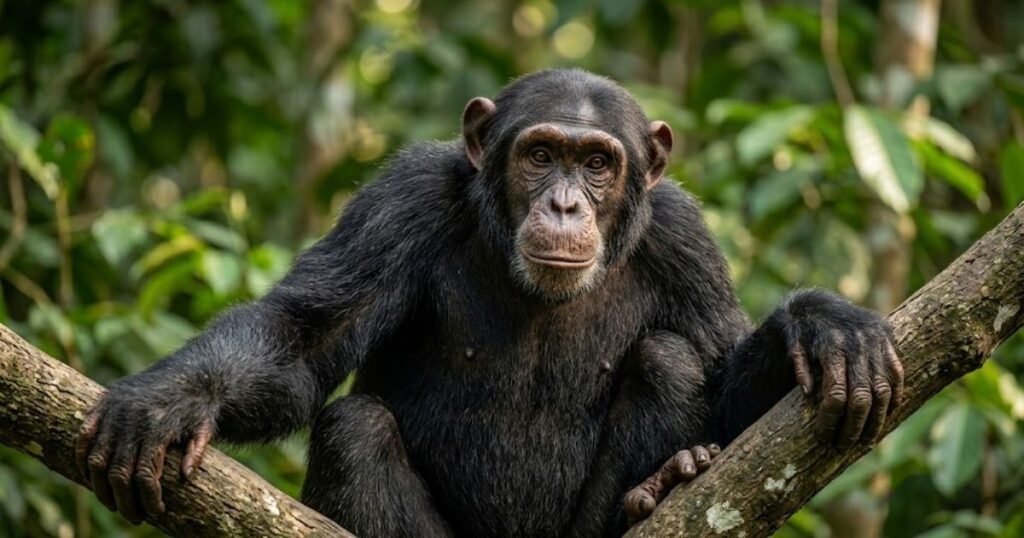
This unique locomotion, paired with their innate curiosity, fuels their vigorous daily behavior: foraging, playing, and socializing within their tight-knit communities. These intelligent primates harness energy not only through their diverse diets but also through innovative tool use, crafting implements for foraging and problem-solving.
The playful antics of young chimps provide not just entertainment but essential learning experiences, reinforcing bonds and developing social skills. Overall, the energy of chimpanzees is an intricate interplay of physical agility, social interaction, and cognitive challenges, making them one of nature’s most captivating creatures.
Red Panda
| Attribute | Details |
|---|---|
| Scientific Name | Ailurus fulgens |
| Habitat | Temperate forests of the Himalayas and China |
| Diet | Bamboo, fruits, and sometimes small mammals |
| Size | About 26 to 33 inches in length |
The red panda, with its captivating appearance and playful demeanor, thrives in the high-altitude forests of Asia. While often slower than its fellow tree-dwelling cousins, its energy is derived from an agile lifestyle that emphasizes climbing and foraging.
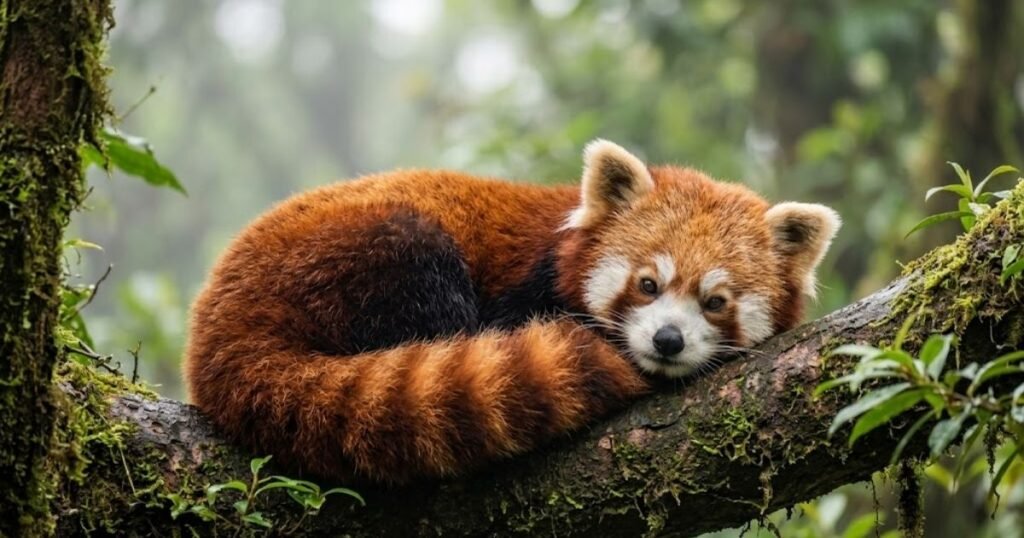
These captivating creatures demonstrate remarkable stamina, enabling them to traverse the complex treetop environments, often spending up to 13 hours a day looking for food and engaging in play. Their low metabolism forces them to adapt their energy use so they can efficiently maximize the rewards from their bamboo-heavy diet.
Active primarily at dawn and dusk, red pandas strategically utilize their energy with bursts of activity interspersed with leisurely periods of rest, embodying a perfect blend of agility and grace in their daily behaviors.
While not the fastest animals in the wild, they compensate with proficient climbing skills and a keen sense of balance, allowing them to navigate their arboreal habitats with ease. Their vibrant reddish-brown fur not only provides camouflage among the foliage but also conserves body heat an essential trait for survival in cold mountain climates.
Chinchilla
| Attribute | Details |
|---|---|
| Scientific Name | Chinchilla lanigera |
| Habitat | Andes Mountains, South America |
| Diet | Grasses, seeds, and leaves |
| Size | 9–14 inches |
Chinchillas are remarkable creatures known for their high energy levels and natural agility. Living in the rugged Andes mountains, they have evolved to navigate their rocky habitat with extraordinary speed and stamina, often engaging in quick jumps and runs while evading potential predators.
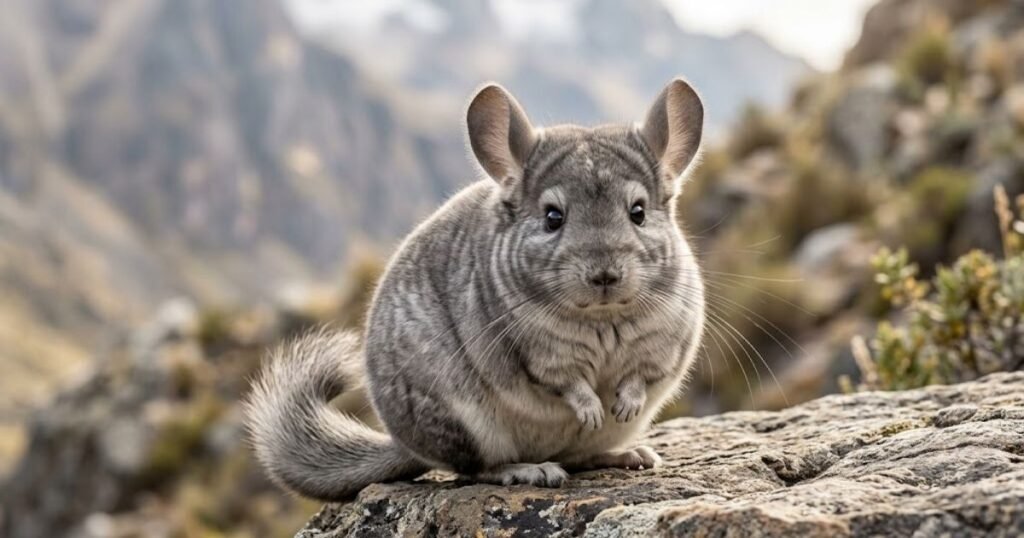
Although predominantly nocturnal, these little furballs burst into action during twilight and nighttime, showcasing their playful personalities. Their daily behavior revolves around social interactions within groups, often indulging in grooming, playing, and foraging.
They get their energy primarily from a plant-based diet rich in fibers, which aids their digestive health and allows them to maintain their vigor.
Ferret
| Attribute | Details |
|---|---|
| Scientific Name | Chinchilla lanigera |
| Habitat | Andes Mountains, South America |
| Diet | Grasses, seeds, and leaves |
| Size | 9–14 inches |
Ferrets are energetic little dynamos, often requiring large spaces to unleash their zest for life. They thrive in environments that let them dig, run, and explore; their inquisitive nature drives them to investigate every nook and cranny they can find.
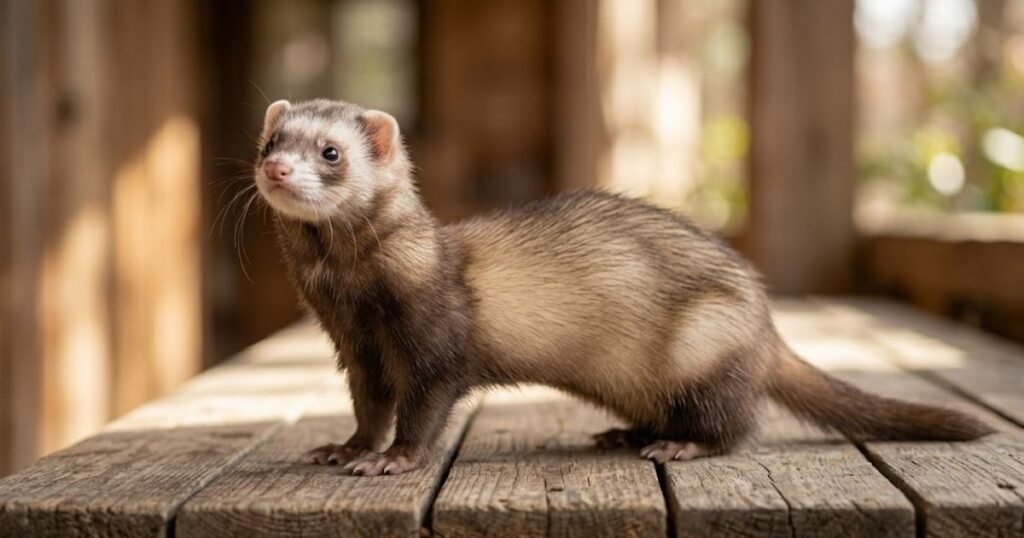
After a burst of speed, often referred to as the “ferret war dance,” you’ll see them perform a joyful display of flips and hops, showcasing their playful spirit. Their high energy is partly due to their structure; as members of the weasel family, they have lean bodies design that allows for explosive motion and agility.
Daily, ferrets display a fascinating cycle of energy usage. They become increasingly playful after a good nap, engaging in spirited runs and agile digs, powered by their carnivorous diet that supports their active lifestyle. This energy often translates to what some might perceive as hyperactivity, particularly in pet ferrets.
The misinterpretation arises from their enthusiastic antics when they feel stimulated or bored. Providing enriched play environments with tunnels and toys can help channel that zest into positive outlets, allowing your ferret to thrive while capturing the hearts of all who meet them.
Lemur
| Attribute | Details |
|---|---|
| Scientific Name | Lemur catta |
| Habitat | Madagascar’s forests |
| Diet | Fruits, leaves, insects |
| Size | 17–25 inches (body) + 24–27 inches (tail) |
Lemurs are truly the acrobats of the animal kingdom, thriving in Madagascar’s lush, tree-filled environments. Their energetic nature is highlighted in their remarkable skills in climbing and jumping, allowing them to navigate the dense canopies with ease.
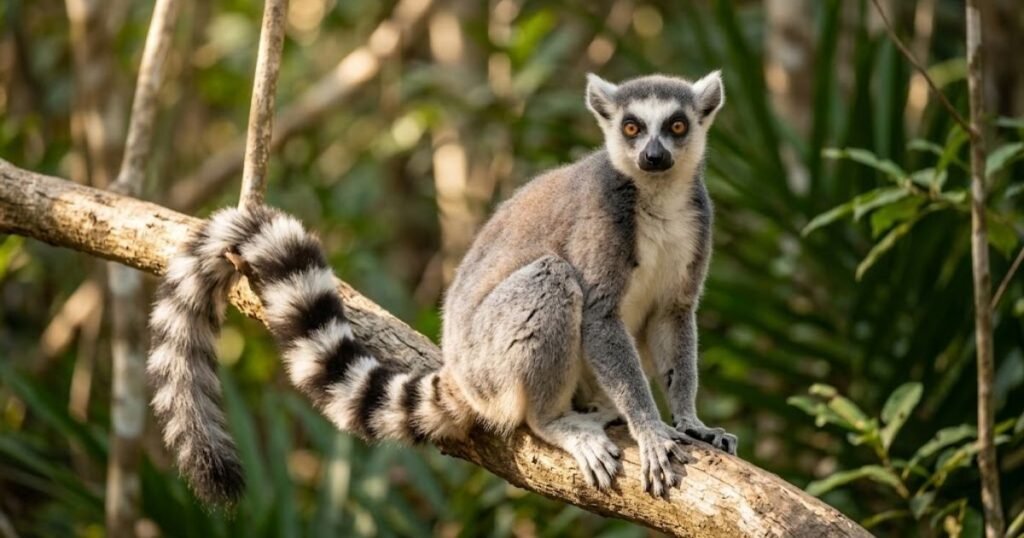
With powerful hind limbs, they can leap distances of up to 30 feet, embodying a level of agility that captivates anyone fortunate enough to witness their enthusiastic movements. Daily behavior in lemurs is characterized by their social structures, often seen foraging in groups and engaging in playful interactions.
These social activities serve not only as a way to bond but also as a crucial energy source, with foraging behavior engineered for peak efficiency. Interestingly, lemurs possess a unique reliance on both fruits and insects for sustenance, making them opportunistic foragers.
An intriguing fact about lemurs is their specialized “sunbathing” habit; they often bask in the morning sun to warm up, conserving energy for their day filled with energetic pursuits. In this vibrant display of life, lemurs remind us of the intricate balance between energy, social interaction, and adaptation in the wild.
Hare
| Attribute | Details |
|---|---|
| Scientific Name | Lepus europaeus |
| Habitat | Grasslands, fields |
| Diet | Herbivorous (grasses, herbs) |
| Size | 20–70 cm in length |
The European hare (Lepus europaeus) thrives in open fields and grasslands where it can easily navigate its environment. Its body is a marvel of energy efficiency; long legs provide immense power for both running and jumping, enabling evasive maneuvers against predators like foxes and birds of prey.
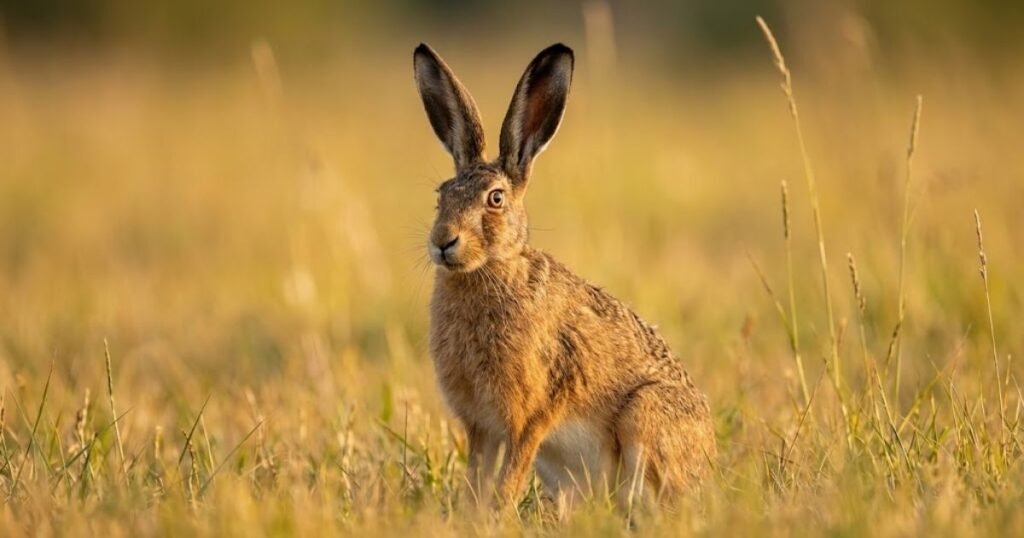
These hares possess impressive speed and endurance, capable of reaching up to 45 mph in short bursts, allowing them to weave through obstacles and outpace threats. Daily, these lively creatures engage in a rhythmic cycle of feeding and resting. They are crepuscular, most active at dawn and dusk, taking advantage of low-light conditions to graze on grasses and herbs.
The hare’s notable long ears not only enhance its acute sense of hearing but also play a role in thermal regulation, assisting it in maintaining energy levels. Interestingly, hares utilize energy in bursts, demonstrating an extraordinary ability to switch from sprinting to semi-resting positions, which maximizes their chances of survival in the wild.
Mink
| Attribute | Details |
|---|---|
| Scientific Name | Neovison vison |
| Habitat | Freshwater and coastal environments |
| Diet | Carnivorous; primarily fish, small mammals, and birds |
| Size | 22–24 inches in length, weighing 1.5–3.5 pounds |
Minks are small yet robust carnivores that thrive in a variety of aquatic habitats, allowing them to be both agile swimmers and sprightly runners. Their energetic nature is fueled by a diet rich in protein, requiring them to hunt multiple times a day. As active predators, minks often engage in bursts of speed, darting through dense vegetation and diving beneath the water’s surface to catch prey.
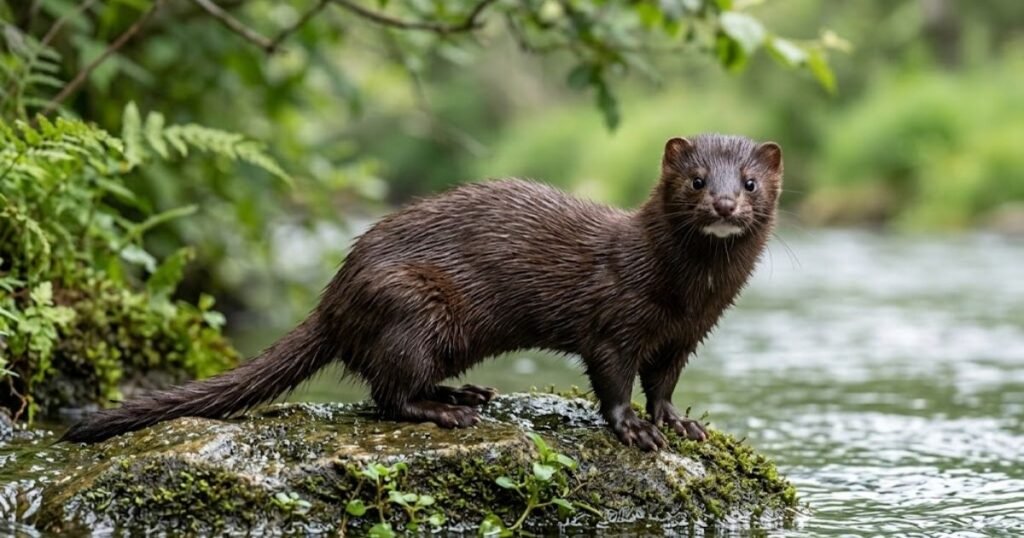
With remarkable agility, they can swim against strong currents, showcasing both their impressive stamina and their swift bursts of speed. These furry dynamo’s daily behavior is characterized by a mix of hunting, foraging, and playful interactions, often with other minks or their environment.
Their energetic lifestyle is not merely for survival; it’s an engaging spectacle to observe as they immerse themselves in play, turning their energy into a fascinating display of agility. An interesting fact about minks is that the structure of their fur is specially adapted to repel water, enhancing their efficiency as swimmers and keeping their body heat regulated while they pursue their energetic activities.
Parakeet (Budgie)
| Aspect | Detail |
|---|---|
| Scientific Name | Melopsittacus undulatus |
| Habitat | Grasslands & open forests of Australia |
| Diet | Seeds, leafy greens, fruits |
| Size | 7–8 inches in length |
Parakeets, or budgies, are nature’s small powerhouses, embodying energy with every beat of their tiny wings. Known for their vibrant personalities, these feathered friends engage in an array of dynamic activities like flying, climbing, and playful antics.

Their social nature drives them to seek constant interaction with their environment, marking them as one of the most industrious pet birds. Budgies excel in agility, showcasing speeds that can reach up to 11 mph in short bursts perfect for dashing from perch to perch with zestful enthusiasm.
To thrive, budgies need more than just a spacious cage; they require thoughtful enrichment that simulates their natural habitat. Toys that promote climbing and foraging, as well as designated flying spaces, keep their minds engaged and bodies active. With daily routines filled with exploration, preening, and vocal exchanges, these chatty companions embody a lively spirit.
Budgies can even mimic sounds and phrases, revealing just how attuned they are to their surroundings. By fostering a stimulating environment, owners can unleash the full vigor of these spirited birds, ensuring their happiness and well-being.
Tree Frog
| Characteristic | Details |
|---|---|
| Scientific Name | Hyla cinerea |
| Habitat | Freshwater swamps, marshes, and forests in Southeastern U.S. |
| Diet | Insects like mosquitoes and flies |
| Size | About 1.5 to 2.5 inches (3.8 to 6.4 cm) |
The tree frog, with its vibrant colors and nimble body, thrives in humid environments, making it a remarkable example of agile adaptability. This nocturnal creature showcases an impressive activity level characterized by energetic leaps and quick climbs.
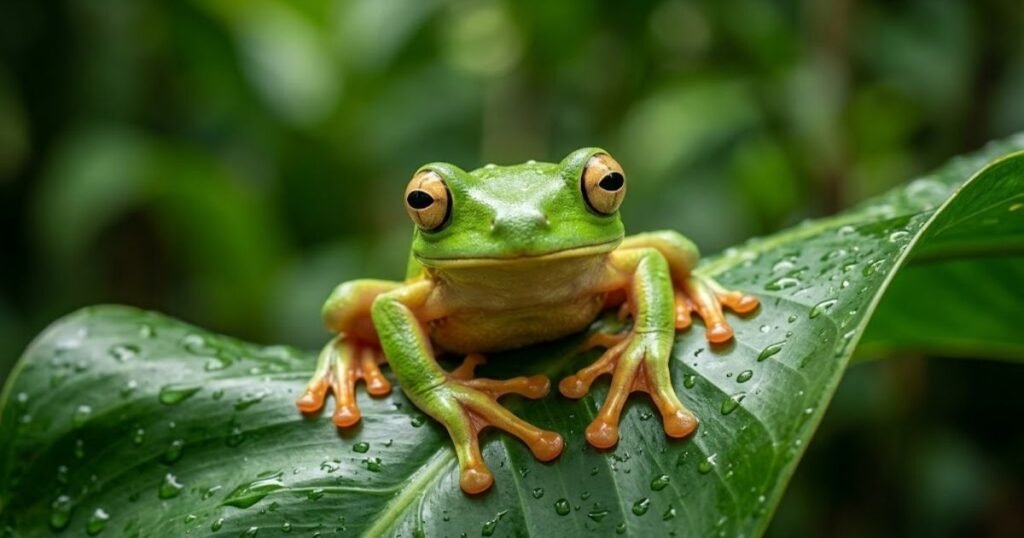
Each jump can span several feet, allowing the tree frog to navigate its environment with both speed and efficiency as it hunts for insects, their primary food source. The unique toe pads of tree frogs facilitate a grip on smooth surfaces, transforming vertical challenges into accessible hunting grounds.
What sets tree frogs apart from many other species is their energy-efficient movement. Instead of expending excessive energy, they utilize short bursts of speed during the pursuit of prey, blending swift agility with precise hunting strategies. This makes them not just masters of their environment but also fascinating subjects for studies in energy use in the animal kingdom.
Tree frogs can also enter a state of torpor during colder months, conserving energy and emerging once conditions are favorable for foraging and reproduction, showcasing their remarkable adaptability to fluctuating environments.
Octopus
| Characteristic | Details |
|---|---|
| Scientific Name | Octopus vulgaris |
| Habitat | Coastal waters, coral reefs, and ocean floors |
| Diet | Carnivorous: crustaceans, fish, and mollusks |
| Size | Up to 3 feet in length |
Octopuses are fascinating creatures known for their remarkable energy and adaptability in marine environments. They predominantly inhabit coastal waters and coral reefs, where they thrive on a diet of crustaceans and fish.
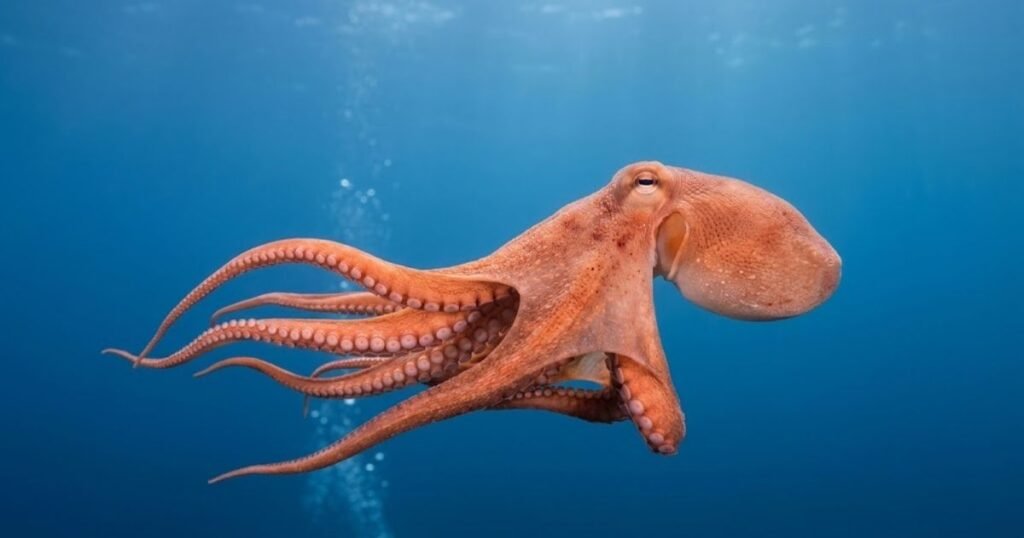
Their energetic nature comes from an extraordinary ability to blend speed with stealth using jet propulsion to dart away from predators while also employing their considerable stamina to explore hidden crevices in the ocean floor.
This dual-action approach allows them to maximize energy efficiency while ensuring they stay a step ahead of potential threats. Daily behaviors of these cephalopods are a mix of strategic hunting and inquisitive exploration. An octopus can alternate between swimming swiftly to evade predators and crawling across the ocean floor to inch closer to prey, demonstrating an impressive control over its energy expenditure.
Their intelligence enhances this energetic lifestyle, as they exhibit problem-solving skills and curiosity mimicking surroundings or utilizing tools like coconut shells for shelter. Additionally, when faced with danger, they can release clouds of ink, providing a quick escape route, showcasing a masterful blend of energy management and survival instinct in the vibrant underwater dance of life.
Wolverine
| Attribute | Details |
|---|---|
| Scientific Name | Gulo gulo |
| Habitat | Boreal forests, tundras |
| Diet | Carnivore (carnivorous scavenger) |
| Size | 26–34 inches in length |
In the rugged landscapes of the northern latitudes, the wolverine (Gulo gulo) embodies tenacity and endurance. This powerful creature thrives in boreal forests and tundras, where it traverses vast territories in search of food. With an impressive ability to cover long distances, wolverines maintain high energy levels, crucial for their hunting and scavenging lifestyle.
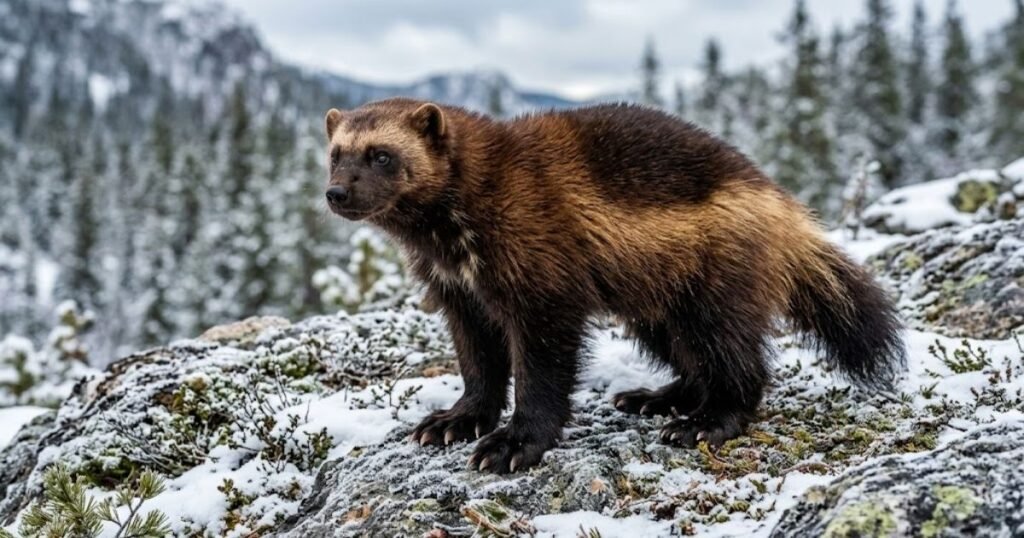
Their stout bodies, equipped with strong limbs, allow them to travel over snow and rocky terrains with remarkable stamina, showcasing agility despite their hefty size. Wolverines exhibit demanding daily behaviors that revolve around securing food sources, often traveling up to 15 miles a day. Their energy acquisition is strategic; they rely on their sharp sense of smell to locate carrion and prey, scavenging from larger animals’ kills whenever possible.
This ability to capitalize on available resources not only sustains them but also emphasizes their role as resilient survivors. An interesting fact about wolverines is their phenomenal digging skills they can burrow through thick snow to find hidden food, illustrating their adaptability and ferocity in the wild.
Wolf
| Attribute | Details |
|---|---|
| Scientific Name | Canis lupus |
| Habitat | Forests, grasslands, tundras |
| Diet | Carnivorous (primarily ungulates) |
| Size | 26–34 inches tall, 60–145 lbs |
Wolves are remarkable creatures, thriving in diverse habitats from dense forests to rolling tundras, showcasing their adaptability. Known for their high-energy lifestyles, these agile predators can travel over 30 miles a day when hunting, leveraging their stamina over mere bursts of speed.
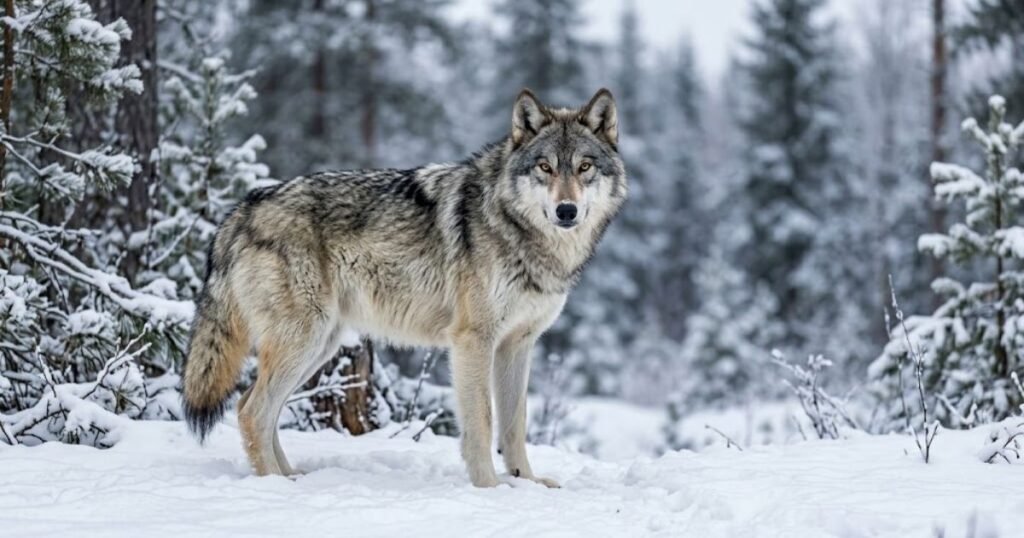
Their hunting strategies are impressive; they often hunt in packs, utilizing coordinated movements to exhaust prey over long distances, thereby maximizing their energy efficiency. A fascinating aspect of wolves is their dual reliance on speed and stamina while they can sprint up to 45 miles per hour in short bursts, their true power lies in their endurance during long-distance pursuits.
This ability allows them to cover vast territories daily and maintain their roles as apex predators. A captivating fact about wolves is that they can do the equivalent of a marathon in a single day, effortlessly traversing landscapes in search of food and adventure.
This remarkable stamina is what enables them to thrive in the wild, ensuring not just survival, but the continuity of their complex social structures.
High Energy Animals Vs Low Energy Animals
High energy animals are fascinating specimens of evolution and adaptation. Hummingbirds, for instance, beat their wings up to 80 times per second, requiring immense caloric intake to sustain their frenetic lifestyle. Shrews, tiny yet voracious predators, have such high metabolism rates that they must consume their body weight daily, exemplifying a relentless pursuit of food.
Similarly, cheetahs are renowned for their explosive speed and agility, able to sprint from 0 to 60 mph in just a few seconds during hunts. Dolphins, with their playful demeanor and acrobatic skills, require robust social structures that thrive on high-energy activities.
Border Collies, often considered the most intelligent dog breed, can showcase bursts of energy through herding or agility tasks, while African wild dogs exhibit teamwork in their high-stakes hunts, demonstrating both stamina and social cohesion that benefit their survival.
Low energy animals like sloths and koalas exhibit a leisurely approach to life that is far from lazy. Rather, their sedentary habits are strategic responses to their diets and metabolic needs. Sloths, for example, metabolize food very slowly, necessitating a low-energy lifestyle to conserve energy. Likewise, giant pandas consume a bamboo-heavy diet that requires hours of foraging but provides minimal caloric return, leading to extended rest periods.
The more prolonged activity cycles of some tortoise species highlight their approach to longevity and sustainability, allowing them to thrive in environments where food might be sporadic. This slower pace allows these creatures to allocate energy wisely, ensuring their survival in habitats where resources are limited.
| Feature | High Energy Animals | Low Energy Animals |
|---|---|---|
| Activity Level | Extremely active and dynamic | Sedentary and leisurely |
| Metabolism | High metabolism, requires constant intake | Slow metabolism, conserves energy |
| Diet | High-calorie, protein-rich | Low-calorie, fibrous |
| Survival Strategy | Fast hunting and social cooperation | Energy conservation and long foraging periods |
| Examples | Hummingbirds, cheetahs, dolphins | Sloths, koalas, giant pandas |
Hyper Animals And Hyperactive Animals
“Hyper” in everyday language suggests an uncontrollable burst of energy, often associated with restlessness or boisterousness. In the world of animal behavior, a more nuanced understanding emerges. While “hyperactive” pets might be seen as troublesome, scientists recognize that these behaviors can stem from instinctual drives, genetics, and environmental influences.
For instance, naturally active animals such as squirrels and ferrets engage in high-energy activities for survival and social interaction, while the lively demeanor of Jack Russell Terriers and Border Collies is often linked to their historic roles as hunting and herding dogs.
When we consider pets, excessive activity can signal various issues. Environmental factors like insufficient mental stimulation or physical exercise can lead to hyperactive behavior in household pets. For example, a bored Jack Russell might zoom around the house out of sheer frustration, while a neglected ferret may resort to frantically digging and climbing.
Young animals, such as baby goats, often display energetic antics as part of their development, whereas squirrels leap with purpose, showcasing agility shaped by eons of evolution.
Why Are Some Animals More Energetic Than Others?
Metabolism: Metabolism plays a crucial role in determining an animal’s energy levels, as it encompasses all the biochemical processes that convert food into energy. Species with higher basal metabolic rates (BMR) require more energy to sustain their bodily functions, leading to more active lifestyles.
Body Size: Body size significantly impacts energy expenditure; typically, larger animals have a slower metabolism and thus are less energetic compared to their smaller counterparts. This relationship is often described by the metabolic scaling theory, which suggests that as animals grow, their energy needs don’t increase linearly.
Diet: Diet directly influences energy levels, with carnivores generally obtaining a more energy-dense food source compared to herbivores. Predators like cheetahs are built for explosive energy bursts, allowing them to capture swift prey, while grazers like elephants require more sustained, lower-energy activities to process their fibrous plant-based diet.
Habitat: The habitat in which an animal resides dictates not just food availability but also the energy-expending behaviors suited to that environment. For instance, animals in open savannahs may adopt high-energy lifestyles for effective movement and hunting, whereas those in dense forests might evolve to conserve energy and utilize stealth strategies.
Predators: Predator-prey dynamics set the stage for energy expenditure patterns across species. Prey animals often develop higher energy outputs for swift escapes, resulting in enhanced agility and faster reflexes. In contrast, predators need to manage energy efficiently while hunting, leading to a focus on stealth and ambush tactics.
Hunting Style: An animal’s hunting strategy directly correlates with its energy levels. Active hunters, like lions, rely on bursts of speed and strength, which require significant energy reserves, leading to periodic rest and recuperation.
Conclusion
Throughout this exploration of the 30 most energetic animals ranked by speed and stamina, we’ve delved into the remarkable adaptations that enable these creatures to thrive in their environments. From the lightning-fast cheetah to the endurance champion, the Arctic tern, each animal showcases a unique combination of agility and perseverance.
Their incredible physical capabilities not only highlight the diversity of the animal kingdom but also inspire us to appreciate the wonders of nature. Whether you’re a wildlife enthusiast or simply curious about the natural world, these animals remind us of the beauty and resilience found in life forms around us.
FAQs
What Is The Most Energetic Animal?
The most energetic animal is often considered the Brazilian free-tailed bat, known for its incredible speed and agility, reaching up to 99 miles per hour. In the animal kingdom, insects like the Australian tiger beetle also exhibit remarkable energy and speed relative to their size.
What Animal Has The Most Energy?
The animal with the most energy relative to its size is the hummingbird, specifically the ruby-throated hummingbird. These tiny birds have an incredibly high metabolism, allowing them to beat their wings up to 80 times per second, requiring constant feeding on nectar to sustain their energy levels.
What Animal Is Super Hyper?
The Mexican jumping bean is famously super hyper due to the live larva inside that creates erratic movements. Additionally, small dog breeds like Chihuahuas and Jack Russells are known for their boundless energy and playful antics.
Which Animal Is The Most Active?
The Brazilian free-tailed bat is often considered one of the most active animals, capable of flying at speeds over 99 miles per hour. Additionally, some species of hummingbirds, like the ruby-throated, exhibit incredible activity levels, flapping their wings up to 80 times per second.
What Is The Second Smartest Animal?
The second smartest animal is often considered to be the African gray parrot, renowned for its advanced vocal mimicry and problem-solving skills. Their ability to understand concepts and communicate effectively showcases remarkable cognitive abilities throughout the avian world.