Goat Scientific Name: Classification, Characteristics, Breeds & Facts
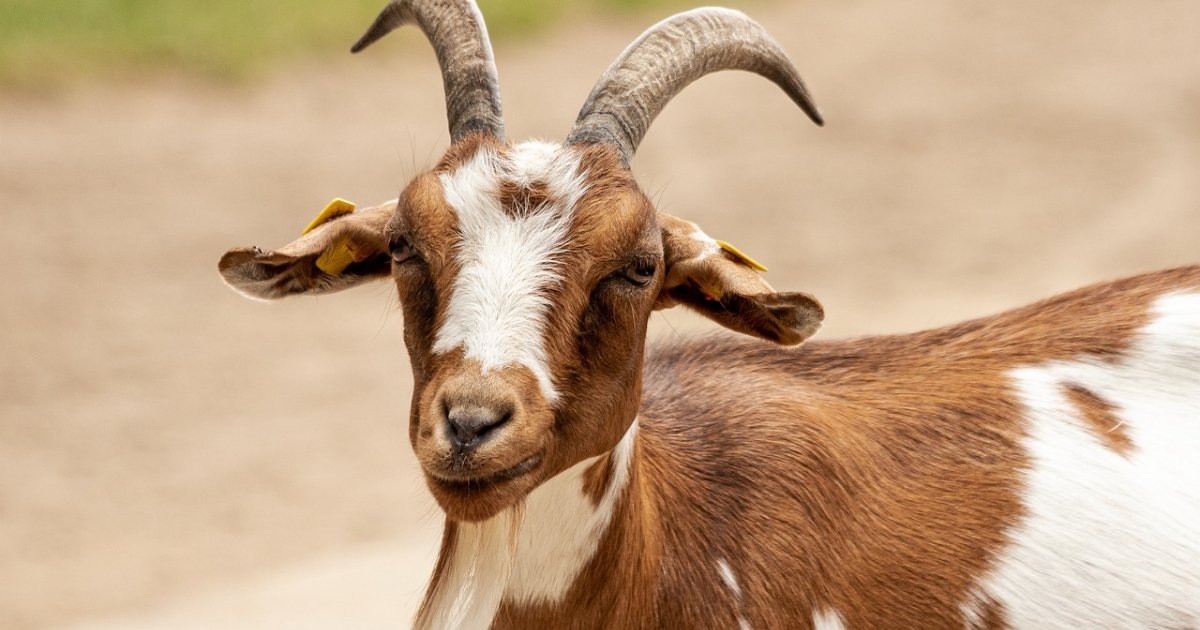
If you think goats are just cute farm animals, think again these creatures are incredibly diverse and have an intriguing classification system! Starting off with goat scientific name, Capra aegagrus hircus, this blog post will guide you through the essential characteristics that make goats unique, along with the various breeds you might encounter.
Whether you’re a goat enthusiast or simply curious, this exploration will provide you with valuable insights and facts that highlight the significance of goats in our lives.
What Is The Scientific Name For A Goat?
The domestic goat, scientifically known as Capra hircus, is a fascinating species that has significantly contributed to human agriculture and culture. This name not only categorizes the goat within the Caprinae subfamily but also highlights its evolutionary link to wild goats.
Common Name vs Scientific Name: While “goat” serves as the common name that most people use daily, the scientific name, Capra hircus, offers specificity that is essential in biological classification.
Common names can vary widely across languages and cultures, leading to potential confusion. In contrast, scientific names are universally recognized, offering clarity within the scientific community and aiding in conservation efforts and biodiversity studies.
Purpose of Scientific Name: The purpose of scientific naming extends beyond mere identification; it lays the groundwork for taxonomy, communication, and research. By using a standardized naming convention, scientists can effectively share information about species, facilitating collaboration and ensuring that everyone is speaking the same language when it comes to biodiversity.
Domestic Goat Scientific Name And Genus
The scientific name of the domestic goat is “Capra aegagrus hircus”. This classification reflects its domesticated roots, linking it to the wild goat species from which it descends. The term “Capra” not only denotes goats but has historical significance in various cultures, symbolizing agility and curiosity.
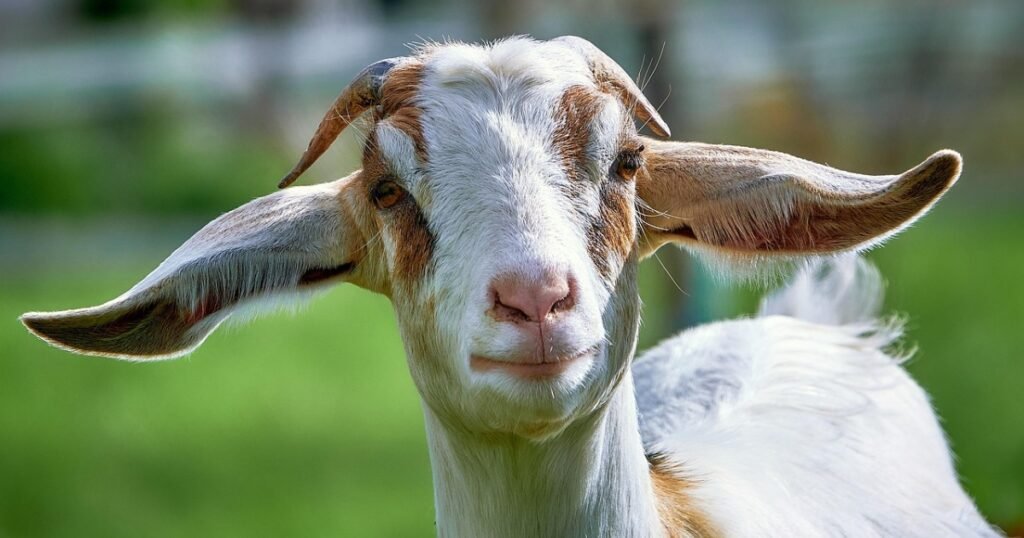
What Is The Genus Of A Goat?
The genus of a goat is “Capra“. This classification includes a diverse group of hoofed mammals, encompassing several species beyond the domesticated goat, such as the infamous ibex and the majestic markhor.
Within the genus “Capra“, domestic goats are classified specifically as Capra aegagrus hircus. This species designation highlights the domestication process that began thousands of years ago, transforming the wild ancestors of the goat into the friendly farm animals we know today.
Each breed within this species carries distinct traits, contributing to the fascinating variety we see globally, from dairy to fiber production.
Meaning Of The Goat’s Biological Name
The biological name Capra aegagrus hircus encapsulates the essence of goats. The Latin root “Capra” signifies “goat,” while “aegagrus” refers to the wild goat, evoking images of rugged terrains and resilient nature.
The addition of “hircus,” which means “male goat” in Latin, emphasizes the strong connection to the species’ wild ancestry, symbolizing not just domestication but also the vibrant spirit and resourcefulness that goats exhibit in their daily lives.
Goat Biological Classification And Taxonomy
| Taxonomic Rank | Classification |
| Kingdom | Animalia |
| Phylum | Chordata |
| Class | Mammalia |
| Order | Artiodactyla |
| Family | Bovidae |
| Subfamily | Caprinae |
| Genus | Capra |
| Species | aegagrus |
| Subspecies | hircus |
Mountain Goat Scientific Name: Is It The Same As A Goat?
Mountain goats are fascinating creatures that primarily inhabit the rugged terrains of North America. Despite their name, they are not true goats but are more closely related to antelopes and other members of the Bovidae family.
These agile animals are perfectly adapted to life on steep, rocky cliffs, showcasing incredible climbing skills and balance. Known for their striking white fur and sharp horns, mountain goats are often a symbol of resilience in harsh environments.
The scientific name of the mountain goat is “Oreamnos americanus“. This nomenclature underscores their unique classification within the animal kingdom, diverging from traditional goats that fall under the genus “Capra“.
This distinction highlights the mountain goat’s specialized adaptations, such as its thick fur and specialized hooves. Unlike domestic goats, which have been bred for various traits, mountain goats are the product of millions of years of evolution, perfectly tailored to survive in extreme habitats.
Domestic Goat VS Mountain Goat
| Feature | Domestic Goats | Mountain Goats |
|---|---|---|
| Scientific Name | Capra aegagrus hircus | Oreamnos americanus |
| Habitat | Farms, grasslands, and human-managed areas | Rocky mountains, cliffs, and alpine regions |
| Physical Traits | Vary widely in size, color, and appearance due to selective breeding | Thick white coat, strong hooves, and muscular body adapted for climbing |
| Coat | Different colors and coat types | Thick coat that provides insulation in cold environments |
| Climbing Ability | Good climbers, but generally less specialized | Excellent climbers, adapted to steep and rocky terrain |
| Behavior | Social, curious, and comfortable around humans | More cautious and generally avoids human contact |
| Human Interaction | Domesticated and commonly kept by humans | Wild animals with limited human interaction |
| Main Adaptation | Adapted through domestication and selective breeding | Adapted naturally to harsh mountain environments |
Feral Goat Scientific Name
In terms of scientific classification, feral goats belong to the species “Capra hircus”. This classification underscores their close genetic ties with domestic goats, which are also classified within the same species. Feral goats exhibit variations in size, color, and horn shapes, reflective of their diverse environments and potential interactions with other goat species.
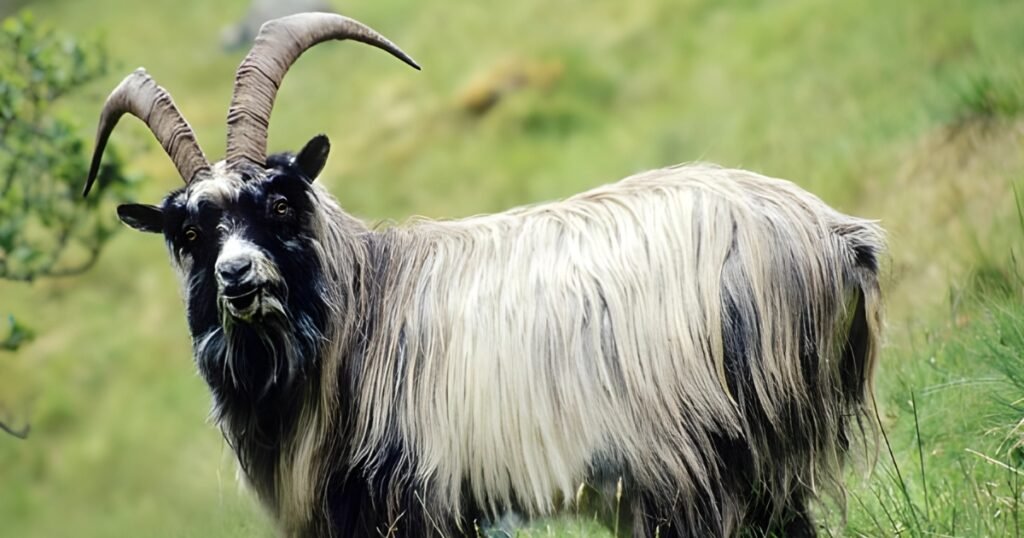
Feral goats are domesticated goats that have returned to a wild state. Unlike wild goats, feral goats exhibit some traits inherited from their domesticated ancestors, such as adaptability and hardiness.
They often thrive in rugged terrains and are known for their foraging ability, making them resilient survivors in various environments. In many regions, they contribute to the ecosystem by controlling vegetation but can also become invasive, disrupting local flora and fauna.
The origin of feral goats can be traced back to domesticated goats that originated in the Middle East around 10,000 years ago. As humans migrated and settled in different parts of the world, some goats escaped or were released, thriving in various landscapes.
Over time, these goats adapted to their new environments, leading to the emergence of distinct feral populations, each with unique characteristics based on their habitats.
Relationship Between Feral Goat And Domestic Goat
| Feature | Feral Goats | Domestic Goats |
|---|---|---|
| Origin | Descended from domestic goats that returned to the wild | Bred and raised by humans |
| Behavior | Often develop more natural, survival-oriented behaviors | Generally selected for docility and easier handling |
| Human Influence | Minimal direct human control | Strong human influence through selective breeding |
| Adaptability | Highly adaptable to different environments and survival conditions | Adapted mainly to environments managed by humans |
| Selected Traits | Survival, independence, and natural instincts become more important | Traits such as milk production, meat quality, and docility are often selected |
| Relationship | Can maintain genetic traits from domestic goat populations | May benefit from genetic diversity preserved in feral populations |
| Genetic Importance | Some feral populations can act as genetic reservoirs | Feral populations may potentially contribute useful genetic diversity to domestic breeds |
10 Characteristics Of Goat
Goats are domesticated mammals known for their adaptability and usefulness. Here are the main characteristics of goats:
Herbivorous Diet
Goats are fascinating creatures with a specialized herbivorous diet, primarily consisting of grass, leaves, and shrubs. Beyond mere sustenance, they are selective foragers, adept at choosing the most nutrient-rich plants.
This trait not only supports their health but also aids in maintaining ecological balance; by browsing various vegetation types, they help prevent any specific plant from dominating an ecosystem, contributing to biodiversity.
Four-Chambered Digestive System
The complexity of a goat’s four-chambered stomach is a marvel of nature, allowing them to efficiently break down fibrous plant materials. This system includes the rumen, reticulum, omasum, and abomasum, each playing a pivotal role in fermentation and digestion.
As ruminants, goats regurgitate and re-chew their food, a process that maximizes nutrient absorption, ensuring they thrive even in less-than-ideal grazing conditions.
Hooved Feet
Goats possess distinctive hooved feet that play an essential role in their survival. These strong, cloven hooves provide excellent traction, allowing them to navigate rocky terrains with ease.
This adaptability not only helps them find food and shelter but also enables them to escape predators, showcasing their remarkable evolutionary design that favors both mobility and stability.
Horns And Head Structure
The structural design of a goat’s head, complete with its iconic horns, is both functional and fascinating. These horns serve multiple purposes: they act as tools for foraging, offer protection against predators, and even play a role in social hierarchy during mating displays.
The shape and size of horns can vary dramatically between breeds, highlighting the vast diversity within goat species.
Strong Climbing Ability
Renowned for their climbing prowess, goats are natural mountaineers, often seen scaling steep and rocky terrains with confidence. This ability is not merely for show; it’s an essential survival trait that provides them access to food sources others can’t reach and safe havens from predators.
Social Behavior
Goats are inherently social animals, thriving in groups where they establish intricate hierarchies and relationships among peers. Their social structure is evident in behaviors such as grooming and vocalizations, which signal comfort and reinforce bonds within the herd.
This communal lifestyle not only offers protection against dangers but also fosters emotional well-being, reinforcing their need for companionship.
Excellent Balance
The goat’s exceptional balance is a defining characteristic enabling it to traverse treacherous terrains. With a low center of gravity and strong hindquarters, goats can maintain stability even on narrow ledges. This balancing skill is critical for foraging in high places, allowing them to tap into an often underutilized food source while evading threats below.
Wide Variety Of Breeds
There is an astonishing variety of goat breeds, each adapted to different environments and purposes. From the robust Angora, prized for its luxurious fiber, to the hardy Boer, known for its meat production, these breeds exemplify the versatility of goats.
Adaptability To Different Environments
Goats are exceptionally adaptable animals, thriving in diverse environments from arid deserts to lush pastures. Their resilience allows them to withstand conditions that might challenge other livestock, making them a reliable source of milk, meat, and companionship around the globe.
Milk, Meat And Fiber Production
Beyond their charming personalities, goats are integral to agricultural livelihoods by providing milk, meat, and fiber. Goat milk is celebrated for its digestibility and rich nutritional profile, while goat meat is lean and packed with flavor, offering a healthier alternative in many diets.
Types Of Goats Based On Breed
Goat breeds can be classified based on their primary purpose, physical characteristics, origin, and production abilities. Some breeds are mainly raised for milk, while others are preferred for meat, fiber, or multiple purposes.
Dairy Goat Breeds
Dairy goats are acclaimed for their rich and creamy milk, which can be transformed into a plethora of delicious cheeses and yogurts. Breeds like the Saanen, known as the “Holstein” of the goat world, stand out for their impressive milk production capabilities.
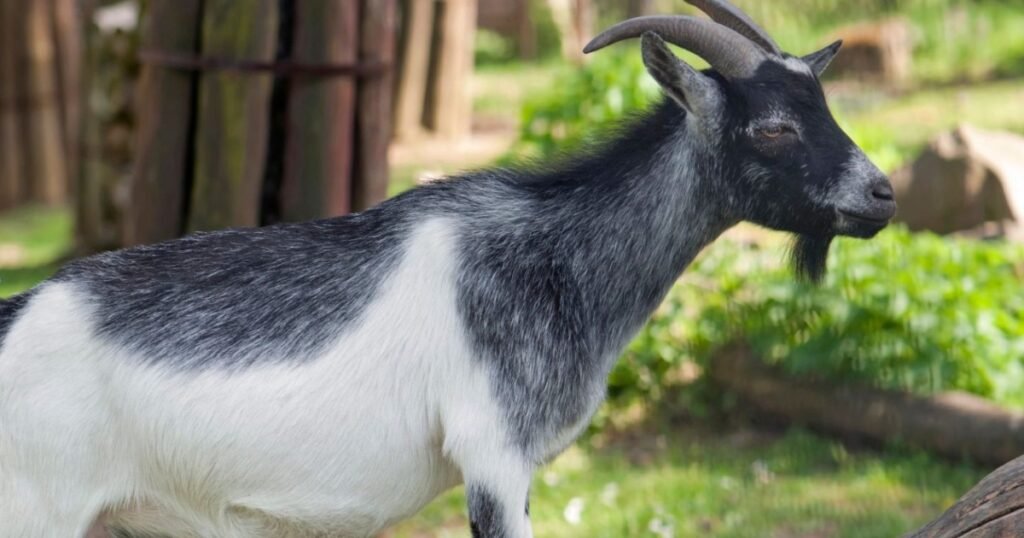
Nubians, with their distinctive floppy ears, not only provide substantial yields of milk but also boast a higher butterfat content, making their milk especially coveted for cheese-making.
Meat Goat Breeds
When it comes to meat production, the Boer goat reigns supreme. Originating from South Africa, these robust, fast-growing goats have become a staple in global meat markets due to their exceptional carcass quality and lean meat.
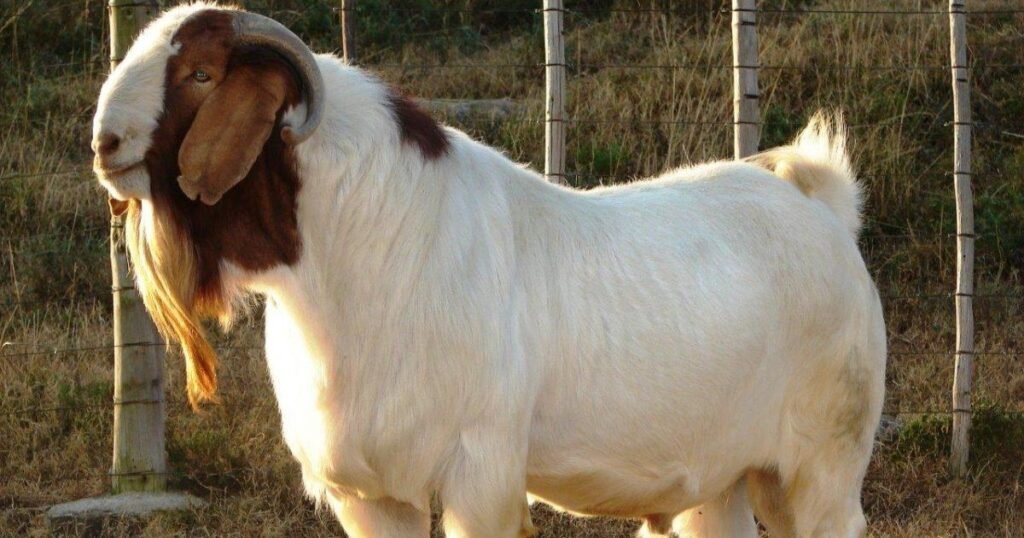
TexMaster goats, a hybrid breed, offer great versatility and marbling, appealing to both small farms and larger commercial operations. The meat goat sector is rapidly evolving, with farmers using selective breeding to develop goats that thrive in diverse climates, ensuring a sustainable supply of quality meat.
Fiber Goat Breeds
In the realm of fiber production, the Angora and Cashmere goats are true treasures. Angora goats produce mohair, a lustrous fiber prized for its durability and sheen, making it a favorite among textile artists. Cashmere goats yield the soft and warm cashmere wool, renowned for its luxurious feel and insulating properties.
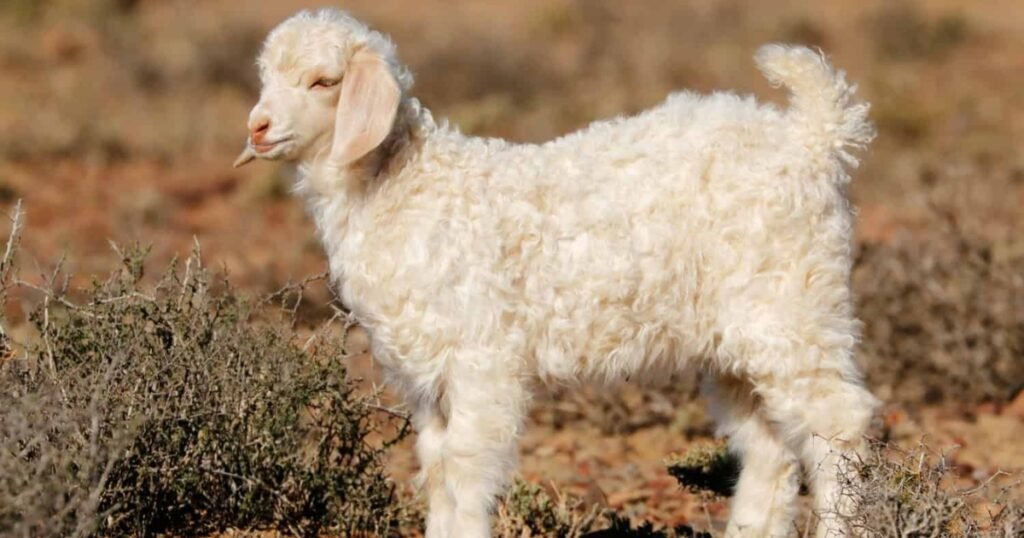
The rise of sustainable fashion has led to a renewed interest in these breeds, encouraging farmers to adopt ethical practices that not only produce high-quality fibers but also contribute positively to the environment.
Feral And Wild Goat Populations
Feral and wild goat populations, such as the majestic ibex and elusive chamois, offer intriguing insights into adaptability and resilience. These goats thrive in rugged terrains, showcasing impressive natural instincts that have enabled them to survive in harsh habitats.
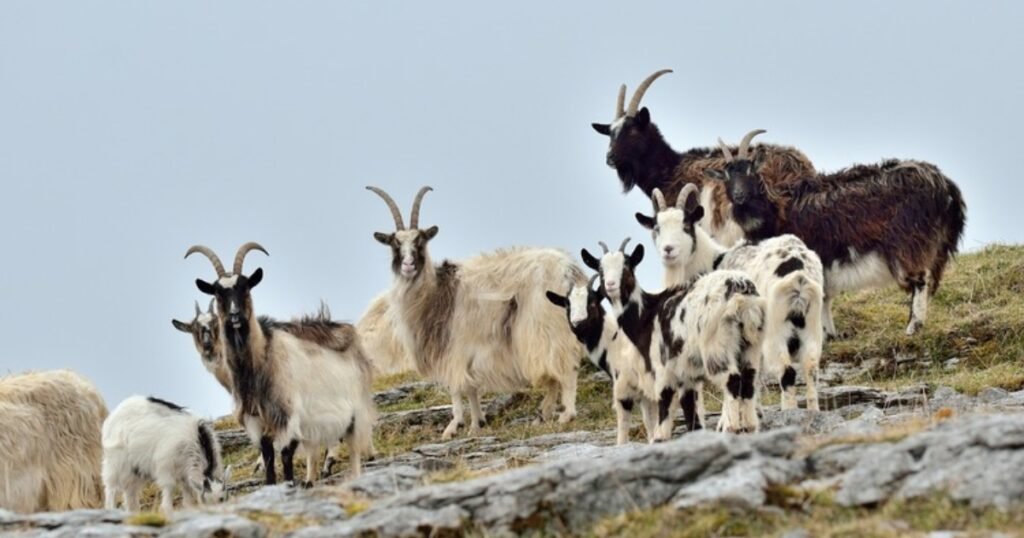
Examining feral herds can also shed light on domestic goat genetics, revealing how domestication has influenced traits over centuries.
Goat Breeds And Their Uses
Different goat breeds are developed or selected for specific purposes, including milk, meat, fiber, leather, breeding, and companionship. Some breeds are also considered dual-purpose because they can provide both milk and meat.
Goats Raised For Milk
Dairy goats are prized not just for their rich milk but for their adaptability to various climates. Breeds like Saanen and Nubian are renowned for their high milk yield and unique flavors. Saanens produce a mild, creamy milk, while Nubians offer a more buttery taste, making their milk a favorite for artisanal cheese makers.
Goat milk is often easier to digest than cow’s milk, appealing to those with lactose sensitivity. Farmers are increasingly turning to goats for sustainable dairy production, as they require less land and feed compared to traditional dairy cattle, making them an eco-friendly choice.
Goats Raised For Meat
Meat goats, particularly the Boer breed, are celebrated for their rapid growth and high-quality meat. Boer goats excel in meat production, boasting a robust conformation and lean flavor that has garnered them a loyal following among gourmet cooks.
With their hardiness, they thrive in a variety of environments, making them an excellent choice for small-scale farmers looking to diversify their livestock. The rising demand for goat meat globally has inspired farmers to focus on efficient breeding practices, enhancing meat quality while maintaining ethical farming standards.
Goats Raised For Fiber
Fiber-producing goats, such as Angora and Cashmere breeds, are jewels in the world of textiles. Angora goats produce mohair, a silky fiber known for its luster and warmth, while Cashmere goats yield the luxurious cashmere wool that’s softer than sheep wool.
Beyond their fibers, these goats require careful grooming and feeding to maximize yield, making them a unique challenge for farmers.
Goats Kept As Pets
As companions, goats are thriving in urban and suburban settings, capturing the hearts of many with their playful antics and interactive personalities. Breeds like Nigerian Dwarfs and Pygmy goats are particularly suited to small spaces, as they are sociable and tend to form bonds with their human families.
The trend towards pet goats also emphasizes mental well-being; their lively nature and cleverness make them perfect for stress relief.
Interesting Facts About Goats
Goats are wonderfully weird animals. Here are some interesting facts about goats:
Goat Behavior
Goats are known for their curious and intelligent nature, often exhibiting social behaviors that mirror those found in humans. They establish complex social hierarchies and form strong bonds within their herds.
Goats also demonstrate problem-solving skills, engaging in play and exploration that stimulates their minds; this can lead to surprising interactions with other animals and even humans.
Goats aren’t the only clever creatures in the animal kingdom even tiny insects showcase remarkable cognitive abilities, as explored in our guide on the smartest insects in the world.
Climbing Abilities
The most striking features of goats is their exceptional climbing abilities. Equipped with specialized hooves and a flexible skeletal structure, goats can navigate rocky terrains and steep inclines effortlessly.
This innate talent is not just for show; it helps them evade predators in the wild and forage for food in areas where fewer animals can reach, showcasing their adaptability and survival instinct.
Communication
Goats possess a unique vocal range that they use to communicate their feelings and needs, often adjusting their sounds based on the context. This “talking” includes bleats, grunts, and even different tones, indicating everything from excitement to distress.
Their vocalizations contribute to forming social bonds within herds, proving that these charming creatures have nuanced emotional lives that deserve our attention.
Diet and Digestion
With a diverse diet that includes grass, leaves, and shrubs, goats are natural browsers rather than grazers. Their unique digestive system, which operates in four compartments, allows them to efficiently extract nutrients even from tough, fibrous plant material.
This remarkable adaptation not only showcases their evolutionary success but also underscores their role in maintaining healthy ecosystems by promoting vegetation growth.
Interesting Breed Differences
The world of goats encompasses a vast array of breeds, each with distinct characteristics. For example, the Nigerian Dwarf goat is celebrated for its small size and friendly demeanor, making it a popular pet, while the Boer goat is prized for its meat production and robust frame.
These differences highlight how selective breeding has influenced traits such as size, temperament, and productivity, proving that goats are much more than just farm animals; they are diverse, versatile companions tailored to various human needs.
Conclusion
The Goat Scientific Name, Capra aegagrus hircus, encompasses a rich tapestry of traits and characteristics that set these animals apart in both domestication and the wild. Understanding their classification and the diverse breeds available can enhance our appreciation for their unique roles in agriculture and ecology.
From their adaptability to various climates to their social structures, goats continue to be integral to human livelihoods. As we explore the fascinating world of goats, we encourage you to delve deeper into the specifics of different breeds and their contributions.
FAQs
What Is The Scientific Name For Goats?
The scientific name for goats is “Capra aegagrus hircus”. They are domesticated subspecies of the wild goat, which belongs to the Bovidae family.
Are Goats Carnivores?
Goats are not carnivores; they are primarily herbivores, feeding on grass, shrubs, and other plant materials. Their digestive systems are specially adapted to break down tough plant fibers.
What Else Is A Goat Called?
Another term commonly used for goats is “caprine,” derived from their genus name “Capra”. Additionally, young goats are often referred to as “kids.”
Is Goat Ovine Or Caprine?
A goat is classified as caprine, which refers specifically to the goat family (Caprinae), while ovine pertains to sheep. The two are distinct members of the Bovidae family, with their own unique characteristics.
What’s A Slang Term For Goat?
A common slang term for goat is “kid,” which can refer to a young goat. This term is often used informally in various contexts, especially in farming and animal husbandry.
What Is A Half Goat Half Sheep Called?
A creature that is half goat and half sheep is often referred to as a “geep.” This hybrid is quite rare and typically results from the mating of a goat and a sheep, though they are not usually fertile.