Explore 30 Quiet Animals in the World With Pictures & Facts
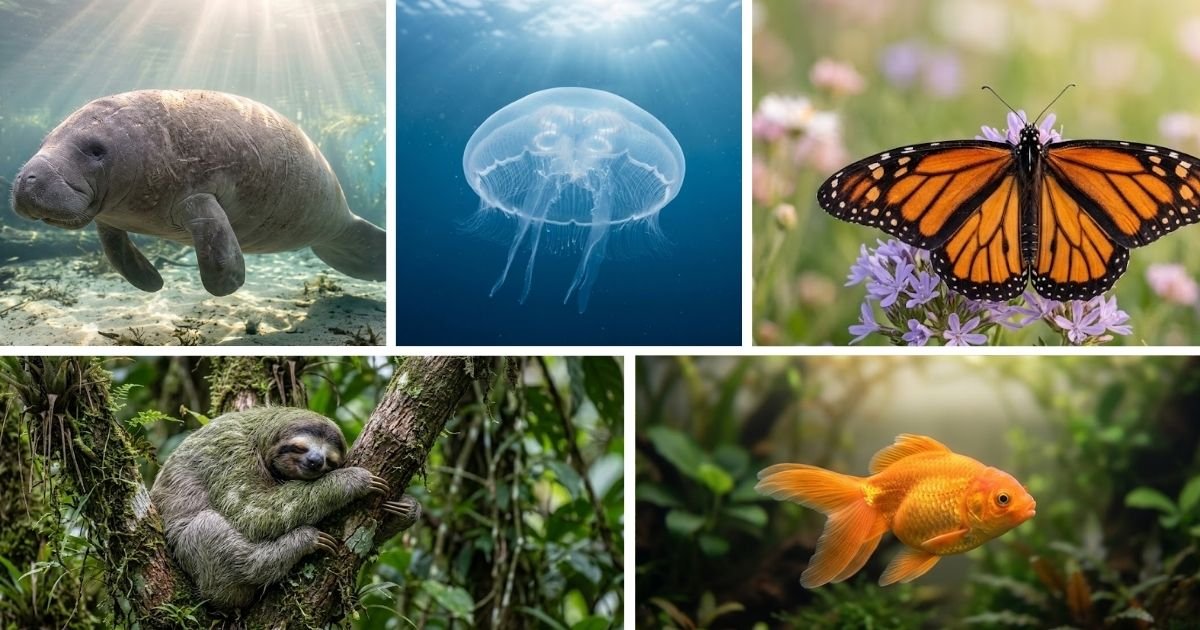
Silence can be just as captivating as a roar, and in the animal kingdom, many creatures embody this truth. This article takes you on a journey through 30 quiet animals, showcasing their enchanting beauty through pictures and enriching facts.
Exploring these silent beings emphasizes the variety of life on our planet and the unique adaptations that allow them to thrive in silence.
What Is The Quietest Animal In The World?
When it comes to determining the quietest animal in the world, many would point towards the jellyfish, particularly the species called Rhizophysa, as it produces no sound at all. Declaring one animal as “the quietest” is scientifically challenging due to the varied environments in which these creatures reside.
Underwater animals like jellyfish and octopuses communicate through subtle movements and bioluminescent displays rather than sound, making them less detectable than many land animals. In comparison, sloths are often considered some of the most quiet animals on land, moving slowly and deliberately to avoid attracting attention.
Yet, they do make occasional sounds, unlike the completely silent jellyfish. Butterflies, while silent, create vibrations through their wing flaps that can be detected by sensitive ears. Ultimately, the distinction between sound production and detectability highlights the fascinating complexity of nature’s silent inhabitants.
Thus, the quest for the quietest animal in the world remains a nuanced exploration of sound and silence across different environments.
List Of Top 30 Quiet Animals In The World
Nature isn’t always loud roars and buzzing insects many creatures move through the world in near silence. This quiet animals list brings together 30 fascinating species known for their soft-spoken, stealthy, or completely silent nature, from gliding owls to graceful jellyfish. Whether it’s for survival, hunting, or simply their biology, these animals prove that silence can be just as powerful as sound.
| # | Animal Name |
| 1 | Sloth |
| 2 | Octopus |
| 3 | Jellyfish |
| 4 | Butterfly |
| 5 | Goldfish |
| 6 | Manatee |
| 7 | Starfish |
| 8 | Shark |
| 9 | Crab |
| 10 | Eel |
| 11 | Sea Cucumber |
| 12 | Clam |
| 13 | Giraffe |
| 14 | Rabbit |
| 15 | Snake |
| 16 | Turtle |
| 17 | Tortoise |
| 18 | Chameleon |
| 19 | Newt |
| 20 | Praying Mantis |
| 21 | Dragonfly |
| 22 | Ladybug |
| 23 | Stick Insect |
| 24 | Moth |
| 25 | Spider |
| 26 | Snail |
| 27 | Earthworm |
| 28 | Slug |
| 29 | Hedgehog |
| 30 | Snow Leopard |
Sloth
| Attribute | Details |
|---|---|
| Scientific Name | Bradypus spp. |
| Diet | Herbivorous (leaves, fruits) |
| Habitat | Central and South America |
These shy quiet animals, primarily found in the lush canopies of Central and South America, exhibit a lifestyle that harmonizes perfectly with their tranquil surroundings. With their slow-paced movements, sloths embody a retreat from the frantic pace of life that consumes many species.
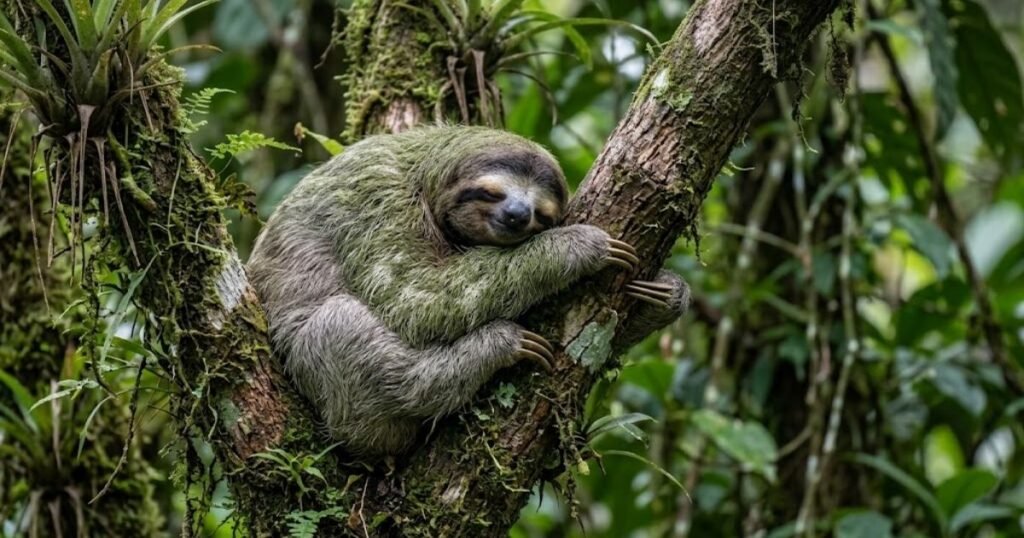
They intentionally move at a snail’s pace, a trait that conserves energy as they digest their leafy diet, making them masters of stillness in the animal kingdom. Sloths have a unique way of communicating that adds to their enigmatic charm.
Although they’re generally considered a quiet animal, they do produce vocalizations like low grunts and whines, especially during mating seasons or when feeling threatened. This gentle soundscape complements their serene presence, allowing them to blend seamlessly with their environment.
One fascinating fact is that sloths not only inhabit trees but also depend on algae growing in their fur for additional camouflage, creating a living tapestry that keeps them safe from predators.
Octopus
| Attribute | Details |
|---|---|
| Scientific Name | Octopus vulgaris |
| Diet | Crustaceans, fish |
| Habitat | Ocean floors |
The octopus, a marvel of the ocean, thrives in diverse habitats, from vibrant coral reefs to the dark depths of the sea floor. Known for their silent and low-noise movement, octopuses glide effortlessly through the water, employing a unique jet propulsion technique that allows them to evade potential threats while stalking their prey.
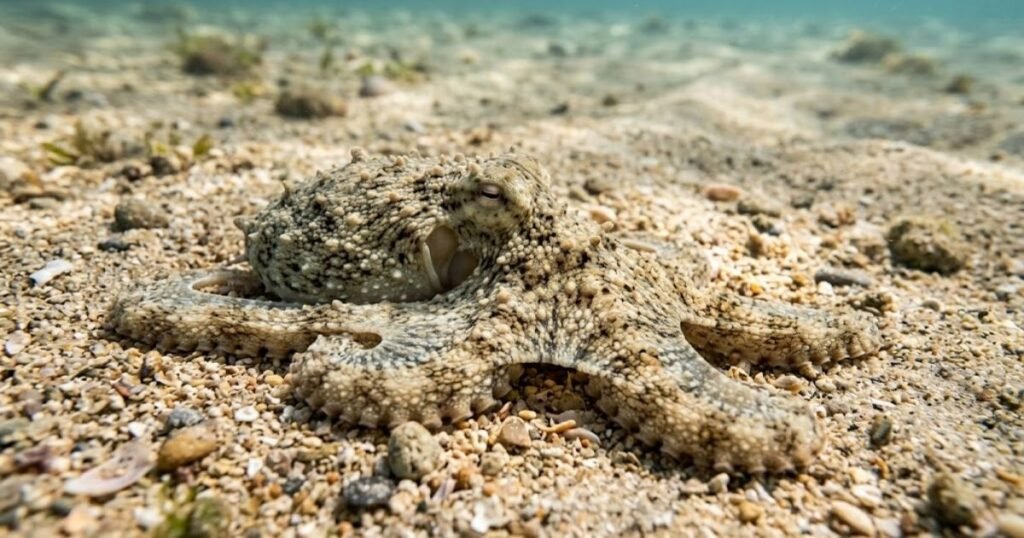
Communication is equally fascinating; these intelligent creatures use color changes and body language, employing their specialized skin cells, chromatophores, to convey emotions and intentions. Camouflage is the octopus’s unmatched skill, allowing it to blend seamlessly into rocky outcrops or sandy sea beds.
This stunning stealth is not just for evasion it’s a strategy for ambush hunting. An interesting fact about octopuses is their remarkable problem-solving abilities; they can navigate complex mazes and even unscrew jar lids to access food, showcasing intelligence that rivals many mammals.
Jellyfish
| Attribute | Details |
|---|---|
| Scientific Name | Cnidaria |
| Diet | Plankton, small fish |
| Habitat | Oceans, coastal waters, and some freshwater bodies |
In the mysterious depths of our oceans, jellyfish drift languidly through the currents, embodying a form of life that is both ancient and alien. These gelatinous creatures glide silently, almost ethereally, in their marine habitat, where their bioluminescent bodies dance with the light filtering through the water.
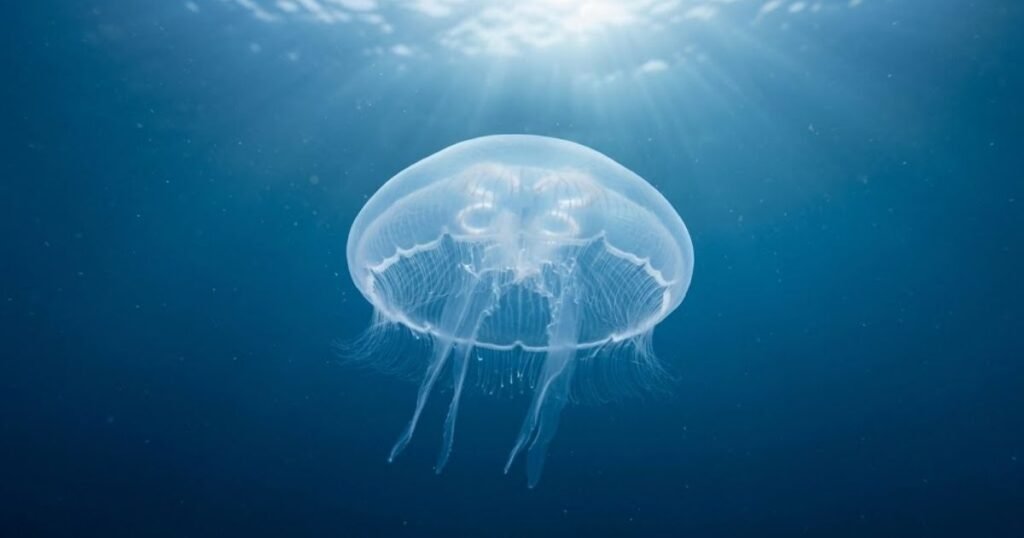
Their lack of vocal communication adds to their enigmatic presence, making them seem like spectral beings rather than animals. As they float without a care, humans tend to interpret their movements as a kind of silent ballet, oblivious to the fascinating world of chemical signals they employ to interact with one another. Jellyfish are the ultimate masters of slow drifting movement, using their unique pulsing rhythm to navigate vast ocean landscapes.
The subtlety of their actions requires keen observation to appreciate the complexity of their existence. Jellyfish can create stunning visual displays: when disturbed, some species illuminate the water with pulsating colors, transforming a mundane swim into a captivating light show. This captivating spectacle illustrates that even in silence, jellyfish communicate a silent language of beauty. They have been around for over 500 million years, showcasing the resilience and adaptability of life in our ever-changing oceans.
Butterfly
| Attribute | Details |
|---|---|
| Scientific Name | Lepidoptera |
| Diet | Nectar, leaves, and fruit |
| Habitat | Gardens, meadows, forests |
Butterflies possess a unique attribute: their silent or nearly silent flight. Unlike many insects that create a buzz while flapping their wings, butterflies glide gracefully through the air, often undetected as they flit from flower to flower. This stealth mode not only aids in avoiding predators but also enhances their enchanting presence, allowing observers to marvel at their delicate beauty without disruption.
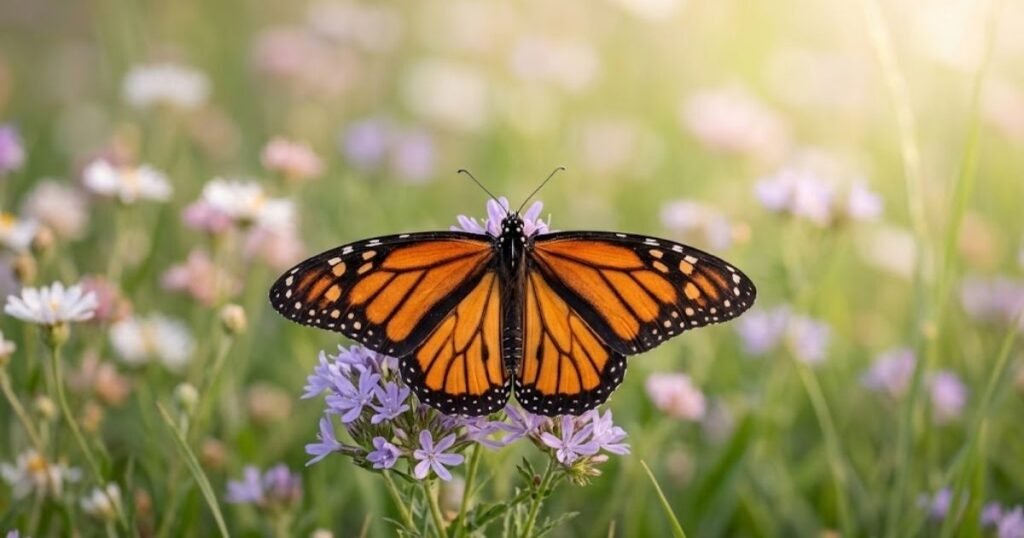
Communication among butterflies is a mesmerizing aspect of their lives. They utilize visual signals, such as wing patterns and colors, to attract mates and establish territory. During courtship, males perform aerial dances, showcasing their vibrant hues to entice potential partners. Their habitats, ranging from lush gardens to open meadows, provide the ideal backdrop for this silent dialogue, where each flutter and flight conveys a story.
Interestingly, butterflies are among the quieter animals due to their unique wing structure, which minimizes sound. This adaptation not only aids in their survival but adds an air of mystery to their existence. In a world filled with noise, spotting a butterfly drifting silently can feel like a moment of peace, emphasizing the delicate balance of nature.
Goldfish
| Attribute | Details |
|---|---|
| Scientific Name | Carassius auratus |
| Diet | Omnivorous (flakes, pellets, vegetables) |
| Habitat | Freshwater aquariums, ponds |
Goldfish thrive in meticulously maintained aquariums, where their vibrant colors and graceful movements can be admired. Typically, they seem quiet and unassuming, floating serenely in their watery realms. This calm demeanor belies a rich tapestry of social interactions.
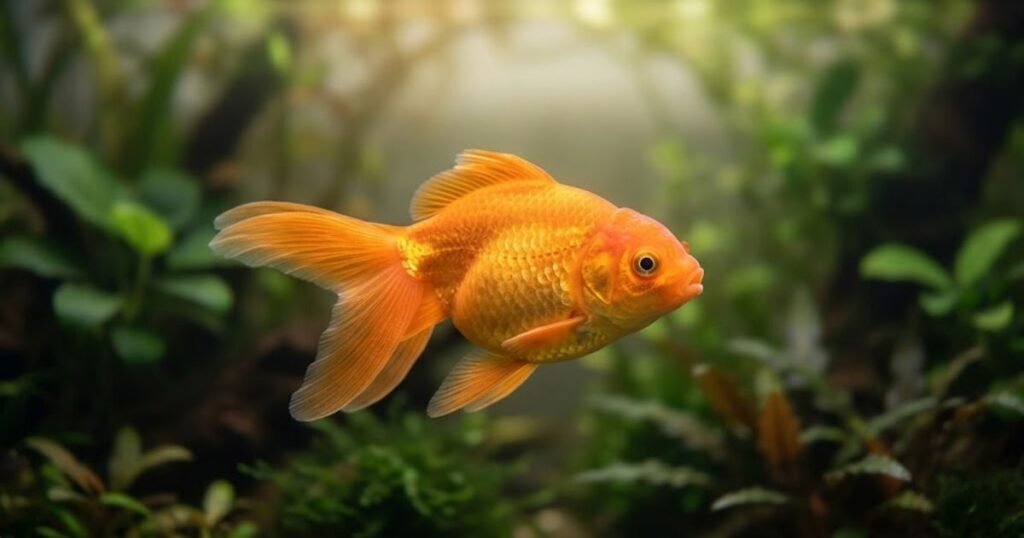
Goldfish often communicate through subtle body language, employing movements such as fin fluttering and positioning, which can indicate their mood or intent. Fish lack vocal cords, some species and perhaps even goldfish can produce sounds through their swim bladders and by grinding their teeth.
Observing their actions reveals a whole new world: a community of fish that, despite the silence, engages in a symphony of interactions. An intriguing fact about goldfish is that they possess a remarkable memory; they can remember simple tasks for months, challenging the myth of their three-second memory span.
Manatee
| Attribute | Details |
|---|---|
| Scientific Name | Trichechus spp. |
| Diet | Herbivorous; primarily seagrasses and aquatic plants. |
| Habitat | Shallow coastal waters, rivers, and estuaries in warm climates. |
Manatees, known for their slow and graceful movements, glide through their aquatic habitats with an elegance that belies their size. These gentle giants thrive in shallow coastal waters, where seagrasses and submerged vegetation provide nourishment. Their leisurely pace is not just a trait but a survival mechanism, allowing them to navigate through complex environments while conserving energy.
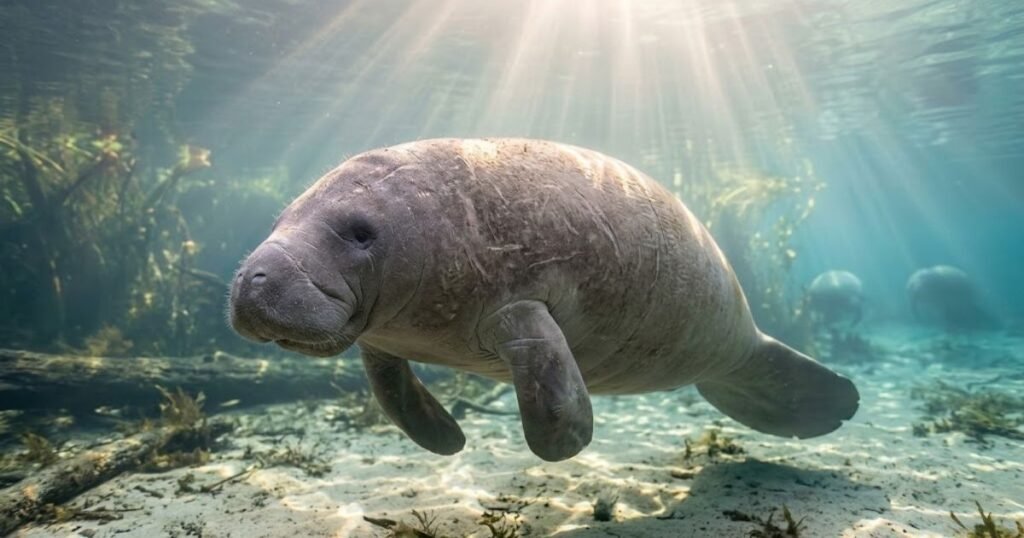
Vocal communication among manatees is fascinating, as they produce a range of sounds including chirps, whistles, and squeaks, which echo through murky waters. While they possess this rich vocal repertoire, their interactions with humans are often marked by a hushed silence.
This tranquil demeanor stems from their natural instinct to avoid potential threats, making their underwater world seem particularly serene. Interestingly, the gentle manatee has a knack for engaging with their environment, often using their sensitive whiskers to explore food sources, showcasing their adaptability and intelligence.
Starfish
| Attribute | Details |
|---|---|
| Scientific Name | Asteroidea |
| Diet | Mollusks, snails |
| Habitat | Rocky shores, coral reefs |
The starfish thrives in diverse marine environments, from vibrant coral reefs to rugged rocky shores. This adaptability allows them to play a vital role in their ecosystems, preying on shellfish and controlling marine populations. Unlike many sea creatures, starfish have a unique mode of movement that relies on hundreds of tiny tube feet extending from their underside.
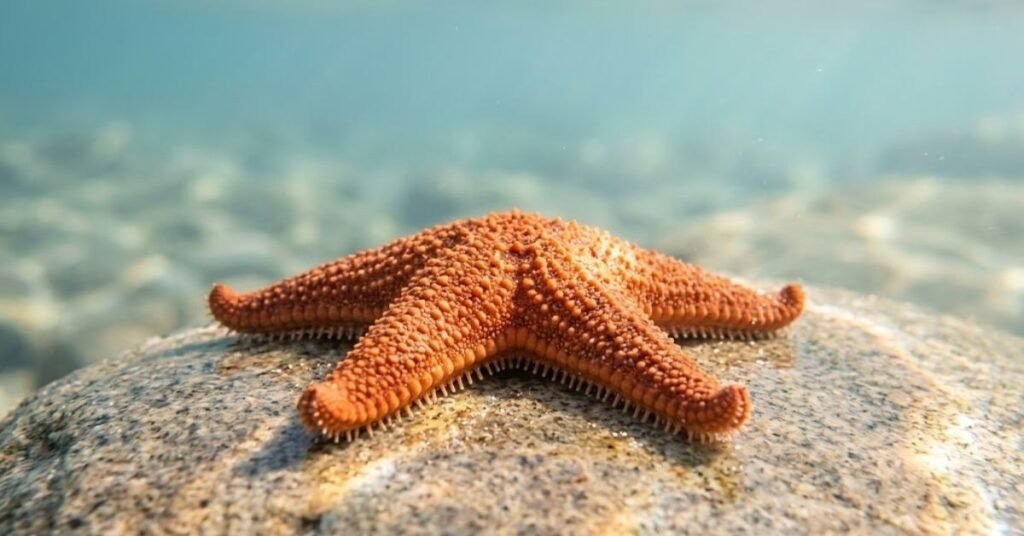
By using hydraulic pressure, these fascinating animals glide gracefully along the ocean floor, often in search of their next meal. One of the most intriguing aspects of starfish is their complete lack of vocalization; they do not produce sounds like other ocean residents.
This quiet existence is a testament to their evolutionary adaptations, as they rely more on their keen senses and physical capabilities. Remarkably, starfish can regenerate lost arms, which not only aids in survival but lends to their serene, almost mystical presence in the ocean depths.
Shark
| Attribute | Details |
|---|---|
| Animal | Shark (various species) |
| Scientific Name | Chondrichthyes |
| Diet | Carnivore (fish, seals, squid) |
| Habitat | Oceans, coastal areas |
Sharks glide through their underwater realm with an elegance that often goes unnoticed. Their silent swimming not only allows them to stalk prey but also minimizes disturbance in their environment.
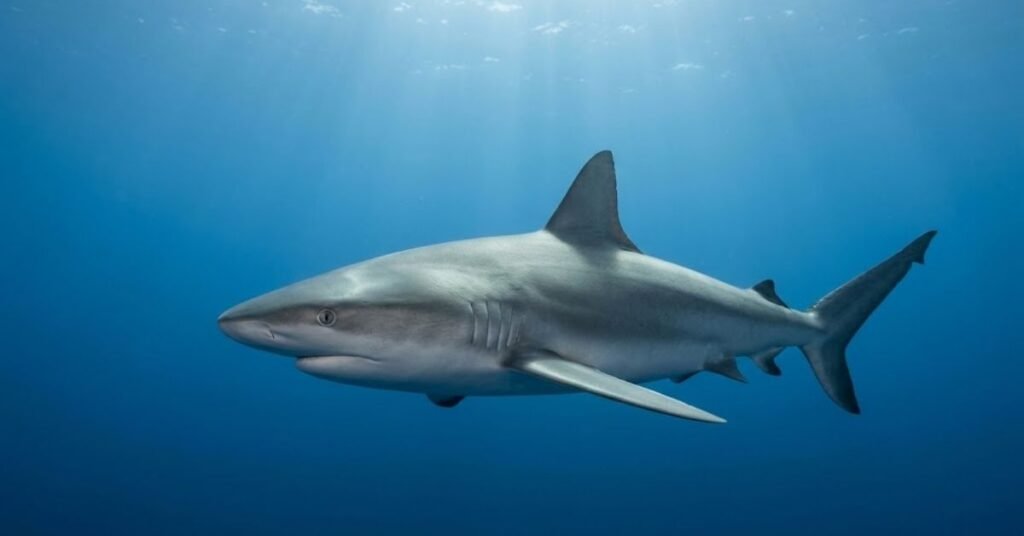
Unlike many creatures that rely on sound for communication, sharks utilize a combination of body language and electroreception, allowing them to navigate and interact with their surroundings in ways we are just beginning to understand.
It’s crucial to clarify that just because sharks are quiet does not mean they are harmless. Their stealth and efficiency as predators make them vital to ocean ecosystems, helping to maintain the balance by controlling prey populations.
Crab
| Attribute | Details |
|---|---|
| Scientific Name | Cancer pagurus |
| Diet | Omnivorous |
| Habitat | Coastal waters, intertidal zones |
Crabs inhabit various coastal environments, from coral reefs to sandy beaches and estuaries. These crustaceans display a remarkable ability to adapt to both terrestrial and aquatic habitats, using their gills to breathe underwater while enabling some species, like the land crab, to venture onto land for extended periods.
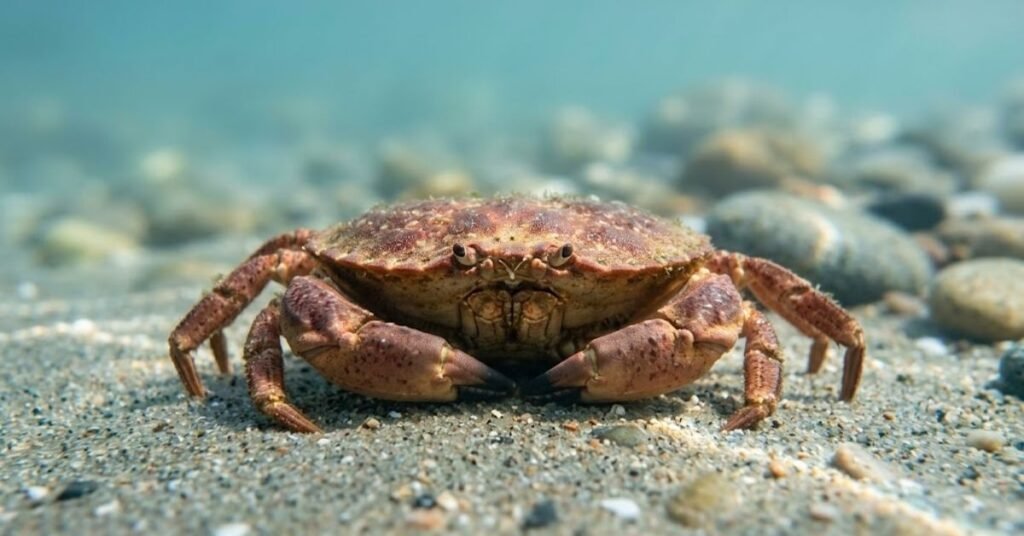
When it comes to movement, crabs are fascinating creatures. They typically scuttle sideways, an adaptation that allows them to maneuver quickly through rocky crevices and avoid predators. Their rapid movements are further complemented by their ability to regenerate lost limbs, enabling them to continue thriving in the wild swiftly.
Communication among crabs often happens through subtle body language and chemical signals rather than vocalizations. As a result, humans rarely notice these interactions; we tend to miss the undercurrents of their social behaviors that happen beneath the surface. Some species engage in vigorous displays during mating seasons, using their pincers to signal readiness, revealing a complex social structure that remains mostly hidden from our view.
Eel
| Attribute | Details |
|---|---|
| Scientific Name | Anguilliformes |
| Diet | Carnivorous: feeds on crustaceans, fish, and insects |
| Habitat | Freshwater and marine environments, often found in rivers, lakes, and coastal areas |
Eels are fascinating creatures, residing in both freshwater and marine habitats, often traversing vast distances between feeding and breeding grounds. Their quiet movement, characterized by a sinuous, serpentine glide, allows them to navigate through murky waters undetected, making them effective ambush predators.
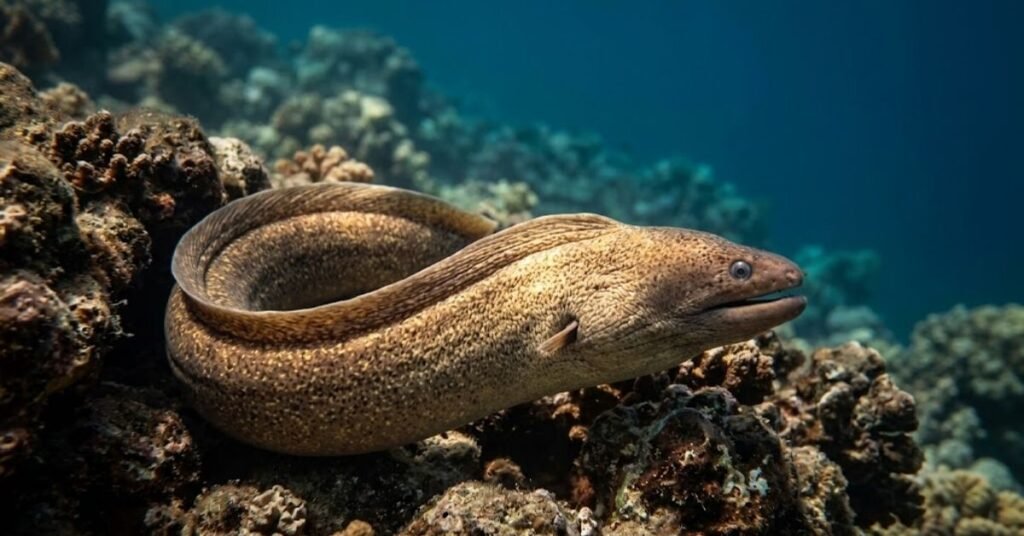
Unlike many species, they possess a unique way of communicating through environmental vibrations, which helps them convey messages to one another, particularly during mating rituals. Eels have an extraordinary life cycle; they are known to travel thousands of miles from freshwater habitats to spawn in the Sargasso Sea, showcasing their remarkable navigational abilities.
This long journey is not only physically demanding but also steeped in mystery, as many aspects of their reproduction remain a scientific enigma. Understanding eels offers a window into the interconnectedness of ecosystems and the marvels of nature’s design.
Sea Cucumber
| Attribute | Details |
|---|---|
| Scientific Name | Holothuroidea |
| Diet | Detritivore (feeds on organic matter) |
| Habitat | Ocean floors, coral reefs, sandy and muddy substrates |
Sea cucumbers thrive in diverse seafloor habitats, often burrowing into soft sediments or hiding among rocks and coral. Their slow, deliberate movements are mesmerizing, inviting an almost meditative appreciation of these unique creatures. Despite largely lacking vocalizations, their presence is palpable; they play a crucial role in the ecosystem by recycling nutrients and promoting a healthy marine environment.
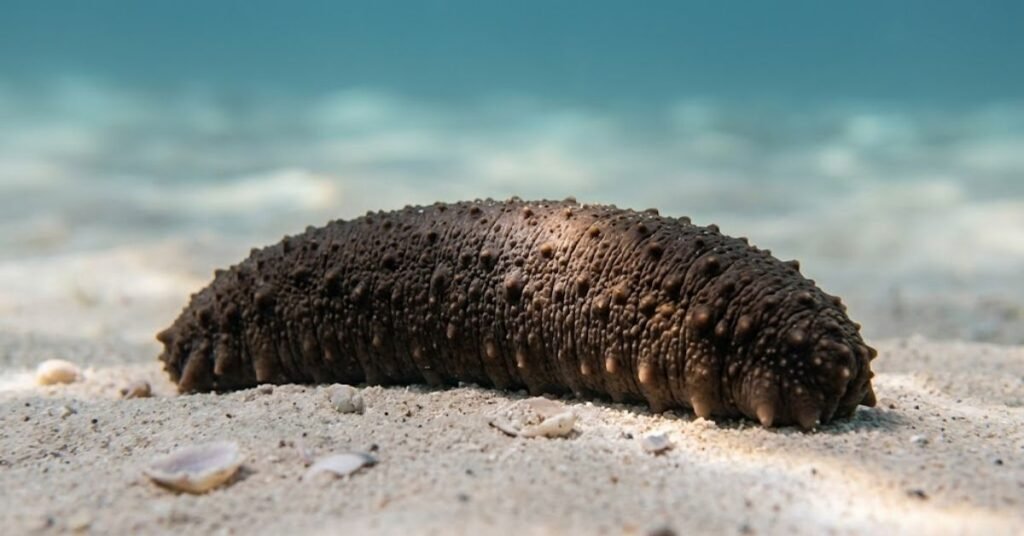
When threatened, sea cucumbers deploy a fascinating defense mechanism expelling their internal organs, which can distract predators and allow them to escape. This remarkable ability to regenerate lost parts not only ensures their survival but also captivates marine biologists who study their adaptive strategies.
An interesting fact is that some species can even change their color, blending into their surroundings, further enhancing their elusive charm in the underwater world. Their quiet resilience and captivating adaptations make sea cucumbers a vital yet often overlooked component of oceanic ecosystems.
Clam
| Attribute | Details |
|---|---|
| Scientific Name | Bivalvia |
| Diet | Filter feeders |
| Habitat | Marine and freshwater environments |
Clams thrive in a variety of habitats, from the depths of the ocean floor to the quiet waters of freshwater lakes. Their stationary lifestyle allows them to be integral to the ecosystem, helping stabilize sediment while filtering water. As they remain rooted, clams contribute significantly to nutrient cycling, maintaining the health of their environment.
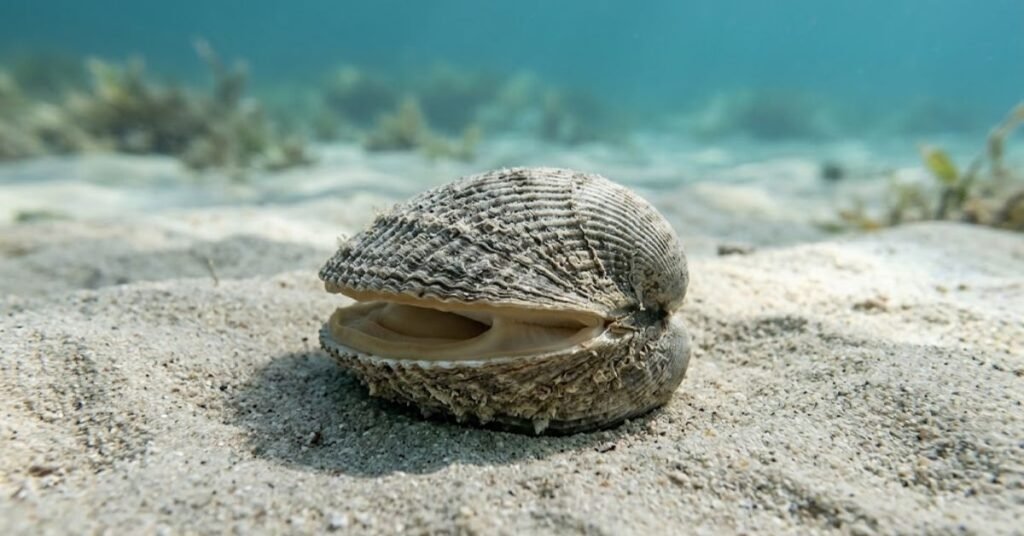
This seemingly placid existence camouflages a fascinating feeding behavior they siphon water, extracting tiny plankton and organic particles, effectively “cleaning” the water around them. Often dubbed silent animals, clams communicate through subtle behaviors, using their siphons to send chemical signals to one another, but lacking vocalizations common in the animal kingdom.
An interesting fact about clams is their ability to create pearls, which form as a defense mechanism against irritants much like how oysters do. These pearls reflect their remarkable capacity to adapt, turning potential threats into stunning creations that have captivated human beings for centuries.
Giraffe
| Attribute | Details |
|---|---|
| Scientific Name | Giraffa camelopardalis |
| Diet | Herbivorous; primarily leaves, fruits, and flowers |
| Habitat | Savannas, grasslands, and open woodlands in Africa |
Giraffes are often perceived as the silent giants of the animal kingdom, yet their communication style is far from mute. While they don’t engage in loud roars or calls like many mammals, these captivating creatures do produce a range of vocalizations, including low grunts and hisses, primarily during social interactions.
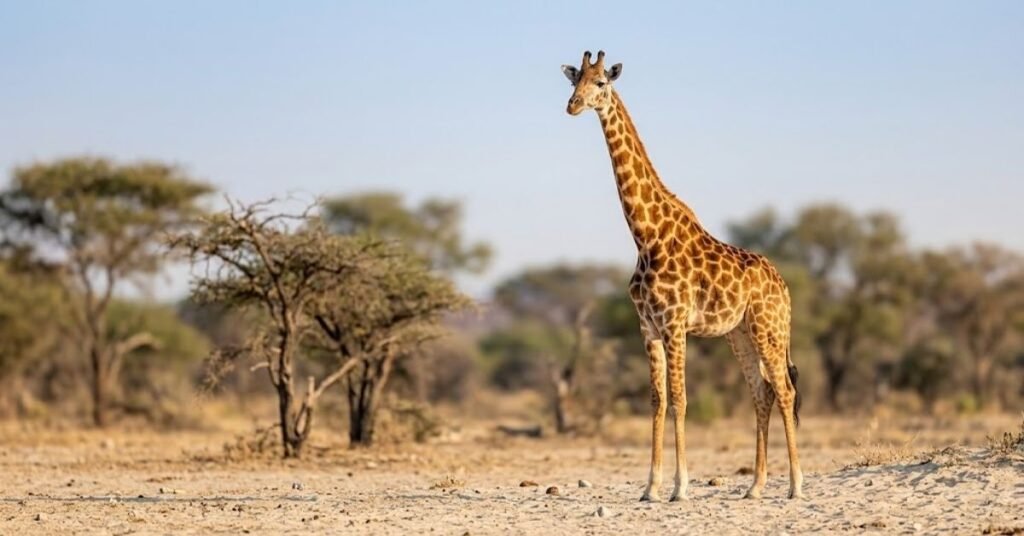
More intriguingly, giraffes communicate through infrasound low-frequency sounds that can travel long distances allowing them to connect with one another even when they are miles apart. Their habitat, consisting of savannas and open woodlands, provides both the abundant foliage that constitutes their diet and the necessary space for their unique social structures.
An interesting fact about giraffes is their extraordinary necks, which, despite being over six feet long, contain the same number of vertebrae as a human neck just seven! This anatomical marvel allows them to reach high foliage, while also engaging in intriguing behavior like “necking,” where males spar for dominance and mating rights.
Rabbit
| Attribute | Details |
|---|---|
| Scientific Name | Oryctolagus cuniculus |
| Diet | Herbivorous (grasses, leafy greens) |
| Habitat | Grasslands, forests, and meadows |
Rabbits are often labeled as shy quiet animals, and their body language exemplifies this trait. They display subtle movements, like twitching noses and gentle ear flicks, which can communicate comfort or unease.
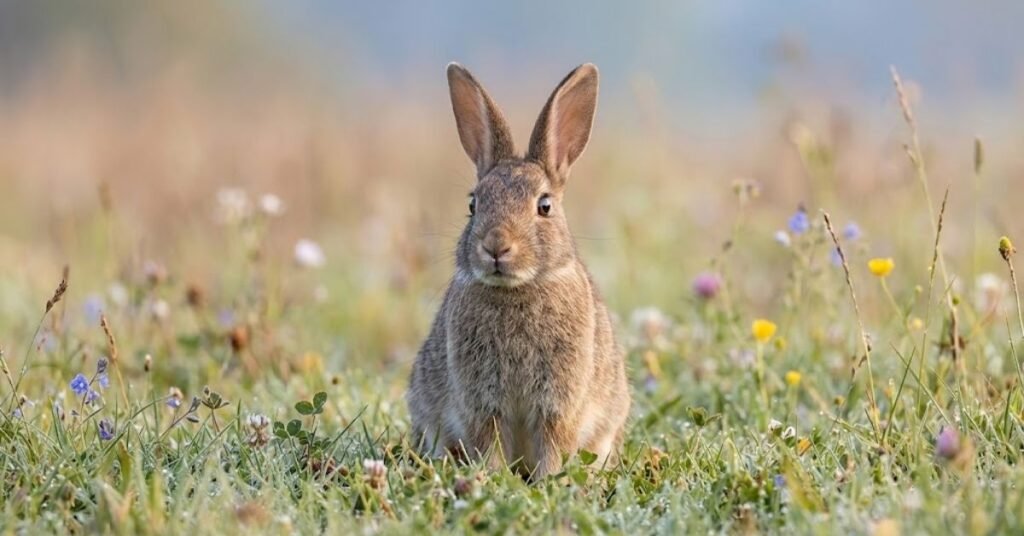
Soft vocalizations, such as purring or whimpering, further illustrate their expressive nature, allowing them to convey feelings without raising their voices. Unlike the boisterous chatter of many pets, rabbits maintain a serene ambiance, which many owners find soothing.
In both pet and wild environments, rabbits communicate through their behaviors, bouncing joyfully when relaxed or thumping the ground to signal danger. While domestic rabbits adapt closely to human interactions, wild rabbits are more cautious, relying on their keen instincts to survive.
This contrast emphasizes their inherent nature as shy quiet animals, seeking refuge in subtlety and silence. By appreciating these gentle creatures, we gain insight into the importance of non-verbal communication in the animal kingdom.
Snake
| Attribute | Details |
|---|---|
| Scientific Name | Serpentes |
| Diet | Carnivorous (mice, frogs, birds) |
| Habitat | Diverse (forests, deserts, wetlands) |
Snakes are masterful movers, gliding silently over various terrains without the distraction of external ears, which helps them stay alert to potential prey and predators alike. This streamlined body structure, devoid of limbs, allows them to navigate their environment in ways that remain largely unseen.
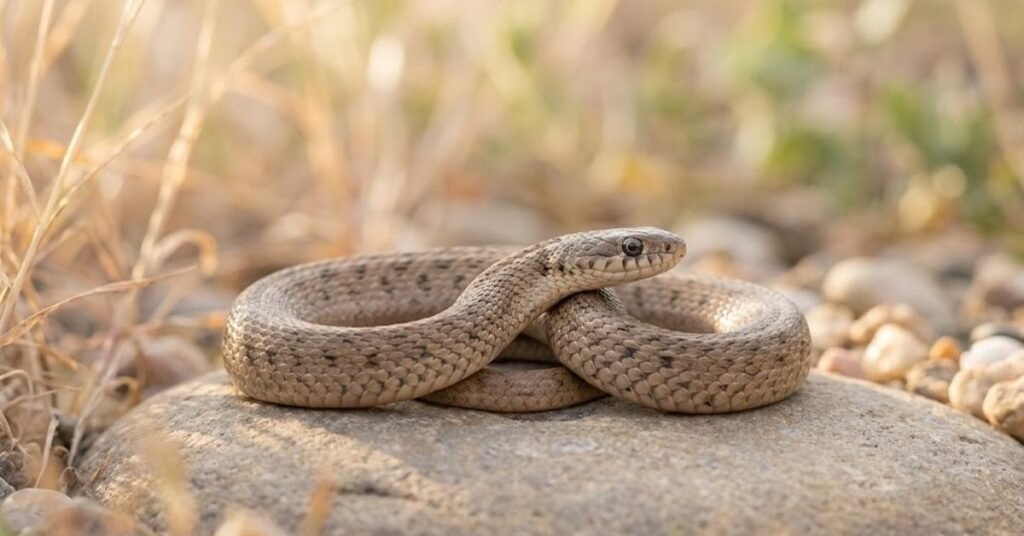
Through a series of undulating motions, snakes can traverse both land and water, often engaging in a mesmerizing display of fluidity while maintaining an eerie quietness. When it comes to communication, snakes may utilize sounds like hissing or rattling, serving as both warnings and social cues.
Their hunting strategy is nothing short of remarkable; they employ a stealthy approach, camouflaging themselves in their surroundings to ambush unsuspecting prey.
Turtle
| Attribute | Details |
|---|---|
| Scientific Name | Testudines |
| Diet | Herbivorous, some are omnivorous |
| Habitat | Forests, wetlands, deserts, oceans |
Turtles, known scientifically as Testudines, are fascinating creatures that captivate us with their slow, deliberate movements and unique lifestyles. Unlike other reptiles, they tend to be surprisingly vocal, with some species using a range of sounds for communication, especially during mating rituals or when defending their territory.
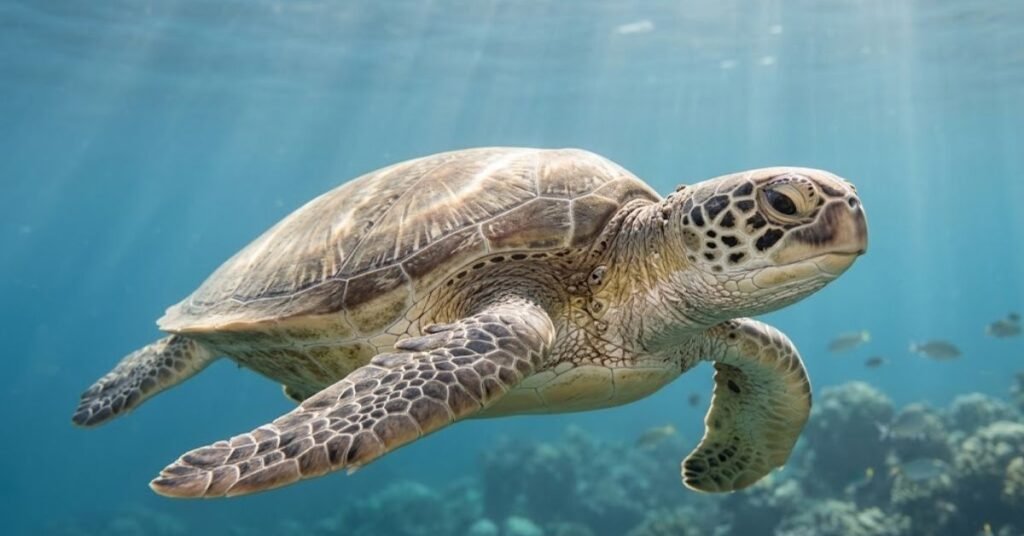
Land turtles, such as tortoises, showcase a different lifestyle compared to their aquatic counterparts, adapting beautifully to their environments whether it’s arid deserts or lush wetlands.
Their generally quiet demeanor serves an ecological purpose; being discreet helps them avoid predators while they graze on a varied diet that may include leafy greens, fruits, and even insects. Interestingly, their habitats can significantly influence their vocalization patterns.
Aquatic turtles often express themselves in the murmur of water, while land turtles communicate in a more subdued manner, relying on body language and subtle movements instead of vocal sounds. This fascinating adaptation exemplifies how evolution enables diverse species to thrive in their particular niches.
Tortoise
| Attribute | Details |
|---|---|
| Scientific Name | Testudinidae |
| Diet | Herbivorous (grasses, leaves, fruits) |
| Habitat | Dry land, savannas, deserts |
Tortoises, often confused with turtles, are distinct in their terrestrial habitats and sturdier, dome-shaped shells. Their slow-paced lifestyle reflects their evolutionary adaptation; moving at a leisurely pace allows them to conserve energy in harsh environments.
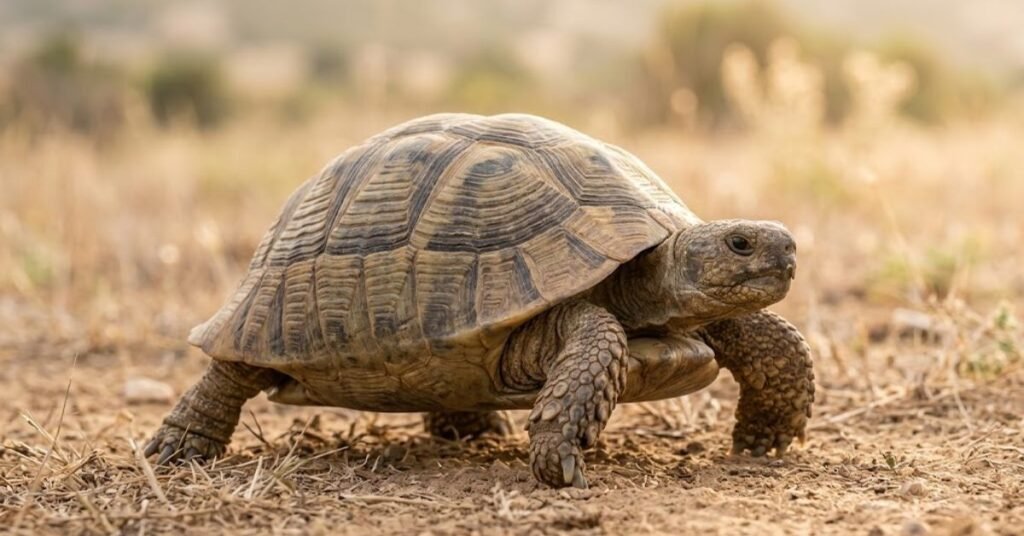
Unlike the flippered swimmers of the water, land-dwelling tortoises often carry an air of quiet resilience, primarily due to their deliberate movements and thick shells that offer protection rather than the energetic behaviors seen in many turtle species.
Despite their reputation for silence, tortoises can produce a range of sounds, including grunts and hisses, especially when agitated or during mating rituals. This subtle communication often goes unnoticed, reinforcing their tranquil image.
One fascinating fact about these creatures is their remarkable longevity, with some species living over a century, embodying nature’s slow and steady approach to life. The tortoise’s enduring presence serves as a reminder of the value of patience and resilience in our rapidly changing world.
Chameleon
| Attribute | Details |
|---|---|
| Scientific Name | Chamaeleonidae |
| Diet | Insectivorous |
| Habitat | Woodlands, deserts, and rainforests |
Chameleons are nature’s silent predators, relying on their impeccable camouflage to remain undetected as they stalk insects. This ability to blend into their surroundings not only aids in hunting but also serves as a critical defense mechanism against larger predators.
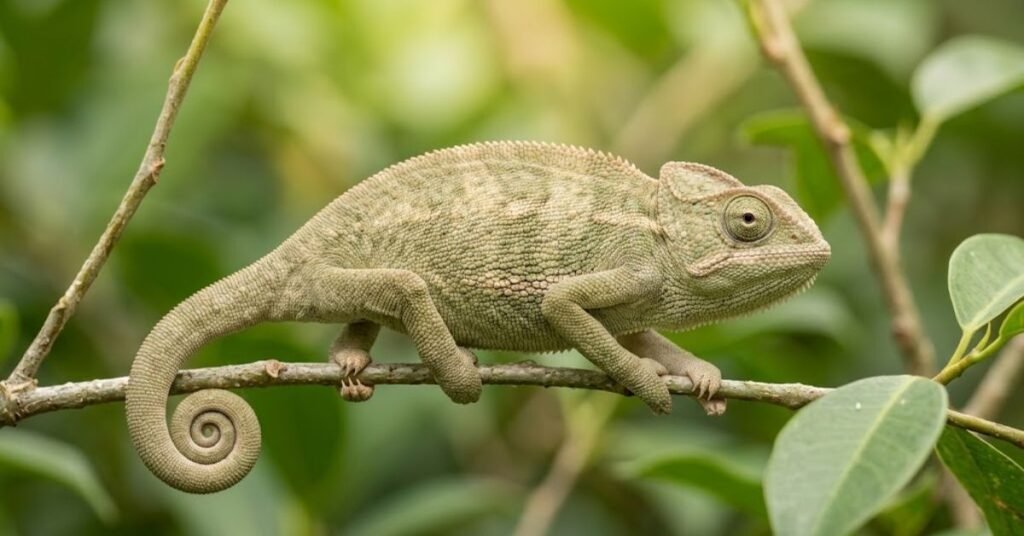
As they navigate their diverse habitats ranging from lush rainforests to arid deserts they can adapt their coloration to mirror the environment flawlessly. Beyond survival, chameleons communicate through their striking color changes. A shift in hue can signal excitement, stress, or even a warning a vibrant flash that conveys complex emotions and interactions.
Notably, certain species can express different messages through various patterns and intensities of color, showcasing a fascinating form of non-verbal language in the animal kingdom. An intriguing fact about these reptiles is that chameleons possess the unique ability to move their eyes independently, granting them a panoramic view of their surroundings while they focus intently on a potential meal.
Newt
| Attribute | Details |
|---|---|
| Scientific Name | Lissotriton vulgaris |
| Diet | Insects, worms, and small crustaceans |
| Habitat | Freshwater ponds, marshes, and moist woodlands |
Newts thrive in diverse aquatic habitats, typically found in freshwater ponds, marshes, and moist woodlands. They prefer environments rich in vegetation, which not only provide camouflage from predators but also serve as a hunting ground for their diet of insects, worms, and small crustaceans.
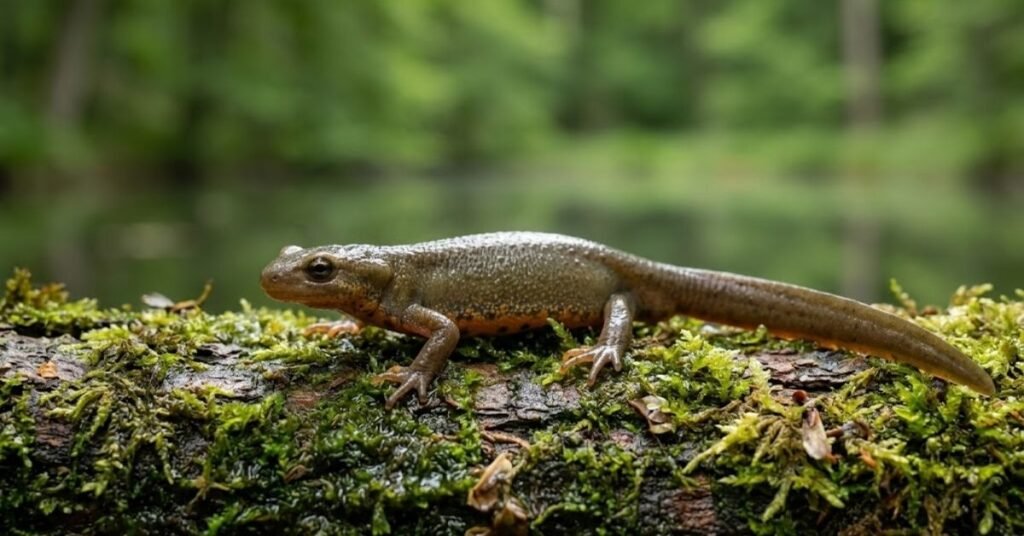
Remarkably adept swimmers, newts navigate through water with ease, using their long, flattened tails for propulsion while their limbs assist in agile movements, whether swimming or hopping. Communication among newts is a captivating aspect of their behavior. Although they tend to be quiet, they do produce subtle vocalizations during mating rituals, including soft clicks and croaks.
Their silence can be attributed to their need for stealth, avoiding detection by predators that might consider them a meal. Despite their tranquil nature, male newts can engage in elaborate courtship displays, showcasing their vibrant colors to attract females, illuminating the dichotomy between silence and vivid expression in the natural world. This contrast serves as a reminder of the intricate and often understated beauty of their existence.
Praying Mantis
| Attribute | Details |
|---|---|
| Scientific Name | Mantis religiosa |
| Diet | Carnivorous (insects, small birds) |
| Habitat | Gardens, forests, grasslands |
The praying mantis is an extraordinary predator, employing stealthy hunting techniques that leave its prey bewildered. With their elongated bodies and triangular heads, these insects blend seamlessly into their surroundings, waiting motionless for hours.
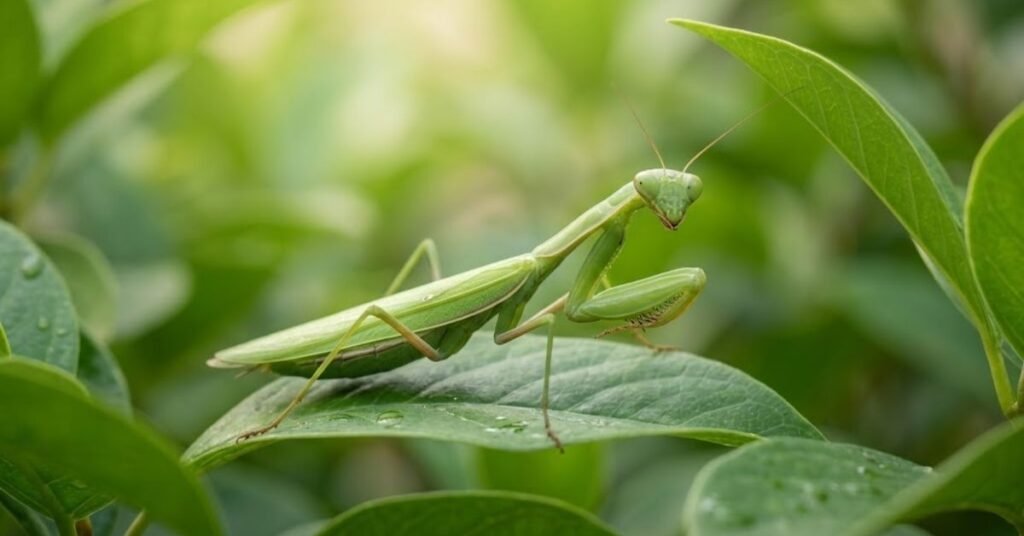
Their minimal movement sounds are almost eerie; they can pounce on unsuspecting insects with lightning speed. This skillful assertiveness is bolstered by their exceptional eyesight, which allows them to spot movement from a distance.
Communication among mantises is subtle, often relying on visual cues and body language. Rather than vocal sounds, they use posturing and positioning to convey moods or intentions. This quietness is a significant aspect of their survival strategy, enabling them to avoid detection by both prey and predators.
An interesting fact about these fascinating creatures is their mating behavior females sometimes consume the males after copulation, a phenomenon that may seem gruesome but plays a vital role in reproductive success.
Dragonfly
| Attribute | Details |
|---|---|
| Name | Dragonfly |
| Scientific Name | Odonata |
| Diet | Insects (mosquitoes, gnats) |
| Habitat | Near freshwater (ponds, streams) |
The dragonfly, with its acrobatic flight, captivates anyone lucky enough to witness its aerial dance. Their wings create a symphony of delicate sounds, often described as a buzzing hum that fills the air during fluttering flights. Surprisingly, this soundscape is often perceived as quiet by humans due to their unique wing structure.
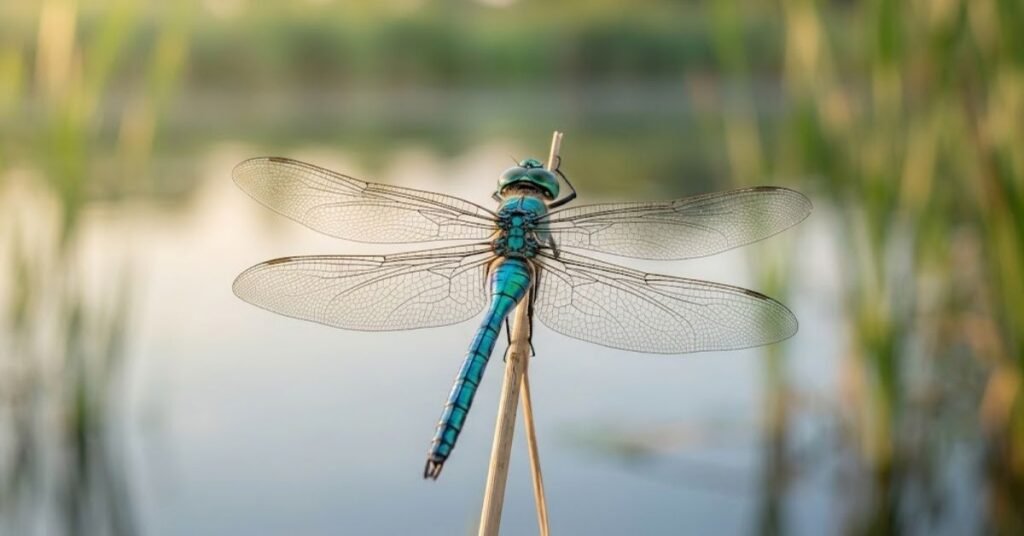
The intricate design allows them to maneuver gracefully, reducing noise generation while they dart and hover. These remarkable insects thrive in lush habitats near freshwater bodies, making them vital indicators of ecological health. Fascinatingly, dragonflies possess an impressive hunting prowess; they can eat their own weight in prey daily, showcasing their crucial role in controlling insect populations.
Perhaps one of the most intriguing facts about dragonflies is their ability to live underwater in their nymph stage for up to several years, only emerging as airborne predators. Their life cycle reminds us of nature’s endless wonder and the complexities of adaptation in various habitats.
Ladybug
| Attribute | Details |
|---|---|
| Scientific Name | Coccinellidae |
| Diet | Aphids, mites, and other small insects |
| Habitat | Gardens, meadows, forests, and fields |
With their diminutive size, ladybugs often go unnoticed as they flit among flowers and foliage. This charming movement, punctuated by delicate landings, serves a greater purpose hunting pests that feed on our beloved plants. Their ability to consume up to 50 aphids a day ensures that gardens thrive, making them a gardener’s best friend.
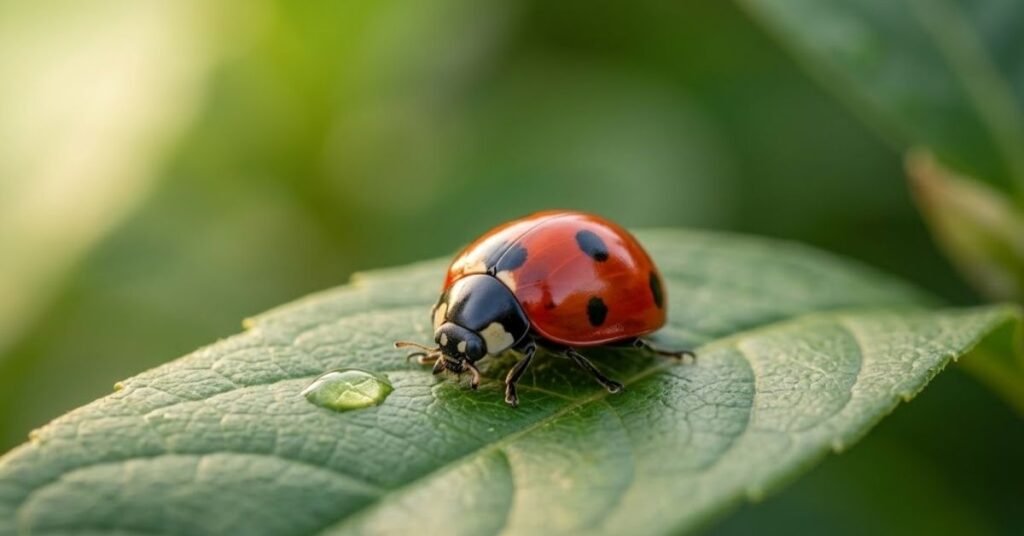
Ladybugs communicate visually rather than vocally, relying on pheromones and body language to convey messages. These vibrant insects typically favor habitats rich in vegetation, from the sun-drenched corners of gardens to lush forest edges.
A captivating fact: ladybugs enter a kind of hibernation during colder months, seeking shelter in clusters, which not only conserves warmth but also creates a fascinating seasonal spectacle. Their resilience and ecological role make them truly remarkable in the tapestry of nature.
Stick Insect
| Attribute | Details |
|---|---|
| Scientific Name | Phasmatodea (various species) |
| Diet | Leaves |
| Habitat | Tropical and temperate forests |
The stick insect is the ultimate master of camouflage, blending seamlessly into its surroundings to evade predators. Its remarkable adaptations allow it to mimic twigs and branches, rendering it nearly invisible among foliage.
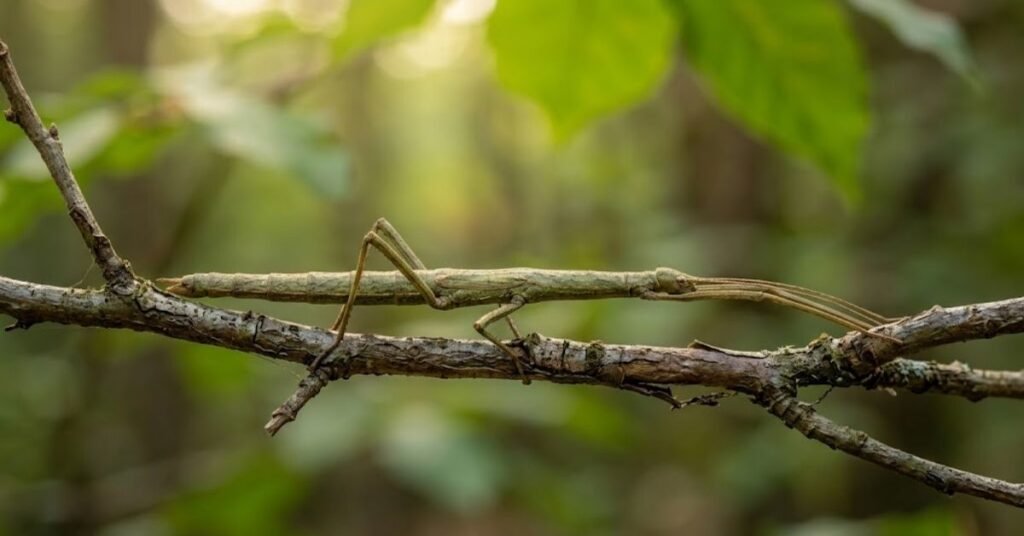
This talented mimicry, combined with their slow, deliberate movements, helps them avoid detection. When threatened, some species can even drop to the ground and remain motionless, going unnoticed by hungry birds and other predators.
These fascinating creatures thrive in diverse habitats such as tropical rainforests and temperate woodlands, primarily feeding on leaves. Their diet can be quite specialized, often focusing on specific plant species, which highlights their ecological role in maintaining plant populations.
An intriguing fact about stick insects is their unique ability to reproduce through parthenogenesis, allowing females to produce offspring without mating, reflecting the adaptability of nature in its quietest forms.
Moth
| Attribute | Details |
|---|---|
| Scientific Name | Noctuidae (common family) |
| Diet | Nectar, organic matter |
| Habitat | Woodlands, meadows, urban areas |
Moths are fascinating creatures that thrive in the shadows, showcasing mostly nocturnal behavior that makes their nighttime activities a mystery waiting to be unveiled. Unlike their buzzing cousins, moths engage in silent, low-noise flight, gliding seamlessly through the air, which adds an air of intrigue to their nightly escapades.
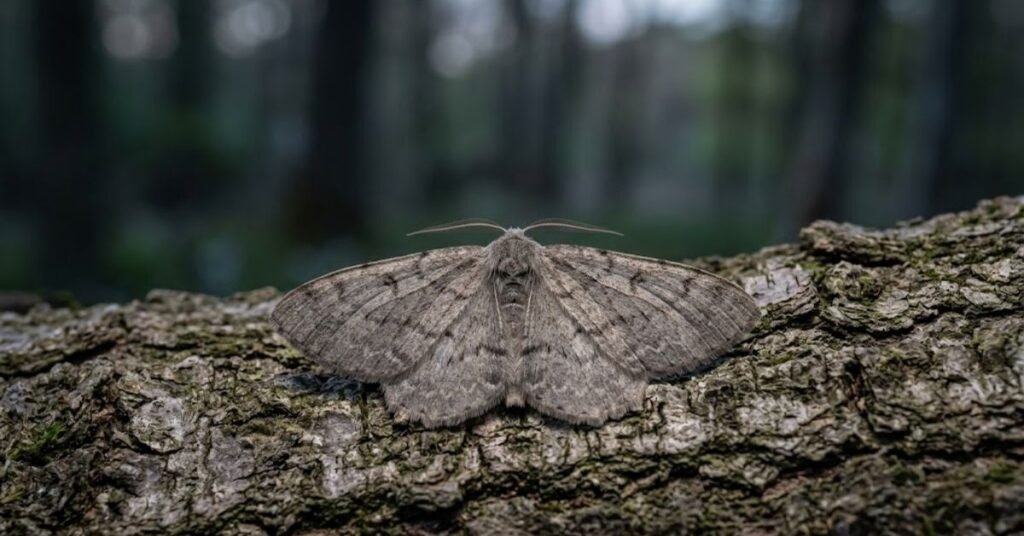
This quiet movement is not just a byproduct of their wing structure; it’s a strategic advantage as they evade predators and navigate through their habitats. Communication among moths is equally nuanced. They primarily rely on pheromones, scent-based signals, to attract mates from remarkable distances.
This olfactory communication becomes particularly evident during mating seasons, where female moths release specific scents to draw in males. An interesting fact is that some species, like the Bombyx mori, use their specialized wings to produce unique sounds through a process called stridulation, making them one of the few insects capable of vocalization.
This multifaceted existence encourages a deeper appreciation for these often-overlooked night dwellers, reminding us that there’s always more beneath the surface of nature’s mysteries.
Spider
| Attribute | Details |
|---|---|
| Scientific Name | Araneae |
| Diet | Carnivorous; primarily insects |
| Habitat | Varied; from forests to deserts |
The artistry of web-building in spiders is nothing short of miraculous. Each silk thread is meticulously spun, with species varying dramatically in design from the spiral traps of orb weavers to the sheets woven by funnel-web spiders. This structure isn’t merely for trapping prey; it’s also a canvas for the spider’s unique identity, showcasing evolutionary adaptations to their environments.
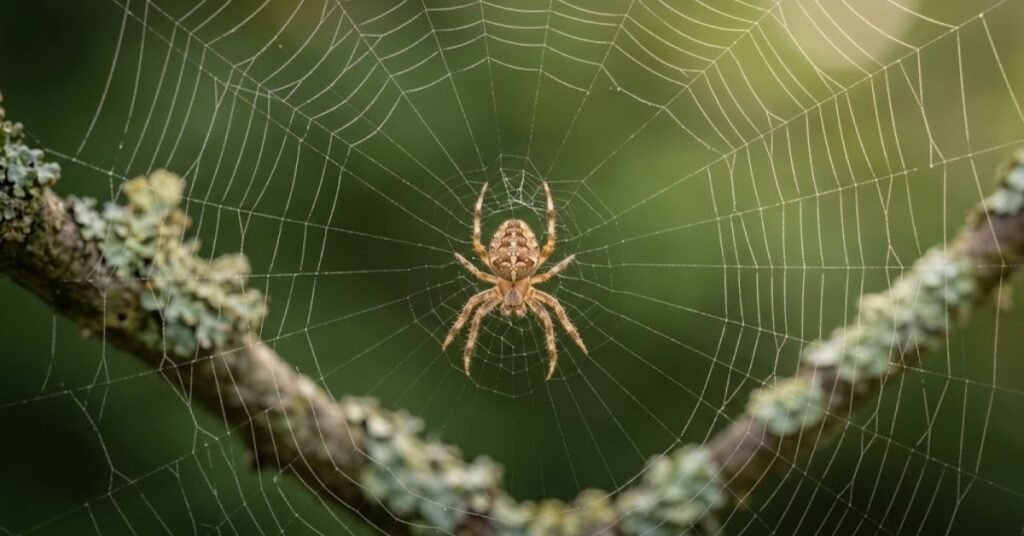
Their movement is often described as silent, yet this doesn’t imply they lack communication. Through subtle vibrations transmitted via the web, spiders convey crucial information indicating territory, signaling danger, or attracting mates.
These vibrations resonate through the silken strands, enabling spiders to engage in a complex dialogue with one another, underscoring their sophisticated social behavior. Spiders remind us that communication can transcend sound, emphasizing the intricate web of life that exists within their hidden world.
Snail
| Attribute | Details |
|---|---|
| Scientific Name | Gastropoda |
| Diet | Herbivorous, feeding on leaves, fruits, and decomposing matter |
| Habitat | Moist environments, gardens, forests, and aquatic areas |
Snails are fascinating creatures, known for their extremely slow movement, gliding gracefully along surfaces with a slimy trail. This leisurely pace is not just a characteristic; it serves a purpose in their delicate world where staying hidden from predators significantly boosts their survival.
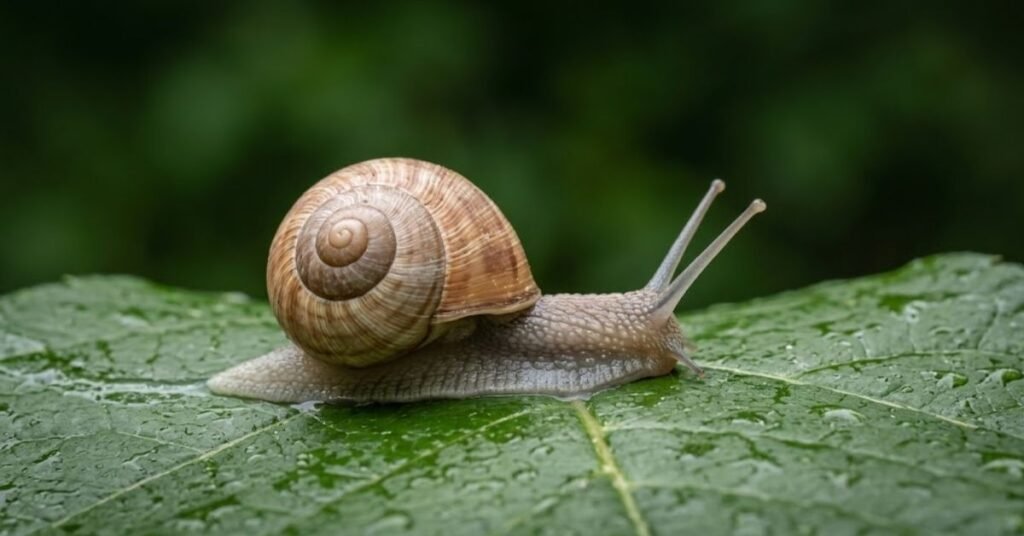
Snails do not vocalize as many animals do. Instead, they communicate through chemical signals and tactile interactions, a silent form of conversation that aids in reproduction and territory recognition.
The absence of vocal vocalizations makes snails some of nature’s most discreet inhabitants. They thrive in moist environments, from lush gardens to damp forests, where their soft bodies can avoid desiccation.
An interesting fact about snails is that they possess an intriguing defense mechanism known as “mucous trapping.” When threatened, they can produce a thick layer of mucus that can either immobilize predators or allow them to slip away unnoticed. This combination of stealth and silence makes them masters of adaptability in an often noisy world.
Earthworm
| Attribute | Details |
|---|---|
| Scientific Name | Lumbricus terrestris |
| Diet | Detritivorous (organic matter) |
| Habitat | Moist soil, gardens, and fields |
Earthworms thrive beneath the surface, leading an underground lifestyle that influences much more than we might realize. Their fascinating movement consists of contracting and relaxing muscles, enabling them to inch through soil while aerating it, thus creating pathways for air and water.
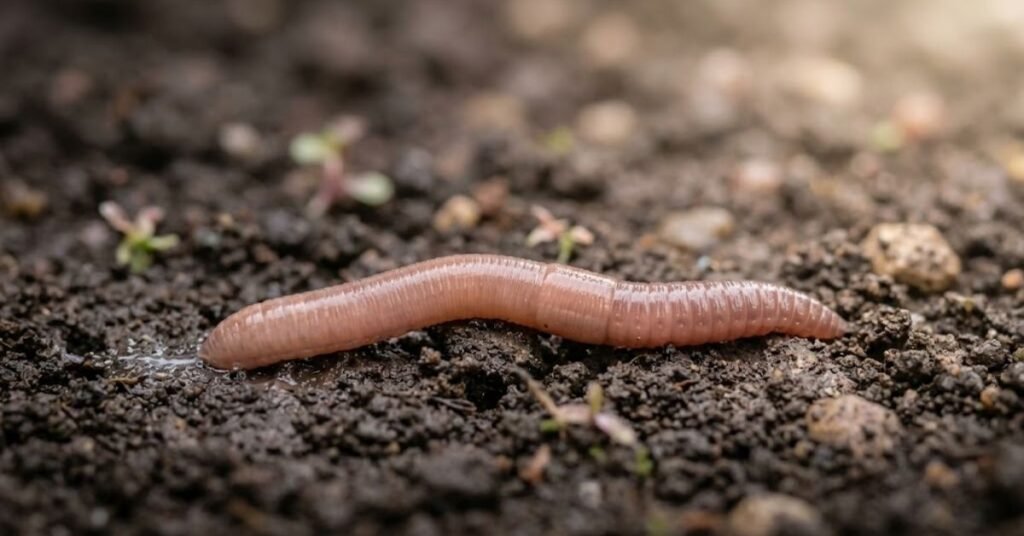
This ability to burrow and wiggle plays a pivotal role in soil health, promoting the growth of plants and microorganisms that rely on well-structured soil. Earthworms communicate through subtle chemical signals rather than vocalizations, making their world one of silent interactions.
Their importance in the soil ecosystem cannot be overstated; they help decompose organic matter, turning it into nutrient-rich compost that benefits countless other species. Here’s a fun fact: a single earthworm can consume its body weight in soil each day! By understanding their unique contributions, we gain a deeper appreciation for these unassuming creatures and their vital role in sustaining life above ground.
Slug
| Attribute | Details |
|---|---|
| Scientific Name | Gastropoda |
| Diet | Herbivore |
| Habitat | Moist environments |
Slugs are fascinating creatures that move at a leisurely pace, often leaving a silvery trail in their wake. Unlike their relatives, the snail, slugs lack a visible shell, which makes them more vulnerable yet allows for a more flexible body structure.
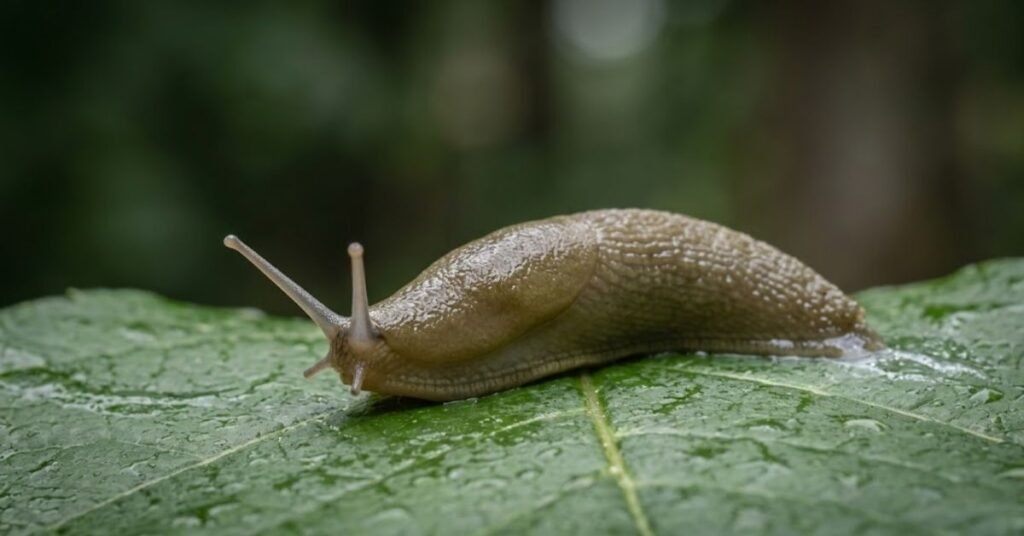
Their slow movement allows them to navigate their moist habitats, typically found in gardens, forests, and wetlands, where they thrive on decomposing plant matter and algae. The most intriguing aspects of slugs is their almost silent existence.
Unlike many animals that might rustle through their environments, slugs glide quietly, absorbing moisture from the ground as they move. This stealthy approach not only helps them evade predators but also enhances their role as essential decomposers in their ecosystems.
An interesting fact to note is that slugs can regenerate lost body parts, showcasing an adaptability that reflects their evolutionary success despite their unassuming appearance.
Hedgehog
| Attribute | Details |
|---|---|
| Scientific Name | Erinaceus europaeus |
| Diet | Insects, worms, fruits |
| Habitat | Woodlands, gardens, hedges |
Hedgehogs are often underestimated for their quiet demeanor. By nature, these spiny mammals lead a mostly solitary life, with a preference for roaming the night under the veil of darkness. Their nocturnal lifestyle allows them to forage for meals, primarily insects and fruits, while avoiding daytime predators.
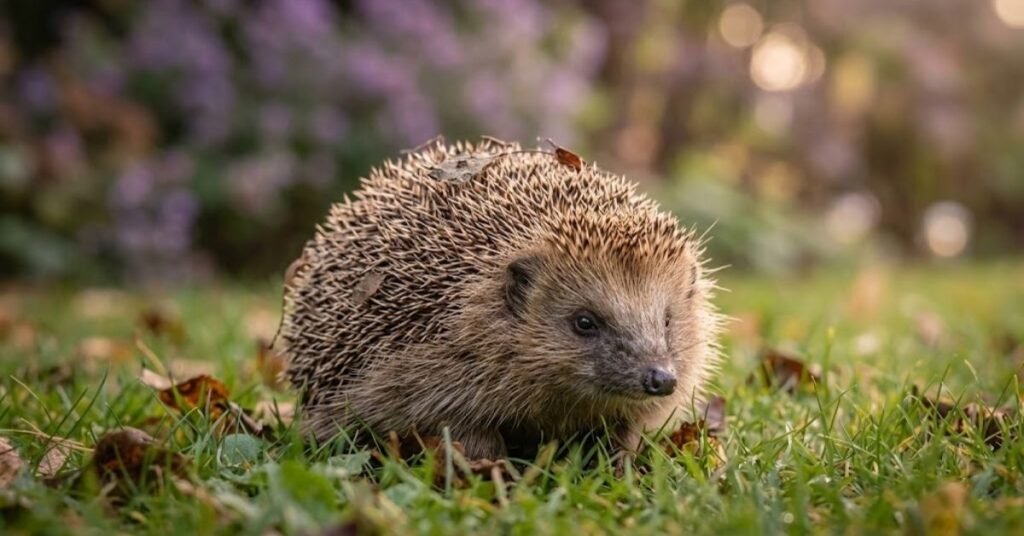
They can make a range of sounds, including snuffles, squeaks, and even a unique grunt when feeling playful. In moments of threat, hedgehogs exhibit impressive defensive behavior; they curl into a tight ball, showcasing their quills as a formidable barrier against threats. This remarkable adaptation not only protects them from various predators but also adds to their charm.
An interesting fact is that hedgehogs can consume thousands of pests in a single night, making them valuable allies for gardeners battling slugs and insects. Next time you happen upon one, take a moment to appreciate the fascinating life of this little nocturnal creature.
Snow Leopard
| Attribute | Details |
|---|---|
| Scientific Name | Panthera uncia |
| Diet | Mostly wild ungulates, small mammals, and birds |
| Habitat | Mountain ranges of Central and South Asia |
In the rugged mountain landscapes of Central and South Asia, the snow leopard reigns as a master of its environment. With its thick fur and large paws adapted for traversing rocky terrains, this elusive big cat boasts extraordinary stealth. It uses its incredible camouflage to blend seamlessly into its surroundings, stalking prey with a grace that belies its size.
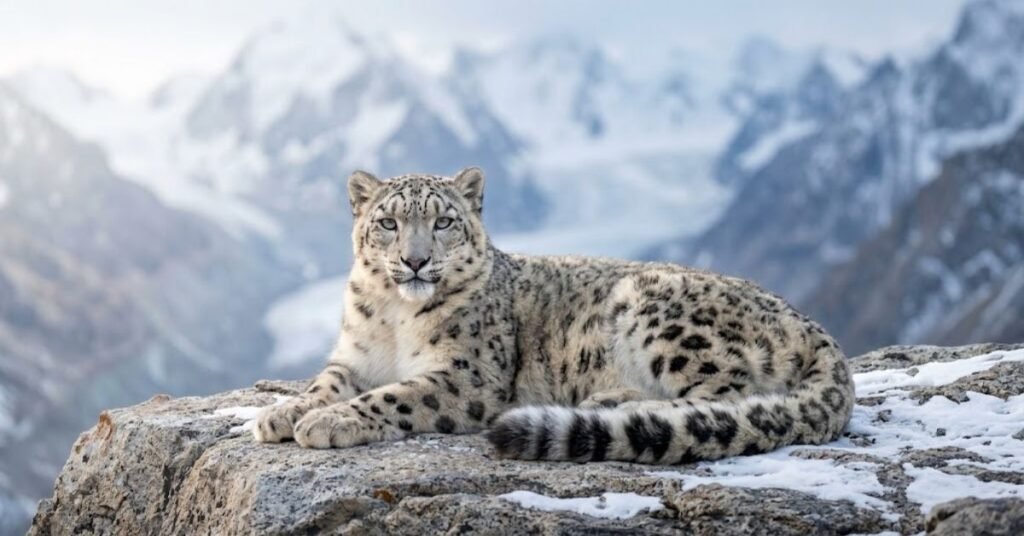
While hunting, it uses a combination of patience and precision, often pouncing from high vantage points, making each hunt a tactical ballet. What sets the snow leopard apart from its larger feline cousins is not just its remarkable hunting techniques but also its remarkable sounds, which range from a series of low growls and hisses to the eerie, haunting calls that echo through its mountain home.
Often dubbed as a “quiet big cat,” it communicates subtly, relying on vocalizations rather than overt physical displays, which adds to its mysterious aura.
Why Are Some Animals So Quiet?
Silence in the animal kingdom is rarely an accident it’s often a finely tuned survival tool. Some species stay quiet to avoid alerting predators, while others rely on stealth to sneak up on prey without giving themselves away. In many cases, quiet behavior also helps animals conserve energy or communicate through subtler, non-vocal means like body language and scent.
Survival and Predator Avoidance: Many animals have evolved to be quiet as a survival strategy, minimizing the chances of drawing attention from predators. By remaining silent, they can navigate through their habitats without alarming potential threats. This adaptive behavior allows species like deer and rabbits to rely on stealth instead of speed when escaping danger, ensuring they blend into their surroundings.
Hunting Prey Without Being Detected: Predators like owls and certain big cats exemplify the art of silence in the hunt. Their ability to move stealthily ensures they can approach prey unnoticed. The quieter they are, the higher their chances of a successful ambush, as prey species are often acute to sounds in their environment.
Small Body Size: Small animals, such as rodents or certain insects, naturally produce less noise as they scurry or fly. Their diminutive bodies require minimal energy and movement, which tends to generate less sound. This muted presence allows them to forage and live beneath the radar of larger predators, demonstrating that in the animal kingdom, being small can also translate to survival.
Slow Metabolism: Some quiet creatures, such as sloths, have adapted to a slow-paced lifestyle that prioritizes energy conservation. Their lethargic movements reduce noise and the risk of detection while they navigate through dense foliage.
Aquatic Environment: Aquatic animals often thrive in silence due to the unique acoustic properties of water, which can carry sound. Many fish and marine mammals rely on subtle body language and bioluminescence rather than vocalizations. This adaptation helps them avoid eavesdropping predators while facilitating communication in an environment where noise dissipates quickly.
Lack of Vocal Organs: Some species have simply evolved without vocal organs, relying on alternative methods to thrive in their environments. For instance, reptiles like snakes communicate through vibrational signals and body movements, effectively conveying messages without sound.
How Do Quiet Animals Communicate?
Just because an animal is silent doesn’t mean it’s not “talking” it simply speaks a different language. Many quiet species communicate through body postures, facial expressions, color changes, or scent markings instead of sound. Others rely on vibrations, subtle movements, or even bioluminescence to send messages that are just as clear as any call or cry.
Body Language: In the animal kingdom, body language serves as a nuanced dialogue often overlooked by human observers. For example, chameleons display intricate movements, flattening or arching themselves to signal readiness for mating or aggression. Their slow, deliberate movements can convey a wealth of information without a single sound.
Vibrations: Vibration communication is particularly fascinating among arachnids like spiders, which rely on substrate vibrations to convey messages to one another. When a male spider taps a female’s silk web, he creates vibrations that can signal courtship or territorial claims.
Chemical Signals: Chemical communication is a sophisticated and widespread phenomenon, utilized by various species to convey messages about territory, mating status, and even warnings. For instance, snakes often leave pheromone trails, or chemical scents, that transmit identifying information, helping them recognize mates or rivals within their territory.
Color Changes: The ability to change color serves as a bold yet silent form of communication. Chameleons not only shift hues for camouflage but also display vibrant colors to signal stress or readiness to mate. Such vibrant displays can attract potential mates or deter rivals, making their color changes a canvas of emotions.
Touch: Touch is often underestimated as a form of communication among wildlife, but it plays a critical role in social interactions. Primates, like chimpanzees, engage in grooming not just for hygiene but also to build bonds and establish social hierarchies.
Quiet Animals VS Silent Animals
When exploring the animal kingdom, the distinction between quiet and silent animals provides fascinating insights into communication methods. Quiet animals, like rabbits, may occasionally express themselves through soft sounds such as whines or thumps.
Their vocalizations enhance social interactions and alert others of potential dangers, illustrating the nuanced ways they connect with their environment and peers. On the other hand, silent animals, such as snails, rely on a different suite of communication tools.
These creatures may engage in chemical signaling or tactile interactions, showcasing a remarkable adaptation to their surroundings without the need for audible cues. The interplay between sound and silence in the animal kingdom underscores the diversity of communication strategies.
While quiet animals can create rich interpersonal dialogues through their sounds, silent ones unveil the wonders of non-vocal expressions, reminding us that communication transcends mere noise.
| Aspect | Quiet Animals | Silent Animals |
|---|---|---|
| Vocalizations | May make occasional sounds | Little to no detectable sound |
| Communication Methods | Can communicate in various ways | Rely on non-vocal signals |
| Example | Rabbit | Snail |
Conclusion
The exploration of 30 quiet animals has opened our eyes to the fascinating lives that unfold in hushed tones and unseen corners of our planet. Each species, with its unique characteristics, plays a vital role in maintaining the balance of their ecosystems while often going unnoticed.
Learning about these silent creatures allows us to appreciate the incredible diversity of life that exists alongside us. As we move forward, let’s commit to understanding and protecting these gentle beings and their habitats.
FAQs
What Animal Is Quiet?
Many animals are surprisingly quiet, but one notable example is the owl. Known for its silent flight, an owl can navigate through the night without making a sound, allowing it to hunt effectively.
What Are Some Quiet Animals?
Some quiet animals include sloths, which move slowly and make minimal noise, often only communicating with soft vocalizations. Similarly, many species of turtles are quite silent, opting for stillness rather than vocal sounds.
What Animals Are Quiet At Night?
Many animals are relatively quiet at night, primarily diurnal creatures that rest during these hours. Examples include rabbits, deer, and certain species of birds. While they may occasionally rustle or make soft sounds, they tend to avoid vocalizations to stay safe from nocturnal predators.
What Are The Most Quiet Animals?
Some of the quietest animals include certain species of sloths and the leafy sea dragon. Sloths are known for their slow movements and low energy, leading to minimal noise in their natural habitat. Similarly, leafy sea dragons, which are a type of seahorse, glide silently through the water, relying on camouflage for protection rather than sound.