How Many Times Can A Skunk Spray? Complete Guide
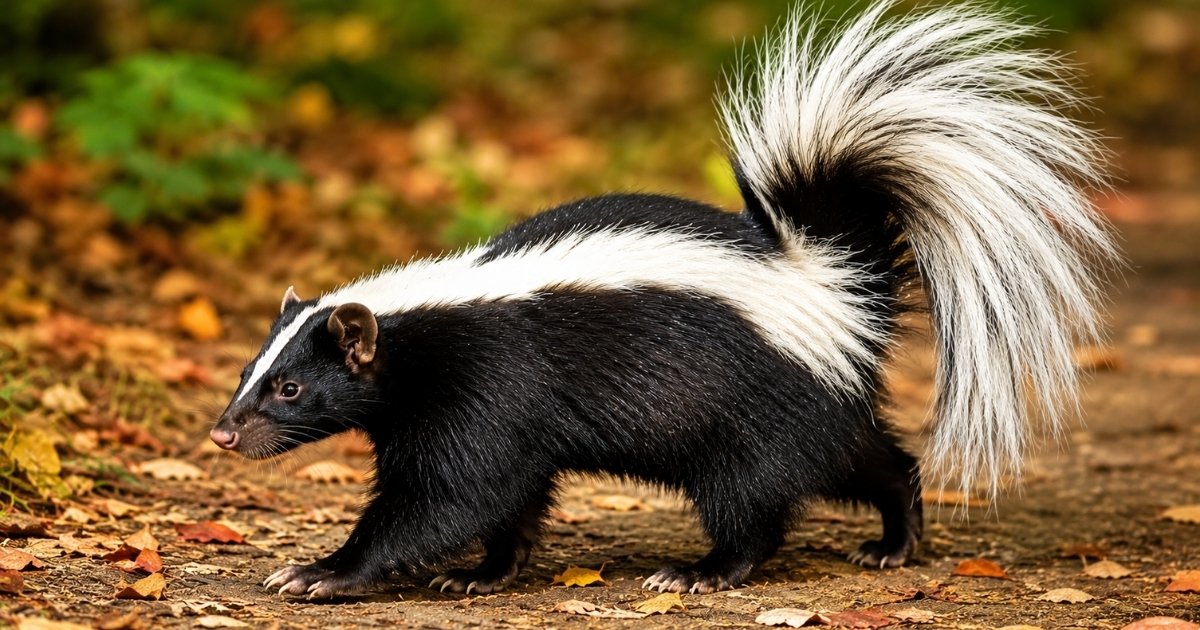
How many times can a skunk spray? You might be surprised to learn that this evasive little mammal has an impressive arsenal for self-defense. Skunks spray as a means to deter threats, but their spraying frequency can depend on various factors, such as stress and environmental triggers.
In this blog post, we’ll delve into the fascinating world of skunk spray: its purpose, how often a skunk can unleash it, and what conditions dictate this behavior.
How Many Times Can A Skunk Spray?
How often can a skunk spray? On average, a skunk can produce about five to seven sprays from their scent glands, but this capability varies based on several factors. When confronted, skunks often utilize their spray in a series of short bursts rather than a continuous stream, allowing them to maximize the effect while conserving their limited supply.
The liquid stored in a skunk’s scent glands is finite; after each spray, it takes them considerable time to replenish this supply. Typically, it can take a few days for a skunk to refill its glands fully, depending on their age, health, and stress levels.
Young, healthy skunks may be more efficient in producing sprays, while older or stressed individuals may find the process more taxing, ultimately affecting how many times a skunk can spray more than once in a short span.
How Many Times Can A Skunk Spray In A Row?
Skunks have an impressive ability to spray as a defense mechanism, but they aren’t limitless in this capacity. A skunk can spray multiple times in succession, though this isn’t common. During a skunk’s initial encounter, it may unleash its potent spray a couple of times; however, each subsequent spray depletes the chemicals in its scent glands, making them less effective.
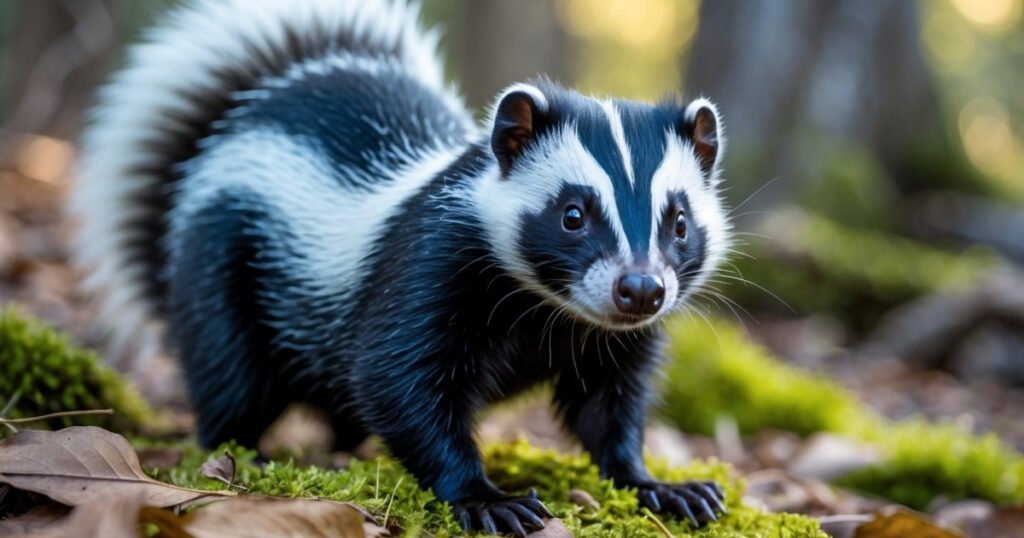
As they spray, skunks become more cautious, realizing that their defensive resources are dwindling. They instinctively judge whether the threat persists, often opting to cease spraying if they feel safe.
This conservation of their spray is a clever strategy, as skunks are aware that using their spray unnecessarily would leave them vulnerable in the future. Hence, they weigh the risks carefully, a testament to their survival instincts when faced with potential danger.
How Many Times Can A Skunk Spray In 24 Hours?
In a 24-hour period, the question of “how many times can a skunk spray in a day” doesn’t have a straightforward answer. While skunks possess a reserve of their potent spray that can last for multiple uses, environmental factors and stress levels significantly impact their ability to release it.
They typically have enough spray for about five to six discharges, but that doesn’t mean they will use it all in one day. Frequent encounters with threats can trigger more spraying, particularly if the skunk feels cornered or threatened repeatedly.
The replenishment of a skunk’s spray reserve plays a crucial role in determining how often they can spray. After each use, it takes time for their glands to rebuild the spray. Factors such as diet, health, and even temperature can affect this replenishment rate.
For instance, a skunk that feels continuously threatened in its environment may spray more often, while a more relaxed skunk might use its spray sparingly, conserving the resource for genuine threats.
Thus, the frequency of spraying can vary dramatically based on individual circumstances illustrating that, while there’s a general guideline, each skunk’s response to its situation creates a unique behavior pattern.
How Many Times Can A Skunk Spray In An Hour?
Skunks possess a remarkable defense mechanism in their ability to spray, but they aren’t limitless in their capabilities. In a short period, repeated spraying is indeed possible, but factors like adrenaline and stress can influence their frequency.
Typically, a skunk can release its potent spray several times in rapid succession, yet this comes at a cost. They have a finite reserve of their pungent fluid, which means that after a few sprays, their supply diminishes significantly.
Recovery and replenishment between sprays are not instantaneous. After releasing their trademark scent, skunks need time to rebuild their reserves, which can take anywhere from a few hours to several days, depending on the species and individual circumstances.
Thus, while one might wonder about an exact number of sprays per hour, the reality is shaped by various conditions stress levels, environmental factors, and overall health all contributing to a wide variability in their spraying capacity.
Understanding this adds layers to our appreciation of skunks as more than just their notorious spray; they are fascinating creatures adapting to survive in their ecosystems.
How Many Times Can A Skunk Spray You?
A skunk can spray multiple times in a single encounter, as its specialized glands can produce enough fluid for several sprays. Each spray can be targeted with surprising accuracy, allowing the skunk to aim effectively at perceived threats. Their keen sense of direction helps them retain a clear line of sight, making them formidable defenders.
If a skunk feels continuously threatened, it won’t hesitate to spray again, revealing its instinctual drive to protect itself. Understanding the distance and movement between you and the skunk is crucial; even minor shifts in position can escalate its need to use its potent defense mechanism.
Thus, maintaining a safe distance ideally at least 10 to 15 feet is essential to avoid a pungent encounter and to ensure a peaceful coexistence in the wild.
How Many Times Can A Skunk Spray In Its Lifetime?
Skunks don’t have a strict lifetime limit on their spraying capacity, but they are strategic about how often they unleash their pungent defense. While their scent glands continuously replenish, the rate at which this happens varies based on the skunk’s age and overall health.
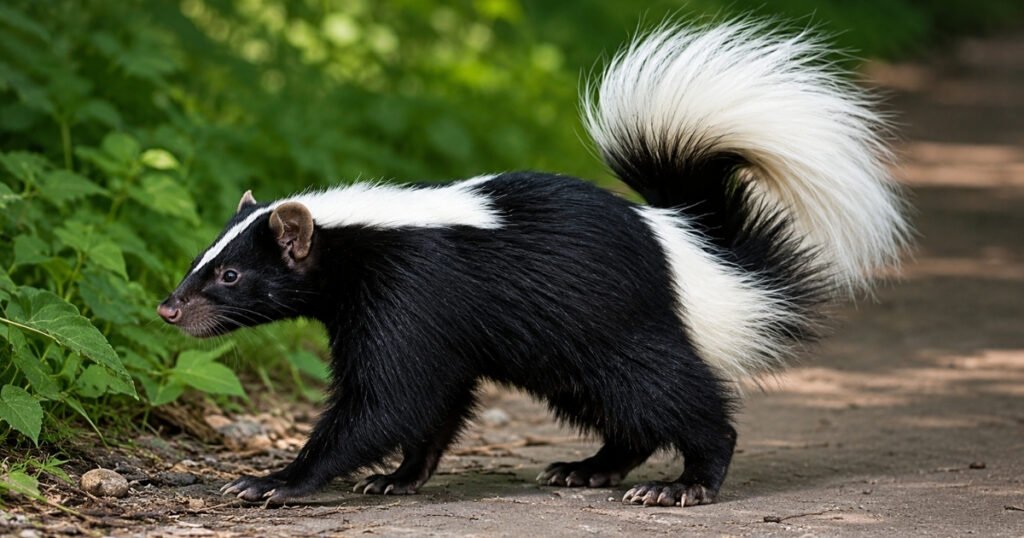
Young skunks typically have a more abundant supply, allowing them to spray more frequently, while adults tend to conserve their spray for genuine threats, recognizing the drawbacks of overuse.
Calculating an exact number of sprays a skunk can produce throughout its life is challenging due to the myriad factors involved, including diet, habitat, and stress levels. Interestingly, skunks view their spray not just as a weapon, but as a valuable resource.
This perspective leads them to be judicious with their defense, using it sparingly to ensure they have enough for serious encounters. In the wild, the ability to conserve such an effective means of protection can be the difference between survival and befriending a predator.
Why Do Skunks Spray?
Skunks are renowned for their infamous spray, but this potent defense mechanism is primarily a last resort. When threatened, a skunk’s first instinct is to issue a warning through elaborate body language, including a characteristic tail lift and a series of hisses or stomps.
This warning behavior serves as a cue for predators, including foxes and coyotes, to reconsider their approach. If the perceived threat persists, a skunk will not hesitate to deploy its foul-smelling spray as a means of escape.
Threat perception varies among skunks, prompting them to gauge danger differently based on the situation. While they may perceive humans and domestic pets as threats, their instinctual reactions differ with other animals. Interestingly, skunks can spray multiple times, but how often can a skunk spray is limited by the need to conserve their chemical reserves.
This makes their potent spray a strategic weapon rather than a go-to solution, reinforcing its role in their survival toolkit. Ultimately, the skunk’s approach to defense is a fascinating blend of warning, assessment, and calculated action.
What Do Skunks Eat?
Skunks are often misunderstood because of their notorious scent, but their dietary habits reveal much about their adaptability and role in the ecosystem. As omnivores, skunks have a surprisingly diverse menu that reflects their ability to thrive in various environments. Their diet typically includes insects, small mammals, fruits, and even carrion, making them efficient hunters and foragers.
Insects
Skunks are opportunistic feeders with a penchant for a variety of insects or smallest insects, making them natural pest controllers in yards and gardens. From juicy beetles to crunchy crickets, these nocturnal creatures take advantage of the abundant insect life that flourishes in warm weather.
Their keen sense of smell helps them sniff out hidden members of the insect community, whether they’re buried underground or lurking in leaf litter. This diet not only highlights their ecological role but also showcases their adaptability, allowing them to thrive in diverse landscapes.
Grubs
Grubs, the larvae of various beetles, are another favorite among skunks. These nutrient-rich morsels often hide beneath the soil surface, and skunks are well-equipped to dig and uncover them.
Their digging behavior not only satisfies their hunger but also aerates the soil, inadvertently benefiting garden health. Residents often find evidence of skunk foraging upturned patches of soil often mistakenly attributing the disturbance to other wildlife.
Small Animals
While skunks primarily focus on a diet rich in insects and grubs, they are also known to hunt small animals such as rodents and birds. These opportunistic feeders will exploit any available food source, showcasing their versatility.
Their slow, deliberate hunting style often makes them less successful predators compared to more agile carnivores. This predation can help maintain the delicate balance of local ecosystems by controlling small animal populations.
Fruits And Plants
In addition to their meatier choices, skunks have a sweet tooth for fruits and plants, particularly during the warmer months. Wild berries, apples, and various garden vegetables are all fair game. Their love for fruit trees can lead them to frequent gardens, often in search of fallen fruit.
This consumption not only contributes to their energy needs but also aids in seed dispersal, playing a hidden yet vital role in plant propagation. Observing skunks munching on garden produce can be an unexpected delight for homeowners.
Eggs
Skunks are adept egg foragers, raiding nests for bird eggs when the opportunity arises. Their flexible diet allows them to tap into additional protein sources, especially in spring when many birds are nesting.
While this behavior can be frustrating for bird enthusiasts, it is a natural aspect of skunk behavior. Observing a skunk quietly investigating a nest is a reminder of the interconnectedness of species within our ecosystems.
Human Food/Garbage
Skunks are highly attracted to human food, often rummaging through gardens, compost bins, and garbage cans searching for scraps. Their keen sense of smell draws them towards the enticing odors of discarded meals, particularly those high in fats and carbohydrates. This behavior can lead to nuisance situations for homeowners, as skunks become more comfortable in urban settings.
Attracting Skunks
The availability of food sources around homes can inadvertently attract skunks and foster ongoing visits. Open trash cans, pet food left outside, and fruit trees laden with ripe produce all contribute to a skunk’s allure. Gardeners and homeowners can take proactive measures to reduce unwanted visits by adopting practices that minimize accessible food sources.
Are Skunks Dangerous To Humans?
While skunks are notorious for their potent spray, the real danger they pose to humans is minimal. The spray itself can be an unpleasant surprise, leading to a lingering odor that requires extensive cleaning, but physically, they are not aggressive creatures.
Skunks tend to resort to their defensive spray only when they feel truly threatened, which occurs under specific circumstances, such as during denning or when they have young kits nearby. Understanding these triggers is crucial; a skunk is far more likely to avoid confrontation if given space.
A skunk displaying unusual behavior like staggering or appearing disoriented can be indicative of rabies, a serious concern that warrants caution. It’s vital to resist the urge to approach, corner, or provoke a skunk, as this may lead to defensive actions, including spraying or, in rare cases, biting.
If a skunk appears to be a nuisance or is acting erratically, it’s wise to consult a professional wildlife removal service rather than attempting a DIY rescue. Their expertise ensures both human safety and the well-being of the skunk, promoting a harmonious coexistence.
What Should You Do If You Come Across A Skunk?
Encountering a skunk during a walk or while in your backyard can be an unexpectedly delightful yet daunting experience. These nocturnal creatures are often more interested in foraging for food than interacting with humans, but knowing how to handle the situation is crucial.
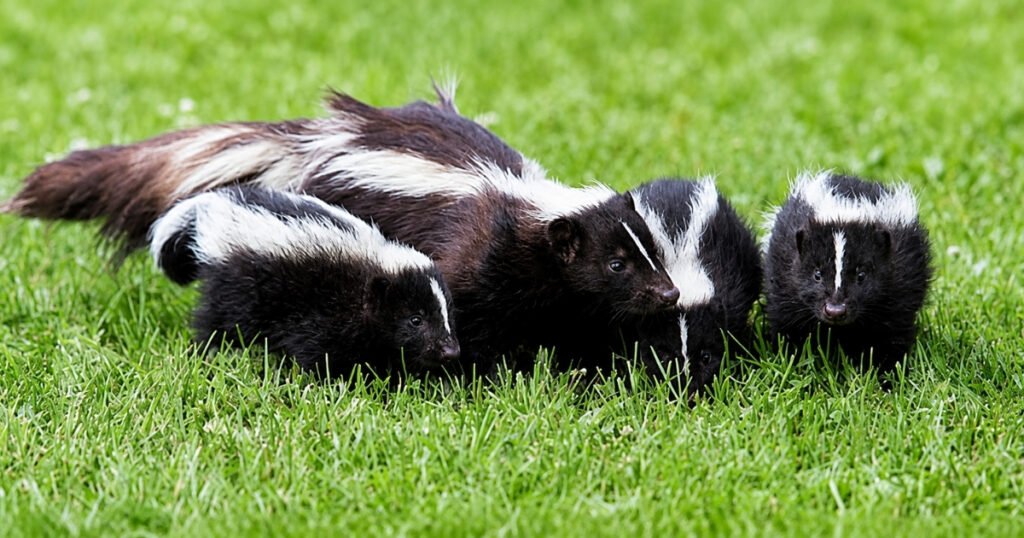
Stay Calm: Encountering a skunk can be a nerve-wracking experience, but the first rule is to stay calm. Skunks are generally non-aggressive and will only spray when they feel threatened. Take a deep breath and remind yourself that panicking can lead to hasty decisions that may endanger you or the animal. By maintaining your composure, you significantly reduce the chance of startling the skunk or provoking a defensive reaction.
Keep Your Distance: When you spot a skunk, the best course of action is to keep your distance. Skunks have a keen sense of smell, and they may feel unsafe if you approach too closely. Ideally, observe it from at least 20-30 feet away to allow it to feel secure. This distance helps ensure that both you and the skunk can coexist peacefully, giving it the opportunity to move on without feeling threatened.
Don’t Chase It: Chasing a skunk is one of the most common mistakes people make. Not only can it provoke the skunk into defensive behavior, but it can also lead to unexpected accidents. Instead of chasing after the skunk to drive it away, take a moment to let it roam freely. Skunks are usually more interested in foraging for food than causing harm, so allowing it the space to leave on its own can be the most effective and safest strategy.
Don’t Corner It: It’s crucial to avoid cornering a skunk, as this will only instigate fear and trigger its instinct to spray. Instead, allow the skunk a clear escape route. If it feels trapped, it may resort to spraying as a last line of defense. By providing an open pathway, you not only help reduce its anxiety but also facilitate a quick exit for both you and the skunk.
Keep Pets Away: If you encounter a skunk, make sure to keep your pets at a safe distance. Small dogs and cats can be particularly curious and may not understand the risk a skunk poses. Their instinct to chase or investigate can lead to unfortunate confrontations.
Give the Skunk an Escape Route: Always provide a clear escape route for the skunk. This could mean stepping back or making your presence less intrusive. Skunks are naturally cautious animals and will likely choose to retreat if they sense an opportunity. By prioritizing an open path for the skunk, you’re able to coexist harmoniously with wildlife while ensuring your safety and peace of mind.
Avoid Sudden Movements: Lastly, when in the presence of a skunk, it’s essential to avoid sudden movements. Quick gestures may startle the skunk, causing it to react instinctively. Instead, move slowly and calmly, giving the skunk time to assess your presence. A gentle approach can foster a more peaceful interaction, enabling the skunk to feel less threatened while you remain out of harm’s way.
Conclusion
Understanding how many times a skunk can spray is essential for anyone living near these intriguing creatures. Skunks have the remarkable ability to discharge their potent spray around 5 to 7 times before needing to replenish their supply, which can take up to a week.
This fact highlights their defensive strategy, providing them with a crucial advantage against predators. By being aware of their spraying habits, individuals can take necessary precautions to avoid confrontations with these animals.
FAQs
Can A Skunk Spray More Than Once?
Yes, a skunk can spray multiple times, but it needs time to replenish its scent glands. Typically, it can spray about 5 to 6 times before running low on its defensive spray.
What Is A Skunk’s Worst Enemy?
A skunk’s worst enemy is often the great horned owl, as it’s a skilled predator that can hunt skunks despite their strong odors. Larger mammals like coyotes may pose a threat, although skunks typically rely on their spray for defense.
Can Skunks Spray Twice In A Row?
Yes, skunks can spray multiple times, but they typically use their scent as a defense mechanism sparingly. After spraying, they need time to replenish their scent glands, so a second spray may not be immediate.
Why Do Skunks Spray Every Night?
Skunks spray primarily as a defense mechanism to deter predators, using their potent scent as a warning. They may do so every night as a natural behavior to establish territory and communicate with other skunks in the area.
Do Skunks Run Away After They Spray?
Yes, skunks often leave the area after spraying, as they rely on the spray as a defense mechanism. Their goal is to avoid confrontation, so they usually retreat quickly to safety.