Nevada State Bird: Mountain Bluebird Facts, Habitat & More
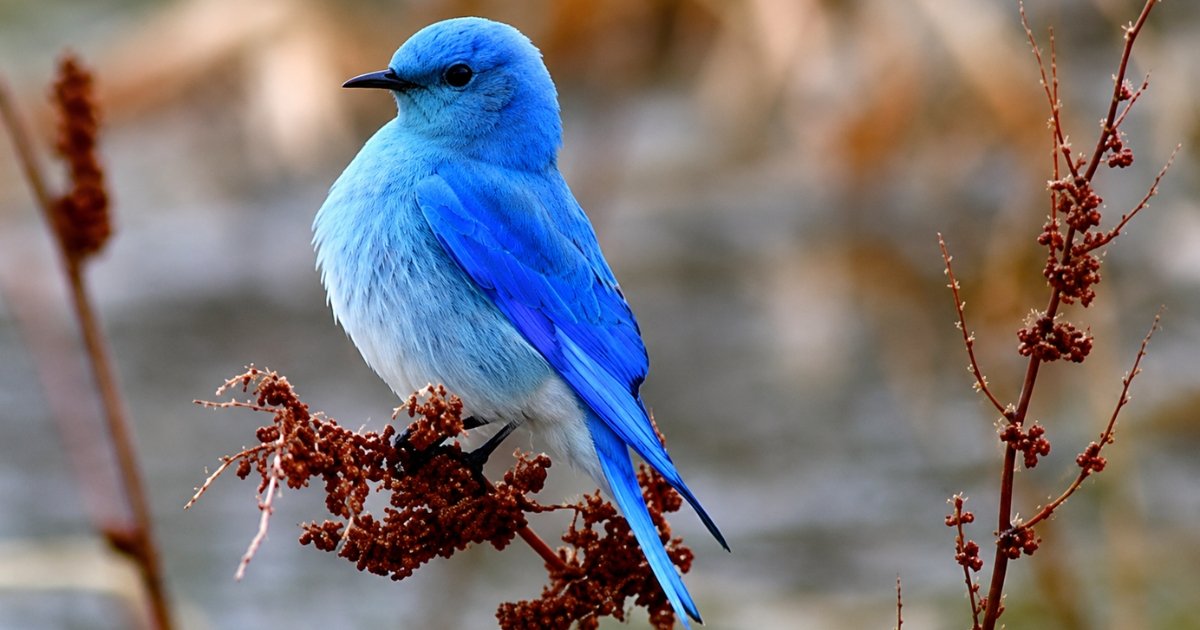
The vibrant hues of the Nevada state bird, the Mountain Bluebird, are a reminder of the stunning landscapes that define the Silver State. Officially recognized as the state bird in 1970, this exquisite bird symbolizes resilience and beauty amidst the rugged terrain of Nevada.
In this blog post, we will uncover essential details about the Mountain Bluebird, from its habitat and diet to its reproduction and cultural significance.
What Is The Nevada State Bird
The state bird of Nevada is the Mountain Bluebird, a striking symbol of the state’s diverse natural beauty. This vibrant bird, with its brilliant blue plumage, flits gracefully across the arid landscapes and open fields, making it a common sight in the wild.
But why was the Mountain Bluebird chosen to represent Nevada? Its cheerful presence not only embodies the spirit of the region but also highlights the importance of preserving habitats in the face of development and climate change.
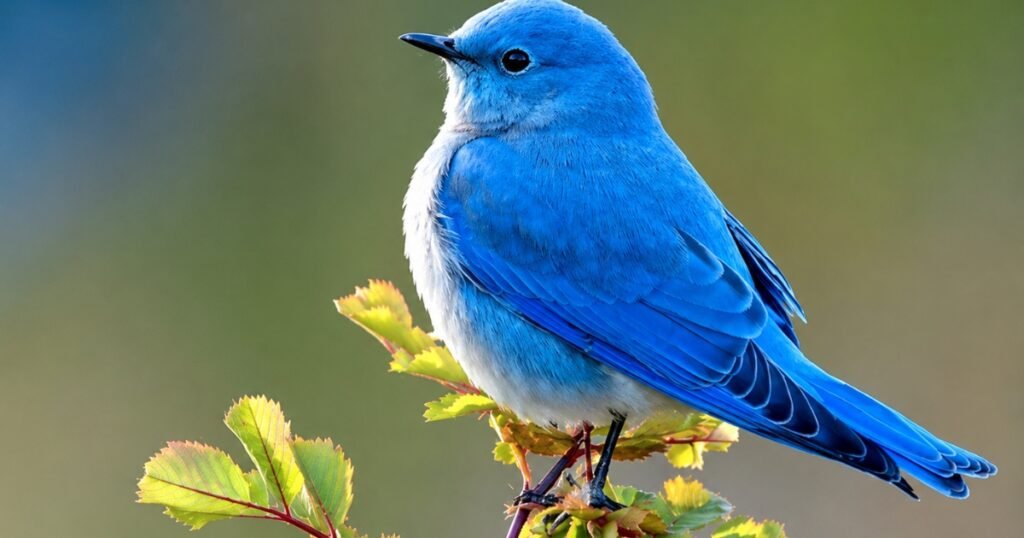
The Mountain Bluebird offers more than just visual appeal; it serves as an ecological indicator, reflecting the health of the environment. Its migratory patterns and feeding habits reveal the interconnectedness of ecosystem health, making it essential to understanding Nevada’s natural balance.
The bird’s resilience mirrors the tenacity of Nevada’s people, who have thrived in a landscape often regarded as harsh and challenging. By embracing the Mountain Bluebird as its state symbol, Nevada celebrates its unique harmony between nature and the human spirit, encouraging conservation efforts for future generations to appreciate.
Nevada State Bird Name And Mountain Bluebird Overview
When it comes to Nevada’s natural identity, the nevada state bird mountain bluebird is the first thing that comes to mind, thanks to its striking blue plumage and graceful flight. Officially recognized as the mountain bluebird nevada state bird, this beautiful species belongs to the Turdidae family and is commonly spotted across Nevada’s arid landscapes. Let’s take a closer look at what makes this bird so special.
| Attribute | Details |
| Mountain Bluebird State | Nevada |
| State Bird | Mountain Bluebird |
| Mountain Bluebird Scientific Name | Sialia currucoides |
| Mountain Bluebird Family | Turdidae |
| Genus | Sialia |
| Mountain Bluebird Length | 6.5 – 7.1 inches |
| Wingspan | 15 – 16 inches |
| Mountain Bluebird Weight | 1.1 – 1.6 ounces |
| Male Appearance | Bright, vibrant blue plumage |
| Female Appearance | Grayish-brown mixed with blue (camouflage while nesting) |
| Lifespan (Wild) | Up to 6 years (some exceed this) |
| Notable Behavior | Aerial acrobatics; catches insects mid-flight while foraging |
| Mountain Bluebird Habitat | Open grasslands and mountainous regions |
| Significance | Symbol of Nevada’s rugged natural beauty |
What Does The Mountain Bluebird Look Like?
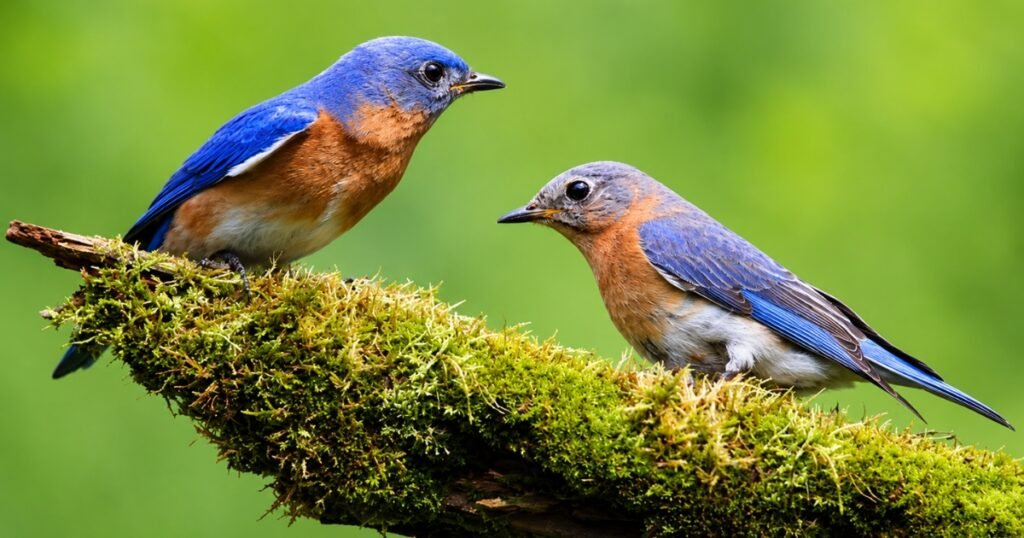
Male Mountain Bluebird’s Bright Blue Color: The male Mountain Bluebird is a stunning spectacle in the avian world, flaunting a vibrant, electric blue plumage that captures the sun’s light with stunning intensity.
This vivid coloration serves not only as an attraction to potential mates but also as a symbol of male dominance during the mating season. The bright blue feathers shimmer with hints of iridescence, painting a picture of vitality as they flit through their natural habitats.
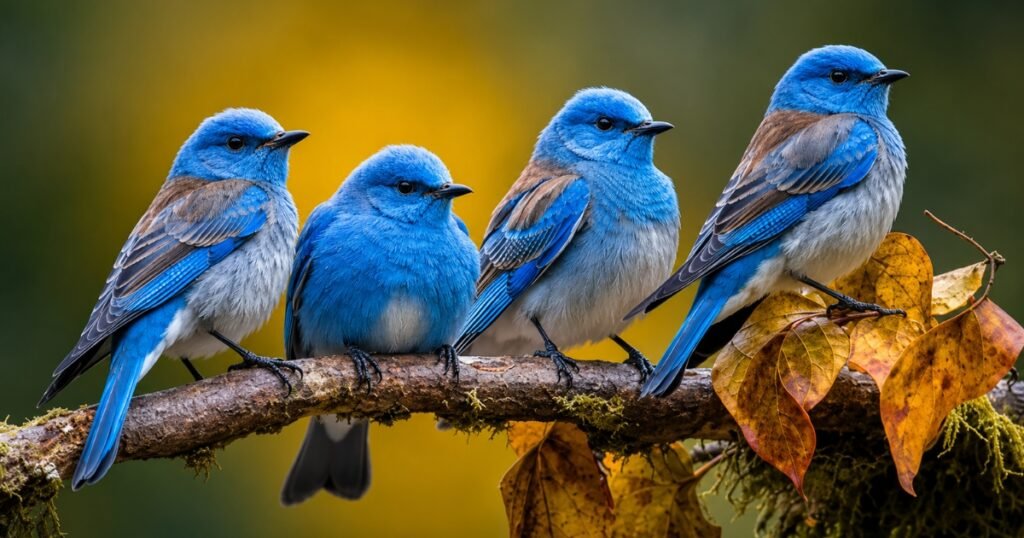
Female’s More Subdued Blue-Gray Appearance: In contrast to their male counterparts, female Mountain Bluebirds exhibit a more muted aesthetic. Cloaked in soft blue-gray feathers, they radiate elegance rather than the flamboyance of the males.
This kind of visual gender distinction is common across the animal kingdom even amphibians like axolotls display subtle physical differences between males and females, as explained in our male vs female axolotl guide.
Underparts’ Color: The underparts of the Mountain Bluebird, regardless of gender, feature a delicate wash of pale gray, which further enhances the overall visual allure of these birds. This lighter coloration contrasts beautifully with the vibrant blues above, creating a harmonious balance that is both striking and ethereal.
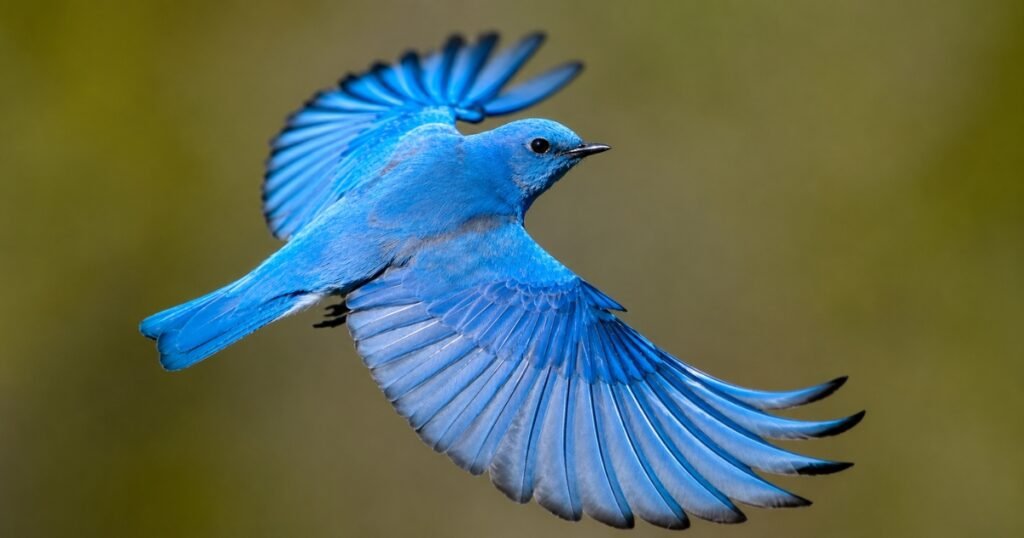
Beak and Eyes: Equipped with a slender, pointed beak, the Mountain Bluebird is designed for hunting small insects and berries, making it a nimble feeder. Coupled with sharp, alert eyes that gleam like jewels against the backdrop of their feathers, these birds are not only visually stunning but also remarkably adept at spotting their next meal from afar.
Juvenile Birds: Juvenile Mountain Bluebirds present an intriguing departure from the adults, showcasing a blend of muted browns and blues. Their unassuming appearance may lead some to overlook them, yet this camouflage is an evolutionary advantage that provides them shelter from predators.
Seasonal Appearance: Throughout the seasons, the Mountain Bluebird exhibits subtle changes that reflect its adaptability to different environments. In winter, males may show a slightly duller plumage as they conserve energy and adjust to colder climates. Conversely, as spring unfolds, their colors become increasingly vivid, heralding the onset of mating displays and territorial challenges.
Mountain Bluebird Habitat And Range
The Mountain Bluebird thrives in a variety of natural habitats, showcasing a preference for open grasslands, mountain meadows, and shrublands. These vibrant birds are often spotted flitting through sagebrush areas, where they can easily hunt for insects and forage for seeds.
Their adaptability allows them to occupy the edges of forests, making them a common sight in regions that combine these lush environments. In Western North America, particularly in Nevada, the Mountain Bluebird is more than just a seasonal visitor; they embody the rugged beauty of the landscape.
They migrate to lower elevations during winter, showing remarkable resilience as they traverse mountains and valleys. This seasonal movement not only showcases their adaptability but also highlights the intricate relationship between these birds and their habitats.
Observing a Mountain Bluebird soaring against the backdrop of the Nevada sky is a reminder of the vibrant life that thrives amidst the unique ecosystems of the West.
Where To See Mountain Bluebirds In Nevada
Mountain Bluebirds thrive in Nevada’s vast open landscapes, where their brilliant blue plumage contrasts beautifully with the arid terrain. Ideal spots for birdwatching include the expansive valleys of the Great Basin National Park and the rolling foothills surrounding the Ruby Mountains.
These areas provide the perfect combination of meadows and mountain regions, attracting these stunning birds during spring and early summer, when they are most active. To optimize your chances of sighting Mountain Bluebirds, visit rural areas early in the morning or late in the afternoon. Bring binoculars with a higher magnification for better viewing, and consider quieter locations away from foot traffic to enhance your experience.
If photography is your aim, a telephoto lens will help you capture their vibrant colors from a distance without disturbing their natural behavior. Allowing them to acclimate to your presence can lead to more intimate and striking shots.
Mountain Bluebird Diet And Feeding Habits
The Mountain Bluebird diet is one of the most interesting aspects of this beloved nv state bird. This graceful bird is a skilled hunter that feeds on a wide variety of insects, berries, and small fruits found across the open landscapes of western North America.
Insects As Primary Food: The Mountain Bluebird’s diet primarily consists of a variety of insects, making them crucial players in their ecosystems. This insectivorous diet helps regulate insect populations while providing essential nutrients for the birds.
Despite being prey, many of these insects like beetles and ants display surprising problem-solving abilities of their own, as explored in our guide on the 10 smartest insects in the world.
Beetles: Beetles are a significant part of the Mountain Bluebird’s diet, offering a crunchy, protein-rich meal. Their diverse size and availability make them a favored choice during spring and summer months.
Grasshoppers: Grasshoppers serve as another staple for these stunning birds, providing energy and sustenance. Capturing these agile insects requires the Mountain Bluebird’s sharp eyesight and swift reflexes.
Caterpillars: During the breeding season, caterpillars become a prime food source as they are rich in protein for feeding chicks. The Mountain Bluebird skillfully hunts these soft-bodied larvae among the foliage.
Other Small Insects: The versatility of the Mountain Bluebird’s diet extends to various small insects like ants and flies. This adaptability in feeding habits allows them to thrive in diverse habitats.
Berries and Fruits: While insects dominate their diet, Mountain Bluebirds also indulge in berries and fruits, particularly in late summer. This shift provides essential vitamins and energy as they prepare for migration.
Seasonal Diet Changes: Seasonality plays a significant role in their diet, with shifts observed based on insect availability and breeding needs. As temperatures cool, they increasingly turn to fruits, demonstrating their adaptive foraging strategies.
How They Hunt: The Mountain Bluebird hunts primarily by perching and scanning the ground. Their keen eyesight enables them to spot prey from a distance, leading to a swift dive to catch it.
Ground Feeding Behavior: Their ground-feeding behavior allows them to effectively hunt while also enjoying social interactions with other birds. Observing these vibrant creatures foraging provides insight into their lively nature.
Mating And Reproduction
Mountain Bluebirds are monogamous birds that typically form breeding pairs in early spring. Males attract females by displaying their bright blue feathers and bringing nesting materials to show their suitability as a partner.
Breeding Season
The breeding season varies widely among species, often dictated by environmental cues such as temperature and food availability. Timing is crucial for maximizing chick survival, ensuring that young are born when resources are abundant.
Courtship Behavior
Courtship behaviors are fascinating displays that can include elaborate dances, vocalizations, or vibrant plumage. These rituals not only attract mates but also strengthen pair bonds, setting the stage for successful reproduction.
Pair Formation
Pair formation is a pivotal step in the reproductive cycle, where individuals choose partners based on compatibility and genetic signaling. Strong pair bonds often manifest in synchronized behaviors, bolstering survival prospects.
Nesting Sites
Choosing the right nesting site is vital for protecting eggs from predators and harsh weather conditions. Birds may select a variety of locations, from tree canopies to rocky crevices, showcasing their adaptability.
Nest Construction
Nest construction is an intricate art, involving the gathering of twigs, grasses, and even man-made materials to create a safe haven. The structure and design reflect species-specific adaptations and the availability of resources in their environment.
Eggs
Eggs are masterpieces of evolution, often featuring intricate patterns and colors that can serve both camouflage and thermoregulation. Each egg is a potential life packed with nutrients essential for chick development.
Clutch Size
Clutch size can vary dramatically between species, influenced by factors such as environmental conditions and parental investment. Larger clutches may enhance survival chances, but require significant parental effort during rearing.
Incubation
Incubation periods often involve both parents sharing the responsibility, providing warmth and protection to the developing embryo. This collaborative effort not only increases the odds of successful hatching but also strengthens the pair’s bond.
Hatching
Hatching is a moment of transformation; chicks break free from their shells, facing a world full of challenges. This critical stage marks the beginning of a new chapter in the life cycle, where survival instincts kick in.
Feeding of Chicks
Once hatched, parents exhibit extraordinary care in feeding their chicks, often regurgitating food to ensure they receive the right nutrients. This meticulous feeding strategy is crucial for rapid growth and prepares them for fledging.
Fledging
Fledging is a rite of passage for young birds, where they take their first flights, establishing independence. This transitional phase is crucial for learning survival skills before venturing out into the wider world.
Number of Broods
The number of broods a pair can raise in a breeding season often reflects ecological pressures and resource availability. While some birds may rear multiple broods, others focus on singular, well-nurtured clutches.
Role of Male and Female Parents
Both males and females play distinct yet complementary roles in parenting, from nest building to feeding the young. Their cooperation not only enhances the survival rate of chicks but also sets an example for future generations in nurturing young.
Mountain Bluebird Nesting And Life Cycle
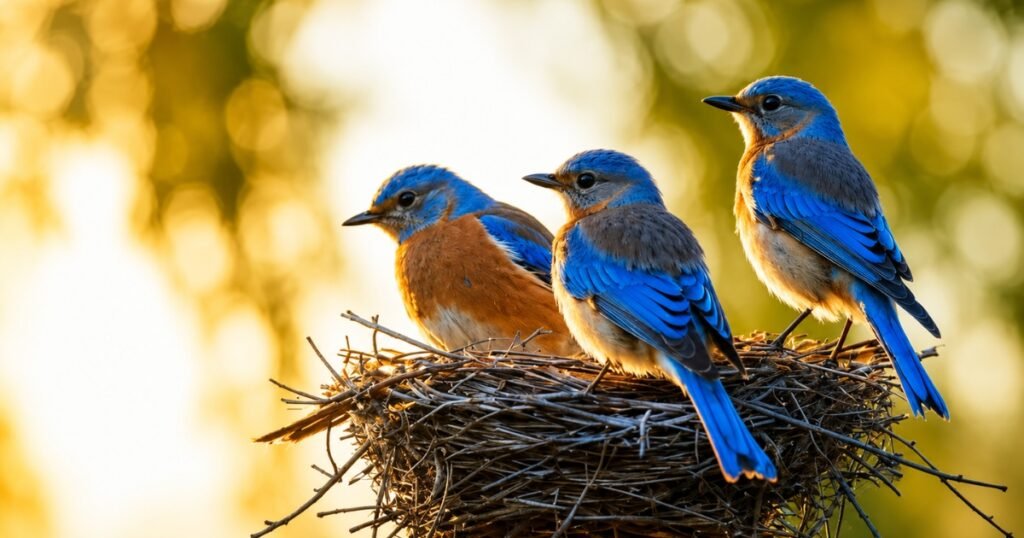
Mountain Bluebirds nest in tree cavities, rock crevices, and nest boxes, with females laying four to eight pale blue eggs per clutch. Eggs hatch after about 13 to 14 days, and chicks are ready to leave the nest within three weeks.
Nesting Habits
Mountain bluebirds exhibit a strong preference for open spaces with sparse vegetation, choosing low sites near the ground to build their nests. They often seek out old tree cavities or even man-made structures like fence posts as ideal nesting locations.
Nest Cavities
These birds utilize existing natural cavities, which offer protection against predators and harsh weather. Their choice of sites often reflects the availability of suitable hollows in their environment.
Natural Cavities vs. Nest Boxes
While natural cavities are preferred, mountain bluebirds readily adapt to artificial nest boxes, particularly in areas where natural options are limited. This adaptability plays a crucial role in their conservation, allowing populations to thrive in urbanized regions.
Egg-Laying Process
Typically, a female can lay between four to six eggs in one clutch, usually during the peak of spring. The eggs are a beautiful shade of pale blue, blending seamlessly with their natural habitat.
Chicks
Once hatched, the chicks are altricial, meaning they are born helpless and require extensive care and feeding from the parents. This nurturing phase lasts around two to three weeks before they are ready to fledge.
Juvenile Development
During their time in the nest, juvenile bluebirds undergo rapid feather growth and development. They spend their days being fed and learning essential survival skills from attentive parents.
When Young Birds Leave the Nest
Young mountain bluebirds typically leave the nest about 17 to 21 days after hatching. This critical transition period marks the beginning of their independent lives, with the juveniles often remaining in the vicinity for a short while.
Adult Maturity
Mountain bluebirds reach sexual maturity at about one year old, ready to embark on their own nesting journey. This early maturity aligns with their migratory behavior, allowing them to adapt quickly to changing seasons.
Life Expectancy
In the wild, mountain bluebirds can live for up to five years, though some individuals have been recorded to live even longer under optimal conditions. Their life expectancy varies largely based on environmental factors and predation rates.
Mountain Bluebirds In Nevada Culture And History
The Mountain Bluebird, with its vibrant azure plumage, encapsulates the spirit of Nevada’s breathtaking landscapes. This stunning bird not only symbolizes the state’s natural beauty but also its untamed wilderness, resonating with both locals and visitors alike.
Historically, the Mountain Bluebird has been a part of Nevada’s cultural tapestry, representing resilience and the ruggedness of the region. Native American tribes viewed the bluebird as a symbol of happiness and good fortune, intertwining its presence with local lore.
Soaring across the vast skies and open plains, the Mountain Bluebird thrives in Nevada’s diverse ecosystems. Its fluid flight mirrors the sweeping vistas of the state, making it an iconic representation of Nevada’s majestic mountains and serene deserts.
Designated as Nevada’s state bird in 1967, the Mountain Bluebird is a proud emblem of state identity, appealing to the hearts of Nevadans who cherish their natural heritage. It serves as a vital reminder of the importance of conservation and appreciation for wildlife.
People recognize the Mountain Bluebird through its striking cobalt blue color and melodic song, often marking a seasonal change in the region. Its presence is celebrated during community events, fostering a connection between the people and their environment.
Nevada State Bird, Flower And Tree
Nevada is home to some of the most unique and beautiful state symbols in the country. From the stunning nevada state bird flower and tree, each symbol represents the rugged natural beauty, rich history, and diverse landscape that makes the Silver State truly one of a kind.
Nevada State Bird and Flower:
The state bird of Nevada is the Mountain Bluebird, renowned for its brilliant sky-blue plumage and melodic song. This avian beauty symbolizes the vast open skies and rugged mountain ranges that characterize Nevada’s breathtaking landscapes.
Nevada’s Official State Flower:
The official state flower is the Sagebrush, a hardy plant that thrives in arid conditions. Its resilient nature represents the strength and adaptability of Nevadans, embracing the desert’s challenges while promoting ecological harmony.
Nevada’s Official State Tree:
The official state tree, the Single-leaf Pinyon Pine, is revered for its nut-bearing cones and significant ecological role. This tree is a symbol of abundance, providing sustenance not only to local wildlife but also to the cultural heritage of Native American tribes.
How the Bird, Flower, and Tree Represent the State:
Together, these symbols reflect Nevada’s spirit of perseverance and connection to nature. The Mountain Bluebird’s vibrant presence, the Sagebrush’s endurance, and the Pinyon Pine’s nurturing character tell a story of resilience woven into the fabric of Nevada’s identity.
Differences Between the Three State Symbols:
While the Mountain Bluebird dazzles with color, the Sagebrush offers robustness, and the Pinyon Pine provides nourishment. Each symbol plays a unique role, contributing to an ecological and cultural tapestry that defines the state.
| Symbol | Description | Unique Traits |
|---|---|---|
| Mountain Bluebird | Vibrant blue plumage | Melodic song and aesthetic beauty |
| Sagebrush | Hardy desert plant | Resilient and thrives in arid regions |
| Single-leaf Pinyon Pine | Nut-bearing tree | Supports wildlife and has rich cultural significance |
Threats Towards Mountain Bluebirds
Mountain Bluebirds face threats from habitat loss, climate change, and competition for nesting sites from invasive species like house sparrows and European starlings. Pesticide use also reduces their insect food supply, making conservation efforts increasingly important for their survival.
Habitat Loss
Mountain bluebirds are increasingly losing their natural habitats due to urban expansion and agricultural practices. As open grasslands are converted into developed land, these birds find it challenging to locate suitable territories.
Loss of Nesting Cavities
The decline in mature trees and old wooden structures has significantly reduced nesting opportunities for mountain bluebirds. Without these essential cavities, their breeding success is compromised, leaving their populations vulnerable.
Changes in Grassland and Mountain Habitats
Shifts in grassland and mountain ecosystems due to human interference and climate change threaten the delicate balance that mountain bluebirds depend on. Altered plant communities can disrupt their foraging habits and nesting behaviors.
Pesticide Use
The use of pesticides not only diminishes the insect population, a primary food source for bluebirds, but also poses toxic risks to the birds themselves. These chemicals can compromise their health and reproductive success.
Food Availability
As insect populations decline due to environmental changes and pesticide usage, mountain bluebirds face food shortages that can impact their survival rates. Limited food availability means greater competition for nourishment and increased stress.
Competition for Nest Sites
The presence of invasive species and increased competition from other cavity-nesting birds further strains the already limited nesting opportunities for mountain bluebirds. This struggle can hinder their breeding efforts, exacerbating population declines.
Climate and Environmental Changes
Climate change introduces unpredictable weather patterns that can disrupt migration, breeding timing, and food availability for mountain bluebirds. These changes also affect their habitats, making them less suitable for nesting and foraging.
Predators
An increase in predators such as raccoons and domestic cats can devastate mountain bluebird populations, especially during the vulnerable nesting period. The threat of predation can deter these beautiful birds from occupying their traditional nesting grounds.
Human Disturbance
Human activities such as recreation and agriculture in bluebird habitats not only lead to direct disturbances but also increase stress levels among the birds. As their environments become less peaceful, mountain bluebirds may abandon their nests or avoid essential breeding grounds altogether.
How Can We Help Mountain Bluebirds?
Protect Natural Habitat: To help Mountain Bluebirds thrive, it’s crucial to protect their natural habitats, which encompass open grasslands and meadows. Preserving these ecosystems ensures a stable food source and nesting environment, enabling these vibrant birds to flourish.
Preserve Nesting Areas: Safeguarding nesting areas is essential for increasing Mountain Bluebird populations. By preventing disturbances in these regions, we can create a safe space for these birds to breed and raise their young without unnecessary stress.
Provide Suitable Nest Boxes: Installing suitable nest boxes can dramatically boost the success rate of Bluebird nesting. These boxes mimic natural cavities, offering a safe place for them to lay eggs and nurture their chicks away from predators.
Avoid Harmful Pesticide Use: The use of harmful pesticides can drastically impact both Mountain Bluebirds and their food sources. Opting for organic farming practices and natural pest control methods can lead to healthier ecosystems where these birds can thrive.
Protect Grasslands and Meadows: Grasslands and meadows are more than just scenic views; they’re vital for the survival of Mountain Bluebirds. Supporting initiatives aimed at restoring and protecting these landscapes promotes a diverse habitat that benefits countless species.
Support Conservation Programs: Engaging with and donating to conservation programs focused on Bluebirds can lead to significant changes. These initiatives work tirelessly to monitor populations, conduct research, and implement practices that ensure the survival of these magnificent birds.
Responsible Birdwatching Practices: Lastly, adopting responsible birdwatching habits can minimize disturbances to Mountain Bluebird habitats. Maintaining a respectful distance and adhering to guidelines allows enthusiasts to appreciate these creatures while supporting their well-being.
Fun And Interesting Mountain Bluebird Facts
The Mountain Bluebird is one of North America’s most fascinating and beautiful birds. Here are some fun and interesting facts that make this bird truly special.
Flight Behavior
Mountain bluebirds are known for their acrobatic flight patterns, often seen darting and swooping in pursuit of insects. Their ability to maneuver swiftly makes them exceptional hunters of aerial bugs.
Feeding Behavior
These birds primarily feast on insects, but they also enjoy berries and seeds. They adopt a unique foraging method, often hovering before diving down to snatch prey off the ground.
Nesting Facts
Mountain bluebirds create their nests in tree cavities or old woodpecker holes, usually lined with grass and feathers. Females typically lay between 4 to 6 eggs, which they incubate for about 12 to 15 days.
Blue Plumage
The male mountain bluebird flaunts a striking azure coat, which plays a pivotal role in attracting mates. This vibrant coloration, combined with their fluffed feathers, creates a captivating display during courtship.
Habitat Facts
These birds thrive in open areas like grasslands and mountain meadows, often avoiding dense forests. Their preference for expansive landscapes makes them a symbol of the wild Western U.S. region.
Migration Facts
Mountain bluebirds are migratory, traveling south to Mexico during the colder months. Their migration route is impressive, covering vast distances in search of warm climates and abundant food.
State-Symbol Connection
The mountain bluebird is the state bird of Montana, New Mexico, and Wyoming, embodying the spirit of these natural landscapes. Its presence serves as a reminder of the region’s rich avian diversity.
Unique Behaviors
One fascinating behavior is their tendency to perch on fence posts or low branches, scouting for food. During the breeding season, males can be seen performing aerial displays to establish territory and attract females.
Conclusion
As the official Nevada state bird, the Mountain Bluebird embodies not just the essence of Nevada’s stunning scenery but also the spirit of resilience found in nature. This striking avian creates a beautiful contrast against the state’s vast deserts and rugged mountains, enchanting everyone who crosses its path.
Observing these delightful birds in their natural habitat offers a unique glimpse into the state’s ecological diversity. Whether you’re a birdwatching enthusiast or simply a lover of nature, taking the time to appreciate the Mountain Bluebird can deepen your connection to Nevada’s rich environment.
FAQs
What Is Nevada State Bird?
The state bird of Nevada is the Mountain Bluebird. This vibrant bird was chosen for its striking blue color and its delightful song, which reflects the natural beauty of the state’s landscapes.
Why Is The Mountain Bluebird Nevada’s State Bird?
The Mountain Bluebird represents the spirit of Nevada’s wide-open skies and rugged terrain, embodying the essence of the state’s wildlife. Its presence in the region also highlights the importance of avian conservation and ecosystem health.
What Is The Nevada State Symbol?
The Nevada state symbols include the Mountain Bluebird as the state bird, Sagebrush as the state flower, and the Single Leaf Pinon Pine as the state tree.
What Is The Rarest State Bird?
The rarest state bird in the United States is the Nene, also known as the Hawaiian Goose, which is the official state bird of Hawaii and was once nearly extinct with fewer than 30 birds remaining in the wild.
What Is Nevada’s State Tree?
The Nevada state tree is the Single Leaf Pinon Pine, officially adopted in 1953, known for producing edible pine nuts that have been a food source for Native Americans for thousands of years.
What are the most fascinating nevada state bird facts?
The Mountain Bluebird, Nevada’s state bird, is a stunning sky-blue bird that can hover in mid-air like a hawk, fly at speeds of up to 45 miles per hour, and return to the same nesting site year after year, making it one of the most fascinating birds in North America.