15 Rarest Fish in the World: Pictures, Facts & Species
Imagine a fish so elusive that its very existence feels like a myth; welcome to the world of the rarest fish. The term “rarest fish” refers to species that are incredibly hard to find, often due to their minuscule populations and specific environmental needs. Factors like habitat loss, declining numbers, and the risk of extinction elevate their status to legendary. Rarity isn’t always straightforward.
Different criteria lead to varying definitions of what makes a fish the rarest. In this blog post, we’ll explore 15 of the rarest fish species, each with its unique story and plight, shedding light on the urgency of their conservation.
What Is the Rarest Fish In The World?
Determining what is the rarest fish in the world can be quite complex, as rarity is defined scientifically by factors such as population size and geographic range. While many species may possess restricted habitats, they can be classified as critically endangered or simply naturally rare.
For instance, the Devils Hole pupfish (Cyprinodon diabolis) is often cited as one of the rarest fish due to its population of fewer than 500 individuals confined to a single desert aquifer in Nevada, making it a striking example of extreme rarity.
Identifying the single rare fish isn’t straightforward, as many fish are critically endangered due to habitat loss, pollution, and climate change; yet others might exist in small populations that have remained stable for centuries.
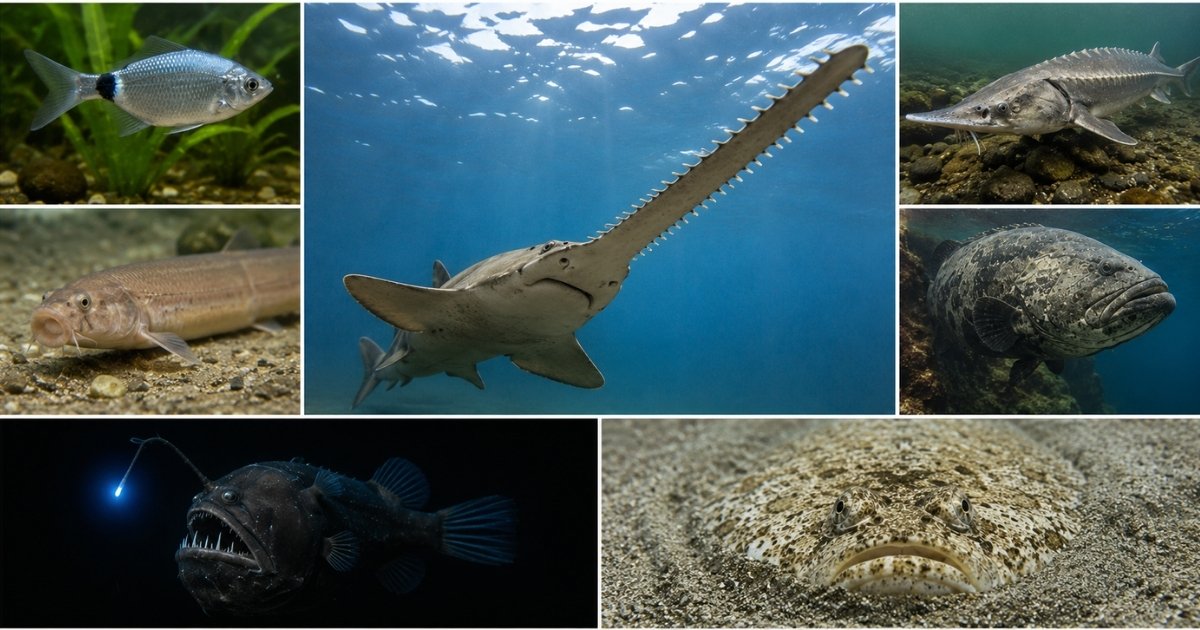
The Adriatic Sturgeon (Acipenser naccarii), for example, once flourished in the Mediterranean but is now teetering on the brink of extinction. Exploring the nuances of these aquatic populations showcases not only the delicate balance of ecosystems but also the urgent need for conservation efforts.
Ultimately, while the Devils Hole pupfish frequently comes to mind when discussing the rarest fish in the world, the reality of “rarity” is far more intricate.
What Makes A Fish Rare?
Rarity in fish species often stems from a complex interplay of environmental pressures and biological factors. An extremely small population can make a species vulnerable to extinction, especially when combined with a limited geographic range.
For instance, fish that thrive in specific habitats, such as isolated coral reefs or unique freshwater systems, face tremendous risks from habitat destruction and pollution. These threats not only diminish their living environments but also disrupt the delicate balance needed for their survival.
Oerfishing exacerbates the rarity issue, as popular species can dwindle rapidly, while others struggle to maintain their numbers amid climate change and invasive competitors. Surprisingly, some deep-sea fish, despite being rarely seen, aren’t necessarily endangered; their elusive nature often results from their adaptations to extreme environments and deep-sea habitats.
These species might thrive in stable populations, camouflaged in the vast ocean depths, highlighting how rarity can sometimes reflect resilience rather than imminent extinction. By understanding these nuances, we can better appreciate the intricate web of life beneath the waves and the importance of preserving even the most obscure marine inhabitants.
15 Rarest Fish In The World
The depths of our oceans and rivers harbor some of nature’s most elusive treasures. Among these are the world’s rarest fish, each with a story as unique as their intricate patterns and vibrant colors. Discovering these extraordinary species not only captivates our imagination but also highlights the fragility of aquatic ecosystems.
Devil’s Hole Pupfish
| Attribute | Details |
|---|---|
| Scientific Name | Cyprinodon diabolis |
| Size | ~1 inch |
| Diet | Algae, organic debris |
| Habitat | Devil’s Hole, Nevada |
The Devil’s Hole Pupfish is a true marvel of evolution, residing in the unique geothermal aquifer known as Devil’s Hole in Nevada. Its habitat is astoundingly limited; the fish is found nowhere else, making its existence precarious.
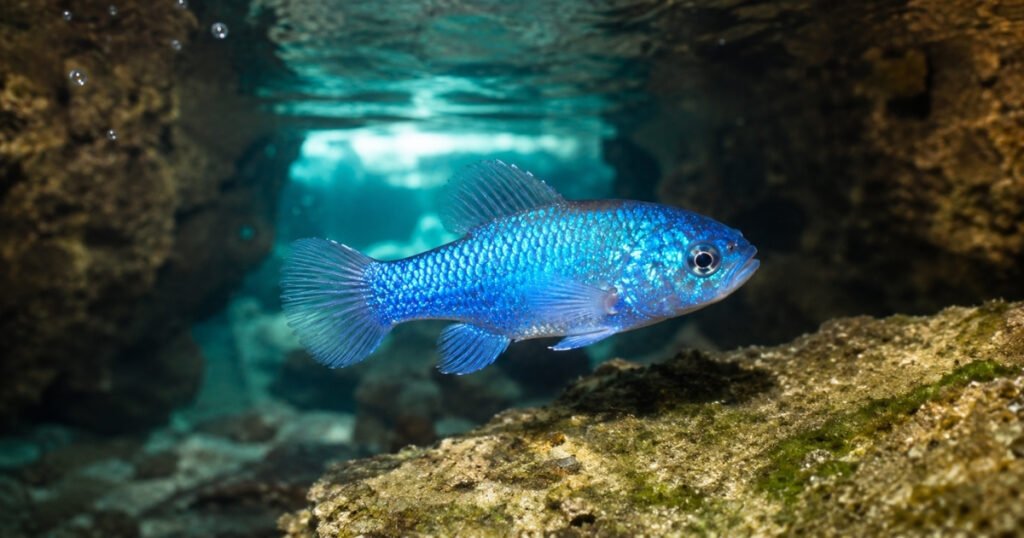
Population fluctuations have left this species with a mere handful of individuals at times, reaching lows of just over 35 individuals. This tiny fish, typically measuring only around 1 inch in length, displays bright blue coloring and a slender body, which aids in its camouflage. Primarily feeding on algae and organic debris, the pupfish engages in a unique breeding ritual where males display vibrant colors to attract females.
Conservation efforts, including habitat protection and breeding programs, are critical to ensuring their survival. Its rarity stems not just from its limited range but also from the delicate ecological balance required to sustain its population, making it a significant subject for conservationists and researchers alike.
Red Handfish
| Attribute | Details |
|---|---|
| Scientific Name | Thymichthys politus |
| Size | 9 to 10 cm (3.5 to 4 inches) |
| Distribution | Tasmania |
| Habitat | Sandy, mixed substrates |
The Red Handfish stands out with its vibrant red and white coloration, resembling a living work of art. It possesses unique hand-like fins that allow it to “walk” along the sea floor rather than swim, an adaptation that is both fascinating and visually striking.
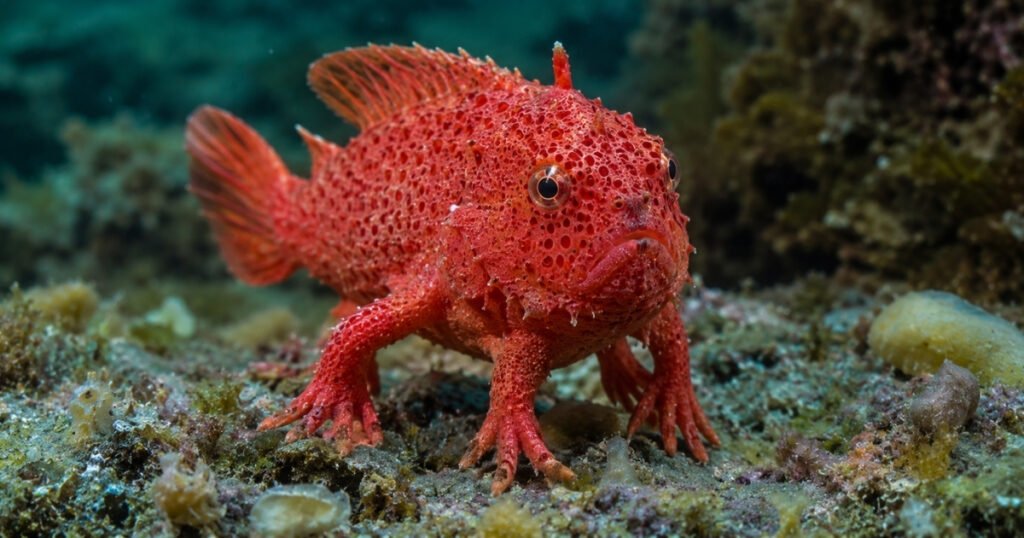
Found exclusively in the waters of Tasmania, this fish’s distribution is extremely limited, exacerbating its vulnerability. The population is tiny, with estimates suggesting fewer than 300 individuals remain. The Red Handfish thrives in sandy or mixed substrates, where it nests in shallow waters.
Reproduction occurs as these fish lay eggs in small crevices, but threats like habitat destruction and invasive species compound their struggles. Currently listed as critically endangered, the Red Handfish’s unusual appearance makes it a vital species for highlighting the delicate balance of marine ecosystems and the urgent need for conservation.
Sakhalin Sturgeon
| Attribute | Details |
|---|---|
| Scientific Name | Acipenser schrenckii |
| Size | Up to 10 feet |
| Diet | Crustaceans, aquatic invertebrates |
| Habitat | Brackish water estuaries |
The Sakhalin Sturgeon, native to the Sakhalin Island in Russia, is a remarkable relic of prehistoric times. It reaches impressive sizes, often exceeding 10 feet in length, making it one of the larger sturgeon species. Preferring brackish waters, this fish thrives in river estuaries where it can find ample food, including crustaceans and aquatic invertebrates.
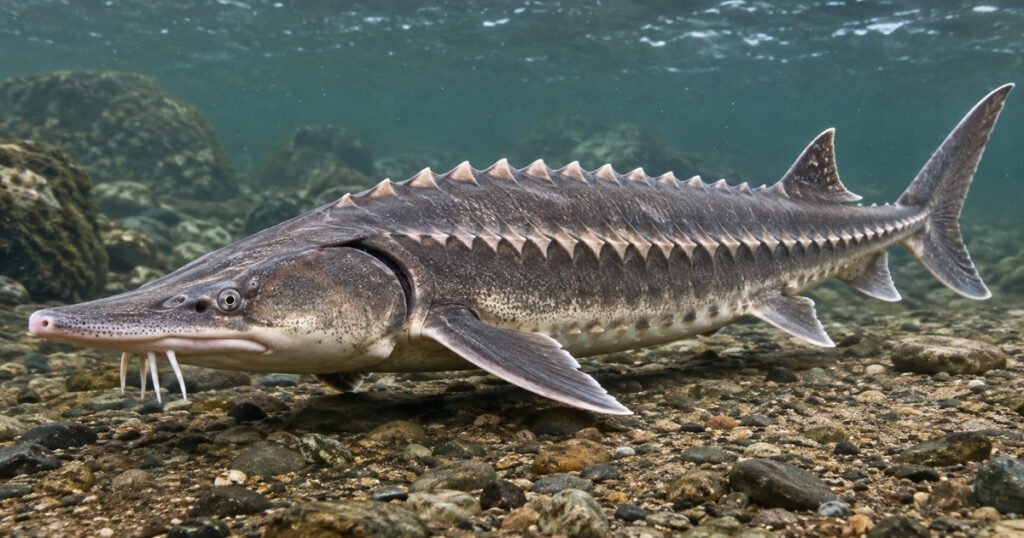
Unfortunately, significant population declines have been observed, primarily due to overfishing and habitat degradation. The pressure from fishing, both legal and illegal, has led to drastic reductions in their numbers, pushing them to near extinction.
Conservation status assessments categorize the Sakhalin Sturgeon as endangered, owing to its specialized habitat needs and low reproductive rates. Its rarity is underscored by its historical significance and the unique ecological roles it plays in its ecosystem.
Adriatic Sturgeon
| Aspect | Details |
|---|---|
| Scientific Name | Acipenser naccarii |
| Size | Up to 2 meters |
| Diet | Omnivore (insects, crustaceans) |
| Habitat | Freshwater rivers/estuaries |
Historically, the Adriatic sturgeon, known scientifically as “Acipenser naccarii”, roamed the rivers and coasts of the Adriatic Sea. Its range extended from northern Italy to the Balkans, reflecting a once-thriving population. Today, this sturgeon is on the brink of extinction, largely confined to isolated pockets in the river systems of Italy and Slovenia due to habitat loss and environmental changes.
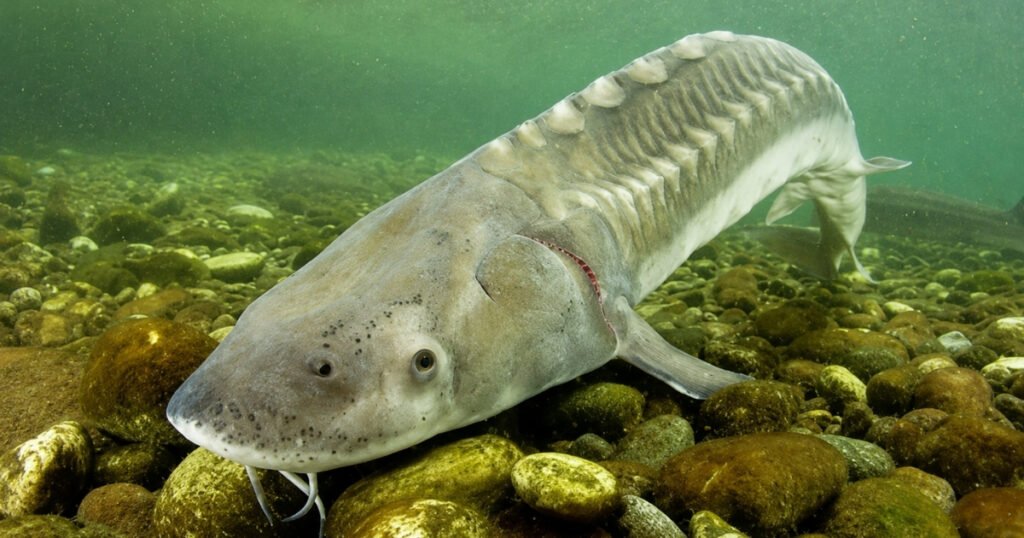
Adriatic sturgeons can grow up to 2 meters in length, characterized by a stout body, bony scutes, and a flattened snout that gives it a prehistoric look, reminiscent of an era when giants ruled the waters.These fish inhabit freshwater rivers and estuaries, utilizing shallow areas for feeding and spawning. The degradation of riverbanks has severely limited their spawning grounds.
Reproduction occurs in the spring, with females laying up to 100,000 eggs on gravel beds. However, the success rate of these eggs reaching maturity has drastically decreased. Overfishing, dam construction, and pollution have decimated their natural habitat, making survival increasingly precarious.
Efforts to restore the Adriatic sturgeon include habitat rehabilitation and breeding programs, although success remains fragile.
Tequila Splitfin
| Aspect | Details |
|---|---|
| Scientific Name | Zoogoneticus tequila |
| Size | 5 to 7 centimeters |
| Diet | Omnivore (algae, invertebrates) |
| Habitat | Lakes and rivers in Mexico |
The Tequila splitfin, or “Zoogoneticus tequila”, is a small but striking fish known for its remarkable adaptability to changing environments. This fish is endemic to a few lakes and rivers in central Mexico, primarily near Tequila, where its population has faced serious challenges.
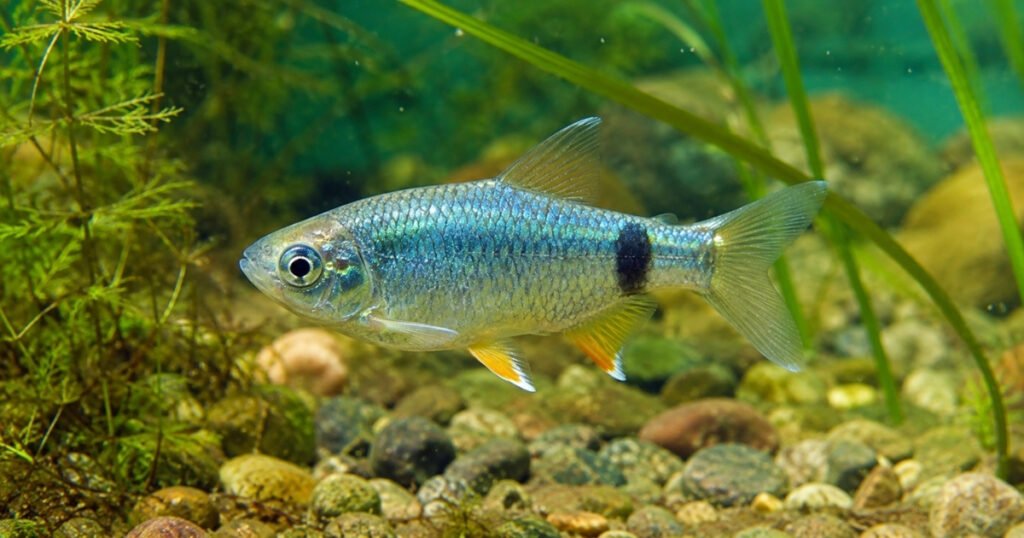
Typically reaching about 5 to 7 centimeters in length, the Tequila splitfin boasts a vibrant color palette that captivates aquarists and scientists alike. Its brightly colored body adorned with distinctive markings makes it a visual treat. The males are particularly known for their vivid hues during mating seasons.
Once prevalent across various aquatic habitats, the Tequila splitfin has seen a dramatic decline due to habitat degradation and pollution. In the late 1990s, this species was considered extinct in the wild, but successful breeding programs and reintroductions have helped stabilize its population in certain areas.
The Tequila splitfin serves as a vital indicator of ecosystem health, highlighting the impact of environmental changes on freshwater species.
Kissing Loach
| Aspect | Details |
|---|---|
| Scientific Name | Creteuchiloglanis deraniyagalae |
| Size | Up to 10 centimeters |
| Diet | Omnivore (detritus, small invertebrates) |
| Habitat | Freshwater rivers in Sri Lanka |
The Kissing loach, known scientifically as *Creteuchiloglanis deraniyagalae*, hails from the rivers in Sri Lanka, specifically in the wet zone, where it thrives in various aquatic ecosystems. This species prefers slow-moving, freshwater environments rich in aquatic plants, where it finds ample food and safe breeding spots.
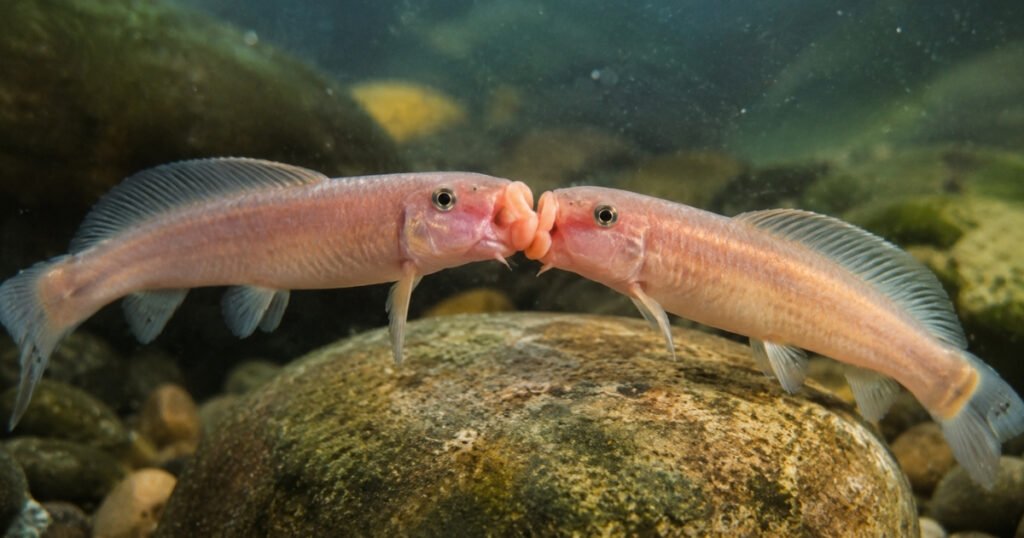
Characteristically, kissing loaches are small and elongated, displaying a distinctive feature: their “kissing” behavior, where they press their mouths against one another during social interactions. Their social nature is fascinating; they often engage in playful activities and cleaning behaviors among group members, creating a unique dynamic in their communities.
Unfortunately, habitat destruction from urbanization and pollution has led to significant declines in their population over the years. Main threats include deforestation, mining, and water pollution, each posing challenges to the loach’s survival and reproduction.
Conservation efforts for the kissing loach involve habitat protection and awareness initiatives, emphasizing the need for sustainable practices in Sri Lanka.
Smalltooth Sawfish
| Feature | Description |
|---|---|
| Scientific Name | Pristis pectinata |
| Size | Up to 20 feet |
| Diet | Fish, crustaceans |
| Habitat | Coastal, estuarine waters |
The Smalltooth Sawfish, with its elongated, tooth-studded rostrum, resembles an aquatic chainsaw, serving as a versatile tool for foraging. This unusual snout helps them detect prey and navigate their environment.
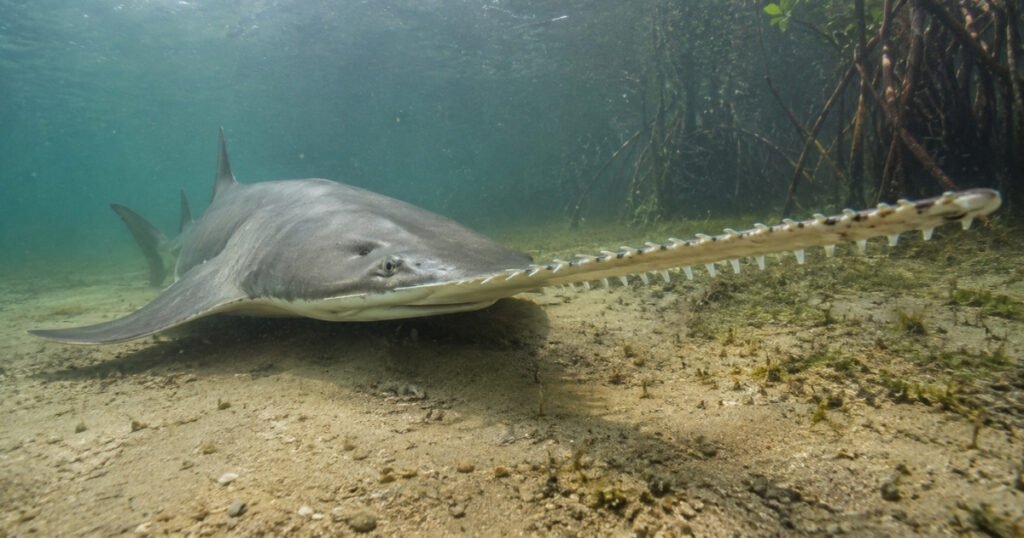
Primarily dwelling in shallow marine waters and estuaries, these fish can often be found in coastal regions along the southeastern U.S. and the Caribbean, crucial for their breeding. Historically widespread, the sawfish’s range has dramatically shrunk due to overfishing and habitat destruction, making sightings increasingly rare.
These magnificent creatures can grow up to 20 feet long, but due to declining numbers, individuals of such size are seldom observed today. Smalltooth Sawfish exhibit ovoviviparous reproduction, with females giving birth to live young after a gestation period of around five months.
Their vulnerability stems from bycatch in fishing nets and targeted fishing due to their fin and rostrum, which are highly valued in certain markets. Designated as endangered, conservation initiatives aim to protect their remaining habitats and promote sustainable fishing practices.
European Sea Sturgeon
| Feature | Description |
|---|---|
| Scientific Name | Acipenser sturio |
| Size | Up to 16 feet |
| Diet | Mollusks, crustaceans |
| Habitat | Rivers, coastal areas |
The European Sea Sturgeon is scientifically known as Acipenser sturio, a relic of ancient aquatic ecosystems. Once widespread across European rivers and the North Sea, much of its population has dwindled due to pollution and damming of waterways.
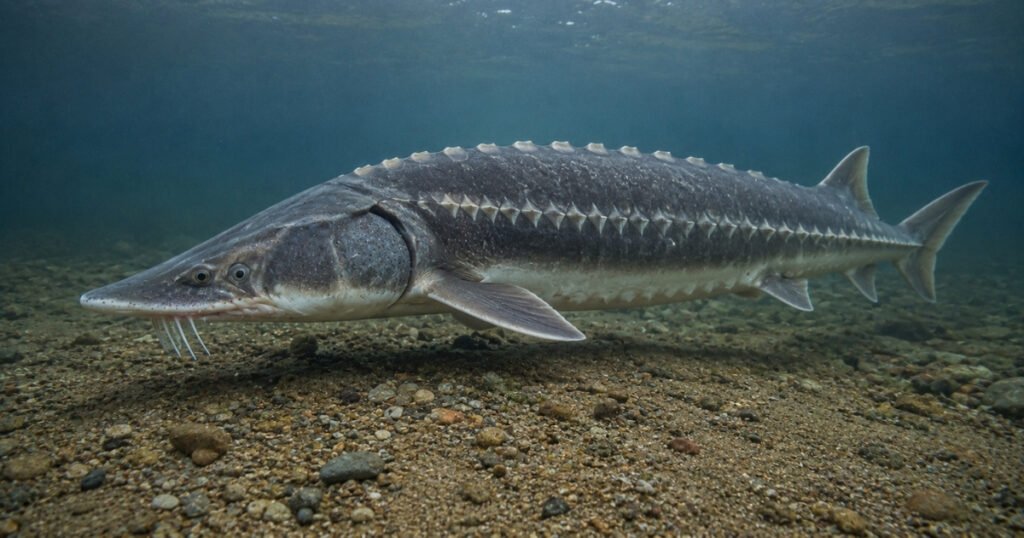
Renowned for their migratory behavior, these sturgeons travel vast distances for spawning, highlighting the importance of healthy rivers. They can reach lengths of up to 16 feet, making them one of the largest freshwater fish in Europe.
These remarkable fish can live for over 60 years, reflecting a long lifespan that underscores their historical significance. Spawning usually occurs in freshwater, with females producing thousands of eggs, though low recruitment rates threaten their survival.
Unregulated fishing practices and habitat alteration continue to pose significant risks, further jeopardizing their populations. Critically endangered, ongoing conservation efforts focus on habitat restoration and sustainable management practices to restore their former numbers.
Giant Sea Bass
| Feature | Description |
|---|---|
| Scientific Name | Stereolepis gigas |
| Size | Up to 8 feet, 500+ pounds |
| Diet | Fish, invertebrates |
| Habitat | Rocky reefs, kelp forests |
The Giant Sea Bass is a colossal fish, often weighing over 500 pounds and measuring up to 8 feet, a formidable presence in oceanic waters. Its robust body features a dark coloration with lighter spots, making it visually distinctive and easily recognizable among divers.
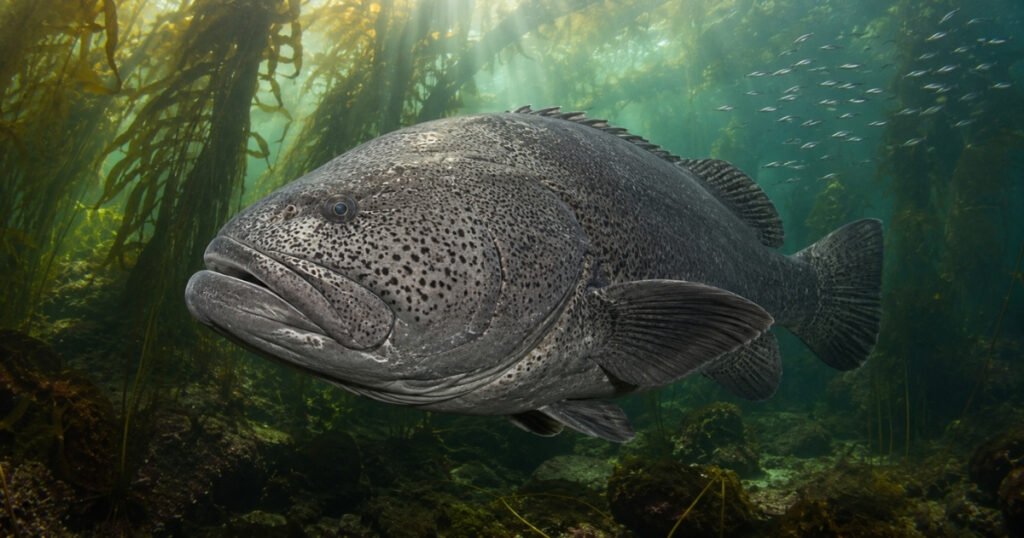
Historically found from the Gulf of California to northern Mexico, they are now mostly located in Southern California, highlighting their reduced range. Preferring rocky ocean floors and kelp forests, these fish rely on complex structures for hiding from predators and hunting prey.
As opportunistic feeders, they consume a variety of marine life, showcasing their adaptability in varying environments. Giant Sea Bass grow slowly, reaching sexual maturity at about 5-6 years old, which makes population recovery a slow process.
Spawning occurs in shallow waters, with adults participating in a communal breeding behavior. Intensive fishing pressure has led to significant declines, emphasizing the need for sustainable practices. With efforts categorized as critically endangered, continued advocacy for marine protection zones is essential for their recovery and future thriving.
Anglerfish
| Feature | Description |
|---|---|
| Scientific Name | Lophiiformes |
| Size | Up to 3.3 feet |
| Diet | Carnivorous |
| Habitat | Deep sea |
The anglerfish, found in the depths of the ocean, is an intriguing marvel of the deep-sea habitat. Notably, its bioluminescent lure acts as a beacon in the dark, attracting unsuspecting prey closer. This unique hunting behavior sets it apart; the anglerfish patiently seduces potential meals with its glowing appendage before striking with lightning speed.
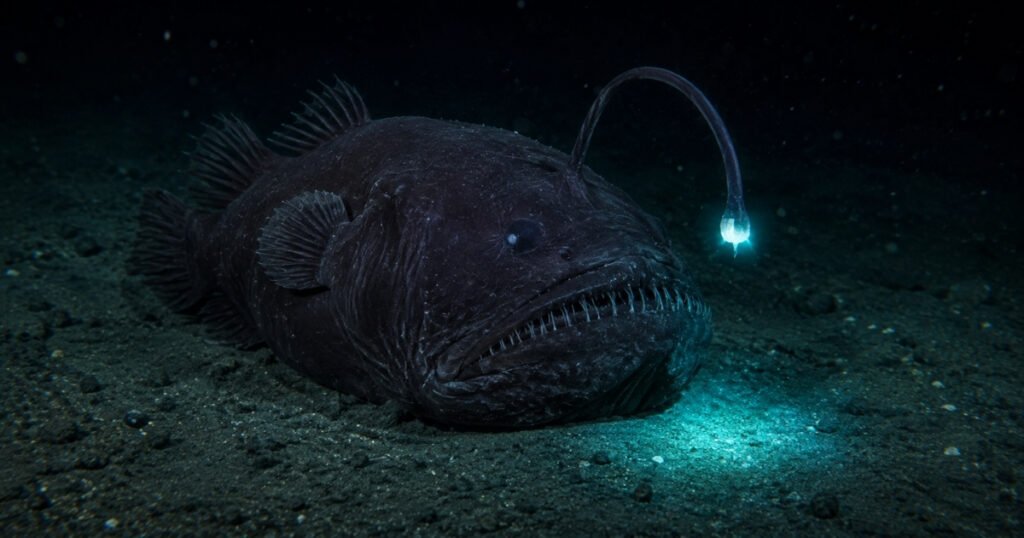
One fascinating aspect of anglerfish is sexual dimorphism, particularly pronounced in species like the “Lasiognathus” where females can grow significantly larger than their male counterparts, who often become parasitic mates.
Humans rarely encounter anglerfish due to their extreme deep-sea habitat, often over 3,000 feet below the surface. It’s essential to differentiate between “rarely seen” and “rare species.” Many anglerfish are not classified as endangered, but their dwelling in isolated and less-explored regions of the ocean makes them infrequently observed by researchers.
Stargazer Fish
| Feature | Description |
|---|---|
| Scientific Name | Uranoscopidae |
| Size | Up to 2 feet |
| Diet | Carnivorous |
| Habitat | Sandy ocean floors |
The stargazer fish exhibits a unique burrowing behavior, often embedding itself into sandy substrates. This intriguing species has its eyes and mouth positioned on top of its head, allowing it to lie in wait for unsuspecting prey above. Its ambush hunting tactics make it a formidable predator, capable of capturing fish that swim too close unaware of the lurking danger.
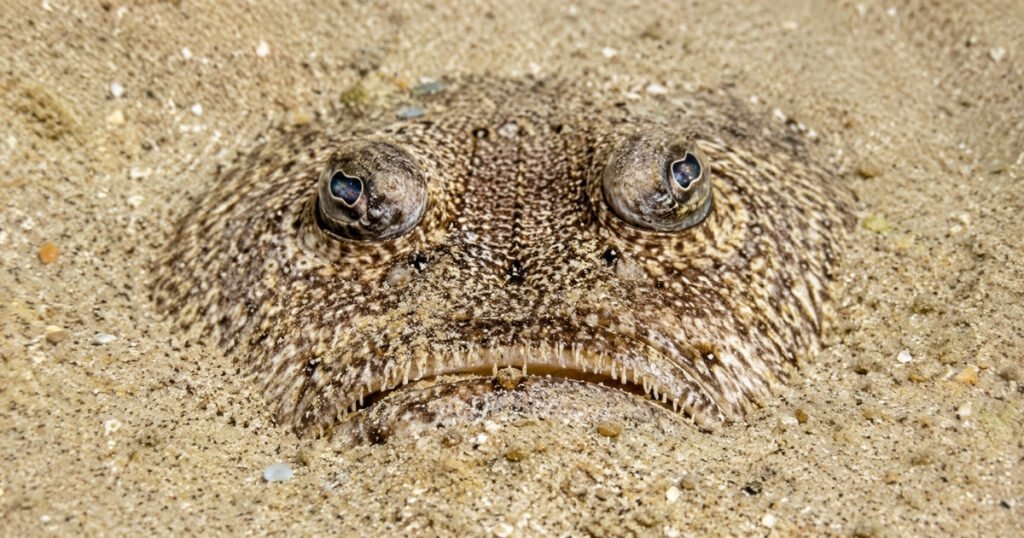
While stargazers are distributed in a variety of oceanic locations, not all species are endangered. Some possess venomous spines or electric organs that can deliver shocks to predators or prey, showcasing their adaptability. They are unusual fish rather than critically endangered, emphasized by their fascinating evolutionary traits and hunting strategies.
Coelacanth
| Feature | Description |
|---|---|
| Scientific Name | Latimeria |
| Size | Up to 6.5 feet |
| Diet | Carnivorous |
| Habitat | Deep sea |
Renowned as a “living fossil,” the Coelacanth is steeped in a rich history of discovery; it was long thought extinct until scientists found it off the coast of Madagascar in the 20th century. This remarkable deep-sea fish thrives at depths of 500 to 2,500 feet, showcasing ancient physical characteristics, such as lobed fins reminiscent of early vertebrates. Its ability to breathe through a modified swim bladder adds to the allure of this enigmatic species.
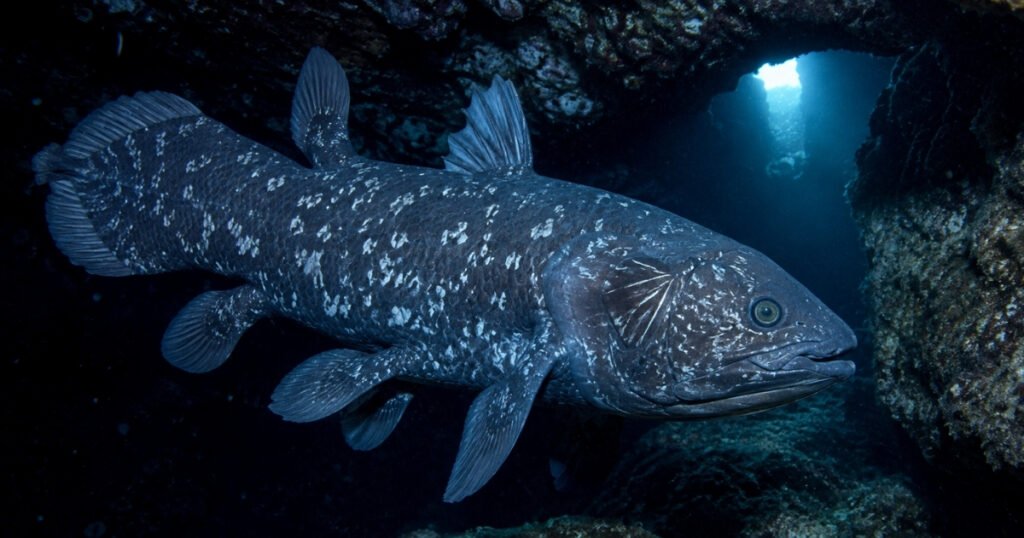
Reproduction in coelacanths is fascinating, involving live births with relatively few young produced. Despite their robust evolutionary heritage, sightings remain rare due to limited population distribution across the Indian and Pacific Oceans. The coelacanth’s deep-sea habitat combined with its elusive nature contributes to its classification as one of the world’s most extraordinary fish.
Megamouth Shark
| Parameter | Details |
|---|---|
| Scientific Name | Megachasma pelagios |
| Size | Up to 5 meters |
| Diet | Plankton, jellyfish |
| Habitat | Deep sea (150–500 meters) |
The Megamouth Shark, discovered in 1976, remains one of the ocean’s biggest enigmas. First sighted off the coast of Hawaii, this rare fish was initially mistaken for a sunfish due to its bizarre silhouette. These elusive creatures dwell in the deep seas, often at depths of 150 to 500 meters, which makes their encounters incredibly rare. This submerged lifestyle shields them from human activity and observation.
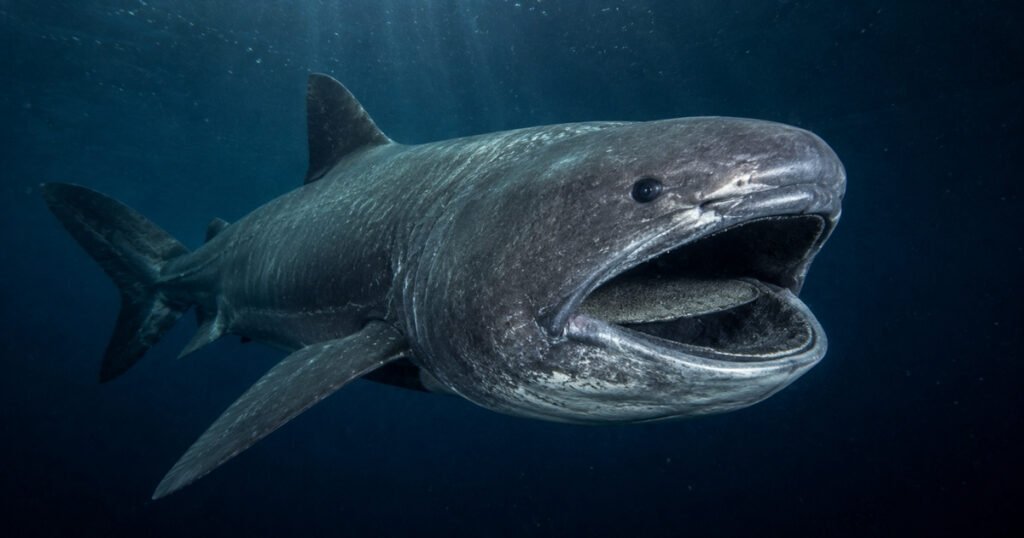
Notably, the Megamouth operates a unique feeding mechanism; it filters plankton and other tiny organisms through its massive mouth. This adaptation allows it to thrive in areas where food sources are sparse. They grow up to 5 meters in length, but some reports suggest they can exceed this size. Their enormity adds to the mystery and allure surrounding these gentle giants.
Characterized by a bulbous head and enormous mouth, the Megamouth sports a dark gray coloration with a white underbelly a fascinating juxtaposition for such a rare fish. Megamouths have been spotted in various oceans, including the Pacific and Indian, but their exact distribution remains murky due to their elusive nature.
Sightings are infrequent partly due to their deep-sea habitat, but also because they are solitary by nature. Most captures have occurred accidentally, underlining their rarity in the wild. The Megamouth Shark is classified as ‘Data Deficient’ on the IUCN Red List, primarily due to the lack of comprehensive research. Despite this, the threats posed by fishing practices and habitat degradation are causes for concern.
Chinese Sturgeon
| Parameter | Details |
|---|---|
| Scientific Name | Acipenser sinensis |
| Size | Up to 5 meters |
| Diet | Omnivorous (small fish, crustaceans) |
| Habitat | Yangtze River and estuarine habitats |
The scientific name of the Chinese Sturgeon is Acipenser sinensis. This ancient fish has been around for over 200 million years, making it a living fossil. Known for its critical role in the Yangtze River ecosystem, the Chinese Sturgeon relies on this river for spawning. Unfortunately, this connection is in jeopardy due to extensive human development along the riverbanks.
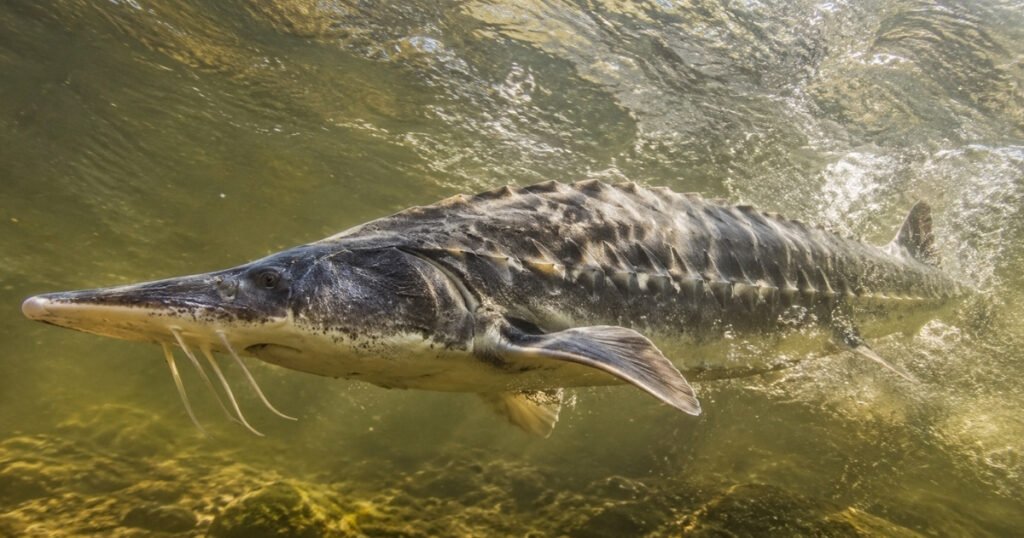
A notable feature of the Chinese Sturgeon is its anadromous life cycle, migrating from saltwater to freshwater for breeding. This journey is fraught with challenges, including habitat loss and pollution. These fish can grow to about 5 meters long and can weigh over 800 kilograms. Their impressive size adds to their majestic status in the aquatic realm.
With a distinctively elongated body covered in bony plates, the Chinese Sturgeon showcases a unique, prehistoric look. Its coloration, primarily a dark gray on the back, facilitates camouflage in river sediments. Spawning typically occurs in the Yangtze River during the summer months. However, declining reproductive rates are a significant concern.
Significant population decline has been observed, attributed to overfishing, hydroelectric dams, and habitat modifications. The once abundant species is now critically endangered.
Human activities have drastically modified habitats, reducing spawning grounds and contributing to the sturgeon’s struggle for survival. Listed as ‘Critically Endangered’, conservation efforts are being implemented to restore its population, involving breeding programs and habitat protection.
Pancake Batfish
| Parameter | Details |
|---|---|
| Scientific Name | Halieutichthys intermedius |
| Size | Up to 15 cm |
| Diet | Small invertebrates |
| Habitat | Deep-sea floor (20–50 meters) |
The Pancake Batfish is scientifically known as Halieutichthys intermedius. This quirky fish, mostly found in the waters around the Galápagos Islands, has intrigued marine biologists for ages. With its distinctly flattened body, the Pancake Batfish has evolved to live on the seafloor. This unique morphology allows it to blend seamlessly with its environment.
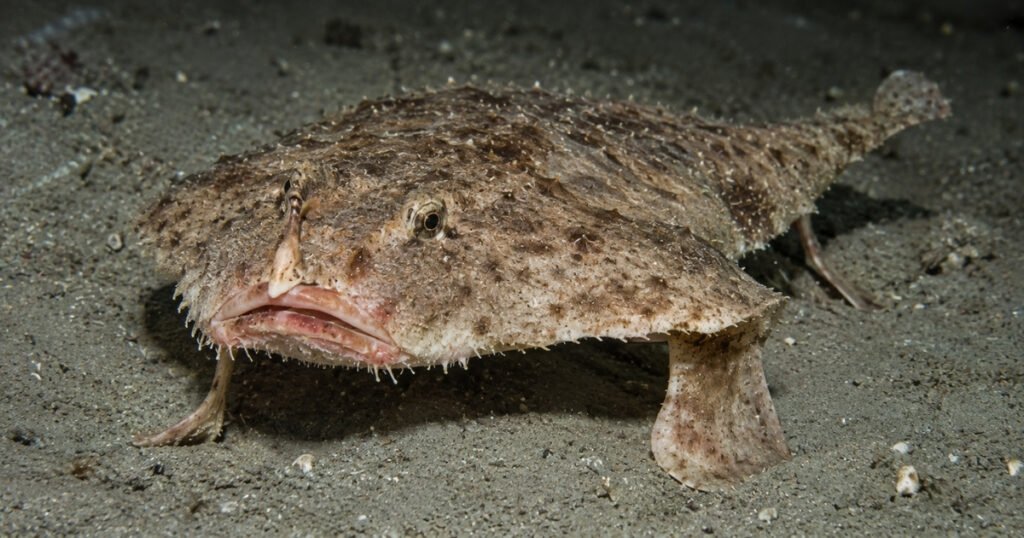
What sets this fish apart are its modified pectoral fins, which resemble a pair of legs that allow it to ‘walk’ along the seabed a captivating adaptation that makes it truly unique among rare fish. The Pancake Batfish prefers deep-sea habitats at depths of 20 to 50 meters, where it glides along the ocean floor in search of prey.
This unusual fish boasts a pale pinkish hue, which complements its flat body and gives it an almost alien-like appearance. Feeding primarily on small invertebrates, the Pancake Batfish uses its unique ‘walking’ ability to locate food effectively, making it a fascinating subject for observation.
Restricted to specific regions, these batfish are mainly found around the Galápagos Islands and certain areas of the Pacific Ocean, making encounters exceptionally rare. Due to its specialized habitat and the depths at which it resides, the Pancake Batfish is rarely spotted in the wild. Its peculiar adaptations further contribute to its status as one of the rarest fish.
Rarest Fish Ever Caught or Recorded
The fascination with the rarest fish ever caught often stems from their elusive nature and the stories surrounding their discovery. Take, for instance, the recent capture of the enigmatic Devil’s Hole Pupfish, a species once thought to be on the brink of extinction.
While it’s startling to witness such unusual scientific captures, it raises questions about our understanding of rarity. Many rare fish thrive in unique habitats, making them difficult to encounter, which doesn’t always correlate with their global population status.
Deep-sea species like the Frilled Shark exemplify this disconnect; they can remain rarely seen yet maintain substantial populations in inaccessible underwater realms. Distinguishing between a rarely caught fish and a critically endangered species is crucial for conservation efforts.
Some species may inhabit vast, unexplored territories, resulting in them being the rarest fish to catch rather than inherently scarce. Understanding these mysterious aquatic dwellers not only enriches our knowledge but also underscores the importance of preserving their environments.
Most Rare Fish Species By Habitat
Rare fish species can be found across diverse habitats, from isolated freshwater rivers to deep ocean waters. Their rarity often depends on limited distribution, specialized habitats, and environmental threats.
Rarest Freshwater Fish
Among the most endangered freshwater fish is the Devil’s Hole Pupfish, native to a single water-filled cavern in Nevada. With fewer than 100 individuals remaining, their plight underscores the fragility of isolated ecosystems.
The Tequila Splitfin, endemic to Mexico, also faces extinction, primarily due to habitat destruction and pollution. Meanwhile, the plight of various sturgeon species illustrates the broader impacts of overfishing and dam construction, with several species teetering on the brink.
Freshwater habitats are often highly restricted, making the survival of these fish a challenging endeavor, as their limited range further exposes them to human impacts and environmental changes.
Rarest Marine Fish
The Red Handfish, an unusual species known for its ability to “walk” on its pectoral fins, is rapidly declining due to habitat loss in Tasmania. Conversely, the Giant Sea Bass wasn’t just a figure of marine folklore; it has become critically endangered, facing threats from overfishing.
Meanwhile, sawfish, often referred to as the “ninja of the sea,” have seen their populations plummet. This is largely due to habitat degradation and incidental catch in fishing gear. Several other marine species, like the striking knifejaw, are also at risk, reflecting the delicate balance of oceanic ecosystems that are being disrupted by human activities.
Rare Deep-Sea Fish
Deep-sea fish such as the Anglerfish captivate with their eerie bioluminescence and bizarre morphology, yet these adaptations have come at a high cost; they are incredibly rare. The Megamouth Shark, with its enormous mouth designed for filter-feeding, is often encountered only in the rarest of circumstances, illustrating the enigmatic life of deep-sea dwellers.
Notably, the Coelacanth, once thought extinct, was rediscovered in 1938, but remains an extremely rare species, symbolizing the ocean’s hidden wonders. Studying deep-sea species is challenging due to the extreme conditions of their habitats, making them elusive and often leaving us with limited knowledge about their behavior and ecology.
Acknowledging the richness and rarity of these fish species elevates the urgency for conservation efforts as we grapple with the mysteries of the deep.
Rare Fish vs Endangered Fish: What’s the Difference?
Rare fish are uncommon because of their limited population, range, or habitat, while endangered fish face a serious risk of extinction. Understanding the difference helps explain why some fish are naturally rare while others need urgent conservation efforts.
Rare Fish
The term “rare fish” refers to species that are naturally uncommon or have a restricted geographical distribution. These fish might inhabit specific environments, such as isolated lakes or remote coral reefs, making them less frequently encountered by researchers and the general public.
Factors like specialized habitat requirements and low population sizes contribute to their rarity. However, this scarcity does not equate to a threat to their survival, as some rare fishes species can thrive due to stable populations in less disturbed environments.
Endangered Fish
Endangered fish are species facing significant risks of extinction, typically due to habitat loss, overfishing, or pollution. Conservation status is often assessed through criteria established by organizations like the International Union for Conservation of Nature (IUCN).
Endangered fish, unlike their rare counterparts, require urgent conservation efforts to stem declining populations. The recognition of a fish as endangered signals the need for enhanced protection measures to avert extinction and help recover their numbers in the wild.
What Is The Most Rare Fish In The World?
When exploring the question of the most rare fish in the world, the elusive Devils Hole pupfish (Cyprinodon diabolis) often surfaces as a prime candidate. This tiny fish, residing in a single, deep water-filled cavity in Nevada, has seen its population dwindle to less than 500 individuals.
The label of “rarest” can vary based on different criteria; for instance, while the Devils Hole pupfish boasts a critically low population size, species like the radiated ratfish or Japanese coelacanth, though also extremely rare, may inhabit broader geographic ranges or have been rediscovered after presumed extinction.
Sources might label a fish as the most rare based on varying conservation statuses and ecological contexts. Some fish are classified as rare due to their limited habitats like the one found in the Devils Hole while others may have a wider range but are endangered due to human activities.
The conservation status can shift with environmental changes or conservation efforts, highlighting the dynamic nature of what we define as the “rarest” fish. Engaging with these species’ complexities not only sheds light on their plight but also amplifies the need for conservation in marine ecosystems.
Cute Rare Fish You Should Know
Some cute rare fish stand out for their unusual colors, unique shapes, and fascinating behaviors. From tiny freshwater species to bizarre deep-sea fish, these rare fish are as interesting as they are adorable.
Red Handfish
The Red Handfish, with its distinctive hand-shaped fins, is a true marvel of nature. Found exclusively in the waters off Tasmania, this rare fish uses its unique fins to “walk” along the sea floor instead of swimming. Its vibrant red hue not only makes it visually captivating but also plays a role in attracting mates, turning each interaction into a stunning underwater ballet.
Unfortunately, the Red Handfish faces the threat of habitat destruction, making conservation efforts even more critical. Watching these fish navigate their environment can evoke a sense of wonder and highlight the fragility of marine ecosystems.
Pancake Batfish
The Pancake Batfish is another good example of cute rare fish that takes the term “unusual” to a new level. This flat, pancake-like creature resides primarily in the waters around the Galápagos Islands. Instead of fins like traditional fish, it possesses developed pectoral fins that resemble tiny arms, enabling it to walk on the ocean floor in search of food.
Its peculiar shape and behaviors captivate those lucky enough to encounter it, but the Pancake Batfish is often overshadowed by more charismatic marine life. This highlights an essential truth: beauty comes in many forms, and sometimes the most enchanting creatures are those that break the conventional mold.
Tequila Splitfin
The Tequila Splitfin is a shining example of how biodiversity can flourish in even the most restricted environments. Native to Mexico’s freshwater springs, this tiny fish exhibits a striking coloration, making it stand out amid its surroundings. Though visually stunning, it is considered endangered due to habitat degradation and pollution.
The Tequila Splitfin’s plight reminds us of the delicate balance ecosystems maintain and the urgent need for conservation efforts. This little fish teaches us that sometimes the most captivating stories of survival and resilience reside within the smallest packages.
Other Visually Unusual Small Species
Beyond these amazing examples, the aquatic world is home to a plethora of visually unusual small species that pique curiosity. Take the Sockeye Salmon, known for its vibrant transformation during spawning season, or the mesmerizing Lanternfish, which glows in the depths of the ocean. While they may not carry the label of “rare,” their unique adaptations and fascinating life cycles present stories that fascinate marine enthusiasts.
Exploring the diverse tapestry of aquatic life reveals how even the less commonly known species contribute to the rich complexity of our planet’s marine environments. Embracing this diversity encourages not just admiration but also a greater appreciation for the interconnectedness of all life.
Rare Fish In Games
Rare fish in games offer a fun twist on real-world fishing, with players searching for hard-to-find species, special locations, and limited catches. Games like Animal Crossing and Warframe feature their own unique rare fish mechanics and challenges.
Rare Fish In Animal Crossing
In Animal Crossing, “rare fish” refers to the elusive species that are difficult to find, adding an exhilarating challenge to your fishing endeavors. These fish often appear less frequently, require specific conditions for spawning, or can only be caught during certain times of the year or day.
Their scarcity not only makes them valuable for selling but also enhances the thrill of catching them. Players often feel a sense of accomplishment when they finally reel in these sought-after species, contributing to the game’s addictive nature.
Some of the most coveted rare fish include the Coelacanth, which can only be caught during rainy weather, and the Napoleonfish, known for its impressive size and specific time frame for spawning. Other notable mentions are the Golden Trout, found exclusively on the cliffs of your island, and the Dace, which requires fishing in the river during the right month. Each of these species captivates players not just for their rarity, but for the unique stories they weave into the gameplay experience.
Players often dive into the search for animal crossing rare fish not only for the thrill of the catch but also to complete their museum collections or earn hefty profits from selling. The quest to master how to catch rare fish in Animal Crossing transforms casual players into dedicated fishers, strategizing their gameplay around the elusive species.
Rare Fish In Warframe
In Warframe, fishing is not just a leisure activity; it is a vital component of crafting and resource gathering. Utilizing a unique fishing mechanic, players can interact with tranquil bodies of water to catch diverse species, each with its own rarity and usefulness.
The incorporation of this system adds depth to exploration, enhancing the immersive experience within the game’s richly designed landscapes. Players can customize their approaches depending on the time of day and the fishing location, as well as the type of gear they choose to equip.
The Plains of Eidolon serves as a picturesque backdrop for fishing, with its sprawling waters teeming with a variety of aquatic life. This open-world environment allows players to embark on fishing excursions, especially during calmer times of the day when rare fish are more likely to surface.
The combination of stunning vistas and the thrill of the hunt makes these plains a hotspot for avid fishermen. Exploring different spots within the plains can lead to encounters with elusive rare fish, such as the elusive Gup or the stunning Hirudo.
Strategically choosing your fishing locations can significantly enhance your chances of encountering Warframe rare fish. Certain areas in the Plains are known hotbeds for specific species, especially around the lakes and rivers that dot the landscape. Players can often find guides detailing the best locations for rare fish, helping to streamline their fishing adventures.
Understanding bait and spear mechanics is essential for successfully catching rare fish in Warframe. Different types of bait attract various fish species, with some specialized for targeting the more elusive types. The spear’s throw mechanism requires precision, timing, and sometimes even stealth, adding an element of skill to the fishing experience.
Learning how to effectively use the spear in conjunction with the appropriate bait can be the difference between a simple catch and a rare fish plains of eidolon trophy that enhances your crafting endeavors.
Dave’s Rare Fish
In the whimsical world of “Dave the Diver,” Dave’s Rare Fish adds an enchanting layer to the gameplay that captivates both novice and experienced players. These elusive specimens are not just collectibles; they represent the thrill of exploration and the joy of discovery.
As you dive deeper into the vibrant ocean, encountering unique fish species becomes a testament to your skill and determination as a diver. Each rare fish brings its own narrative, enhancing the immersive experience and prompting players to unravel the mysteries of the underwater realm.
Explorers are encouraged to share their rare finds, fueling community interaction and inspiring new strategies. This collaborative spirit enhances the allure of Daves Rare Fish, as players celebrate their underwater conquests together.
The game’s blend of adventure and education about marine life keeps players invested, leaving them excited to dive again and uncover the ocean’s secrets.
Why Are Some Fish Becoming So Rare?
Overfishing: Overfishing occurs when fish are caught faster than they can reproduce, leading to alarming declines in populations. Commercial fisheries often target specific species for their economic value, creating a vicious cycle where certain fish are harvested to near extinction.
Habitat Destruction: Human activity significantly impacts aquatic habitats, with practices like bottom trawling wreaking havoc on delicate ecosystems. Coral reefs, mangroves, and seagrass beds critical nurseries for many fish species are being destroyed or degraded. This loss of habitat ultimately leads to diminished fish populations, as these species rely on healthy environments for breeding and feeding.
Dams: The construction of dams alters river ecosystems, significantly impacting fish migration patterns. Many species rely on upstream and downstream movement for spawning, and barriers disrupt these pathways. As water flow is regulated, essential nutrients are often trapped, further destabilizing the aquatic food web and contributing to declines among multiple fish species.
Pollution: Pollution from agricultural runoff, plastic waste, and industrial discharge introduces harmful chemicals into aquatic environments, weakening fish populations. Heavy metals and microplastics accumulate in the tissues of fish, making them unfit for consumption and leading to reduced reproductive success.
Climate Change: Climate change is altering ocean temperatures, acidity, and currents, which can drastically affect fish distribution and breeding patterns. As certain species struggle to adapt to warmer waters, others may flourish, creating an imbalance in marine ecosystems. The disruption of food resources and altered habitats can lead to a decline in biodiversity, further threatening species that cannot cope with such rapid changes.
Illegal Fishing: The shadowy world of illegal fishing undermines conservation efforts and depletes already vulnerable fish populations. Unregulated practices often involve the use of destructive gear, exacerbating the issue of overfishing.
Coastal Development: Urban expansion along coastlines often results in the destruction of vital fish habitats such as estuaries and wetlands. As shorelines are developed for tourism or industry, the natural structures that provide shelter and breeding grounds for fish are lost.
Invasive Species: Invasive species can disrupt native fish populations by competing for resources, introducing diseases, or preying on native species. These non-native organisms often thrive in altered environments, outcompeting indigenous fish that have limited adaptability to sudden changes.
Slow Reproduction: Many fish species have slow reproductive rates, often requiring several years to reach maturity. Coupled with overfishing and environmental stressors, this biological trait makes it difficult for populations to rebound once they are depleted.
How Rare Fish Are Protected?
Protected Habitats: Protected habitats are crucial for the survival of rare fish species. These areas, often designated as marine reserves or sanctuaries, offer safe havens where aquatic ecosystems can thrive free from human interference. By limiting access and ensuring strict regulations on activities like trawling and pollution, these protected zones allow fish populations to recover and flourish.
Fishing Restrictions: Implementing stringent fishing restrictions is essential for conserving rare fish populations. Limitations on the size and number of fish that can be caught help prevent overfishing, which poses a significant threat to their survival. Seasonal closures in designated areas allow fish to breed and replenish their numbers.
Captive Breeding: Captive breeding programs play a vital role in restoring rare fish species that have faced severe population declines. By carefully managing breeding environments, conservationists can enhance genetic diversity and strengthen resilience against diseases and environmental stressors. These programs often involve collaboration between aquariums, universities, and conservation organizations, creating a network of expertise and resources.
Reintroduction: Reintroduction initiatives aim to bolster dwindling fish populations by carefully releasing cultivated specimens back into the wild. This strategy includes comprehensive habitat assessments to ensure the chosen areas can support these species. Ecologists monitor the reintroduced fish to evaluate their adaptation and survival rates, allowing for adjustments in future restorations.
Monitoring: Regular monitoring of rare fish populations is crucial for assessing the effectiveness of conservation strategies. Utilizing diverse methods such as underwater surveys, satellite tracking, and environmental DNA analysis provides invaluable data about population dynamics and habitat health.
International Conservation Programs: International collaboration is paramount in conserving rare fish species, as many of these populations travel across borders. Programs like the Convention on International Trade in Endangered Species (CITES) help regulate and monitor international trade, ensuring sustainable practices. Joint initiatives among countries promote shared knowledge, funding, and strategies that transcend national boundaries.
These global partnerships facilitate the exchange of resources, enhancing the effectiveness of local conservation efforts and building a collective commitment to marine biodiversity.
Public Awareness: Raising public awareness about the plight of rare fish is essential for fostering a culture of conservation. Educational campaigns, interactive workshops, and community events can inspire individuals to take action, whether through sustainable buying choices or local activism. Engaging storytelling about the unique characteristics and roles of rare fish species highlights their importance in maintaining healthy ecosystems.
Conclusion
Discovering the rarest fish in the world opens our eyes to the incredible diversity that exists beneath the surface. These elusive species highlight the importance of preserving our natural habitats and promoting sustainable practices to protect their dwindling populations.
Each fish is not only a marvel of nature but also a vital part of the ecosystems they inhabit. As we learn more about these extraordinary creatures, we are reminded of our responsibility to safeguard their future.
FAQs
What Is The Top 5 Rarest Fish?
The top five rarest fish include the Devil Fish (Mola Mola), the Pseudoliparis swirei, the Acipenser sturio (European Sturgeon), the Laotian Rock Rat, and the Knifefish. These species are critically endangered due to habitat loss and environmental changes.
What Is The Rarest Fish Alive?
The rarest fish alive is the Pseudoliparis swirei, discovered at extreme ocean depths near the Mariana Trench. Only found in this unique environment, it’s regarded as one of the rarest living species on the planet.
Which Is The Rarest Pet Fish?
The Astatotilapia burtoni, also known as the Burton’s mouthbrooder, is one of the rarest pet fish due to its limited habitat in Africa’s Lake Tanganyika. Breeding practices and habitat conservation are crucial for its survival in captivity.
Which Is The Luckiest Aquarium Fish?
The Koi fish is often considered the luckiest aquarium fish, symbolizing prosperity and good fortune in various cultures, especially in Japan. These vibrant fish are frequently kept in ornamental ponds and are believed to bring luck to their owners.